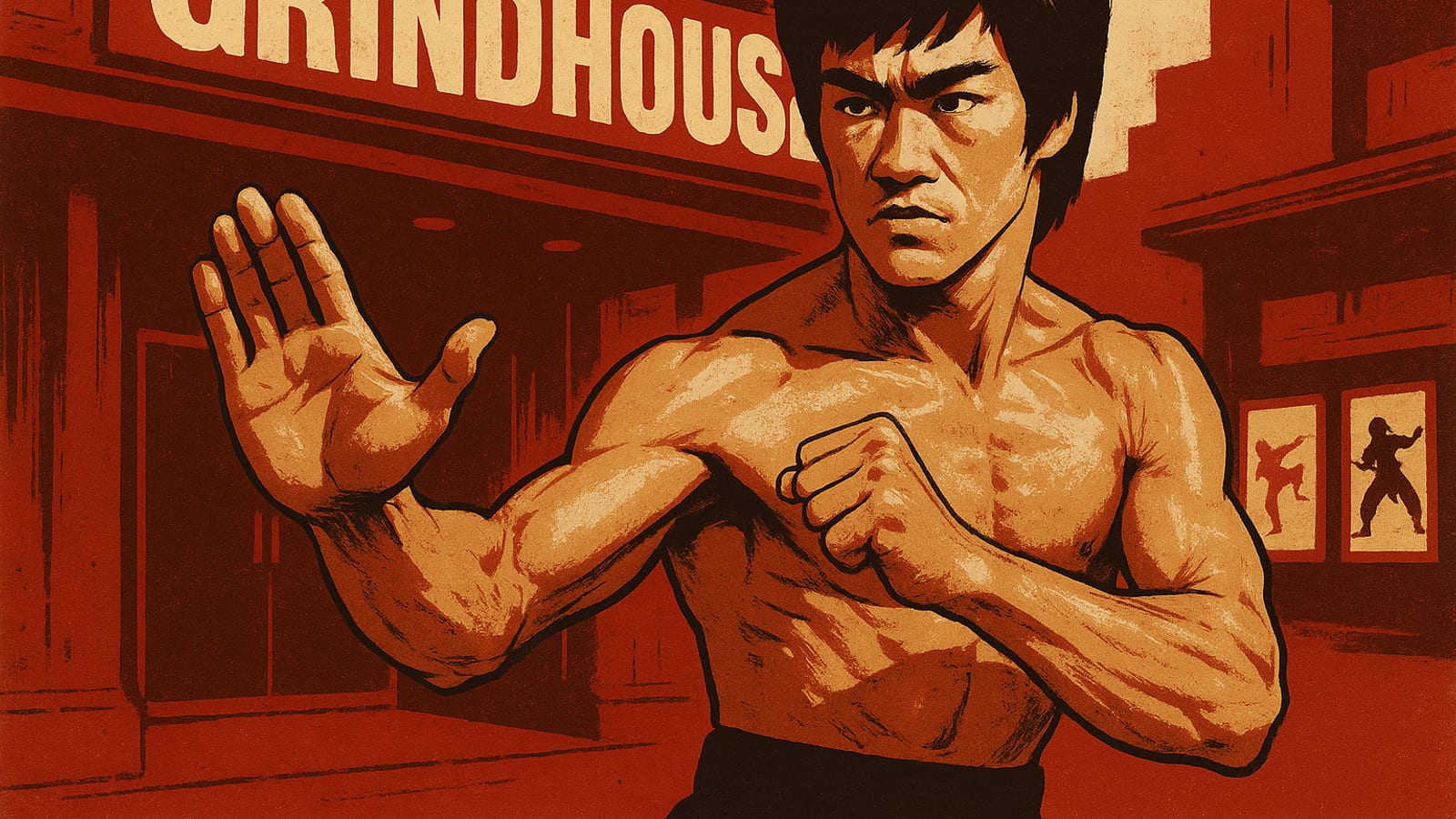
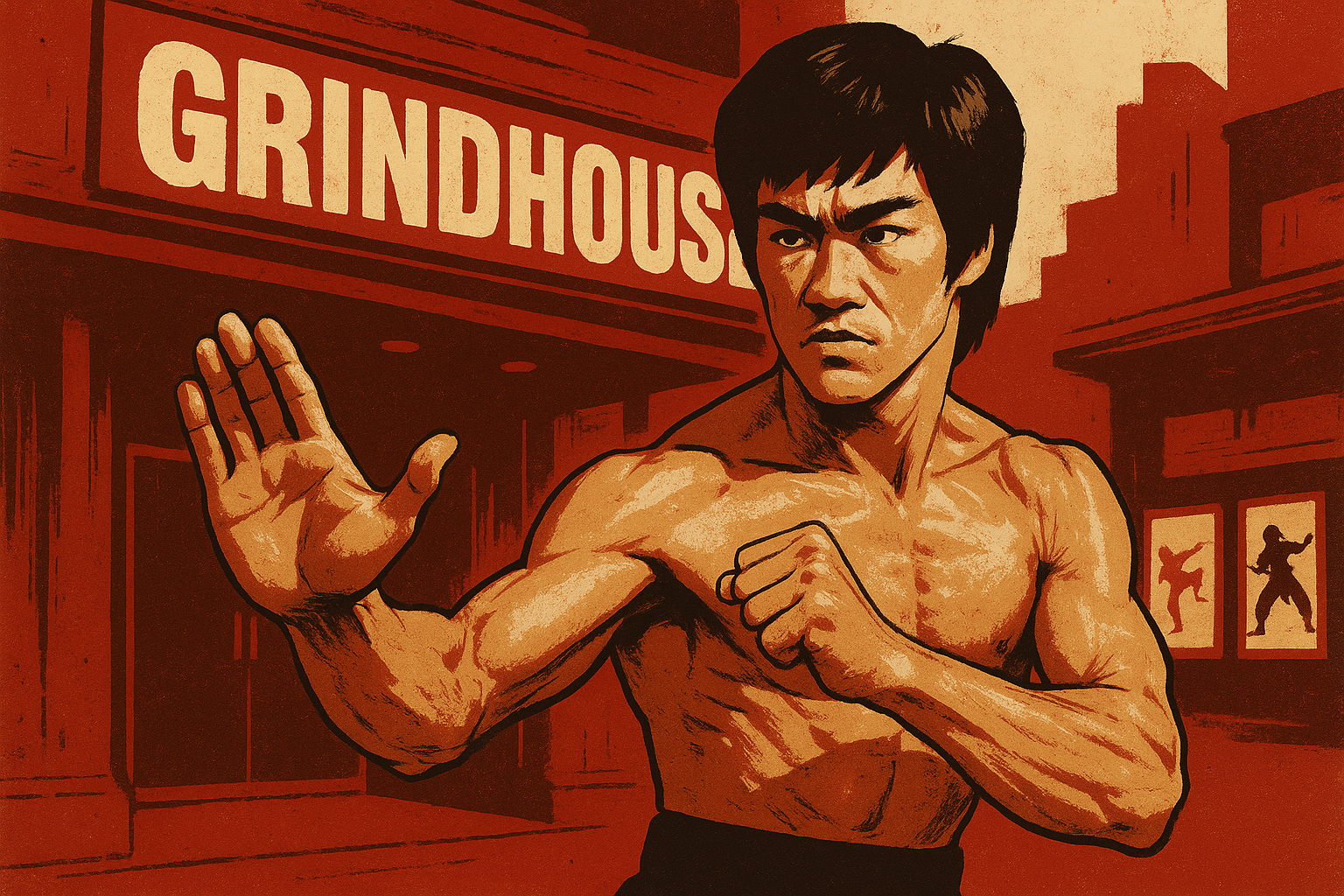
Grindhouse Revival: The Resurgence of Cult Classic Kung Fu Films
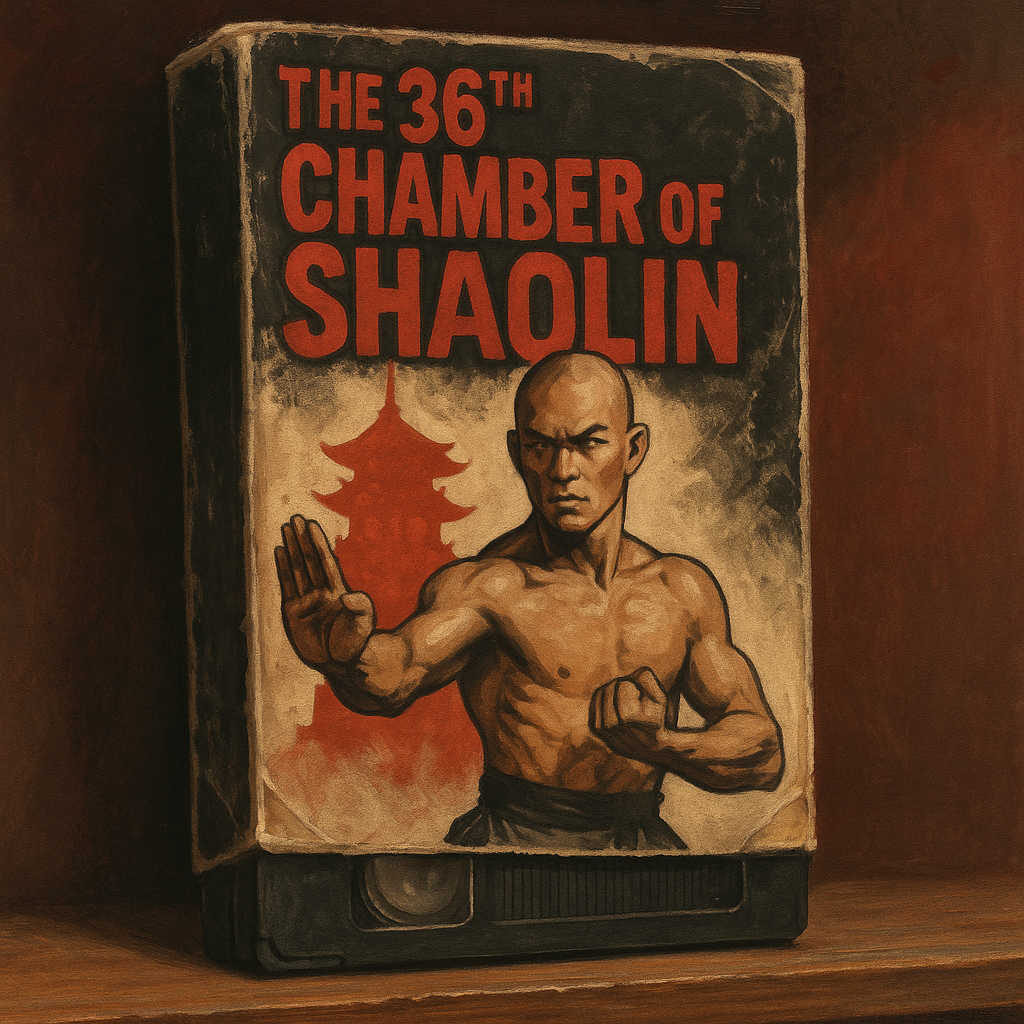
I found my copy of The 36th Chamber of Shaolin at a thrift store, wedged between a workout tape and something with a broken case. The VHS sleeve was sun-bleached, the colors almost gone, but Gordon Liu’s stance on the cover still stopped me cold. I paid whatever they were asking and did not look back. That was a long time ago, and right now we are living through a moment where a whole new wave of people are having their own version of that experience — except they are finding these films on streaming queues instead of dusty shelves, and the picture quality is actually good. That shift is worth paying attention to.
The Golden Era of Grindhouse Kung Fu
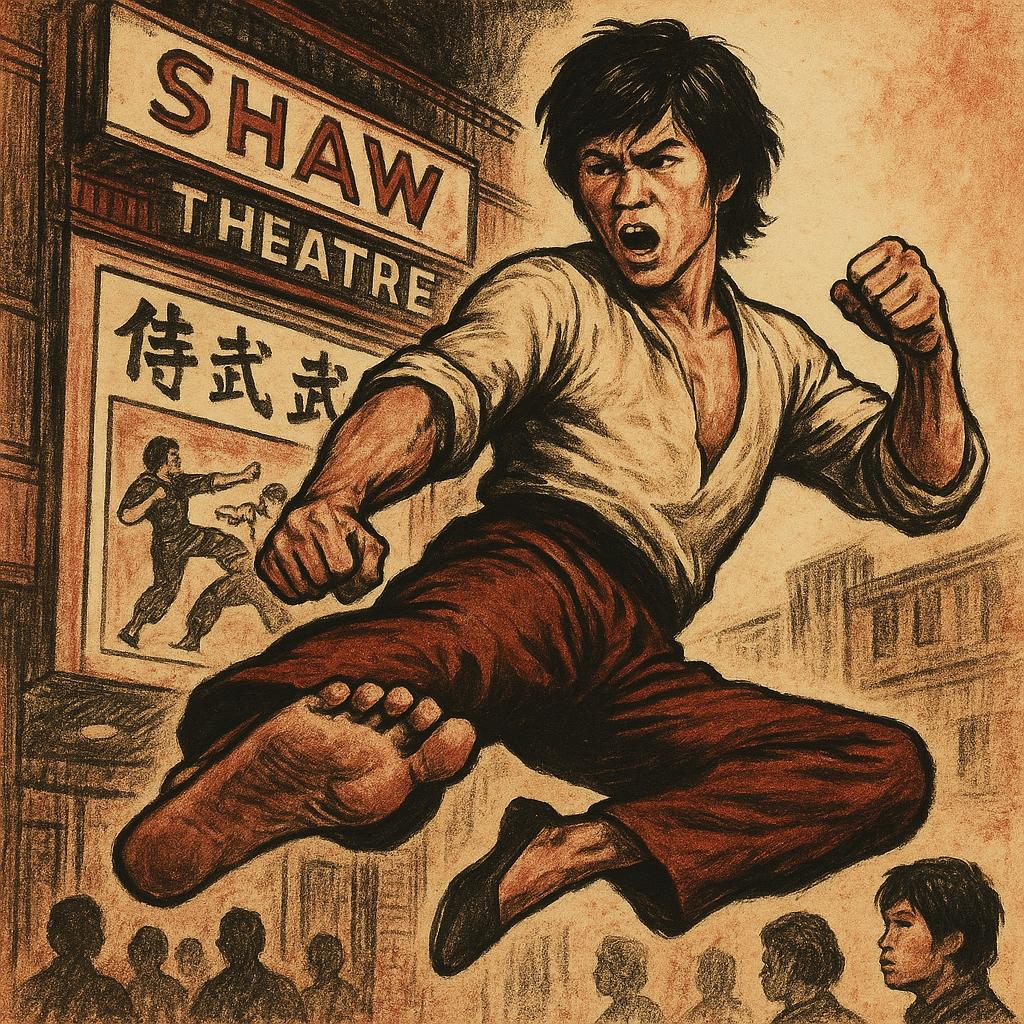
Through the 1970s, grindhouse theaters were the places where these films actually lived. Small rooms, sticky floors, double and triple bills running until the projector bulb gave out. Shaw Brothers was the engine driving most of it — a studio system that was genuinely relentless, producing films with choreography that Hollywood had no framework to understand or replicate. The fights were not decoration. They carried the story, the character’s lineage, the moral stakes of the whole picture.
While Hollywood was chasing spectacle with bigger budgets and cleaner edges, grindhouse screens were offering something that felt immediate and physical. Every form had a reason. Every exchange between fighters told you something about who these people were and where they came from. That is not an accident of the era. That is craft, and it was being practiced at a very high level by people who rarely got the credit they deserved.
Why the Revival?
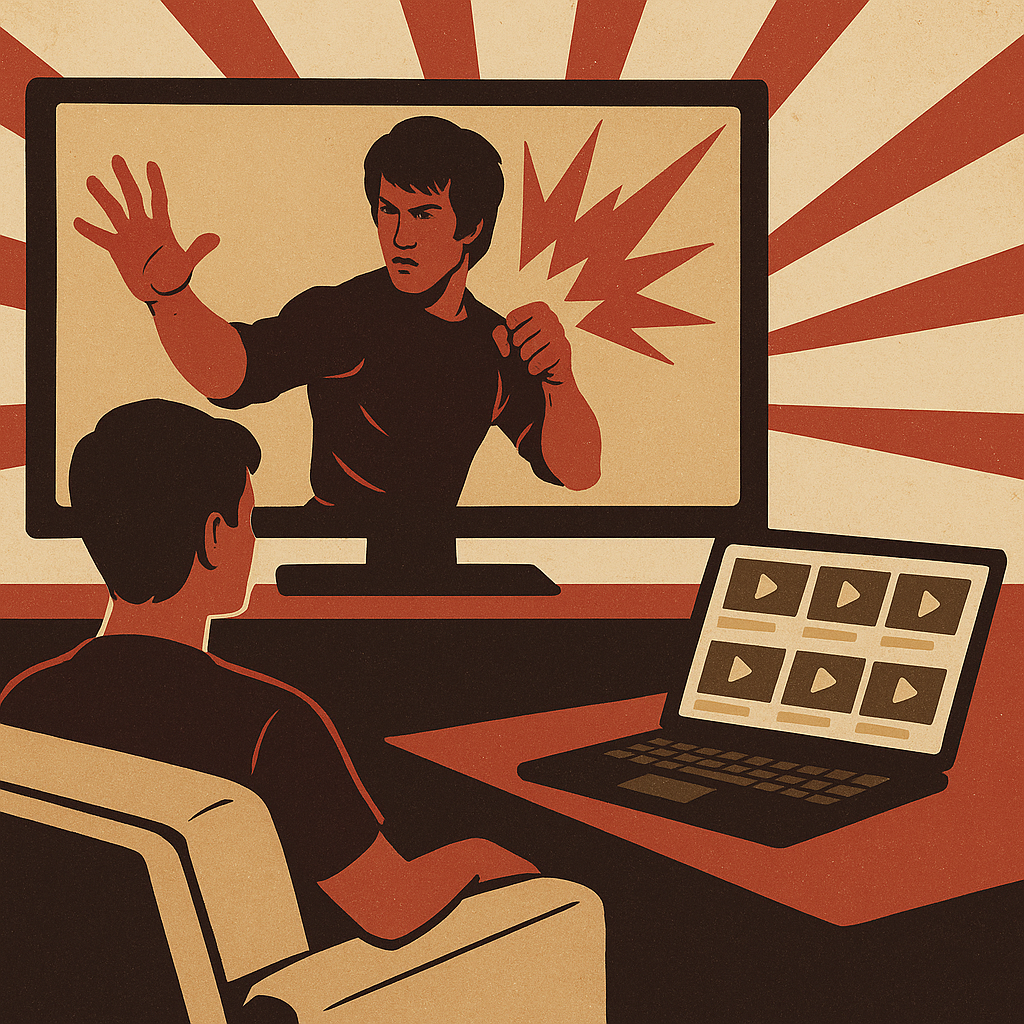
Part of what is driving this resurgence is simple access. Streaming platforms have added serious depth to their classic martial arts catalogs, and a curious viewer can now go from knowing nothing to watching fifty films in a month without leaving their couch. Sites like ArcanoLabs have helped by giving people the context they need — the history, the lineage, the names behind the names — so the films land with their full weight rather than as isolated curiosities.
The other major factor is restoration. When a film that spent thirty years circulating on fourth-generation dubs gets a proper high-definition restoration with accurate subtitles, it becomes a different experience. You can see what the cinematographer actually intended. You can read the choreography the way it was designed to be read. That work is being done by people who genuinely love these films, and it shows. Restoration is not a technical exercise here. It is an act of respect toward performers who were often treated as disposable.
The Power of Choreography and Stunt Work
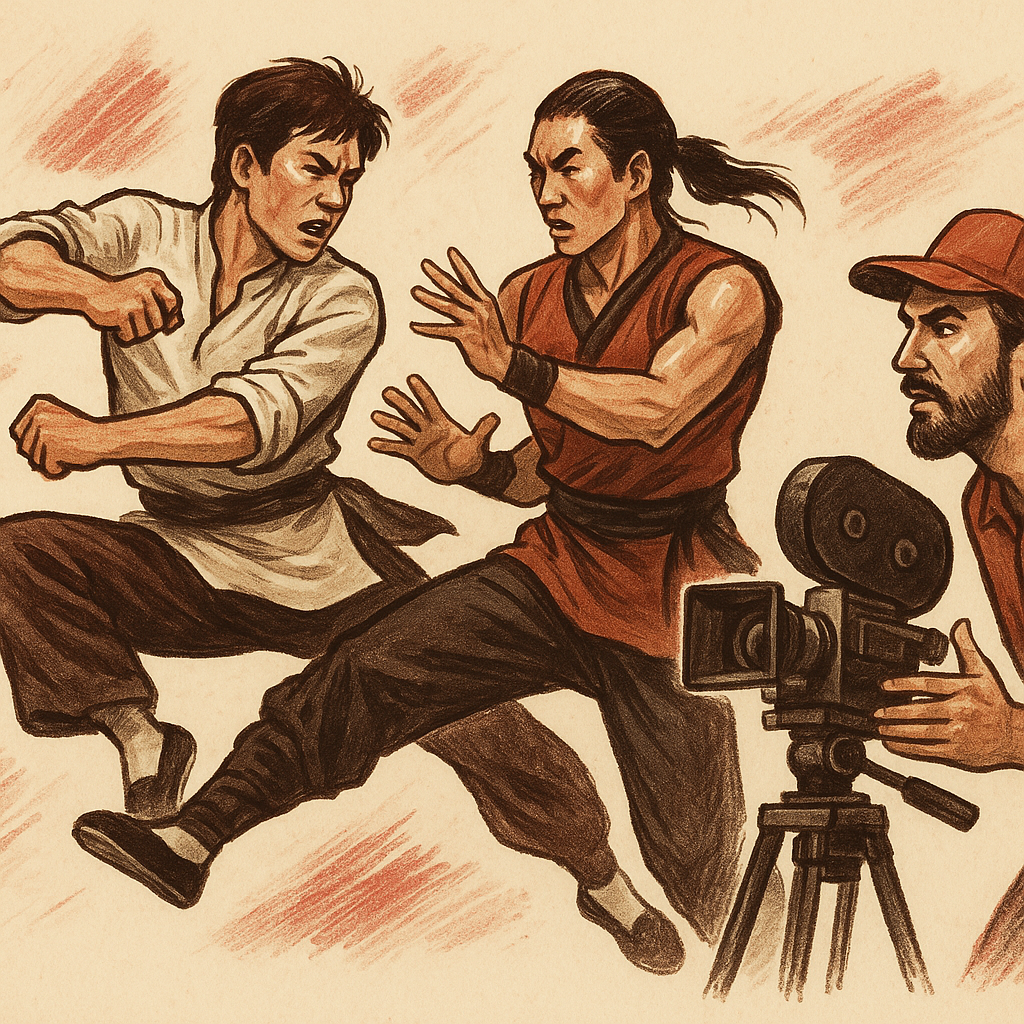
This is the part I want newcomers to really sit with. The choreography in these films required months of preparation and performers who had often spent their entire childhoods in physical training — Peking opera schools, martial arts academies, stunt work from the time they were teenagers. That background is not incidental. It is why the fights read as something other than action sequences. They are conversations in movement, and you can follow them the way you follow dialogue.
The Venom Mob is the clearest example. Their ensemble fight sequences are a masterclass in what happens when every performer in the frame knows exactly what they are doing and why. No quick cuts to hide the gaps. No CGI smoothing over the hard parts. Just stunt work and choreography executed by people who had put in the time. That level of commitment from a full ensemble is genuinely rare, and it is one of the reasons these films hold up when so much else from the same period does not.
Finding and Watching These Classics

If you are just starting out, streaming is the easiest entry point. Netflix and Amazon Prime both carry solid selections of the genre’s essential titles, and the catalogs keep growing. For anyone who wants to go deeper, boutique Blu-ray publishers have been releasing special editions with restored footage and supplementary material that genuinely adds to your understanding of what you are watching — the context behind the craft, the stories of the people who made it.
If you ever get the chance to attend a film festival dedicated to martial arts cinema, go. Watching a Shaw Brothers film in a room full of people who know it by heart is its own kind of education. The conversations that happen around those screenings, with people who have spent years studying the lineage and the history, are worth as much as the films themselves.
The Community Behind the Revival

The revival is not just about individual viewers rediscovering films. It is about what happens when those viewers find each other. Online forums and social media groups have become genuinely useful spaces — places where someone who just watched their first Shaw Brothers film can ask a question and get a real answer from someone who has been watching for forty years, and where both of them are treated like they belong in the conversation.
Communities like Old School Shaolin and Wu have become real hubs for that kind of exchange. They are not just aggregators. They are places where the history of martial arts cinema gets treated seriously, where the performers and directors get named and credited and discussed with the attention their work earned. That matters. These films deserve that kind of care.
Looking Forward: The Legacy Continues
What is happening right now is not just nostalgia running its cycle. The grindhouse revival is a recognition that something real was being done in those films — something in the choreography, the stunt work, the physical commitment of the performers — that current cinema keeps reaching back toward because it has not been surpassed. New filmmakers and performers are studying this material seriously, and you can see it in their work.
Whether you have been watching these films since before they had subtitles or you are picking up your first one this week, the door is open. Start anywhere. Follow the performers you respond to. Learn the names of the choreographers. The deeper you go, the more there is. For more on the films and the people who made them, the ArcanoLabs website is a good place to keep reading.
Monetizing the Grindhouse Revival: Opportunities for Business Professionals
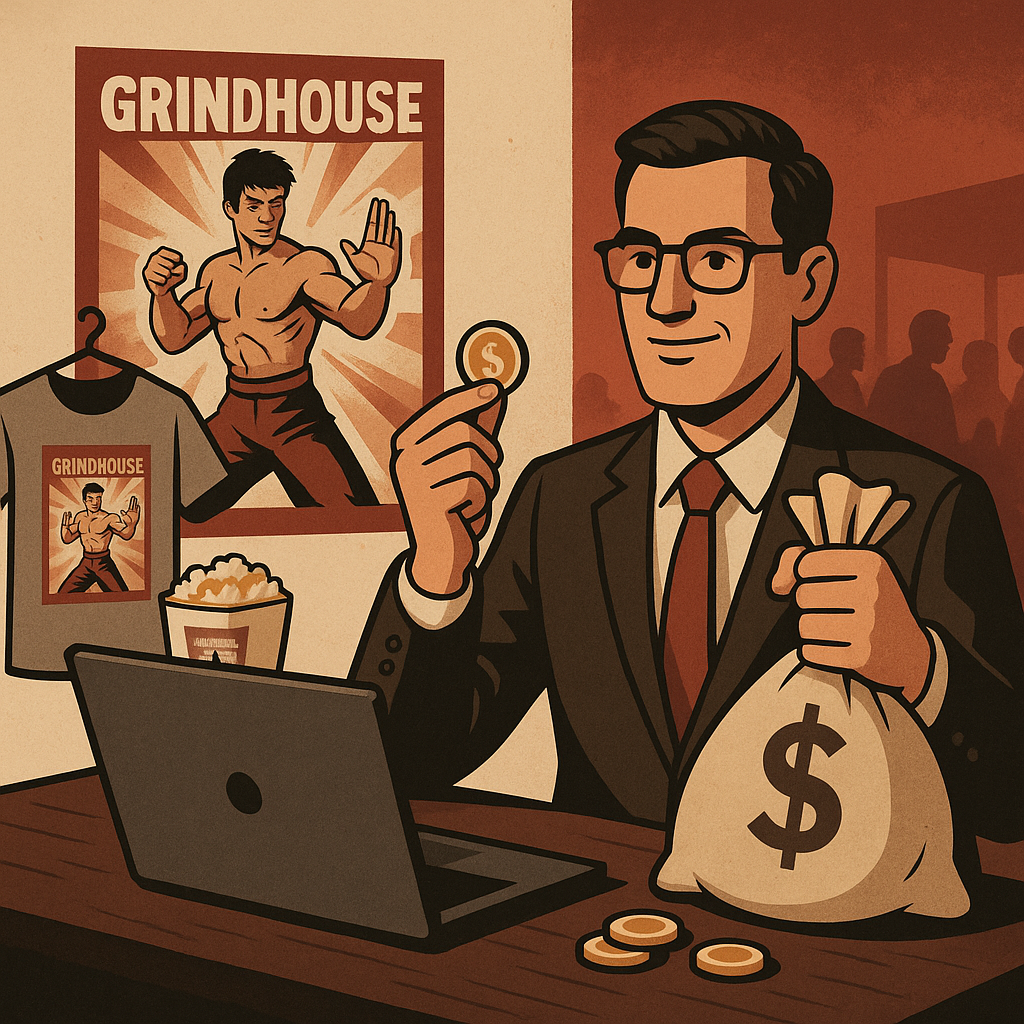
The audience driving this revival is passionate, knowledgeable, and underserved by mainstream entertainment markets. That combination creates real opportunity for business professionals who approach it with genuine respect for the material. Here are some directions worth considering.
Merchandising and Collectibles
The cult status of these films translates directly into demand for physical objects that honor them properly. Fans who care this much about craft and lineage want merchandise that reflects that same standard — not generic product, but items made with the same attention the films themselves received.
- Exclusive Merchandise: Partner with artists who know the material to produce limited-run posters and prints that treat the source films as the serious work they are.
- Apparel Lines: Clothing built around iconic imagery from the films, aimed at fans who want to wear their appreciation without it looking like a novelty item.
- Collectibles: High-quality figurines and prop replicas that collectors will actually want to own long-term, not shelf-filler.
Themed Events and Experiences
The physicality at the heart of these films makes them ideal material for events that go beyond passive viewing. The choreography, the forms, the stunt work — all of it invites participation in a way that most cinema does not.
- Film Festivals: Curated screenings built around specific performers, directors, or Shaw Brothers cycles, with panels that bring real expertise into the room.
- Interactive Workshops: Sessions that teach foundational martial arts techniques or walk participants through how a specific fight sequence was constructed and why it works.
- Themed Dinners or Parties: Screening events paired with food and atmosphere that give attendees a fuller sense of the world the films came from.
Digital Content and Gaming
There is a growing audience for digital content that takes this material seriously — not as nostalgia bait, but as genuine film history worth engaging with on its own terms.
- Podcasts and Web Series: Long-form content that traces the lineage of specific performers, choreographers, or studios, with the depth that the subject actually warrants.
- Video Games: Games that draw on the choreography and storytelling logic of the films rather than just their surface aesthetics.
- Virtual Reality Experiences: Immersive formats that place the viewer inside the physical world of the films in ways that deepen rather than flatten the experience.
Key Performance Indicators (KPIs) for Success

Any serious effort to build in this space needs to be tracked honestly. The fanbase is dedicated but not forgiving of work that feels cynical or uninformed. Here are the metrics that actually tell you whether you are connecting.
- Sales Metrics: Volume and revenue from merchandise and event tickets, measured against the specific titles and performers you are building around.
- Audience Growth: How your community is expanding across social platforms and mailing lists — not just numbers, but whether the right people are finding you.
- Customer Feedback: Direct responses from your audience through surveys and reviews, which in a community this knowledgeable will tell you quickly whether you are getting it right.
- Engagement Rates: Views, downloads, and interactions on digital content — the signal that tells you which conversations are landing and which are not.
The grindhouse revival is being driven by people who genuinely love this craft. Any business built around it will succeed or fail on whether it earns that same trust. Get the history right, credit the performers, and treat the material with the seriousness it deserves. The audience will meet you there.

Leave a Reply