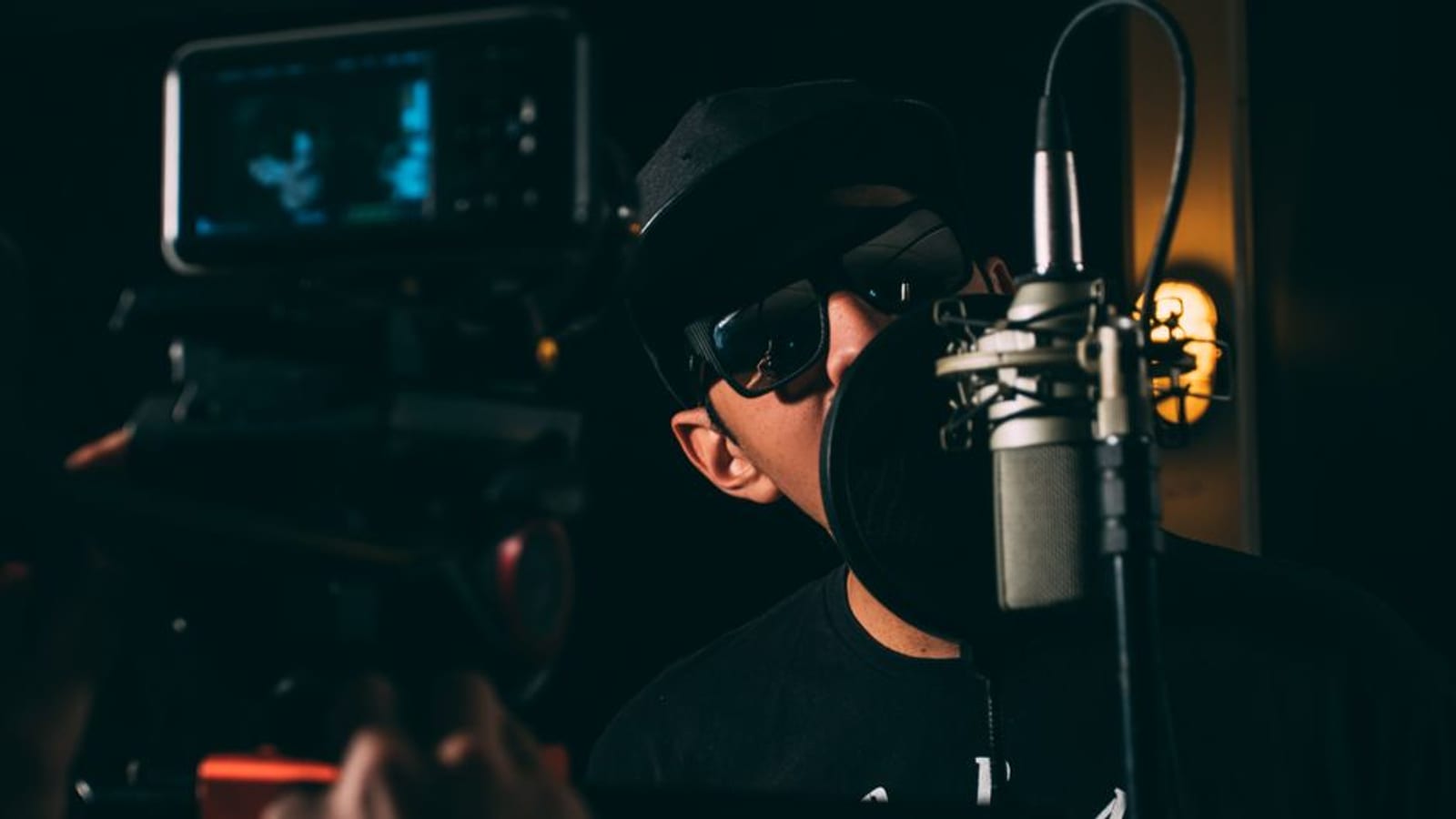
How Cinematic Hip-Hop Can Enhance Film Scenes
The scene is tense. Stakes are high. Every beat of silence carries weight. Now drop a cinematic hip-hop track underneath it — and watch that scene transform from good to unforgettable. This genre blends rhythmic precision with emotional depth, and when it lands right, it doesn’t just support the narrative. It becomes part of it. Here is exactly how filmmakers can use cinematic hip-hop to make scenes hit harder.
The Unique Power of Cinematic Hip-Hop
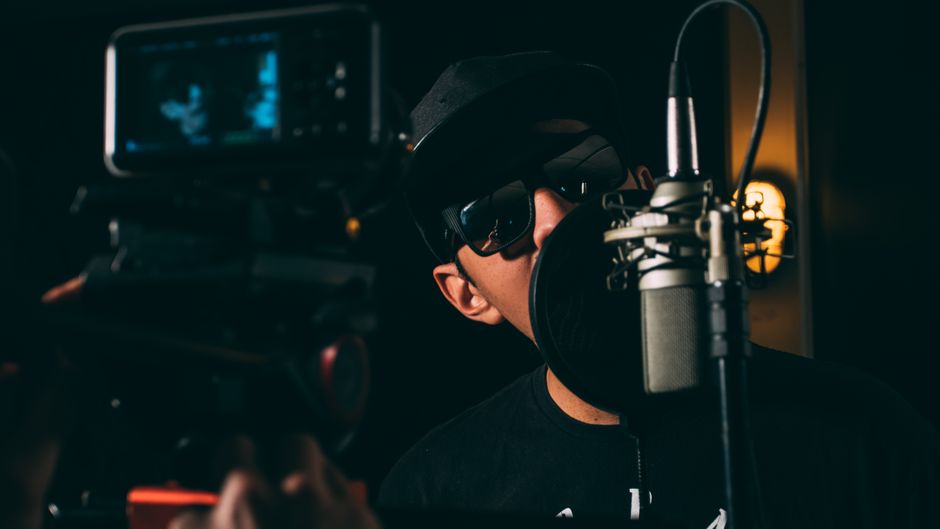
Cinematic hip-hop is a subgenre built at the intersection of traditional hip-hop and orchestral sound design. That combination produces something generic background music cannot — a layered auditory experience that shapes emotional tone with precision. The right track doesn’t just fill silence. It tells the audience how to feel before a single word is spoken.
The Black Panther soundtrack is the clearest proof of concept. African rhythms fused with hip-hop beats created an immersive world that reinforced the film’s cultural identity at every turn. The music wasn’t decoration. It was architecture.

Practical Strategies for Integrating Cinematic Hip-Hop
You do not need a studio budget to do this well. You need a clear process.
- Identify Key Scenes: Pinpoint the moments where emotional stakes peak — climactic confrontations, pivotal revelations, turning points that define your protagonist. Those are your targets.
- Select the Right Track: Match the music to the scene’s specific emotional register. A slow, haunting beat for a moment of quiet devastation. An aggressive, driving rhythm for a sequence built on momentum.
- Collaborate with Musicians: Bring in composers who specialize in cinematic hip-hop early. Alignment between music and vision is not something you fix in post.
Platforms like ArcanoLabs give filmmakers direct access to high-quality cinematic hip-hop tracks, with tools that make selection and integration faster and more precise.
Tools and Resources for Filmmakers
The right platform saves you time and protects you legally. Here are three worth knowing:
- Musicbed: A curated library of cinematic hip-hop tracks. Licensing starts at $49 per track, scaled by usage.
- Artlist: Subscription-based, unlimited downloads including cinematic hip-hop, at $199 per year. Strong value for high-volume projects.
- Splice: Built for collaboration. Offers an extensive library of hip-hop samples and loops for composers and filmmakers working together.
Case Studies: Cinematic Hip-Hop in Action
Theory is useful. Proof is better.
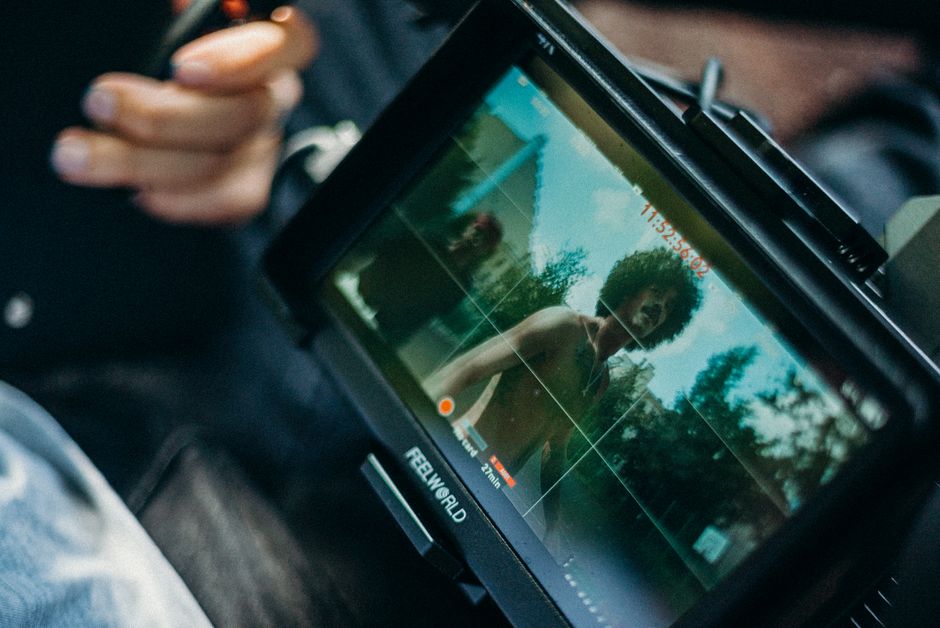
Moonlight wove hip-hop elements into its sound design to externalize the protagonist’s internal world. The music did not explain his struggle — it inhabited it. Critics noticed. Audiences felt it. That is what precise music integration produces.
Netflix’s Luke Cage used hip-hop tracks to anchor the show’s urban identity and cultural themes. Every track choice reinforced where the story lived and who it was for. The result was a series that connected with its audience at a frequency most shows never reach.
Step-by-Step Guide to Implementing Cinematic Hip-Hop
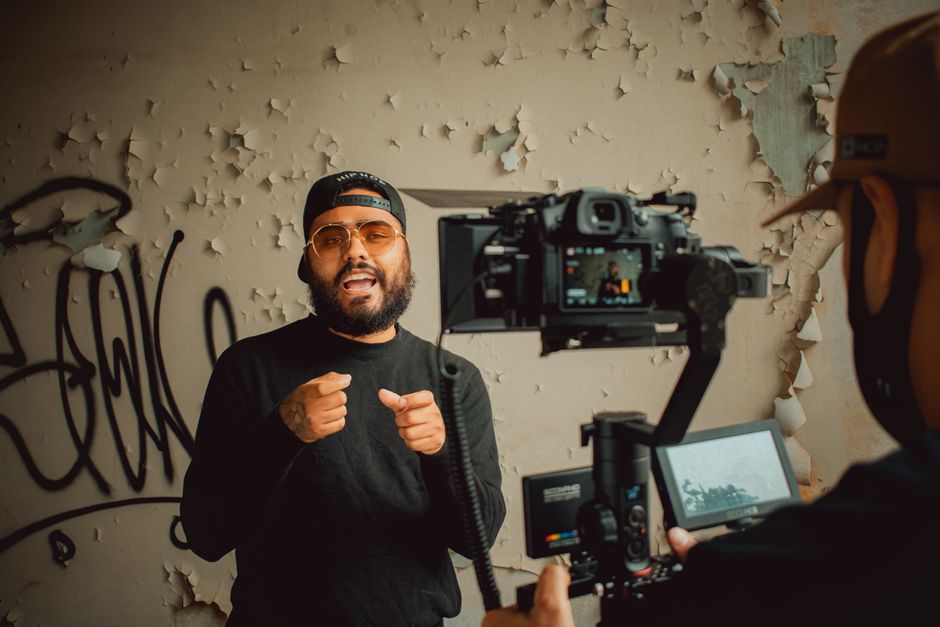
Follow this sequence. Do not skip steps.
- Define Your Film’s Tone: Lock in the emotional arc before you touch a single track. Music chosen without this clarity will fight your story instead of serving it.
- Research Music Options: Explore Musicbed and Artlist with your tone document in hand. You are not browsing — you are sourcing.
- Test Music Integration: Drop your selected tracks into the rough cut. Watch the scenes. Trust your instincts on what lands and what distracts.
- Refine and Finalize: Gather feedback. Adjust. Lock your soundtrack only when the music and the story are pulling in the same direction.
For a faster path from selection to integration, ArcanoLabs offers tools built specifically to keep creators focused on storytelling rather than logistics.
Conclusion: Elevate Your Film with Cinematic Hip-Hop
Cinematic hip-hop is not background noise. It is a storytelling instrument. Used with intention, it sharpens emotional impact, deepens cultural resonance, and turns competent scenes into ones audiences remember.
Start with Musicbed or Artlist. Explore what ArcanoLabs offers to streamline your workflow. Then build the kind of auditory experience that makes your film impossible to forget.
Measuring the Impact of Cinematic Hip-Hop in Film
You cannot improve what you do not measure. Once your film is out, track these indicators to understand whether your music integration is working:
- Audience Engagement: Watch social media reactions, comments, and shares tied to specific scenes. A spike in engagement around music-driven moments is a clear signal.
- Emotional Resonance Surveys: Run focus groups or post-screening surveys. Ask directly how the music made people feel. The answers will tell you whether the emotional intent translated.
- Critical Reviews: Monitor what critics say about the soundtrack. When reviewers call out music integration as a strength, you have done it right.
- Streaming and Sales Data: Track soundtrack performance independently. Strong numbers on cinematic hip-hop tracks reflect genuine audience connection, not just passive listening.
Checklist for Incorporating Cinematic Hip-Hop Effectively
Before you lock picture, run through this list:
- Scene Analysis: Every scene with music should have a clear reason for it. If you cannot state why the music is there, it probably should not be.
- Music Licensing: Secure rights before the film ships. Legal complications after the fact are expensive and avoidable.
- Composer Collaboration: Bring your composer in early. Musical direction set late in production rarely aligns cleanly with the film’s vision.
- Sound Mixing: Professional mixing is non-negotiable. Dialogue, effects, and music each need their own space. None of them should win at the expense of the others.
- Test Screenings: Screen the film with the music in place before you finalize anything. Real audience reactions reveal what notes and spreadsheets cannot.
FAQ: Common Questions About Cinematic Hip-Hop in Film
What makes cinematic hip-hop different from traditional hip-hop?
Traditional hip-hop is built around rhythm and lyricism. Cinematic hip-hop layers those elements with orchestral and atmospheric sound design, producing something with greater emotional range and narrative utility for film.
Can cinematic hip-hop be used in genres other than action or drama?
Yes. The intensity of cinematic hip-hop makes it an obvious fit for action and drama, but it works equally well in thrillers, comedies, and documentaries. Any project that benefits from a contemporary, dynamic soundscape is a candidate.
Is it expensive to license cinematic hip-hop tracks?
Costs vary by track and licensing terms. Platforms like Musicbed and Artlist offer tiered pricing structures, so filmmakers at most budget levels can find tracks that fit their project without compromising on quality.
Case Study: The Role of Cinematic Hip-Hop in Independent Films
Jim Jarmusch’s Paterson used cinematic hip-hop to add a quiet rhythmic layer beneath the protagonist’s ordinary days. The music did not announce itself. It simply made the film feel more alive. That restraint is what made it effective — and it is a lesson independent filmmakers can apply directly.
Sorry to Bother You by Boots Riley took a different approach. Cinematic hip-hop was used to amplify the film’s satirical edge and surreal logic. The music made the unconventional narrative more accessible without softening its bite. Both films demonstrate the same truth: when the music serves the story, the story gets stronger.
Exploring the Cultural Impact of Cinematic Hip-Hop
Cinematic hip-hop does more than sharpen scenes. It carries cultural weight. When filmmakers incorporate hip-hop elements deliberately, they create space for underrepresented voices and perspectives that generic scoring cannot provide. That authenticity registers with audiences. It deepens the story’s reach and opens cultural dialogue that extends well beyond the runtime of the film itself.

Leave a Reply