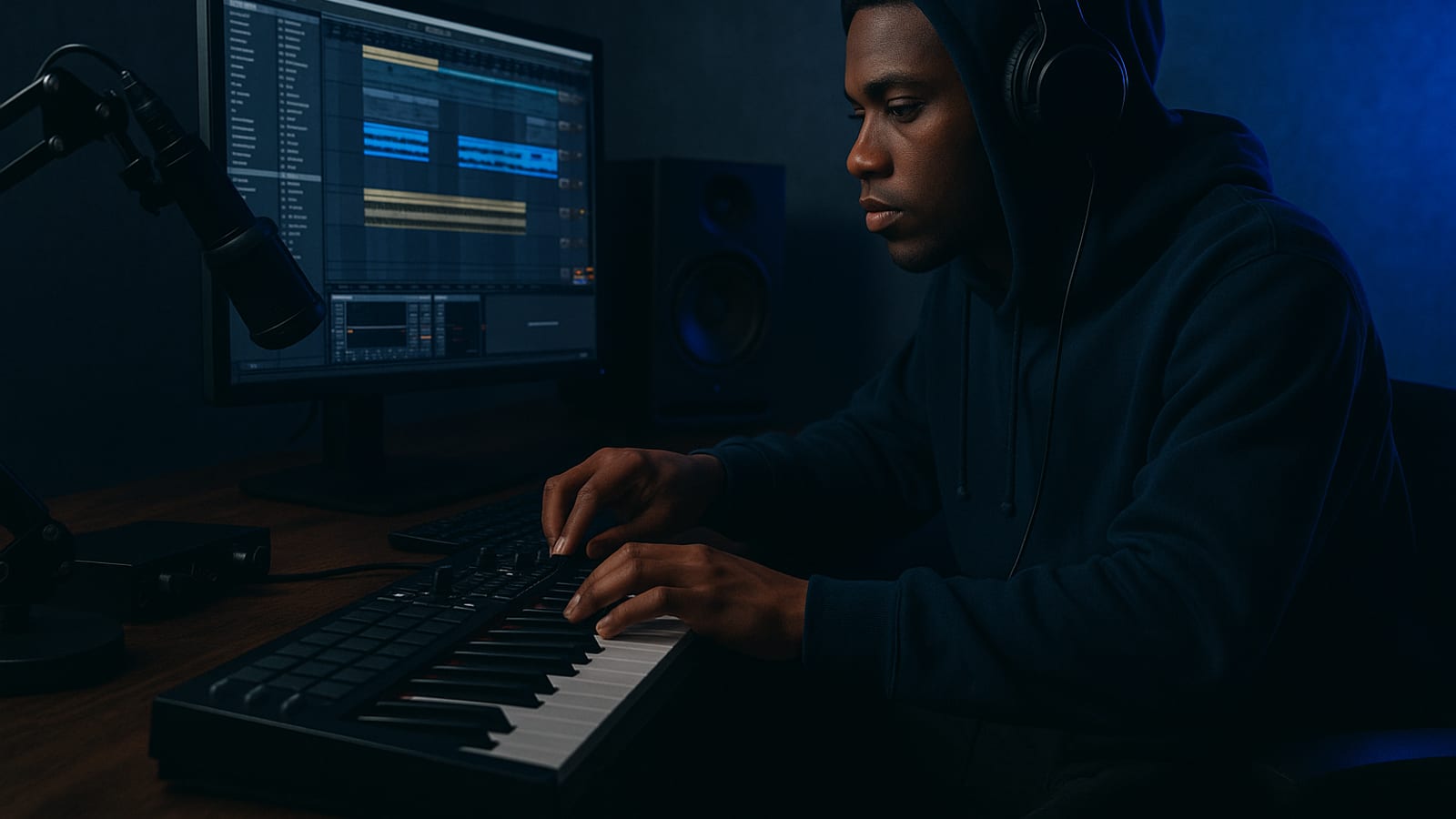
Cinematic hip-hop sits at the intersection of two demanding disciplines: the rhythmic precision of hip-hop and the emotional architecture of film scoring. Kanye West and Kendrick Lamar didn’t stumble into that sound. They built it deliberately, layer by layer. If you want to produce tracks that hit with that same weight, this guide gives you the exact process — no shortcuts, no filler. Just a repeatable system you can execute today.
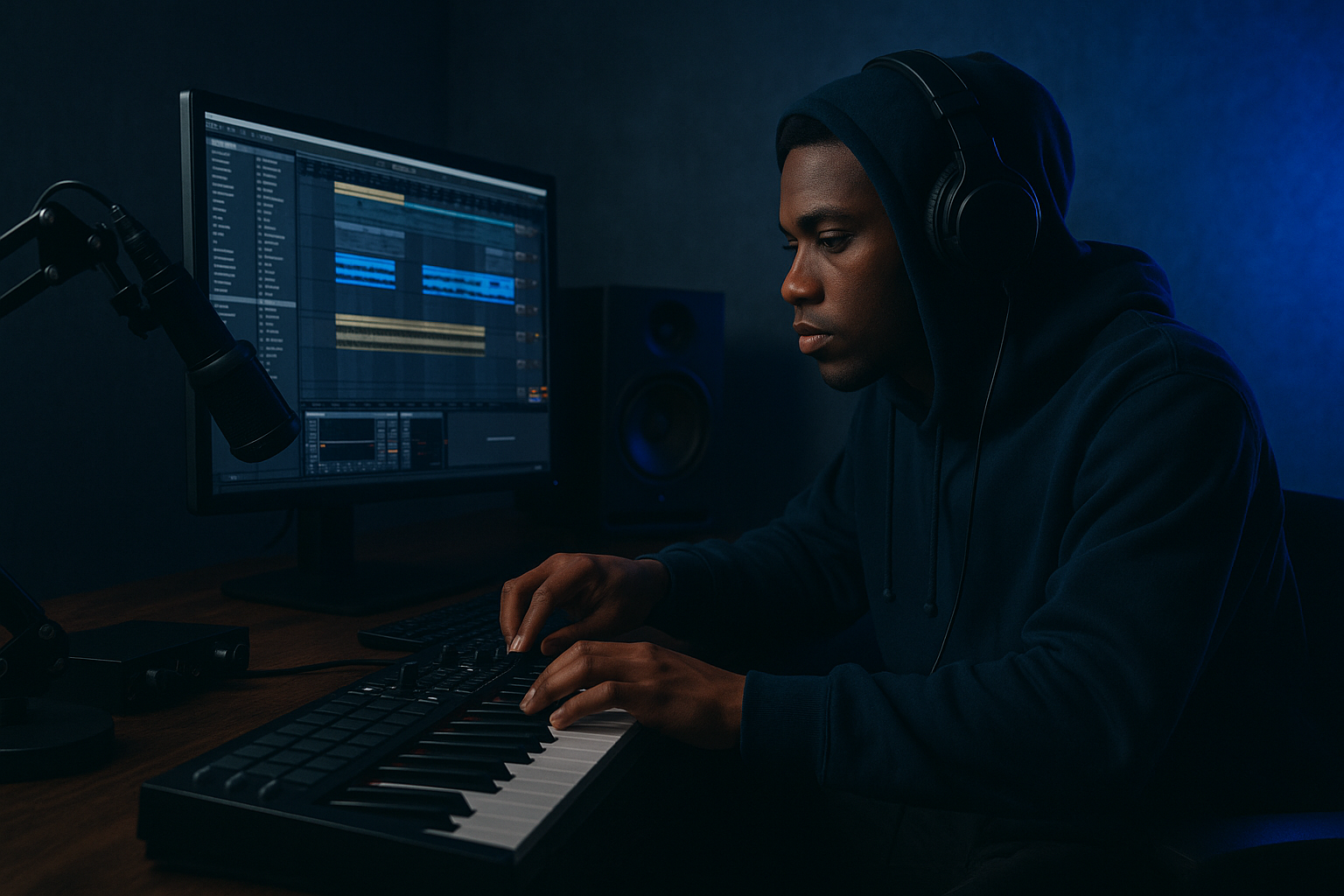
Understanding Cinematic Hip-Hop
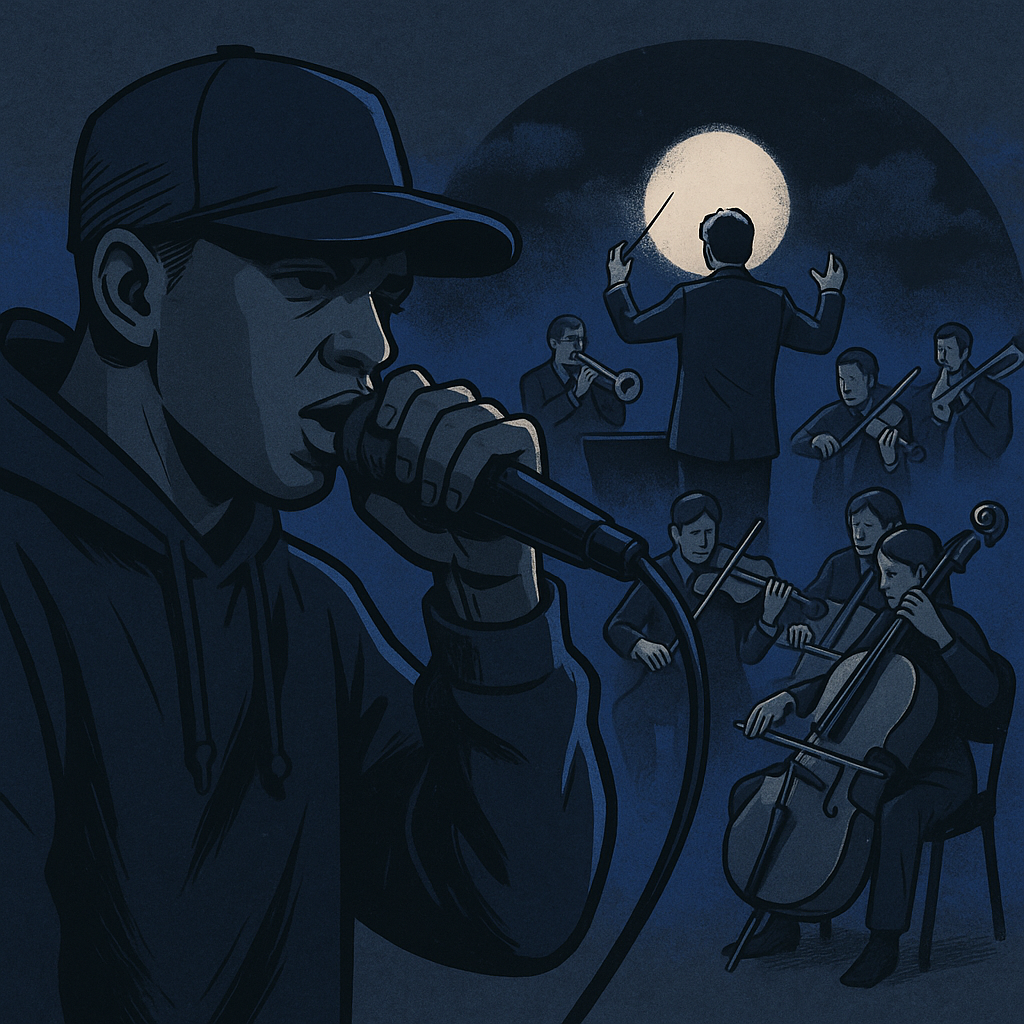
This genre merges two distinct worlds. Hip-hop brings the rhythm and raw energy. Cinematic music brings the sweep, the tension, the emotional scale. Together they produce something that feels both grounded and grand — music built for storytelling, not just background noise.
Key Elements
- Instrumentals: Orchestral sounds — strings, brass, piano — carry the cinematic weight.
- Beat Structure: The hip-hop rhythm stays intact. The orchestral layer wraps around it, not over it.
- Dynamic Range: Quiet sections create tension. Loud sections release it. That contrast is the whole game.
Step 1: Gathering Inspiration
Before you touch a DAW, do your research. Study Kanye West’s “Runaway.” Study Ludwig Göransson’s Black Panther score. Don’t just listen — analyze. Notice how emotion builds. Notice where the silence lives. Notice what the music is saying before a single word is spoken.
Finding Your Creative Inspiration
Build reference playlists on YouTube and Spotify. Dig into cinematic hip-hop specifically, not just one or the other. Watch films with powerful scores and pay attention to how composers use space and momentum. Your ears need training before your hands start building.
Step 2: Choosing the Right Tools
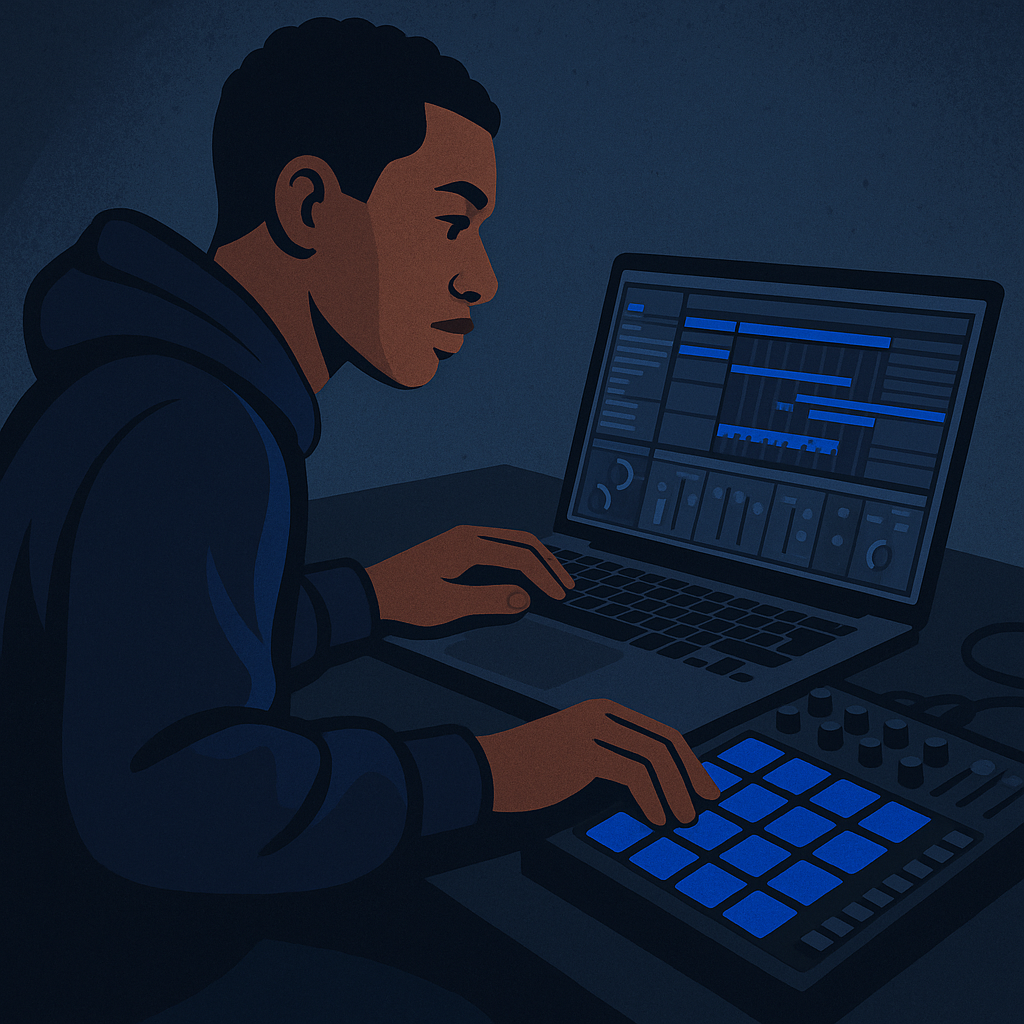
The right setup matters. Here’s what serious producers use:
- Digital Audio Workstation (DAW): Logic Pro or Ableton Live. Both handle complex arrangements without fighting you.
- VST Plugins: Komplete 13 for orchestral depth. Spitfire Audio for cinematic texture that actually sounds real.
- Sample Libraries: Splice gives you a wide sample pool to pull from when building beats.
Start with what your budget allows. Expand your toolkit as your production skills sharpen. The tools serve the vision — not the other way around.
Step 3: Composing the Track
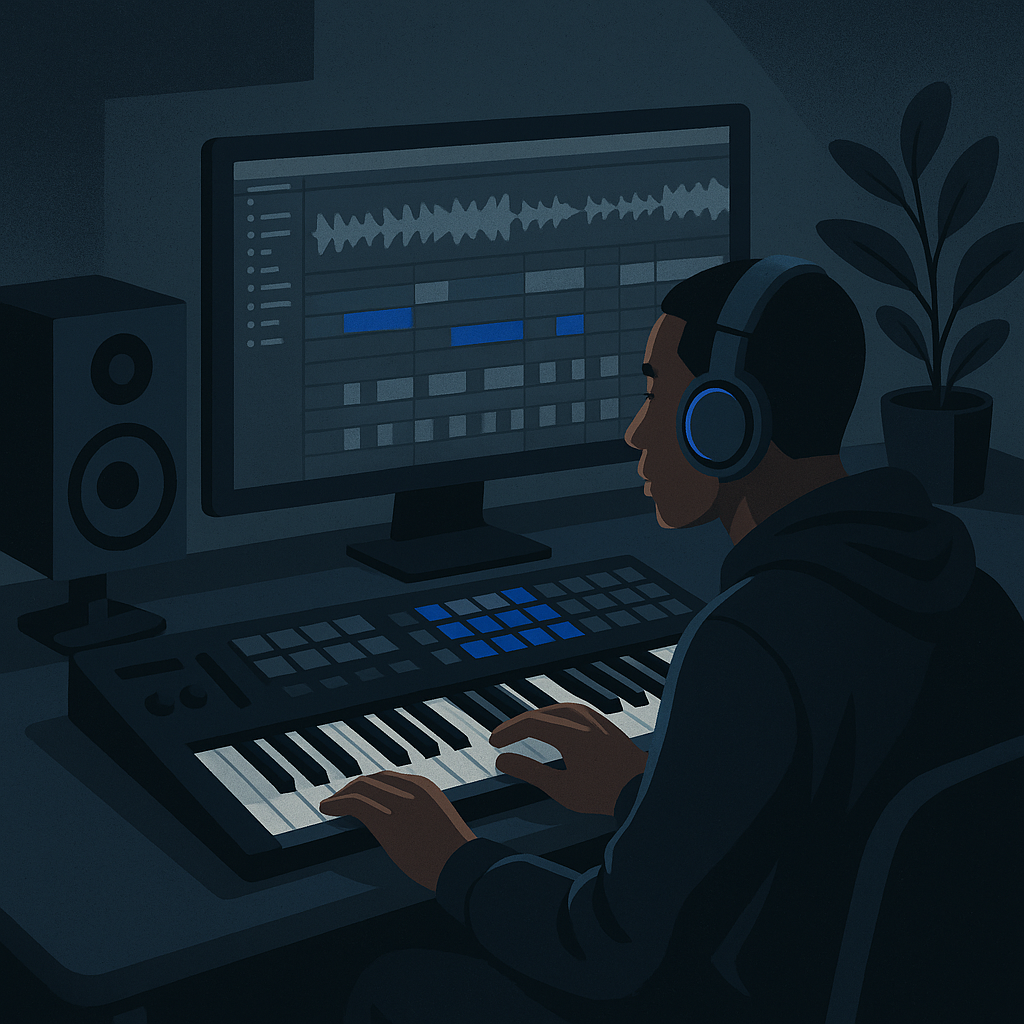
You have your references. You have your tools. Now build.
1. Start with the Beat
Lay down a hip-hop beat first. Program drums with punch and groove. Keep it simple at the start — a solid foundation is worth more than a complicated mess. Get the rhythm locked before you add anything else.
2. Add Orchestral Elements
Layer strings and brass over the beat. These instruments create the cinematic backdrop. Use your VST plugins to test different textures. Find what serves the beat rather than competing with it.
3. Develop the Melody
Write a melody that carries emotional weight. A piano line. A synth lead. Something the listener can follow. Keep it memorable. The melody is the thread that pulls the whole track together.
4. Build Dynamics
Vary the intensity across sections. Use crescendos to build pressure. Pull back to sparse, quiet moments to create contrast. That push and pull is what makes a track feel cinematic rather than flat.
Step 4: Mixing and Mastering
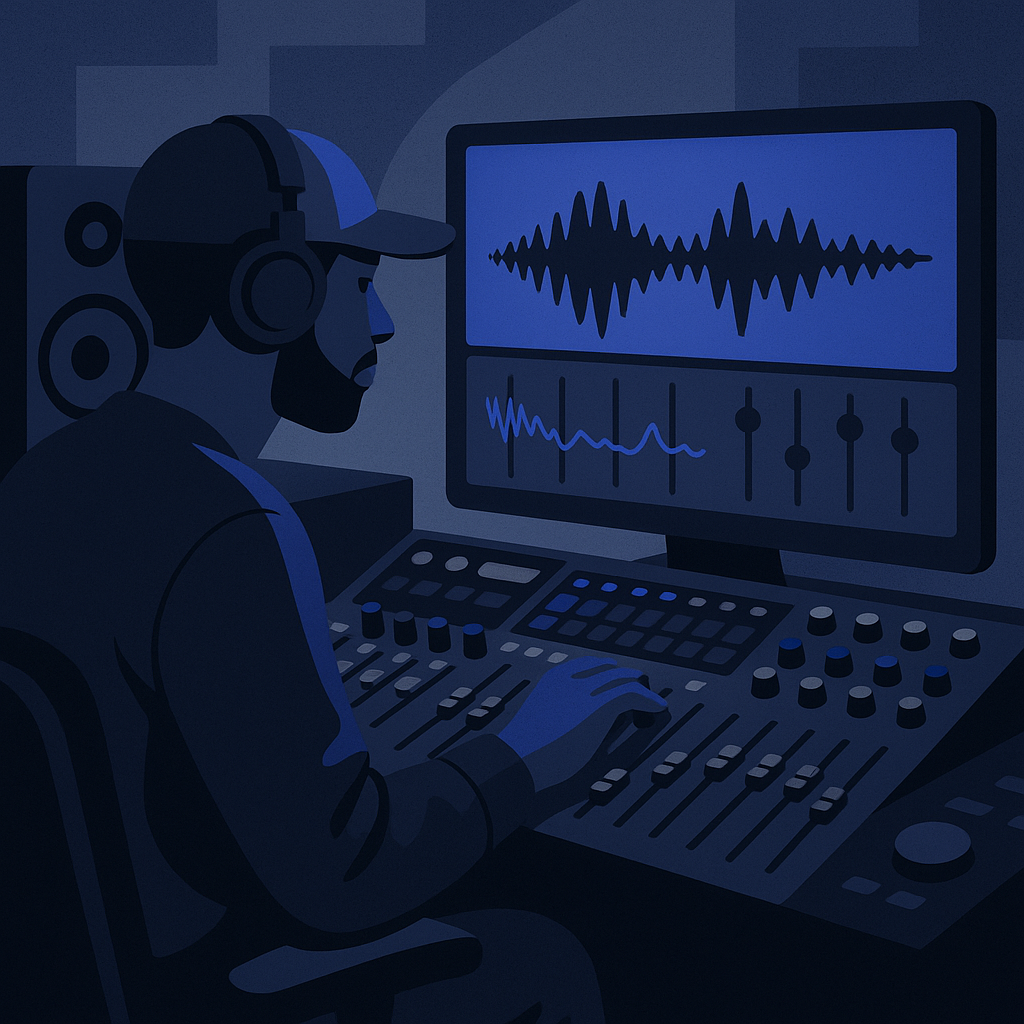
A great composition with a poor mix sounds amateur. This stage is where your track becomes professional.
Mixing Tips
- Balance Levels: Every element needs its own space. Nothing should fight for attention.
- Use EQ: Carve out frequencies so instruments don’t clash. Clean separation is the goal.
- Add Effects: Reverb and delay extend the cinematic atmosphere. Use them with intention, not excess.
Mastering Essentials
- Compression: Control the dynamic range so the track stays consistent from start to finish.
- Limiting: Push loudness to a competitive level without introducing distortion.
- Final Polish: Test your master on multiple playback systems. Earbuds, studio monitors, car speakers. If it holds up everywhere, it’s ready.
Step 5: Releasing Your Music
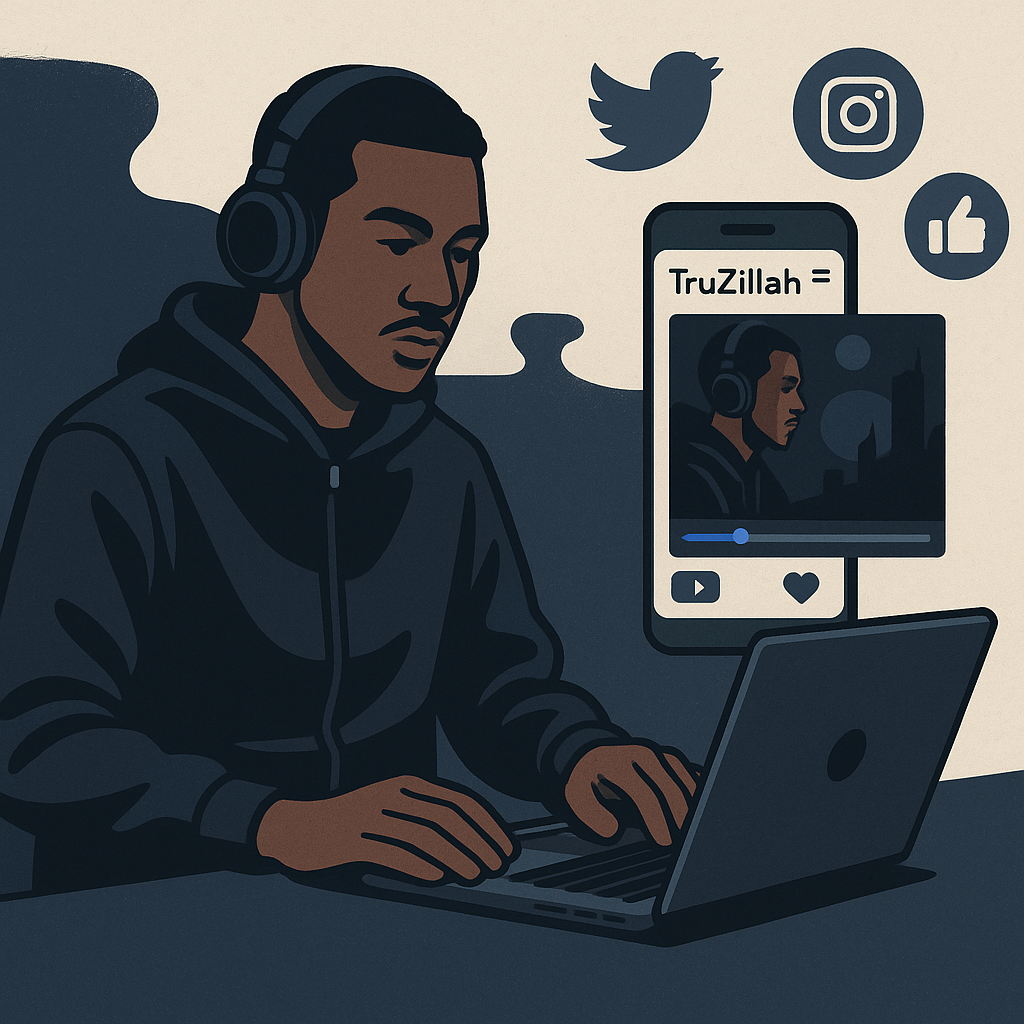
Your track is polished. Now get it in front of the right ears. Platforms like TruZillah connect your work directly with fans of cinematic and atmospheric hip-hop. Use social media to build anticipation before the drop and sustain momentum after it.
Next Steps
Plan your release schedule with intention. Don’t just upload and hope. Pair your track with strong visual assets — cover art, short-form video, a full music video if the budget allows. The visual layer reinforces the cinematic identity of the music and expands your reach beyond pure audio platforms.
Conclusion: Take Action and Create
Cinematic hip-hop rewards producers who are willing to go deep — technically and creatively. The steps in this guide are not suggestions. They are a repeatable system. Work through them, test what resonates, and refine with every track you build. Consistency compounds. The producers who build in silence and release with precision are the ones who earn in peace over the long run. Now open your DAW and start building.
For more resources on music production and artist development, visit TruZillah and explore what they offer producers serious about growing in this industry.
Advanced Composition Techniques
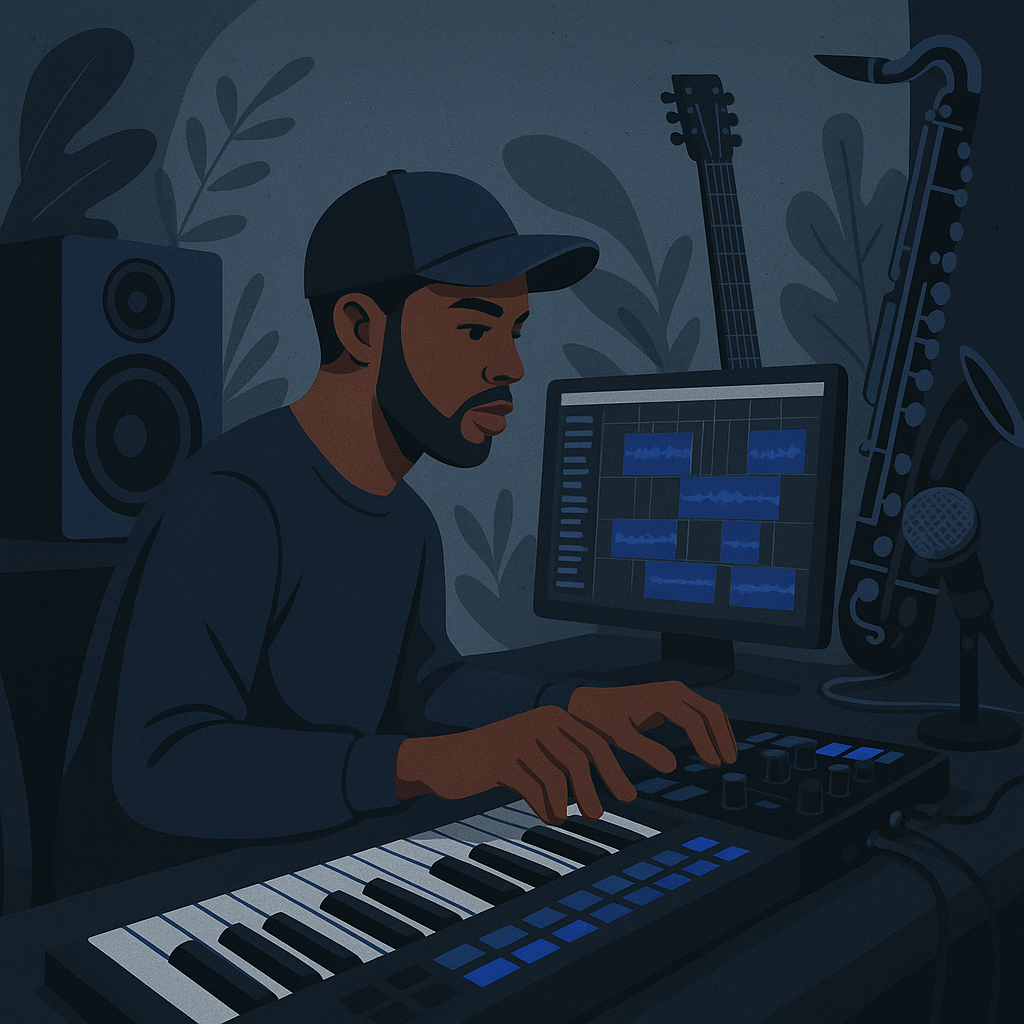
Once the fundamentals are locked in, you can push the sound further. These techniques separate producers who make good tracks from those who make unforgettable ones.
Incorporating Unconventional Instruments
Don’t limit yourself to the expected palette. A theremin, a sitar, or a traditional folk instrument can cut through a saturated genre and give your sound a distinct identity. VST plugins give you access to a wide range of these instruments without requiring a full studio session. Experiment deliberately — find what adds dimension without pulling the listener out of the track.
Utilizing Sound Design
Sound design sets the mood before a single melody plays. Build custom sounds using synthesizers. Manipulate samples. Layer textures. Use granular synthesis to morph familiar sounds into something entirely your own. The goal is a sonic landscape that supports the narrative your music is telling — not just a collection of sounds stacked on top of each other.
Case Study: Successful Cinematic Hip-Hop Artist
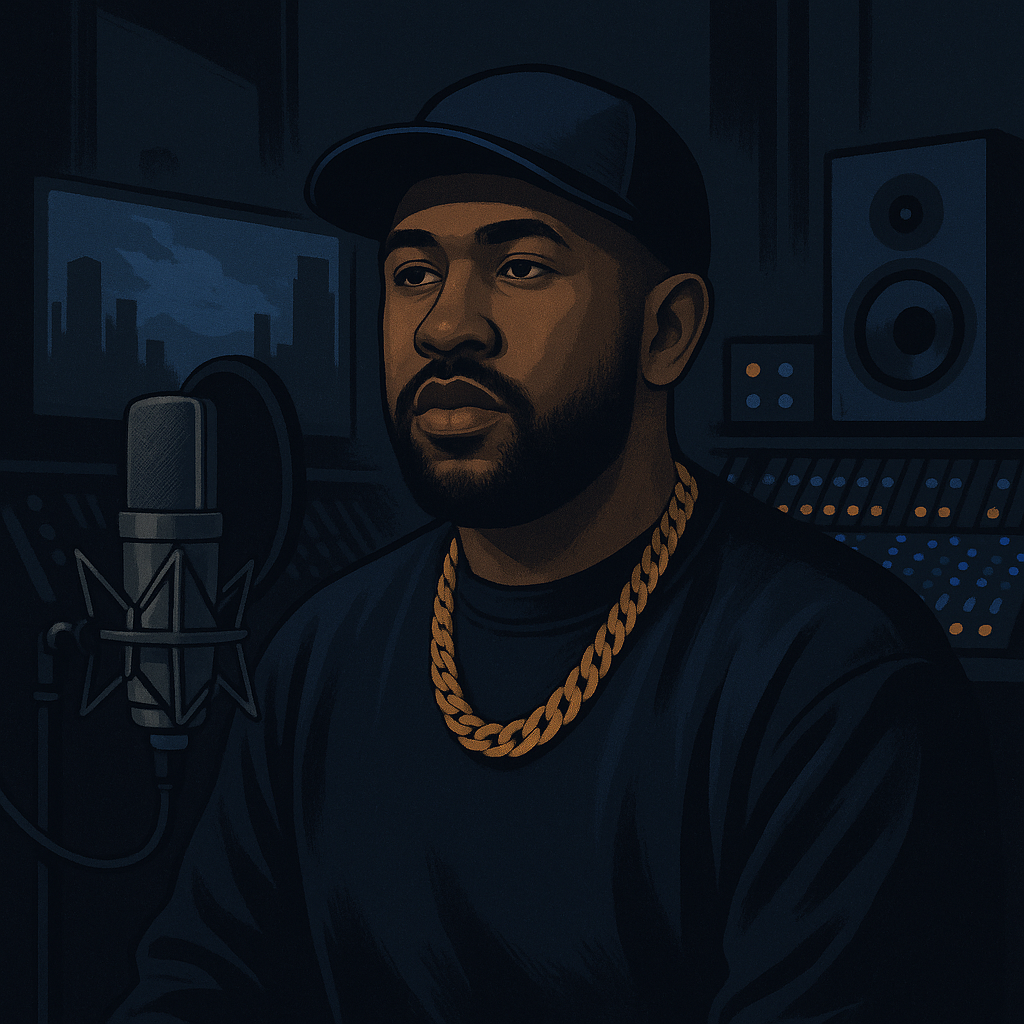
Study Mike Will Made-It. His work on film soundtracks and high-profile collaborations shows exactly how cinematic hip-hop operates at the highest level. His track “Runnin” from the Creed II soundtrack is a masterclass — hard-hitting hip-hop drums running underneath dramatic orchestral scoring, neither element overpowering the other.
What makes his approach worth studying is the thematic consistency. Every element in his compositions serves the story. Nothing is there for decoration. That discipline — knowing what to leave out as much as what to put in — is what separates producers who build lasting catalogs from those who make one-off tracks.
Checklist for Cinematic Hip-Hop Production
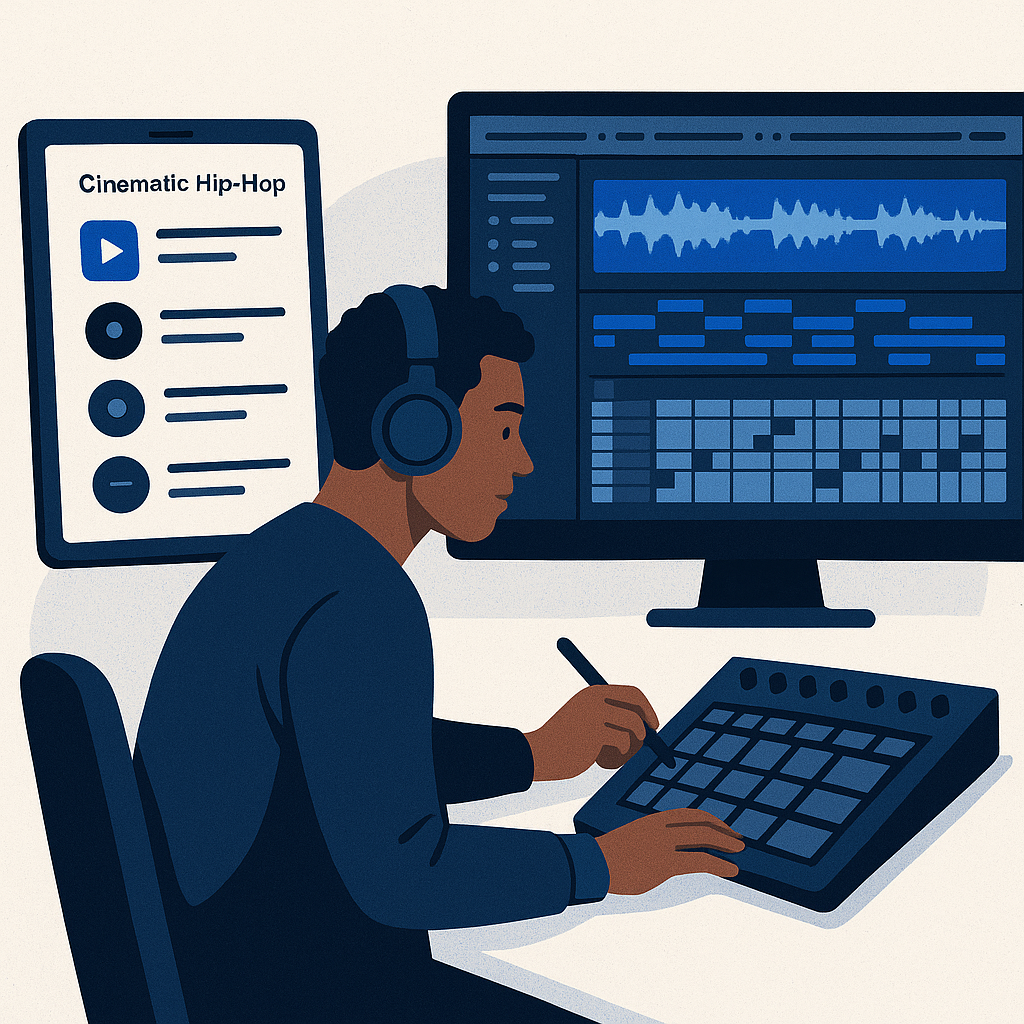
- Inspiration Gathering: Build a focused reference playlist of cinematic hip-hop tracks before you start.
- Tool Selection: Confirm your DAW and plugins are configured and ready to go.
- Beat Foundation: Lock in a solid hip-hop beat before adding anything else.
- Orchestral Integration: Test multiple orchestral instruments and keep only what serves the track.
- Melody Development: Write a melody that carries the emotional arc of the composition.
- Dynamic Structuring: Map out crescendos and quiet sections before you finalize the arrangement.
- Mixing and Mastering: Balance levels, apply EQ, add effects, then master for consistency and loudness.
- Release Strategy: Pair your release with strong visuals and a deliberate social media plan.
Key Performance Indicators (KPIs) for Success

You need data to know if your work is connecting. Track these numbers after every release:
- Streaming Numbers: Plays and downloads on Spotify and Apple Music tell you if the track is reaching listeners.
- Social Media Engagement: Likes, comments, and shares signal whether the content is resonating beyond the first listen.
- Fan Feedback: Direct responses — surveys, comments, messages — give you qualitative insight that raw numbers miss.
- Collaborations and Opportunities: Inbound offers to collaborate or place your music in media projects indicate that the industry is paying attention.
These metrics tell you what’s working and what needs adjustment. Use them to make smarter decisions on every project that follows.
Leveraging Visual Storytelling in Cinematic Hip-Hop
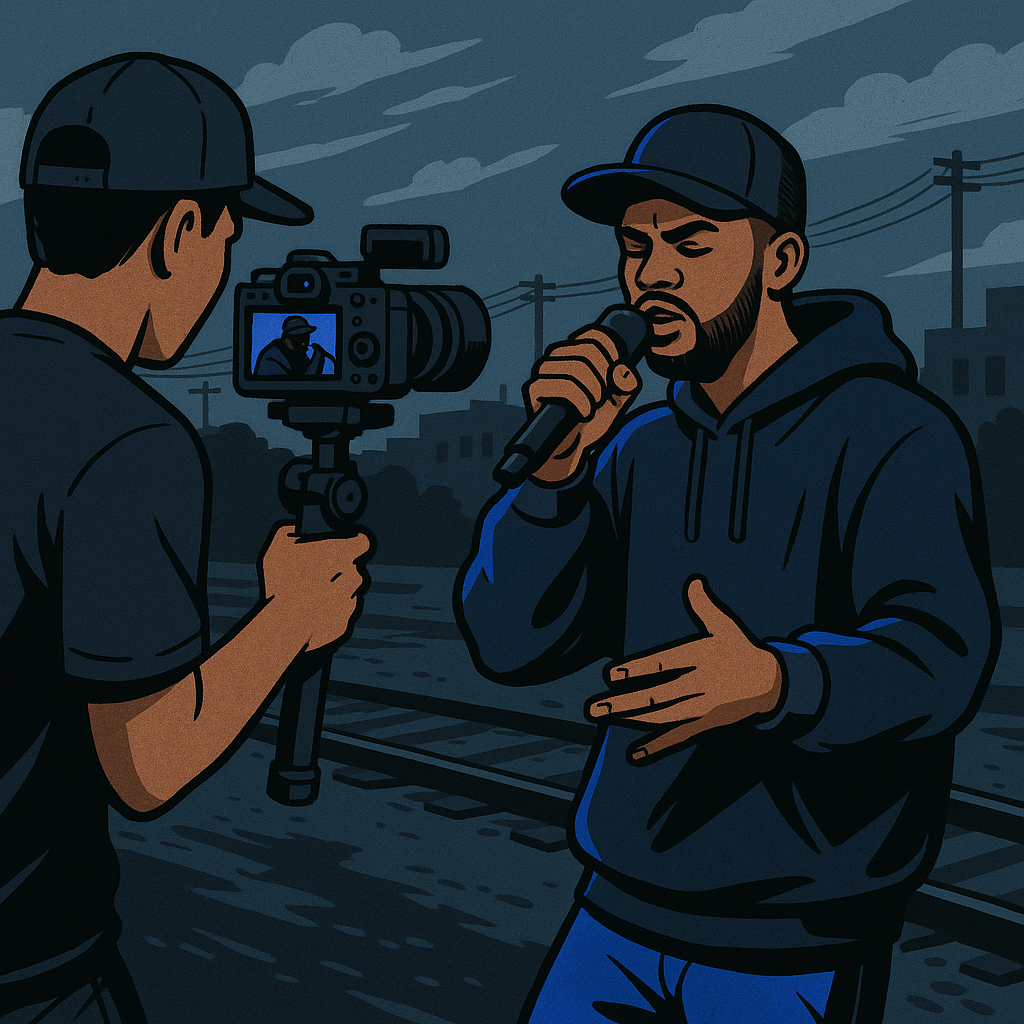
Cinematic hip-hop is built for visual pairing. Collaborate with filmmakers or videographers who understand the emotional language of your music. A well-executed music video doesn’t just illustrate the track — it extends the narrative and pulls in audiences who might never have found you through audio alone. The visual layer is not optional at this level. It’s part of the system.

Leave a Reply