

“`html
Innovative Automation Workflows for Digital Marketers
In today’s digital age, automation is not just a trend—it’s a necessity. For digital marketers, the ability to streamline tasks through innovative automation workflows can make or break a campaign’s success. By incorporating advanced automation tools, marketers can boost efficiency, increase output, and enhance overall campaign performance. Embrace the potential of automation and let your digital marketing efforts reach new heights.

The Role of Automation in Digital Marketing
Automation in digital marketing is far more than just using tools to schedule social media posts. It encompasses the entire ecosystem of digital interactions, covering content creation, SEO optimization, social media engagement, and more. Businesses that effectively leverage automation can gain a competitive edge by delivering consistent, targeted, and efficient campaigns.
Step-by-Step Guide to Implementing Automation Workflows
- Identify Repetitive Tasks: Begin by mapping out your daily marketing tasks. Identify those which are repetitive and consume a lot of time.
- Select Appropriate Tools: Use tools like ArcanoLabs’ AI marketing suite, which provides intelligent automation workflows and advanced integrations for streamlined publishing and SEO.
- Integrate with Current Systems: Ensure that your chosen automation tools integrate smoothly with existing systems like WordPress and social media platforms.
- Test and Refine: Always measure the performance of automation workflows. Use insights to tweak and improve for optimal results.
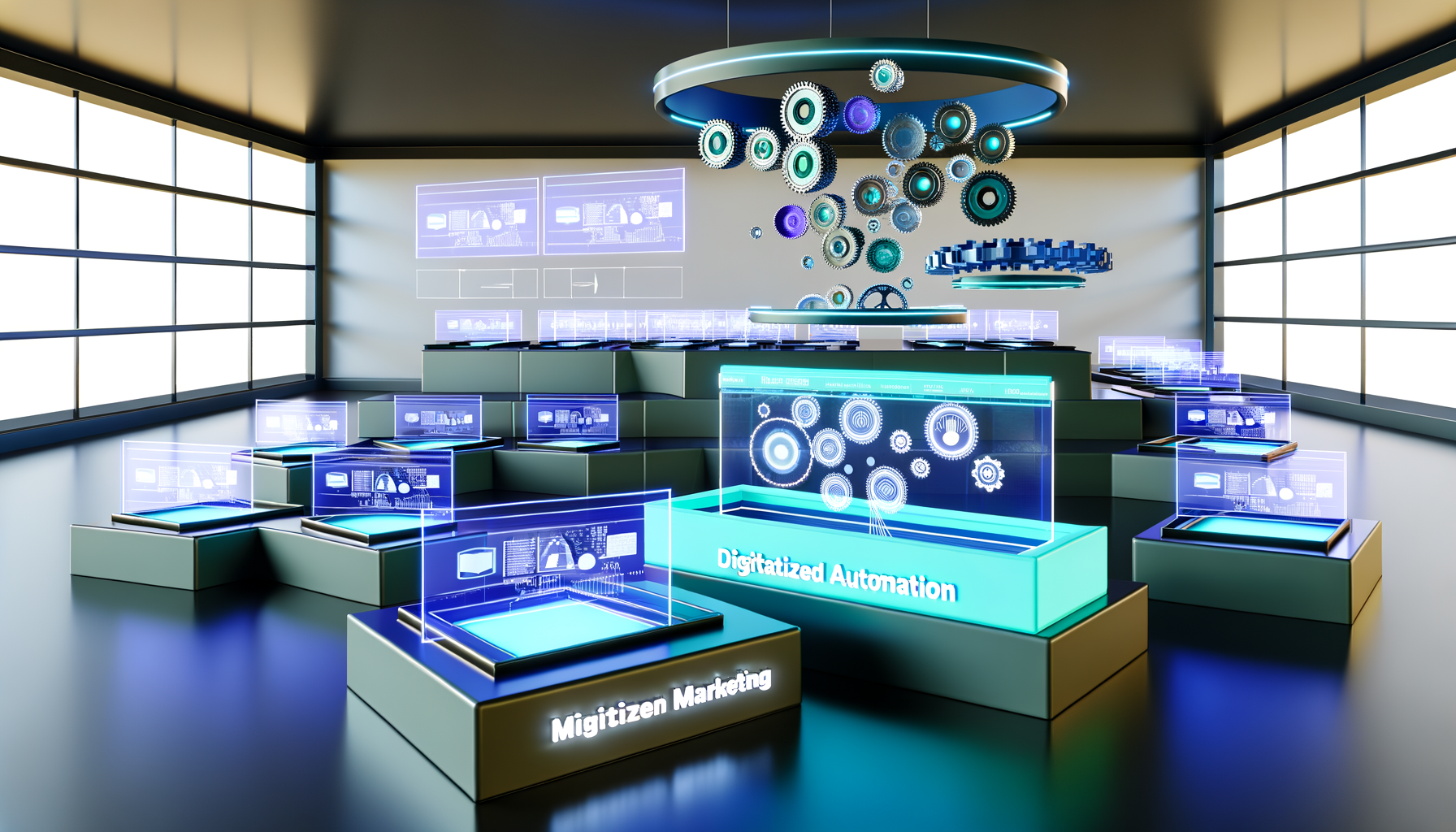
The Benefits of Automation for Entrepreneurs and Creators
For independent creators and entrepreneurs, automation is crucial for maximizing creativity and productivity. It removes mundane tasks, allowing you to focus on core creative processes and strategies. Whether it’s generating content ideas or analyzing analytics, automation enables creators to handle larger projects with greater efficiency.
Enhancing Creativity Through Automation
With ArcanoLabs, creators can leverage the Automated Blog-to-Video Conversion tool to transform written content into engaging visual media quickly. This not only saves time but also enriches the content spectrum, making it accessible to a broader audience.
Furthermore, the Creator Monetization via Digital Assets offers an innovative approach to earning while showcasing your content. Automation, when integrated correctly, empowers creators to expand their brand while ensuring consistent quality across platforms.
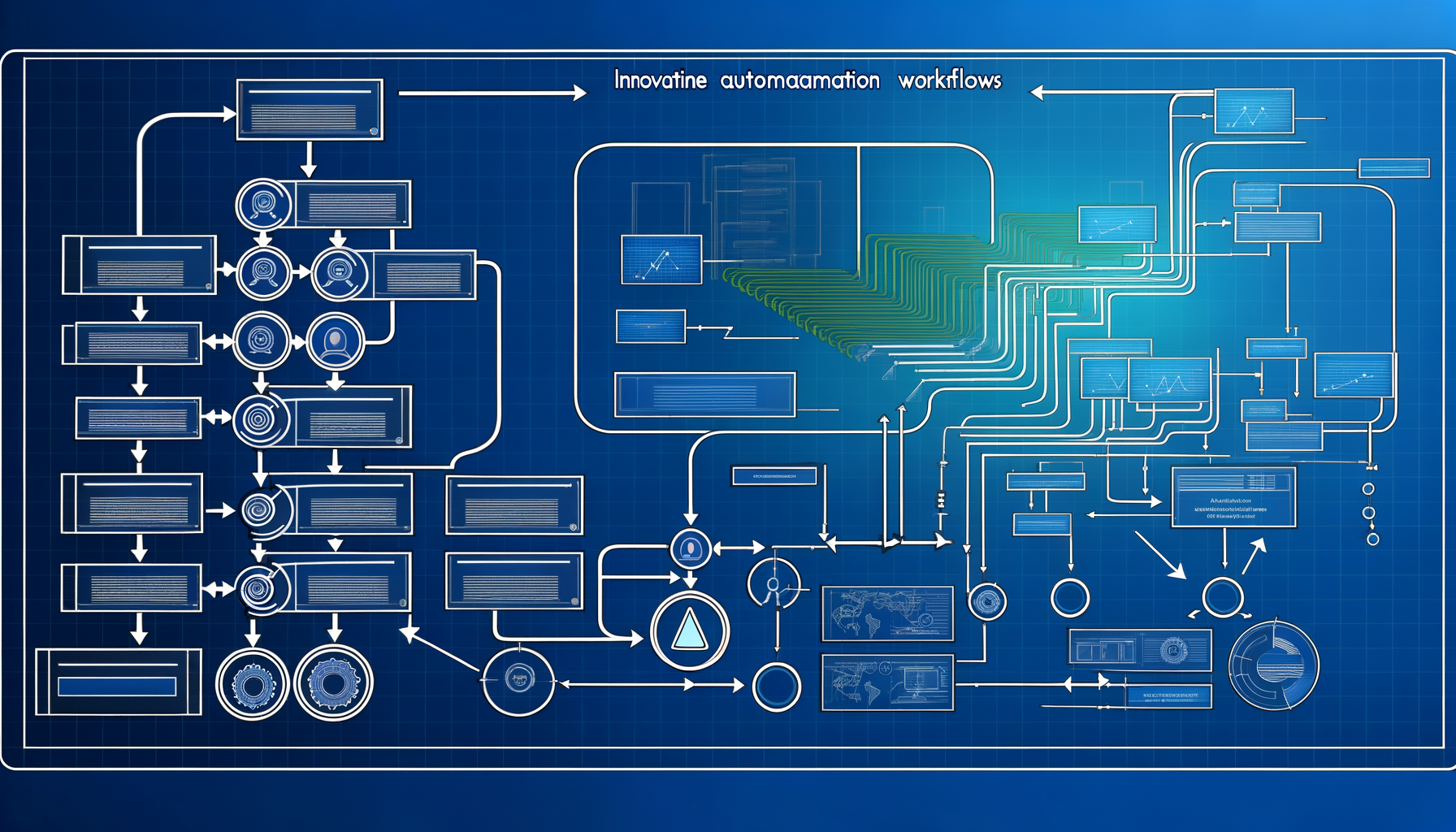
Conclusion: Embracing the Future with Automation
The future of digital marketing lies in efficient and intelligent automation workflows. With tools like the ArcanoLabs content suite, businesses can realize their full potential by optimizing workflow processes, ensuring content is impactful, and reaching targeted goals more effortlessly. Let automation pave the way for your innovative strategies.
For more information on how ArcanoLabs can support your digital marketing automation needs, visit ArcanoLabs’ website or explore our extensive blog for the latest insights.
“`
Real-World Automation Success Stories
Learning from real-world examples can significantly enhance your understanding and encourage effective implementation of automation workflows in your digital marketing strategy. Below are a few case studies that highlight the remarkable impact of automation on business success.
Case Study 1: Transforming Email Marketing for an E-commerce Brand
A mid-sized e-commerce clothing retailer faced the challenge of maintaining personalized communication as its customer base grew. By leveraging email marketing automation, the company was able to segment audiences more effectively, tailoring content that resonated with individual customer preferences.
The campaign utilized automated workflows to send personalized product recommendations based on browsing behavior and past purchases. As a result, the retailer increased its conversion rates by 25% and observed a 40% improvement in customer retention over six months.
Case Study 2: Workflow Automation in a SaaS Company
A SaaS company specializing in project management tools was spending substantial man-hours onboarding new users. Implementing automated onboarding emails and in-app tips, the company streamlined the user experience, enabling a quicker transition from trial to paid subscriptions.
This automation initiative not only reduced manual work by 60% but also helped boost trial-to-paid conversion rates by 30%, demonstrating the efficacy of well-integrated automation solutions.
Automation Checklists for Digital Marketers
Implementing an automation strategy can sometimes feel daunting. Here’s a checklist to guide digital marketers through a well-structured and effective automation workflow setup:
- Define Your Goals: Clearly outline what you hope to achieve with automation—be it increasing engagement, boosting sales, or improving efficiency.
- Analyze Current Workflows: Map out existing processes to identify bottlenecks and areas susceptible to optimization through automation.
- Choose the Right Tools: Select automation tools that align with your objectives and integrate seamlessly with your current stack.
- Start Small, Scale Gradually: Begin with automating simple tasks, gradually expanding to more complex processes as you become more comfortable.
- Monitor and Optimize: Continuously analyze the performance of your automated workflows, making necessary adjustments to enhance outcomes.
- Train Your Team: Ensure your team understands automation tools and workflows so they can effectively manage them and independently handle basic issues.
Key Performance Indicators (KPIs) for Measuring Automation Success
To ensure your automation efforts are paying off, it’s essential to measure specific KPIs. Here are some metrics digital marketers should focus on:
- Task Efficiency: Measure the time saved on recurring tasks before and after automation implementation.
- Conversion Rates: Track how workflow automation impacts conversion rates across your digital marketing channels.
- Customer Engagement: Observe changes in engagement metrics, such as open rates and click-through rates, upon implementing automated email campaigns.
- Revenue Growth: Analyze the direct impact of automation on revenue, particularly how it enhances upselling or cross-selling efforts.
- Customer Satisfaction: Use feedback tools to gather insights into how automation has affected the customer experience.
Frequently Asked Questions About Automation in Digital Marketing
What types of tasks can be automated in digital marketing?
Virtually any repetitive task can be automated. Common examples include content scheduling, email marketing, ad management, lead nurturing, and customer data analysis.
Will automation replace digital marketers?
No, automation is a tool that enhances the capabilities of digital marketers. While it takes over repetitive tasks, it allows marketers to focus on strategic planning and creative initiatives that require the human touch.
How can automation improve customer experiences?
Automation allows for personalized customer interactions based on behavior data, quick response times, and consistent multi-channel communication, all of which enrich the customer experience by providing relevant and high-quality touchpoints.
