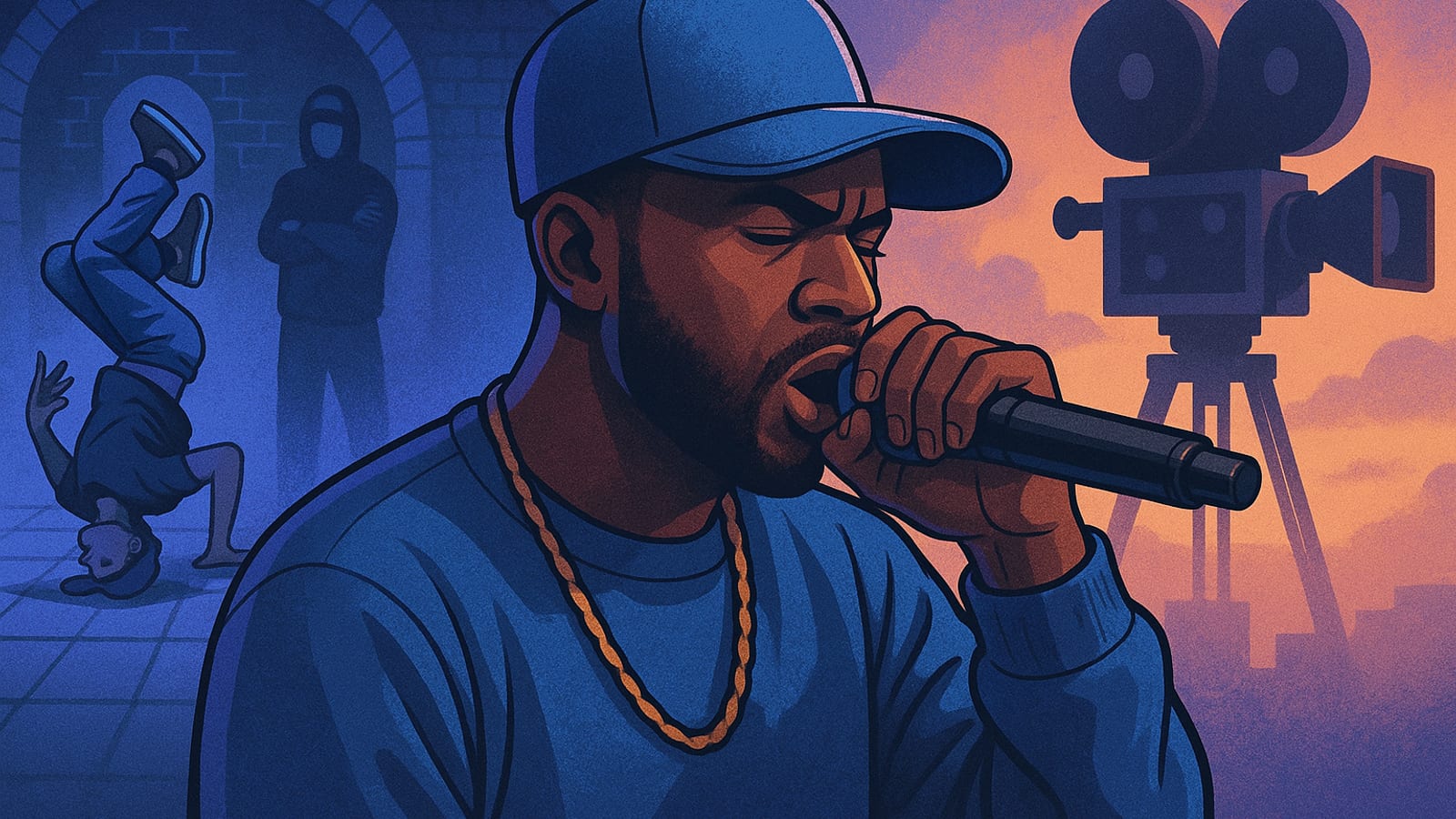
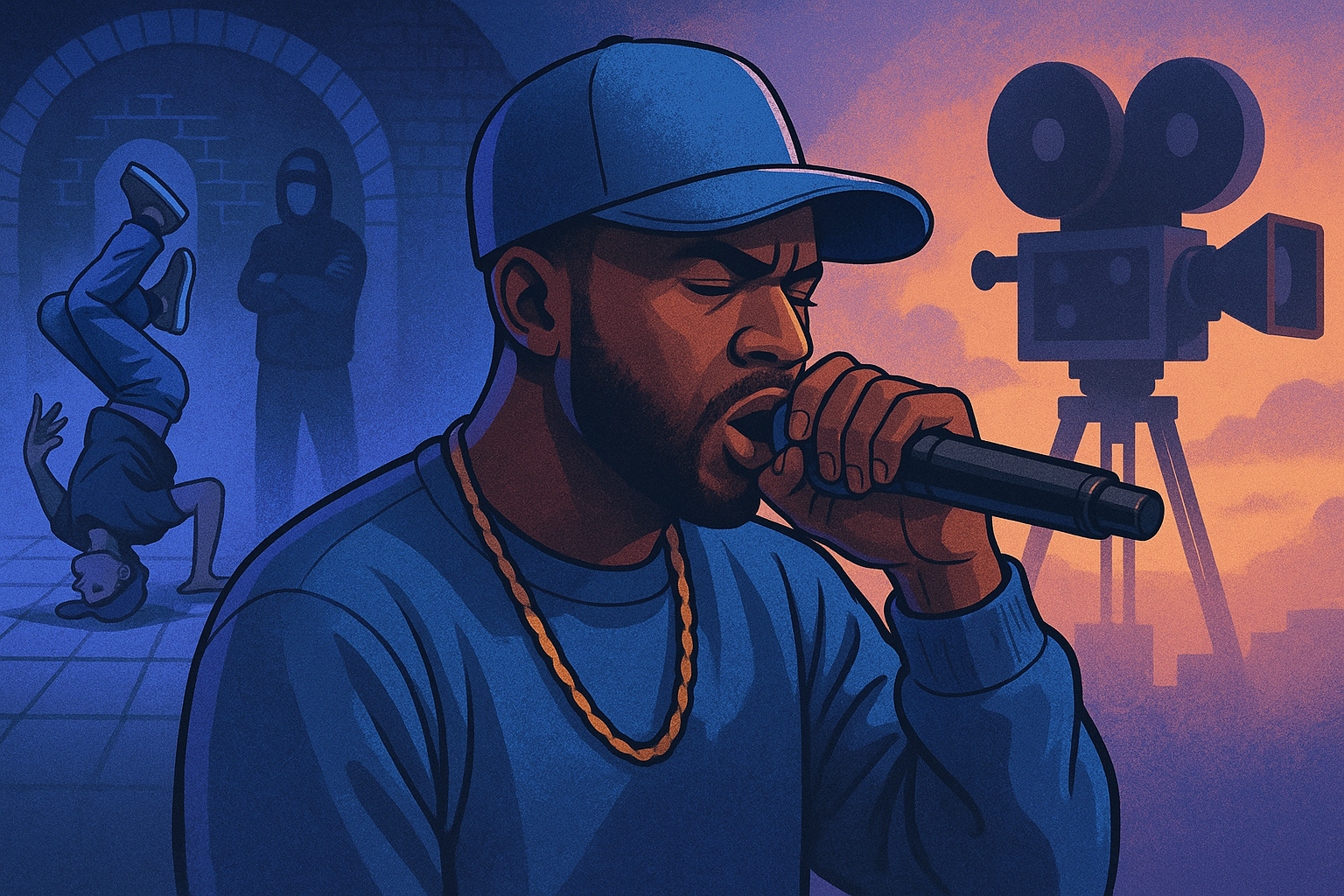
The Evolution of Hip-Hop: From Underground to Cinematic
Hip-hop is not just a genre. It is a cultural operating system that rewired music, fashion, and film. Born in the Bronx, now embedded in every corner of the globe — its journey is a masterclass in adaptability and compounding influence. If you want to understand where the industry is going, you need to understand how it was built. This is that story, and it comes with a blueprint.
The Roots of Hip-Hop: Underground Beginnings
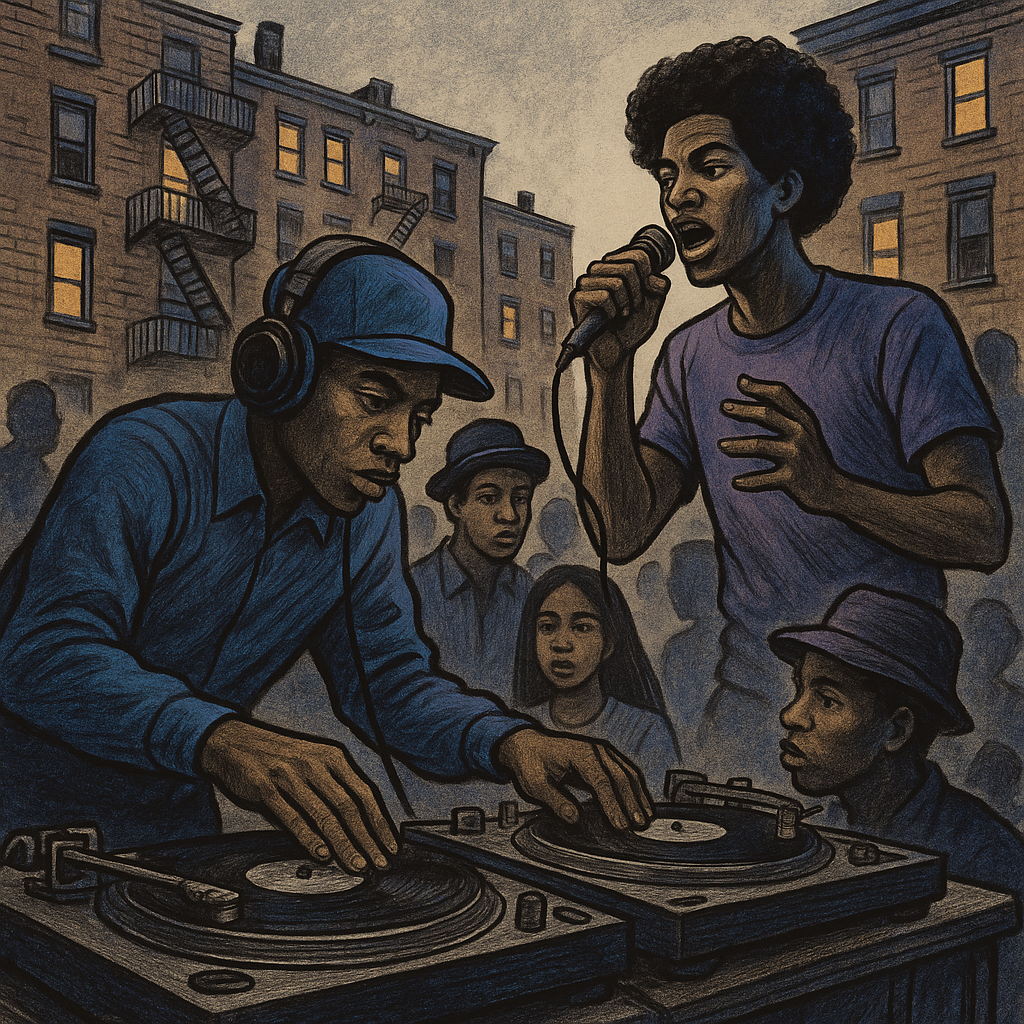
Late 1970s. The Bronx. No label support, no marketing budget, no industry gatekeepers giving anyone permission. DJs like Kool Herc were isolating drum breaks and looping them. MCs were adding rhythmic speech on top. The whole thing ran on block parties and raw innovation.
That underground energy did not stay contained for long. By the 1980s, Run-DMC and LL Cool J had cracked the mainstream, proving the commercial case for a genre that critics had dismissed. The four pillars — DJing, MCing, graffiti, breakdancing — held firm even as the audience expanded. Build in silence, then let the work speak. Hip-hop did exactly that.
Hip-Hop’s Rise to Cultural Dominance

The 1990s were the inflection point. Tupac Shakur and The Notorious B.I.G. were not just moving units — they were documenting social realities with precision that earned critical respect alongside commercial dominance. Labels like Def Jam and Bad Boy Records built the infrastructure that turned a street movement into an industry.
Hip-hop did not stop at music. It colonized fashion. FUBU and Sean John were not accessories to the culture — they were the culture, worn on the body. The genre reshaped language, lifestyle, and aspiration. That is what compounding influence looks like when it runs unchecked for a decade.
The Cinematic Impact of Hip-Hop
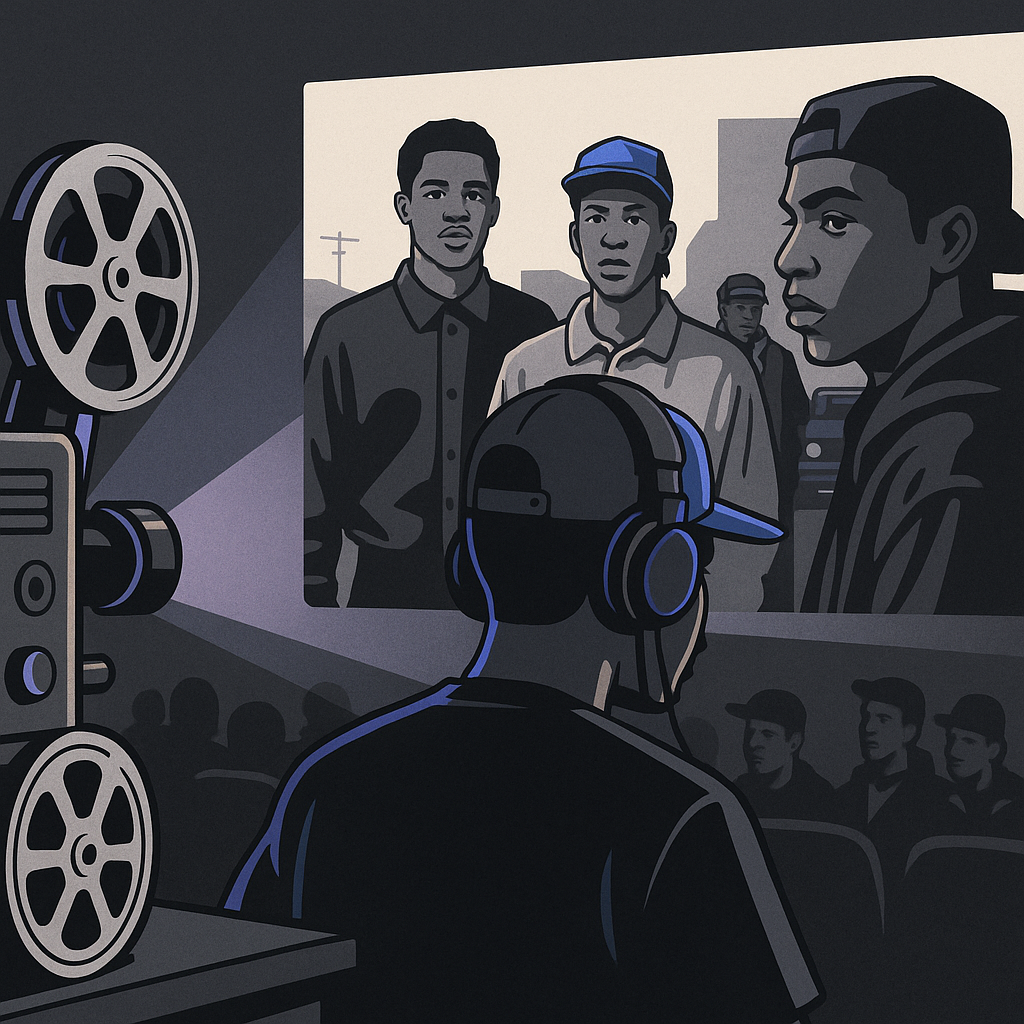
Film noticed. Boyz n the Hood and Juice were not just movies with hip-hop soundtracks. They were hip-hop translated into a visual medium — urban realities rendered cinematic, resonating with audiences who had never set foot in the Bronx or Compton.
The 2000s accelerated the crossover. Ice Cube and Will Smith moved from mic to screen without losing credibility. The exchange was mutual: hip-hop gave film authentic narrative texture, and film gave hip-hop artists a broader stage. Two industries, one compounding feedback loop.
Strategies for Aspiring Hip-Hop Entrepreneurs
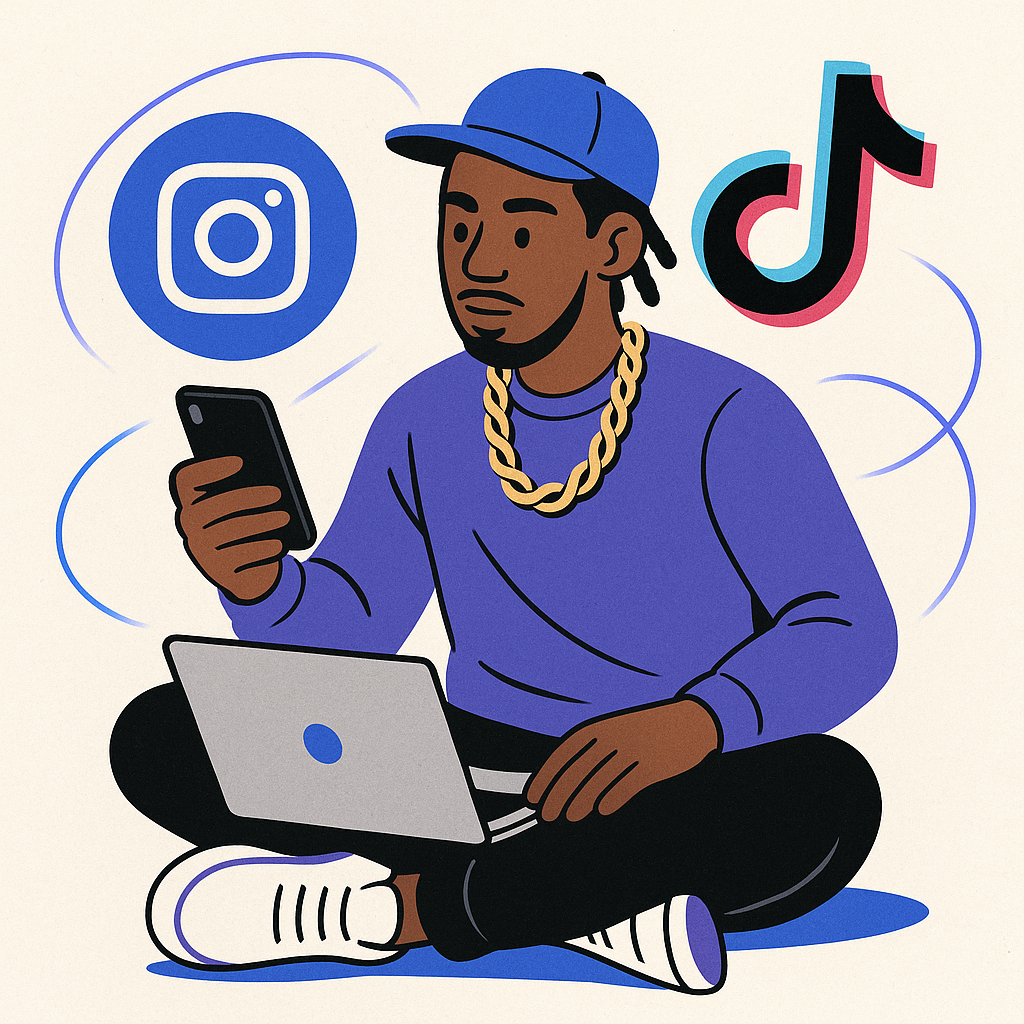
Nobody is going to hand you a playbook that fits your situation. You build it. Here is where to start:
- Own Your Distribution Channels: Instagram and TikTok are tools, not strategies. Use them to share your work, engage your audience, and build direct relationships with other artists. Organic traffic compounds. Rented attention does not.
- Lead with Authenticity: Hip-hop has always rewarded genuine expression over imitation. Your story is the differentiator. Stay true to it and your audience will find you.
- Stack Multiple Revenue Streams: Merchandise, live performances, digital content — each one is a system. Build them deliberately. Diversified cash flow is not a bonus; it is the foundation.
Tools like ArcanoLabs AI-powered AutoBlog can automate content creation so you stay visible online while keeping your focus on the work that actually moves the needle.
The Future of Hip-Hop: Industry Trends and Predictions
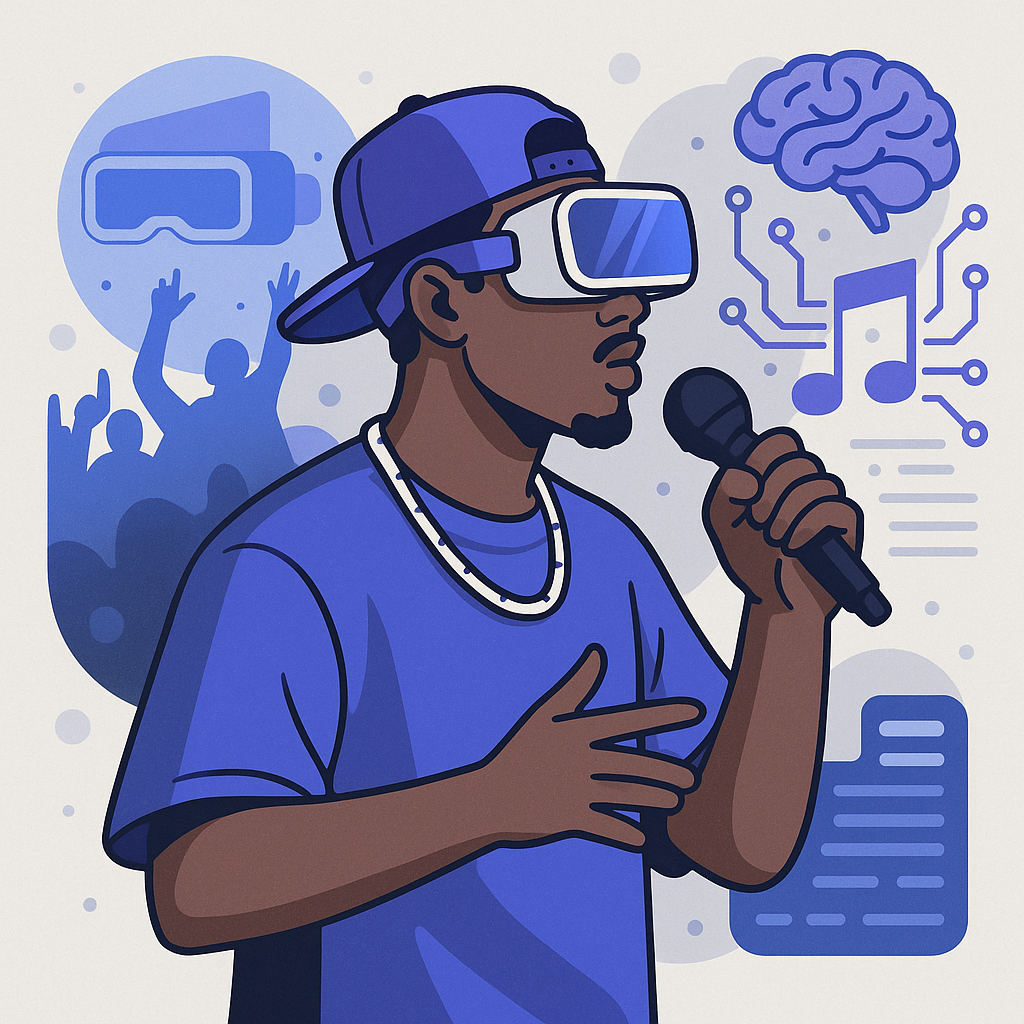
The trajectory is clear. Virtual reality concerts, blockchain-based music distribution, AI-assisted production — these are not distant possibilities. They are already reshaping how music gets made and monetized in 2024. The operators who study these shifts early will have a structural advantage over those who wait for consensus.
Hip-hop’s entire history is a case study in early adoption. The artists who thrived did not wait for permission. They tested new tools, adapted fast, and let results do the talking. That approach does not change — only the technology does.
The Role of Technology in Hip-Hop’s Evolution
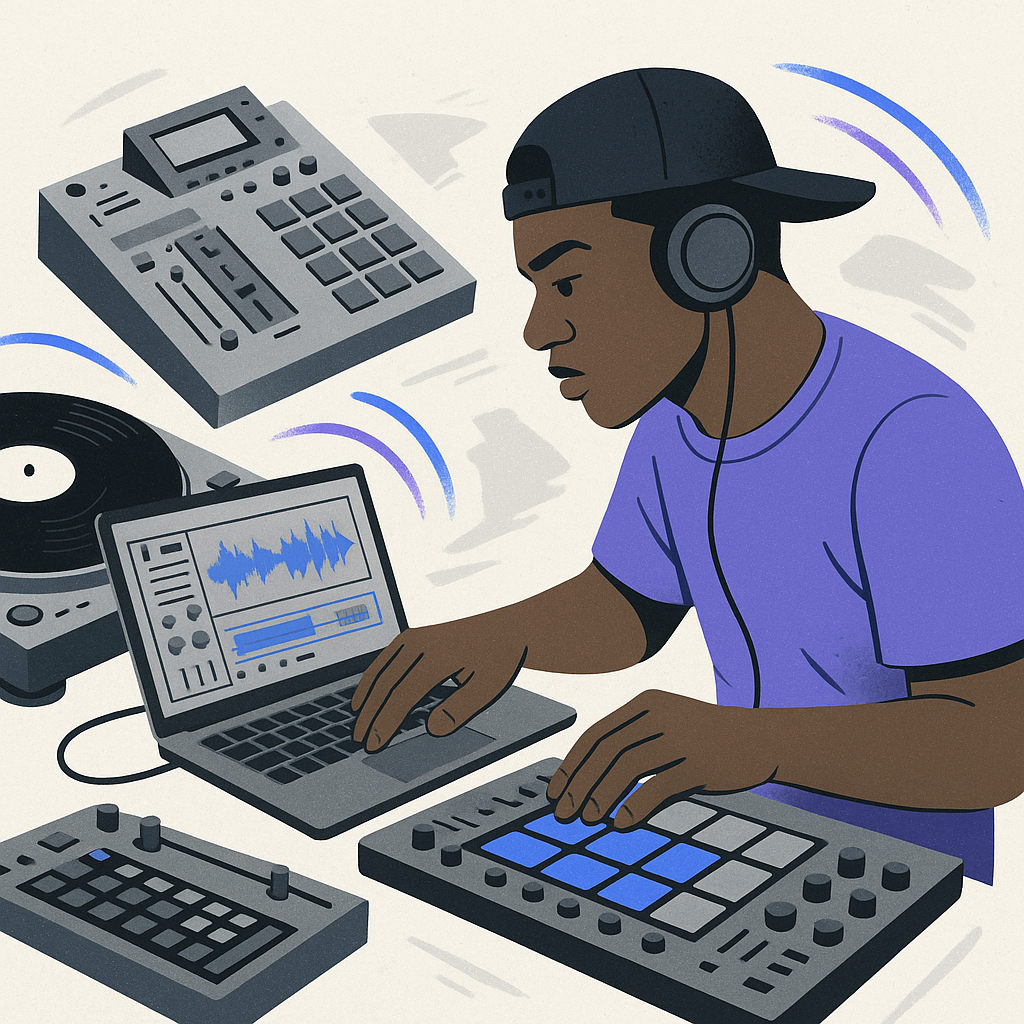
Every era of hip-hop had a defining technology. Turntables and drum machines in the 1970s. Samplers in the 1980s. Digital audio workstations in the 2000s. Streaming platforms after that. Each shift lowered the barrier to entry and raised the ceiling on what was possible.
DAWs like Ableton Live and FL Studio put professional-grade production inside a bedroom. That democratization is not a small thing — it means the next Kendrick Lamar does not need a label’s studio budget to make a record that competes. Streaming platforms like Spotify and Apple Music removed the distribution bottleneck entirely. Independent artists now reach global audiences and keep a larger share of their revenue. The infrastructure advantage that major labels once held has been systematically eroded.
Leveraging Technology for Artistic Growth
- Study Production Through Online Tutorials: YouTube and Skillshare carry comprehensive instruction on music production and marketing. The knowledge is there. The question is whether you will use it.
- Engage with Production Communities: Forums like Reddit’s r/WeAreTheMusicMakers give you direct access to working producers who will give you honest feedback. That is more valuable than most paid courses.
- Test AI Production Tools: Platforms like Amper Music allow you to experiment with new sounds and push past the boundaries of conventional composition. Test relentlessly. Keep what works.
Hip-Hop and Fashion: A Symbiotic Relationship
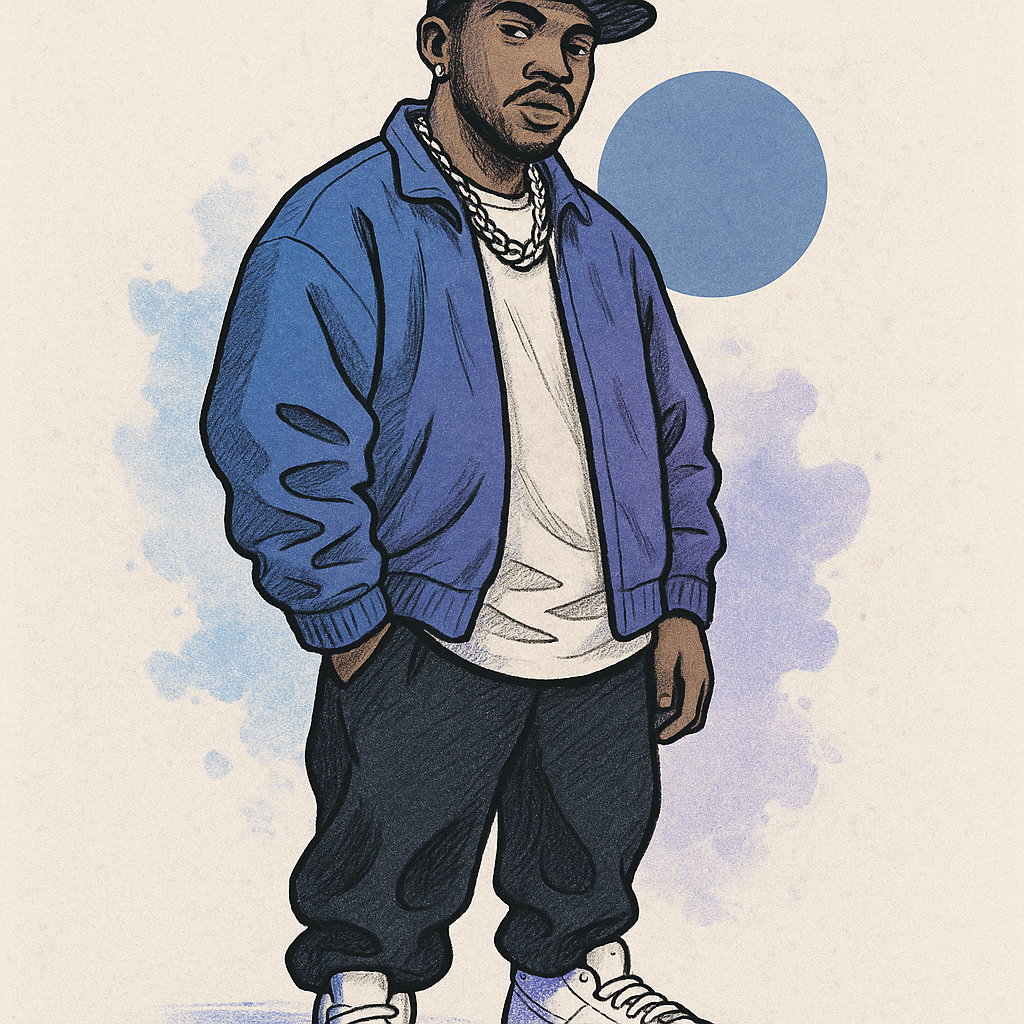
Fashion is not adjacent to hip-hop. It is embedded in it. From the oversized silhouettes of the 1990s to today’s streetwear dominance, hip-hop artists have consistently set the visual agenda for mainstream style — often years before the industry caught up.
Kanye West and Pharrell Williams did not stumble into fashion. They built deliberate brand extensions that amplified their music careers and opened entirely new revenue streams. The lesson is not that you need to launch a clothing line. The lesson is that your visual identity is an asset. Treat it like one.
Integrating Fashion into Your Hip-Hop Brand
- Build a Signature Visual Identity: Your personal style is a brand signal. Use it consistently to express your artistic identity and give your audience something recognizable to connect with.
- Partner with Emerging Designers: Collaborations with up-and-coming designers create mutual exposure. You both reach new audiences. The math works for everyone involved.
- Use Visual Platforms Strategically: Instagram and Pinterest are built for this. Document your aesthetic, build a visual narrative, and let your fashion sense reinforce your music.
Case Study: Hip-Hop’s Impact on Global Culture
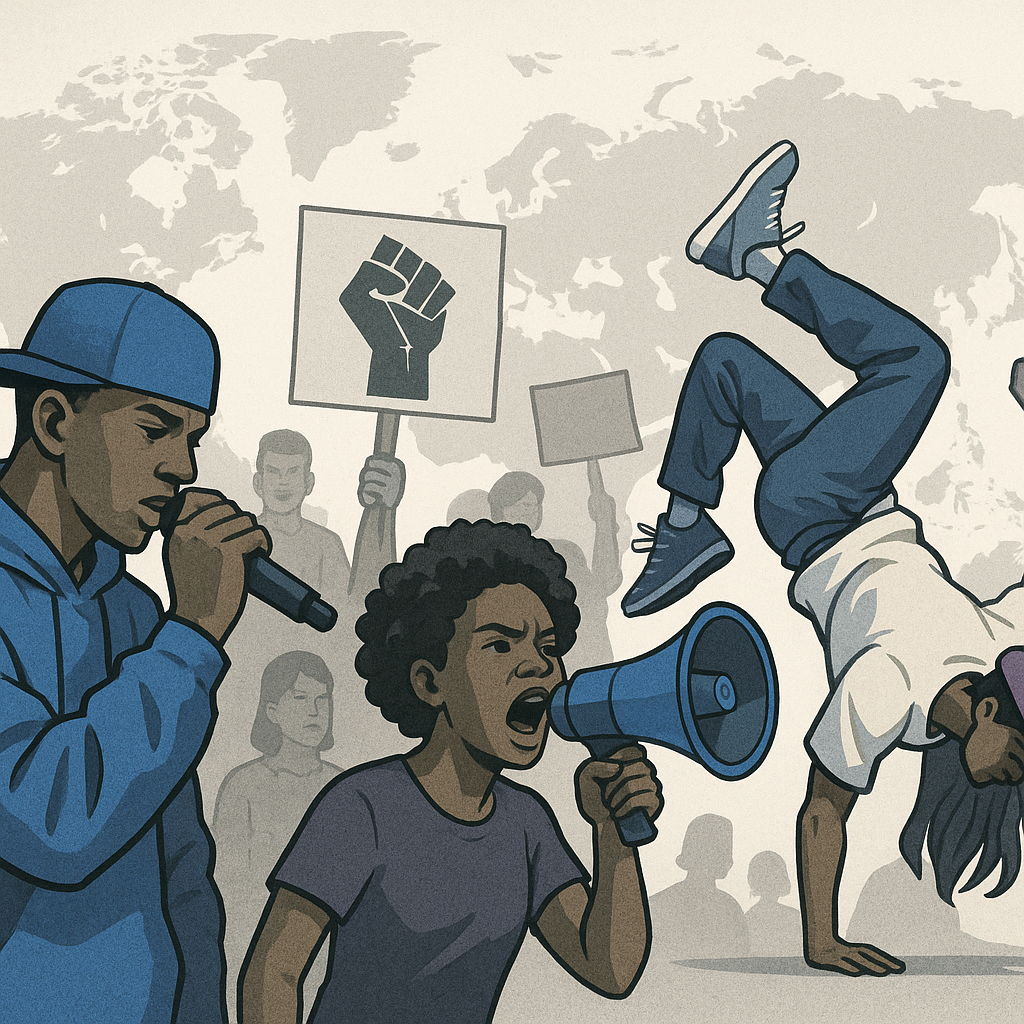
Hip-hop’s reach goes well past music and fashion. It has consistently functioned as a platform for social documentation and political pressure. That is not an accident — it is a direct line from the genre’s origins as a voice for communities that had no other megaphone.
The Black Lives Matter movement is the clearest recent example. Kendrick Lamar and J. Cole used their catalogs to surface issues of racial inequality and police brutality with a precision and emotional weight that amplified the movement’s message to audiences worldwide. Hip-hop did not just comment on the moment. It shaped it. Artists have also driven civic engagement directly — encouraging voter turnout and political participation in ways that traditional media could not replicate. That is cultural infrastructure, built one record at a time.
Key Performance Indicators for Hip-Hop Entrepreneurs
If you are building a career in this industry, you need to measure what matters. Here are the KPIs that tell you whether your systems are working:
- Audience Growth: Track fan base expansion across social platforms and streaming services. This tells you whether your outreach is actually reaching new people.
- Engagement Rates: Likes, comments, and shares reveal how your audience responds to your content. High organic engagement is a signal worth chasing.
- Merchandise Sales: Monitor sales data to identify what your audience values enough to buy. Let the data guide your product decisions.
- Collaboration Quality: Evaluate the number and caliber of partnerships with other artists and brands. The right collaborations expand your credibility and your reach simultaneously.
Track these consistently. Adjust based on what the numbers tell you. The silent operators who win in this industry are not guessing — they are reading their data and making deliberate moves.
The Ever-Evolving Landscape of Hip-Hop
Hip-hop’s arc from Bronx block parties to global cinematic force is a story of relentless innovation and compounding returns. The artists and entrepreneurs who understood that built careers that lasted. The ones who chased trends without a foundation did not.
You now have the historical context, the strategic framework, and the operational tools. The next move is yours. Build deliberately, test consistently, and let the work compound. For more resources on building your brand and automating your content creation, visit ArcanoLabs.

Leave a Reply