Crafting a Signature Sound: Tips for Emerging Hip-Hop Artists
In hip-hop, a signature sound is not a nice-to-have. It is the whole game. Raw talent gets you in the room. A distinct auditory identity keeps you there. The artists who build lasting careers do not chase what is trending — they build in silence, test relentlessly, and let a recognizable sound do the loud talking. This guide gives you the exact steps to develop that identity and make it stick.
Understanding the Importance of a Signature Sound
Your sound is your brand. Full stop. It is what listeners associate with your name before they even see your face — the same way a logo signals a company before you read a single word. Kendrick Lamar and J. Cole did not become household names by sounding like everyone else. They built sounds so distinct that three seconds of a track tells you exactly who made it.
For an emerging artist, that kind of identity is the foundation. It separates you from a crowded field, attracts a dedicated audience, and gives your creative expression a consistent home. The question is not whether you need it. The question is how you build it deliberately.
Step 1: Identify Your Influences
Start with what already moves you. Pull your favorite tracks into a playlist and dissect them. Is it the lyrical flow? The beat construction? The overall atmosphere? Get specific. The goal is not to copy — it is to identify the raw materials you want to work with. Inspiration filtered through your own experience becomes originality.
Step 2: Experiment with Production Tools
Modern production gives you no excuse to sound generic. The tools exist. Use them.
- Digital Audio Workstations (DAWs): Ableton Live and Logic Pro are industry standards. Both carry deep sound libraries and plugin ecosystems. Pricing runs from $99 to $500 depending on version and features.
- Plugins: Sound-shaping tools like Native Instruments’ Massive and Xfer Serum let you sculpt synth textures that are entirely yours. Budget $150 to $200 per plugin.
Step 3: Develop Your Lyrical Style
Your lyrics carry as much sonic weight as your beats. Develop a writing style rooted in your actual experiences and perspective. Whether you are a storyteller or a punchline architect, your delivery should be unmistakably yours — not a composite of whoever is charting right now.
Tools like Grammarly can sharpen your writing for clarity and impact. The basic version is free. The premium tier offers deeper suggestions for a monthly fee.
Building a Signature Sound with Collaboration
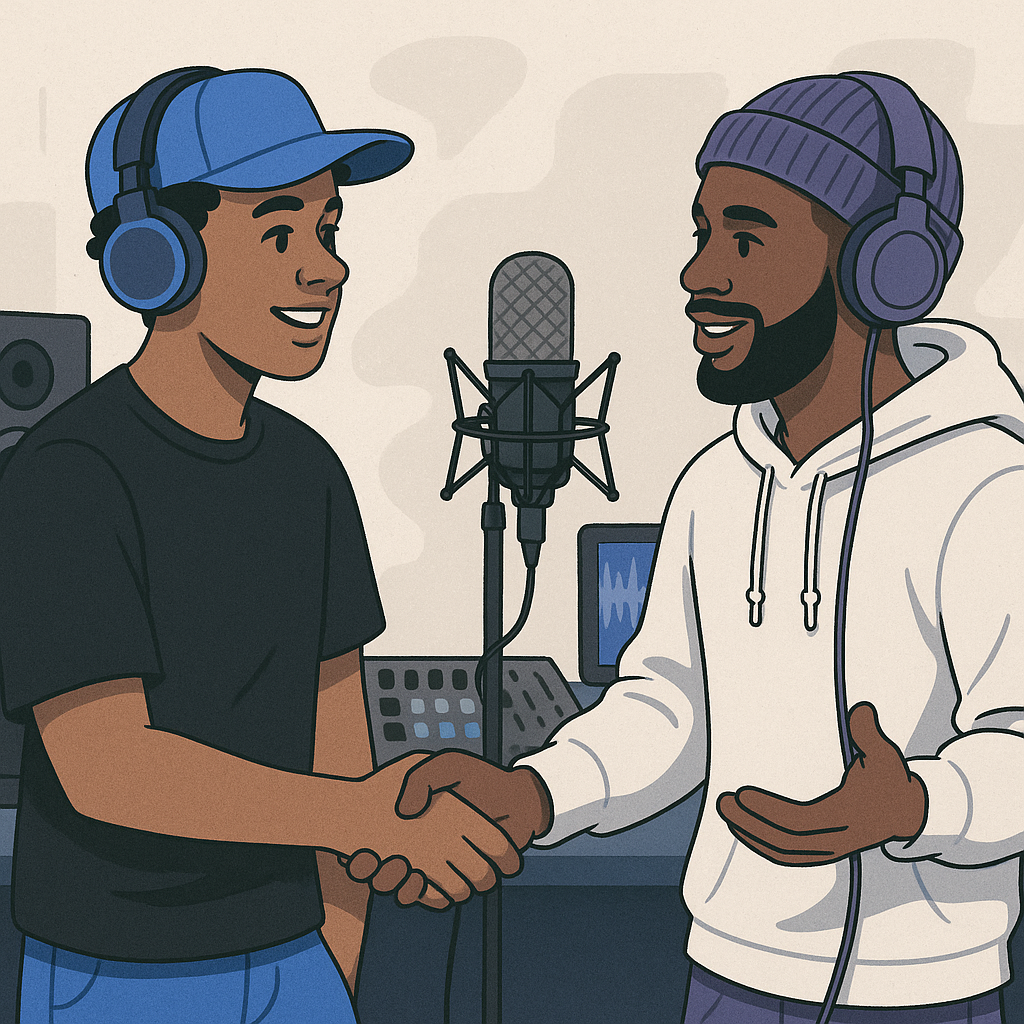
Working alone has limits. Collaboration introduces you to techniques and styles you would not find on your own. The artists who build the most interesting sounds are rarely working in a vacuum — they are pulling from a network built with intention.
Step 4: Network with Producers and Artists
Show up at music events. Engage in online communities. Reach out directly to producers whose work you respect. Platforms like SoundCloud and Bandcamp are built for discovery. The right partnership does not happen by accident — it happens because you put yourself in position for it.
Step 5: Use Online Collaboration Tools
Platforms like Splice let you share and co-produce tracks remotely without friction. You get access to a deep library of samples and loops on a monthly subscription. Distance is no longer a barrier to building something real with someone on the other side of the world.
Mastering Your Signature Sound
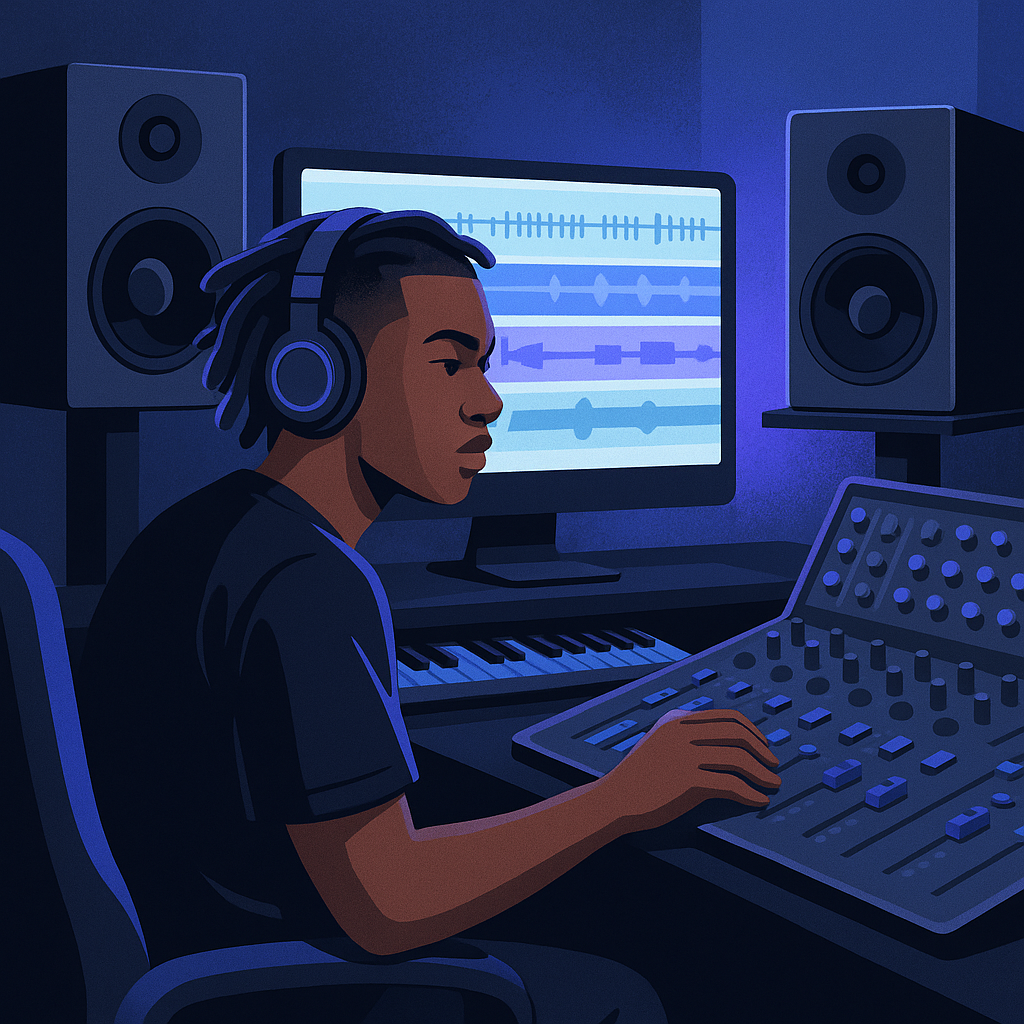
A great sound poorly mixed is a missed opportunity. Once you have built something worth hearing, make sure it translates everywhere — earbuds, car speakers, club systems. Consistency and quality are non-negotiable at this stage.
Step 6: Invest in Quality Mixing and Mastering
If mixing is not your strength yet, hire someone who has already put in the reps. Fiverr connects you with experienced engineers across a range of price points. If you want to handle it yourself, iZotope Ozone offers mastering solutions starting around $129 — a serious tool that gives independent artists professional-grade output.
Step 7: Test Your Tracks
Before you release anything, run it through multiple platforms and devices. Does it hit on a phone speaker the same way it does on studio monitors? Solicit honest feedback from people you trust. Constructive criticism at this stage costs you nothing. Releasing a flawed track costs you credibility.
Conclusion: Take the Next Step in Your Musical Journey
Building a signature sound is not a single moment. It is a process — experimentation, collaboration, refinement, repeat. Follow these steps and you will develop an auditory identity that listeners recognize and return to. Your sound is an extension of who you are as an artist. Let it grow as you grow.
For tools that streamline your content production process and free up more time for your music, explore what ArcanoLabs has built.
Start implementing these strategies now. Test relentlessly. Refine without ego. Let your signature sound be the thing that introduces you to the world before you say a single word.
Exploring Diverse Musical Elements
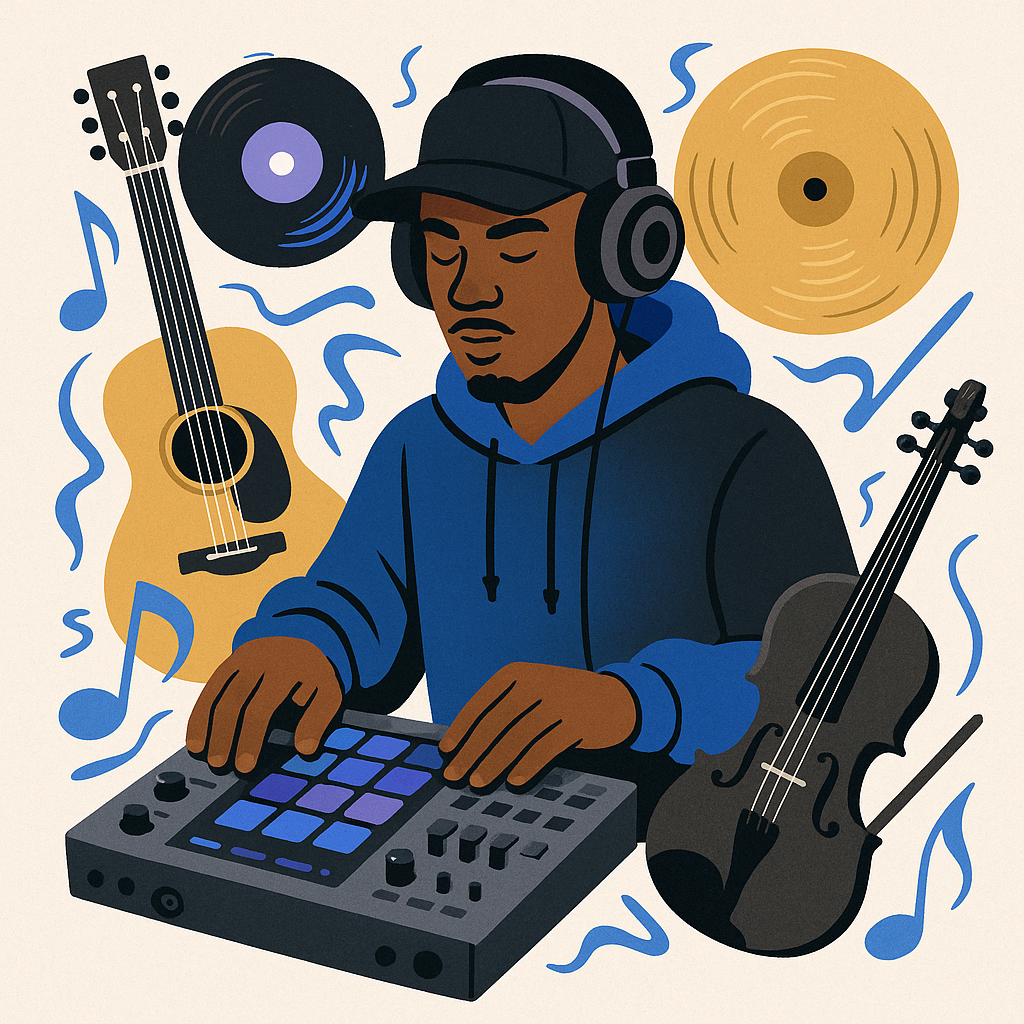
The artists who stand apart are not the ones who stayed inside hip-hop’s traditional borders. They are the ones who pulled from everywhere and made it coherent. Here are three directions worth exploring:
- World Music Influences: African rhythms, Latin percussion, instruments like the sitar or djembe — these elements add texture that most producers in your lane are not touching. That gap is an opportunity.
- Classical and Jazz Elements: String arrangements and jazz improvisation have elevated hip-hop production for decades. Kanye West built entire albums around orchestral samples. The template exists. Your version of it does not yet.
- Electronic Fusion: Synthwave textures, ambient layers, and electronic production techniques add depth and modernity. Done right, this kind of fusion opens your sound to audiences well beyond traditional hip-hop listeners.
Analyzing Listener Feedback and Analytics
Data tells you what your ears cannot. Use it.
- Streaming Platform Analytics: Spotify and Apple Music surface listener demographics, track performance, and engagement patterns. Study which songs hold attention and which ones lose it. That data is a direct signal.
- Social Media Interaction: Comments, shares, and saves on Instagram and Twitter reveal what resonates in real time. Engage with your audience. They will tell you what they want more of if you are paying attention.
- Surveys and Focus Groups: Your most dedicated listeners are an underused resource. A short survey or a focused conversation with your core fans can surface insights that no algorithm will show you.
Case Study: Evolving Sound in Hip-Hop
Study Tyler, The Creator’s trajectory. His album Igor was a deliberate departure — funk, soul, and R&B woven through a hip-hop framework. It earned critical acclaim and expanded his audience significantly. He did not ask permission to evolve. He built in silence, released the work, and let the results speak.
That is the lesson. Adaptability is not a compromise of your vision. It is proof that your vision is alive. Stay true to your artistic core while remaining open to where the sound wants to go next.
Checklist for Crafting Your Signature Sound
Keep this list close as you build:
- Identify and analyze your core musical influences.
- Experiment with a range of production tools and techniques.
- Develop a lyrical style grounded in your personal experience.
- Collaborate with artists who bring perspectives you do not have.
- Incorporate diverse musical elements to create a distinctive sound.
- Use analytics to understand what your audience actually responds to.
- Stay open to evolving your sound as the data and your instincts align.
Leveraging Live Performances to Refine Your Sound
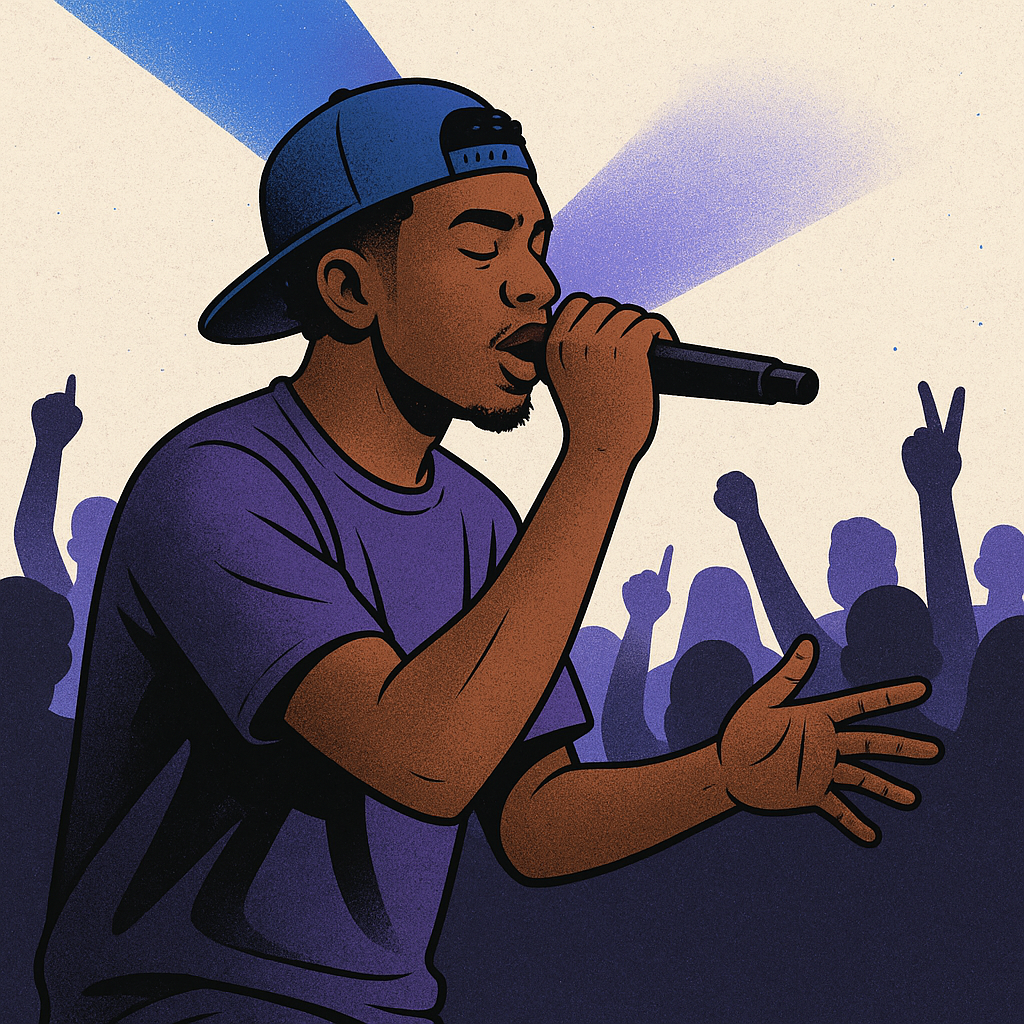
The studio tells you what a track sounds like. A live room tells you whether it works. Real-time audience reaction is the most honest feedback loop available to you. Use every show as a testing environment.
- Test New Material: Introduce unreleased tracks and watch the room. Energy does not lie. The songs that generate the most response are the ones worth prioritizing.
- Interact with the Audience: Ask directly between songs. What landed? What do they want more of? Most artists skip this step. The ones who do it consistently build tighter connections and better music.
- Record Your Performances: Review the footage. Your stage presence, your delivery, the crowd’s reaction at specific moments — all of it is data. Use it to sharpen both your sound and your performance.
Every live show is a chance to close the gap between the artist you are and the artist you are building toward. Take the feedback seriously. Integrate it quickly. Your musical identity sharpens every time you do.

Leave a Reply