The Digital Marketing Playbook for 2026: What Silent Operators Already Know
Most businesses will spend 2026 reacting. Chasing algorithm updates, copying competitors, wondering why their ad spend keeps climbing while returns shrink. The operators who win won’t be doing any of that. They’ll be building systems quietly, stacking organic traffic, and letting compounding do the loud talking. This guide gives you the blueprint they’re using.
The Rise of AI and Automation in Marketing
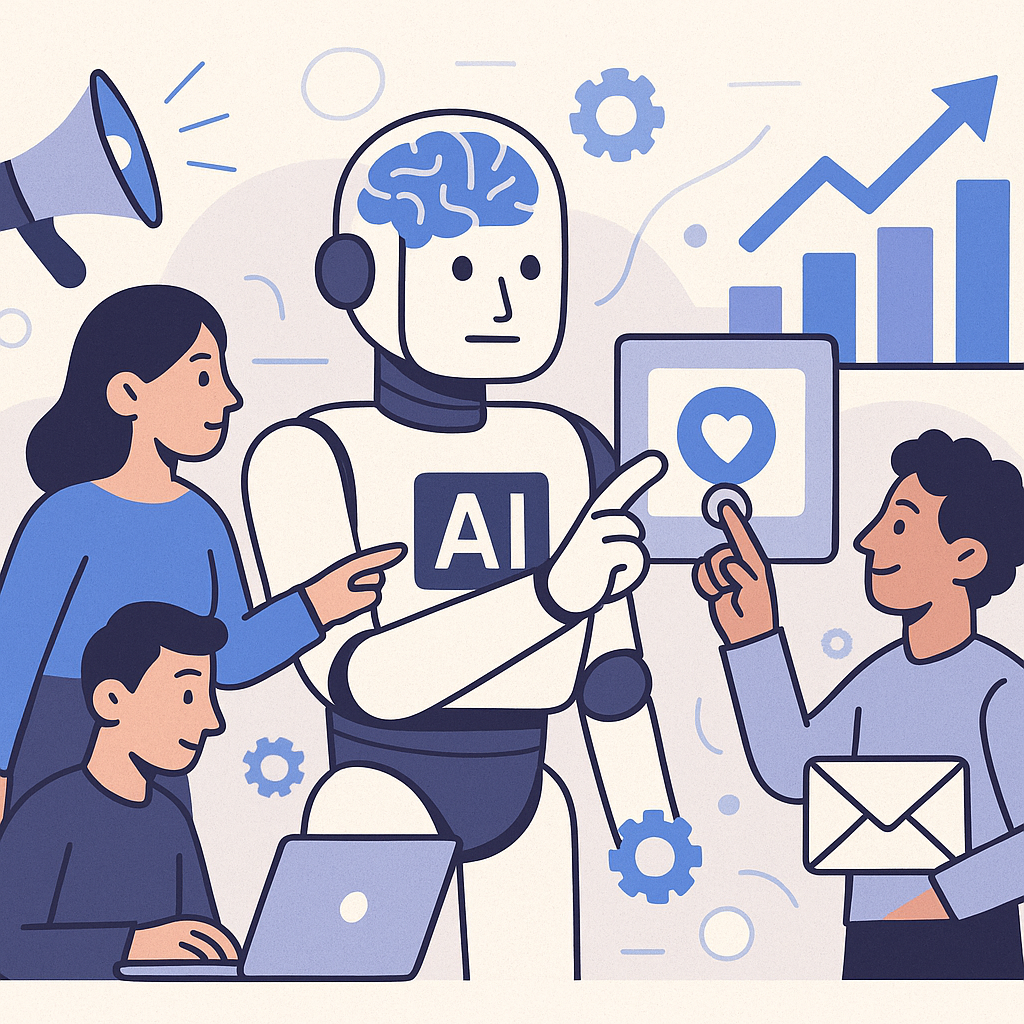
AI and automation aren’t coming. They’re already here, and by 2026 they’ll separate operators who scale from those who stall. The gap between teams using these tools and those ignoring them will be impossible to close manually.
Tools like ArcanoLabs’ AutoBlog automate content creation end to end — optimizing, publishing, and maintaining quality without constant human input. That frees you to focus on strategy, not execution.
Implementing AI in Your Strategy
- Identify repetitive tasks: Automate email marketing, social media scheduling, and data analysis. If it follows a pattern, a machine can own it.
- Enhance customer interactions: Deploy chatbots for 24/7 support. Response time drops. User experience climbs.
- Personalize at scale: Use machine learning to match content to individual user behavior. Relevance drives engagement. Engagement drives revenue.
Owned Traffic vs. Rented Attention
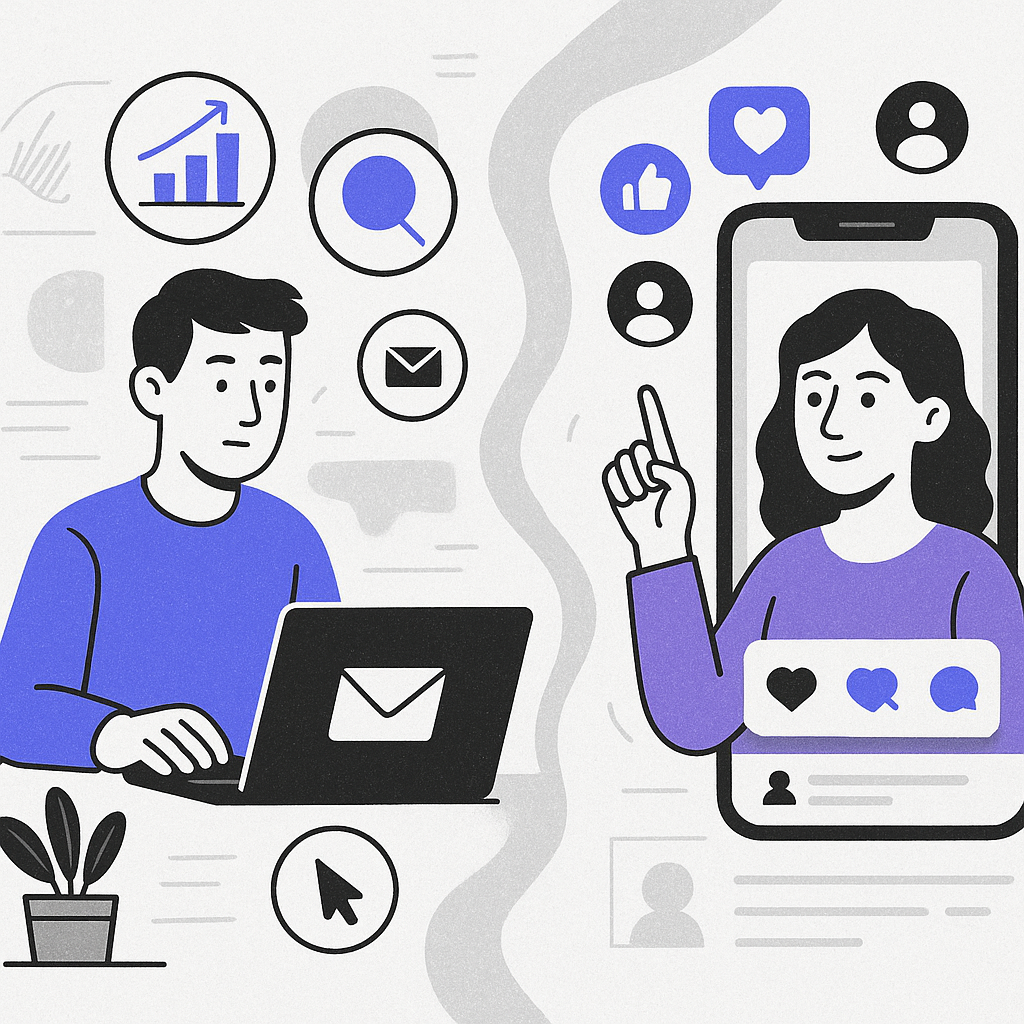
Here’s the truth most marketers won’t say out loud: social media followers are not an asset. A platform changes its algorithm and your reach collapses overnight. Organic traffic from a well-ranked page keeps delivering whether you’re watching or not.
The silent operator builds owned assets first. Email lists. Pages that rank. A niche site portfolio that generates organic traffic independent of any single platform’s mood.
Steps to Build Owned Traffic
- Create evergreen content: Publish high-value, timeless articles that attract organic visitors month after month without additional spend.
- Optimize for search engines: Use tools like Moz or SEMrush to find gaps, fix weaknesses, and push pages up the rankings.
- Grow your email list: Offer lead magnets — eBooks, checklists, short courses — to capture emails and build a direct line to your audience that no algorithm can cut.
Embracing Multi-Channel Marketing

By 2026, your audience won’t live on one platform. They’ll move between mobile, search, email, and video without thinking twice. If your message isn’t consistent across those touchpoints, you’re invisible half the time.
Multi-channel isn’t about being everywhere. It’s about being coherent everywhere that matters. Consistent messaging builds trust. Trust builds retention.
Creating a Multi-Channel Strategy
- Identify key platforms: Find out where your audience actually spends time. Then format your content for each channel’s native behavior — don’t just copy and paste.
- Ensure consistency: One brand voice across every platform. Tone can adapt; identity shouldn’t waver.
- Leverage analytics: Use Google Analytics to track what’s converting and what’s wasting budget. Cut the latter. Double down on the former.
Future-Proofing with Data-Driven Decisions
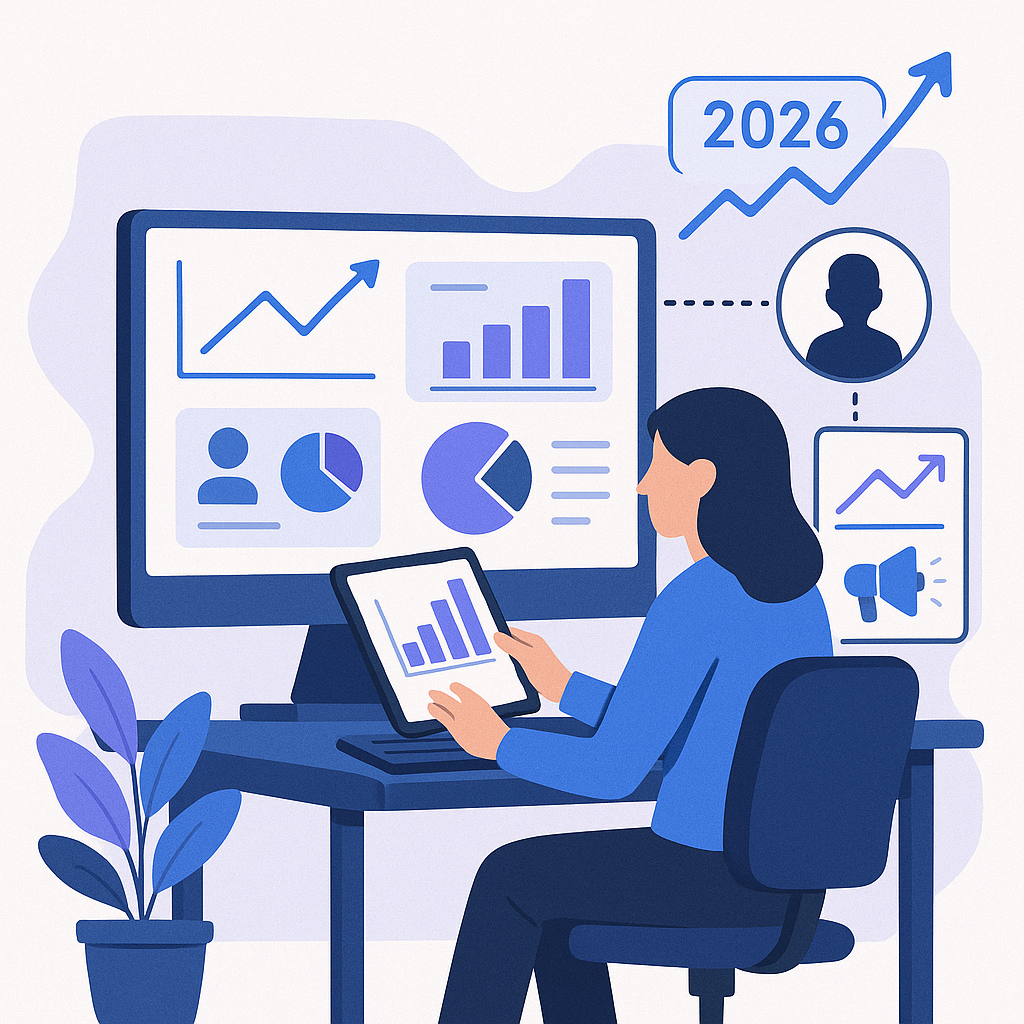
Opinions don’t scale. Data does. In 2026, the businesses that outperform their competitors won’t be guessing — they’ll be reading signals, adjusting fast, and optimizing campaigns before the competition even notices a problem.
Advanced analytics tools surface exactly what customers want and when. That intelligence turns marketing spend into a precision instrument instead of a scatter shot.
Steps to Implement Data-Driven Marketing
- Invest in analytics tools: Platforms like Tableau or Power BI turn raw numbers into decisions you can act on today.
- Set clear KPIs: Define measurable goals before you launch anything. If you can’t measure it, you can’t improve it.
- Review data on a cadence: Build a regular rhythm of analysis. Spot trends early. Adjust before small problems become expensive ones.
Actionable Next Steps

Start with AI and automation. Then lock in your owned traffic foundation. Layer in multi-channel consistency. Let data drive every meaningful decision. That’s not a trend — it’s the operating system of every silent operator who’s building something that lasts.
For tools and resources that support every step of that build, visit ArcanoLabs.
Execute these steps with discipline and you won’t be navigating the 2026 digital landscape — you’ll be ahead of it.
Leveraging Influencer Marketing in 2026

Influencer marketing isn’t slowing down. By 2026, consumer trust in authentic voices will be one of the most valuable currencies in your niche. The operators who treat influencer partnerships as a distribution channel — not a vanity play — will see real returns.
Developing an Influencer Partnership Strategy
- Identify the right influencers: Use platforms like HypeAuditor or Influence.co to find voices whose audience actually matches your target market — not just their follower count.
- Set clear objectives: Know what you’re buying before you spend. Brand awareness, lead generation, and direct sales each require a different structure and different metrics.
- Build genuine relationships: Offer real value — exclusive access, early products, insider insight. Long-term partnerships outperform one-off posts every time.
Understanding Consumer Privacy and Compliance

Privacy regulation is tightening. By 2026, businesses that treat compliance as an afterthought will face consequences — legal, financial, and reputational. The operators who build trust through transparent data practices will have a structural advantage over those who don’t.
Ensuring Compliance with Privacy Regulations
- Stay current on legislation: GDPR, CCPA, and their successors are not static. Build a process for tracking regulatory updates in every market you operate in.
- Implement strong data protection: Encryption and secure storage aren’t optional features. They’re the baseline for operating responsibly at scale.
- Communicate transparently: Tell users what you collect, why you collect it, and how it’s used. Explicit consent isn’t just a legal requirement — it’s a trust signal.
Harnessing the Power of User-Generated Content (UGC)
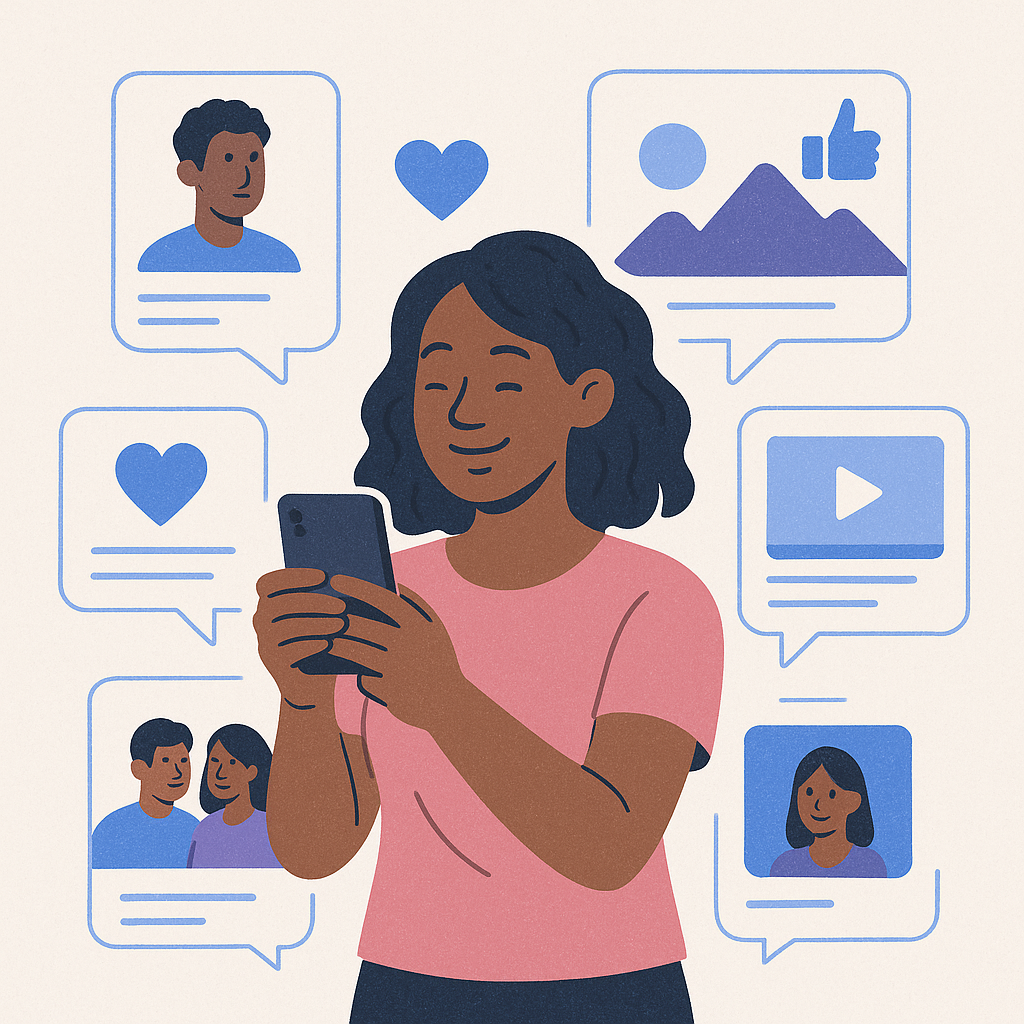
In 2026, the most credible content about your brand won’t come from you. It’ll come from your customers. User-generated content carries social proof that no polished ad campaign can replicate. The brands that systematically encourage and amplify UGC will extend their reach without proportionally extending their budget.
Strategies to Encourage User-Generated Content
- Create shareable experiences: Design campaigns and contests that give customers a genuine reason to create content about your brand — not just a discount code.
- Feature UGC prominently: Put customer content on your website and social channels. It builds community and signals to prospects that real people trust you.
- Acknowledge contributors: Recognize and reward the customers who show up for your brand. That recognition compounds into more participation over time.
Case Study: Successful Digital Transformation in Retail
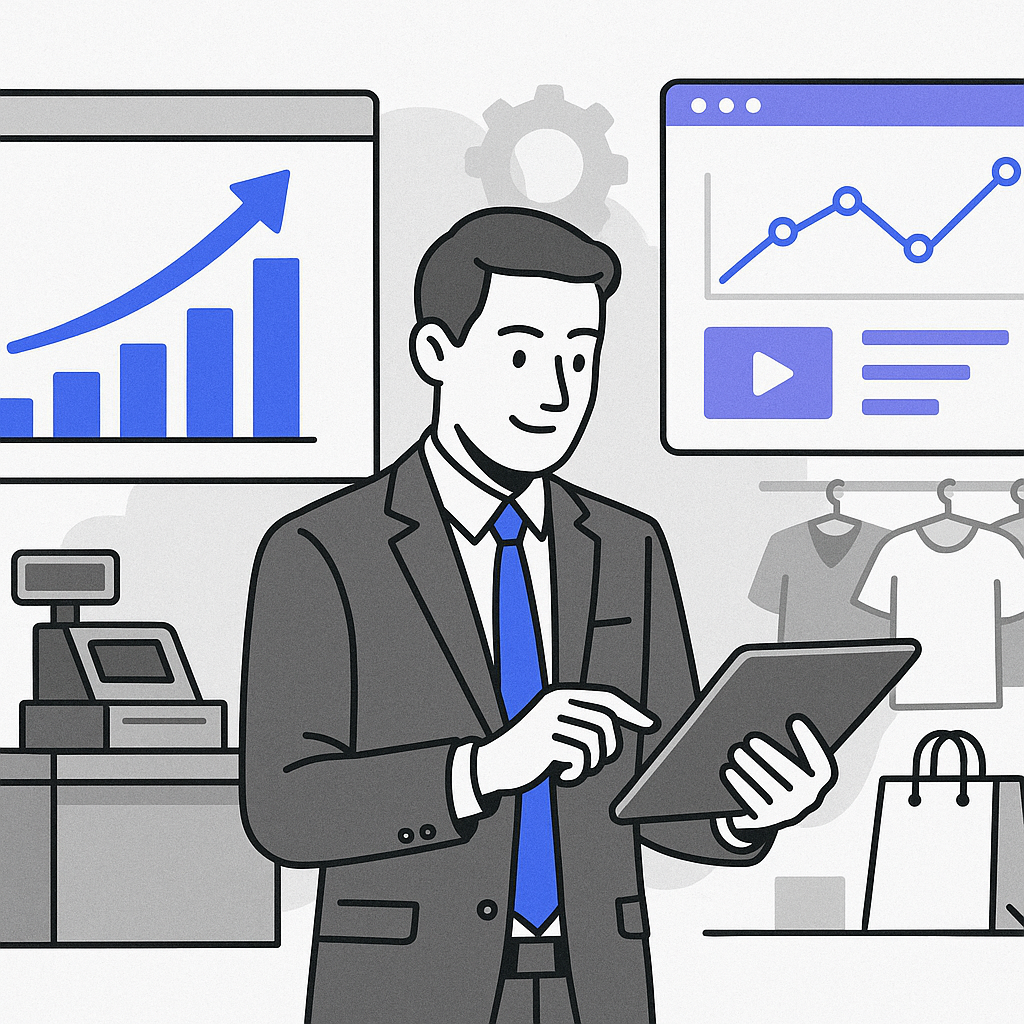
Look at what happened when a major retailer stopped debating digital transformation and started executing it. The results weren’t accidental — they were the direct output of deliberate, compounding decisions made over time.
Key Initiatives and Outcomes
- AI-driven personalization: The retailer deployed AI algorithms to deliver individualized shopping experiences. Customer retention climbed 20%. That’s not a rounding error — that’s a structural shift in unit economics.
- E-commerce platform expansion: By integrating with major e-commerce platforms, they opened new distribution channels and grew online sales by 35%.
- Sustainable practices: Eco-friendly initiatives resonated with a growing segment of conscious consumers, deepening brand loyalty and pulling in a new demographic entirely.
Key Performance Indicators (KPIs) for 2026
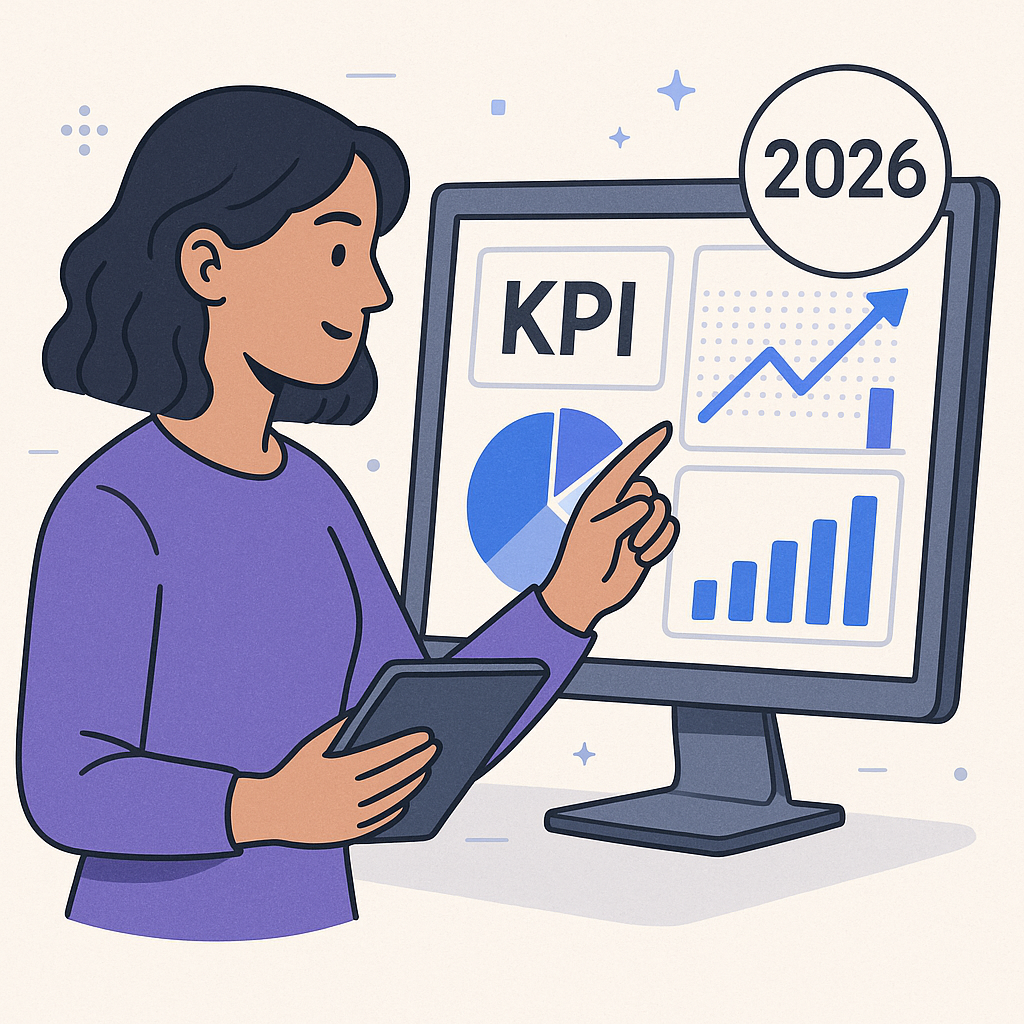
You can’t optimize what you don’t measure. In 2026, the metrics you track will determine the decisions you make — and the decisions you make will determine whether you’re building something durable or just staying busy.
Essential KPIs to Track
- Customer Lifetime Value (CLV): The total revenue a customer generates over their relationship with you. This is the number that tells you whether your acquisition cost is sustainable.
- Conversion Rate: The percentage of visitors who take a desired action. Every percentage point improvement here compounds across your entire traffic volume.
- Engagement Rate: How actively your audience interacts with your content. Low engagement is a signal — your content isn’t earning attention, it’s just occupying space.
- Return on Marketing Investment (ROMI): Revenue generated relative to marketing spend. Track this ruthlessly. It tells you which channels deserve more budget and which ones deserve to be cut.
FAQs on Digital Marketing in 2026
The questions operators ask most often aren’t about tactics. They’re about priorities — where to focus when resources are limited and the landscape keeps shifting. Here are direct answers.
Frequently Asked Questions
- How can small businesses compete in the digital space? Own a niche. Local SEO and tight community engagement on social platforms give smaller operators an edge that broad, unfocused brands can’t replicate.
- What are the most cost-effective digital marketing strategies? Content marketing, SEO, and email campaigns consistently deliver high ROI relative to spend. Build those channels before you touch paid advertising.
- How important is mobile optimization? Non-negotiable. The majority of users access content on mobile. If your site isn’t optimized for it, you’re losing organic traffic and rankings simultaneously.
Integrating Virtual and Augmented Reality in Marketing
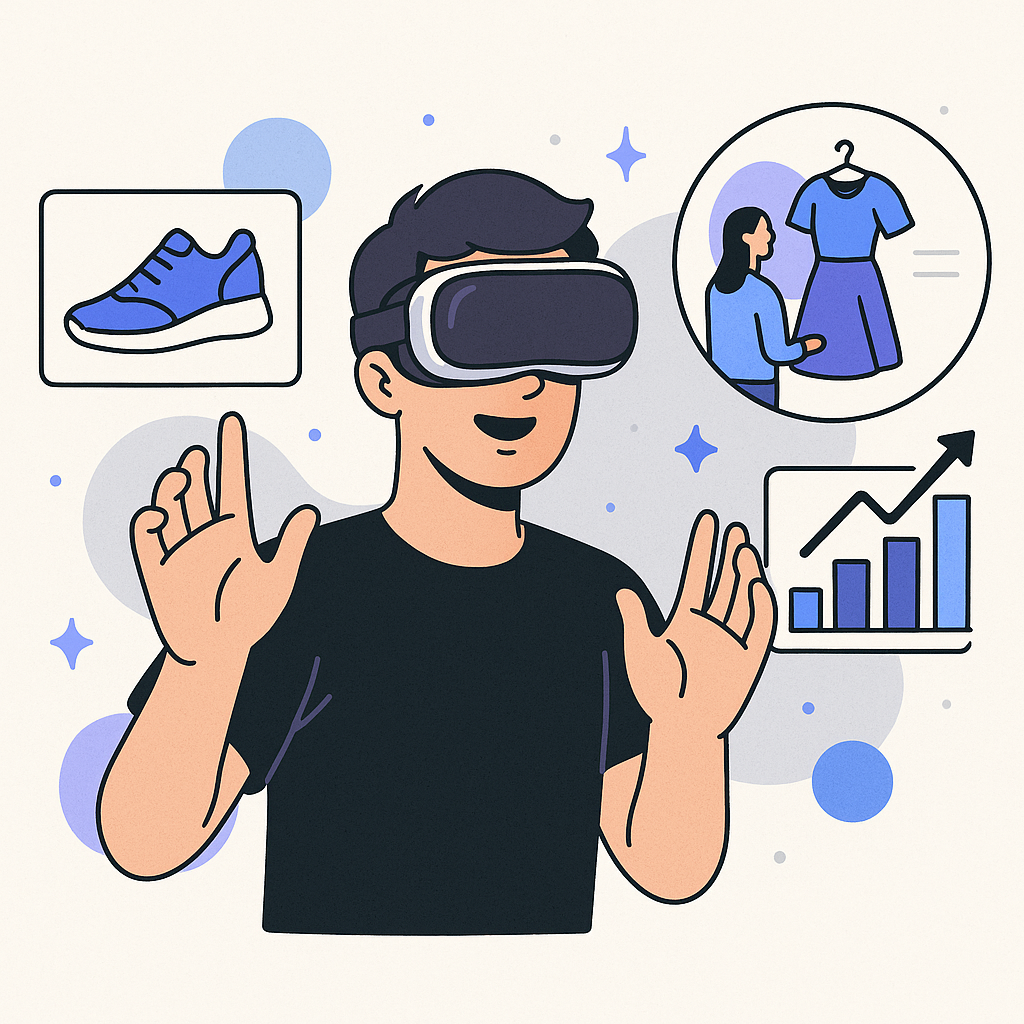
By 2026, virtual reality and augmented reality will move from novelty to practical marketing infrastructure. Virtual try-ons in retail, interactive product demonstrations, immersive brand experiences — these aren’t experiments anymore. They’re conversion tools for operators willing to deploy them correctly.
Steps to Incorporate VR and AR
- Identify suitable use cases: Start with the highest-friction point in your customer journey. Virtual tours, product visualizations, and interactive demos reduce doubt and accelerate decisions.
- Select the right technology partner: Work with experienced VR and AR developers. A poorly executed experience damages trust faster than no experience at all.
- Test and optimize: Run structured user testing before full deployment. Refine until the experience feels seamless and reinforces — rather than distracts from — your brand.

Leave a Reply