Mastering the Art of Hip-Hop Production: Tips and Techniques
Hip-hop production is not just beats and rhymes. It is a craft that demands creativity, technical precision, and an honest understanding of sound. Whether you are an emerging producer or an artist sharpening your output, mastering this craft opens real doors. The producers who build quietly and test relentlessly are the ones whose work endures.

Understanding the Basics of Hip-Hop Production
Before you touch advanced techniques, lock in the fundamentals. Rhythm, melody, and sound design are the three pillars every strong track is built on. Skip any one of them and the whole structure shows cracks.
Rhythm: The Backbone of Hip-Hop
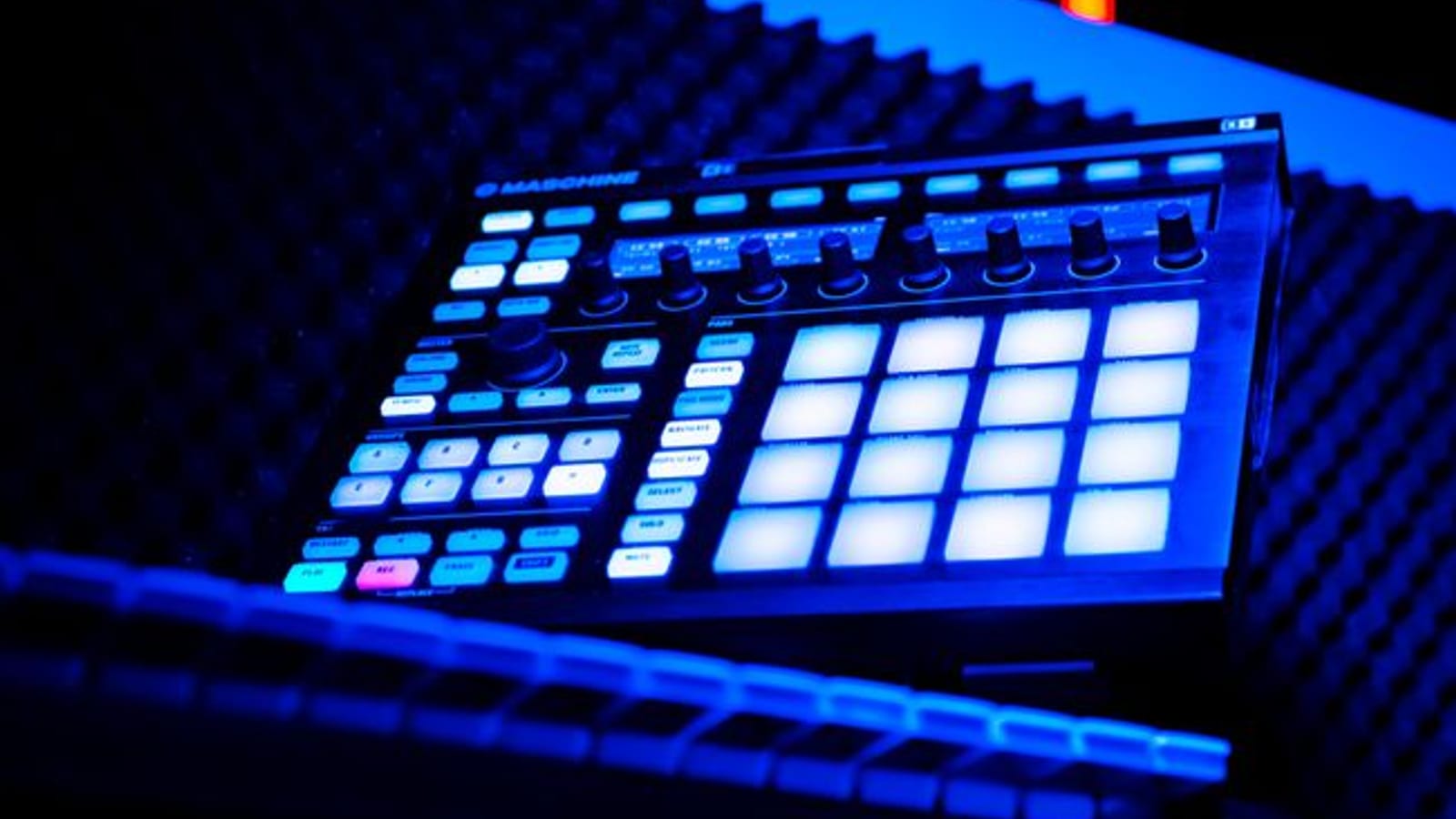
Rhythm drives everything. It sets the energy and controls the flow before a single word is spoken. Start by studying classic drum patterns and internalizing the 4/4 time signature that anchors most hip-hop. Tools like Ableton Live and FL Studio come with built-in drum machines that let you experiment without friction. Both platforms run between $99 and $199, which makes them accessible entry points for producers at any stage.
Melody and Harmony
A strong melody does not fight the rhythm. It complements it, adding emotional weight and memorability. Experiment with different scales and keys until you find hooks that stick. Propellerhead Reason gives you virtual instruments and effects that let you build complex melodic arrangements without a full band setup. At around $399, it is a serious investment that returns serious creative range.
Advanced Techniques for Hip-Hop Production
Once the basics are solid, you push further. Sampling, mastering, and unconventional soundscapes are what separate a competent track from one that commands attention. These are the tools the operators who build in silence use to stay ahead.
Sampling: A Hip-Hop Staple
Sampling is the art of recontextualizing existing audio into something new. It is foundational to hip-hop and still one of the most powerful creative moves available to you. Serato Sample gives you an intuitive interface for chopping and manipulating source material, priced at around $99. One non-negotiable rule: always clear your samples legally. The legal exposure is not worth the shortcut.
Mastering Your Tracks
Mastering is the final filter between your track and the listener. It is where frequency balance, dynamic range, and overall loudness get locked in. iZotope Ozone handles this comprehensively for around $249. It balances frequencies, enhances dynamics, and delivers the polish that makes a track sound finished rather than just finished enough.

Building a Home Studio: A Practical Guide
A dedicated production space changes your output. It removes friction and sharpens focus. Here is how to build one that fits your budget without cutting corners on what matters.
- Choose the Right Space: Find a quiet room with minimal external noise. Soundproof where necessary. Your environment shapes your sound before you touch a single knob.
- Invest in Quality Equipment: Start with a reliable computer, a DAW, and a solid pair of studio monitors. Entry-level options like the KRK Rokit series run around $150 each and deliver honest, accurate sound reproduction.
- Acoustic Treatment: Foam panels and bass traps manage reflections and clean up your listening environment. This is not optional if you want mixes that translate outside your room.
Leveraging Technology and AI in Hip-Hop Production
Technology is reshaping what a solo producer can accomplish. AI tools compress timelines and open creative directions that would have required a full team a decade ago. ArcanoLabs offers an AI-powered AutoBlog system that helps artists generate and optimize content consistently, so you can grow your audience without sacrificing production time.
For more on how AI can sharpen your production process, visit ArcanoLabs.
Conclusion: Taking Your Hip-Hop Production to the Next Level
Mastering hip-hop production is not a destination. It is a compounding process. You lock in the fundamentals, layer in advanced techniques, and use every available tool to close the gap between where you are and where your sound needs to be. Start testing today. The results stack faster than you expect.
Ready to go deeper? Explore more resources on our blog and start building your path to a stronger, more consistent output.
Exploring the Role of Collaboration in Hip-Hop Production
Collaboration is one of the most underrated tools in a producer’s arsenal. A second perspective breaks creative blind spots. Working with other producers, artists, and musicians injects energy into your projects and exposes you to techniques you would not find working alone.
Benefits of Collaborative Production
- Diverse Skill Sets: Collaborators bring different strengths. The result is a richer, more layered production process than any single operator can achieve solo.
- Shared Resources: Pooling equipment, software, and studio space cuts costs and raises the ceiling on what you can produce.
- Networking Opportunities: Every collaboration expands your professional network. Those connections compound into future opportunities.
Finding the Right Collaborators
Attend production meetups, join online forums, and show up to workshops where serious producers gather. Platforms like SoundBetter and Kompoz connect you with producers and artists worldwide, making remote collaboration a real and practical option.
Crafting Unique Soundscapes: Experimenting with Unconventional Sounds
The crowded hip-hop landscape rewards producers who sound like nobody else. Unconventional sounds and unexpected techniques are how you build a signature. That distinctiveness does not happen by accident. It happens through deliberate experimentation.
Incorporating Field Recordings
Field recordings capture the texture of real environments. Urban noise, ambient conversations, incidental sound. Use a portable recorder or a smartphone app to collect these elements, then weave them into your tracks. The result is an immersive quality that purely digital production rarely achieves.
Manipulating Audio with Effects
- Granular Synthesis: Break sounds into microscopic grains and reassemble them into entirely new textures. The source becomes unrecognizable. The result becomes yours.
- Reverse Reverb: Applied to vocals or instruments, reverse reverb adds a haunting, atmospheric quality that pulls listeners in before the main sound even hits.
- Pitch Shifting: Alter sample pitch to build harmonies or introduce dissonance. Used deliberately, it adds layers of depth that flat production simply cannot match.
Understanding the Legal Aspects of Hip-Hop Production
The legal side of production is not glamorous. It is also non-negotiable. Understanding copyright law and licensing agreements protects your work and keeps you out of disputes that can derail everything you have built.
Copyright Basics
Copyright protects original works, including music, lyrics, and sound recordings. As a producer, establishing copyright on your output is the baseline layer of protection for your intellectual property.
Licensing Samples
Using a sample without clearance is a liability, not a shortcut. Obtain the necessary licenses before a track goes public. That means negotiating with original creators or rights holders. Platforms like Tracklib simplify this process with a pre-cleared library that removes the guesswork.
Protecting Your Work
- Register Your Works: File your tracks with a copyright office. It establishes legal ownership and gives you standing if disputes arise.
- Use Watermarks: Embed watermarks in demos and unreleased material to prevent unauthorized use before deals are signed.
- Understand Contracts: Know what you are signing. Producer agreements and split sheets determine how credit and compensation flow. Read them carefully every time.
Evaluating Success: Key Performance Indicators (KPIs) for Hip-Hop Producers
You cannot improve what you do not measure. Setting clear KPIs gives you an honest read on where your production operation stands and where it needs to go.
KPIs for Hip-Hop Producers
- Track Engagement: Monitor streaming numbers, social interactions, and listener feedback. These signals tell you what is landing and what is not.
- Project Completion Rate: Track how efficiently you finish work and hit deadlines. Speed and consistency compound over time.
- Collaboration Frequency: Measure how often you are building with others. It reflects the health of your network and your creative range.
- Revenue Streams: Analyze income from streaming royalties, merchandise, and live performances. Understanding where money comes from is how you build a sustainable operation.
These KPIs give you a clear picture of your strengths and the gaps you need to close. The producers who track this data are the ones who refine their approach with precision instead of guessing.
Enhancing Vocal Production in Hip-Hop
Vocals carry the message. Everything else serves them. Strong vocal production is not an afterthought. It is a core part of the craft, and the techniques you apply here determine whether the lyrical content actually lands.
- Layering Vocals: Record multiple takes and stack them. The result is a fuller, more commanding sound that a single pass cannot replicate.
- Using Auto-Tune Creatively: Pitch correction is one application. Artistic effect is another. Used intentionally, Auto-Tune adds character and texture rather than masking weakness.
- Dynamic Processing: Compressors and limiters keep vocal levels consistent and ensure clarity in the final mix. Without them, even a strong performance gets buried.

Leave a Reply