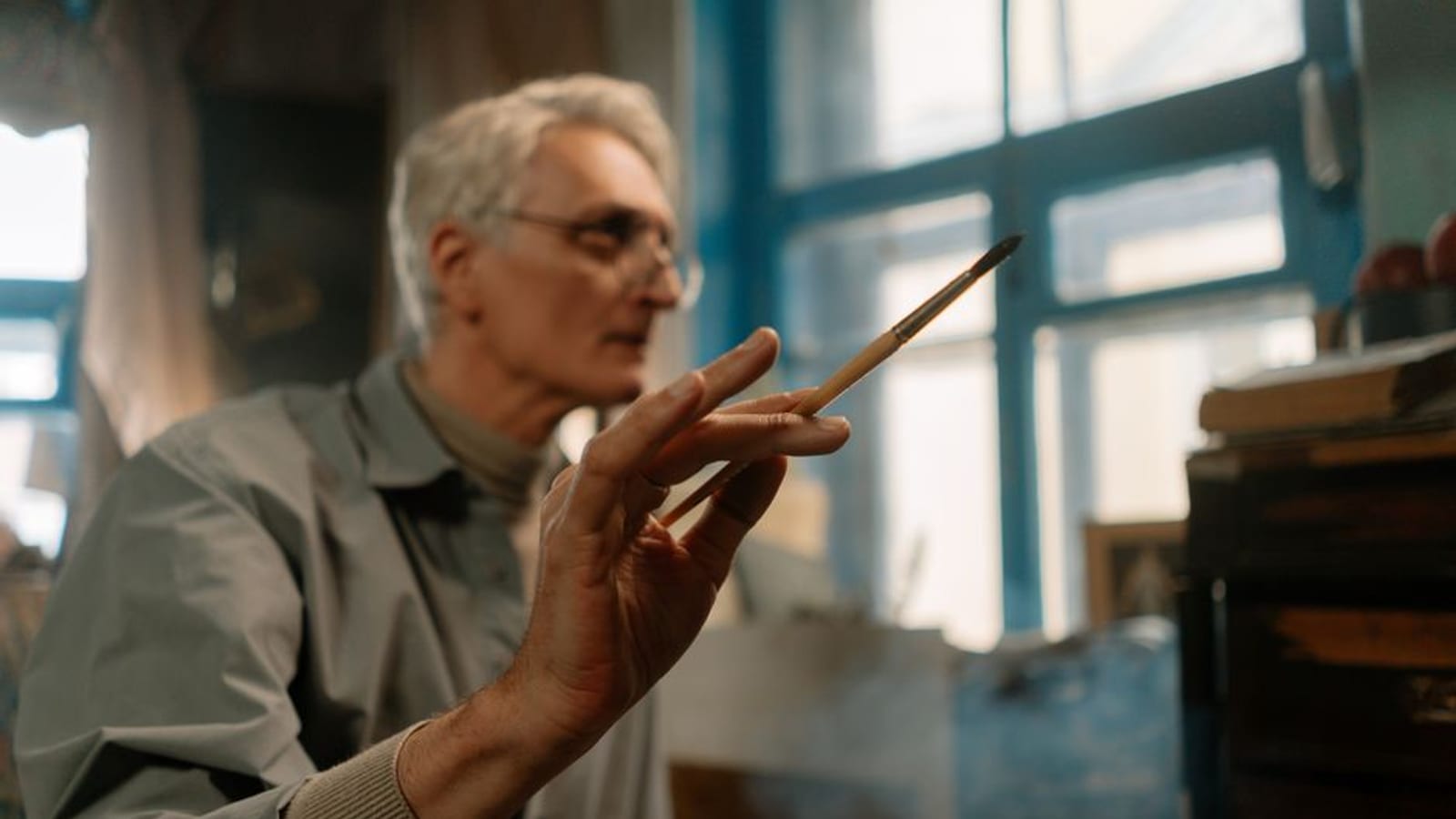
Personal Development for Artists: Achieving Mastery and Confidence
Most artists wait for the right moment. The right teacher. The right inspiration. That moment rarely comes. The ones who actually reach mastery stop waiting and start building—deliberately, quietly, one skill at a time. This is a direct roadmap for doing exactly that.
Understanding the Artist’s Journey
Every artist’s path looks different on the surface. Underneath, the structure is nearly identical. Knowing which stage you are in right now removes the guesswork and tells you exactly where to direct your energy.
- Discovery Phase: You experiment across mediums and styles. Nothing is wasted here. This is where you find what actually resonates with you versus what you thought would.
- Development Phase: Experimentation gives way to deliberate practice. You study technique, absorb feedback, and close the gap between what you see in your head and what lands on the page.
- Mastery Phase: Skill and instinct start working together. A distinct voice emerges—not because you chased one, but because you put in the reps.

Tools and Techniques for Skill Enhancement
The right tools do not replace talent. They remove friction so your talent can compound faster. Here is what actually moves the needle:
- Digital Art Software: Adobe Photoshop and Procreate are the industry standard for digital artists. Photoshop runs on a subscription; Procreate is a one-time purchase at a fraction of the cost. Both open up a wide range of digital mediums worth exploring.
- Online Learning Platforms: Skillshare and Udemy carry courses from beginner to advanced, often accessible through free trials or low-cost subscriptions. The depth of material available has no real ceiling.
- Community and Feedback Platforms: DeviantArt and Reddit’s art communities give you unfiltered eyes on your work. Honest feedback from peers who are in the same trenches is worth more than most paid critiques.
Stack these tools into a consistent routine and your learning curve compresses significantly. You stop guessing and start iterating with real data from real artists.
Building Confidence as an Artist
Confidence is not a personality trait. It is an output. It comes from doing the work, measuring the results, and adjusting. Here is how you build it systematically:
- Set Achievable Goals: Break large ambitions into specific, time-bound targets. Each completed milestone is evidence that you can execute. That evidence accumulates into confidence.
- Embrace Failure: Every failed piece is a data point. Artists who treat mistakes as feedback rather than verdicts improve faster than those who avoid the discomfort entirely.
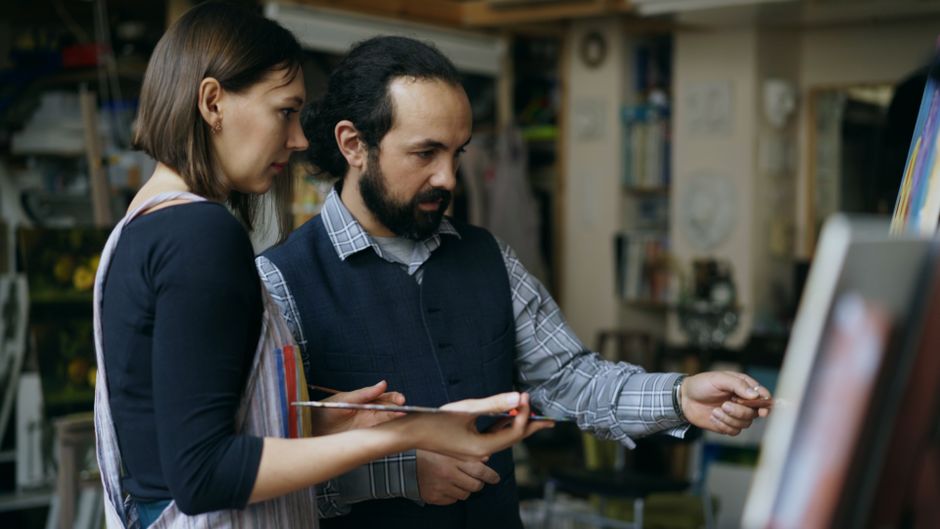
- Seek Constructive Criticism: Feedback from peers and mentors surfaces blind spots you cannot see from inside your own work. Actively pursue it rather than waiting for it to find you.
Confidence follows execution. Set the goal, do the work, absorb the feedback, repeat. The cycle is simple. Most people just refuse to start it.
Case Study: The Journey of Mastery
One artist came in with raw ability and no clear direction. Finding a personal style felt impossible. Instead of waiting for clarity, they committed to a system: digital tools for daily practice, structured online courses for technique, and a tight feedback loop with a small community of peers. They set specific monthly goals and held themselves to them. Slowly, a distinct visual voice emerged—not from a single breakthrough moment, but from hundreds of small, deliberate decisions made consistently over time. Structured development did not limit their creativity. It gave it a foundation to stand on.
Next Steps for Artists
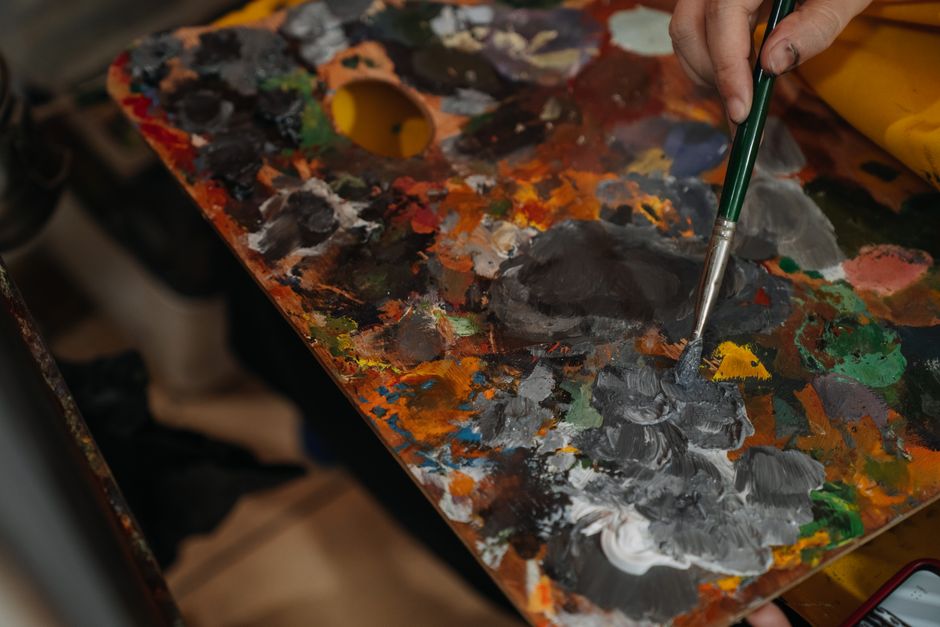
Here is your blueprint. Start today, not next week.
- Identify Your Current Phase: Be honest about where you actually are in your artistic journey. Set one clear goal for the next phase.
- Choose the Right Tools: Match your tools to your goals and your budget. Do not over-invest in software before you have a consistent practice.
- Join a Community: Find artists who will give you real feedback, not just encouragement. That distinction matters.
- Commit to Continuous Learning: Block time each week for deliberate skill-building. Protect that block like a client deadline.
For more resources on building a sustainable creative career, explore ArcanoLabs—tools and strategies built for creators who want to scale their audience and income without shortcuts.
Start now. Mastery is not a destination you arrive at. It is a standard you build in silence, one session at a time.
Leveraging Mindfulness and Mental Well-being
Your mental state is part of your output. Ignore it and your creative capacity shrinks. Protect it and your work gets sharper. These practices are not soft—they are operational.
- Meditation: Even ten minutes of daily meditation reduces cognitive noise and sharpens focus. Apps like Headspace and Calm offer guided sessions built specifically for creative work.
- Journaling: A daily journal externalizes your creative process. It surfaces patterns, documents progress, and helps you identify exactly where mental blocks are forming before they stall your momentum.
- Mindful Breaks: Short, intentional breaks during creative sessions prevent burnout and reset your attention. A five-minute walk or a few rounds of deep breathing costs nothing and pays back in sustained output.
A clear mind produces better work. That is not philosophy—it is a practical edge most artists leave on the table.
Networking and Collaboration for Growth
Working in isolation has a ceiling. Connecting with other serious artists raises it. Here is how to do it without wasting time on low-value interactions:
- Attend Workshops and Seminars: Industry events put you in the room with artists who are further along. Pay attention to how they think, not just what they make.
- Join Art Collectives: A well-run collective gives you collaborative projects, exhibition opportunities, and visibility you would take years to build alone.
- Online Collaborations: Behance and Instagram connect you with artists across the world. A single collaborative project can add range to your portfolio that solo work rarely produces.
The right collaborations do not dilute your voice. They stress-test it and make it stronger.
Identifying and Overcoming Barriers to Mastery
Most artists know what is holding them back. They just have not named it clearly enough to act on it. Name it now.
- Fear of Criticism: Negative feedback feels personal. It is not. Actively seek critique and treat it as diagnostic information. The artists who improve fastest are the ones who stop protecting their ego from data.
- Perfectionism: Perfectionism is procrastination with better branding. Set realistic standards, ship the work, and refine in the next iteration.
- Procrastination: Procrastination is usually a signal that a task feels too large. Break it into smaller steps. Set a deadline. Start before you feel ready.
Naming the barrier is half the work. The other half is building a system that removes it from your path entirely.
Metrics for Measuring Artistic Growth
You cannot improve what you do not measure. Track these indicators and your development stops being a feeling and starts being a fact.
- Portfolio Evolution: Review your portfolio on a set schedule. Look for increasing variety, technical complexity, and a clearer personal style. The visual record does not lie.
- Skill Acquisition: Log new techniques and tools as you master them. A running list of capabilities makes your growth tangible and keeps you moving forward.
- Feedback and Recognition: Track the quality and tone of feedback over time. More specific, more positive responses from peers and jurors are a reliable signal that your work is advancing.
Set clear benchmarks. Review them regularly. Adjust based on what the data tells you, not how you feel on a given day.
FAQ: Navigating the Artistic Journey
What if I feel stuck in my artistic journey?
Feeling stuck is not a sign you are failing. It is usually a sign you have outgrown your current approach. Try a new medium or technique to disrupt the pattern. A workshop or a deliberate break to reset your perspective can also move things forward faster than pushing through the block.
How can I maintain motivation over the long term?
Short-term goals keep you moving. Long-term goals keep you oriented. Use both. Acknowledge small wins along the way—they are evidence that the system is working. Staying connected to other serious artists provides the kind of external accountability that self-motivation alone rarely sustains.
Is it necessary to have a mentor?
Not essential, but genuinely valuable. A mentor compresses your learning curve by sharing what they learned the hard way. They spot the mistakes you cannot see from inside your own work and give you feedback that a peer community often cannot. If access to a mentor is limited, structured courses and active community engagement can fill much of the same role.

Leave a Reply