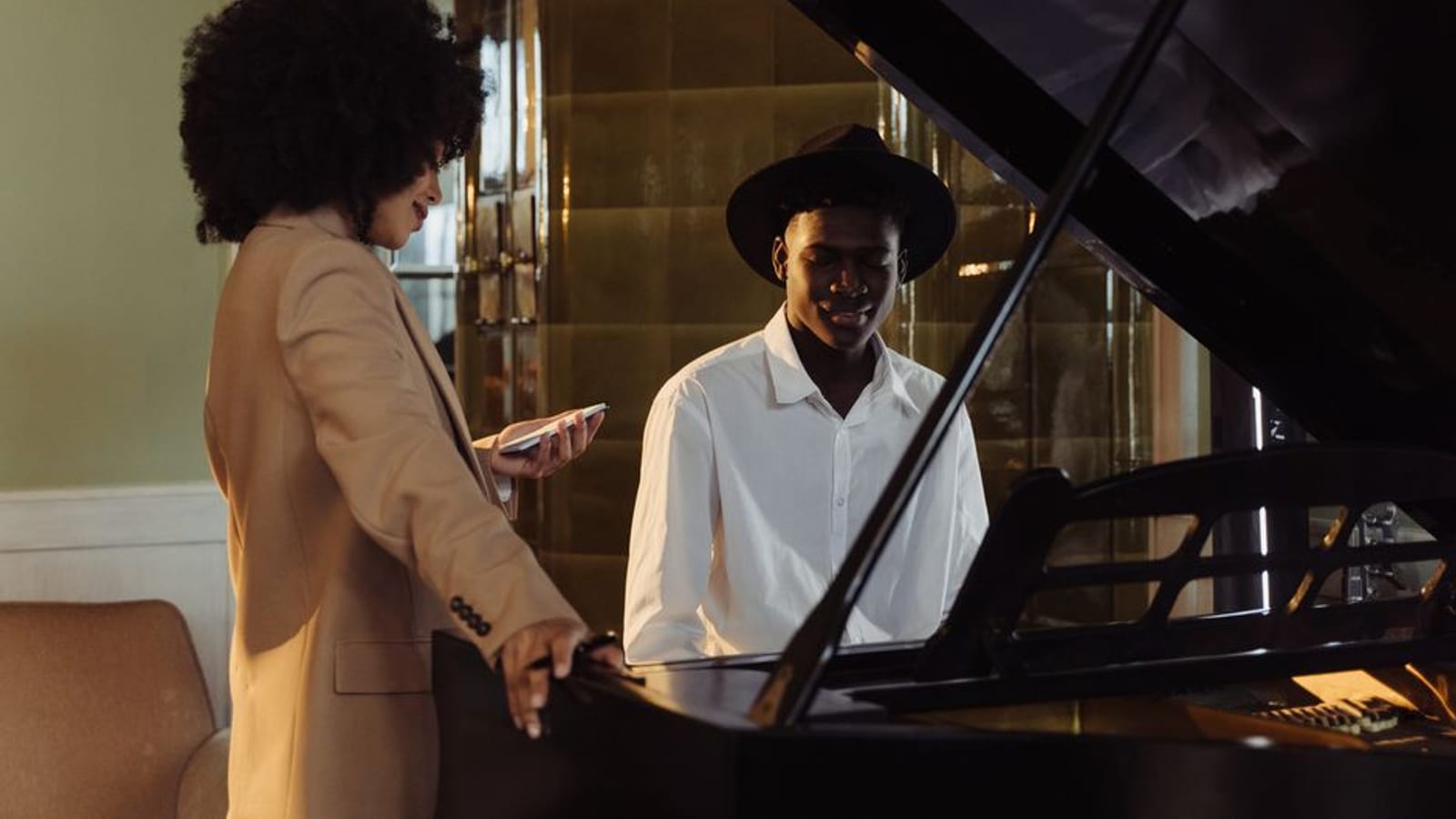
The Art of Music Collaboration: Tips for Successful Partnerships
Most artists wait to be discovered. The ones who build lasting careers do something different — they build in silence, partner with intention, and let the work speak. From The Beatles to modern supergroups, the partnerships that defined music history were not accidents. They were systems. This guide gives you the practical blueprint to forge collaborations that actually compound.
Why Music Collaboration Is a Strategic Decision
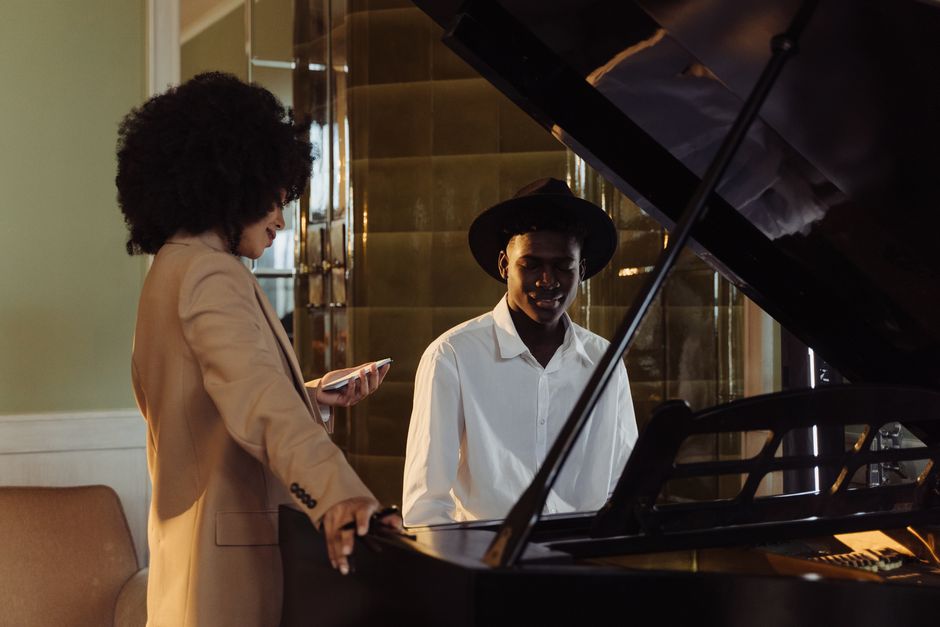
Collaboration is not about filling gaps in your talent. It is a deliberate alliance — one that combines distinct skills, lived experiences, and creative perspectives to produce something neither artist could reach alone. The result is often a sound that surprises even the people who made it. But none of that happens without open communication and mutual respect as the foundation.
Case Study: The Power of Diversity in Music Collaboration
Look at Lady Gaga and Tony Bennett on “Cheek to Cheek.” Two artists from opposite ends of the musical spectrum — jazz and pop — who chose to trust the process. The album did not just sell. It captivated audiences worldwide and earned critical respect. That outcome was not luck. It was what happens when diverse artistic inputs are treated as assets, not obstacles.
Tools and Platforms for Effective Collaboration
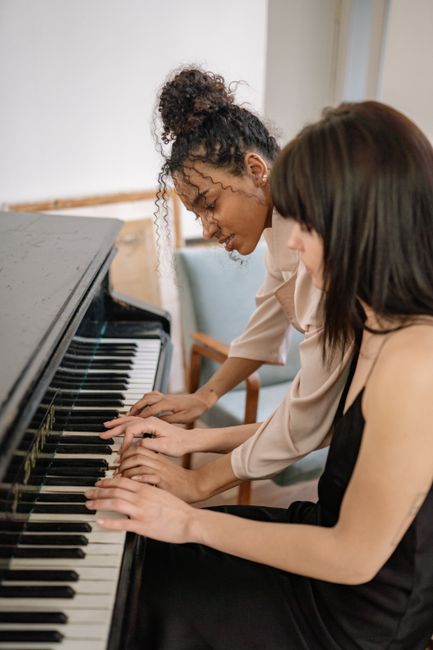
Distance is no longer an excuse. The right tools eliminate geography and keep creative momentum moving. Here are the essentials:
- Splice: A cloud-based platform for sharing and collaborating on music projects. Pricing starts at around $7.99/month.
- Soundtrap: An online DAW (Digital Audio Workstation) built for real-time collaboration. Subscriptions begin at $9.99/month.
- Discord: Not music-specific, but effective. Musicians use it daily to communicate, share ideas, and keep projects moving between sessions.
These platforms remove the friction. When the tools work, creativity flows. Pick one, commit to it, and stop switching.
Step-by-Step Guide to a Successful Music Collaboration
- Define Roles and Expectations: Before a single note is recorded, establish who does what. Clear roles prevent the misunderstandings that kill projects before they start.
- Use the Right Technology: Platforms like Splice and Soundtrap make it simple to share tracks and integrate ideas across time zones. Use them.
- Schedule Regular Check-ins: Accountability does not happen by accident. Build it into the calendar. Short, focused check-ins keep everyone aligned and problems small.
- Build a Feedback Loop: Honest, constructive feedback is the engine of improvement. Create an environment where it is expected — not feared.
- Recognize Milestones: Finishing a rough mix, locking a concept, hitting a deadline — these matter. Acknowledge them. Momentum is a resource. Protect it.
Overcoming Common Challenges in Music Collaboration
Every collaboration hits friction. The operators who see it through are the ones who plan for it. Here is how to handle the most common obstacles:
- Creative Differences: Approach disagreement with curiosity, not defensiveness. The tension between two strong visions often produces the most interesting work.
- Communication Barriers: Keep it clear and direct. Tools like Slack or Zoom reduce the noise. Ambiguity is expensive — clarity is free.
- Time Zone Differences: Use scheduling tools like Calendly to find windows that work for everyone. Stop letting logistics be the reason a project stalls.
Building a Community for Long-term Success
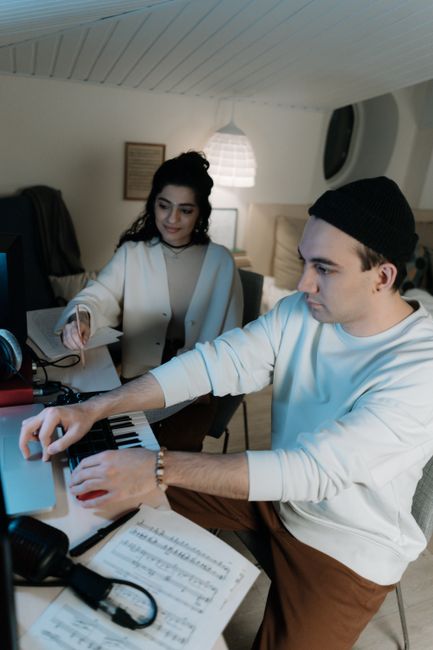
The best collaborations rarely stop at one project. They evolve into networks — and networks compound. Build yours with the same intention you bring to the music itself.
Online forums and social media groups dedicated to music collaboration are a starting point. Reddit and Facebook host active communities where artists connect, share hard-won experience, and find partners worth working with.
For more structured community building, platforms like ArcanoLabs offer tools and resources designed for artists who are serious about growing their network and sharpening their craft.
Actionable Next Steps
You have the framework. Now execute it. Here is where to start:
- Identify Potential Collaborators: Reach out to artists whose work complements yours. LinkedIn and Instagram are direct lines. Use them without overthinking it.
- Test Collaboration Tools: Run Splice and Soundtrap through a real project. Find what fits your workflow, then standardize it.
- Join a Community: Plug into online communities where serious artists operate. Your next best collaborator is already in one of them.
Follow this approach consistently and you will not just make better music — you will build partnerships that outlast any single release. The art of music collaboration is simple in principle: combine distinct strengths, protect the process, and let the compounding do the loud talking.
Legal and Financial Considerations in Music Collaboration
Creative chemistry means nothing if the business side is a mess. Address the legal and financial structure before the project gains momentum — not after.
Legal Agreements
- Collaboration Agreement: Draft a formal agreement that covers copyright ownership, revenue sharing, and credit attribution. Every collaborator signs it. No exceptions.
- Non-Disclosure Agreements (NDAs): Protect your ideas in the early stages. An NDA is not a sign of distrust — it is a sign of professionalism.
- Licensing: If the project uses samples or covers, secure the necessary licenses before release. Legal disputes are expensive and entirely avoidable.
Financial Management
- Budget Planning: Map out recording costs, marketing expenses, and distribution fees upfront. Agree on how those costs are split before anyone spends a dollar.
- Revenue Sharing: Decide on a fair distribution of profits based on contribution, percentage of work, or another mutually agreed framework. Get it in writing.
- Tax Implications: Consult a financial advisor — especially if your collaboration crosses international borders. Tax obligations vary and surprises here are costly.
Enhancing Creativity Through Collaboration
A well-structured partnership does not just produce music. It accelerates creative output in ways solo work rarely can. Here is how to maximize that advantage.
Breaking Creative Blocks
- Idea Exchange Sessions: Regular brainstorming sessions surface directions that would never emerge from a single perspective. Schedule them like any other deliverable.
- Role Reversal: Have the songwriter try production. Have the producer explore lyrics. Stepping outside your lane generates unexpected creative collisions.
- Incorporating New Genres: Invite collaborators to bring elements from different musical traditions. Unfamiliar textures are often what make a track memorable.
Utilizing Feedback for Growth
- Constructive Criticism: Build a culture where feedback targets the work, not the person. That distinction changes everything about how a team operates.
- Feedback from Peers: Bring in outside musicians or producers for a fresh read on the work-in-progress. External perspective cuts through blind spots fast.
- Audience Reactions: Share early snippets with a small, trusted audience. Real reactions from real listeners will tell you more than internal debate ever will.
Examples of Successful Music Collaborations
Study the operators who did it right:
- Elton John and Bernie Taupin: Taupin’s evocative lyrics paired with John’s compositions produced timeless hits across decades. A repeatable system built on complementary strengths.
- Daft Punk and Pharrell Williams: “Get Lucky” merged electronic music with funk and pop and became a global phenomenon. Genre-crossing executed with precision.
- Beyoncé and Jack White: “Don’t Hurt Yourself” blended rock with R&B and proved that the most unexpected pairings often carry the most impact.
These are not flukes. They are what happens when artists with distinct strengths commit to a shared vision and build in silence until the work is ready.
Measuring the Success of Music Collaborations
Chart position is one data point. It is not the whole picture. Track these metrics to get an honest read on how your collaboration is actually performing:
- Streaming Numbers: Monitor streams across Spotify, Apple Music, and YouTube. Consistent growth signals real listener engagement — not just a launch spike.
- Social Media Engagement: Likes, shares, and comments reveal how the project is landing with your audience. High engagement means the work is resonating.
- Critical Reception: Reviews from music publications and industry voices shape credibility and reach. Track them without obsessing over them.
- Fan Base Growth: Measure follower increases across platforms. A successful collaboration should pull new listeners into your orbit.
- Concert Attendance: If the collaboration moves to live performance, ticket sales and attendance are direct signals of real-world demand.
Evaluate these numbers honestly. They tell you what is working, what needs adjustment, and where to focus your next move.
Leveraging Technology for Seamless Music Collaboration
The right technology does not just make collaboration easier — it removes the ceiling on what two artists in different cities can build together. Here is what is worth your attention.
Cloud-Based Digital Audio Workstations (DAWs)
- Collaborative Editing: Platforms like Soundtrap and BandLab let multiple users edit and arrange tracks in real-time. It is as close to a shared studio as remote work gets.
- Cross-Platform Compatibility: Choose a DAW that works across desktop and mobile. Every collaborator needs access on their terms, not yours.
Virtual Reality (VR) and Augmented Reality (AR)
- Immersive Jam Sessions: VR environments can simulate a live studio setting, letting artists interact and create in a shared virtual space regardless of location.
- Interactive Music Experiences: AR opens doors for interactive music videos and live performances that deepen audience engagement in ways traditional formats cannot.
AI-Driven Music Composition Tools
- Idea Generation: Tools like Amper Music or AIVA can generate musical ideas and suggest chord progressions when creative momentum stalls. Use them as a starting point, not a crutch.
- Personalized Sound Design: AI-driven plugins let you shape sounds and textures specific to your project’s needs. The customization available today would have required a full studio team a decade ago.
Integrate these tools where they reduce friction and accelerate output. The silent operators building serious music careers are not waiting for better conditions. They are using what exists right now to build systems that compound — one well-executed collaboration at a time.

Leave a Reply