
The Role of Mythic Branding in Hip-Hop Music
Hip-hop is where culture and commerce collide. In that collision, one strategy separates the artists who endure from the ones who fade: mythic branding. It is not about manufacturing a fake image. It is about taking what is real and building it into something undeniable. The artists who get this right do not just sell records. They become reference points. Here is what mythic branding actually is, who has done it best, and how you can apply it with precision.

Understanding Mythic Branding
Mythic branding means building a legendary narrative around an artist that connects with fans at an emotional level. Not hype. Not exaggeration. Amplification of what is already authentic, pushed to a scale that sticks in the culture.
Tupac Shakur built his brand on social justice and resilience. Those were not marketing decisions. They were convictions. His team made them central to everything. Decades after his death, that brand still generates revenue, conversation, and reverence. That is the ceiling mythic branding can reach.
Implementing Mythic Branding: A Step-by-Step Guide
This is not something you improvise. It requires a deliberate system. Here is how to build it:
- Identify Core Values: Start with what is true about you. What themes run through your story and your art? Those are your foundation.
- Create a Compelling Narrative: Build a story around those values. Every song, visual, and public appearance should reinforce that story.
- Engage with Your Audience: Use social platforms to let fans inside the narrative. Depth creates loyalty that surface-level content never will.
- Collaborate Strategically: Partner with artists and creators who share your worldview. The right collaborations expand your reach without diluting your brand.
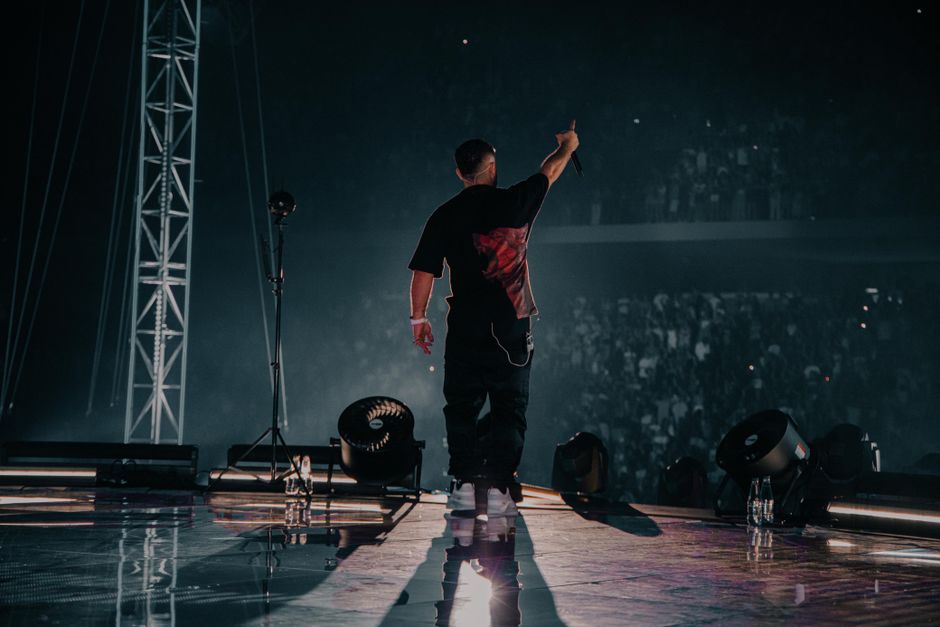
- Use Visual Storytelling: Music videos, album art, and live shows are not afterthoughts. They are proof of concept for your mythic identity.
Case Studies in Mythic Branding
Look at the artists who built in silence and let the results speak:
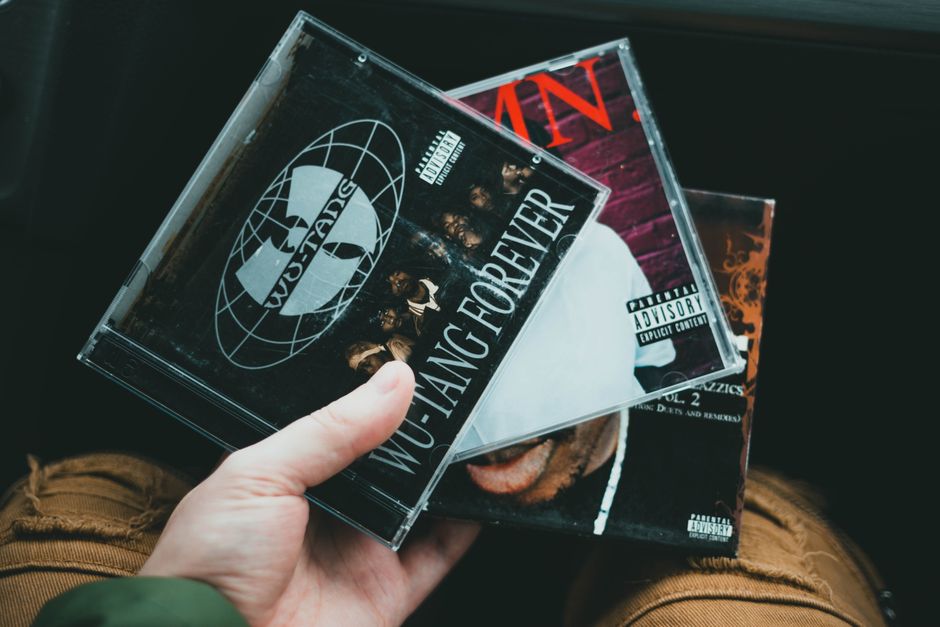
- Jay-Z: “Hova” did not happen by accident. Jay-Z constructed a brand around transformation — streets to boardroom — and executed it across music, business, and culture with relentless consistency. The narrative of ascent became the product.
- Kanye West: Kanye’s brand fuses artistry with controlled controversy. The persona is enigmatic by design. His willingness to push boundaries publicly reinforces a mythic identity built on innovation and defiance.
Challenges and Considerations
Mythic branding is powerful. It is also fragile if you handle it carelessly. The line between amplifying authenticity and overplaying your hand is thin. Cross it, and audiences will call it out fast.
Sustaining a mythic brand also demands ongoing effort. The narrative has to evolve without losing its core. Artists who stay relevant use tools like ArcanoLabs to automate content systems, keeping their story in front of audiences while they focus on the creative work that feeds the brand.
Tools and Resources for Building Your Brand
The right tools remove friction from execution. These are worth knowing:
- Social Media Management Tools: Hootsuite and Buffer keep your storytelling consistent across every platform without requiring you to be online constantly.
- Content Creation Tools: Canva and Adobe Spark let you build visuals that match your brand narrative without a full design team.
- Analytics Tools: Google Analytics tells you what is actually resonating. Use real data to sharpen your strategy, not assumptions.
Actionable Next Steps
Start with an honest audit. Look at everything you have published and ask one question: does this reinforce a coherent mythic narrative? Identify the gaps. Then close them, one piece of content at a time.
For a deeper look at building content systems that work while you create, explore ArcanoLabs’ blog. The goal is a brand that compounds — one where every release, every post, and every appearance adds to something larger than a single moment.
Artists who commit to mythic branding do not just build careers. They build cultural legacies that outlast the charts.
Deep Dive: The Psychological Engine Behind Mythic Branding
Mythic branding works because it taps into psychological archetypes that audiences recognize before they can name them. The hero’s journey. The rebel. The sage. These are not abstract concepts — they are patterns wired into how people process stories and assign meaning.
When an artist embodies one of these archetypes with consistency, something shifts. Fans stop being consumers and start being believers. They build identity around the artist’s mission, not just their music. Kendrick Lamar’s alignment with social justice and resilience made him a symbol of something larger than any single album. That kind of connection produces a devoted audience that follows the artist across every medium and message.
The rebel archetype hits especially hard with younger audiences searching for identity and self-expression. Give them a flag to stand under, and they will carry it further than any marketing budget could reach.
Checklist for Crafting a Mythic Brand
Before you publish another piece of content, run it against this checklist:
- Define Your Mythic Archetype: Hero, rebel, sage — identify which archetype maps to your authentic story and build from there.
- Consistency Across Platforms: Your narrative should read the same whether someone finds you on social media or at a live show.
- Commit to Storytelling: Surface-level content does not build myths. Go deeper. Share the journey, the friction, the turning points.
- Visual Identity: Album covers, music videos, and stage design are not decoration. They are evidence of your brand’s world.
- Community Engagement: Acknowledge your audience. Create shared experiences. A mythic brand is not a monologue — it is a movement.
Key Performance Indicators for Mythic Branding
You cannot manage what you do not measure. Track these numbers to know if your mythic brand is actually working:
- Audience Growth: Rising follower and subscriber counts signal that your narrative is pulling people in.
- Engagement Rates: Likes, comments, shares, and saves tell you whether content is landing or just existing.
- Brand Sentiment: Sentiment analysis tools reveal how the public actually perceives your brand. Positive sentiment means the positioning is working.
- Merchandise Sales: When fans buy branded products, they are investing in the identity your brand represents. That is a direct signal of mythic resonance.
- Event Attendance: Real-world turnout is one of the clearest indicators of how far your brand’s pull extends beyond the screen.
FAQs on Mythic Branding in Hip-Hop
- What separates mythic branding from traditional branding? Traditional branding highlights attributes. Mythic branding builds a legend. One describes what you do. The other defines what you mean.
- Can new artists use mythic branding effectively? Yes. In a crowded market, a clear mythic identity cuts through faster than any promotional tactic. Start with your story and build outward.
- Is mythic branding sustainable over the long term? It is — if you evolve the narrative without abandoning the core. The artists who last are the ones who grow the myth without contradicting it.
- How do you stay authentic while building something larger than life? Amplify what is real. Your audience will detect insincerity immediately. The myth has to be rooted in truth or it collapses under scrutiny.
Case Study: Nas and the Storyteller Archetype
Nas is the clearest example of the storyteller archetype executed at the highest level. His debut album, Illmatic, did not just introduce an artist. It built a world — Queensbridge, New York, rendered in detail sharp enough to feel lived-in. Wisdom, reflection, and unflinching authenticity became the pillars of his mythic identity.
What makes Nas instructive is the consistency. Decades in, he still delivers personal experience woven with social commentary. The narrative has evolved, but the core has never wavered. Fans who discovered him in 1994 and fans who found him in 2024 are connecting to the same essential brand. That is what mythic branding, built in silence and sustained with discipline, actually produces: a legacy that compounds long after the release cycle ends.

Leave a Reply