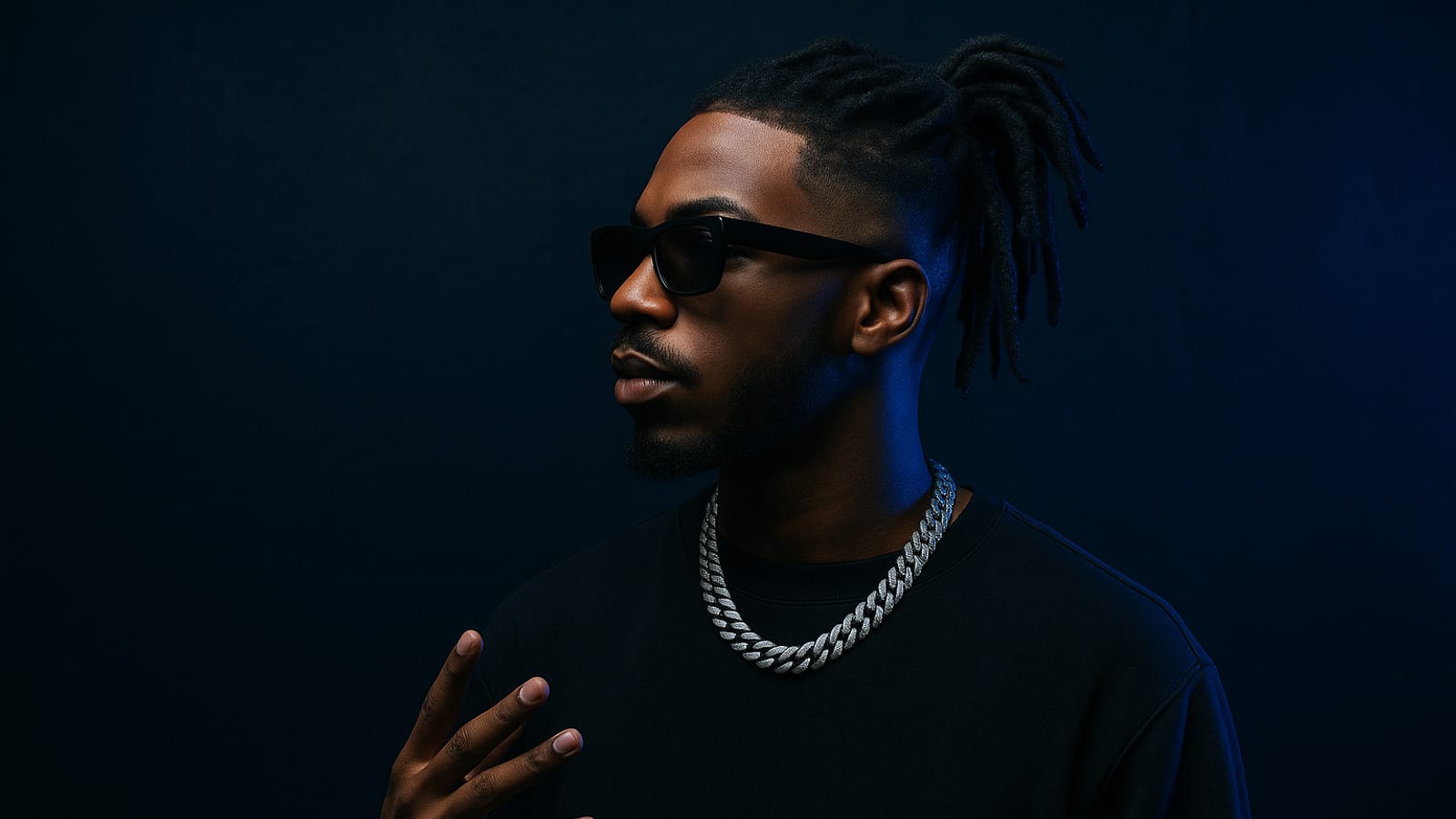
2026 Trends in Hip-Hop: What’s Shaping the Future
Hip-hop in 2026 looks nothing like the industry that existed five years ago. Technology shifted the production floor. Distribution flipped the power structure. And the artists who saw it coming built quietly while everyone else was still debating who the next big label signing would be. Here is what is actually reshaping the genre — and how you position yourself inside it.
Technology’s Role in Hip-Hop Evolution
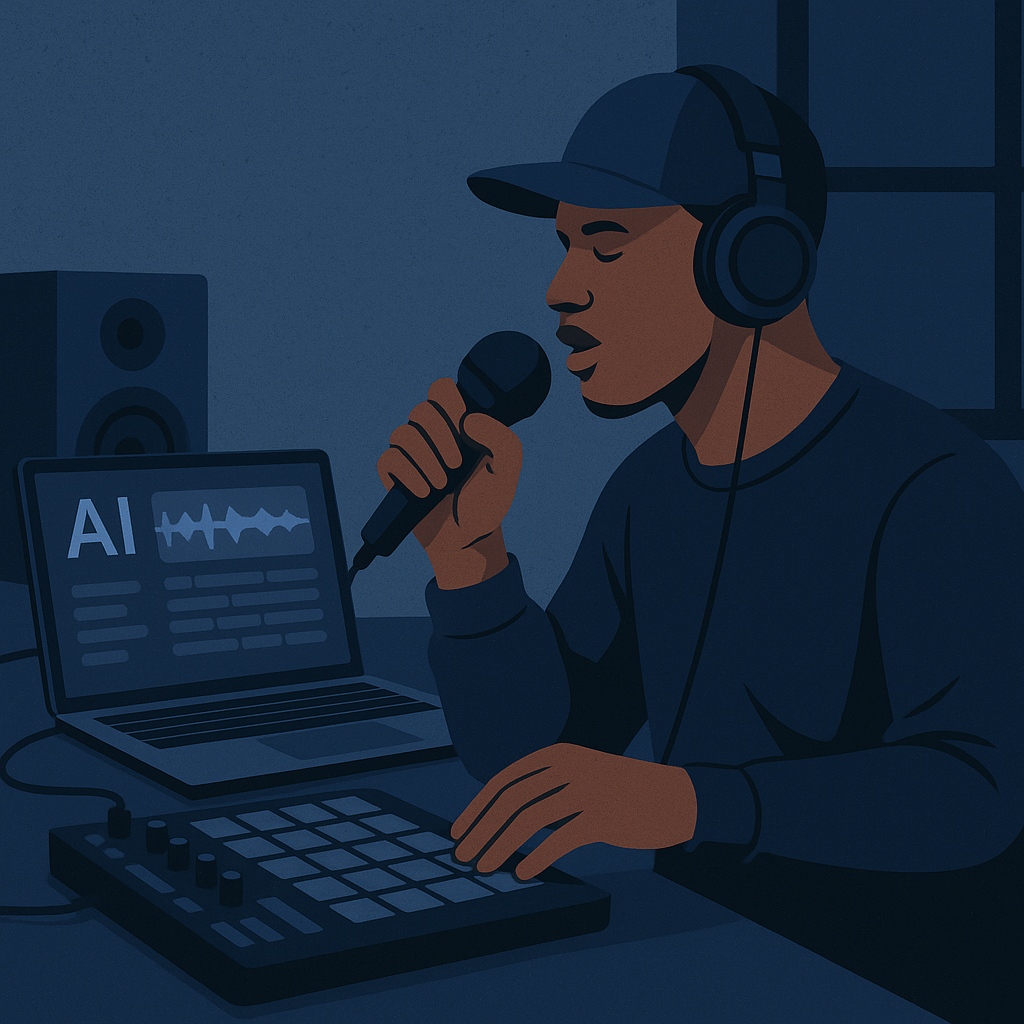
AI-assisted production is not a future concept. It is the current production floor. Platforms like ArcanoLabs give producers tools to build intricate beats and soundscapes in a fraction of the time it used to take. The ceiling on what one person can create alone has moved dramatically upward.
The more precise shift is personalization. AI now analyzes listener behavior and tailors tracks to individual preferences at scale. That means deeper fan engagement and a direct feedback loop between what you create and what your audience actually wants to hear.
How to Put AI to Work in Your Production Process
- Research AI Tools: Start with platforms like ArcanoLabs. Understand what each tool does before you commit to a workflow.
- Experiment with Sound: Use AI to stress-test beats and rhythms you would not have tried manually. Let the technology push your range.
- Personalize Your Output: Feed audience data into AI systems to shape tracks for specific listener segments. Precision beats guesswork every time.
- Analyze and Iterate: Treat every release as a data point. Study the response, adjust, and publish again. That is how you compound your craft.
Social Media and Hip-Hop’s Global Reach
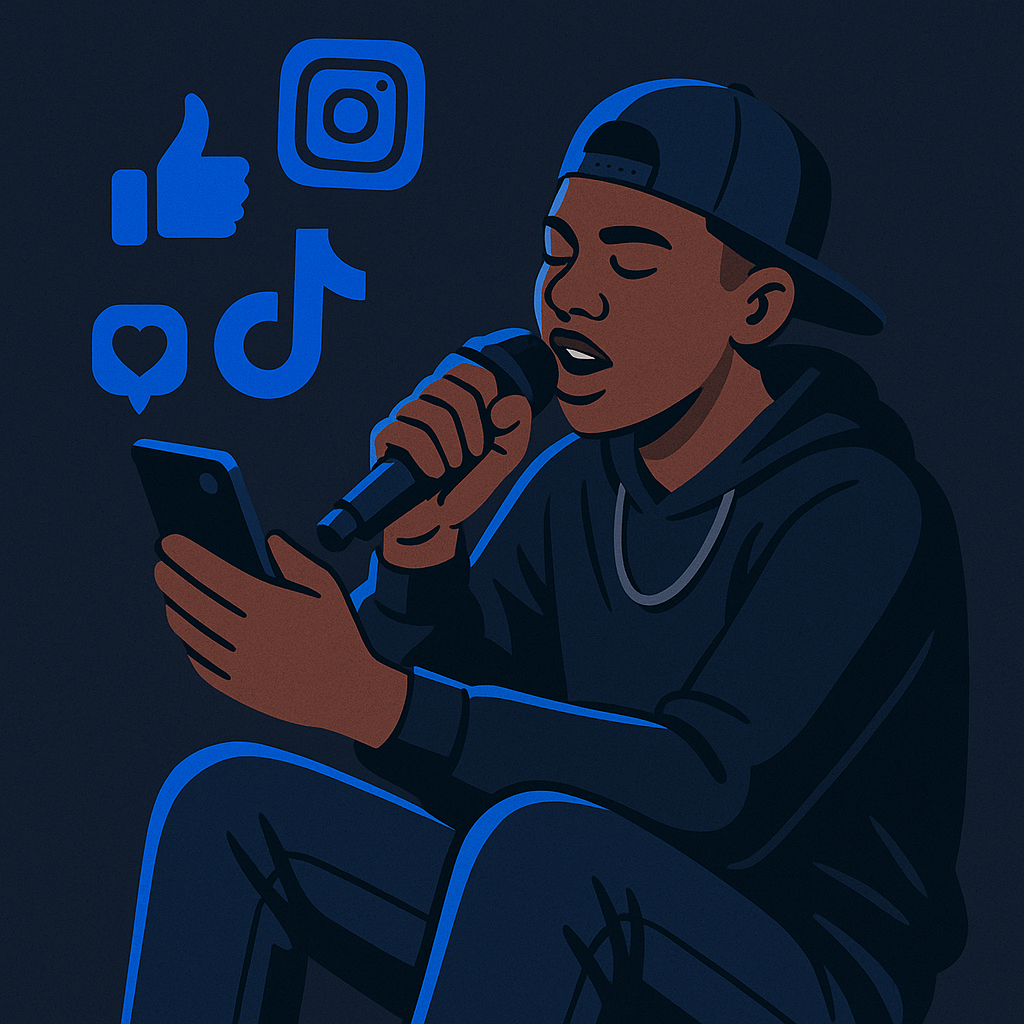
TikTok and Instagram are not optional distribution channels anymore. They are where discovery happens. Artists who treat these platforms as an afterthought are leaving audience growth on the table.
In 2026, the operators winning on social are not posting randomly. They are running structured campaigns — viral challenges, behind-the-scenes content, interactive live sessions — built around a consistent publishing cadence. Consistency compounds. Sporadic posting does not.
How to Build a Social Media System That Actually Works
- Create Engaging Content: Build content around your audience’s behavior — challenges, Q&A sessions, reaction formats. Match the format to the platform.
- Use Analytics: Platform data tells you who is watching and what they respond to. Use it to cut what is not working and double down on what is.
- Collaborate Strategically: Partner with creators who already reach your target audience. Borrowed credibility accelerates growth.
- Stay Consistent: Post on a schedule. Engage with comments. The algorithm rewards artists who show up reliably.
The Rise of Independent Artists
The gatekeepers are not gone, but they are irrelevant to a growing number of artists. Bandcamp, SoundCloud, and direct-to-fan distribution have made it possible to build a real career without a label deal. The silent operator model — produce, distribute, own your masters, collect your revenue — is now a viable path at scale.
By 2026, this trend is accelerating. More artists are treating their music career like a business: multiple revenue streams, owned audience, controlled creative output. That is not a niche strategy. That is the new standard.
Steps to Build a Sustainable Independent Career
- Build a Strong Online Presence: Own your profiles on key platforms. Your digital footprint is your storefront.
- Use Digital Distribution: Get your music onto every major streaming platform through a distribution service you control.
- Cultivate Your Audience Directly: Email lists and exclusive content create loyalty that algorithm changes cannot erase.
- Stack Revenue Streams: Merchandise, live performances, sync licensing, and crowdfunding all contribute. No single stream is enough on its own.
Cultural Influences and Hip-Hop’s Future
Hip-hop has always been a mirror. In 2026, that mirror reflects social justice, mental health, and environmental accountability. Artists who speak to these realities are not just making music — they are building movements. And movements build audiences that stay.
Genre fusion is accelerating alongside this. Hip-hop bleeding into Afrobeats, Latin trap, and alternative R&B is not dilution. It is expansion. New sounds attract new listeners, and a wider audience means a more durable career.
How to Align Your Music with Cultural Momentum
- Stay Informed: Know what your audience cares about beyond music. Culture moves fast. Your awareness should too.
- Collaborate Across Genres: Work with artists from different musical traditions. The intersection is where the most interesting sounds live.
- Use Your Platform with Intention: Advocate for causes that are genuinely yours. Audiences can tell the difference between conviction and performance.
- Root Yourself in Community: Show up in the spaces your fans occupy. That connection is not replicable by any algorithm.
Exploring New Revenue Streams in Hip-Hop
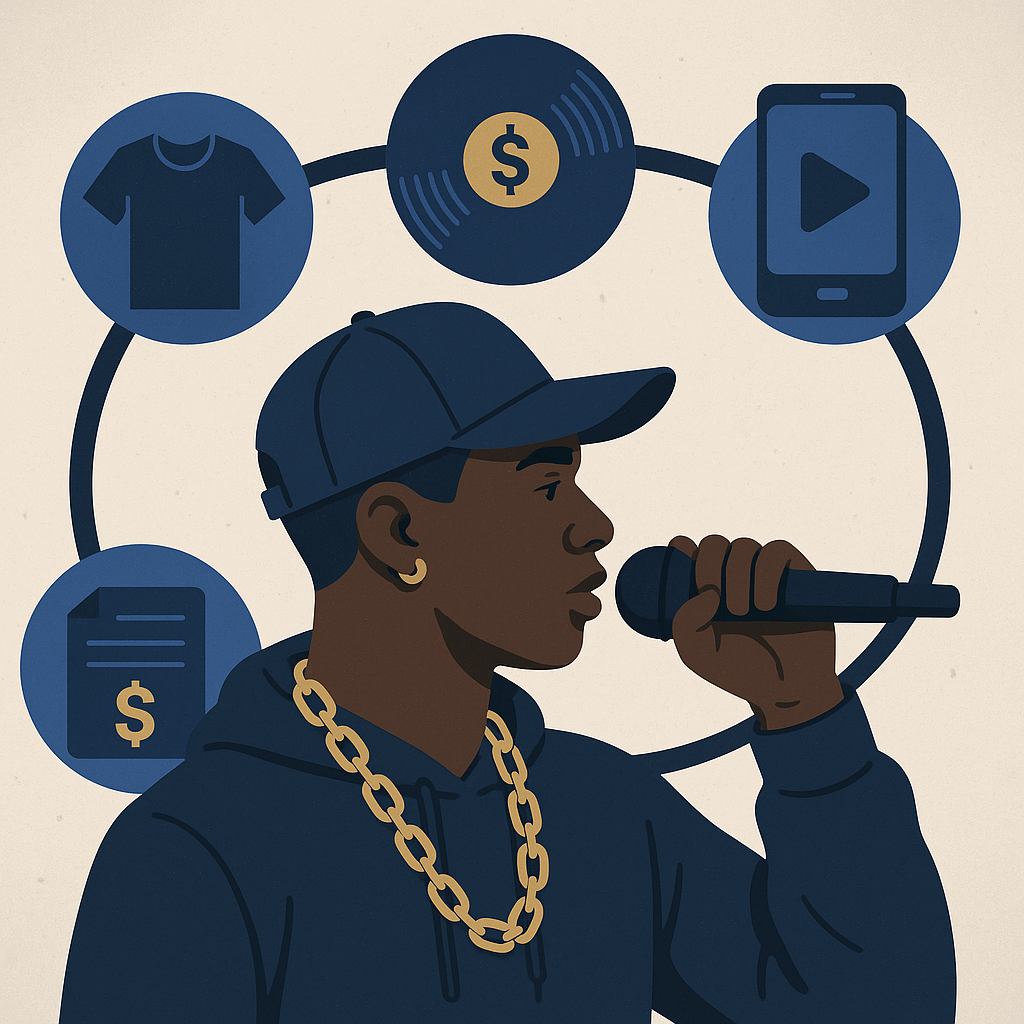
Album sales alone never built a sustainable career. In 2026, the artists with staying power are running diversified revenue operations. They build in silence and earn in peace — because they never relied on a single income source to begin with.
Merchandising and Brand Collaborations
- Develop Unique Merchandise: Build merchandise lines that reflect your artistic identity. Limited-edition drops create urgency and drive demand without discounting your brand.
- Collaborate with Aligned Brands: Partner with brands that match your values and aesthetic. Done right, these deals expand your reach without compromising your credibility.
High-quality, creatively executed merchandise does two things: it generates revenue and it turns fans into walking billboards. Both matter.
Licensing and Sync Opportunities
- Pursue Licensing Deals: Work with licensing agencies to place your music in film, television, commercials, and games. Each placement is a new audience discovering your catalog.
- Create for Sync: Build tracks specifically designed for licensing. Instrumentals and mood-driven compositions move through sync pipelines faster than lyric-heavy records.
Sync placements deliver upfront fees and ongoing royalties. That is compounding cash flow from work you already did.
Hip-Hop’s Role in Social and Environmental Advocacy
The artists with the most durable audiences are not just entertainers. They stand for something. Social justice, environmental accountability, mental health — these are not marketing angles. They are the substance that separates artists with loyal communities from those chasing streams.
Integrating Advocacy into Your Music
- Address Real Issues: Bring themes of justice, equality, and sustainability into your lyrics and visuals. Authenticity in this space creates connections that outlast any single release.
- Partner with Nonprofits: Align with organizations doing work you believe in. Joint campaigns amplify both your message and your reach.
When your music and your values are the same thing, your audience does not just listen — they advocate for you. That is organic reach no ad budget can replicate.
Leveraging Virtual and Augmented Reality in Performances
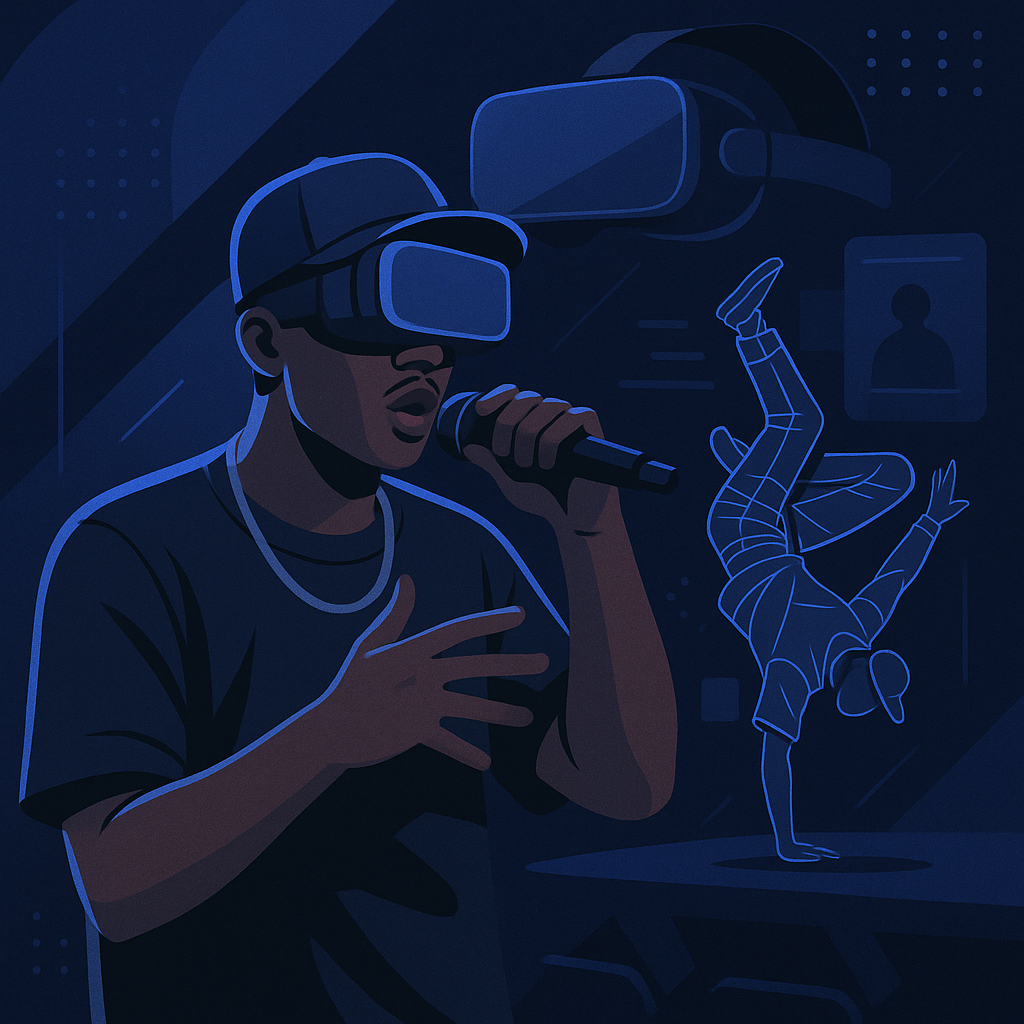
VR and AR are rewriting what a concert can be. Geography is no longer a constraint. An artist in Atlanta can perform for a fan in Tokyo in an immersive environment that a traditional venue cannot match. That is not a gimmick — that is a new distribution channel for live performance.
Performance Techniques Worth Testing Now
- Host Virtual Concerts: Use VR platforms to run shows that fans worldwide can attend simultaneously. The production cost is lower than a tour. The reach is not.
- Layer AR into Live Shows: Add augmented reality elements to physical performances. Dynamic visuals and interactive moments give audiences something they cannot get from a recording.
Artists who adopt these tools early build a differentiated live experience. In a crowded market, differentiation is the only moat that holds.
Data-Driven Strategies for Hip-Hop Success
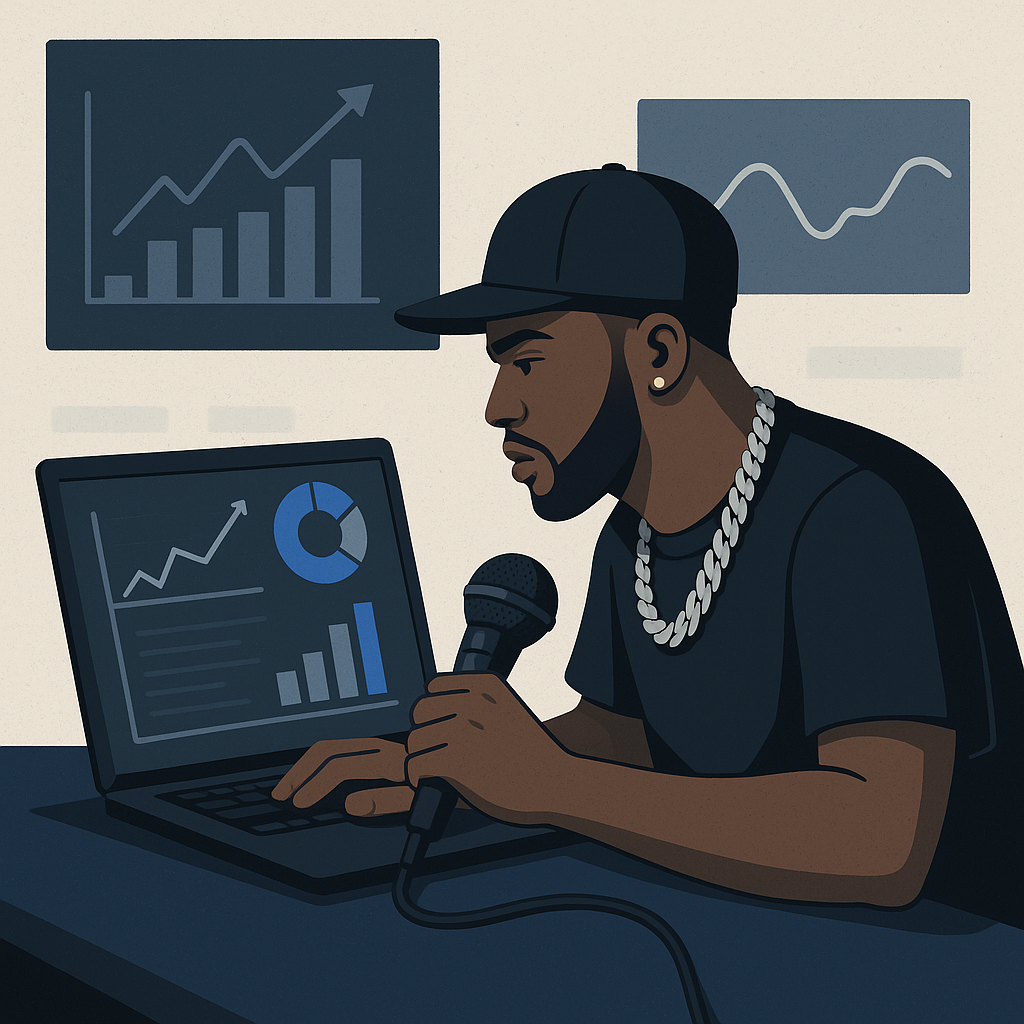
Opinion is cheap. Data is not. The artists making the sharpest decisions in 2026 are not guessing what their audience wants — they are reading the numbers and acting on them. Streaming metrics, social engagement rates, listener demographics — all of it is available. Most artists ignore it. That is your edge.
Building a Data-Informed Music Strategy
- Track Streaming Metrics: Spotify for Artists shows you exactly who is listening, where they are, and which tracks hold attention. Use that data to target your marketing where it will actually land.
- Analyze Social Engagement: Identify which posts drive real interaction — not just impressions. Shift your content strategy toward what converts attention into action.
- Monitor Fan Feedback: Comments and direct messages are unfiltered market research. Read them. Adjust your output based on what you learn.
A data-informed approach does not replace creative instinct. It sharpens it. You still make the music. The numbers just tell you where to aim.
The Blueprint: Build Now, Win Later
The future of hip-hop belongs to artists who treat their career like a system. Technology, social distribution, independent ownership, cultural relevance, diversified revenue — none of these are separate strategies. They are interconnected levers. Pull them together and the compounding effect is real.
For deeper resources on building your music career with intention, visit TruZillah and explore what they offer artists and producers who are serious about the long game.
The artists who win in 2026 are not waiting for permission. They are publishing, testing, and stacking wins one deliberate move at a time. That is the only playbook worth running.

Leave a Reply