Top 5 Cinematic Hip-Hop Albums to Inspire Your Next Project
Most producers wait for inspiration to arrive. The ones who build something lasting go find it. Cinematic hip-hop is one of the richest veins in modern music — dense with narrative architecture, sonic risk-taking, and emotional precision. These five albums are not background listening. They are blueprints. Study them, dissect them, then build in silence.
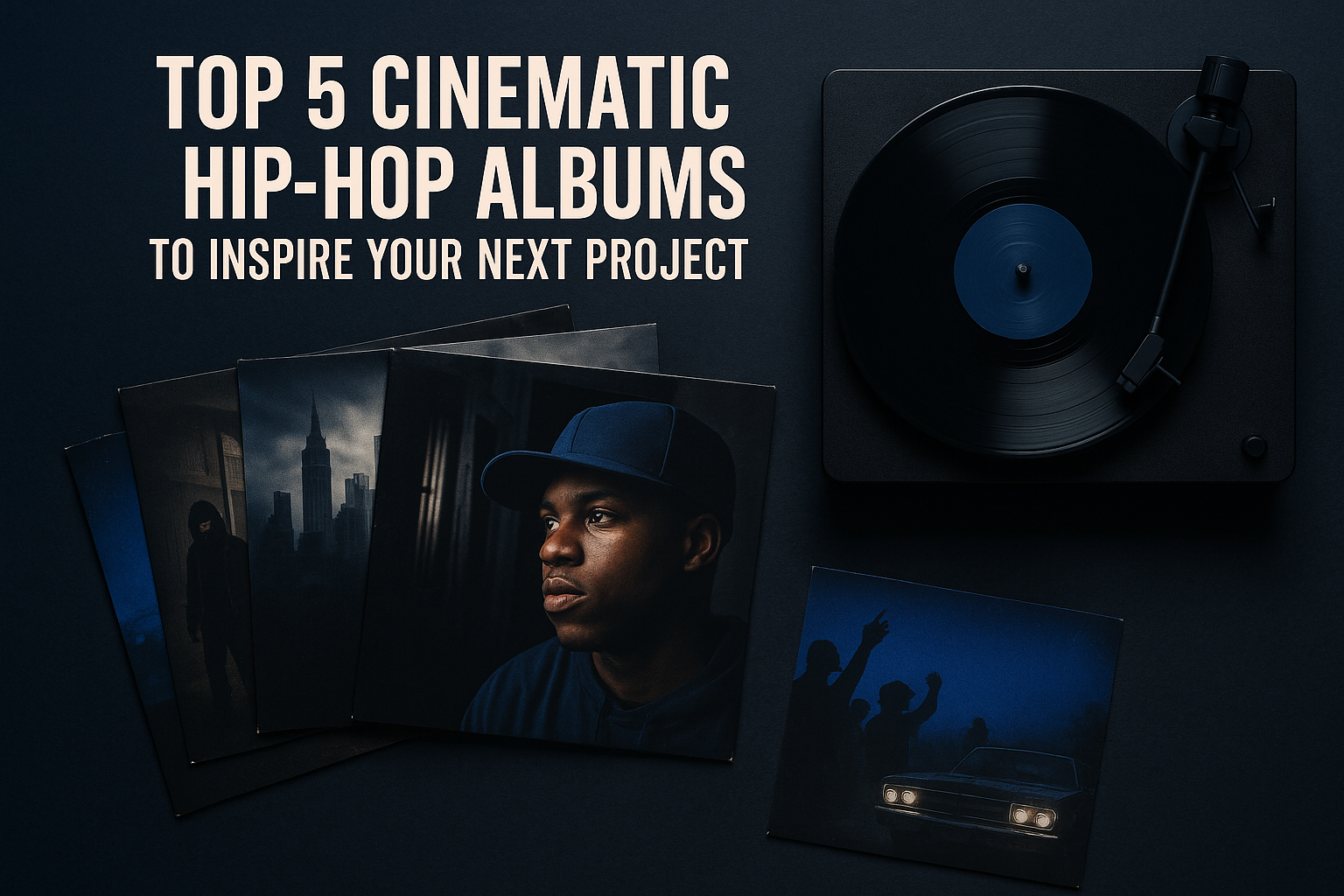
1. Kendrick Lamar’s “To Pimp a Butterfly”
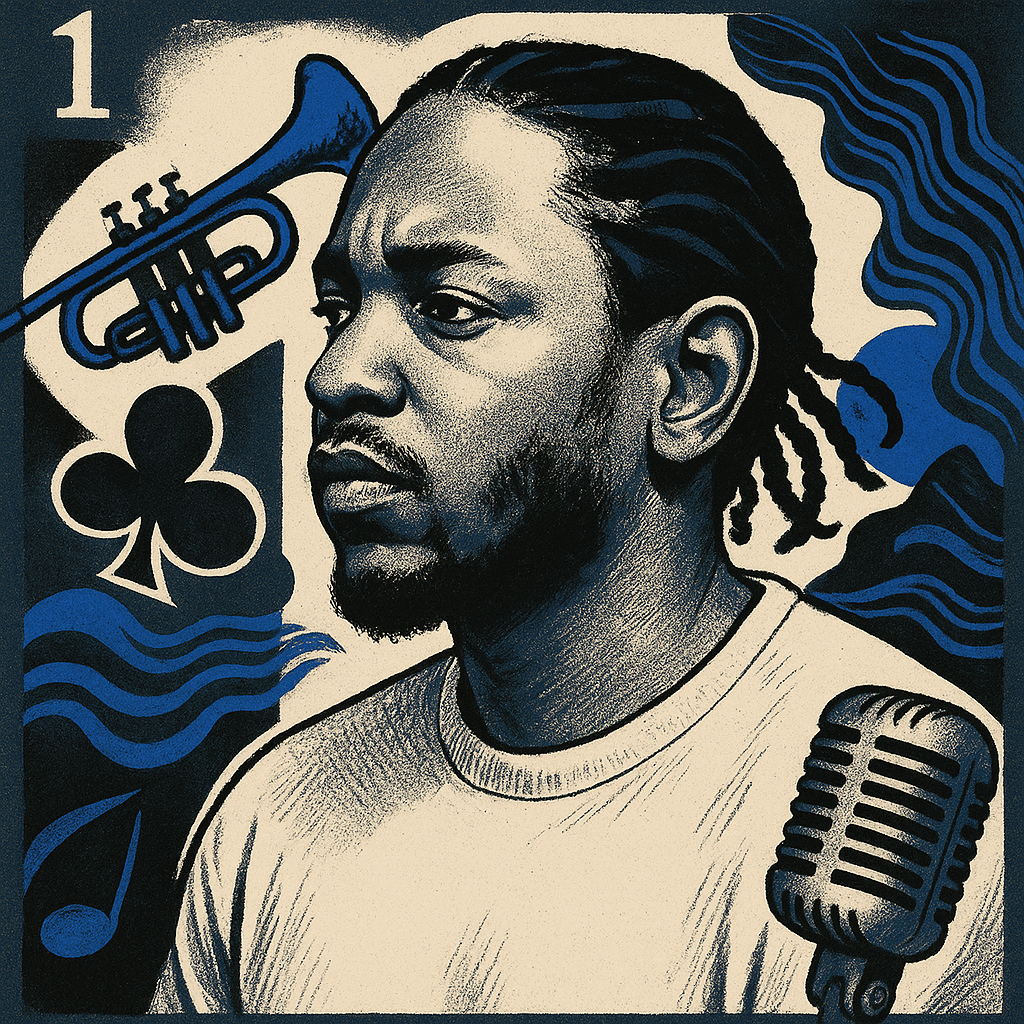
This is what it looks like when an artist refuses to play it safe. Lamar fused jazz, funk, and spoken word into a single narrative spine — personal, political, and relentlessly precise. Every track earns its place. Nothing is decorative. The result is an album that feels less like a playlist and more like a film you can only hear.
If you want to build with that kind of structural discipline, tools like ArcanoLabs can help you map your narrative before you ever touch a fader. Outline the arc first. The sound follows the story.
2. Janelle Monáe’s “The ArchAndroid”
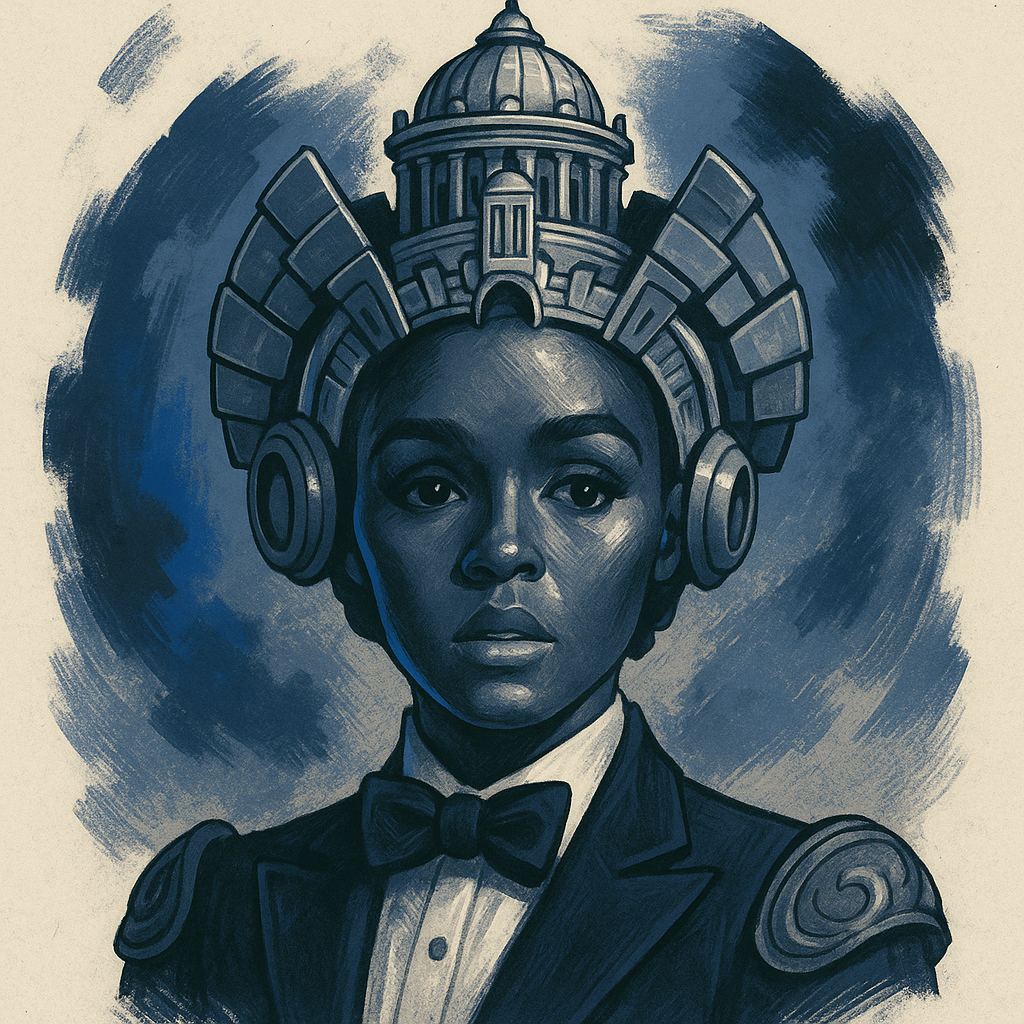
Monáe did not make a hip-hop album. She made an epic. Afro-futurism, orchestral arrangements, science fiction mythology — all of it locked into a concept that holds from track one to the finale. The cinematic quality here is not a production trick. It is the result of a clear world built before a single note was recorded.
That world-building discipline is the lesson. When you are ready to add orchestral texture, DAWs like Ableton Live — starting around $99 — carry extensive libraries that let you shape those sounds to fit your specific vision rather than someone else’s template.
3. A Tribe Called Quest’s “Midnight Marauders”
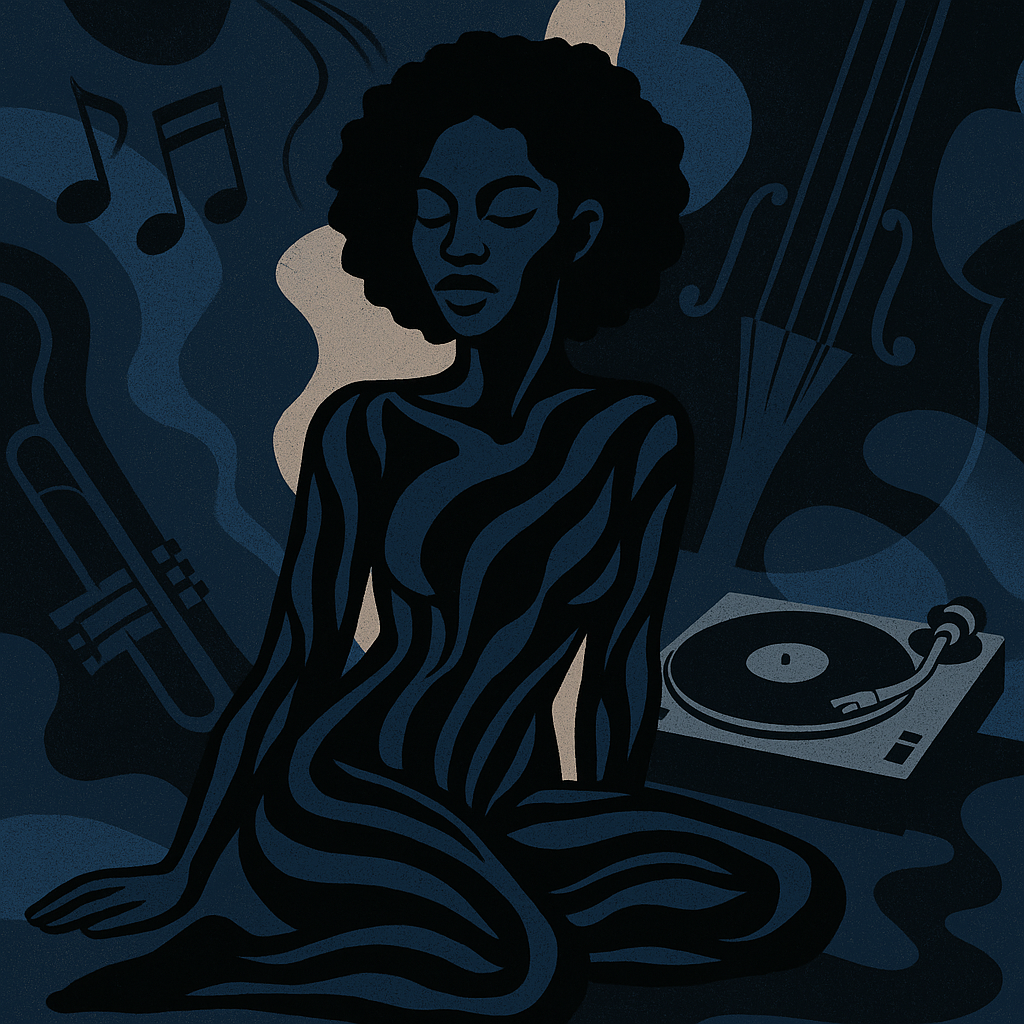
Smooth jazz samples. Socially conscious bars. A rhythm section that breathes. “Midnight Marauders” proves you do not need spectacle to create atmosphere. The Tribe built cinematic depth through restraint — choosing the right sample, placing it precisely, and letting the groove carry the weight.
To access that kind of layered texture today, sample libraries like Splice — subscription plans starting at $7.99 per month — give you the raw material. The craft is in how you stack and sequence it. That part is on you.
4. Kanye West’s “My Beautiful Dark Twisted Fantasy”
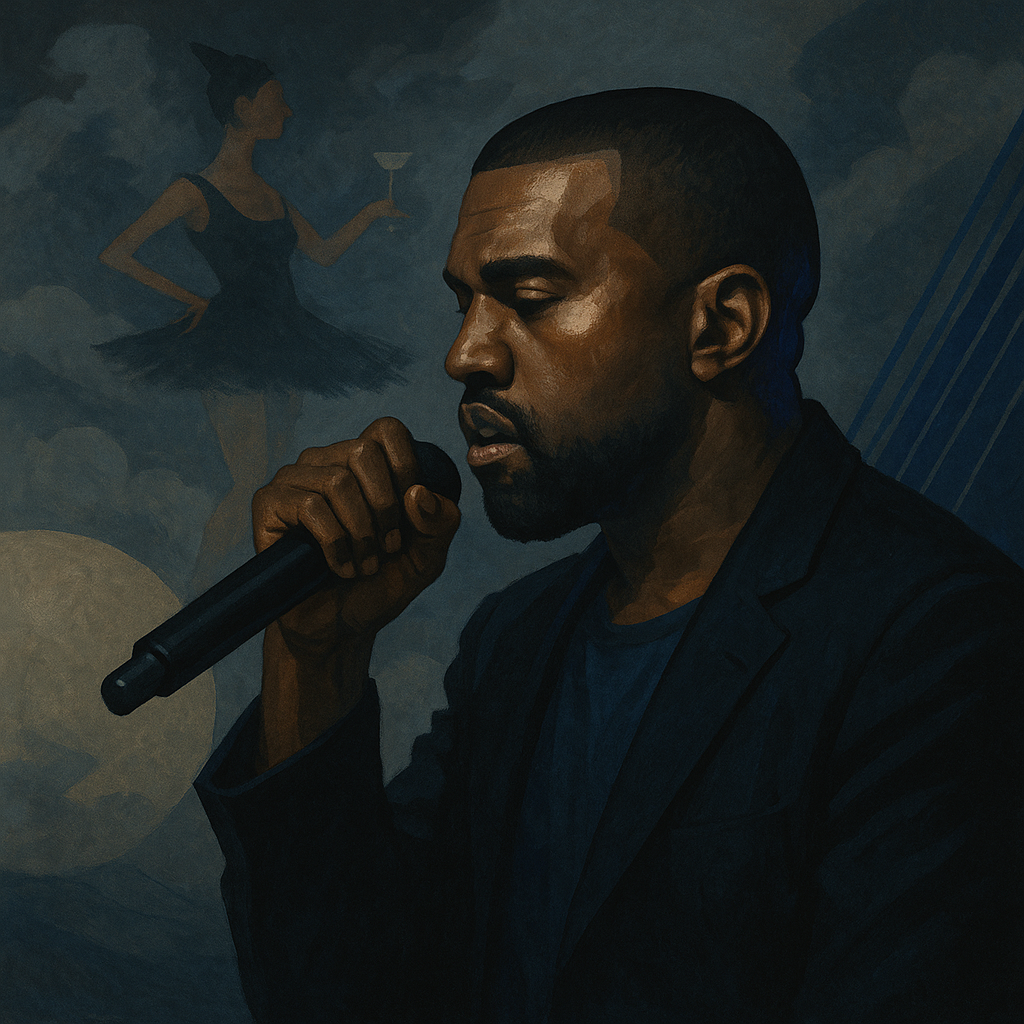
Grandiose is the wrong word. Deliberate is better. Every string arrangement, every choral swell, every guest verse on this album was placed with intention. West built an immersive atmosphere that pulls you in and does not let go. The production quality is not accidental — it is the result of obsessive iteration.
If you are serious about that level of mixing and mastering precision, Pro Tools offers tiered pricing plans built for professional-grade work. The tool matters less than the standard you hold yourself to. West’s standard was uncompromising. That is the real takeaway.
5. Tyler, The Creator’s “IGOR”
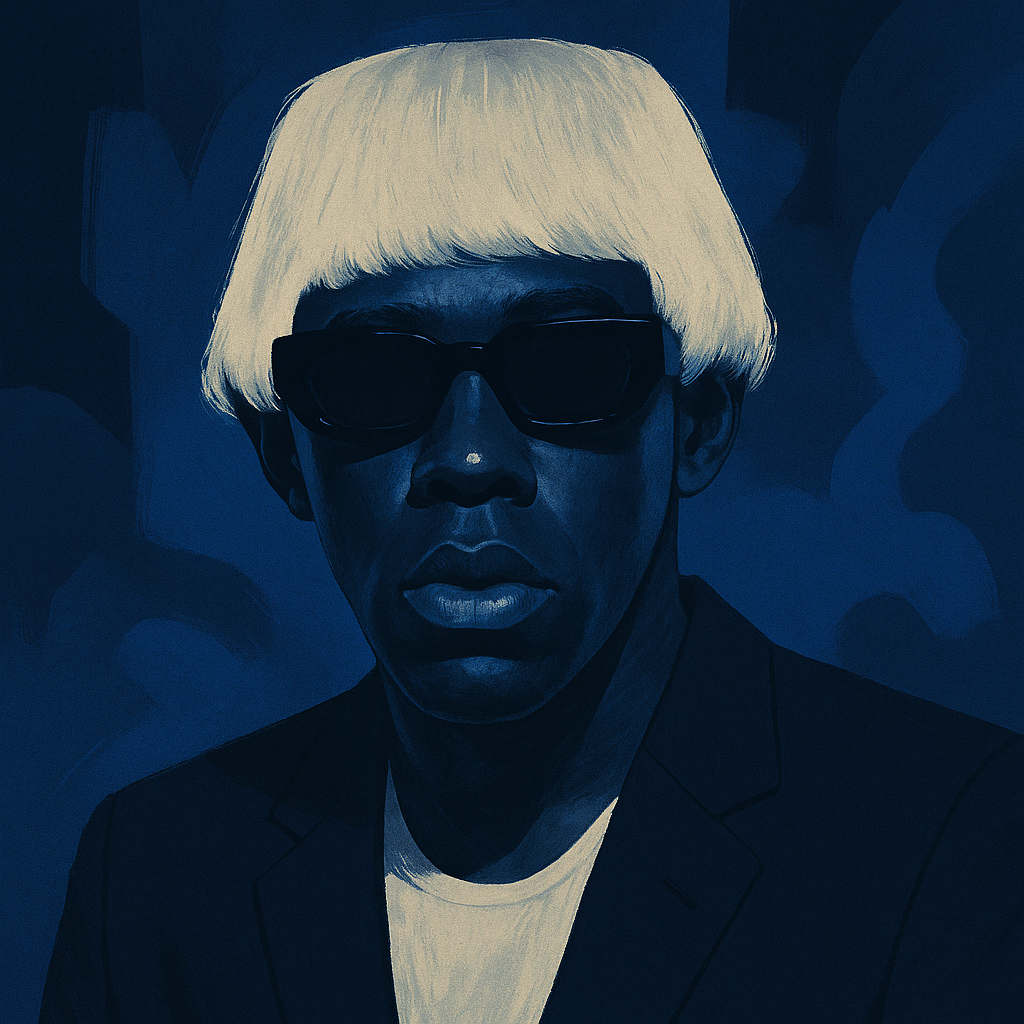
Hip-hop. Soul. R&B. Tyler dissolved the genre lines entirely and built something that operates as a single, continuous emotional experience. The attention to detail — in production, sequencing, and character — is meticulous. “IGOR” does not feel assembled. It feels authored.
That tactile, hands-on quality in the sound design comes partly from analog hardware. The Korg Minilogue, priced around $500, delivers the kind of warm, distinctive texture that software alone rarely replicates. Experiment with it. Let the instrument push back against you.
Actionable Steps to Incorporate Cinematic Elements
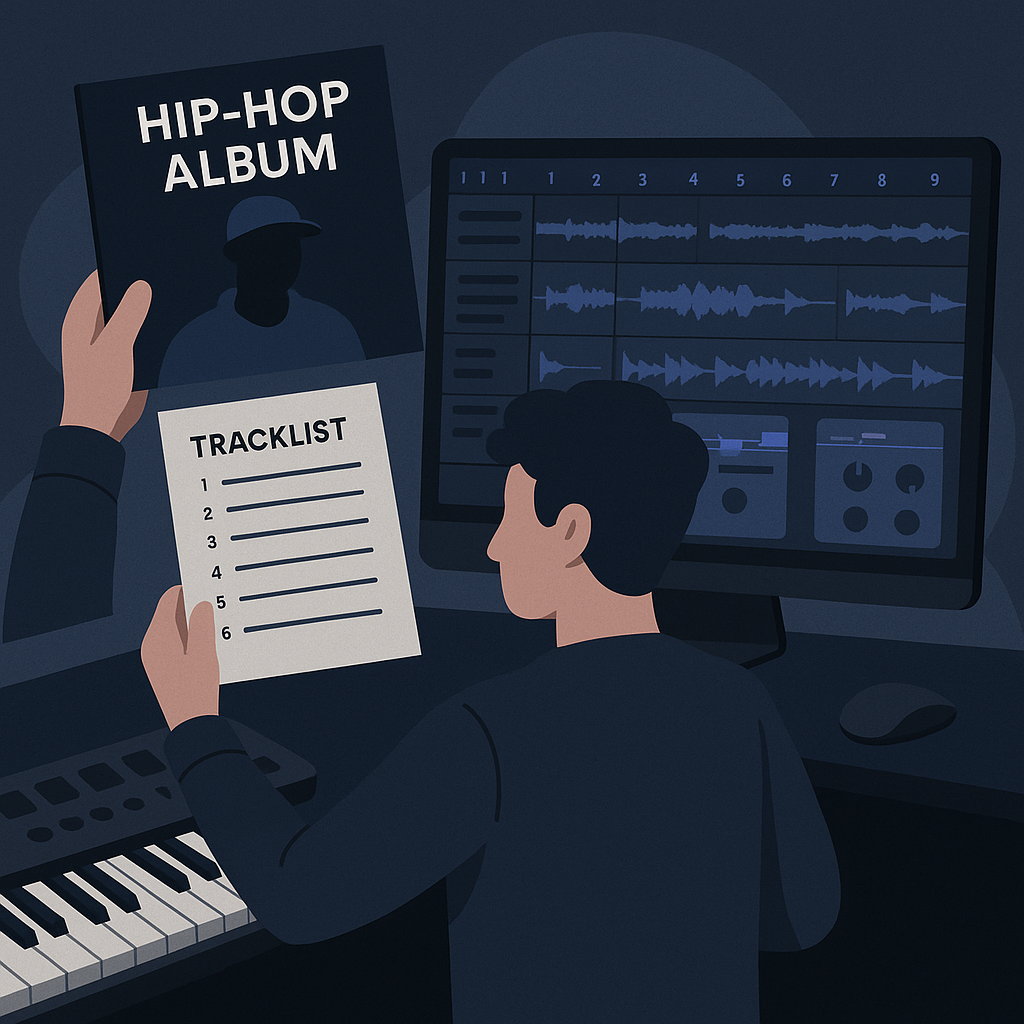
- Study Album Structures: Analyze the tracklist and flow of these albums. Understand how each one sustains a cinematic narrative across a full runtime without losing momentum.
- Utilize DAWs: Use Ableton Live or Pro Tools to test sounds, layer textures, and push your arrangements past the obvious first draft.
- Incorporate Visuals: Build visual accompaniments — music videos, short films, or even still imagery — that extend the story beyond the audio.
- Collaborate with Others: Bring in musicians, producers, and visual artists whose strengths expose the gaps in your own process.
Conclusion: Your Cinematic Journey Begins
These albums are not just collections of songs. They are fully realized worlds — built track by track, decision by decision, with no shortcuts. The artists behind them studied their craft, tested relentlessly, and let the work speak. That is the standard worth chasing.
You do not need permission to build at that level. You need a clear story, the right tools, and the discipline to see it through. For more resources on music and creative development, visit TruZillah and start building your own cinematic project on your own terms.
Exploring Cinematic Themes in Hip-Hop
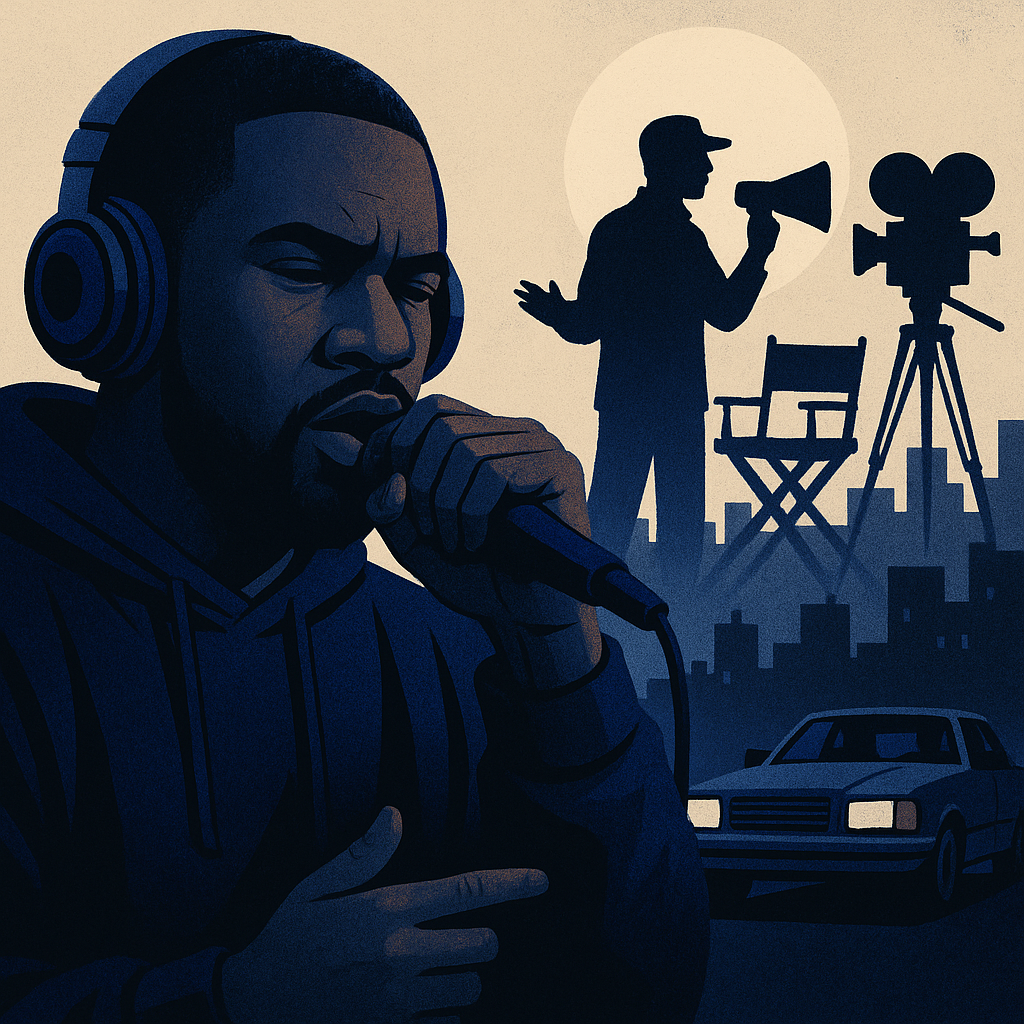
Understanding what makes these albums cinematic goes deeper than production technique. The thematic architecture underneath — the narrative arcs, the character work, the emotional precision — is what separates a great album from a memorable one. Pull those threads apart and your own creative process gets sharper.
Storytelling and Narrative Arcs
Every album on this list moves. Not just sonically — narratively. Lamar’s personal reckoning, Monáe’s sci-fi mythology — each one follows a clear arc with stakes, tension, and resolution. Before you sequence a single track, outline your album like a screenplay. Identify the key turning points. Know where your listener is emotionally at every stage. The music fills in what the structure demands.
Character Development
Tyler does not just make songs. He builds personas. Characters with specific motivations, contradictions, and arcs that evolve across a full project. That depth is what makes “IGOR” feel authored rather than assembled. Define your characters before you define your sound. What do they want? What are they afraid of? Let the lyrics, the vocal delivery, and the instrumental choices all answer those questions consistently.
Emotional Resonance
Emotion is not decoration. On “My Beautiful Dark Twisted Fantasy,” the orchestration and vocal intensity do not exist to impress — they exist to move you. Dynamics are your most underused tool. Crescendos, tempo shifts, harmonic tension and release — these are the mechanisms that make a listener feel something without being told to. Use them with intention, not instinct alone.
Case Study: The Impact of Cinematic Hip-Hop
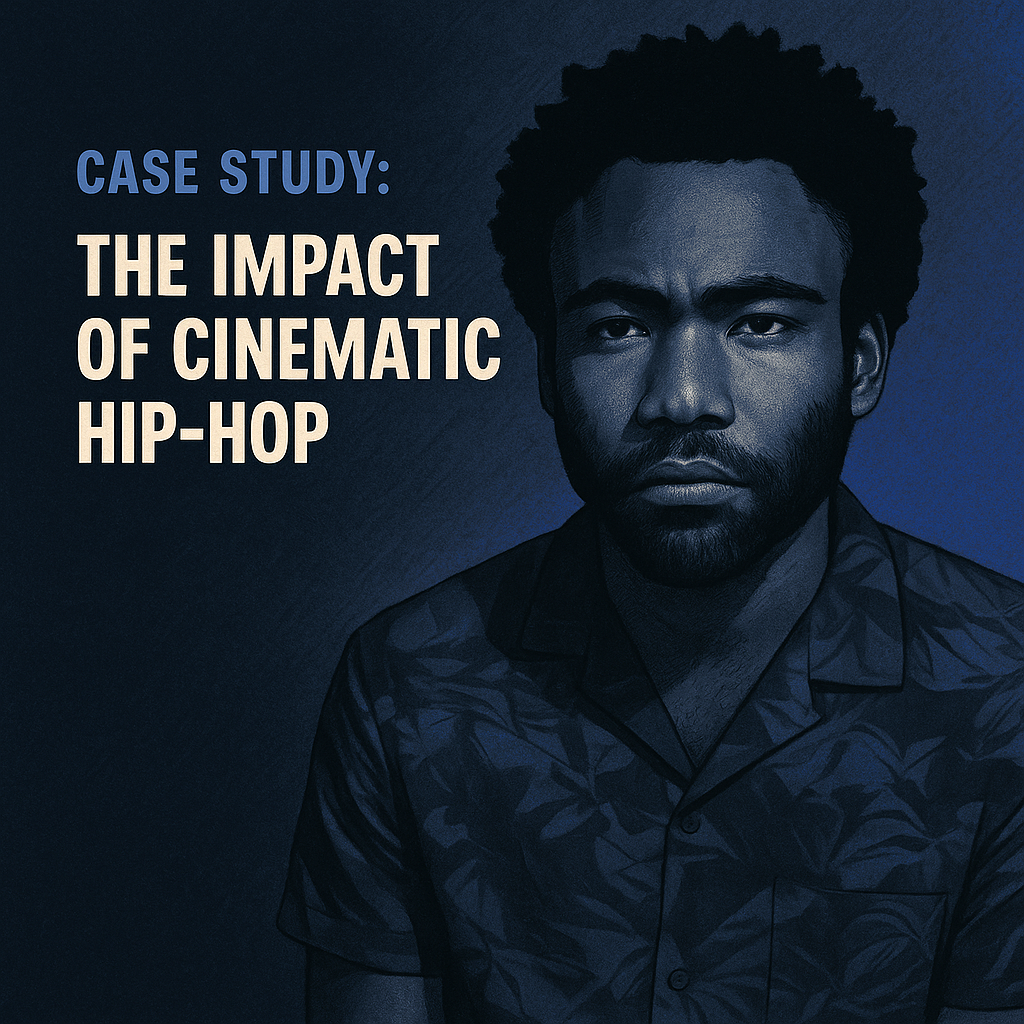
Childish Gambino’s “Because the Internet” is the clearest proof of concept. Gambino released a companion screenplay alongside the album — not as a marketing stunt, but as a structural layer that made the music richer. Listeners who engaged with both got a fundamentally different experience than those who did not. That is the power of a fully realized world.
The multimedia approach expanded what an album release could be. It gave fans multiple entry points and multiple reasons to return. More importantly, it demonstrated that when an artist commits to a complete vision — music, narrative, visual — the audience responds at a deeper level than streams alone can measure.
Metrics for Measuring Success in Cinematic Hip-Hop
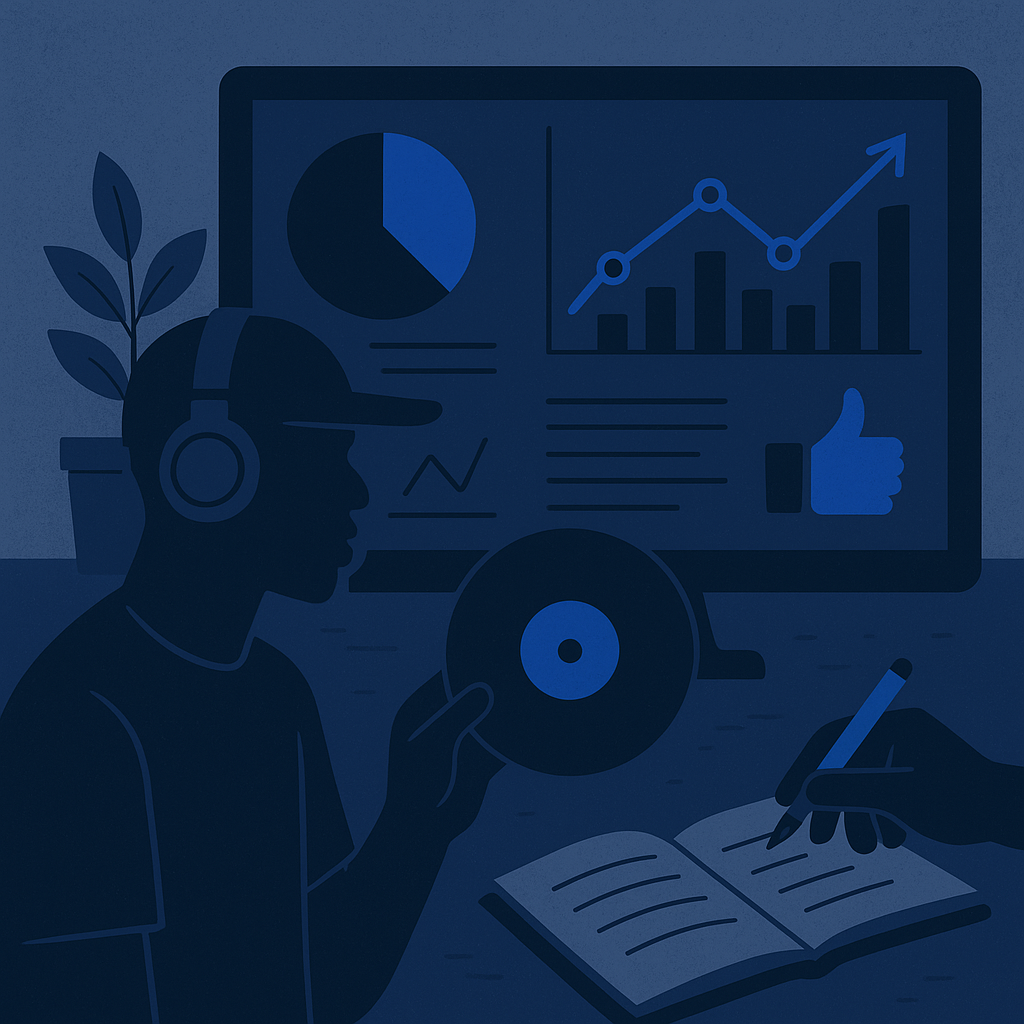
Build the project. Then measure what it actually does. Vague ambition is not a strategy. These are the data points worth tracking:
- Engagement Levels: Streaming analytics tell you more than play counts. Average listen duration and playlist adds reveal whether your narrative is holding attention or losing it mid-arc.
- Social Media Interaction: Track mentions, shares, and organic conversation around the album. Depth of discussion — not just volume — signals real thematic impact.
- Critical Acclaim: Seek direct feedback from critics and peers. Reviews that engage with your narrative and emotional architecture confirm the cinematic approach is landing.
- Fan-Created Content: Fan art, remixes, and interpretive responses are the clearest signal that your world resonated. Track them. They are organic proof of concept.
FAQs: Navigating Cinematic Hip-Hop
Q: How do I start incorporating cinematic elements into my hip-hop music?
A: Start with the albums in this article. Do not just listen — analyze. Study the structure, the instrumentation, the narrative techniques. Then bring a single clear story or theme into your own work and build every production decision around it. Clarity of vision comes before complexity of sound.
Q: What are some common pitfalls to avoid when creating cinematic hip-hop?
A: The most common mistake is piling on disparate elements until the narrative collapses under its own weight. Every sound, every feature, every transition should serve the story you defined at the start. The second mistake is abandoning the core hip-hop identity that makes your voice distinct. Cinematic does not mean unrecognizable. It means intentional.

Leave a Reply