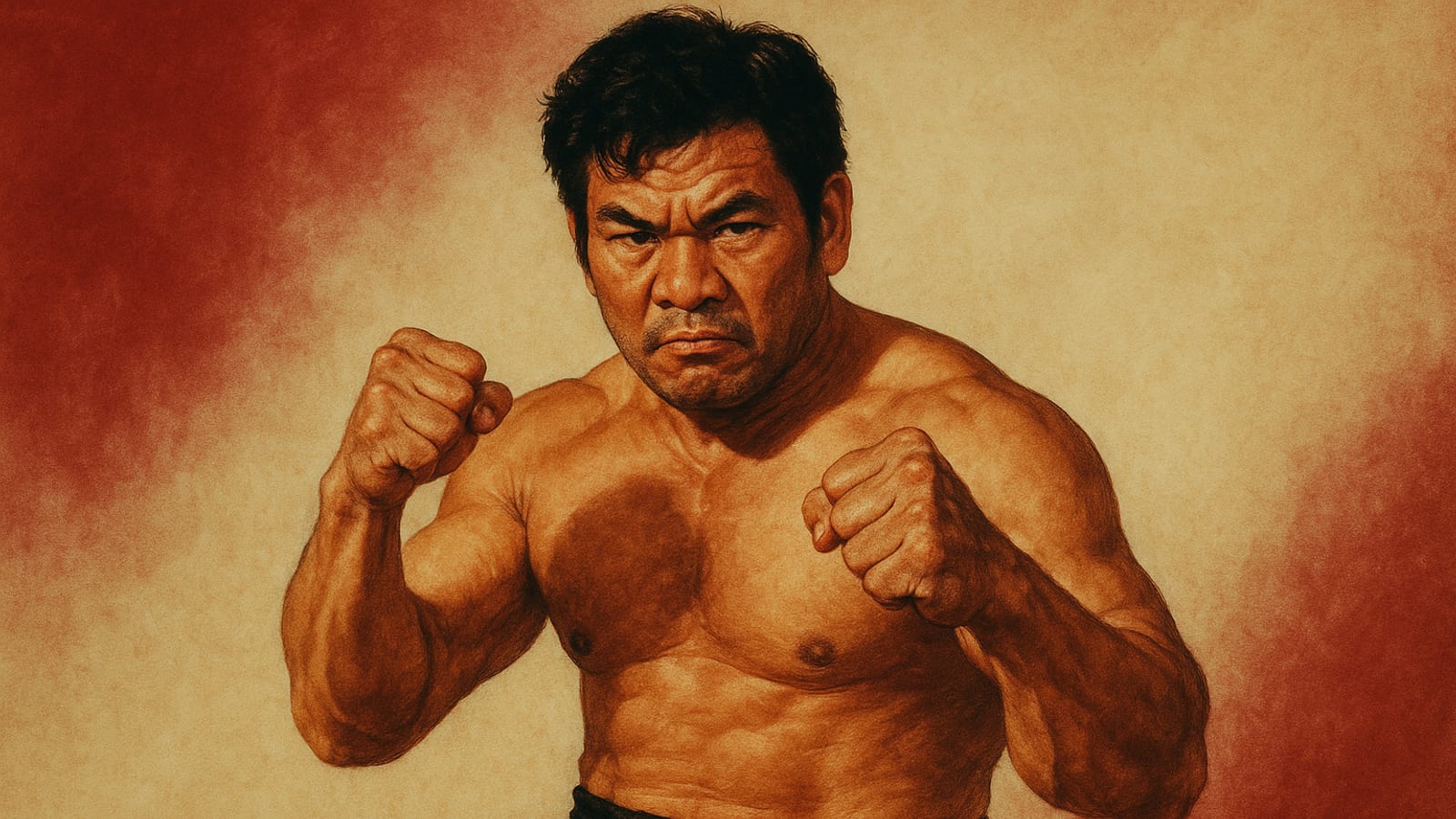
Bruce Lee died in July 1973, and Hong Kong’s film industry did not pause to grieve. It got to work. Within months, studios were packaging actors with similar cheekbones and similar screen credits under names like Bruce Li and Dragon Lee, betting that audiences couldn’t tell the difference or simply didn’t care. Most of those films are forgotten now, and they deserve to be. But in the middle of all that noise, one genuine martial artist kept doing something the imitators couldn’t fake: he actually knew how to fight. That man was Chen Sing, and if you haven’t spent time with his work yet, I’m glad you’re here.
The Imitation Plague
The rush to replicate Bruce Lee’s success was a full-scale cinematic epidemic, and I mean that without exaggeration. Dozens of actors were pushed in front of cameras and handed fight scenes they had no business performing. Studios were not interested in craft. They were interested in a name on a poster that rhymed close enough with the real thing. The market flooded fast, and most of what came out of that period is genuinely hard to sit through — not because the genre was weak, but because those particular films were built on imitation rather than lineage.
What gets lost in the conversation about that era is how much damage the clone wave did to performers who actually had something real to offer. Audiences burned out. Distributors got cautious. The whole grindhouse circuit that had been hungry for this material started treating martial arts films as a joke. Chen Sing never got to work in the environment his talent deserved, partly because so many others had already poisoned the well.
Who Chen Sing Actually Was
Chen Sing was not a face the studios assembled to fill a gap. His training in traditional martial arts forms predated his film career by years, and it showed in every frame he appeared in. His style was hard and direct — the kind of technique that comes from repetition and discipline, not from watching someone else and copying the shape of the movement. That distinction matters more than people realize when you’re watching a fight on screen. The body knows. The camera sees it.
Before he was a film presence, Chen Sing was already respected in martial arts circles. His move into cinema wasn’t about chasing the Bruce Lee phenomenon. It was about finding a larger stage for something he had already spent years building. That’s a fundamentally different motivation than what drove most of his contemporaries, and it comes through in the work. You can feel the difference between someone performing martial arts and someone who simply is a martial artist.
The Films That Proved He Wasn’t a Copy
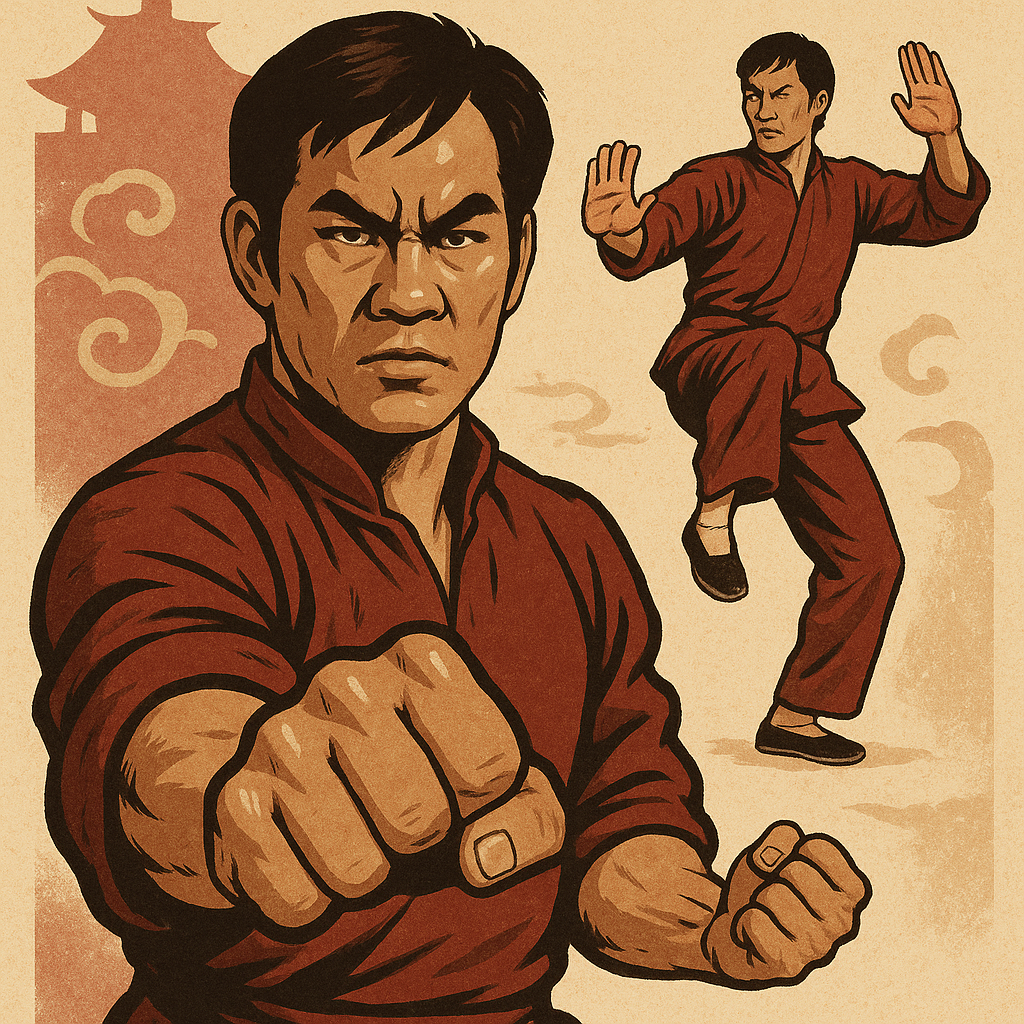
Look at The Magnificent and Shaolin Iron Claws and you’ll see immediately what separated Chen Sing from the imitator crowd. The choreography in those films is grounded. It doesn’t reach for exaggerated mannerisms or try to recreate the particular electricity Lee carried. Instead, the fights are built on technique and form — sequences that reward a second and third viewing because there’s always more craft to notice. His screen presence is entirely his own, which sounds like a low bar until you realize how few people in that era actually cleared it.
Critics who understood the genre recognized this. While the clone films were being written off as disposable product, Chen Sing’s work was earning genuine respect for its commitment to martial arts authenticity. His characters had their own histories and their own ways of moving through a fight. They weren’t echoes of someone else. That’s rarer than it should be, and it’s worth saying plainly.
Why He Never Became a Household Name
This is the part that still bothers me. The kung fu film boom peaked and then contracted sharply in the late 1970s, and when the market tightened, the performers who suffered most were exactly the ones who deserved it least. Chen Sing had no major studio machinery behind him, no international distribution infrastructure pushing his films into markets that might have embraced him. Language barriers kept him from crossing over the way a handful of his contemporaries managed to.
The broader audience that might have found him was already being steered toward films with bigger marketing budgets and more accessible packaging. Within the circles that actually knew martial arts cinema — the enthusiasts, the practitioners, the people who watched these films because they loved the craft — Chen Sing was respected. But that circle was never large enough to make him a household name, and the industry never gave him the platform his talent warranted.
His Legacy Among Those Who Know
Here’s what endures: stunt coordinators and action performers who came up studying this era cite Chen Sing as an influence. His dedication to authenticity left a mark on the genre that outlasted the films themselves. That’s how lineage works in martial arts cinema — not always through mainstream recognition, but through the practitioners who carry the knowledge forward.
Many of Chen Sing’s films have been restored and are available through specialty distributors and streaming services. Old School Shaolin and Wu carries a curated selection of his most important work, which is the right place to start if you want to understand what he was actually doing and why it still holds up. These are not museum pieces. They’re alive.
Chen Sing’s story is a reminder of how much genuine talent the industry treated as disposable during that period. His films are not just entertainment — they’re documentation of a specific kind of craft, the kind that takes years to build and seconds to recognize when you’re watching someone who actually has it. If you’re new to this corner of film history, start with him. If you’ve been here a while, go back. Either way, the next figure worth your attention is already waiting, and we’ll get there soon.
The Business of Martial Arts Cinema
The era Chen Sing worked in was shaped as much by business calculation as by artistic ambition, and you can’t fully understand his career without understanding that context. Studios knew exactly how lucrative the martial arts market was, particularly across Asian territories, and the clone wave was not an accident — it was a deliberate strategy to monetize an established brand as quickly as possible. Chen Sing represented a different approach entirely: one that prioritized the quality of choreography and the authenticity of the martial arts on screen over the speed of the return.
The studios that backed his films were betting on a loyal audience rather than a mass one. That audience was smaller, but it was real, and it kept coming back. The box office returns were modest by blockbuster standards, but they were steady, and they were built on something genuine. That’s a harder thing to manufacture than a familiar name, and it’s also a harder thing to destroy.
What the Business Model Actually Teaches
- Authenticity as a differentiator: Chen Sing’s career demonstrates what happens when genuine expertise anchors a film rather than borrowed iconography. The work holds up. The imitations don’t.
- Niche audiences are real audiences: The martial arts enthusiast community that followed Chen Sing’s films was smaller than the mainstream, but it was deeply engaged. That kind of audience sustains a career in ways that casual viewers rarely do.
- Long-term strategy over short-term returns: The studios chasing the Bruce Lee clone market made money fast and burned out fast. The approach behind Chen Sing’s films built something that lasted. The restoration and reissue market for his work today is proof of that.
Behind the Scenes: Training and Choreography
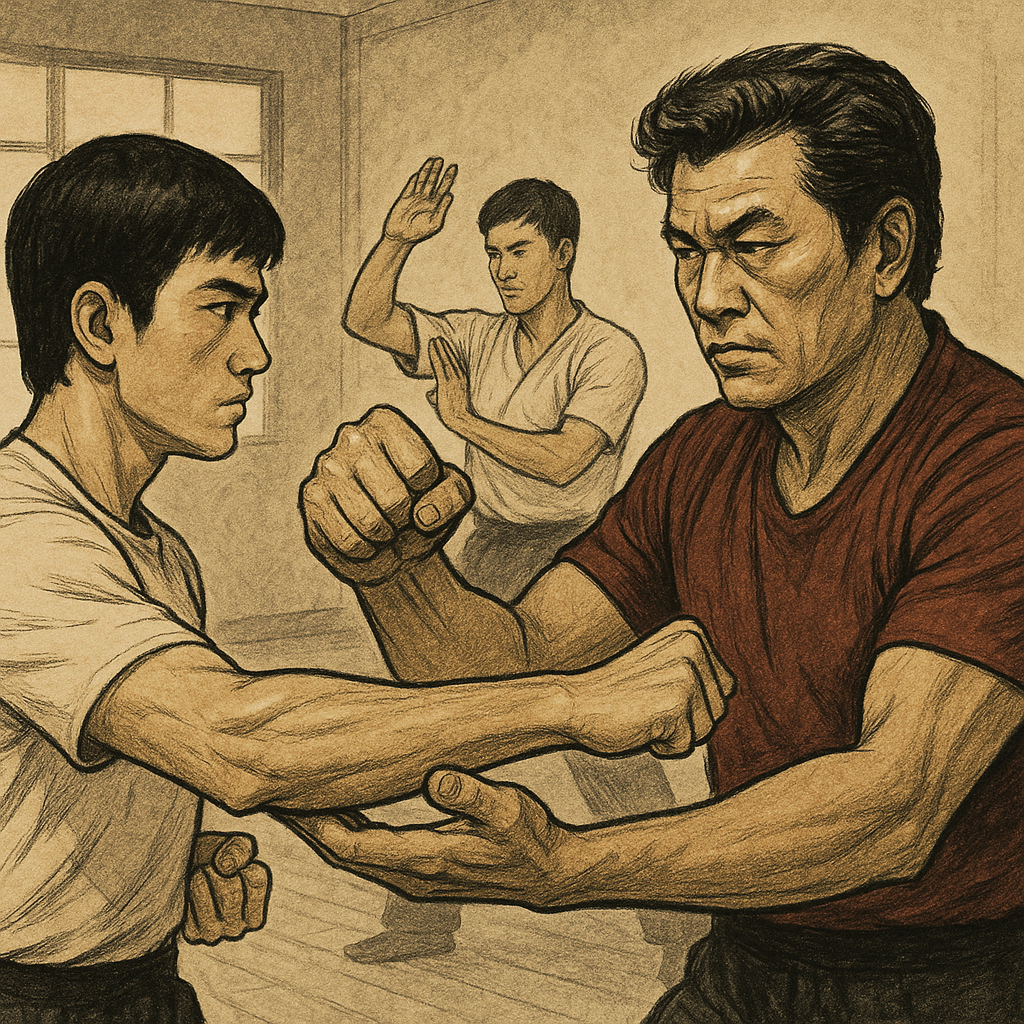
One of the things that defined Chen Sing’s productions was how deeply involved he was in the choreography of his own fight sequences. This was not standard practice. Many performers of that era showed up and executed what they were given. Chen Sing worked with stunt coordinators and martial arts experts to design sequences that were technically accurate and visually coherent — fights that made sense as fights, not just as spectacle. That level of investment in the craft is visible on screen if you know what you’re looking at.
His training regimen was demanding and comprehensive, and it fed directly into the stunt work his films required. The result was fight sequences that functioned almost as demonstrations — not dry or academic, but alive with the kind of specificity that only comes from someone who has spent real time inside a given form. That’s what made his choreography educational without ever feeling like a lecture.
Frequently Asked Questions
- What made Chen Sing’s fight scenes distinctive? Technical precision and genuine martial arts form. The choreography was built from the inside out, by someone who understood what the movements were actually for, not just what they looked like.
- Did Chen Sing influence later martial arts films? Yes. His commitment to authenticity and his approach to choreography left a clear mark on practitioners and filmmakers who came after him and who valued craft over spectacle.
- Where can I watch Chen Sing’s films? Many have been restored and are available through specialty distributors and streaming platforms focused on classic martial arts cinema. Old School Shaolin and Wu is a good place to start.
How You Measure Success in This Genre
For anyone trying to understand what made a martial arts film succeed or fail during this period, a few measures matter more than raw box office numbers:
- Sustained audience engagement: The martial arts enthusiast community is vocal and has a long memory. Fan response and ongoing discussion are better indicators of a film’s real value than its opening weekend.
- Critical recognition within the genre: Reviews from critics who actually understood martial arts cinema carried weight that general press coverage didn’t. Chen Sing’s films earned that recognition consistently.
- Box office consistency: Not every film needs to be a blockbuster. Steady returns within a dedicated niche built careers that outlasted the boom-and-bust cycle of the clone era.
- Legacy and lineage: The clearest measure of Chen Sing’s impact is the restoration interest his work still generates and the practitioners who name him as an influence. That’s not nostalgia. That’s a living legacy.

Leave a Reply