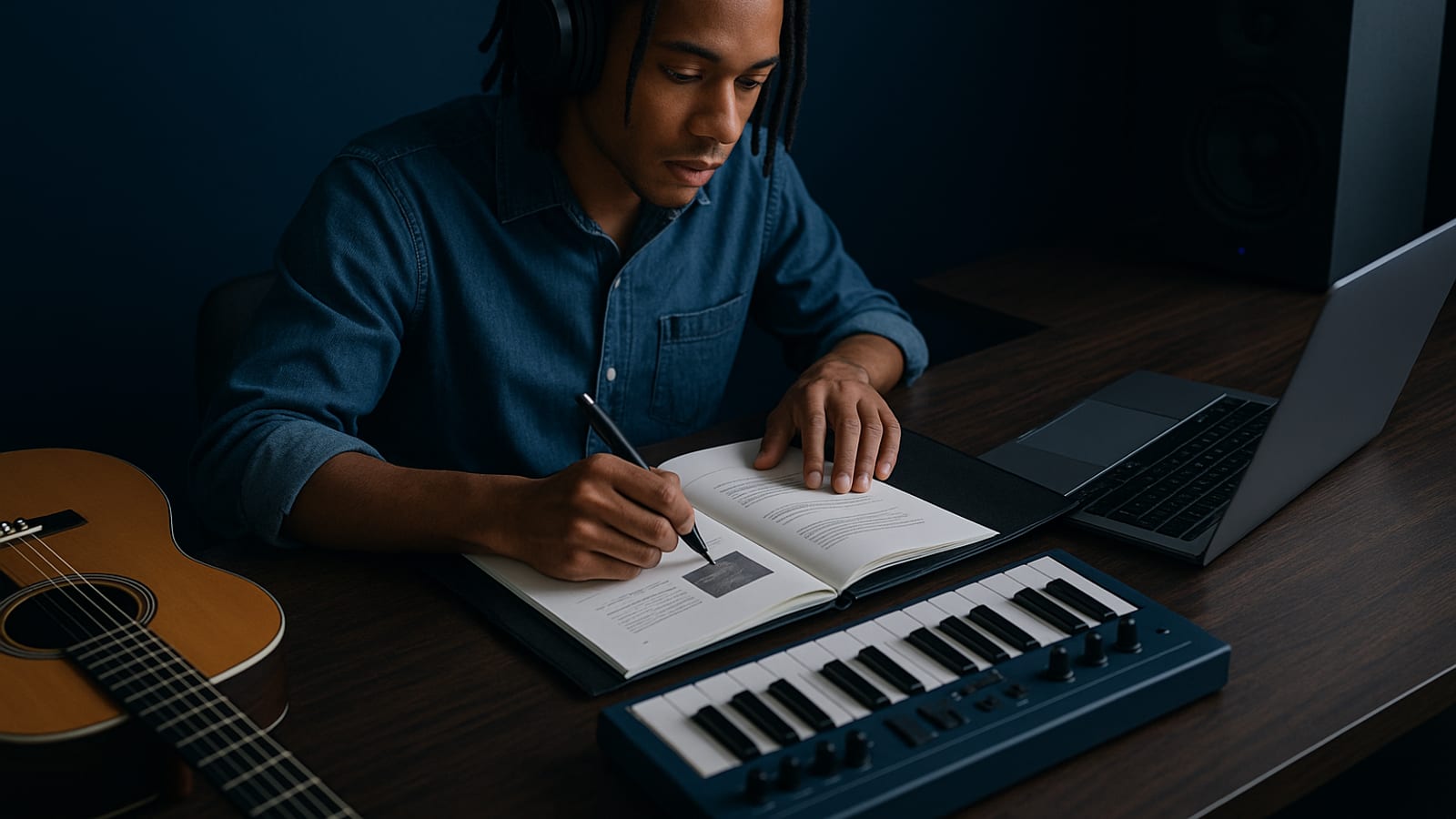
The music industry does not wait. Your portfolio is not a formality—it is the first thing a label, sync agent, or booking manager sees before they decide whether to keep reading. Whether you are just starting out or years into your career, a sharp portfolio separates artists who get calls from artists who get ignored. Here is exactly what yours needs to do.

Understanding the Core Components of a Music Portfolio
Your portfolio is not a playlist. It is a complete picture of who you are as an artist and what working with you looks like. Every element has a job to do.
- Biography: This is your story, told with intention. Connect your music to your experiences in a way that makes someone feel something before they press play.
- Discography: List your releases in full. Lead with the tracks that define your sound—the ones that make the case for you instantly.
- Press Kit: Press releases, professional photos, reviews, interviews. Keep it tight and current.
- Live Performances: Video and audio recordings of live shows. Stage presence is a skill. Prove you have it.
- Contact Information: Make it effortless for industry professionals to reach you. One missed connection is one missed opportunity.
Tools and Strategies for Building Your Portfolio
The right tools remove friction. These are the platforms worth your time.
- Bandzoogle: Built specifically for musicians. Customizable templates, clean presentation. Pricing starts around $8 per month.
- SoundCloud: Non-negotiable for sharing tracks and connecting with fans and industry contacts directly.
- Canva: Use it to build sharp visuals for your press kit and social channels. Free tier is functional; premium unlocks more.
- Mailchimp: Build your mailing list and own that audience. Free for your first 2,000 subscribers.
Stack these tools deliberately. Each one serves a specific function in your overall system. For a deeper look at digital tools that move the needle, explore ArcanoLabs’ blog.
Step-by-Step Guide to Crafting Your Portfolio
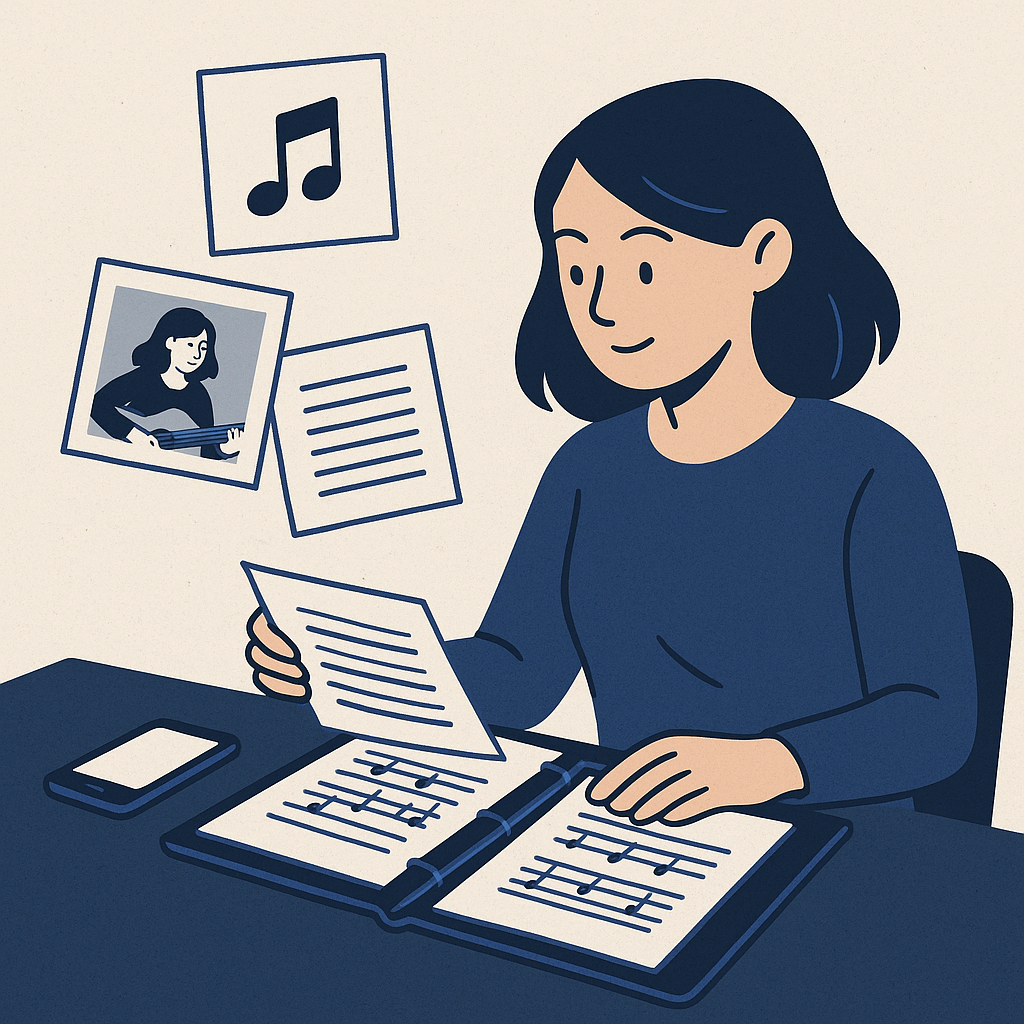
Stop staring at a blank page. Break it into steps and execute one at a time.
- Gather Your Materials: Pull together your music, photos, and press clippings. Organize them into folders before you build anything.
- Design Your Online Presence: Use Bandzoogle or a comparable platform. Pick a template that fits your aesthetic and build from there.
- Create a Press Kit: Assemble it in Canva. High-quality images, a tight biography, and your best press mentions. Nothing more, nothing less.
- Upload Your Music: SoundCloud and Spotify are your distribution anchors. Link both directly from your website.
- Connect and Build: Set up Mailchimp and communicate with your audience consistently. New releases, upcoming shows, real updates.
For artists who want to expand their organic traffic and online reach, the strategies inside ArcanoLabs’ content hub are worth studying.
Case Studies: Artists Who Nailed Their Portfolios
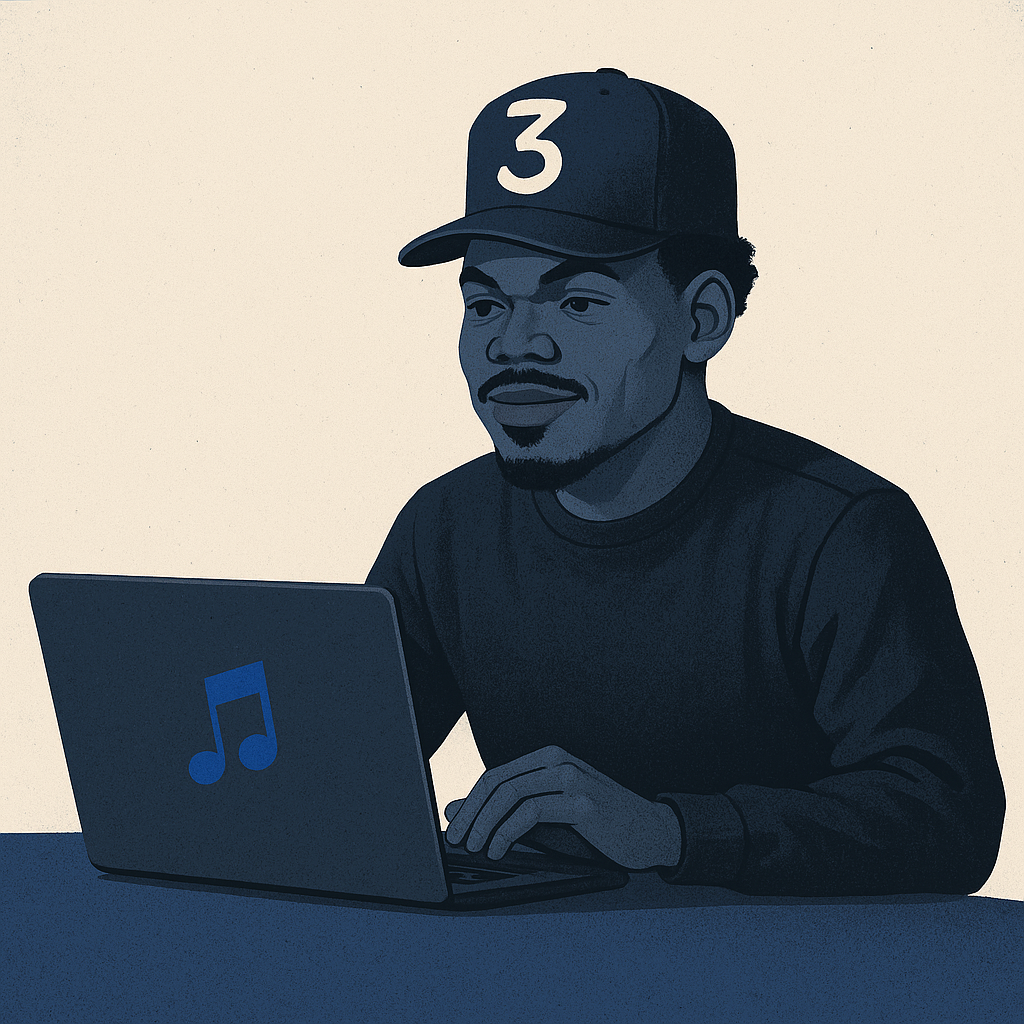
Two artists. Two different paths. Same result: a portfolio that opened doors.
- Chance the Rapper: No major label. No traditional machine behind him. What he had was a disciplined online presence and a portfolio built to convert. His website features a complete discography and a press kit that makes it easy for fans and industry professionals alike to engage with his work on their own terms.
- Lorde: Early in her career, her portfolio communicated a distinct sound and aesthetic before most people knew her name. That clarity caught producers and audiences at the same time. Strategic use of online platforms did the rest.
Both built in silence. Both let the work speak. That is the pattern worth studying.
Final Thoughts and Next Steps
Your portfolio is not a one-time project. It is a living system. As your sound evolves, your portfolio should reflect that. New releases, new performances, new press—update it consistently so that anyone who finds you sees the current version of your career, not a snapshot from two years ago.
Start by auditing what you already have. Identify the gaps. Get feedback from artists or professionals you respect. For additional direction and inspiration, TruZillah is worth a look.
A sharp portfolio does not guarantee success. But a weak one guarantees you get overlooked. Put in the work now, and let the compounding do its job over time.
Measuring the Success of Your Music Portfolio
Once your portfolio is live, the work shifts to measurement. You need to know what is working and what is not. Track these indicators consistently.
- Website Traffic: Google Analytics tells you who is visiting, which pages they are reading, and where they came from. Pay attention to those numbers.
- Engagement Rates: Time on site, downloads, clicks on music links. These signal whether visitors are actually connecting with your content.
- Social Media Metrics: Likes, shares, comments, follows. Not vanity metrics—signals of audience interest that inform your next move.
- Mailing List Growth: A steadily growing email list means your audience-building strategy is working. Watch the trend, not just the total.
- Press Mentions: Track every interview, review, and feature that traces back to your portfolio. That is your proof of concept.
Review these numbers regularly. They tell you where to double down and where to cut.
Common Challenges and Solutions in Building a Music Portfolio
Every artist runs into the same walls. Here is how to move through them.
- Time Constraints: You cannot do everything at once. Solution: Block a specific window each week for portfolio work. Small, consistent progress compounds faster than sporadic all-nighters.
- Technical Limitations: Not everyone is comfortable with web tools. Solution: Platforms like Bandzoogle are built for non-technical users. Pair them with free tutorials and you will figure it out faster than you think.
- Content Quality: Producing high-quality visuals and audio consistently is hard. Solution: Collaborate with photographers and designers, or invest in a short course to build the skill yourself.
- Staying Current: The industry moves fast. Solution: Set a monthly reminder to review and refresh your portfolio. Outdated content signals a stalled career.
Address these proactively. A polished, professional portfolio is the result of systems, not inspiration.
FAQs About Music Portfolios
How often should I update my music portfolio?
Every three to six months at minimum. Your portfolio should always reflect where your career is right now, not where it was.
What if I don’t have professional photos or videos?
Start with what you have. High-quality smartphone content works as a placeholder. As your career grows, invest in professional photography and video to match that growth.
Do I need to include my entire discography?
No. Lead with the tracks that best represent your sound and artistic direction. A focused selection makes a stronger impression than an overwhelming archive.
Can I use a free website builder for my portfolio?
Free builders are a reasonable starting point. But they come with real limitations. As your career scales, invest in a platform that gives you more control and a more professional result.
Leveraging Collaborations and Features in Your Portfolio
Collaborations are proof that other artists want to work with you. That carries weight. Include them strategically and they expand both your credibility and your reach.
- Select Key Collaborations: Choose joint projects that align with your artistic vision and demonstrate range across genres.
- Include Testimonials: A quote from a collaborator adds credibility that no self-written bio can replicate.
- Showcase Diverse Projects: Live performances, studio recordings, songwriting partnerships—variety signals adaptability.
- Cross-Promote: Use your collaborators’ networks intentionally. Their audience is a direct path to new fans and industry connections who would not have found you otherwise.
Done right, collaborations do not just enrich your portfolio. They build the industry relationships that quietly open the next set of doors.

Leave a Reply