Hip-hop and technology have been locked together since day one. The genre was built on repurposing tools in ways nobody intended. That instinct never left. Today, AI-generated beats, blockchain royalty systems, and virtual concert platforms are rewriting the rules of the music industry — and the artists who understand these tools early are the ones building real, durable careers.
The Digital Revolution in Hip-Hop Production
Not long ago, making professional-quality beats required expensive studio time and hardware most people couldn’t afford. That barrier is gone. Digital audio workstations like FL Studio and Ableton Live — available for as low as $199 — put a full production suite on your laptop. The studio came to the bedroom, and the bedroom started producing chart-topping records.
AI is pushing that further. Platforms like Amper Music and AIVA generate compositions on demand, giving independent creators a way to experiment with sounds and styles without a full production team. These aren’t replacements for artistry. They’re force multipliers for creators who know how to use them.
Case Study: Travis Scott and Fortnite
Travis Scott’s virtual concert inside Fortnite drew over 12 million concurrent viewers. No venue holds that. No traditional tour reaches that number in a single night. The event proved that virtual reality isn’t a novelty — it’s a scalable distribution channel. For artists paying attention, it signaled a new revenue stream and a direct line to a global audience that never has to leave home.
Blockchain and Hip-Hop: A New Era of Ownership
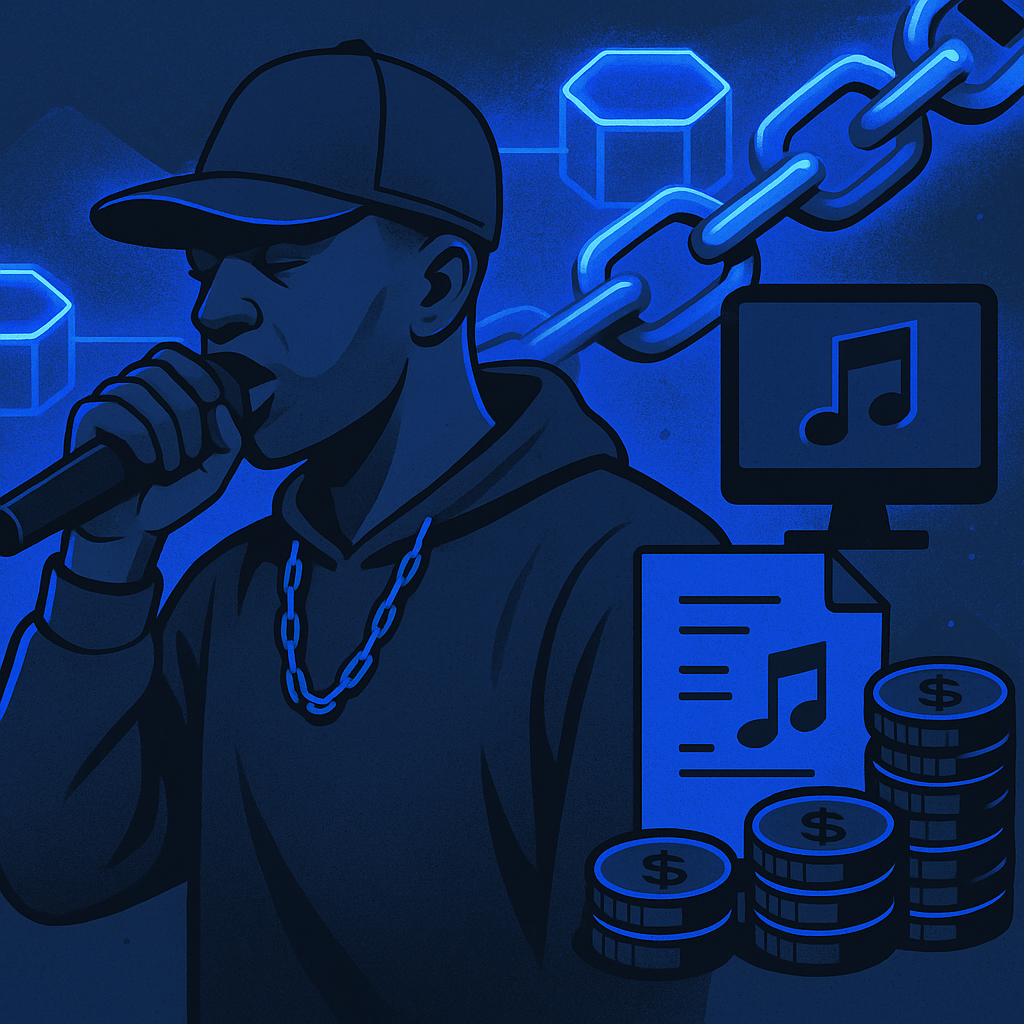
Royalty distribution has always been opaque. Labels, intermediaries, and outdated systems eat into what artists actually earn. Blockchain changes the math. A decentralized ledger means every transaction is visible, traceable, and automatic. Platforms like Royal and Opulous let artists tokenize their music — giving fans a direct stake in the work they believe in.
That’s not just a financial mechanism. It’s a loyalty engine. When fans share in an artist’s financial upside, the relationship deepens. The artist keeps control. The fan gets skin in the game. Both sides win.
Step-by-Step: Tokenizing Your Music
- Choose a Platform: Select a blockchain platform like Royal or Opulous that supports music tokenization.
- Create Your Tokens: Use the platform’s tools to create tokens representing your music rights.
- Market Your Tokens: Promote your tokens to fans and potential investors through social media and music platforms.
- Manage Royalties: Use the platform’s dashboard to track investments and distribute royalties transparently.
Augmented Reality: Enhancing the Hip-Hop Experience
Augmented Reality layers digital content onto the physical world. For hip-hop artists, that means music videos and live performances that audiences don’t just watch — they interact with. The visual becomes an experience.
Megan Thee Stallion has already incorporated AR into her music videos, giving fans a way to engage with tracks beyond a passive listen. The technology raises the creative ceiling and opens new storytelling formats that a standard video simply can’t match.
Implementing AR in Your Music Strategy
- Identify the Right AR Platform: Platforms like Spark AR and ARKit offer tools to create custom AR experiences.
- Develop Engaging Content: Collaborate with AR developers to design interactive elements that complement your music.
- Promote AR Features: Use social media and music streaming platforms to showcase your AR-enhanced content.
The Future of Hip-Hop and Technology
AI, blockchain, and AR aren’t trends. They’re infrastructure. Artists who build their creative process around these tools now will operate with structural advantages that compound over time. The ones who wait will spend years catching up.
For listeners, the payoff is more personalized, more immersive music experiences. For creators, it’s greater ownership, wider reach, and new revenue channels that don’t depend on a label’s permission. The direction is clear. The only question is how fast you move.
For more on where music and technology intersect, visit TruZillah’s website and explore their resources on the latest industry developments.
Conclusion: Build for What’s Coming
The intersection of hip-hop and technology isn’t a future event. It’s happening now, in real time, and the gap between artists who understand these tools and those who don’t is widening every quarter. AI beats, blockchain royalties, AR visuals — each one is a system you can build on. Stack them together and you have something durable.
Stay informed. Test the tools. Adapt before you’re forced to. Visit TruZillah for more on how hip-hop and technology are reshaping the music industry from the inside out.
Virtual Reality: Transforming Hip-Hop Experiences
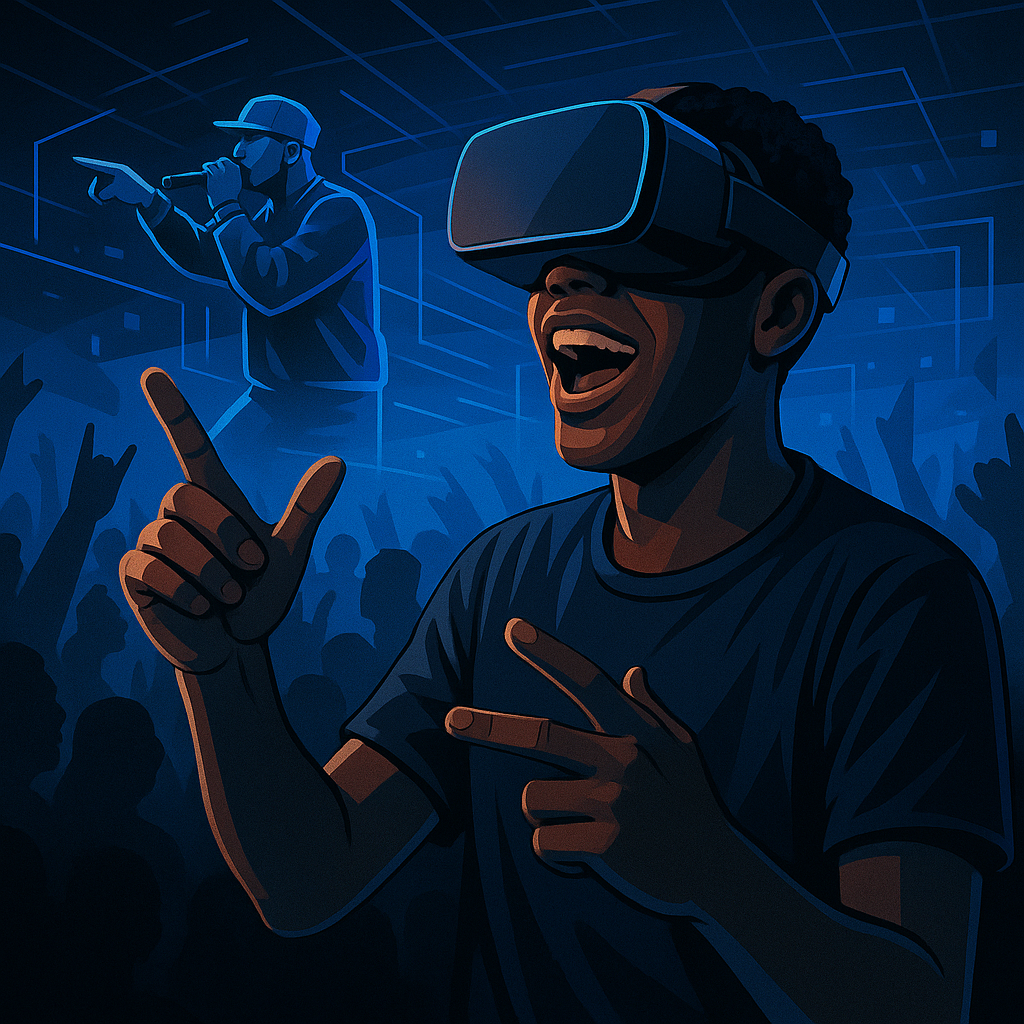
Where AR overlays digital elements onto the real world, VR builds entirely new ones. For hip-hop, that distinction matters. Virtual Reality doesn’t enhance a concert — it replaces the venue entirely. Fans step inside the artist’s world. The experience is immersive in a way no physical stage can replicate, and the production costs don’t scale with audience size the way a touring operation does.
Creating a VR Hip-Hop Concert
- Select a VR Platform: Choose from platforms like Oculus Rift or HTC Vive to host your VR concert. Each offers different features and audience reach — pick the one that fits your goals.
- Design a Virtual Environment: Work with VR developers to build an immersive stage that reflects your artistic identity. Interactive elements like virtual merch stands or fan meet-and-greets add depth to the experience.
- Streamline the Experience: Make access simple. Clear instructions on how fans navigate the virtual environment determine whether they stay or drop off.
- Promote the Event: Use social media, email, and your music platforms to build anticipation and explain exactly how fans can participate.
Social Media and AI: Crafting Personalized Fan Engagement
Social media is already central to hip-hop’s marketing playbook. AI makes it sharper. Data-driven analytics reveal what your audience actually responds to — not what you assume they want. That gap between assumption and reality is where most artists lose traction.
Leveraging AI for Fan Insights
- Utilize AI Tools: Platforms like Hootsuite Insights and Brandwatch track fan engagement, sentiment, and trends across social media with AI-powered precision.
- Create Personalized Content: Use what the data tells you. Personalized shout-outs, exclusive behind-the-scenes footage, and tailored recommendations outperform generic posts every time.
- Automate Fan Interactions: Deploy AI chatbots on platforms like Facebook Messenger to handle routine fan queries. It keeps your presence responsive without pulling you away from the work that actually moves the needle.
Case Study: Lil Nas X and TikTok
Lil Nas X didn’t wait for radio. He understood TikTok’s algorithm — that the platform rewards content people want to recreate — and built his strategy around it. “Old Town Road” went viral because he gave users a reason to participate, not just listen.
Strategy and Execution: By encouraging users to make their own videos with his track, he turned listeners into distributors. The algorithm did the rest.
Impact and Results: Record-breaking chart performance. Multiple remixes. A career launched not by a label’s marketing budget but by organic traction on a single platform. That’s what it looks like when you understand the system before everyone else does.
Key Performance Indicators for Success
Technology only compounds when you measure what matters. Without clear metrics, you’re optimizing blind. These are the numbers that tell you whether your strategy is actually working.
- Engagement Rate: Likes, shares, comments, and interactions across social and streaming platforms. This tells you whether your content is landing or just existing.
- Fan Growth Rate: The rate at which your follower and subscriber count expands. Steady growth compounds. Stagnation is a signal to adjust.
- Revenue from Digital Channels: Income from digital sales, streaming, and virtual events. This is the number that validates whether your digital strategy translates to real cash flow.
- Content Reach: Geographic and demographic distribution of your audience. Know where your music resonates and where untapped markets are waiting.

Leave a Reply