
Most artists create. Few protect what they create. By 2026, the gap between those two groups will cost the unprotected ones real money. Music licensing is not a legal formality you hand off to someone else. It is the system that determines whether your work generates revenue or gets used for free. This guide breaks down exactly how that system works and what you need to do to operate inside it with confidence.

The Basics of Music Licensing
A license is permission. You grant it. Someone pays for it. That exchange is the foundation of every revenue stream tied to your recorded work. There are four license types every artist needs to understand cold:
- Sync License: Allows your music to be paired with visual media — films, TV shows, commercials. This is where placement money lives.
- Mechanical License: Covers reproduction and distribution of your music in physical or digital formats. Streaming triggers this one constantly.
- Performance License: Authorizes public performance of your music, live or broadcast. Your performing rights organization collects this on your behalf.
- Master License: Grants rights to your original recording. Sync deals almost always require both a sync license and a master license to be complete.
In 2026, these four license types remain the structural backbone of your music business. The details around them are shifting. The types themselves are not.
Industry Challenges in 2026
The landscape is not getting simpler. Three forces are reshaping how licensing works right now:
- Digital Streaming Dominance: Spotify and Apple Music deliver organic traffic to your catalog at scale. But exposure without a sound licensing agreement means the platform profits more than you do. Know your terms before you distribute.
- AI-Generated Music: AI-produced tracks are flooding the market. Licensing them sits in legal gray zones that existing frameworks were not built to handle. If you are creating with AI tools, get ahead of the legal questions before a buyer asks them for you.
- Globalization: A sync placement in one country can trigger licensing obligations in twelve others. International licensing laws vary sharply by region. Ignoring that variance is expensive.
These are not distant problems. They are active variables in deals being signed today. The silent operator accounts for them before entering a negotiation, not after.
Strategies for Effective Music Licensing

Here is the operational blueprint. Follow it in order.
- Stay current on licensing law: Regulations shift. Platforms update their terms. Resources like Arcanolabs Blogs track the developments that actually affect your bottom line.
- Use licensing marketplaces: Platforms like Songtradr and Musicbed connect your catalog to buyers actively looking for music. They take a commission. Price accordingly and treat the commission as a cost of distribution, not a penalty.
- Negotiate from a position of knowledge: Understand what you are signing before you sign it. Duration, exclusivity, territory, royalty splits — each clause has a dollar value. Hire a music attorney for any deal that matters.
- Track your usage data: Tools like TuneCore and CD Baby show you where your music is being used. That data is not just informational. It is your leverage in the next negotiation.
- Register with a PRO: ASCAP and BMI exist to collect performance royalties on your behalf. If you are not registered, you are leaving money on the table every time your music plays publicly.
Each step compounds. Skip one and the system leaks. Run all five and you have a repeatable licensing operation that earns in peace.
Tools and Resources for Music Licensing
The right infrastructure makes the difference between chasing payments and collecting them automatically. These are the tools worth building into your operation:
- Songtradr: An online marketplace connecting artists to media buyers. Commission-based pricing. Good for artists who want inbound placement opportunities without cold outreach.
- TuneCore: Handles digital distribution and publishing administration. Collects royalties globally. Pricing starts with a per-release distribution fee.
- CD Baby: Distribution and monetization, including sync licensing opportunities. One-time setup fee, no annual charges. Solid for independent artists building a catalog.
- ASCAP/BMI: Your performing rights organization. Membership fees apply. Non-negotiable if you want performance royalties collected and paid correctly.
These are not optional upgrades. They are the infrastructure layer beneath a functioning music licensing strategy.
Case Study: Successful Licensing in Action
One independent artist built a quiet, compounding revenue stream by placing music in indie films and commercials through Musicbed. No major label. No viral moment. Just a catalog of well-produced tracks, a clear licensing strategy, and consistent placement activity. The result was increased visibility and a growing income stream that did not depend on any single deal. That is what effective licensing looks like when you build in silence and let the placements do the talking.
Conclusion: Taking Action on Music Licensing
By 2026, the artists who thrive will not be the loudest ones. They will be the ones who understood the licensing system early, built the right infrastructure, and protected their catalog at every step. You now have the framework. Register your work. Choose your platforms. Know your contracts. Stack the placements.
For more on building a sustainable music operation, explore our resources at Arcanolabs Content.
Legal Considerations in Music Licensing
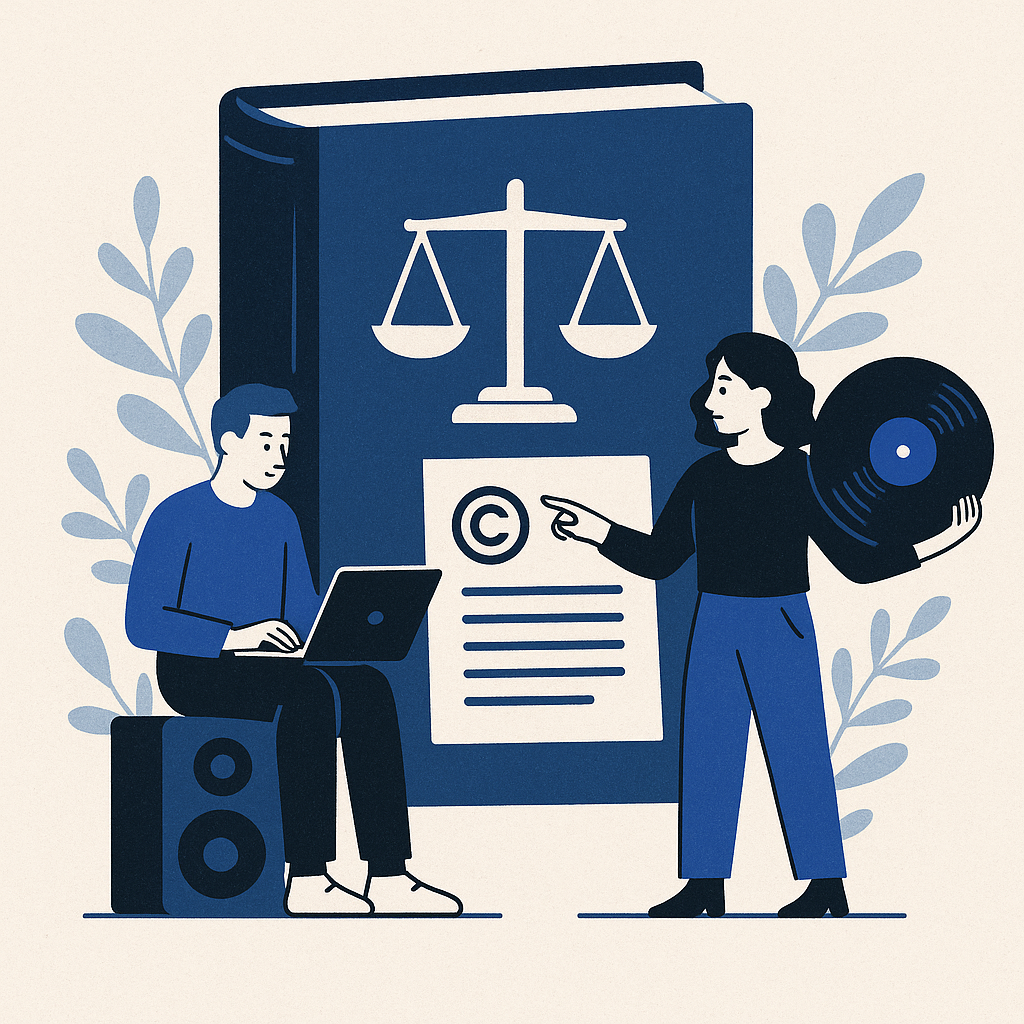
The legal layer is where most artists lose money they never knew they had. Get these four things right:
- Copyright Registration: Register your music with the appropriate copyright office in your country before you license anything. Formal registration is what gives your legal protection teeth in a dispute.
- Contract Review: Every licensing agreement defines the scope of rights, the duration, and any exclusivity terms. Read it. Then have a music attorney read it. The clauses you skip are the ones that cost you later.
- Jurisdictional Awareness: Licensing laws differ significantly across territories. International placements trigger international obligations. Know the rules in each market before you accept a deal in it.
- Dispute Resolution Clauses: Build a clear resolution process into every contract. Define the steps before a disagreement happens. It is far cheaper than litigation after one does.
Legal infrastructure is not glamorous. It is the difference between owning your catalog and losing control of it one poorly reviewed contract at a time.
Maximizing Revenue Through Diversified Licensing
A single licensing channel is a single point of failure. The operators who build durable music income diversify across multiple placement types:
- Expand beyond traditional media: Films and TV are not the only buyers. Video games, mobile apps, and virtual reality experiences are fast-growing markets with real licensing budgets. Your catalog belongs in those conversations.
- Use micro-licensing platforms: Soundstripe and PremiumBeat connect your music to YouTube creators, podcasters, and small-scale producers. Individual payouts are smaller. Volume makes them significant.
- Target seasonal and event-based placements: Holiday campaigns, sports broadcasts, and major cultural events all carry dedicated music budgets. Positioning your catalog for those windows before they open is how you capture them.
Diversification is not about chasing every opportunity. It is about building multiple income channels that run simultaneously, so no single deal determines your financial outcome.
FAQs on Music Licensing
Common questions, answered directly.
What is the difference between a sync license and a master license?
A sync license covers pairing your music with visual media. A master license covers the original recording itself. Most visual projects require both. If a buyer only asks for one, ask why.
How can I ensure fair compensation from streaming platforms?
Negotiate agreements with explicit royalty terms and transparent payout structures. Where possible, pursue direct licensing deals with platforms rather than accepting default distribution terms. Know your EPMV benchmarks so you can measure whether a deal is actually performing.
What should I do if my music is used without permission?
Document the unauthorized use immediately. Consult a music attorney before you take any action. Then decide whether to pursue a formal complaint or legal remedy based on the scope of the infringement and the realistic path to resolution.
These are the questions that come up in every artist’s licensing journey. The answers above give you a starting position. A qualified attorney gives you a strategy.

Leave a Reply