How to Create Engaging Music Videos: A Guide for Hip-Hop Artists
In hip-hop, a music video is not decoration. It is a storytelling weapon. As YouTube and TikTok tighten their grip on how audiences discover artists, the difference between a video that breaks through and one that disappears is almost always execution. This guide gives you a clear, step-by-step system for building music videos that earn attention and hold it.
Step 1: Conceptualize Your Vision
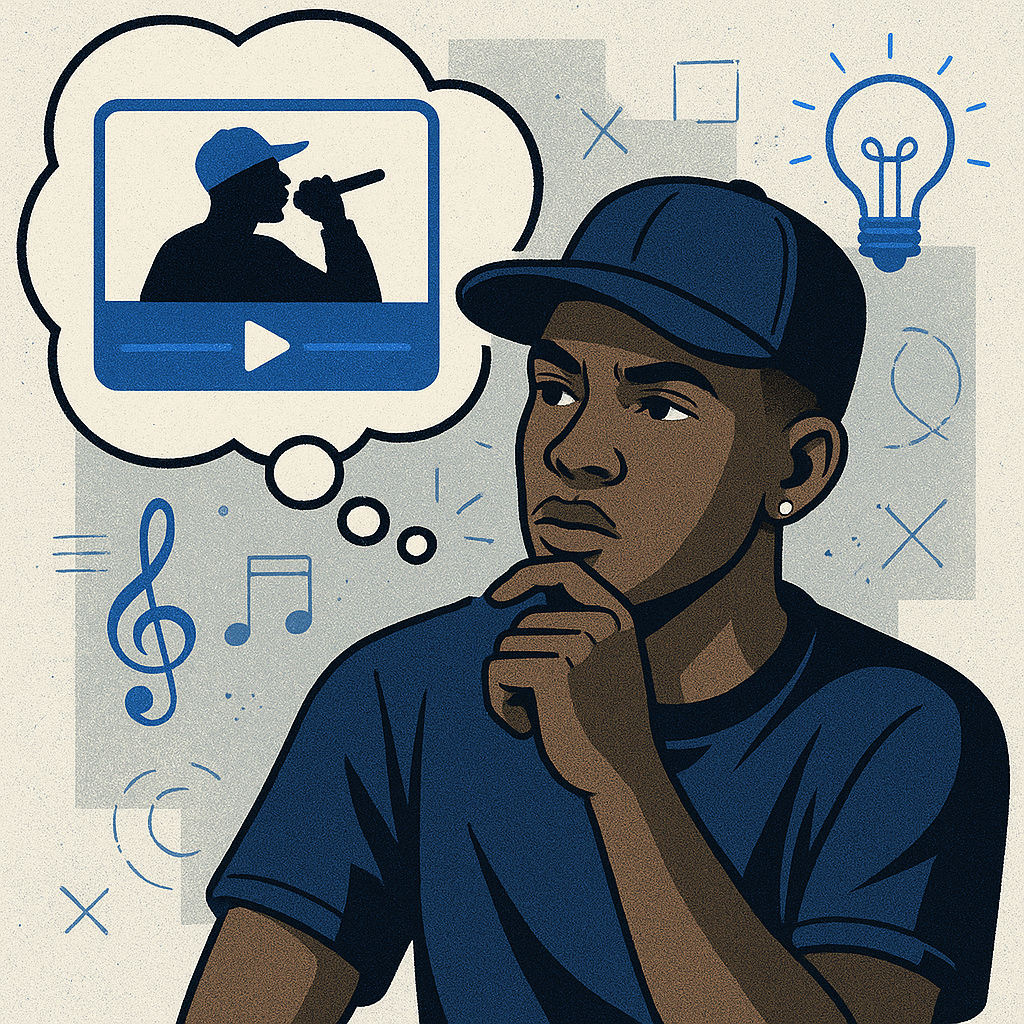
Everything starts with a clear concept. Know what your song is saying. Then decide how the camera tells that same story without repeating it word for word. Three angles that work:
- Storytelling: Build a narrative around your lyrics. It can be literal or abstract. Both work when executed with intention.
- Visual Aesthetics: Commit to a visual style—cinematic, raw, or stripped-down minimalist—that matches your brand and holds across every frame.
- Symbolism: Use images and metaphors that add a second layer of meaning. Make viewers think.
Kendrick Lamar’s “HUMBLE.” is the blueprint here. Bold imagery, deliberate symbolism, every shot doing double duty. That is what visual precision looks like at the highest level.
Tools for Concept Development
Use Milanote to build mood boards and Trello to organize your pre-production workflow. Both are free or low-cost. Independent artists have no excuse for going into a shoot without a documented concept.
Step 2: Plan Your Production

A locked concept means nothing without a production plan behind it. Get specific about three things:
- Budgeting: Set your number before you do anything else. Some of the most effective videos ever made were produced on tight budgets. Constraints force creativity.
- Location Scouting: Find locations that serve the narrative. The right backdrop costs nothing if you know where to look.
- Team Building: Bring in people who are skilled and aligned with your vision. Local film students and emerging videographers often deliver serious production value at a fraction of agency rates.
The artists who build in silence and win consistently are not the ones with the biggest budgets. They are the ones who plan tighter and negotiate smarter.
Budgeting Tools
Track every dollar with Wave or QuickBooks. Knowing your numbers in real time keeps the production from bleeding cash before the shoot is done.
Step 3: Filming with Precision
This is where the concept becomes real. Run a tight shoot with these fundamentals:
- Equipment: Use the best gear your budget allows. Renting from platforms like BorrowLenses gives you access to professional equipment without the ownership cost.
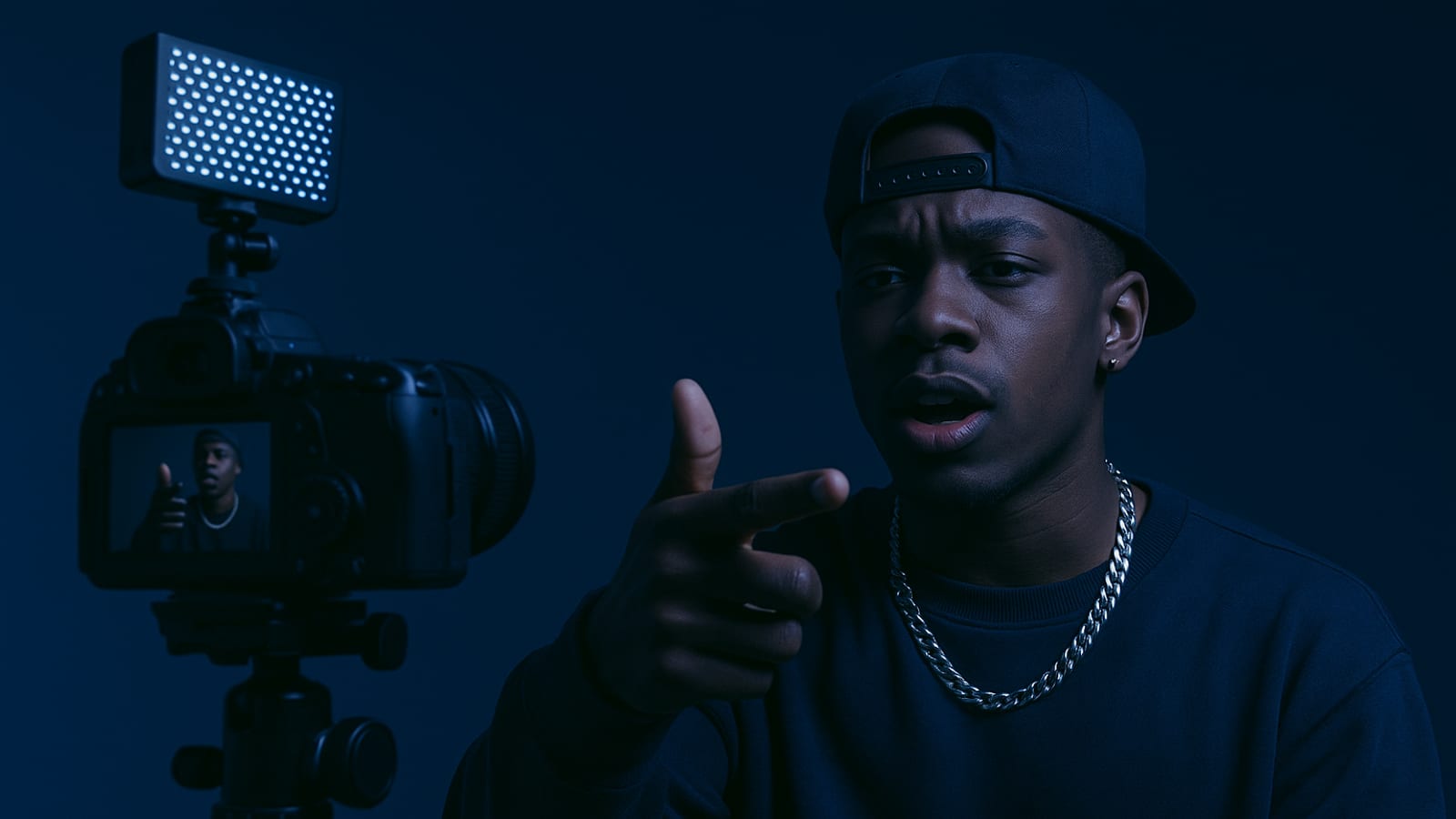
- Lighting: Lighting separates amateur footage from professional footage more than any other variable. Master natural light first. Add affordable LED rigs where needed.
- Directing: Stay present on set. You are the artist. Your vision is the standard every frame gets measured against.
A DSLR with a prime lens, controlled lighting, and deliberate composition will produce cinematic results at a fraction of what most people assume it costs. The gear is not the ceiling. Your eye is.
Step 4: Post-Production Perfection
Raw footage is just raw material. Post-production is where the video becomes what it was always supposed to be. Focus on three layers:
- Editing Software: Adobe Premiere Pro and Final Cut Pro are the industry standards. Learn one of them deeply.
- Color Grading: Color sets the emotional tone of every scene. DaVinci Resolve offers a free version with professional-grade grading tools. Use it.
- Sound Design: Your audio has to match your visual quality. Audacity handles audio cleanup and enhancement without adding cost.
Time invested in mastering these tools compounds. A well-edited video holds viewers longer, and watch time directly drives algorithmic reach.
Step 5: Distribution and Promotion
The video is done. Now the real work begins. A great video with no distribution strategy is a tree falling in an empty forest.
- Social Media: Use Instagram, TikTok, and Twitter to build anticipation before the drop and sustain momentum after it.
- Collaborations: Align with influencers or artists whose audiences overlap with yours. Shared reach compounds faster than solo promotion.
- SEO Optimization: Write your video title and description with search in mind. Relevant keywords drive organic traffic from viewers who have never heard of you.
Platforms like ArcanoLabs offer AI-assisted content automation that keeps your promotional output consistent without burning through your time or budget. Consistency is the system. The system is what scales.
Conclusion: Take Action Now
A music video that works is not an accident. It is a sequence of deliberate decisions—concept, production, filming, post, distribution—executed one step at a time. Start with a clear vision. Plan with precision. Shoot with intention. Edit with discipline. Then put it in front of the right audience and let the data tell you what to sharpen next.
For more on building your music career on your own terms, visit TruZillah—a platform built to give artists the tools and knowledge to operate independently and win.
Leveraging Visual Storytelling in Hip-Hop Videos
A performance video captures a moment. A story video builds a world. The artists who consistently earn repeat views understand the difference. Here are three techniques that separate storytelling from spectacle:
- Character Development: Build characters inside the video who carry the emotional weight of the song. Viewers who connect with a character come back. They also share.
- Plot Twists: Introduce an unexpected turn in the narrative. Surprise drives repeat viewings, and repeat viewings drive watch time metrics.
- Non-Linear Narratives: Break chronological order deliberately. A video that makes viewers piece together the story creates engagement that a straight performance clip never will.
Childish Gambino’s “This Is America” is the case study here. Multiple storytelling layers, a visual argument that runs parallel to the audio, and a structure that rewards close attention. That level of craft does not happen by accident. It is planned.
Engaging Audiences Through Interactive Elements
Technology has opened distribution formats that most artists are still ignoring. That gap is an opportunity. Three formats worth testing:
- Choose-Your-Own-Adventure: YouTube’s interactive features allow viewers to make choices that alter the storyline. The result is a video that different viewers experience differently—and talk about.
- Augmented Reality (AR): AR layers let fans unlock hidden content through their phones. It turns passive viewers into active participants.
- Live Streaming Elements: Weaving live segments into a video creates a dynamic that pre-recorded content alone cannot replicate.
Interactive formats do not just entertain. They build the kind of audience investment that turns casual listeners into loyal fans who share without being asked.
Case Study: The Impact of Location on Music Videos
Location is not a backdrop. It is a character. The right setting adds authenticity, scale, and thematic weight that no studio set can fully replicate.
Case Study: Jay-Z’s “Empire State of Mind”
- Urban Landscapes: Filming across New York City did not just look good. It made an argument. The city’s energy became part of the song’s identity in a way that no other location could have delivered.
- Symbolic Locations: Sites with cultural or historical weight carry meaning before a single frame is shot. That pre-loaded meaning does work for you.
Location decisions made early in pre-production shape the emotional register of the entire video. Treat them as seriously as you treat casting or lighting.
Analyzing Viewer Engagement Metrics
You cannot improve what you do not measure. After every release, go into the data and look at three numbers:
- Watch Time: Total minutes watched tells you whether the content holds attention or loses it. High watch time signals content that resonates.
- Audience Retention: The retention curve shows you exactly where viewers drop off. Those drop-off points are your editing notes for the next video.
- Engagement Rate: Likes, comments, and shares measure emotional response. High engagement pushes the algorithm to distribute your video further at no additional cost.
Review these metrics after every release. Let the data shape the next concept. That feedback loop—publish, measure, refine, repeat—is how silent operators build audiences that compound over time.

Leave a Reply