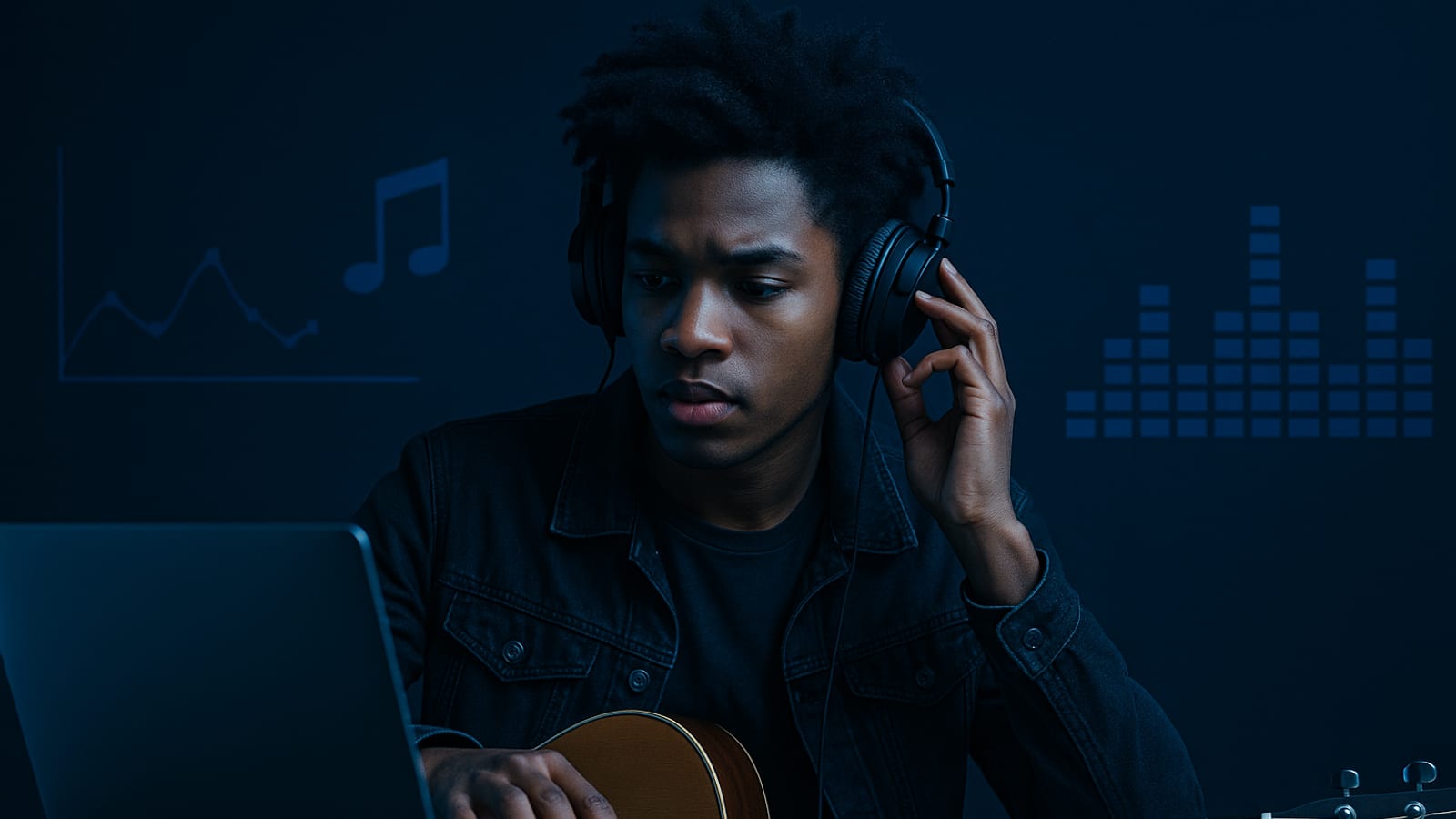
The digital music world is not waiting for you to figure it out. It is moving, compounding, and rewarding the artists who treat their career like operators treat a niche site portfolio — with systems, data, and relentless iteration. This guide gives you the practical framework to build in silence and earn in peace.
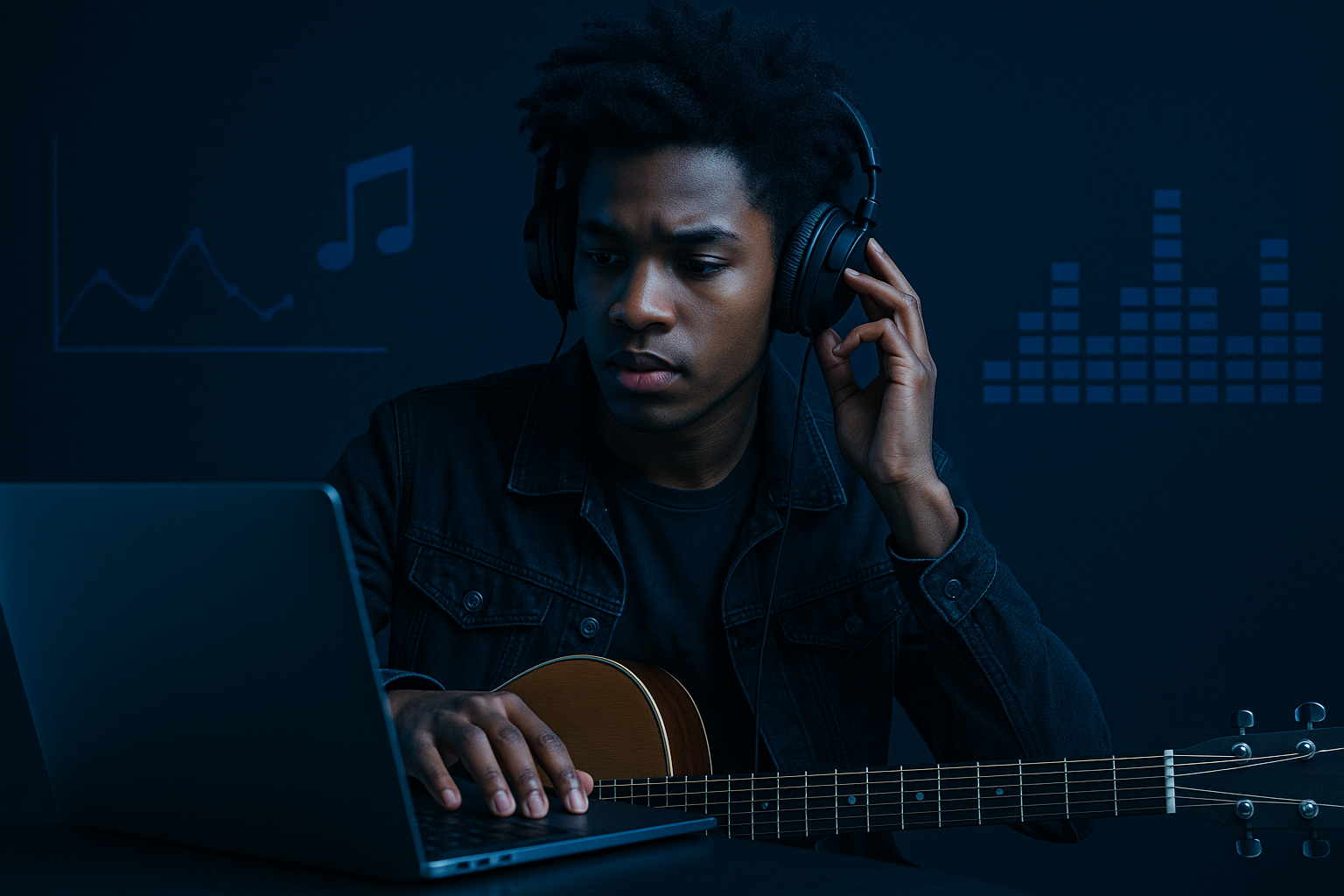
Understanding the Digital Music Landscape
In 2024, the shift is complete. Physical sales are a footnote. Streaming and digital distribution are the operating environment. The artists who win are not the loudest ones — they are the ones who understand the terrain and move deliberately through it.
Streaming Platforms: The New Frontier
Spotify, Apple Music, and Amazon Music control the room. Global reach is real, but so is the competition. Your job is not just to upload music — it is to own your position on these platforms and squeeze every data point they hand you.
- Spotify for Artists: Manage your profile, study your audience, and run promotions. The free tier gets you in the door. A paid marketing plan opens additional promotional levers worth testing.
- Apple Music for Artists: Deep listener insights live here. Use them to sharpen your targeting. Guessing is expensive. Data is free.
For more on maximizing your streaming presence, check out our comprehensive guide.
Monetization Strategies for Artists
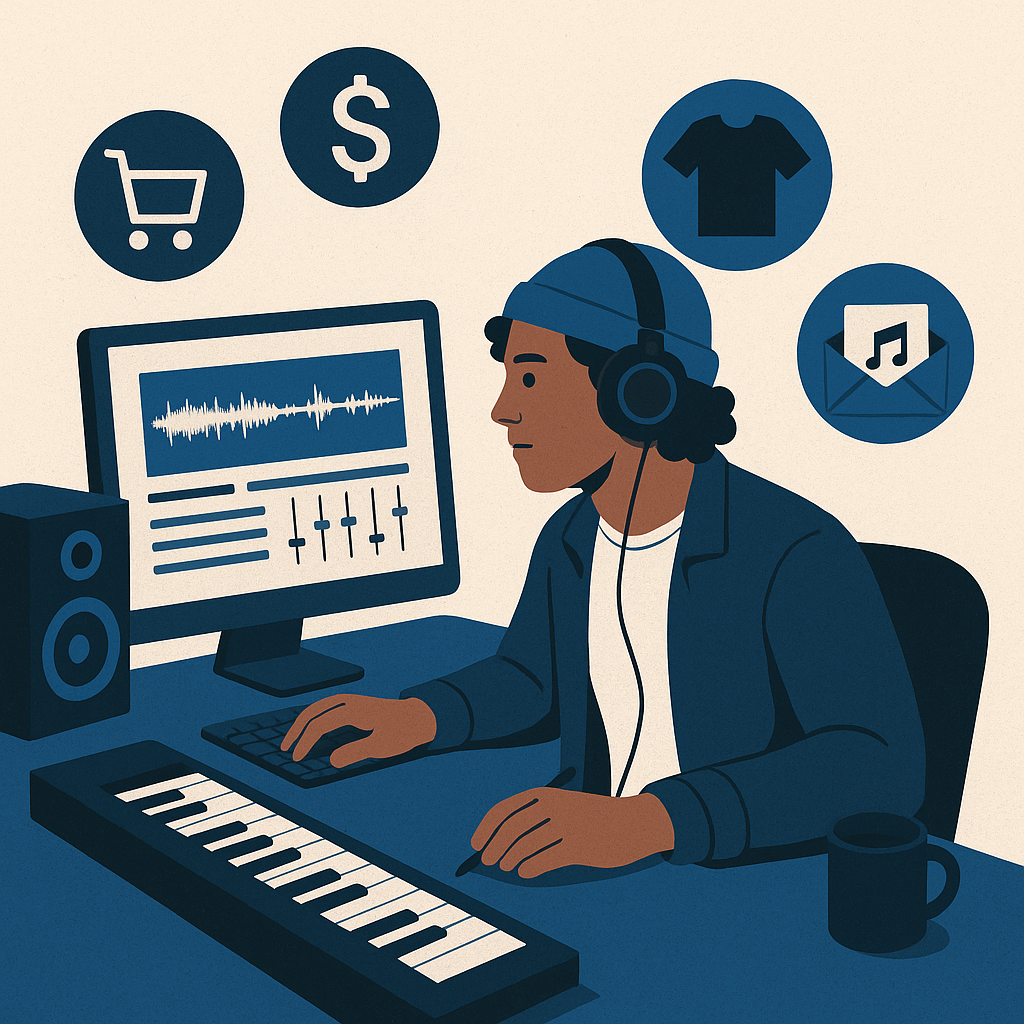
Streaming royalties alone will not build a sustainable income. The silent operator diversifies. Stack multiple revenue channels and let them compound over time.
Direct-to-Fan Sales
Bandcamp changes the math. You sell direct, keep more per transaction, and own the relationship with your buyer. That is a fundamentally different position than waiting on a streaming payout.
- Set up a Bandcamp store: Build your profile, upload your catalog, and set your prices. Exclusive content drives purchase decisions. Give fans a reason to buy instead of just stream.
- Drive traffic deliberately: Instagram and TikTok are distribution channels for your store. Treat them that way. Every post is a funnel entry point.
Building an Engaged Fanbase
Organic traffic to your music means nothing without retention. The goal is not followers — it is fans who show up, buy, and tell others. That requires consistent, intentional engagement.
Utilizing Social Media
Each platform has its own mechanics. Learn them. Work them. Do not post the same content everywhere and expect different results.
- Instagram: Stories and IGTV are your behind-the-scenes engine. Polls and Q&A sessions turn passive scrollers into active participants. That interaction signals the algorithm and deepens loyalty.
- TikTok: Short-form video is the fastest organic traffic channel available to artists right now. Collaborate with creators in adjacent spaces to reach audiences that do not know you yet.
For more on building audience systems, see our article on social media strategies for artists.
Leveraging Technology and AI
AI is not a threat to artists who understand it. It is a production multiplier. The silent operator uses every available tool to move faster, sound better, and spend less time on tasks that do not require human creativity.
AI-Powered Tools
Two tools worth adding to your workflow right now:
- Loudly: A machine learning platform that assists with music creation. Subscription-based with tiered pricing. Good for rapid ideation and production support.
- LANDR: AI-powered mastering that delivers professional-quality results at a fraction of traditional studio costs. Priced per track volume per month. Test it against your current mastering spend.
Actionable Next Steps
You have the map. Now execute. Here is the sequence that matters:
- Optimize your streaming profiles: Spotify and Apple Music give you tools most artists ignore. Use them.
- Launch direct-to-fan sales: Get your Bandcamp store live and route social traffic to it consistently.
- Engage with intention: Build audience systems on social media that convert attention into loyal fans and organic traffic back to your music.
- Deploy AI tools: Experiment with Loudly and LANDR. Measure the output. Keep what works.
For additional frameworks and resources, visit TruZillah — built specifically for artists who are serious about operating in the digital music space.
Collaborative Opportunities in the Digital Music Landscape
Collaboration is not networking for its own sake. Done right, it is an audience acquisition strategy. The right partner puts your music in front of listeners who would never have found you otherwise — and vice versa. That is compounding in action.
Finding Collaborative Partners
The right collaborator changes your trajectory. Here is how to find them without wasting time:
- Industry Events: Virtual and in-person festivals, conferences, and workshops are where real relationships form. Eventbrite and Meetup surface the relevant ones. Show up prepared.
- Online Communities: Reddit, Facebook groups, and Discord servers built around your genre are active talent pools. Engage consistently before you pitch anything.
- Music Collaboration Platforms: Kompoz and SoundBetter exist specifically to connect musicians across borders. Use them to find producers, co-writers, and session players who match your sound.
Benefits of Collaboration
The returns are real and measurable:
- Creative Growth: Working outside your own head produces ideas you would not generate alone. That friction is valuable. Lean into it.
- Audience Expansion: Your collaborator’s fanbase becomes an organic traffic source for your music. Every joint release is a cross-promotion with built-in credibility.
- Resource Sharing: Studio time, instruments, software licenses — shared costs mean higher production quality at lower individual spend. That math matters for independent artists.
Understanding Digital Rights Management (DRM) and Copyright
Your music is an asset. Treat it like one. If you do not protect it, someone else will profit from it. Understanding copyright and DRM is not optional — it is the foundation of a sustainable catalog.
Essentials of Copyright in Music
Copyright gives you control. Here is what you need to act on:
- Registration: Copyright exists the moment you create. But registering with the appropriate government body gives you legal proof of ownership — and standing to enforce it. Do not skip this step.
- Licensing: Licensing your music lets others use it legally while generating revenue for you. It is one of the cleanest recurring income streams available to independent artists.
Implementing Digital Rights Management
DRM is your enforcement layer. Two methods worth implementing:
- Watermarking: Embed identifying information directly into your audio files. When unauthorized copies surface, you can trace them back to the source.
- Encryption: Restrict access to your files at the distribution level. Fewer unauthorized downloads means more revenue staying where it belongs — with you.
Analyzing Listener Data for Strategic Growth

Data tells you what your instincts cannot. The artists who grow consistently are not guessing about their audience — they are reading the numbers and adjusting. Every streaming platform hands you this information. Most artists ignore it. That is your edge.
Key Metrics to Monitor
Track these with discipline:
- Demographics: Age, gender, location. Know exactly who is listening. Your marketing spend and release strategy should reflect that reality, not your assumptions.
- Engagement Rates: Likes, shares, comments — these signal whether your content is landing or just existing. Low engagement is feedback. Act on it.
- Listening Patterns: Which tracks are performing and when. Use this to time your releases and promotional pushes for maximum organic traffic impact.
Tools for Data Analysis
Two tools that belong in your regular workflow:
- Spotify Analytics: Listener habits, demographics, geographic reach. This is your primary intelligence source for streaming performance. Check it consistently, not occasionally.
- Google Analytics: Tracks behavior on your website or online store. Understand where visitors come from and what they do when they arrive. That data shapes your funnel decisions.
Artists who analyze systematically make better decisions. Better decisions compound. That is the entire game.
Embracing Virtual Reality (VR) in Music
VR is early. That is exactly why it is worth paying attention to. The artists who experiment now will own the format when it scales. Two entry points that are already viable:
- Virtual Concerts: Perform live in a virtual environment. Fans anywhere in the world attend. Geography stops being a barrier to your audience size.
- 360-Degree Music Videos: Immersive video that lets viewers move through the environment and interact with the content. It is a different category of experience — and a different category of attention.

Leave a Reply