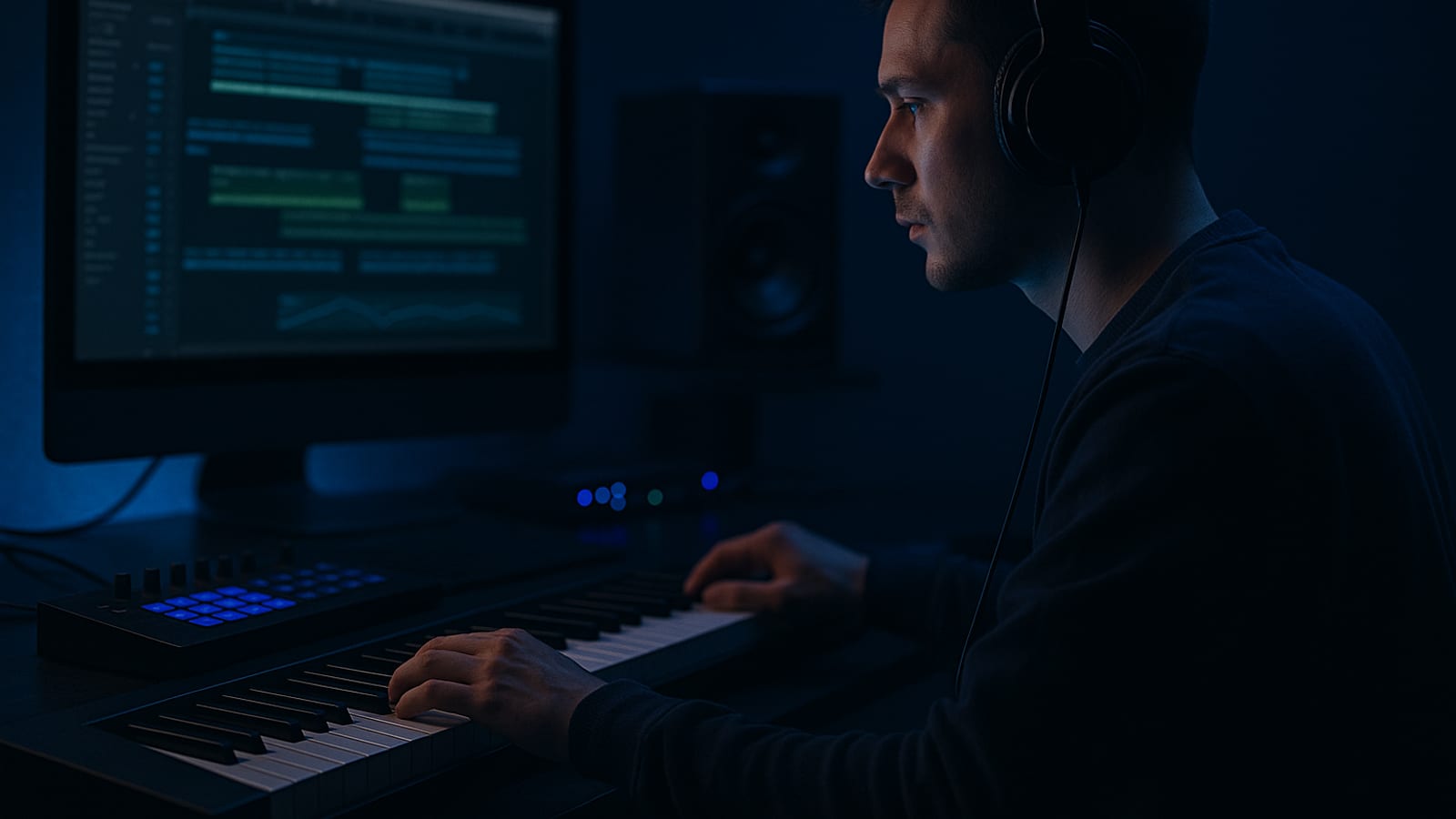
Creating Soundtrack-Style Instrumentals: A Guide for Producers
A great soundtrack doesn’t announce itself. It pulls you under before you realize what’s happening. Soundtrack-style instrumentals work the same way — no lyrics, no safety net, just sound doing the heavy lifting. If you want to build compositions that move people, you need to understand the architecture behind them. This guide gives you the blueprint.
The Foundation of Soundtrack-Style Instrumentals
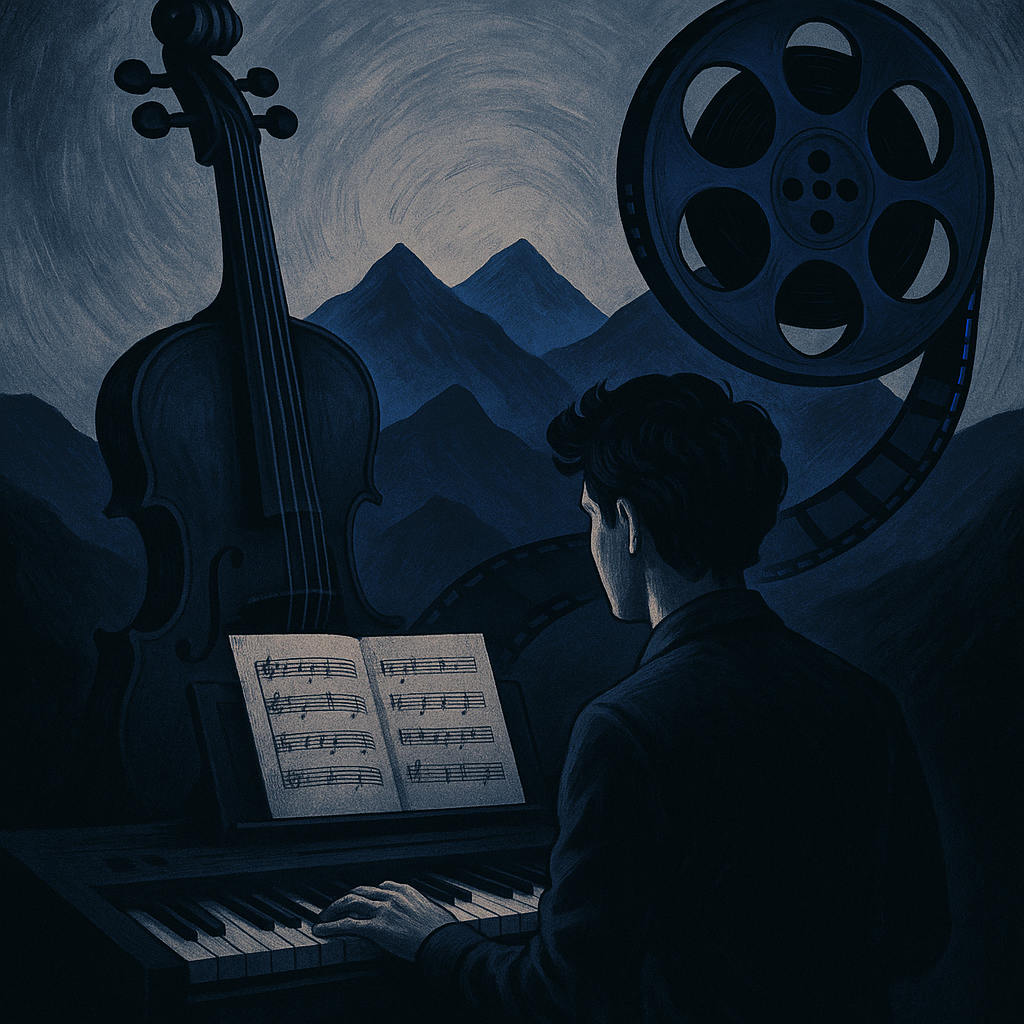
Soundtrack-style instrumentals tell stories without words. They fuse classical structure with modern production, creating a dynamic range that carries emotional weight from the first bar to the last.
Understanding the Genre
Start by knowing where this music comes from. Soundtrack composition is rooted in classical tradition but refuses to stay there. Study Hans Zimmer and John Williams. Both built careers on one core skill: weaving orchestral arrangements with electronic textures so seamlessly you stop noticing the seams. That’s your target.
Key Components
- Melody: Simple and precise. A strong melody doesn’t need complexity — it needs to be unforgettable.
- Harmony: Rich, layered harmonies add depth. They’re what separates a sketch from a composition.
- Rhythm: Dynamic rhythm drives the narrative forward and keeps listeners locked in.
- Sound Design: This is where mood lives. Treat it as seriously as melody.
Tools and Software for Soundtrack Production
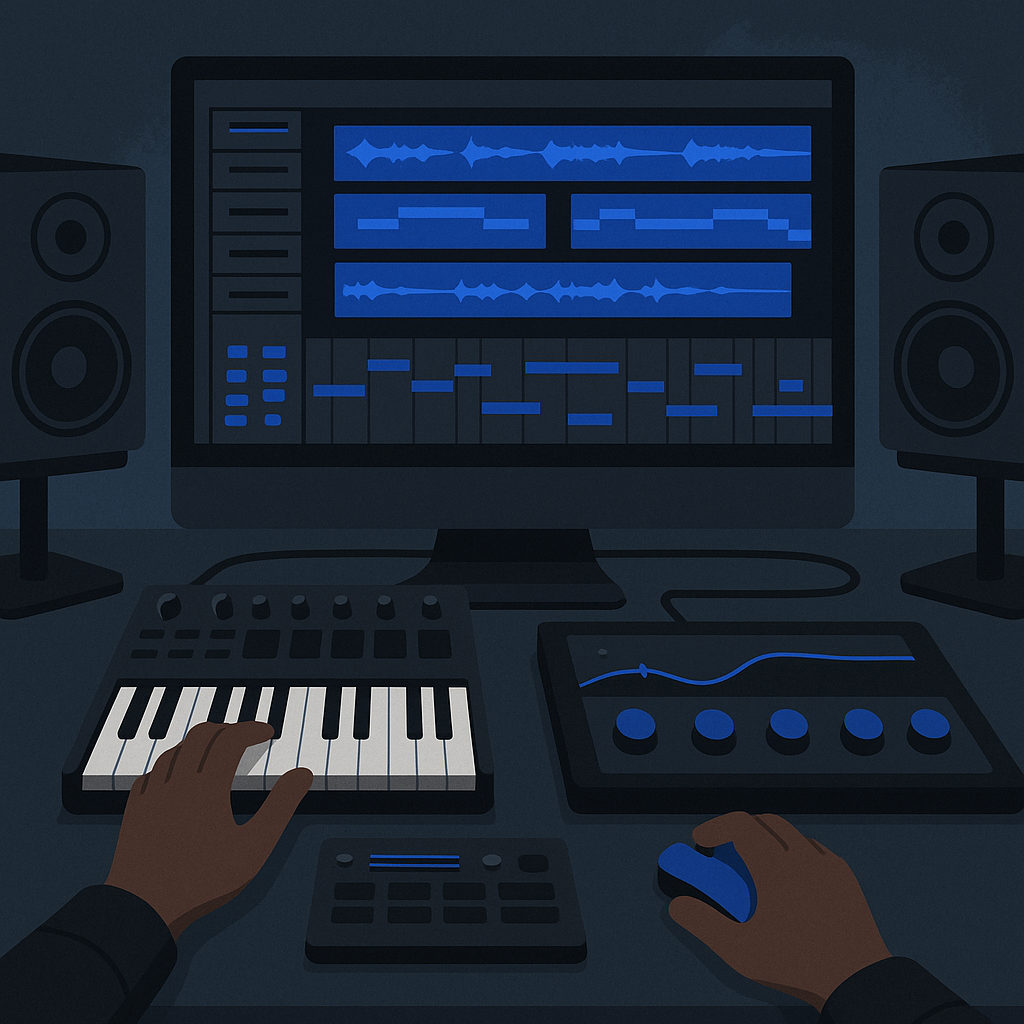
Your tools determine your ceiling. Here’s what serious producers are actually using.
Digital Audio Workstations (DAWs)
Pick a DAW that fits your workflow, not someone else’s. These three are built for cinematic work:
- Logic Pro X: Deep orchestral and cinematic sound library built in. Starts at $199.
- FL Studio: Clean interface, powerful composition tools. Ranges from $99 to $499.
- Ableton Live: The go-to for live performance and electronic integration. Starts at $99.
Plugins and Libraries
The right plugins close the gap between your vision and what comes out of the speakers:
- Spitfire Audio: Industry standard for realistic orchestral libraries. Prices range from $49 to $999.
- Native Instruments Komplete: A comprehensive instrument and effects suite. Starts at $599.
- Omnisphere: Vast atmospheric sound palette. Priced at $499.
Step-by-Step Guide to Creating Soundtrack-Style Instrumentals

Here’s the process, stripped of the noise.
Step 1: Find Your Inspiration
Listen widely before you produce anything. Study existing soundtracks and identify what actually moves you — the mood, the instrumentation, the structure. Know what you’re chasing before you open a session.
Step 2: Sketch Your Ideas
Open your DAW and capture ideas fast. Build a strong melody and harmony first. Don’t edit at this stage. The goal is momentum, not perfection.
Step 3: Develop Your Arrangement
Take your sketch and build it out. Layer instruments deliberately to create depth. Experiment with textures. Every layer should earn its place in the mix.
Step 4: Refine Your Composition
This is where good producers separate from great ones. Listen critically. Tighten transitions. Adjust dynamics. Make sure each section flows into the next without friction.
Step 5: Mixing and Mastering
Balance, EQ, and reverb are not finishing touches — they’re structural decisions. Use professional tools like iZotope Ozone (starting at $129) to ensure your track translates across every playback system.
Next Steps: Bringing Your Instrumentals to Life
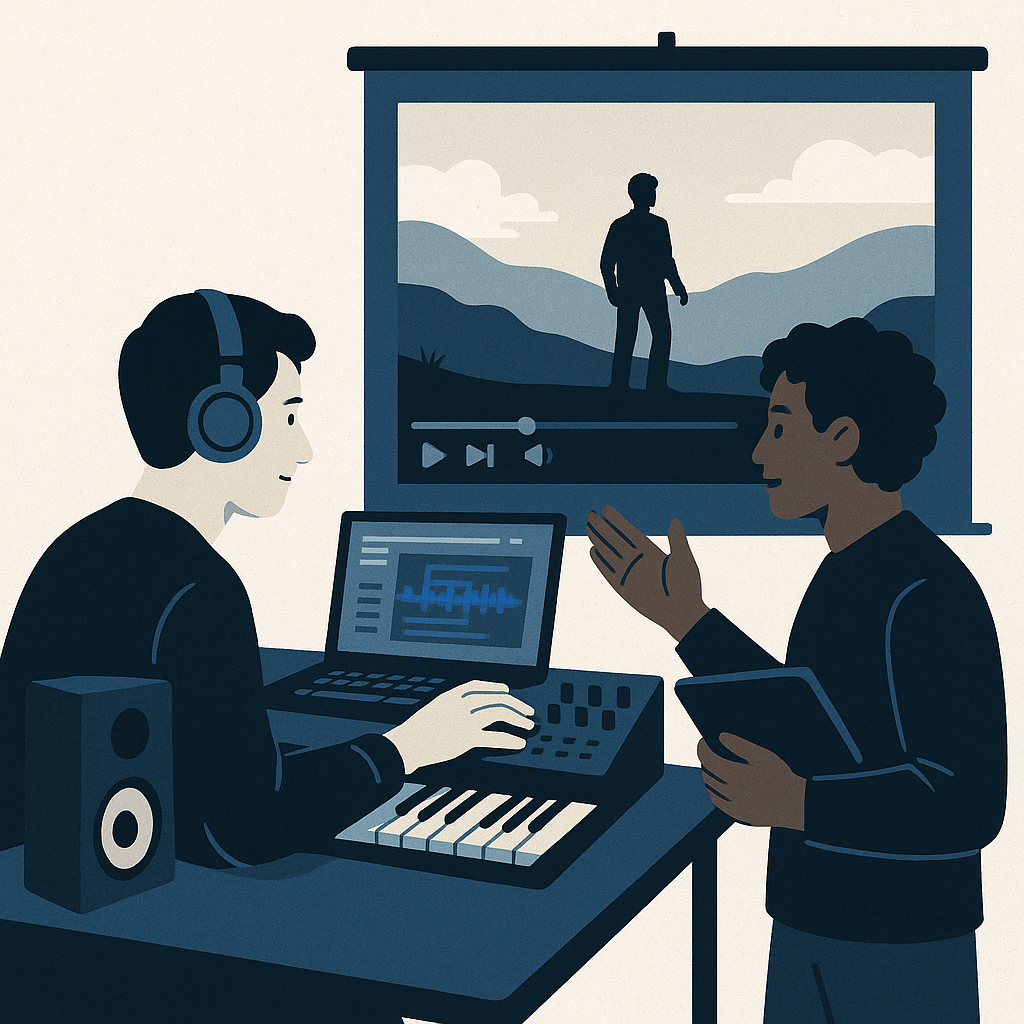
Finishing a track is step one. Here’s how you build on it:
- Collaborate: Connect with filmmakers and game developers. Your music needs a visual home to reach its full impact.
- Showcase Your Work: Publish on SoundCloud or Bandcamp. Build in silence, let the catalog speak.
- Continuous Learning: The producers who win keep studying. Resources like ArcanoLabs Blogs offer practical insights and production tutorials worth bookmarking.
Soundtrack-style production is equal parts craft and discipline. Understand the genre, use the right tools, follow a repeatable process, and your compositions will do what great music always does — make people feel something they can’t explain.
Advanced Techniques in Soundtrack Production
Once the fundamentals are locked in, these techniques push your compositions further. They’re not shortcuts — they’re force multipliers for producers who already know the basics cold.
Utilizing Dynamic Range
Dynamic range is the distance between your quietest moment and your loudest. In cinematic music, that distance is everything. Control it deliberately:
- Crescendos and Decrescendos: Building toward a climax or pulling back creates tension and release. That contrast is what listeners remember.
- Silence as a Tool: A well-placed silence hits harder than most notes. Use it to heighten anticipation before a musical statement lands.
- Volume Automation: Automate volume throughout your track. A static mix is a flat mix.
Incorporating Non-Traditional Instruments
The producers who stand out aren’t using the same palette as everyone else. Expand yours:
- World Instruments: A sitar, duduk, or kalimba introduces cultural texture that synthetic sounds can’t replicate.
- Foley Sounds: Rustling leaves, distant thunder, ambient room tone — these details make a soundscape feel lived in.
- Experimental Sound Design: Use synthesizers to build sounds that don’t exist anywhere else. That’s your signature.
Creating Motifs and Leitmotifs
Recurring musical themes tied to characters, places, or ideas are one of the most powerful tools in cinematic composition. Use them with intention:
- Character Themes: Assign a distinct melody or chord progression to each major character or concept in your project.
- Setting Signatures: Specific instruments or tonal colors can signal a location before a single visual appears.
- Emotional Cues: Deploy motifs to guide listeners into the emotional undercurrent of a scene without them realizing it.
Leveraging Technology for Realistic Orchestration
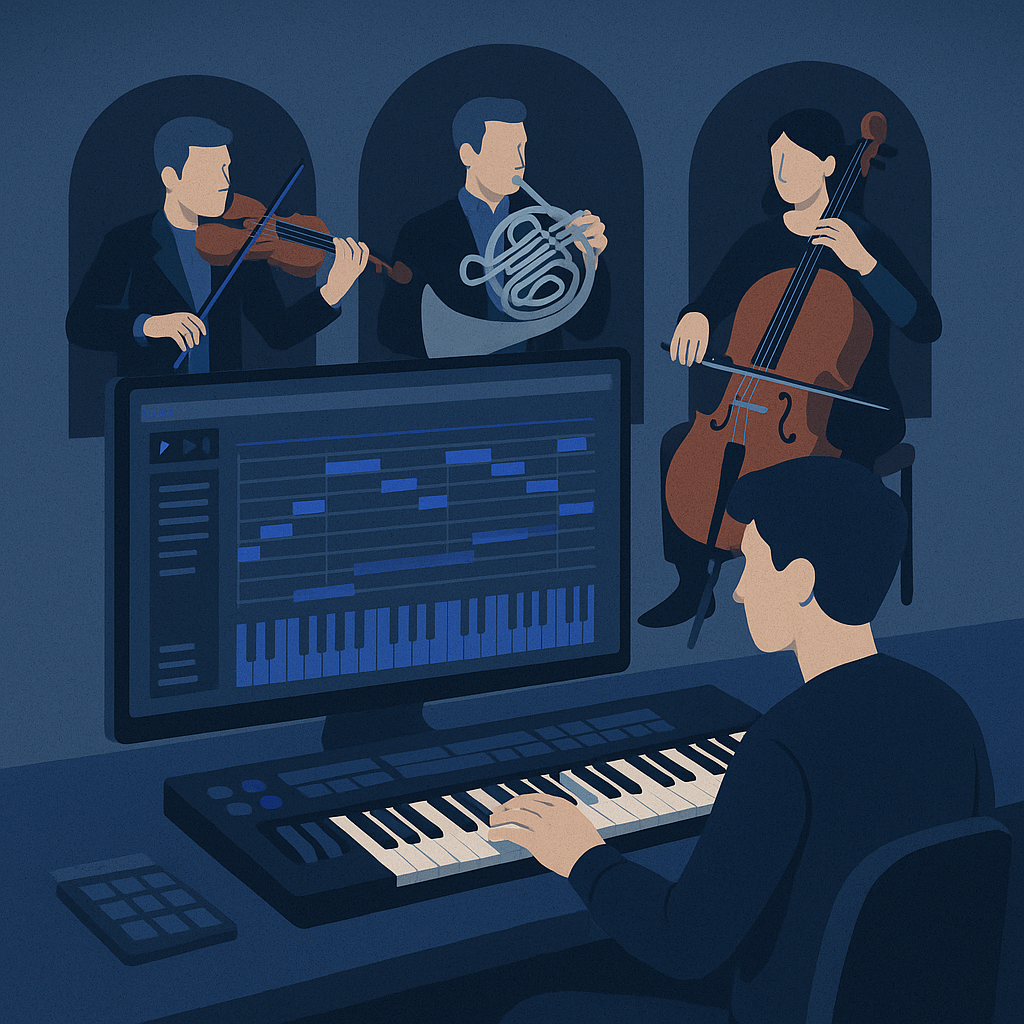
You don’t need a 90-piece orchestra. You need the right approach to samples and controllers. Here’s how to close the gap between digital and real.
Layering Samples
Realistic orchestral sound comes from layering with purpose, not volume:
- Combine Libraries: Pull from multiple sample libraries across different orchestral sections. No single library captures everything authentically.
- Vary Articulations: Mix legato, staccato, and pizzicato. Variation is what makes a performance feel alive.
- Humanization: Slightly offset timing and velocity on individual notes. Live players are never perfectly quantized — your samples shouldn’t be either.
Using MIDI Controllers
A MIDI controller puts expression back in your hands. Use it:
- Expression Pedals: Control dynamics and volume in real time. It adds nuance that automation alone can’t deliver.
- Velocity-Sensitive Keyboards: A velocity-sensitive keyboard captures the intensity of your playing accurately. It’s a worthwhile investment.
- Custom Mapping: Map knobs and sliders to your most-used parameters. Speed matters when you’re in a creative flow.
Case Study: Successful Soundtrack-Style Production
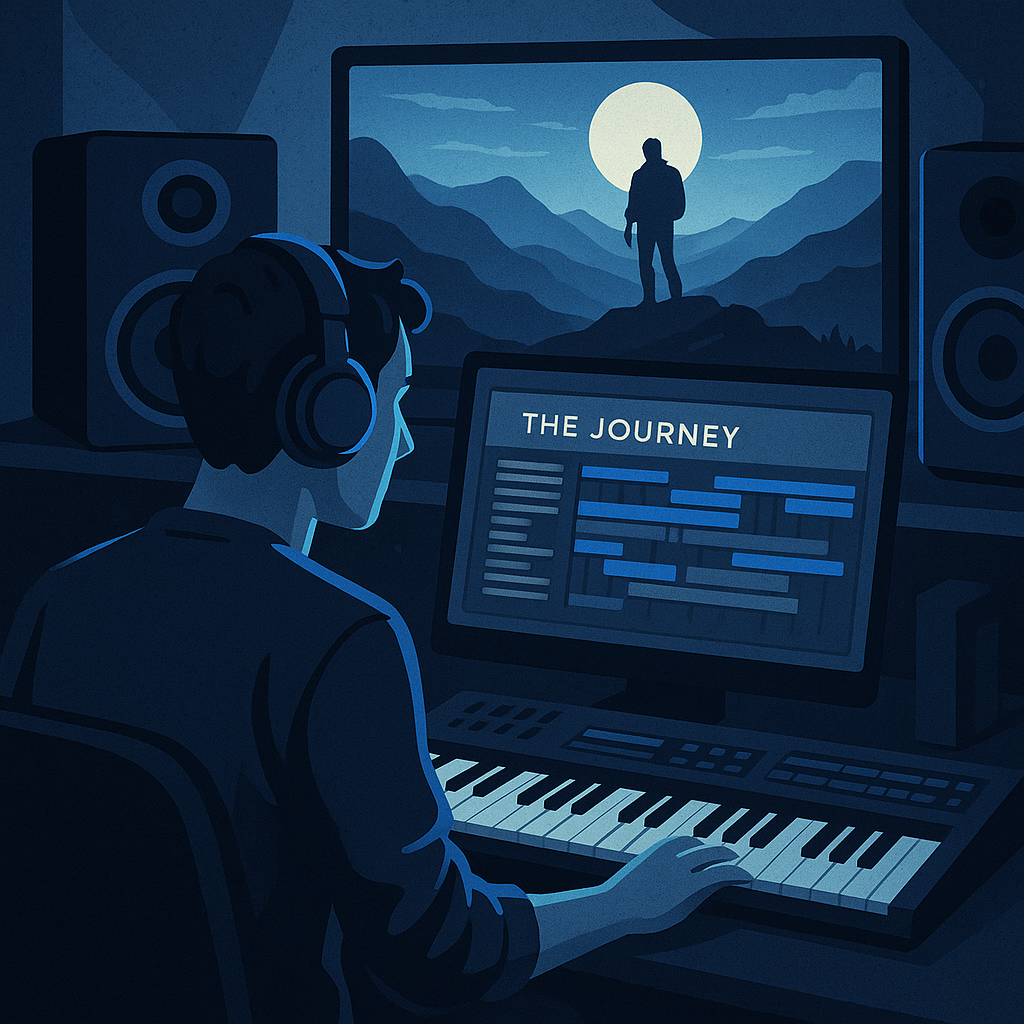
Theory is useful. Real examples are better. Here’s how one producer executed this from concept to final delivery.
Case Study: “The Journey”
“The Journey” is a soundtrack-style instrumental produced by Alex Rivera for an indie film. It’s a clean example of motifs and dynamic range working together at a professional level.
- Project Overview: The film needed a score that carried both adventure and emotional weight across a 90-minute runtime.
- Creative Process: Alex mapped the film’s key emotional beats first, then built motifs around the main characters and locations before writing a single note.
- Technical Execution: Working in Logic Pro X, he layered orchestral samples from Spitfire Audio and brought in live solo violin recordings to add authenticity where it mattered most.
- Outcome: The score was recognized for strengthening the film’s narrative — audiences felt the story more deeply because of what they heard.
The takeaway is straightforward. A deliberate approach to composition, combined with smart use of available technology, produces work that holds up. Build the system, execute it cleanly, and let the music do the rest.

Leave a Reply