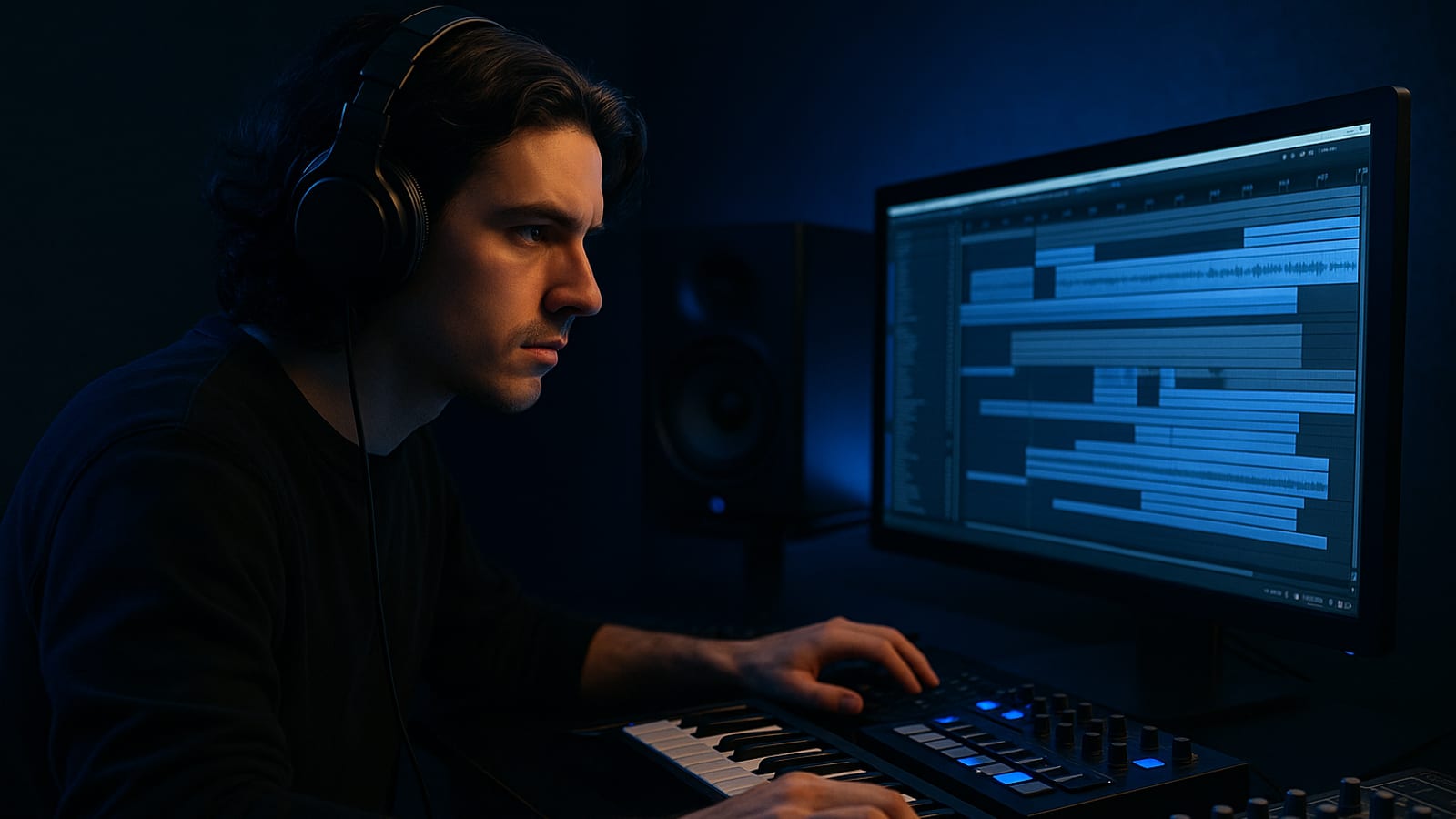
Mastering the Art of Creating Cinematic Soundscapes: A Step-by-Step Guide for Music Producers
Most producers chase the sound they hear in trailers and film scores without understanding what actually builds it. Cinematic soundscapes are not a genre. They are a discipline. Master the craft, and you can transport a listener to a place that exists nowhere except inside your session file. This guide gives you the exact steps, tools, and techniques to build that skill from the ground up.
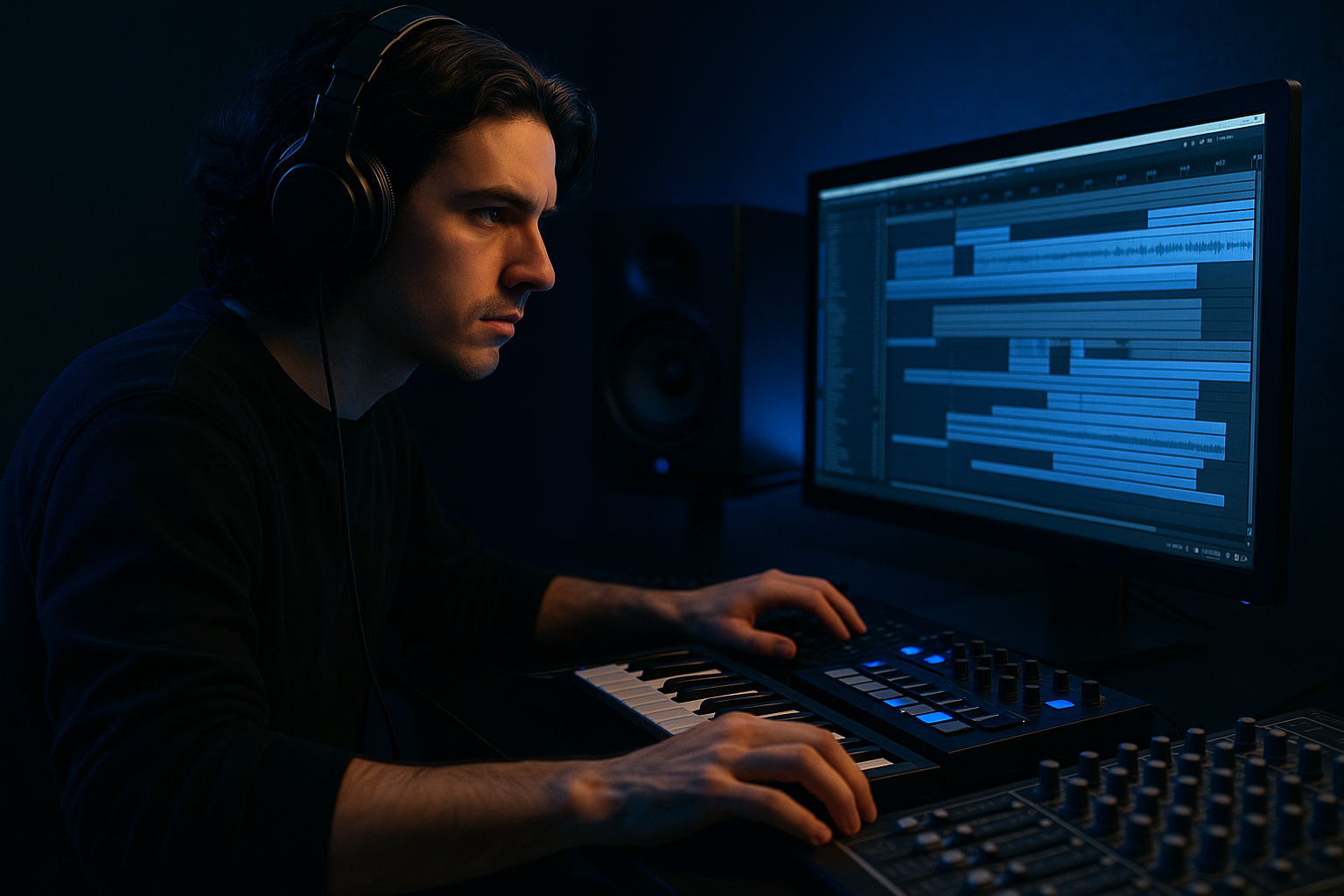
Understanding Cinematic Soundscapes
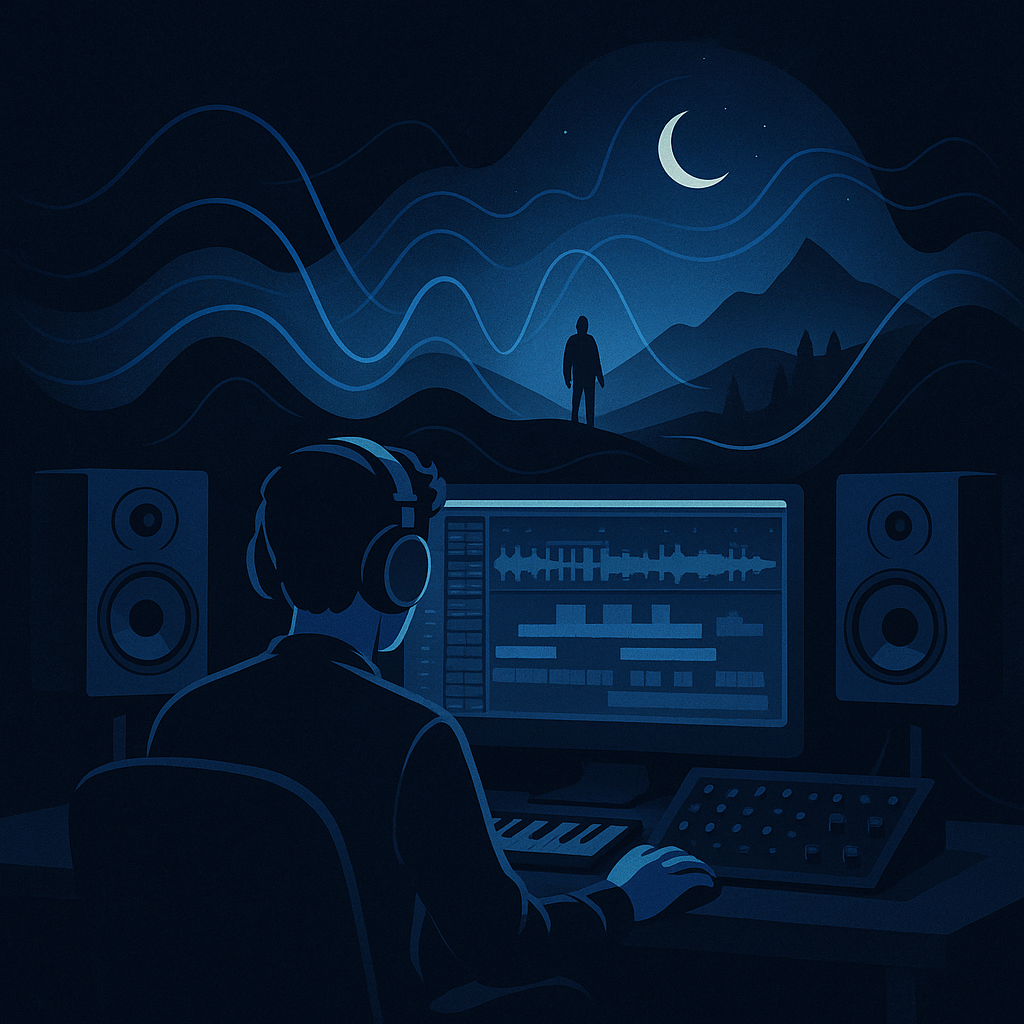
A cinematic soundscape is not background music. It is storytelling through sound. It sets the emotional stakes before a single word is spoken. To build one that actually works, you need to understand the three elements that carry the weight.
- Texture: Layered sound that creates depth and complexity beneath the surface.
- Dynamics: The controlled variation in loudness that drives emotion and intensity.
- Ambience: Environmental sound that grounds the listener in a specific world.
Each element does a specific job. None of them are optional. When all three work together, the listener stops analyzing and starts feeling. That is the target.
Step 1: Selecting the Right Tools
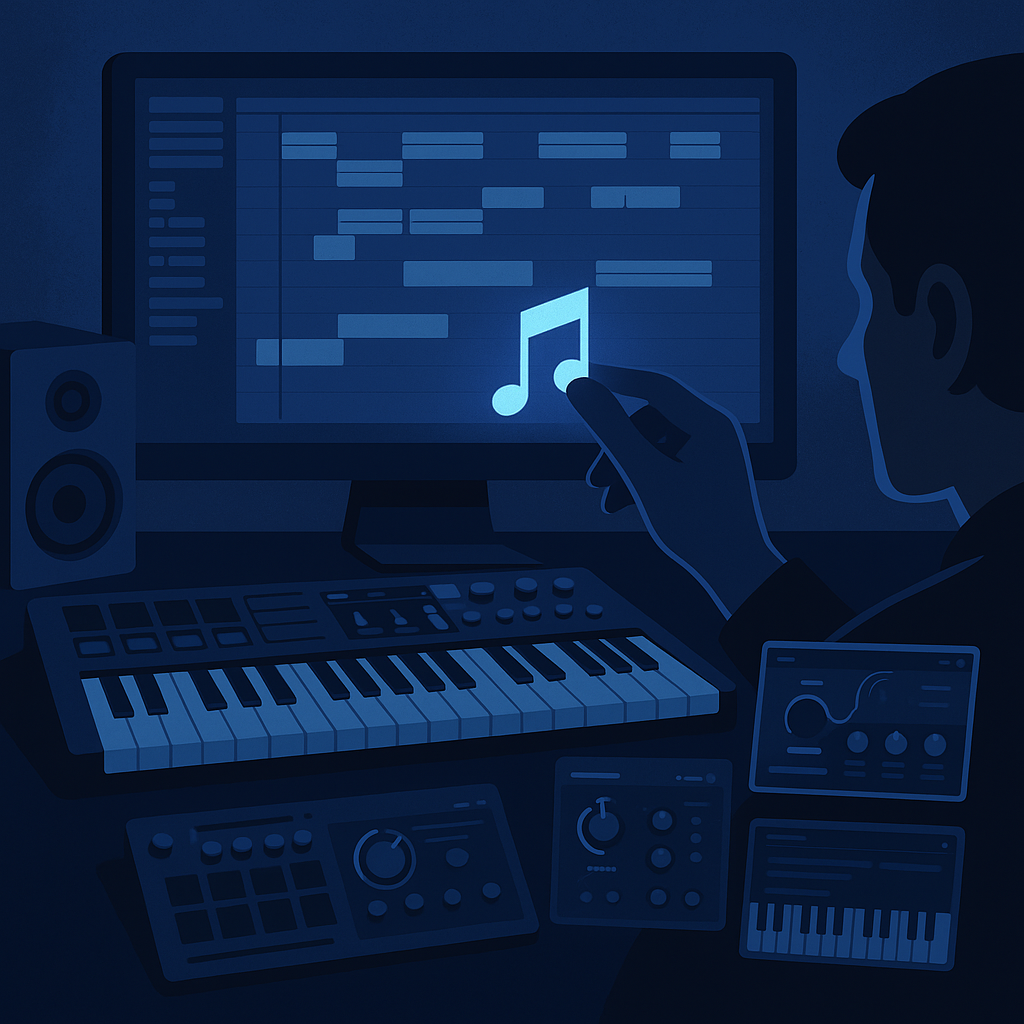
The market is flooded with DAWs, plugins, and sample libraries. Most of it is noise. Professionals who build in silence and produce at a high level tend to rely on the same short list of tools that actually deliver.
- Logic Pro X: Clean interface, deep sound library, and a workflow that stays out of your way. Around $199.99.
- Native Instruments Kontakt: The industry standard for orchestral and atmospheric samples. Libraries start at $99 and scale up from there.
- Omnisphere: A synthesizer with one of the largest sound libraries available. Retails at approximately $499 and earns that price.
These are not the only options. They are the ones that give you the flexibility and depth to build complex soundscapes without fighting your own software. Invest in the right tools once and stop revisiting that decision.
Step 2: Crafting Your Sound Palette
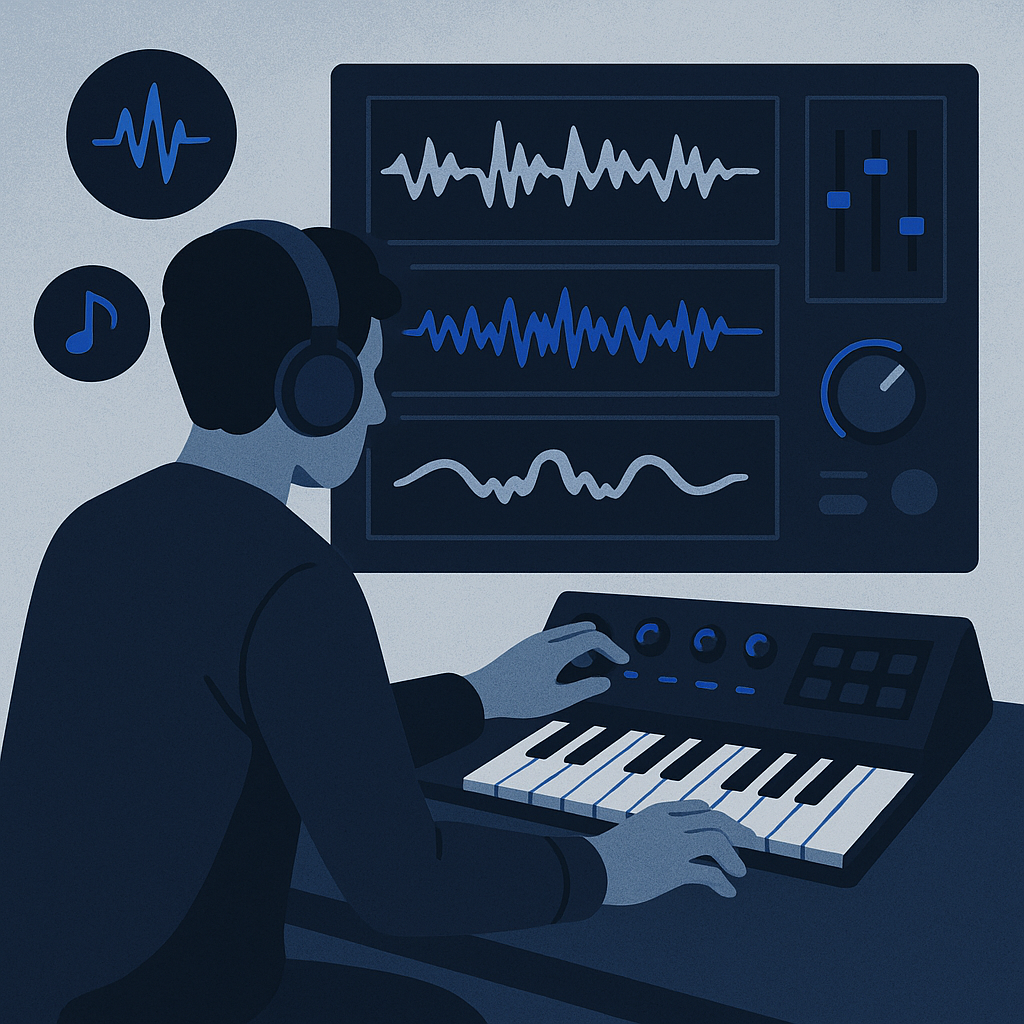
Your tools are ready. Now you build the palette. This is where your creative fingerprint starts to form. Every sound you choose either serves the mood or dilutes it. There is no neutral.
- Sample Selection: Pick sounds that pull in the same emotional direction. Tension, serenity, dread, wonder — decide first, then select.
- Layering: Stack pads, drones, and atmospheric elements to build genuine depth. One sound is a note. Three sounds working together is a world.
- Processing: Reverb, delay, and modulation shape how sounds occupy space. Automate parameters over time to keep the soundscape alive and moving.
A well-crafted palette does half the compositional work before you arrange a single bar. Build it deliberately and the rest of the session becomes faster and more focused.
Step 3: Composing the Soundscape
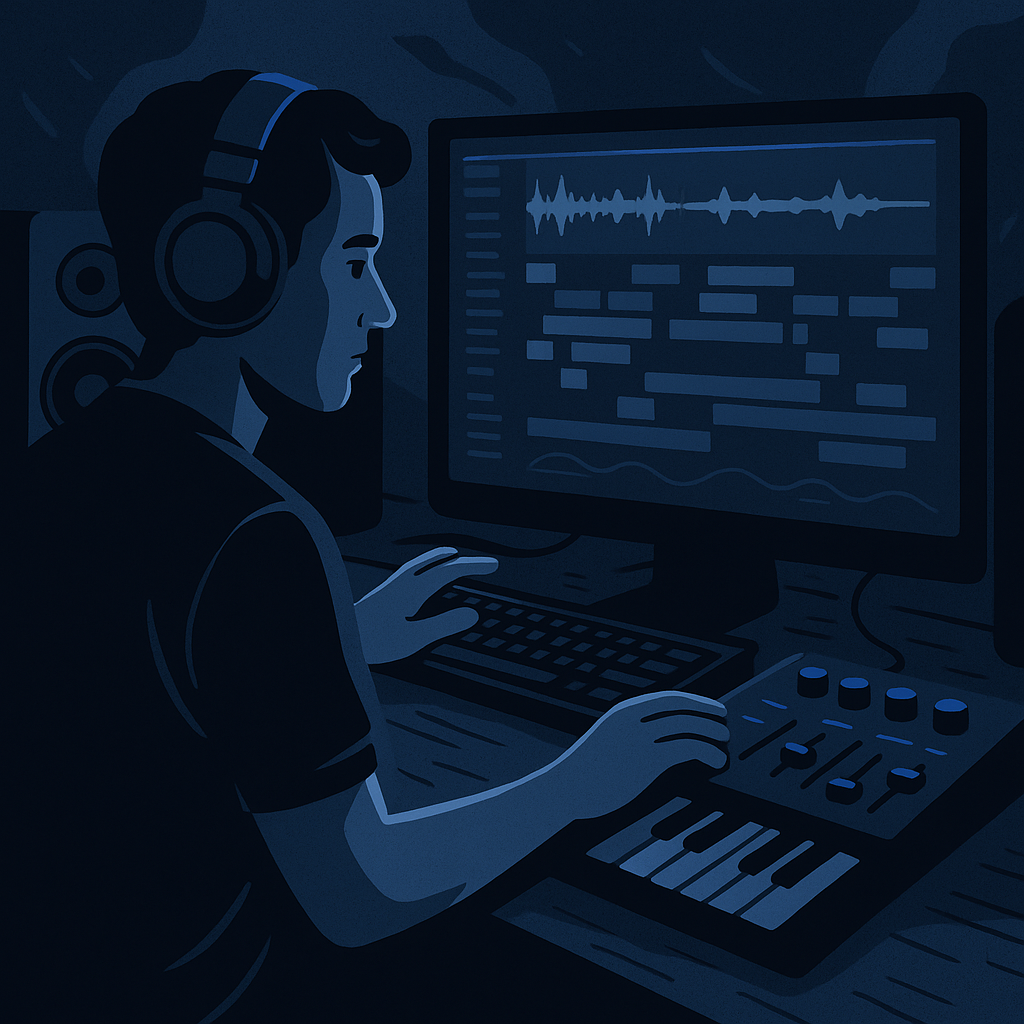
Palette built. Now arrange it into something that moves. Composition is where your sounds stop being ingredients and start being a story.
- Structure: Decide whether your soundscape follows a defined arc or flows freely. Both work. Ambiguity does not. Know your choice before you start arranging.
- Transitions: Abrupt cuts break immersion. Smooth transitions between sections keep the listener inside the experience rather than outside it.
- Dynamics: Build tension, then release it. Guide the listener through an emotional arc. If the energy never shifts, the piece flatlines.
Think about how each element interacts with everything around it. The goal is a cohesive piece that pulls the listener forward from the first second to the last.
Step 4: Mixing and Mastering
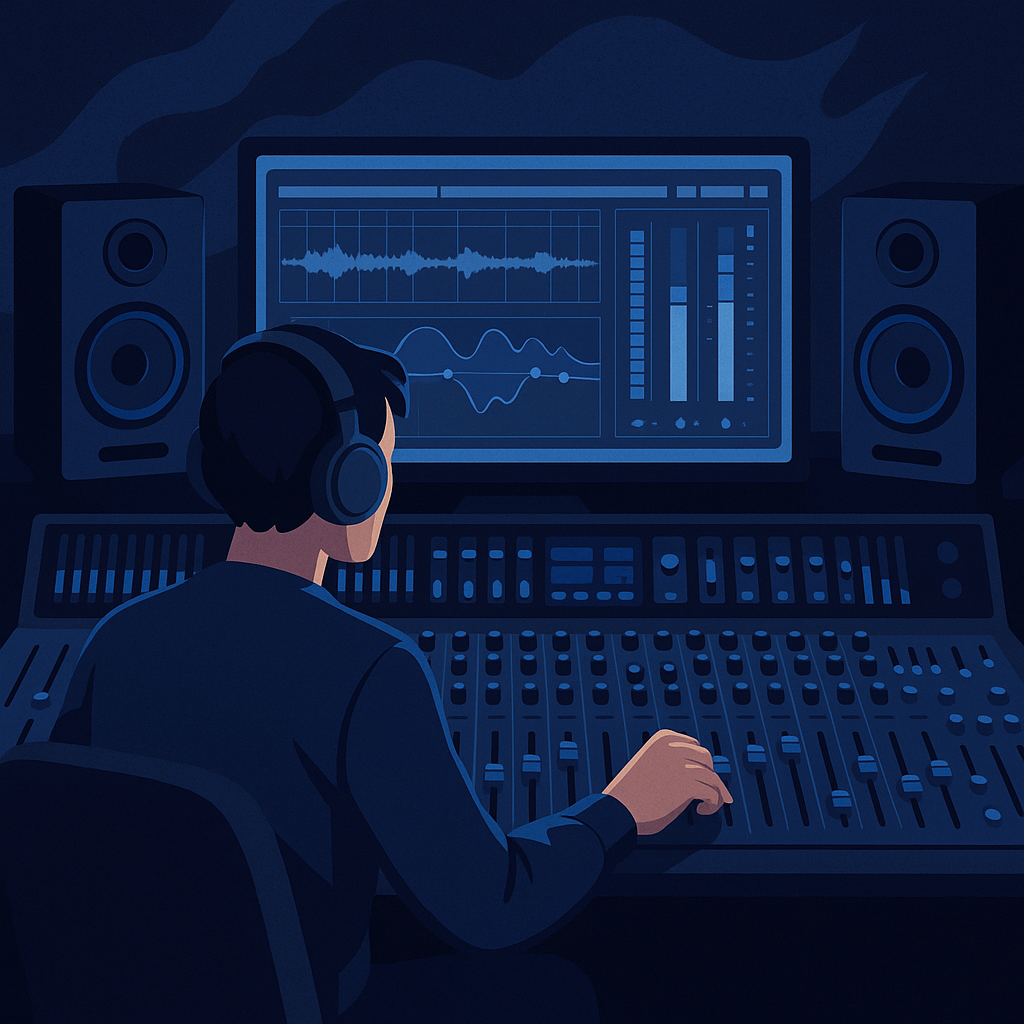
A great composition buried in a bad mix is still a bad result. Mixing and mastering are what separate a demo from a deliverable.
- Balancing Levels: Every element needs its own space. Nothing should dominate unless you intend it to.
- EQ and Compression: EQ carves room for each sound in the frequency spectrum. Compression controls the dynamic range so the mix breathes without losing control.
- Final Touches: Apply final effects and adjustments to unify the overall sound and prepare it for distribution.
If you are new to mixing and mastering, hire a professional or use a reputable online service. A strong mix protects everything you built in the steps before it.
Next Steps: Bringing Your Soundscapes to Life
You now have the framework. The only thing left is to execute it. Start experimenting with the tools and techniques outlined above. Test relentlessly. Push into sonic territory that makes you uncomfortable. That is where the interesting work happens.
If you want to build these skills into a larger digital operation, visit ArcanoLabs for resources on web and mobile applications that can extend the reach of your work. The ArcanoLabs blog covers automation and scalable digital systems built for creators who want to build in silence and earn in peace.
Cinematic soundscapes done right do not just sound good. They leave a mark. They make the listener remember exactly where they were when they first heard it. That is the standard worth building toward.
Start the session. Run the experiment. Let the work compound.
Advanced Techniques for Enhancing Cinematic Soundscapes
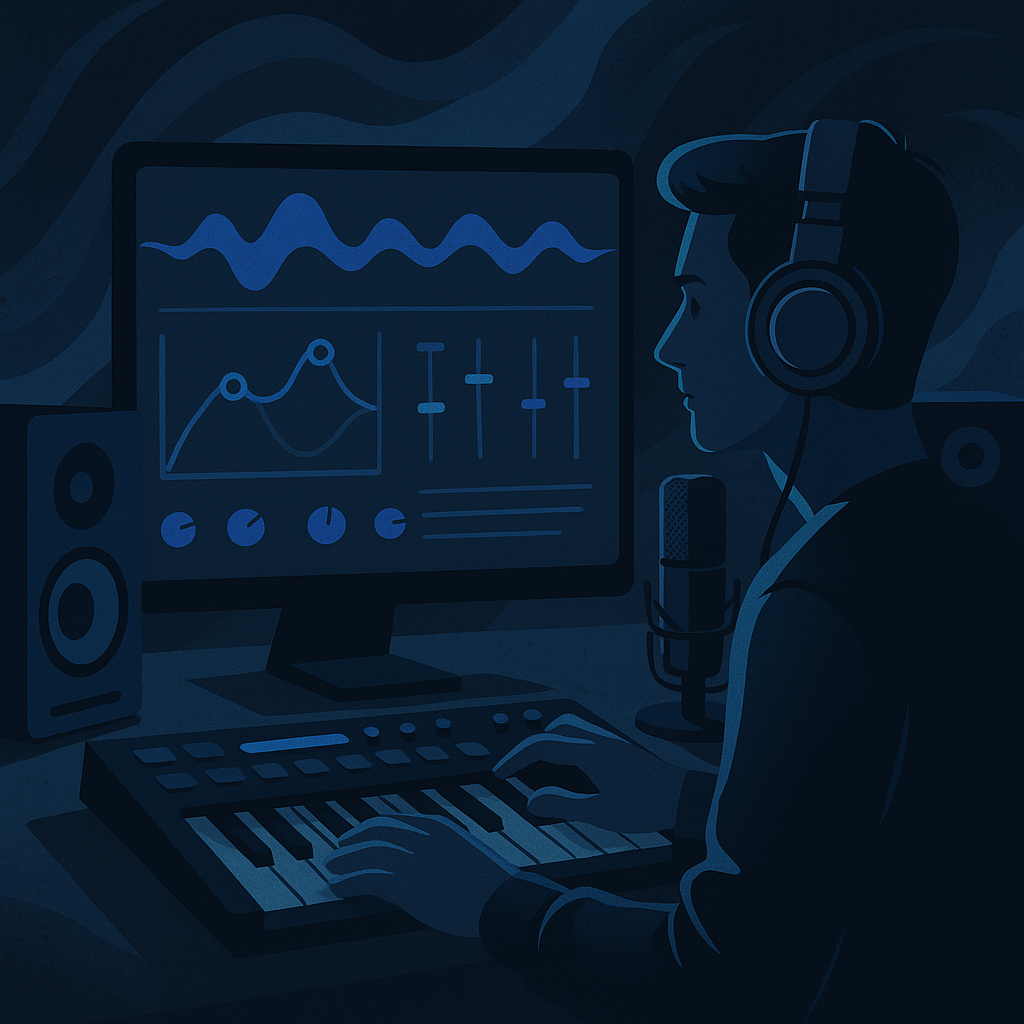
Once the fundamentals are locked in, the producers who separate themselves go further. These advanced techniques add the kind of complexity and specificity that makes a soundscape feel like it could only have come from you.
Utilizing Field Recordings
Field recordings inject realism that no synthesizer can fully replicate. Capture sounds from nature, urban environments, or unusual locations and use them as ambient layers or focal points inside your compositions.
- Location Scouting: Match the location to the emotional theme. A city street adds friction and tension. A quiet forest pulls the listener toward stillness.
- Recording Equipment: Invest in a quality portable recorder. The Zoom H4n Pro is a reliable choice for capturing clean, detailed audio in the field.
- Integration: Layer field recordings alongside synthesized sounds. Dial in EQ and reverb until they sit naturally inside the mix without calling attention to themselves.
Exploring Unconventional Sound Sources
The most distinctive soundscapes are built from sounds nobody else thought to use. Expand your source material beyond traditional instruments and samples.
- Found Sounds: Rustling paper, clinking glass, a refrigerator hum — ordinary objects produce extraordinary raw material when treated correctly.
- Sound Manipulation: Use tools like PaulStretch for extreme time-stretching or pitch-shifting to turn mundane recordings into something ethereal and unrecognizable.
- Granular Synthesis: Break sounds into microscopic grains and reassemble them. Tools like Granulizer can generate evolving textures from the simplest source material.
Collaborating with Visual Artists
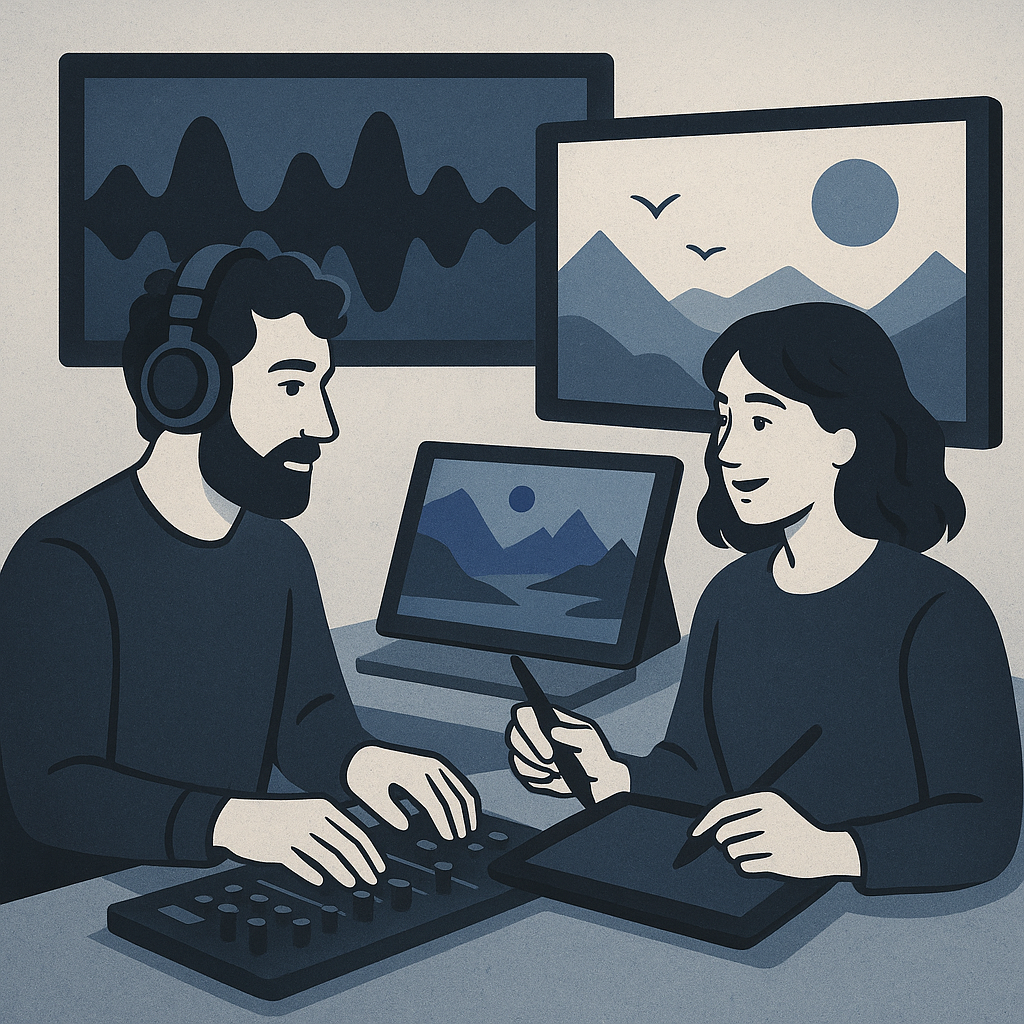
Sound and image are not separate disciplines. When they are built in conversation with each other, both become stronger. Collaborating with visual artists opens dimensions in your work that solo production cannot reach.
Building Synergy with Visuals
Whether the context is film, a video game, or a live performance, your soundscape needs to serve the visual story, not compete with it.
- Storyboarding Sessions: Sit with the visual artist early. Understand the emotional beats the scene demands before you write a single note.
- Synchronized Editing: Use video editing software to lock your soundscape to visual cues. When audio and image hit the same moment together, the impact multiplies.
- Feedback Loops: Build an iterative review process between you and the visual artist. Refine both elements in response to each other until neither one needs the other explained.
Key Performance Indicators (KPIs) for Soundscape Success
You cannot improve what you do not measure. Track the right signals and you will know exactly where your soundscapes are landing and where they are falling short.
- Audience Engagement: Monitor comments, shares, and saves on every platform where your work is published. Engagement patterns tell you what is resonating.
- Emotional Impact: Collect direct feedback through surveys or testimonials. Quantify the emotional responses your soundscapes produce and use that data to sharpen your approach.
- Collaboration Requests: An uptick in inbound requests from other artists or media producers is a clear signal that your work is being noticed by the right people.
Apply these advanced techniques consistently. Track the KPIs that matter. The producers who build in silence and test relentlessly are the ones whose work compounds over time — in quality, in reach, and in opportunity.

Leave a Reply