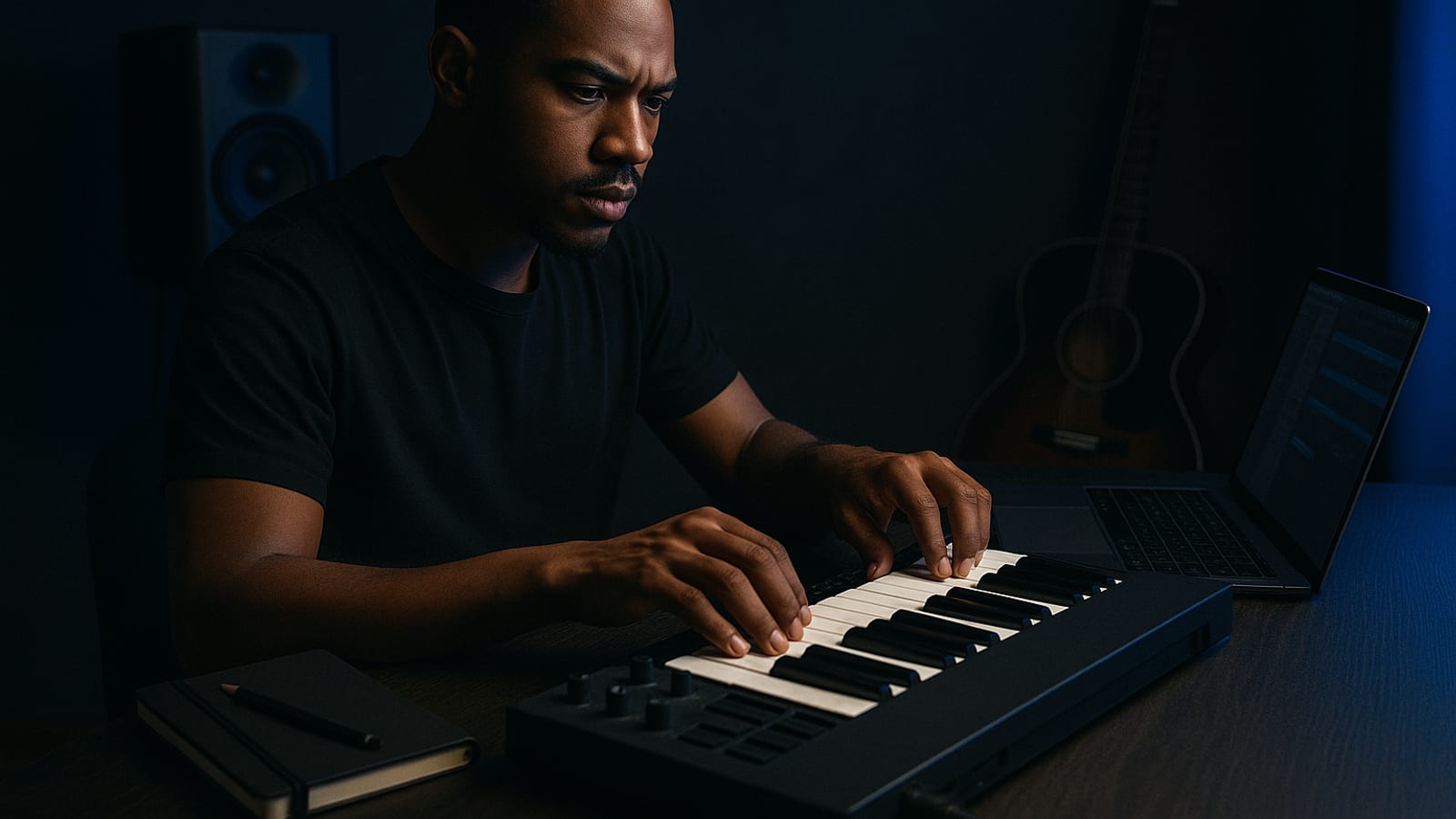
Intentional and Disciplined Themes in Music Creation
Most artists wait for inspiration to strike. The ones who build lasting bodies of work don’t wait. They show up with a clear theme, a disciplined process, and the patience to let the work compound. This guide breaks down exactly how you develop intentional themes in your music—with practical steps, the right tools, and real examples from artists who got it right.
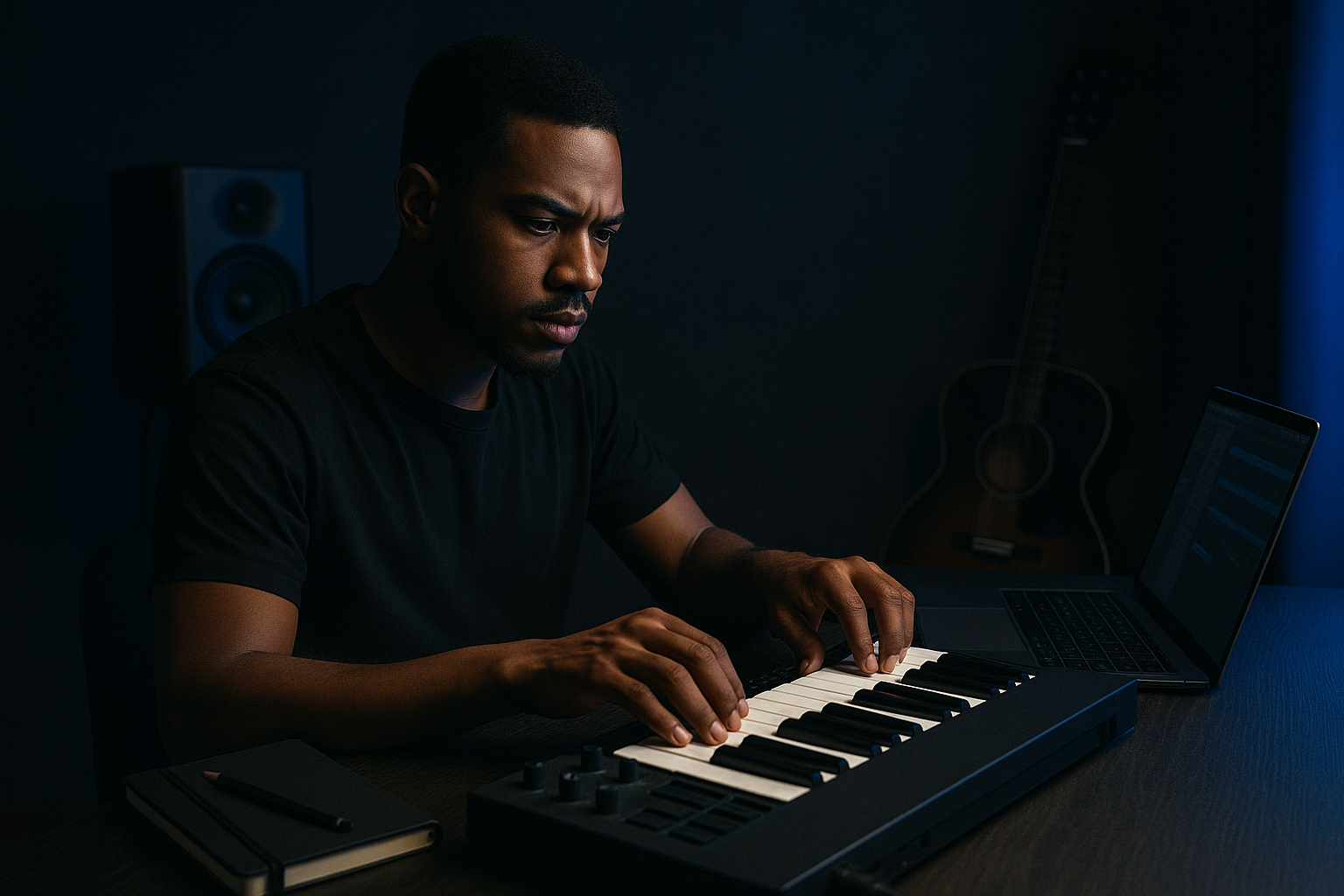
The Power of Intentional Themes in Music
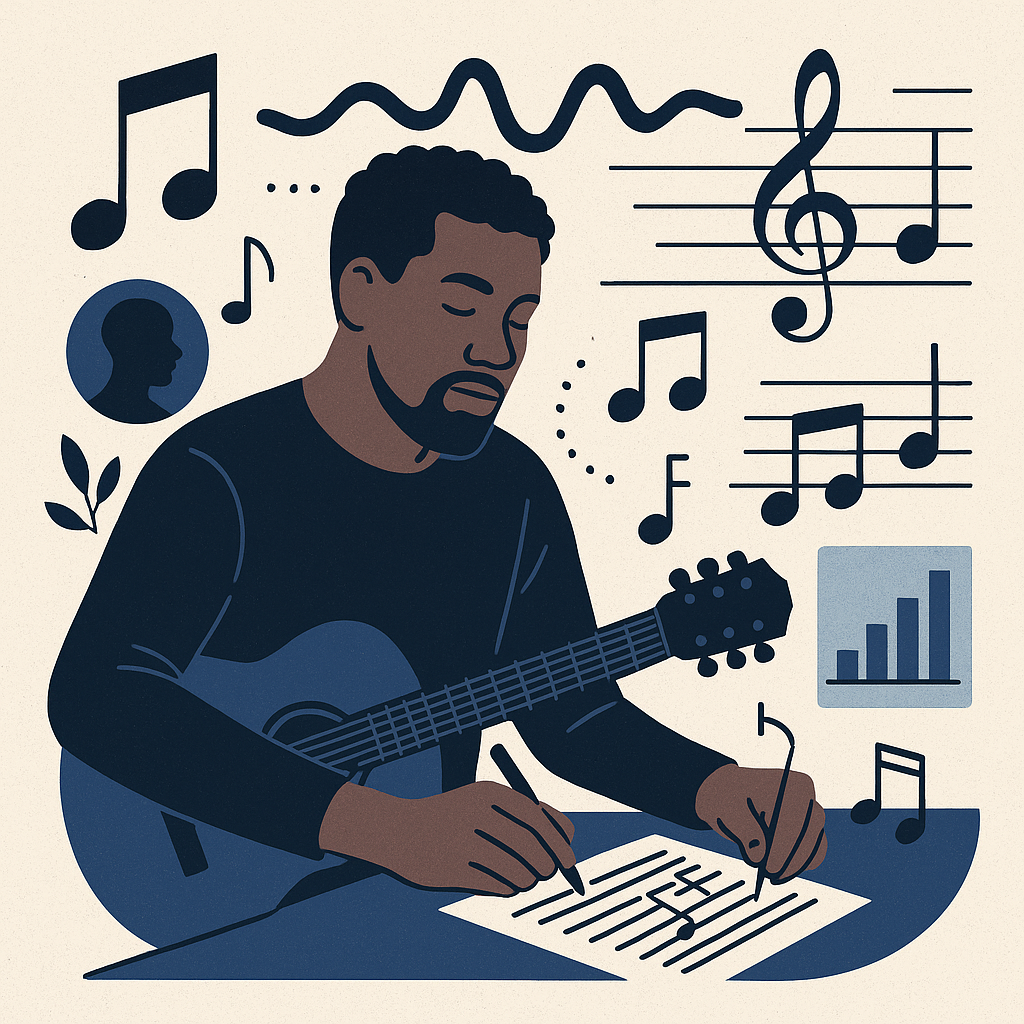
Intentional themes are the backbone of memorable music. They give the creative process a spine—every lyric, instrument choice, and arrangement decision either serves the theme or it doesn’t. Kendrick Lamar’s “To Pimp a Butterfly” is the clearest example. Themes of racial identity and personal struggle run through every track. Nothing is accidental. The result is a cohesive body of work that hits listeners on multiple levels simultaneously.
Start with a clear concept. A personal experience. A social issue. An abstract idea you can’t stop thinking about. Once you have it, every element of the song becomes a test: does this serve the theme, or does it dilute it?
Step-by-Step Guide to Developing Intentional Themes
- Identify Your Core Message: Ask yourself what you actually want to communicate. An emotion. A story. A commentary on something real. Get specific before you touch an instrument.
- Research and Reflect: Go deep. Read books, watch documentaries, sit with personal experiences that connect to your message. Surface-level themes produce surface-level music.
- Draft a Concept Map: Map out how the different elements of your theme connect. Seeing the structure visually helps you spot gaps before you’re deep in production.
- Align Musical Elements: Choose instruments, rhythms, and harmonies that reinforce the theme. A melancholic theme earns minor keys and slower tempos. Make every sonic choice deliberate.
- Iterate and Refine: Revise until every component earns its place. Bring in trusted peers for feedback. Fresh ears catch what familiarity hides.
Tools and Resources for Theme Development

Inspiration gets you started. The right tools get you finished. Here’s what serious artists use to develop and sharpen their themes:
- DAWs (Digital Audio Workstations): Ableton Live and FL Studio let you experiment with sounds and arrangements until the music matches the idea in your head. Basic versions start around $99. Non-negotiable for anyone building with intention.
- Lyric Writing Software: MasterWriter and LyricStudio give you databases of words and phrases that help you articulate themes with precision. Monthly subscriptions typically start at $9.99.
- Music Theory Apps: Tenuto and Theory Lessons cover scales, chords, and progressions—the mechanics that make your theme land emotionally. Most offer free versions with premium features available for a small fee.
For deeper insight into music creation tools, explore our blog on digital music production.
Case Studies: Artists Who Mastered Intentional Themes

Study the artists who got this right. Their work is a blueprint.
- Beyoncé’s “Lemonade”: A masterclass in thematic discipline. Betrayal, empowerment, and cultural heritage thread through every track without exception. No song exists outside the narrative. The result is a body of work that functions as a single, unified statement.
- Childish Gambino’s “This Is America”: Stark contrasts and vivid imagery carry themes of racial inequality and American identity. The sudden tempo shifts aren’t stylistic accidents—they’re deliberate reinforcements of the message. Every production choice serves the argument.
Both examples prove the same thing: when every element of a song answers to the theme, the work becomes impossible to ignore. That’s the standard worth building toward.
Maintaining Discipline in the Creative Process
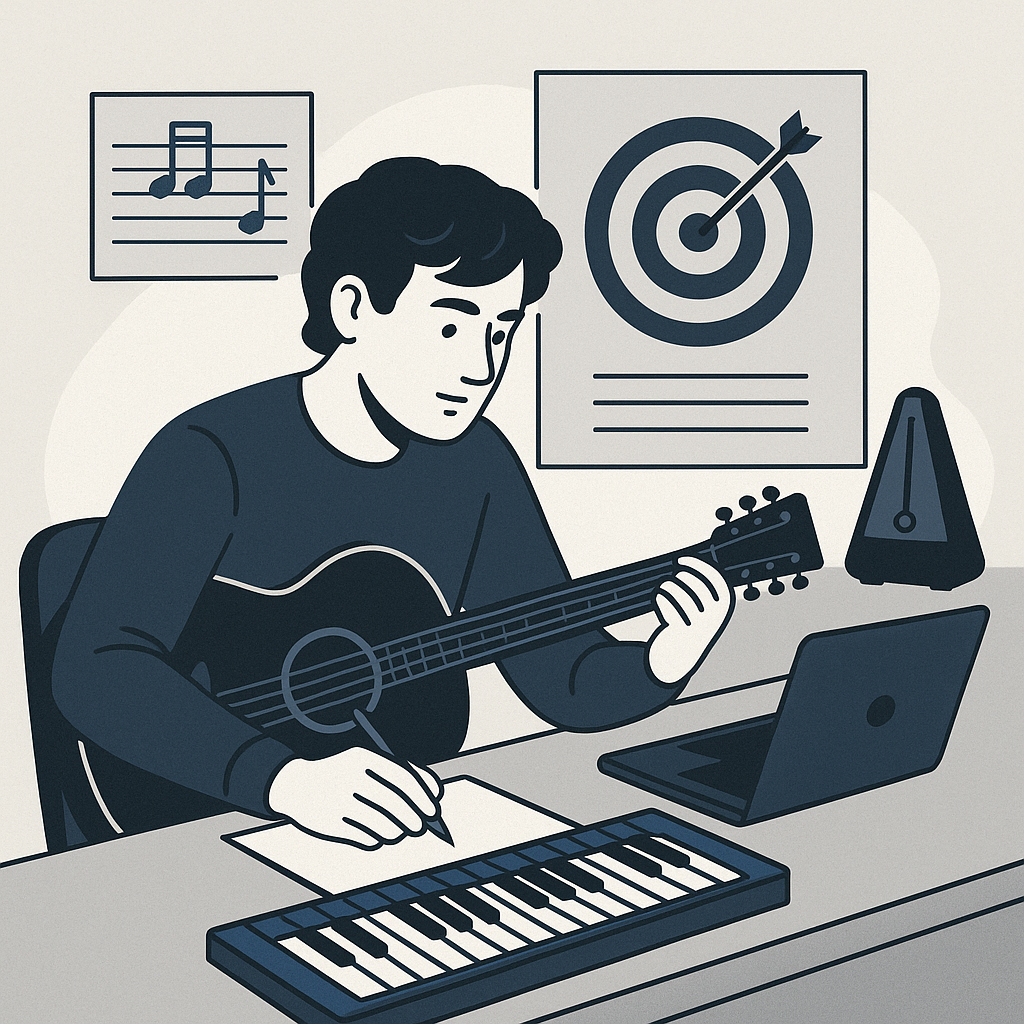
Inspiration opens the door. Discipline is what gets you through it consistently. Here’s how to stay on track:
- Set Clear Goals: Define exactly what you want to accomplish in each session—writing lyrics, testing a chord progression, refining an arrangement. Vague sessions produce vague results.
- Create a Routine: Show up on a schedule. Consistency builds momentum and keeps your instincts sharp. The artists who build in silence and earn in peace treat their creative time like a system, not a mood.
- Use Project Management Tools: Trello or Asana keep your tasks organized, your progress visible, and your thematic elements accounted for. Treat your project like an operator, not a hobbyist.
- Embrace Feedback: Share your work with a trusted network. Constructive criticism surfaces blind spots and tightens the theme before it reaches an audience.
For more strategies on maintaining discipline in creative projects, visit our documentation page.
Actionable Next Steps
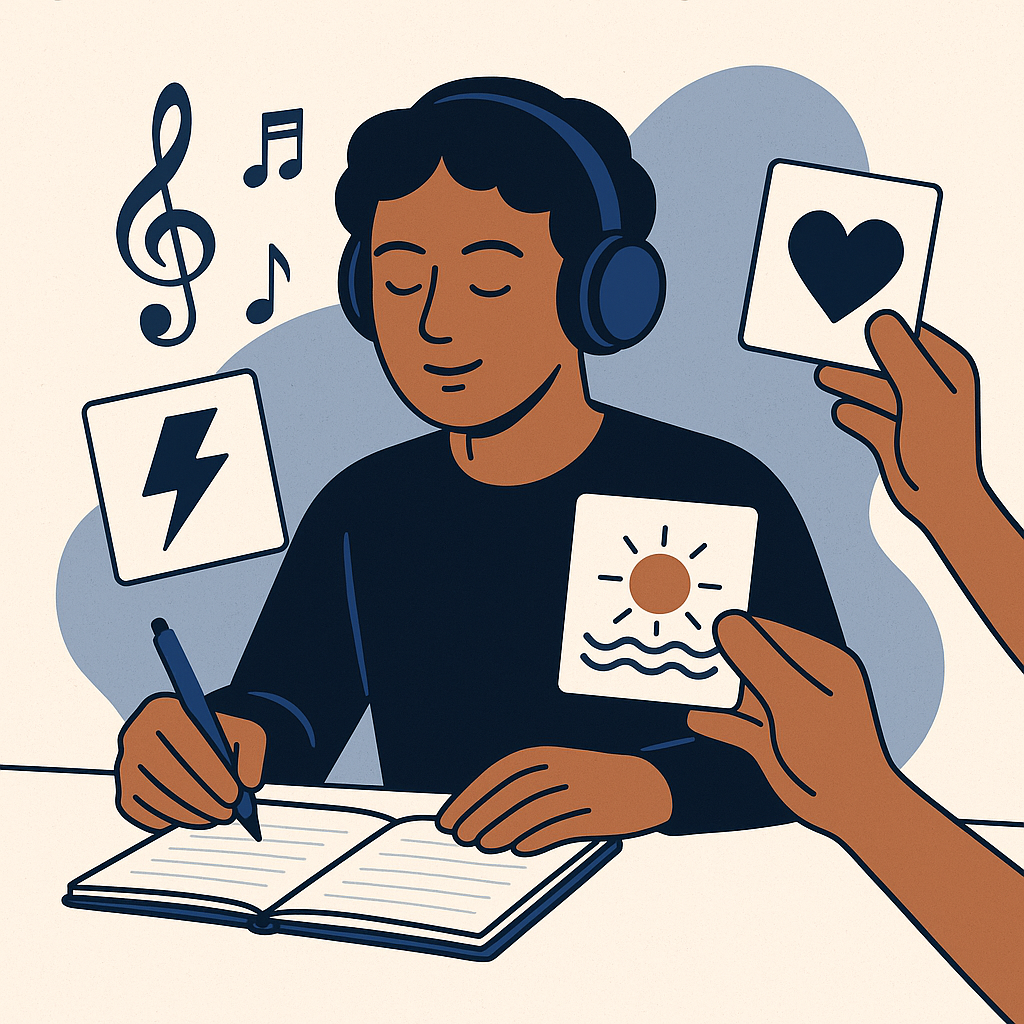
You have the framework. Now execute it. Here’s where to start:
- Choose a Theme: Pick one for your next project and run it through every step outlined above. Commit to it fully before you start producing.
- Experiment with Tools: Test different DAWs and lyric writing software until you find what fits your workflow. The right tools remove friction between the idea and the output.
- Analyze Successful Works: Study albums that resonate with you. Identify the themes, the techniques, and the decisions that made them land. Then apply that lens to your own work.
- Join a Community: Connect with other artists who are building seriously. Share your progress, absorb their perspectives, and let the accountability sharpen your output.
The balance between inspiration and discipline isn’t a creative philosophy—it’s a production system. Build it deliberately and the results compound over time.
For artists ready to go deeper on music themes and craft, TruZillah offers a strong library of resources and a community of artists who take their work seriously. Worth exploring.
Using Collaboration to Strengthen Intentional Themes

The right collaborator doesn’t dilute your theme—they sharpen it. Working with other artists, producers, or songwriters introduces perspectives you can’t generate alone. Here’s how to make collaboration work for the theme, not against it:
- Identify Complementary Skills: Find collaborators whose strengths fill your gaps. Strong in melody but weak in lyrics? Partner with a skilled lyricist. The goal is a tighter theme, not a busier credit list.
- Communicate Your Vision: Lay out the theme clearly before anyone touches a track. Alignment upfront protects the integrity of the work throughout the process.
- Embrace Diverse Perspectives: Invite collaborators to bring their own experiences to the project. Depth and nuance come from real perspectives, not manufactured ones. A broader human truth makes the theme more resonant.
- Use Technology for Remote Collaboration: Splice and Soundtrap let you share tracks and ideas in real time across any distance. Geography is no longer a barrier to finding the right collaborator.
Metrics for Evaluating Theme Impact
When the music is out, the work isn’t done. You need to know whether the theme landed. Track these indicators:
- Audience Engagement: Streaming numbers, social media interactions, and comments tell you whether the theme is connecting. Watch the patterns, not just the totals.
- Critical Reception: Reviews from music critics and industry professionals signal whether your thematic intent translated. Consistent praise for cohesion and depth means it did.
- Fan Feedback: Go direct. Surveys and Q&A sessions reveal how listeners interpret and connect with the theme. That data is more honest than any algorithm.
- Longevity and Replayability: A song built around a compelling theme keeps attracting listeners long after release. Track whether your numbers hold over time. Sustained attention is the clearest signal that the theme did its job.
Collaboration and measurement aren’t afterthoughts. They’re part of the system. Build them in from the start and your intentional themes will compound into work that lasts.

Leave a Reply