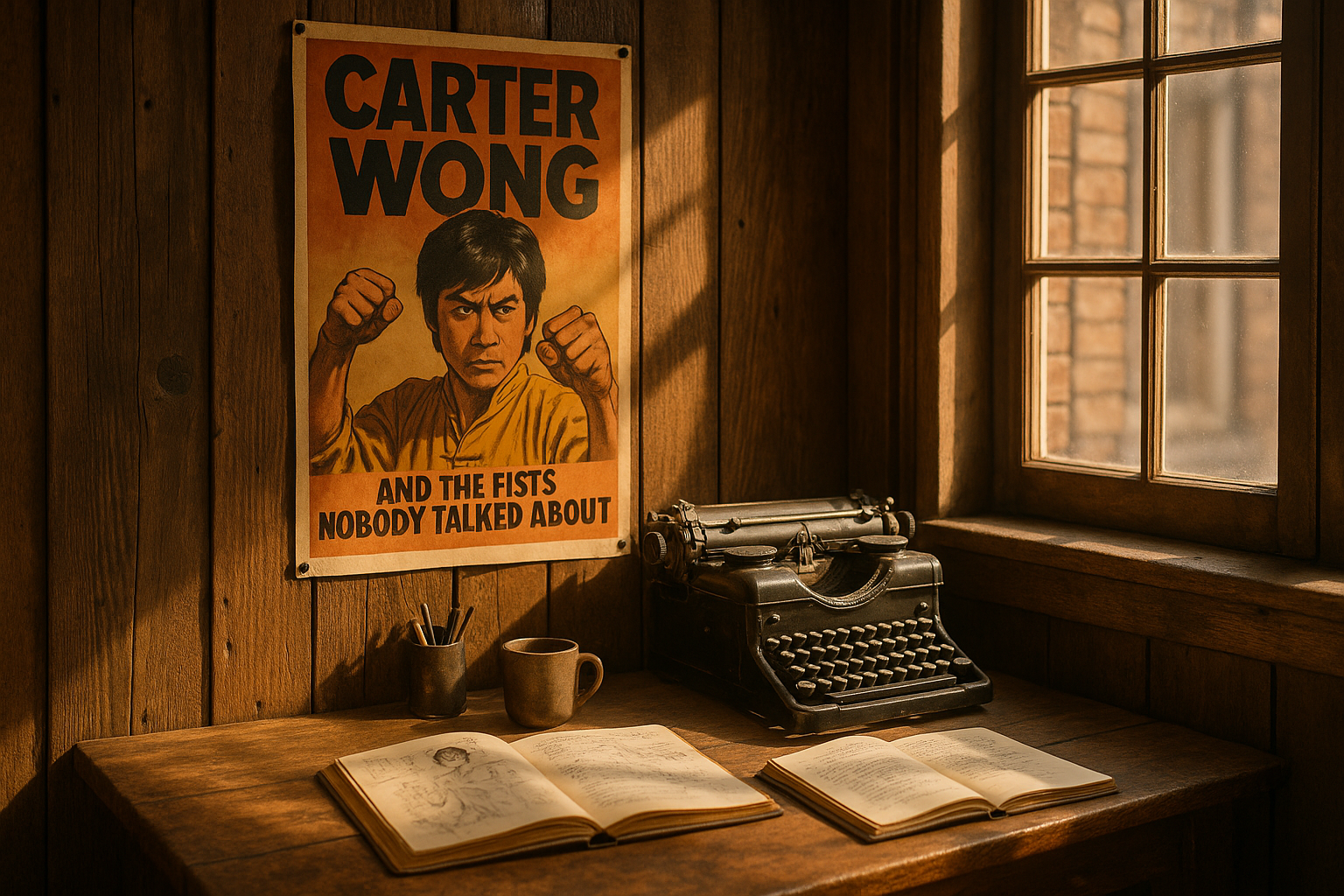
There is a moment in almost every Carter Wong fight where you stop tracking the plot and just watch the man move. The fists are precise. The weight shifts are real. And then the scene ends, the credits roll, and somehow his name still does not come up when people list the performers who built this genre. I have never fully understood that, and I am not willing to let it stand.
The Silent Dynamo of Kung Fu
In the world of classic martial arts films, Carter Wong is a force that the genre’s casual history has consistently undersold. His career spans decades of work, much of it for Shaw Brothers, and what separates him from the crowd is not just that he could fight on camera. It is that the choreography in his scenes carries actual weight. You feel the form behind every technique. That is not an accident. That is craft, and it takes years to get there.
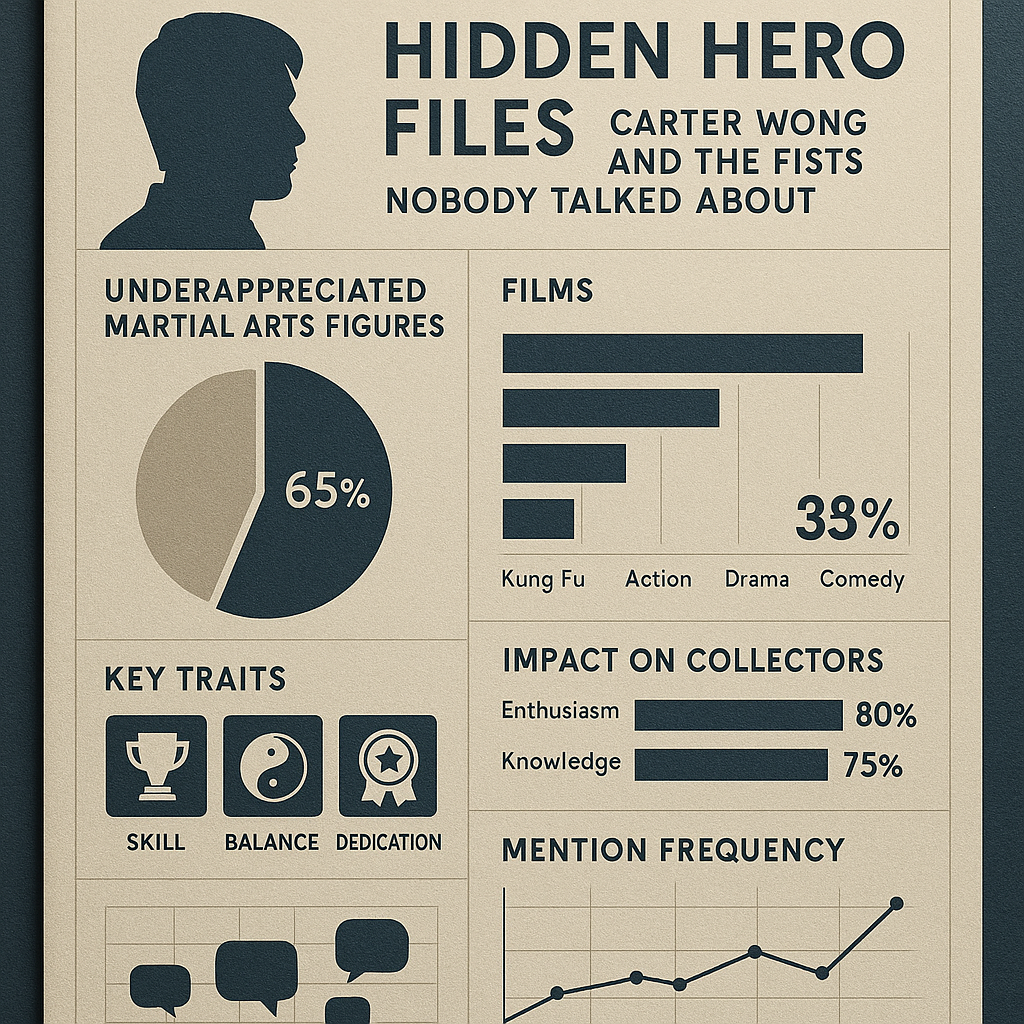
His Shaw Brothers work alone should have earned him a permanent spot in the conversation. He understood what the studio needed and he delivered it without sacrificing the authenticity that makes these films worth revisiting forty years later. The fact that his name rarely tops fan lists when people talk about classic martial arts icons is an oversight worth correcting, and that is exactly what we are doing here.
Why Carter Wong’s Fights Matter
Carter Wong brought something to his roles that a lot of performers in the genre never quite managed: a genuine sense of lineage. You could see where the techniques came from. In films like Big Trouble in Little China, his command of form was not decorative. It was structural. It held the fight together the way good choreography is supposed to, by making every exchange feel like it has consequences.

This is what separates the performers worth studying from the ones who were just filling a frame. Wong’s stunt work never felt like spectacle for its own sake. It felt like a man who understood what he was doing and why. For anyone who wants to understand how kung fu cinema actually functions at its best, his filmography is required viewing.
Finding Carter Wong in Today’s Cinema
Wong may not be headlining new releases, but his influence has not gone anywhere. Filmmakers who care about getting the choreography right still point to his work when they talk about what authentic fight construction looks like. That is a particular kind of legacy, the kind that lives in the work of people who paid attention rather than in marquee billing.
If you are building out your knowledge of the genre, his films are a genuine education. They come from an era when martial arts on screen were built from the ground up by people who knew the material, and watching them now you can feel that knowledge in every sequence. That is not something you can fake with editing.
Conclusion: The Next Chapter
Carter Wong is not a footnote. He is a case study in what this genre looks like when a performer takes the work seriously and brings real depth to it. His films hold up because the foundation under them is solid, and that foundation is the rich history of martial arts practice he carried onto every set.
Next time you are working through a list of films and you hit a name you do not recognize, stop. Look it up. Watch the fight. There is a whole tier of talent like Carter Wong that the mainstream conversation has consistently passed over. For more on Golden Harvest studio history or to dig into the best underrated Shaw Brothers performers, keep watching and keep asking questions.
The Training Behind the Legend
What you see on screen from Carter Wong did not come from natural talent alone. It came from years of serious training under respected martial arts teachers, working across disciplines including Tai Chi, Hung Gar, and Wing Chun. That cross-training is exactly why his screen work reads as authentic rather than approximate. He was not mimicking a style. He had absorbed several of them, and it shows in the way he moves between techniques without losing his center.
For anyone who practices martial arts and wants to understand what genuine cross-discipline study produces, Wong’s approach is worth examining closely. The range he built gave him the flexibility to serve whatever a scene demanded without abandoning the integrity of the form. That combination of adaptability and precision is rare, and it is what makes his performances hold up as both entertainment and craft.
Exploring Carter Wong’s Impact on Martial Arts Training
- Diverse Techniques: Wong’s ability to move fluidly between martial arts styles gave his fight choreography a depth and authenticity that set a real standard for the genre.
- Dedication to Craft: His commitment to daily practice and continuous learning is the kind of discipline that separates performers who last from those who disappear after one cycle of films.
- Legacy in Education: Beyond his screen work, Wong has passed his knowledge forward through workshops and seminars, which means his influence extends well past his filmography.
Studying how Carter Wong approached his training gives you a clearer picture of what this genre demands at its highest level. The physical and mental discipline behind the work is not incidental to the films. It is the films. His legacy is a reminder that the best martial arts cinema has always been built on exactly that kind of foundation.

Leave a Reply