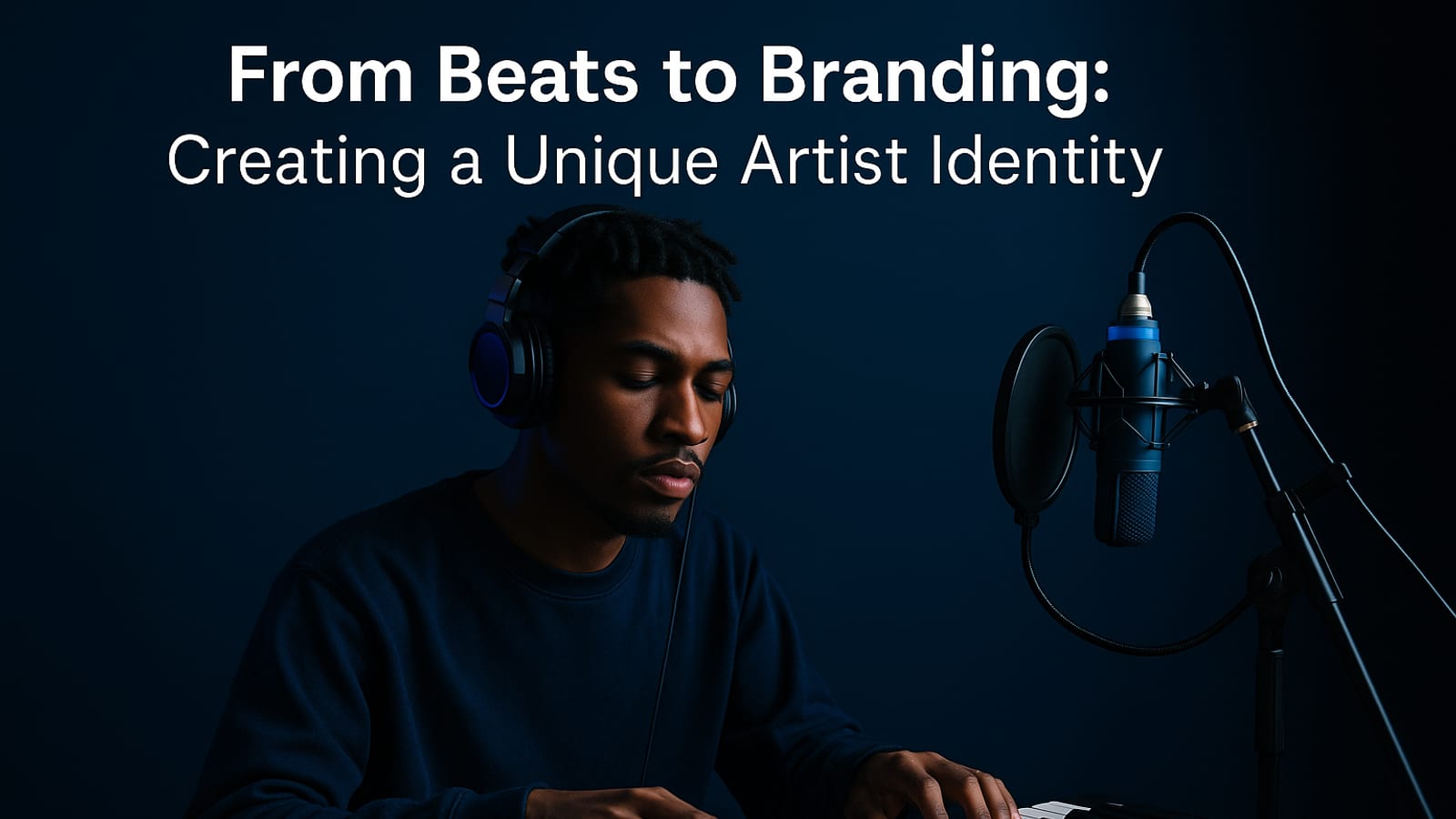
The music industry does not reward talent alone. It rewards artists who build something recognizable, repeatable, and real. Your sound gets you in the room. Your brand keeps you there. This guide gives you a direct blueprint for developing an artist identity that goes beyond the track — one that creates an experience, a persona, and a presence that compounds over time.
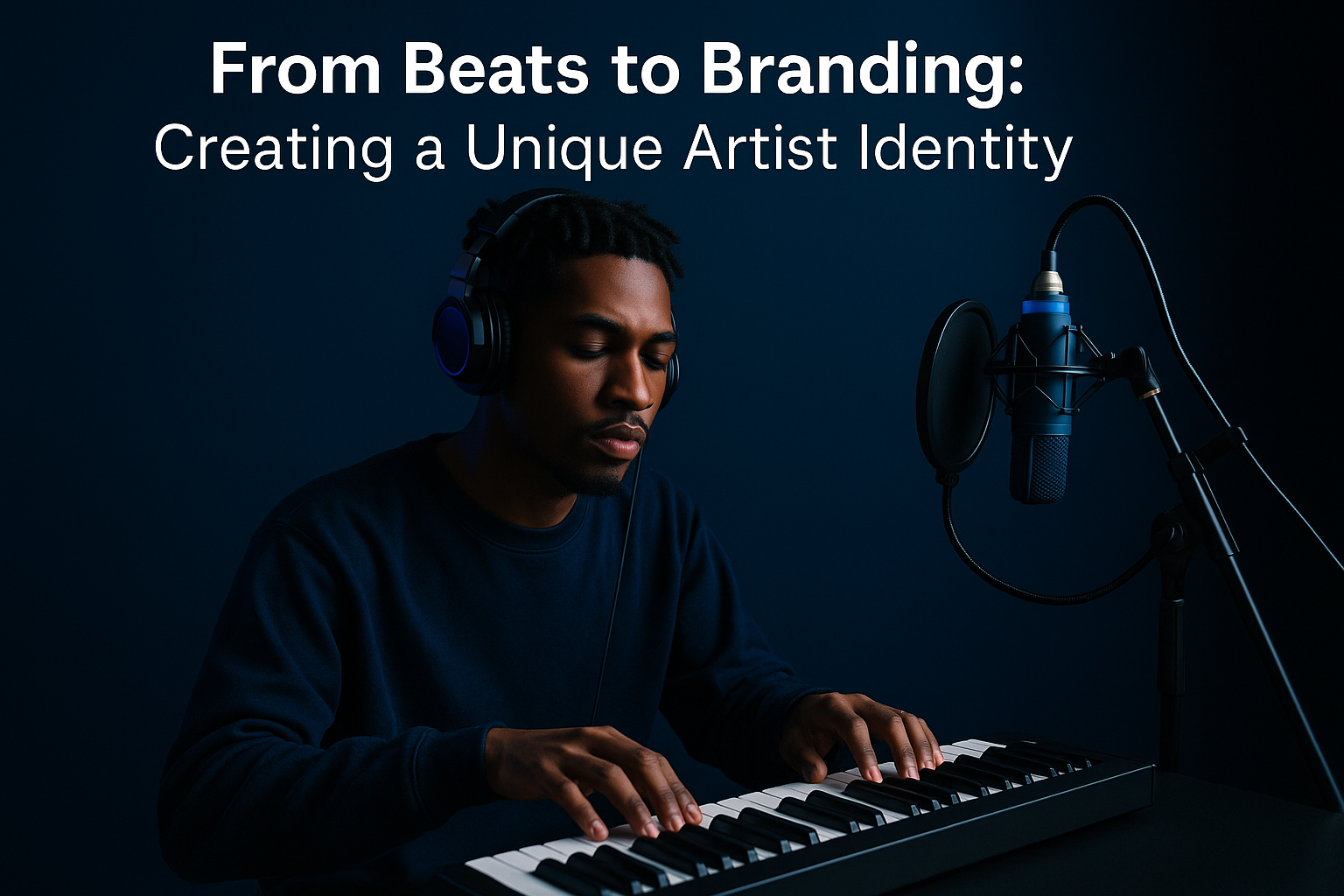
The Foundation of Artist Identity

Before anything else, get the foundation right. A brand built on a weak base collapses the moment it gets pressure. Three things have to be locked in from the start:
- Your Core Message: What do you actually stand for? Your music should be a direct expression of your values — not a performance of them.
- Your Aesthetic: Visuals carry as much weight as audio. Your color palette, wardrobe, and album art are all data points your audience reads before they press play.
- Your Audience: Know exactly who you are speaking to. Every creative decision should be filtered through that lens.
Study Beyoncé. Her identity is not a byproduct of fame — it was engineered. Empowerment, visual precision, and a sonic signature that is impossible to mistake for anyone else. That is what a real foundation looks like.
Crafting Your Sound

Sound is the core of your identity. Everything else amplifies it. Here is how to sharpen it:
- Experimentation: Mix genres without apology. Travis Scott built a signature sound by fusing hip-hop with psychedelic production. Nobody handed him that lane — he carved it.
- Consistency: Experimentation earns you discovery. Consistency earns you recognition. You need both.
- Feedback Loops: Use platforms like SoundCloud and Bandcamp to test material, read audience response, and iterate. Treat every release as a data point.
Visual Identity: More Than Just Looks
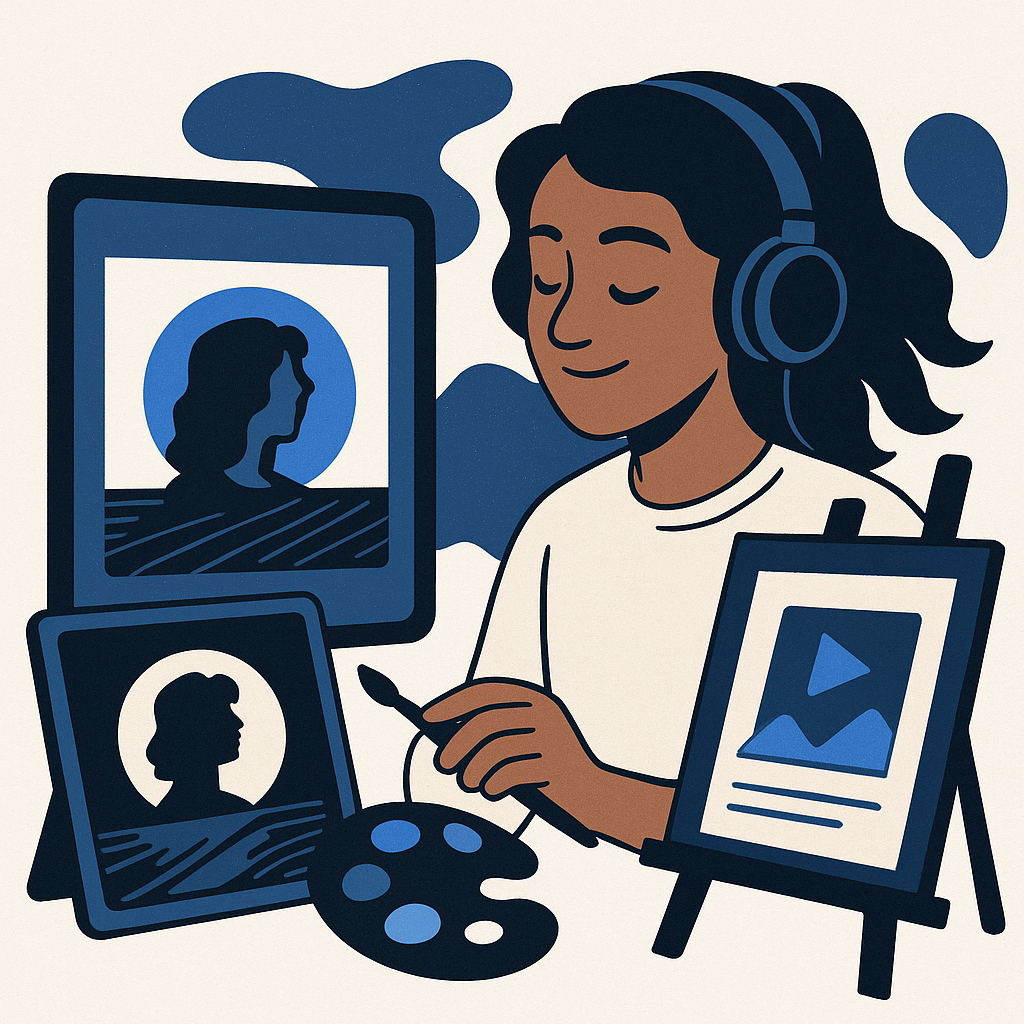
Your visual identity tells the story before a single note plays. Build it with intention:
- Album Art: Work with designers who understand your vision, not just your budget. Platforms like Fiverr give you access to affordable talent that can execute at a high level.
- Music Videos: Use cinematic storytelling to deepen the world around your music. Vimeo is a strong reference point for production quality and visual direction.
- Social Media Presence: Consistent imagery across Instagram and TikTok is not optional — it is how audiences learn to recognize you on sight.
Billie Eilish is the proof. Her visual identity is as distinctive as her sound. Fans could identify her aesthetic in a single frame with no name attached.
Building an Online Presence
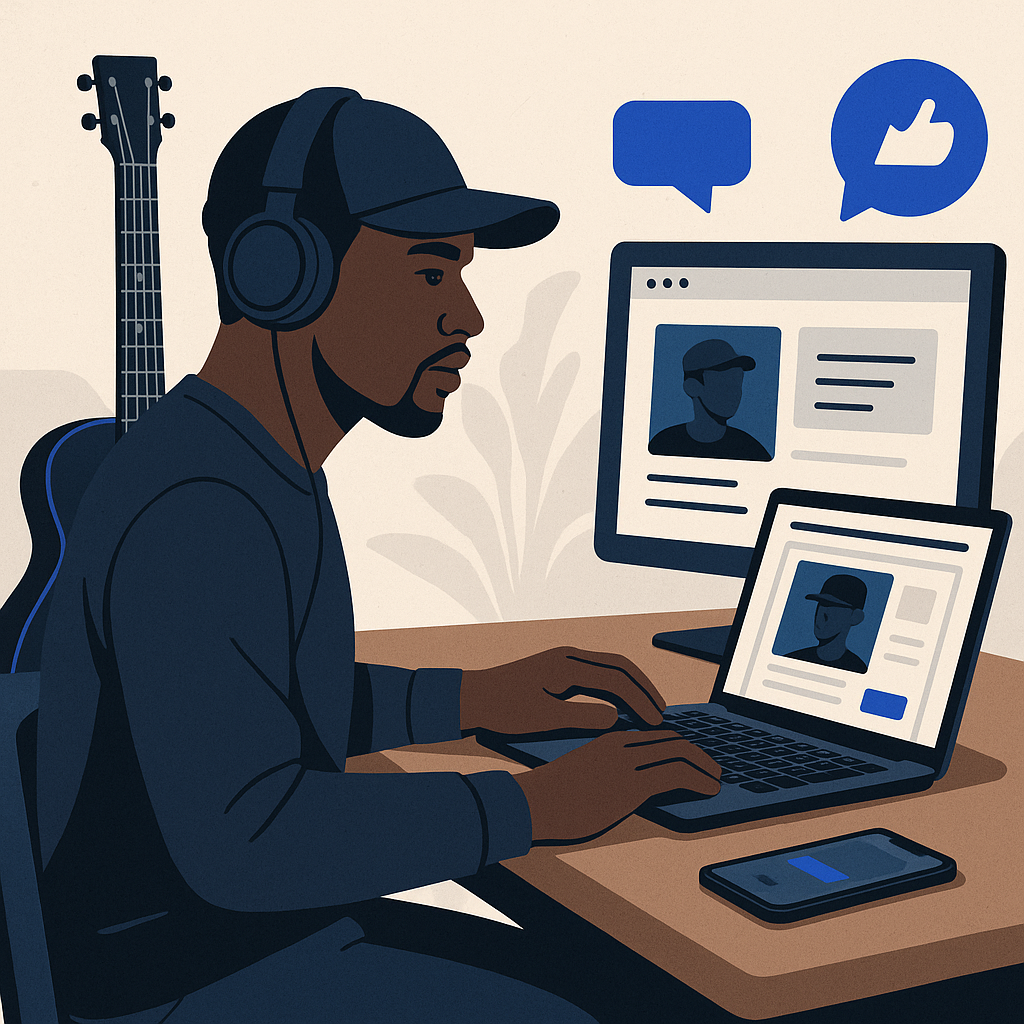
Your online presence is your digital stage. Own it like one:
- Website: A professional site is your central hub — the one property you actually control. Squarespace makes setup straightforward without sacrificing quality.
- Social Media Strategy: Regular updates, live sessions, and direct fan engagement build loyalty over time. Tools like Hootsuite keep your publishing consistent across platforms.
- Analytics: Google Analytics shows you exactly how your audience behaves. Use that data to make smarter content decisions — not guesses.
Lizzo uses social media to do more than promote music. She builds a relationship. Her personality and lifestyle are part of the brand, and fans show up for both.
Monetization and Brand Partnerships

A strong brand opens revenue doors that music alone cannot. Here is where to focus:
- Merchandise: Build merch that reflects your identity, not just your name. Platforms like TeePublic handle production and distribution so you can stay focused on the creative.
- Brand Collaborations: Partner only with brands that align with who you are. Pharrell Williams and Adidas is the benchmark — a collaboration that felt earned, not forced.
- Streaming Revenue: Maximize your footprint on Spotify and Apple Music. Use DistroKid to distribute efficiently and keep more of what you earn.
Next Steps: Bringing It All Together

You have the framework. Now execute it:
- Audit Your Current Brand: Look at what you have built so far with clear eyes. Find the gaps between where you are and where you need to be.
- Develop a Brand Strategy: Use the principles in this guide to build a plan that is specific, measurable, and tied to your actual artistic direction.
- Engage with Your Audience: Deploy your strategy, then listen. Real audience feedback will tell you more than any trend report.
Artists looking to sharpen their brand further can find insights and direction at TruZillah. The operators who build lasting careers do not wait for permission. They build in silence, test relentlessly, and let the work speak. Your brand is not separate from your music — it is the system that makes your music matter.
Leveraging Storytelling in Your Brand

Storytelling is what separates artists who are heard from artists who are remembered. It pulls your audience past the surface and into something they feel invested in. Here is how to build it into your brand deliberately:
- Personal Narratives: Share your actual journey — the setbacks, the pivots, the wins. Taylor Swift has built an entire career on turning personal experience into public narrative. Fans do not just listen; they follow the story.
- Concept Albums: Build albums around a thematic arc. Kendrick Lamar’s “good kid, m.A.A.d city” is the blueprint — a cohesive world that rewards listeners who pay attention.
- Behind-the-Scenes Content: Use YouTube to show the process. Studio sessions, tour life, creative decisions in real time. Transparency builds loyalty that no ad spend can replicate.
Engaging Through Live Performances
Live shows are where your brand becomes three-dimensional. Use them to reinforce everything you have built:
- Visual Effects: Invest in lighting and stage design that match your brand’s aesthetic. Daft Punk turned every live show into an immersive world. The music and the visuals were inseparable.
- Interactive Elements: Pull your audience into the experience. Q&A segments, fan requests, call-and-response moments — these create memories, not just attendance.
- Merchandise Booths: Offer exclusive tour merch that ties directly to the show’s theme. Give fans something tangible that extends the experience past the final song.
Developing a Strong Brand Voice
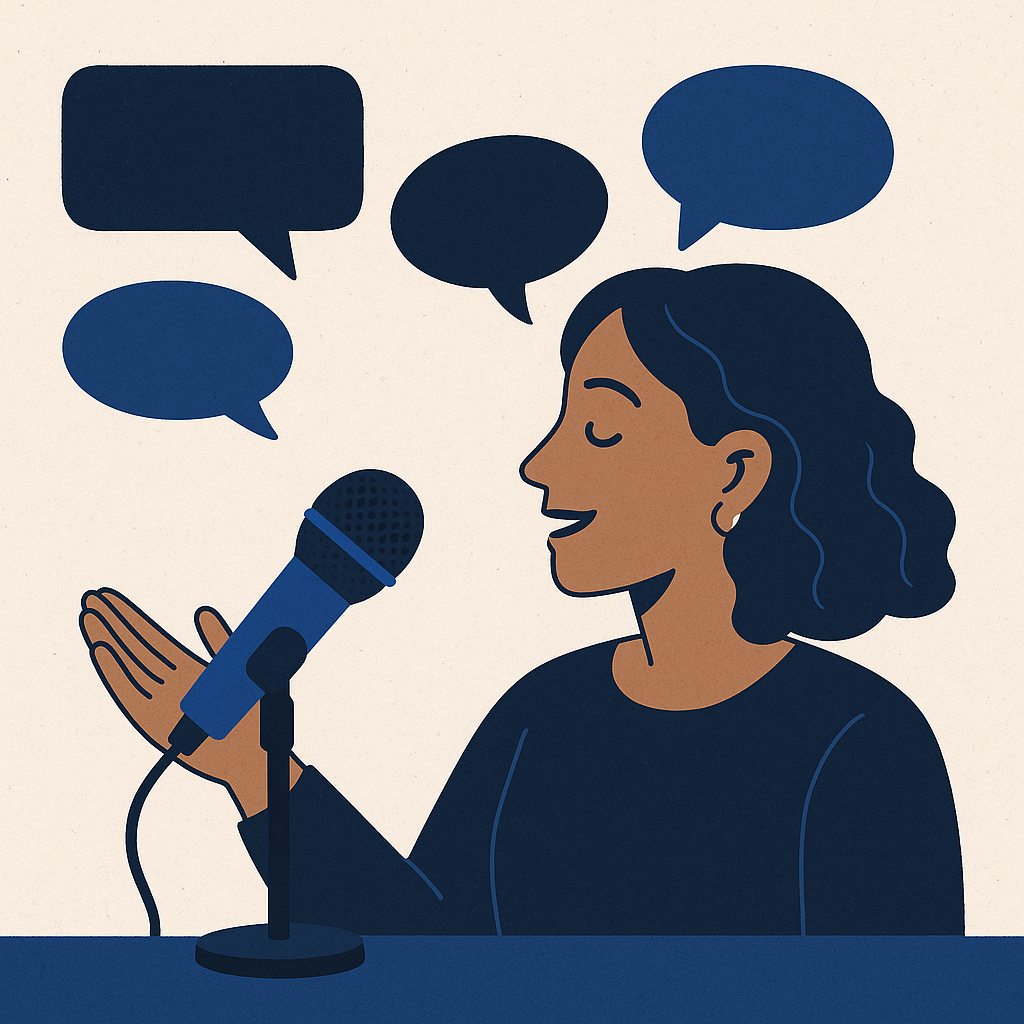
How you communicate is part of your brand. It needs to be as deliberate as your sound:
- Define Your Tone: Decide whether your communication is formal, casual, humorous, or inspirational — then commit to it. Chance the Rapper keeps a conversational, uplifting tone across every platform. It feels consistent because it is.
- Consistency Across Platforms: Your tone should read the same whether it is a social post, a press release, or a caption. Inconsistency signals a brand that does not know itself.
- Authenticity: Stay true to your actual values. Audiences can detect performance. Authenticity is what builds trust that compounds over time.
Checklist for Maintaining Brand Consistency
Use this checklist to keep your brand sharp and aligned:
- Update your brand guidelines whenever your identity or strategy shifts in a meaningful way.
- Make sure every collaborator and team member understands your brand voice and visual standards before they publish anything on your behalf.
- Audit your online presence on a regular schedule to confirm it still reflects your core message and aesthetic.
- Collect direct audience feedback to catch any gaps between how you intend to be perceived and how you actually are.
FAQs on Artist Branding
Common questions artists ask about building and managing their brand:
- How often should I refresh my brand identity? Consistency is the baseline, but a refresh every few years keeps you relevant and accurately reflects where you are as an artist. Evolution is not weakness — stagnation is.
- What if my brand feels inauthentic? Go back to your core values. If something feels forced, it probably is. Strip it back and rebuild from what is actually true about you.
- Can I rebrand if my initial identity does not resonate? Yes. Many artists have done it successfully. The key is to communicate the shift clearly so your audience understands the direction, not just the change.
Case Study: The Evolution of Lady Gaga’s Brand
Lady Gaga is one of the clearest examples of a deliberate, successful rebrand. She launched on avant-garde fashion and pop anthems that were impossible to ignore. Then she pivoted — stripping back the spectacle for the jazz-influenced, deeply personal “Joanne.” The shift reflected real artistic growth. It was not a retreat; it was a recalibration. Her audience followed because the authenticity was never in question, only the direction.
Leveraging Data for Brand Growth

Data does not replace instinct. It sharpens it. Here is how to use analytics to make smarter brand decisions:
- Audience Insights: Know exactly who is listening and where they are coming from. Spotify for Artists gives you direct visibility into listener demographics and behavior — use it.
- Content Performance: Track which content formats — posts, videos, live streams — drive the most engagement. Double down on what works. Cut what does not.
- Feedback Loops: Run polls and surveys regularly. Direct audience input tells you where your brand is landing and where it is missing. Build that feedback into your strategy on a consistent cycle.

Leave a Reply