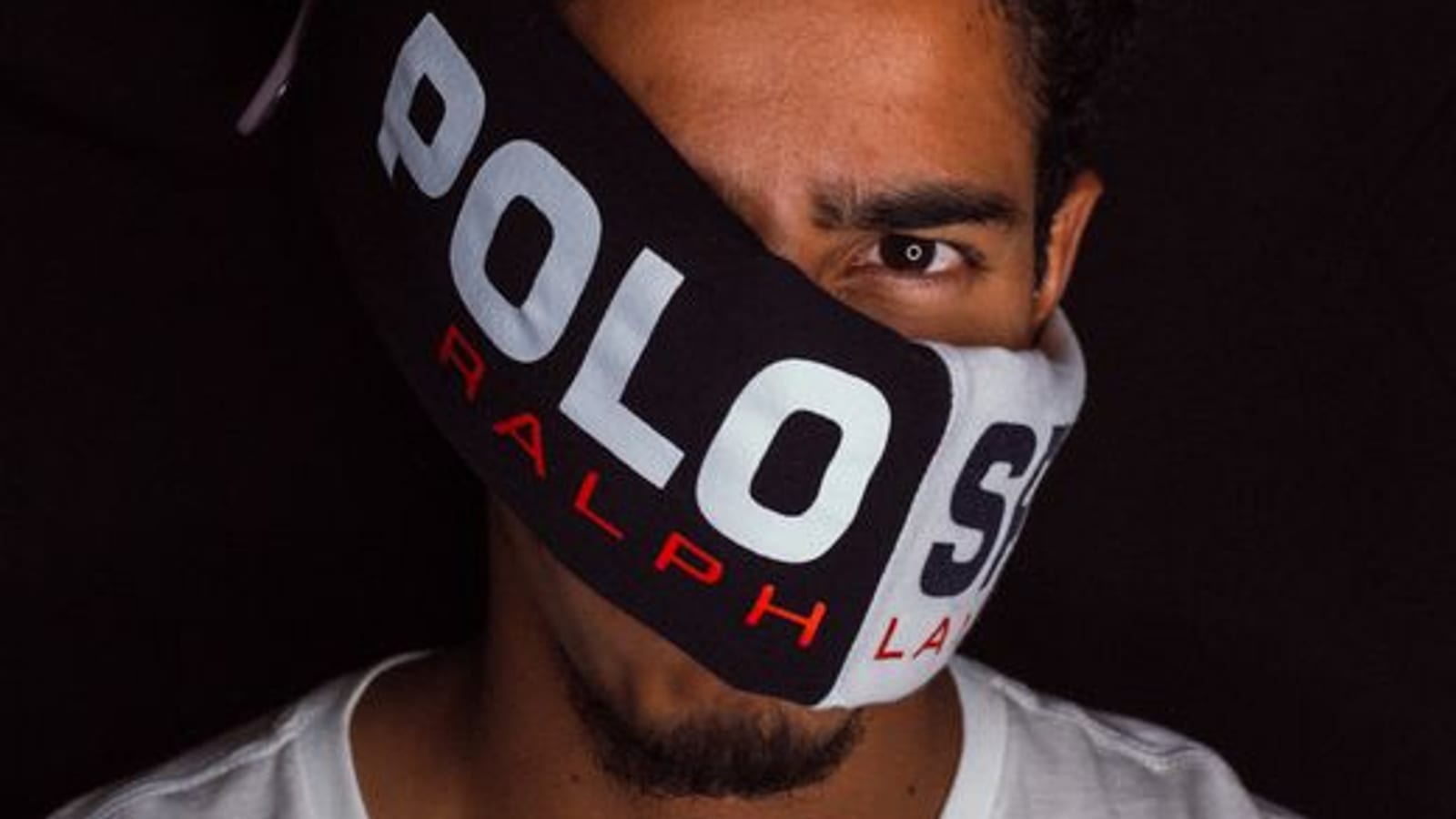
From Beats to Branding: Creating a Unique Artist Identity
Great music gets you in the room. A sharp identity keeps you there. The artists who build lasting careers understand something most miss early on: your brand is not decoration. It is the system that turns listeners into loyal fans and fans into revenue. This guide gives you the exact framework to build an artist identity that is as precise and deliberate as your sound.

Understanding Your Brand Essence
Before you design a logo or post a single piece of content, you need to know what you actually stand for. Your brand essence is the core signal you send to the world. Get this wrong and everything built on top of it wobbles. Get it right and every decision downstream becomes easier.
- Identify Your Unique Selling Point (USP): What makes your music and your persona different? Whether it is your lyrical precision, your stage presence, or your visual aesthetic, name it clearly. Vague positioning loses audiences. Specific positioning earns them.
- Know Your Audience: Who are you building this for? Map out their demographics, listening habits, and what they care about beyond music. Your brand message has to speak their language before it can move them.
- Craft Your Story: Every artist who connects at scale has a story worth telling. Share the journey, the friction, the turning points. Authenticity is not a trend. It is the only thing that compounds over time.
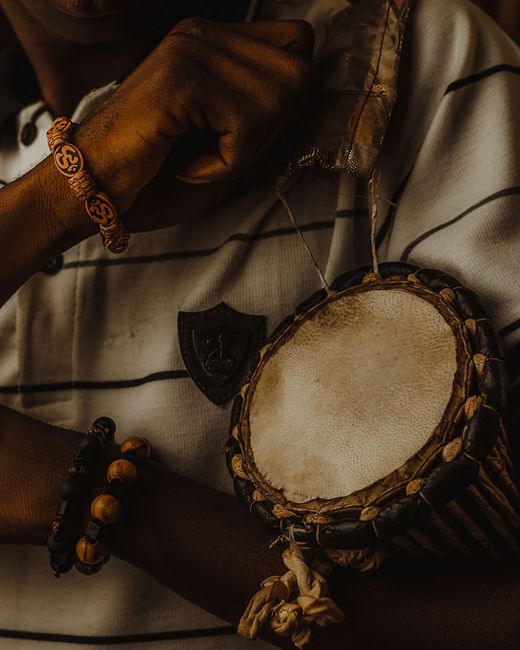
Developing Your Visual Identity
Your visual identity is the first thing people see before they hear a single note. It sets expectations. It signals whether you are worth paying attention to. Treat it like a strategic asset, not an afterthought.
- Design a Logo: A logo is a compressed version of your entire brand. Work with a designer who understands your sound and your world. The result should feel inevitable, not generic.
- Choose a Color Palette: Colors carry emotional weight. Select a palette that aligns with your genre and your story. Tools like Adobe Color let you test combinations before you commit.
- Create Consistent Visuals: Album covers, social graphics, merchandise — they all need to speak the same visual language. Consistency is what turns exposure into recognition.
Building an Online Presence
Your digital footprint is your storefront, your stage, and your archive all at once. Build it with intention. Here is where to focus:
- Optimize Your Website: Your website is the one platform you fully control. Keep it mobile-friendly, fast, and current. WordPress offers artist-ready templates that get you operational without a development team.
- Choose Platforms Strategically: You do not need to be everywhere. Use Instagram for visual storytelling, TikTok for short-form reach, and YouTube for deeper content that builds authority over time.
- Engage With Your Audience: Comments, live sessions, Q&As — these are not optional extras. They are how you convert casual listeners into a community that shows up for you repeatedly.

Monetizing Your Brand
A strong identity without a revenue model is just a hobby. Once your brand has traction, build the systems that turn attention into income.
- Merchandising: Merchandise that reflects your brand gives fans a way to carry your identity into the world. T-shirts, hats, and prints move well. Platforms like Teespring handle production and fulfillment so you stay focused on creating.
- Digital Sales and Streaming: Get your music on Spotify, Apple Music, and Amazon Music. Use Bandcamp for direct sales where the revenue share works in your favor.
- Live Performances and Virtual Concerts: Live shows remain one of the highest-margin revenue streams available to artists. Virtual concerts extend your reach beyond geography without the overhead of touring.
Crafting Your Brand Voice
Your brand voice is how your personality travels through text, captions, interviews, and every public interaction. It is the connective tissue between your music and your audience. Define it deliberately.
- Analyze Your Influences: Study artists and public figures whose communication style resonates with you. Identify what works and adapt it without losing what makes you distinct.
- Define Core Attributes: Decide whether your voice is playful, raw, inspirational, or something else entirely. Those attributes become the filter every piece of communication passes through.
- Adapt to Context: Consistency does not mean rigidity. Your tone on a professional platform will differ from your tone on Instagram. The underlying character stays the same. The delivery shifts.
Leveraging Collaborations for Brand Growth
The right collaboration puts your name in front of an audience that was never going to find you on its own. Done well, it adds credibility. Done carelessly, it dilutes everything you have built.
- Identify Compatible Artists: Look for artists whose music and brand align with yours. A natural fit makes the collaboration feel earned rather than transactional.
- Cross-Promote: Use each other’s platforms. Shared posts, joint interviews, combined playlists — every touchpoint is an opportunity to reach new listeners without paying for ads.
- Experiment With Genres: Crossing genre lines introduces your brand to audiences who would never have searched for you. It also signals range, which builds long-term credibility.
Utilizing Analytics to Refine Your Brand Strategy
Data does not replace instinct. It sharpens it. The artists who grow consistently are the ones who test, measure, and adjust without ego.
- Monitor Engagement Metrics: Track likes, shares, and comments across platforms. The content that consistently outperforms is telling you something. Listen to it.
- Analyze Streaming Data: Spotify for Artists gives you listener demographics and behavioral data. Use it to understand who is actually showing up and what they respond to.
- Use A/B Testing: Run different content types or messaging angles against each other. Small tests compound into major strategic clarity over time.
Case Study: The Evolution of Artist Branding
Here is what a deliberate brand-building process looks like in practice.
Artist Profile: An indie artist named Alex. Local following. Clear ambition to scale.
Initial Steps: Alex started by locking in a brand essence built around authentic storytelling and community. The visual identity used earthy tones and hand-drawn elements that matched the organic quality of the music. Nothing was arbitrary.
Building Presence: Alex launched a clean website and committed to Instagram and YouTube. Behind-the-scenes content and live acoustic sessions became the core format. Engagement climbed because the content felt real, not produced.
Collaborative Efforts: A collaboration with an established folk artist opened new markets. Joint live streams and social media takeovers drove visibility that paid advertising could not have replicated at the same cost.
Data-Driven Adjustments: Analytics showed that storytelling posts consistently outperformed everything else. Alex shifted the content strategy toward personal narratives and direct fan interaction. The brand got sharper with every iteration.
Outcome: Over two years, Alex’s follower count grew 300% and the brand supported a successful international tour. The result was not luck. It was a system built in silence and executed with discipline.
Checklist for Establishing Your Artist Brand
- Define Your Brand Essence: Articulate your USP, your audience, and your story with precision.
- Create a Visual Identity: Design a logo, lock in a color palette, and maintain visual consistency across every surface.
- Develop Your Brand Voice: Set your core voice attributes and apply them consistently across platforms.
- Build a Strong Online Presence: Optimize your website, choose your platforms deliberately, and engage your audience with intention.
- Leverage Collaborations: Find compatible artists and execute cross-promotional activities that benefit both audiences.
- Use Analytics: Review engagement and streaming data regularly. Let the numbers inform your next move.
- Monetize Your Brand: Build out merchandising, digital sales, and live performance revenue streams systematically.
Work through this checklist methodically and you will build an artist brand that does not just stand out in a crowded industry — it compounds. Every decision reinforces the last. Every fan you earn becomes a foundation for the next. That is how you build in silence and earn in peace. For more tools and resources, explore ArcanoLabs to sharpen your content strategy and strengthen your brand.
Your identity is the most durable asset you will ever build. Start constructing it today.

Leave a Reply