Seasonal Marketing Strategies for Music Artists: A 2026 Guide
Most artists wait for momentum to find them. The ones who build lasting careers manufacture it deliberately, season by season. This guide breaks down exactly how music artists can use seasonal marketing in 2026 to stay visible, deepen fan relationships, and stack consistent wins throughout the year. Whether you are just starting out or already performing to real crowds, the calendar is a tool most artists leave on the table.
Understanding Seasonal Marketing for Artists
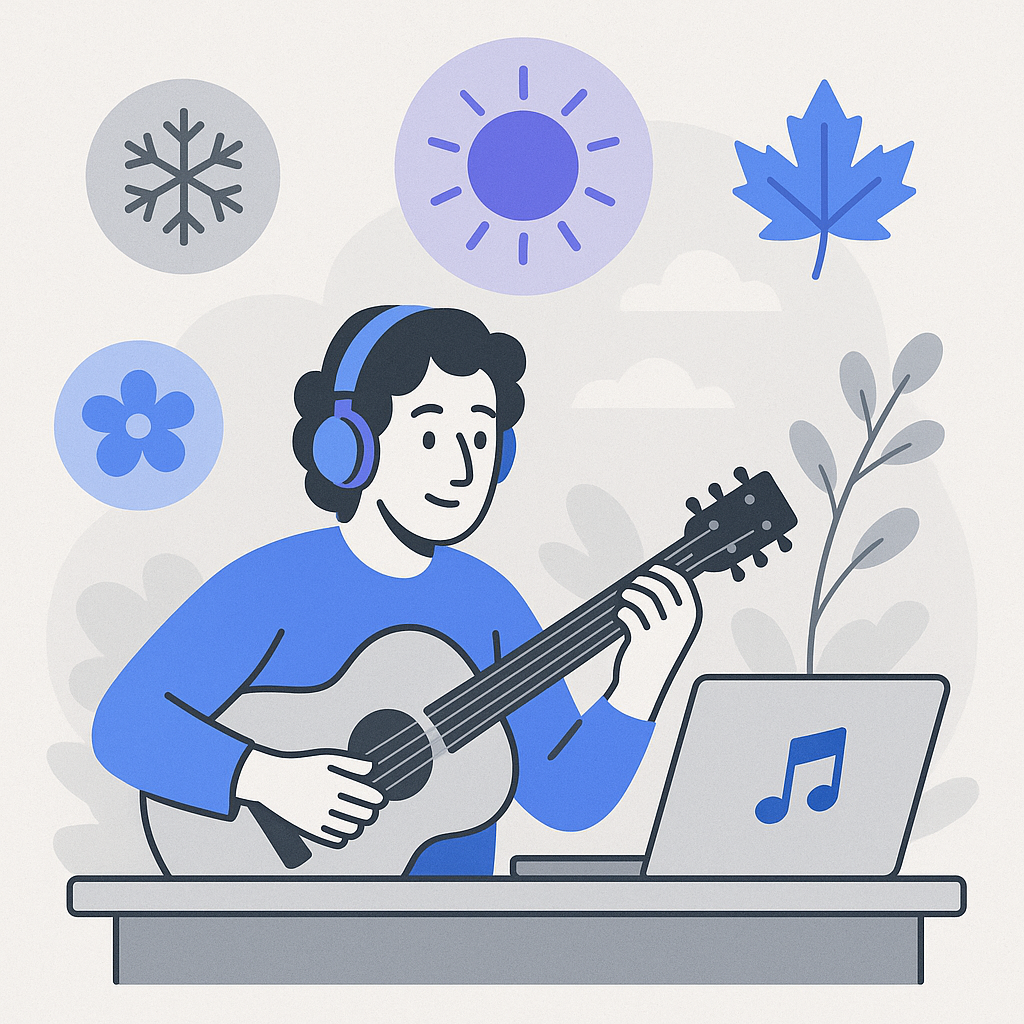
Seasonal marketing means shaping your promotional moves around the natural rhythm of the year. Consumer behavior shifts with the seasons. Cultural moments create windows of attention. Smart artists sync their releases, tours, and content to those windows instead of pushing against them.
Why Seasonal Marketing Matters in Music
The music industry does not reward artists who stay static. Trends move fast. Attention is scarce. When you align your marketing with what your audience is already feeling and doing, you stop fighting for relevance and start owning it. A well-timed holiday single or a summer festival run does not just boost streams. It deepens the emotional connection fans have with your name.
Key Seasonal Strategies for 2026
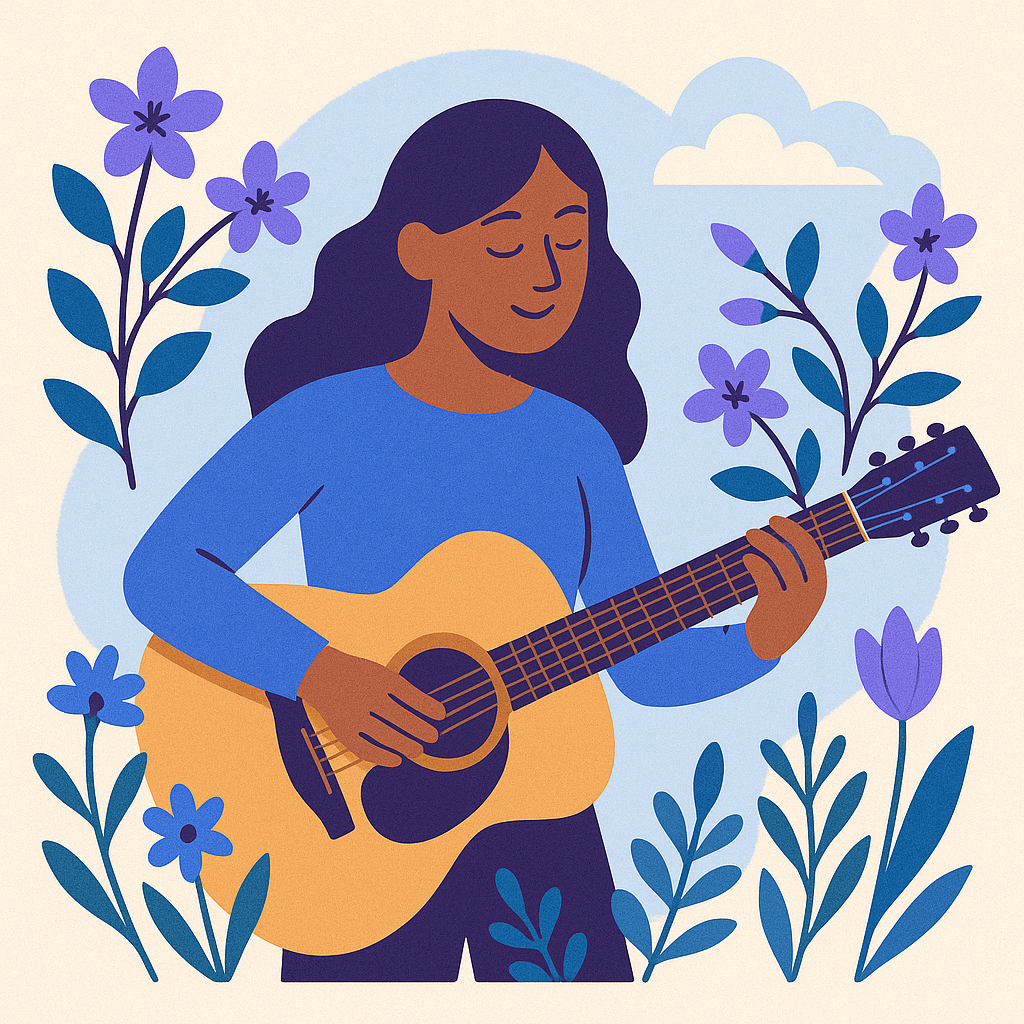
1. Spring: Rebirth and Renewal
Spring signals new beginnings. That energy is already in the air before you say a word. Use it.
- New Music Releases: Drop a single or EP that carries the feeling of a fresh start. Use platforms like ArcanoLabs to optimize your content for organic traffic and maximum reach.
- Spring Tour: Book a run of intimate shows built around your new material. Add exclusive meet-and-greet sessions. Proximity builds loyalty.
- Collaborations: Partner with artists whose audience overlaps with yours. Joint projects create cross-pollination. New ears, new fans, real momentum.
2. Summer: High Energy and Festivals
Summer is the loudest season on the calendar. People are outside, spending money, and looking for experiences. Put yourself in front of them.
- Festival Circuits: Lock in spots at major music festivals early. The crowds are there. The exposure is real. Show up prepared.
- Interactive Content: Run social media challenges tied to your summer releases. TikTok rewards participation. Give fans a reason to create alongside you.
- Merchandising: Release limited-edition summer merchandise. Eco-friendly options resonate with the festival crowd and signal that your brand stands for something.
Tools and Resources for Seasonal Success
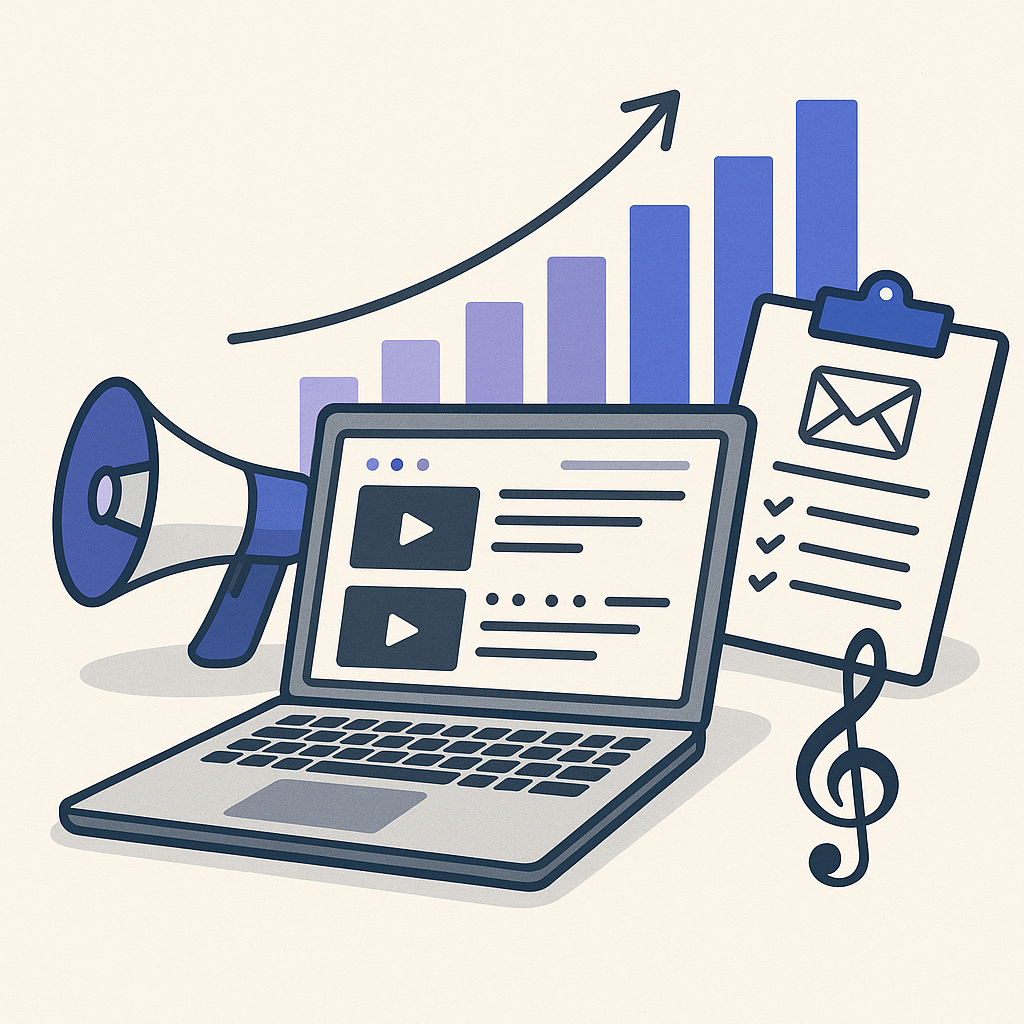
Execution without the right tools is just effort. Use these to build in silence and move with precision:
- Social Media Management: Hootsuite and Buffer let you schedule posts and track engagement across every channel without being glued to your phone.
- Email Marketing: Mailchimp gives you the infrastructure to run targeted campaigns that match your seasonal themes and speak directly to your list.
- Analytics: Google Analytics tells you who is paying attention, when, and why. Read the data. Let it sharpen your next move.
Step-by-Step Implementation Guide
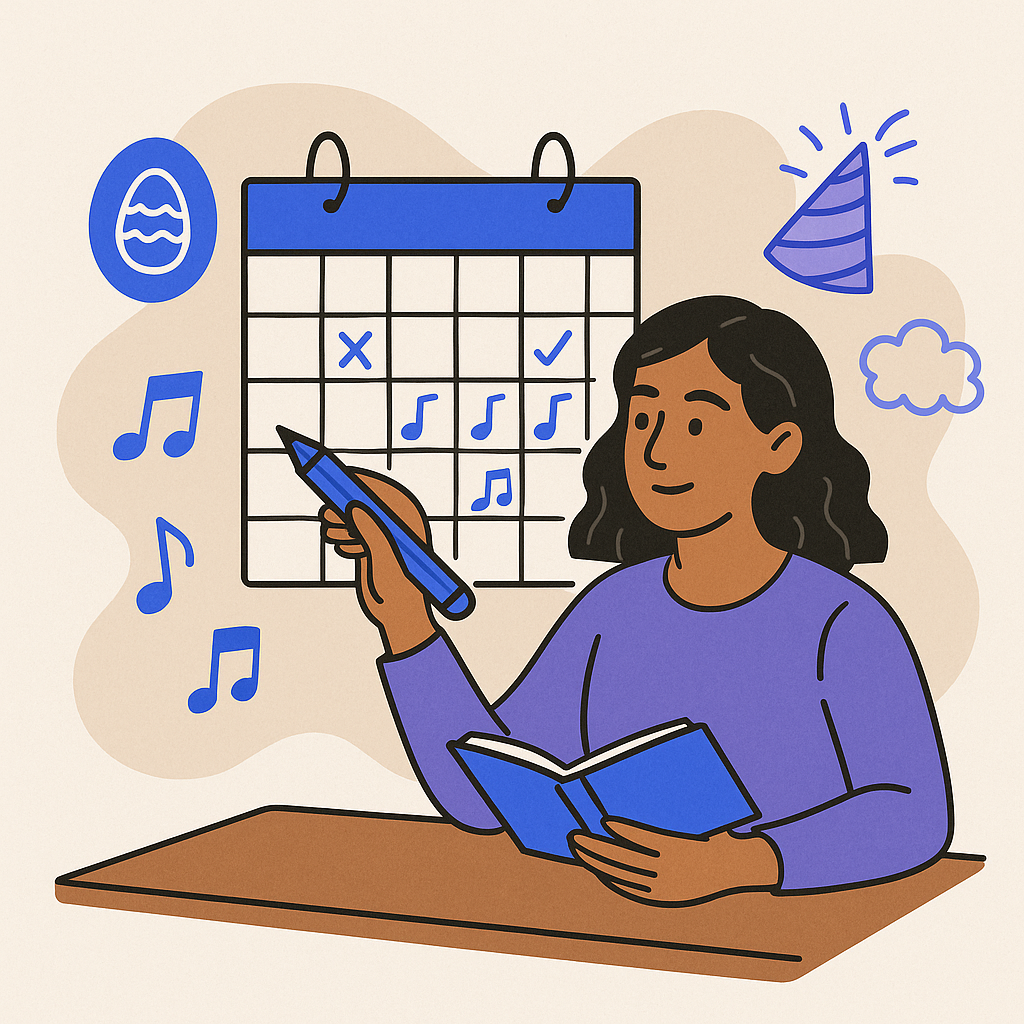
1. Plan Ahead
Map your seasonal calendar before the year starts. Identify the dates, festivals, and cultural moments that fit your brand and your audience. Reactive artists scramble. Prepared artists execute.
2. Create a Content Strategy
Build a content plan that supports each seasonal theme. Music releases, social posts, promotional materials — all of it should speak the same language. Consistency across platforms is not optional. It is what makes campaigns land.
3. Engage with Your Audience
Keep your audience informed and in the loop through social media and email. Update them on upcoming releases, events, and exclusive offers. Q&A sessions, polls, and giveaways are not filler. They are the mechanisms that turn casual listeners into committed fans.
4. Measure and Adjust
Run your analytics after every campaign. Identify what moved the needle and what did not. Every season teaches you something. The artists who improve fastest are the ones who treat each campaign as a test and carry the lessons forward.
Conclusion: Take Action Now
Seasonal marketing is not a trend. It is a repeatable system for staying relevant and building real fan equity throughout the year. Align your releases and appearances with the rhythm of the calendar, and you stop chasing attention. You start earning it. Build your seasonal strategy now and let compounding do the loud talking in 2026.
For more insights and tools to sharpen your marketing approach, visit ArcanoLabs Blogs and explore their full resource library.
3. Autumn: Reflection and Gratitude
Autumn slows the pace. Audiences become more introspective. Meet them there.
- Acoustic Sets: Host small, intimate acoustic performances that strip things back and let the music speak. Livestream them for fans who cannot be in the room.
- Fan Appreciation Events: Organize meet-and-greet sessions or exclusive online chats. Share behind-the-scenes stories from your creative process. Transparency builds trust.
- Thanksgiving Releases: Drop a single or album built around themes of gratitude and reflection. Invite fans to share their own stories of thankfulness and feature them in your promotional content. That kind of participation is worth more than any paid campaign.
4. Winter: Celebration and Reflection
Winter is the most emotionally charged season on the calendar. People are generous, nostalgic, and paying attention. Use that.
- Holiday Singles: Create festive music that fits the moment. Collaborating with another artist on a holiday duet or compilation can extend your reach without a large budget.
- Year-End Recap: Share a honest look back at your year through a video or written post. Highlight the moments that mattered and thank the fans who showed up.
- Charity Events: Get involved in charitable activities or host a benefit concert. It strengthens your connection with socially conscious fans and positions your brand as one that stands for more than streams.
Metrics for Measuring Seasonal Marketing Success

Feelings are not data. Track these KPIs to know whether your seasonal campaigns are actually working:
- Audience Growth: Watch your social media followers, email subscribers, and streaming listeners. Seasonal campaigns should produce a measurable rise in each.
- Engagement Rates: Likes, comments, and shares tell you whether your content is landing or just existing. High engagement means your message is resonating. Low engagement means something needs to change.
- Sales and Streams: Analyze sales data and streaming numbers around each release window. Seasonal promotions should create clear spikes you can point to.
- Event Attendance: Track ticket sales and attendance for live and virtual events. Compare figures across seasons to spot patterns and double down on what works.
Case Study: Successful Seasonal Campaigns

Here is what a full seasonal cycle looks like when an artist executes it with intention. Indie artist Lily Moore ran this playbook and built real results from it.
Spring: Lily released an EP titled “New Blooms” and promoted it through a series of intimate garden concerts. The thematic alignment with the season pulled significant media attention and introduced her to a new wave of fans.
Summer: She secured spots at eco-friendly music festivals and launched a line of sustainable merchandise alongside her performances. Merchandise sales climbed 20% compared to the previous year.
Autumn: Lily hosted a series of “Thank You” livestreams, performing acoustic versions of her songs and talking directly with fans. Social media engagement rose sharply. Her fan community became noticeably tighter.
Winter: She released a holiday single that landed on several high-traffic streaming playlists. Her appearance at a local charity concert generated additional media coverage and strengthened her public image heading into the new year.
FAQ: Addressing Common Questions
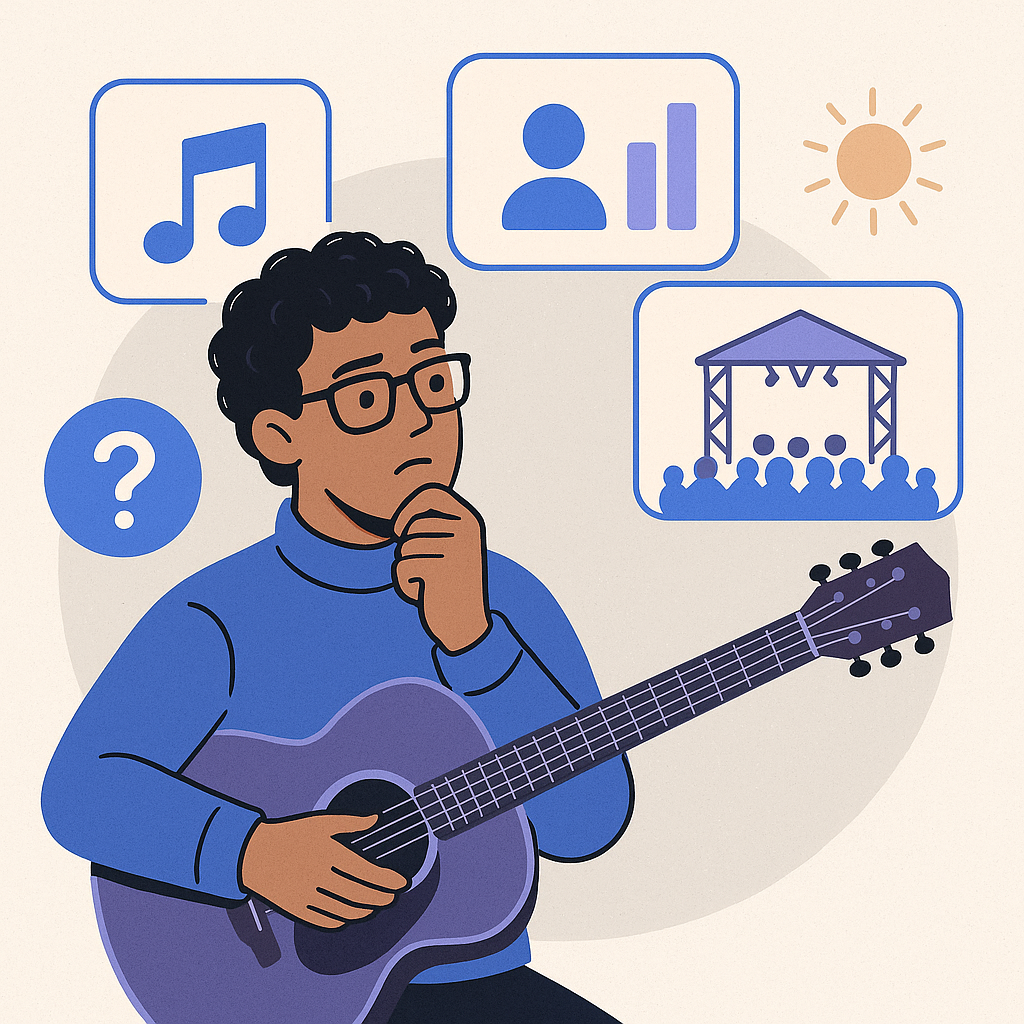
Q: How do I decide which seasonal strategy fits my music?
A: Start with your music style, your audience demographics, and your brand. Upbeat and high-energy? Summer festivals are your lane. Introspective and stripped back? Autumn is built for you. Look at past performance data and fan feedback. Let the evidence guide the decision.
Q: What if my music does not fit traditional seasonal themes?
A: Find the angle that is true to your sound. Seasonal marketing is a framework, not a formula. If your music is dark and cinematic, winter’s introspective mood may be your strongest window. Work with your strengths, not against them.
Q: Do I need to run campaigns for every season every year?
A: No. Focus on the seasons that align with your brand and your capacity. Doing two seasons well beats doing four seasons poorly. Quality and authenticity hold more weight than volume.

Leave a Reply