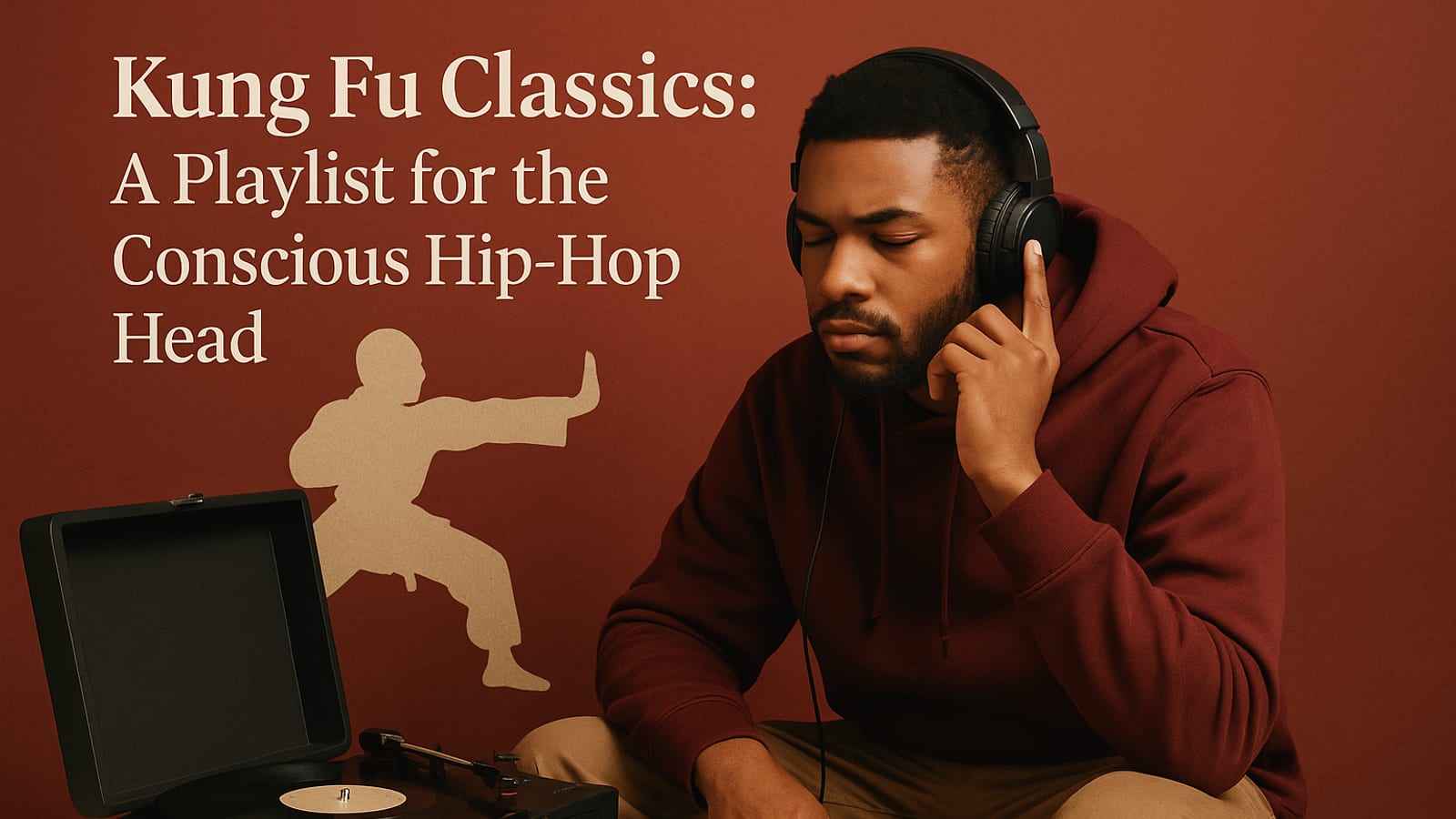
Kung Fu Classics: A Playlist for the Conscious Hip-Hop Head
Late Saturday night. The TV screen throws blue light across the room, the audio is half a beat behind the picture, and you do not care because what is happening on screen has you locked in. That is how a lot of us found these films. And somewhere along the way, we noticed that the records we were playing between double features were having the same conversation the movies were. If you have ever felt that pull between kung fu cinema and hip-hop, this playlist is built for you.
Why These Two Worlds Were Always the Same World
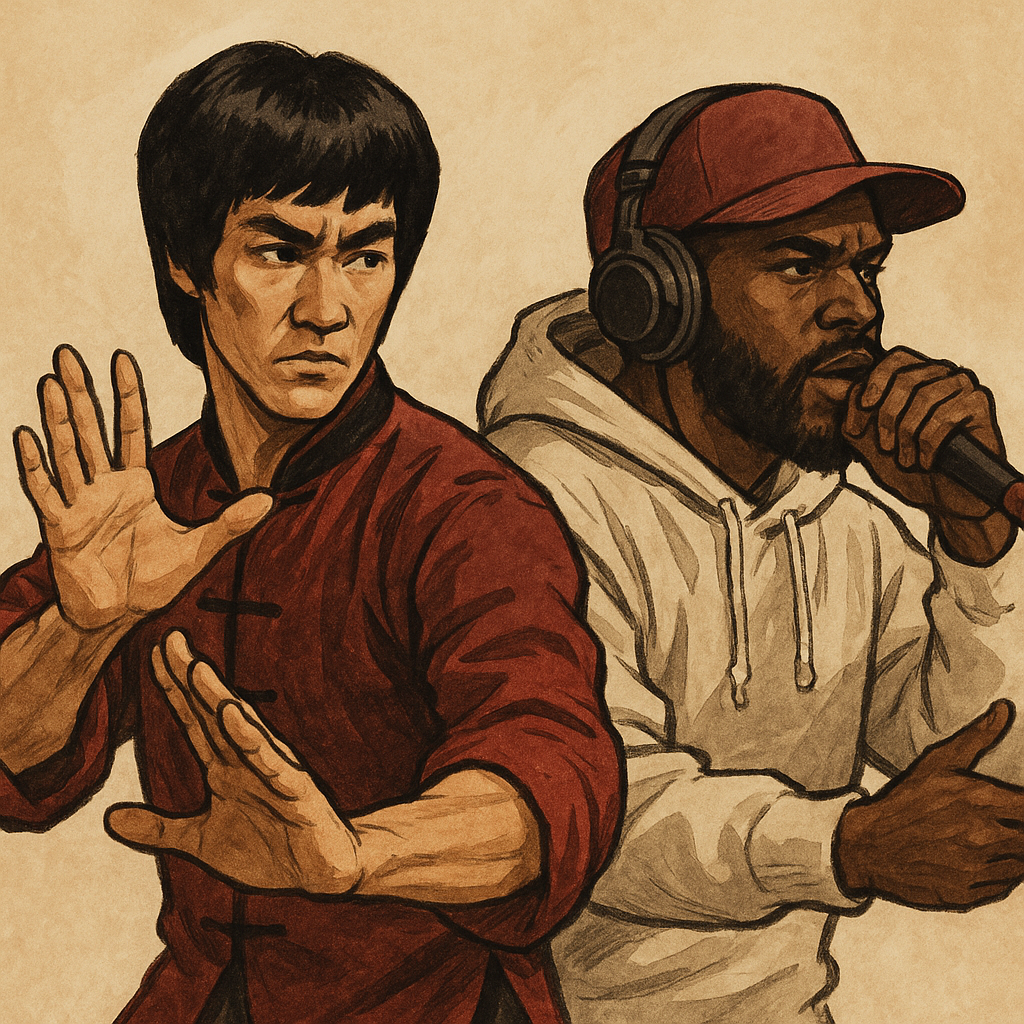
Before we get into the pairings, it is worth sitting with why kung fu films and hip-hop fit together so naturally. Both came up from the underground. Both gave a voice to people the mainstream was not paying attention to, and both offered something that felt like an escape and a mirror at the same time. The Wu-Tang Clan made this explicit — they pulled directly from Shaw Brothers films, built their whole identity around the lineage, and named themselves after Shaolin and Wu Tang. But the connection runs deeper than samples and monikers.
From the Bronx to Hong Kong, artists in both forms found inspiration in discipline, in storytelling built around the body, and in the raw energy of people who had to work twice as hard to be seen. This is not just an aesthetic overlap. It is a shared ethos: earn your craft, respect your elders, and never let anyone tell you the thing you love does not matter.
Building the Playlist: Film by Film, Track by Track
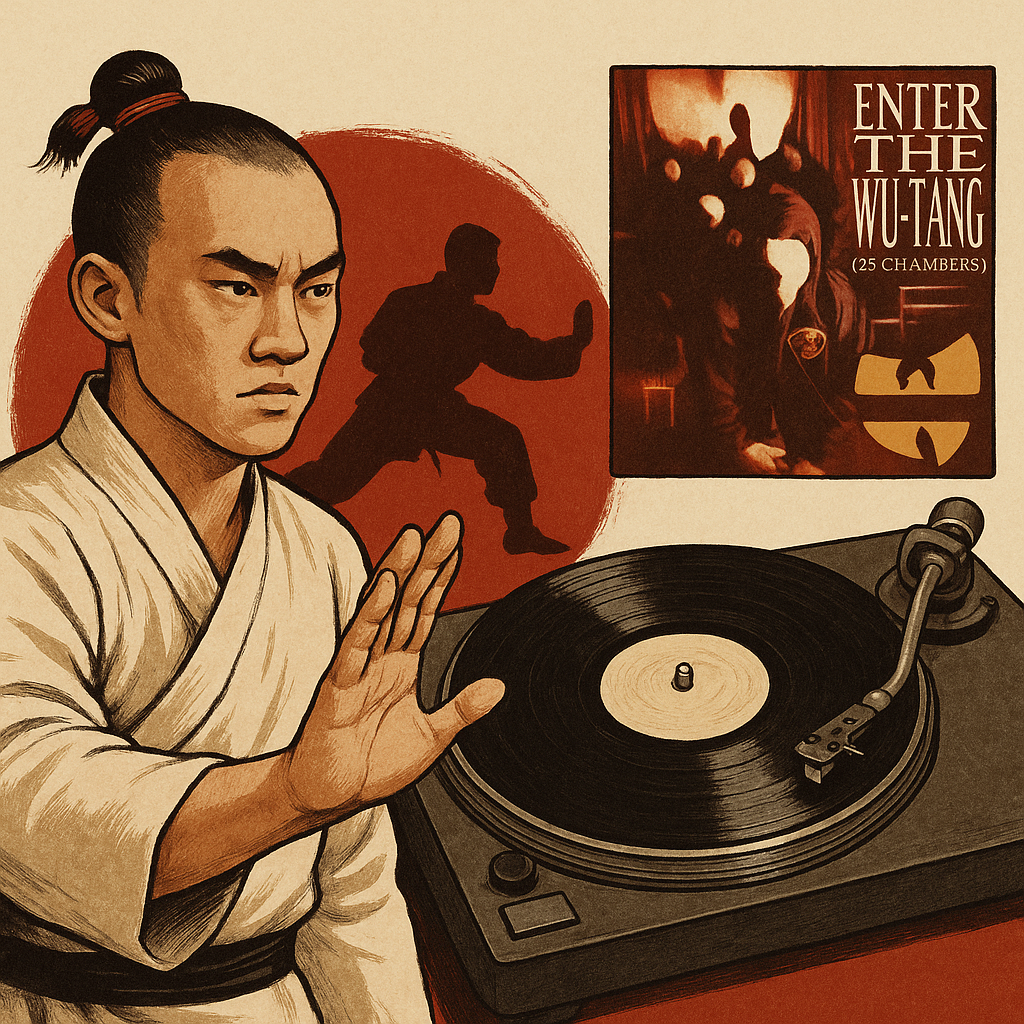
1. Start Where the Lineage Starts
There is no honest version of this playlist that does not open with The 36th Chamber of Shaolin. The film is about what it costs to become capable — the patience, the repetition, the willingness to fail in front of people who are better than you. Pair it with Wu-Tang Clan’s Enter the Wu-Tang (36 Chambers), an album that does not just reference the film but breathes the same air.
- Film: The 36th Chamber of Shaolin
- Track: Bring da Ruckus by Wu-Tang Clan
2. The Underrated Cuts That Deserve Your Full Attention
Five Deadly Venoms and Eight Diagram Pole Fighter are films that serious people return to again and again, and for good reason. The choreography in both is intricate in a way that rewards close watching — these are not fights designed to look exciting, they are fights designed to mean something. Pair them with J Dilla and A Tribe Called Quest, artists who understood that the most interesting craft is the kind that does not announce itself.
- Film: Five Deadly Venoms
- Track: Find a Way by A Tribe Called Quest
3. How the Tradition Carries Forward
The lineage does not stop in 1983. Kendrick Lamar’s Kung Fu Kenny persona and RZA’s film scores are proof that artists are still in active conversation with this material. Ip Man is a useful bridge — it is a modern film that takes the form seriously and earns its stunt work. Pair it with something that carries the same weight.
- Film: Ip Man
- Track: HUMBLE. by Kendrick Lamar
Where to Actually Find These Films

Tracking down good prints used to require real effort. It is easier now. Amazon Prime and the Criterion Channel both carry restoration versions of key titles, and specialty shops still stock DVDs and Blu-rays worth owning. If you want a community that takes this seriously and can point you toward your next film, Old School Shaolin and Wu is the right place to start.
Reading the Fight: What the Camera Is Actually Telling You
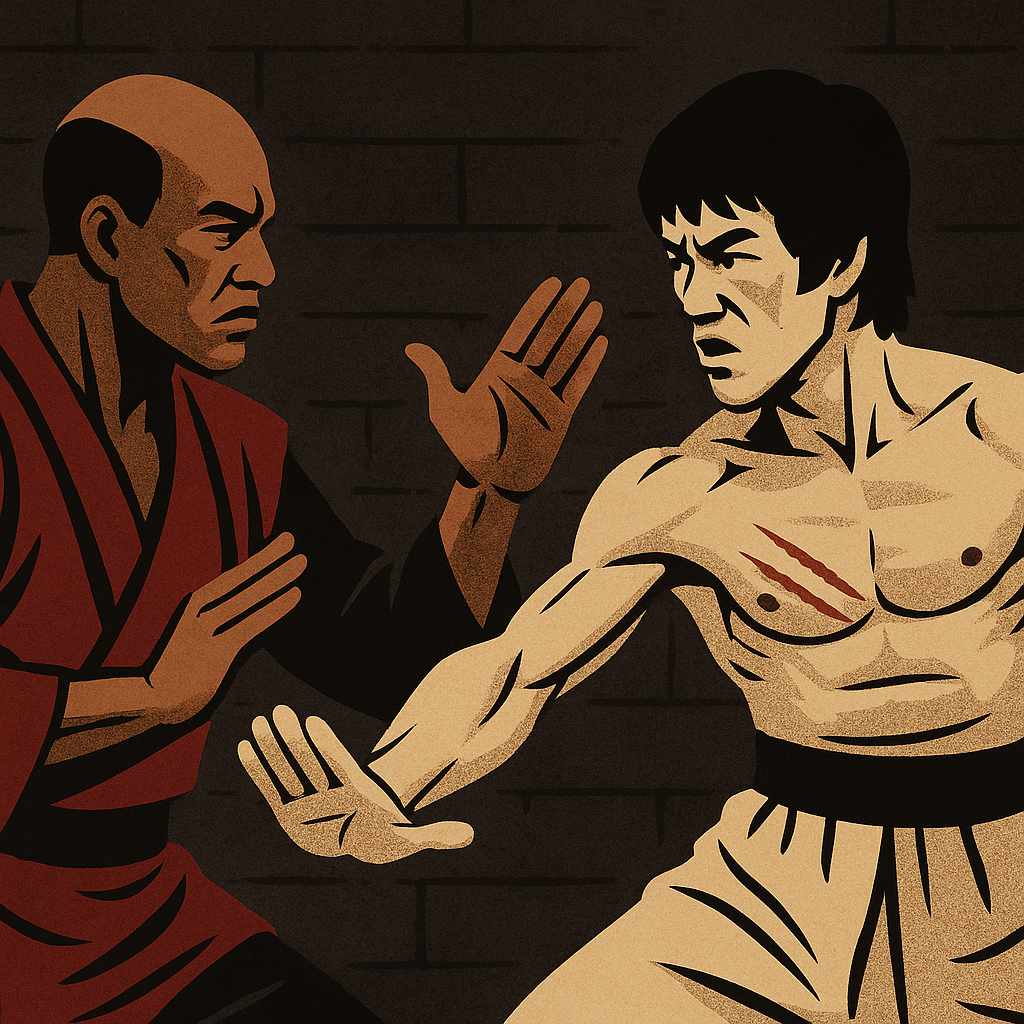
One reason the fight in a great kung fu film hits the same way a great verse does is that both are built on precision. Look at the final duel in Enter the Dragon. Every movement is deliberate. The rhythm of the sequence builds and releases like a well-constructed bar. Nothing is wasted.
Pay attention to how the camera is positioned. Classic kung fu films — especially the Shaw Brothers productions — favor wide shots that let you see the full form. They are not hiding anything with quick cuts. That choice is a statement: we trust what these performers can do, and we want you to see it. That is the same confidence a producer shows when they let a beat breathe instead of filling every second. The craft earns the space it takes up.
Where to Go After the Playlist Ends

Once the playlist runs out, go deeper into the filmographies. Chang Cheh and Lau Kar-leung are directors who reward sustained attention — each one has a distinct philosophy about what the fight should mean, and watching their work back to back will teach you things no essay can. On the music side, follow the artists who are clearly doing their homework and trace back what they are drawing from.
Kung fu cinema and hip-hop are not just entertainment sitting next to each other. They are two traditions built on resilience, on mastery earned through repetition, and on the insistence that people who were told they did not matter had something essential to say. Every film and every record in this space is part of that argument. You are part of it now too.
What Kung Fu Philosophy Actually Offers a Hip-Hop Artist
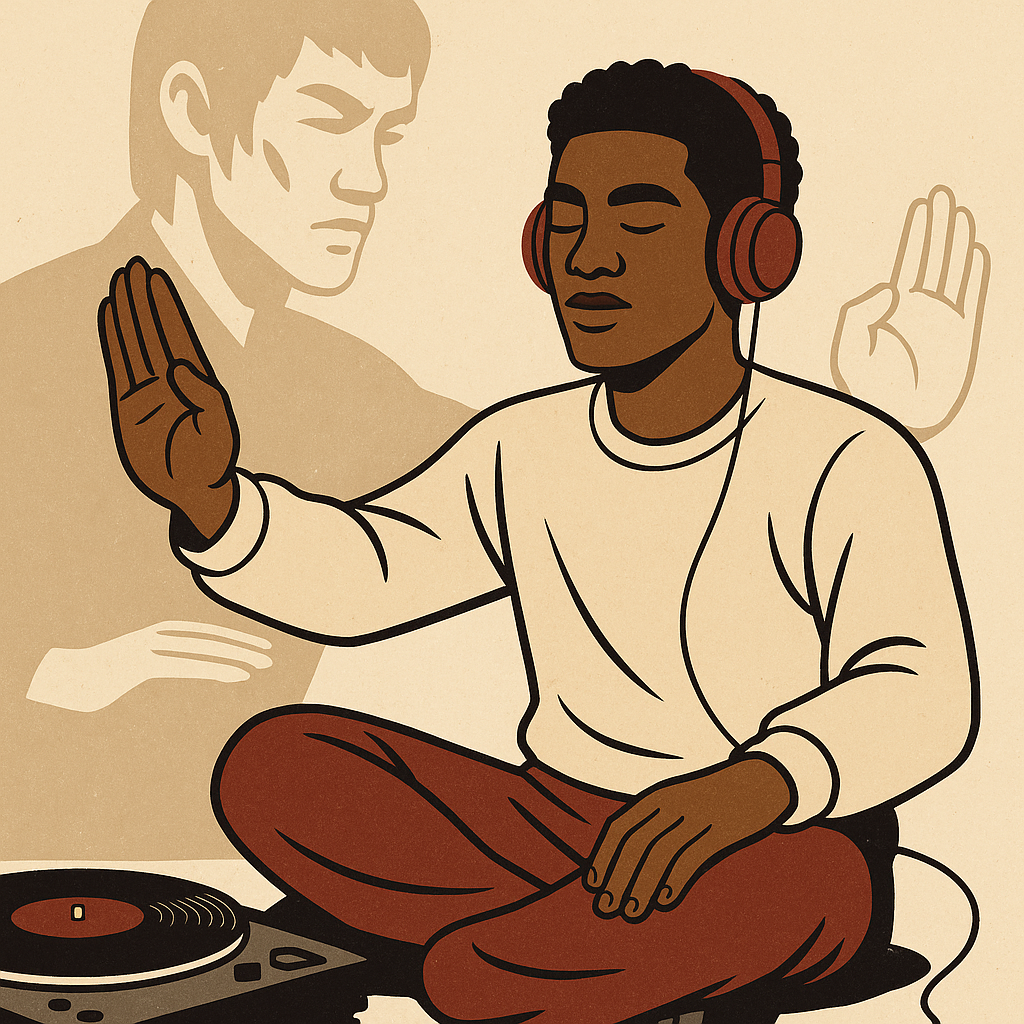
The philosophy inside these films is not decoration. Patience, continuous improvement, the balance between force and restraint — these are not abstract ideas in kung fu cinema, they are demonstrated in the stunt work, in the form, in the way a performer moves through a sequence. Hip-hop artists who engage seriously with this material are not just borrowing an aesthetic. They are picking up a framework.
Patience and Mastery
Nobody in a great kung fu film gets good fast. The training sequences exist to show you the cost of skill — the falls, the repetition, the years. That is a useful thing to sit with when you are a producer who has been working on the same sixteen bars for a week. The martial artist does not move on until the movement is right. There is something in that worth carrying into a studio session.
Balance and Flow
Kung fu teaches balance not just as a physical state but as a way of thinking about everything. In hip-hop, that translates to the tension between reaching people and staying true to what you actually have to say. The artists who navigate that tension well — who can move between a hard verse and a melodic hook without losing themselves — are practicing something that would look familiar to anyone who has studied the yin-yang logic running through these films.
Embracing Adversity
Both kung fu cinema and hip-hop were built by people working against the grain. The protagonists in these films do not win because the odds are in their favor. They win because they refuse to stop. That same energy is in the best hip-hop — the art that comes out of difficulty and does not pretend the difficulty was not real. That is where the most honest work lives, in both forms.
A Checklist for Building Your Own Kung Fu and Hip-Hop Experience

If you want to go beyond passive watching and listening, here is a practical starting point:
- Identify the essential films: Enter the Dragon and Drunken Master are entry points most people know. Use them to find the films those films are in conversation with.
- Pair deliberately: Match each film with a hip-hop track that shares its energy or themes. Think about rhythm and lyrical weight, not just surface references.
- Sit with what you watched: After each film, give yourself a few minutes to think about what the fight was actually about. The choreography is always saying something.
- Find your people: Online communities and forums built around this material are worth your time. The conversation makes both the films and the music richer.
- Make something: If you create — lyrics, beats, visuals — try bringing these themes into your own work and see what happens.
Case Study: What the Wu-Tang Clan Actually Did
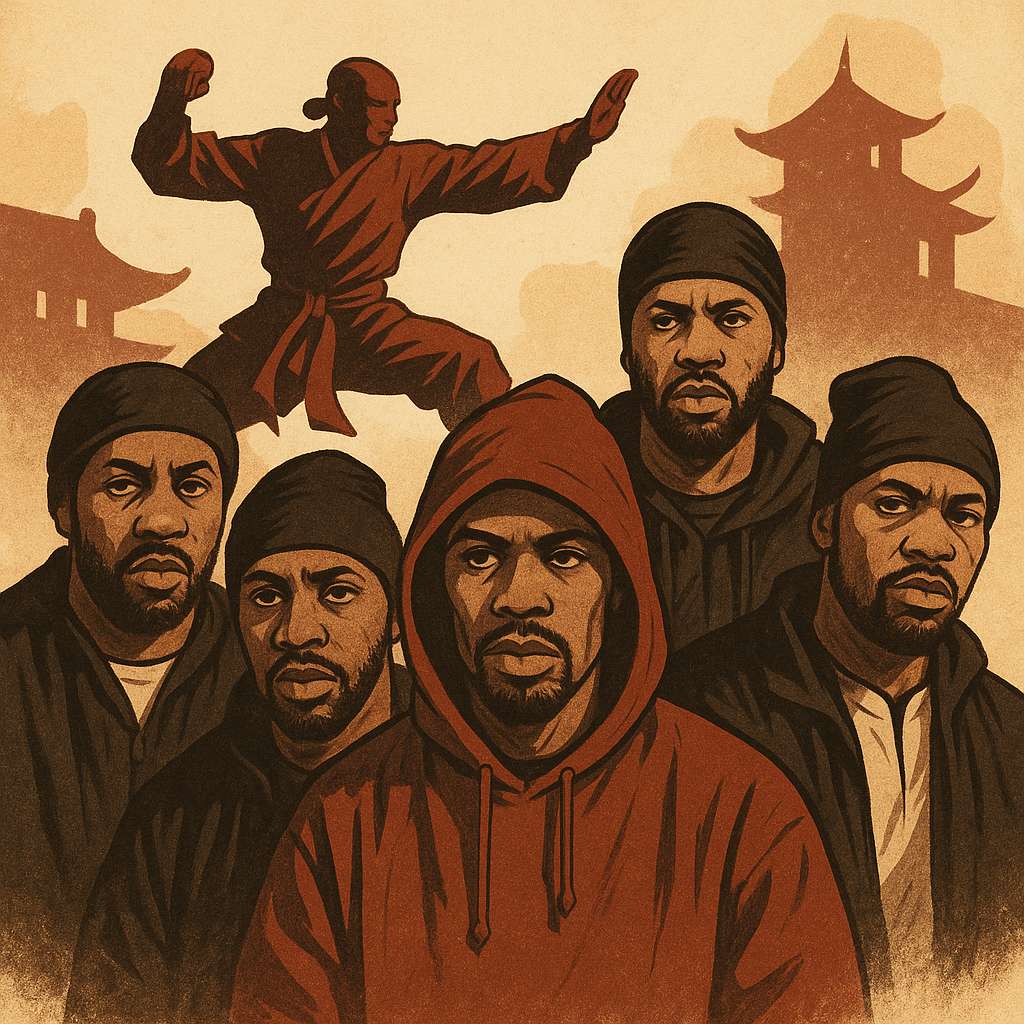
You cannot talk about kung fu’s influence on hip-hop without spending real time on the Wu-Tang Clan. When Enter the Wu-Tang (36 Chambers) came out in 1993, it was not just an album that referenced Shaw Brothers films — it was an album that thought like those films. The alter egos, the samples pulled directly from the source material, the group name taken from Shaolin and Wu Tang: none of that was surface decoration. It was a genuine engagement with the lineage.
What RZA and the rest of the group understood was that the kung fu film tradition had already worked out a lot of the questions they were asking about identity, loyalty, and what it means to build something that lasts. They brought that understanding into their music, their branding, and the way they presented themselves as a collective. The result was something that felt genuinely new because it was drawing from something genuinely deep.
The Wu-Tang Clan’s legacy is still shaping how artists think about cultural influence. They showed that taking something seriously — really studying it, letting it change how you work — produces more interesting art than borrowing the surface and moving on.
Tracking What Lands: How to Measure Your Own Engagement

If you are a creator putting kung fu-inspired work into the world, it is worth paying attention to what connects and what does not. Here are some honest ways to measure that:
- Audience engagement: Watch how people respond when you release work that draws on this material — comments, shares, and direct messages will tell you what is landing.
- Reach: Track views, listens, and downloads on kung fu-themed projects to understand how far the work is traveling.
- Community growth: Notice whether your audience is growing among people who share this interest. That overlap is meaningful.
- Creative output: Count the new tracks, collaborations, and projects that have come out of engaging with this tradition. Volume matters, but so does the quality of what the engagement is producing.
- Feedback: Read what people actually say about the work. Qualitative responses will tell you whether the cultural integration feels earned or forced.

Leave a Reply