The Kid with the Golden Arm: A Classic Shaw Brothers Film
The Forgotten Legacy: Why “The Kid with the Golden Arm” Deserves More Recognition
Picture the projector flickering on, the opening credits rolling over that unmistakable Shaw Brothers logo, and a room full of people who have no idea they are about to watch something genuinely special. That was my introduction to The Kid with the Golden Arm, and I have been trying to get people to pay attention to it ever since. This 1979 release sits right in the middle of the Venom Mob’s most productive run, and somehow it still gets passed over in favor of its more famous siblings. That is a problem worth talking about.
A Deep Cut That Earned Its Place
Chang Cheh directed this film, which already tells you something about the level of craft you are walking into. The Venom Mob’s choreography and stunt work here are as sharp as anything in their catalog, and that is not a small claim. But unlike the widely celebrated Five Deadly Venoms, this film has never received the restoration attention it deserves. No clean print pushed to streaming platforms, no anniversary reissue with liner notes explaining what you are actually watching. For a lot of people, it simply does not exist. That is the genre’s loss, and I think it is worth correcting.
The Fight Is the Argument
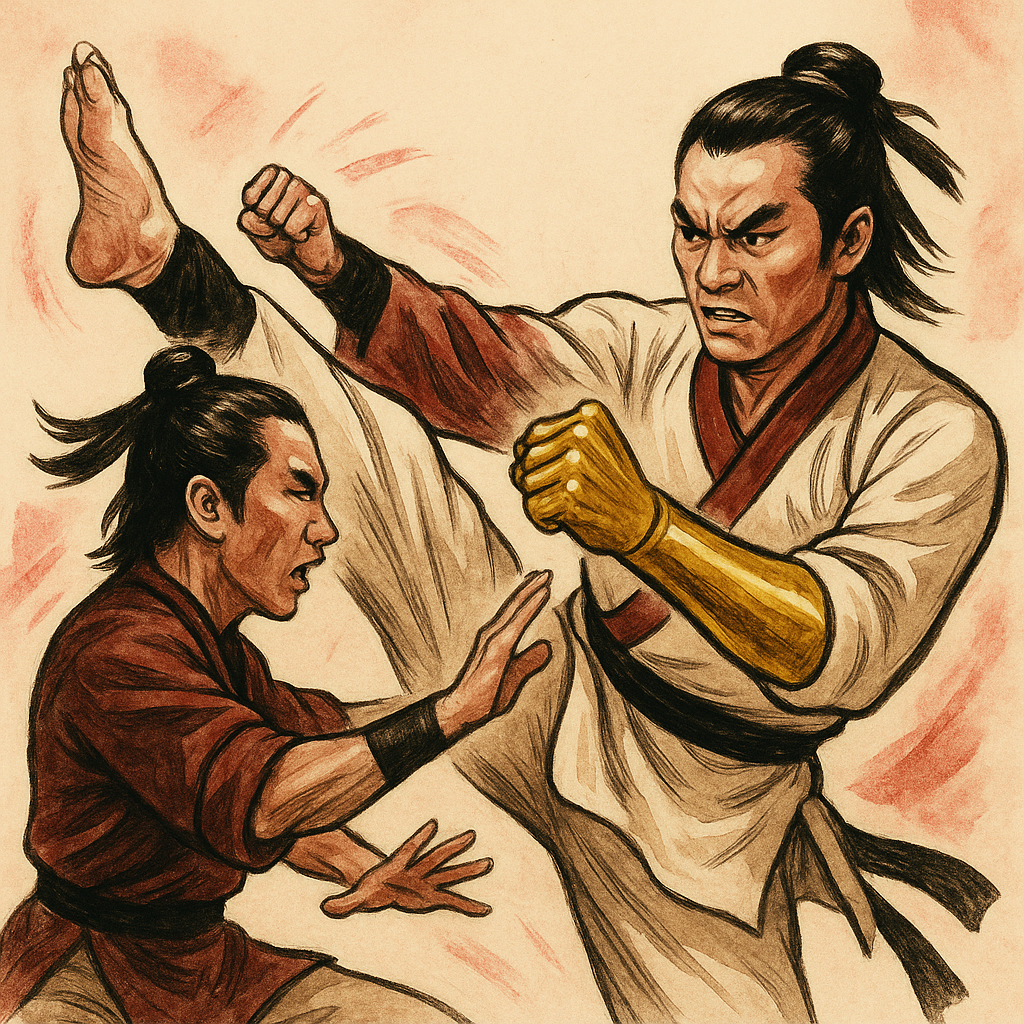
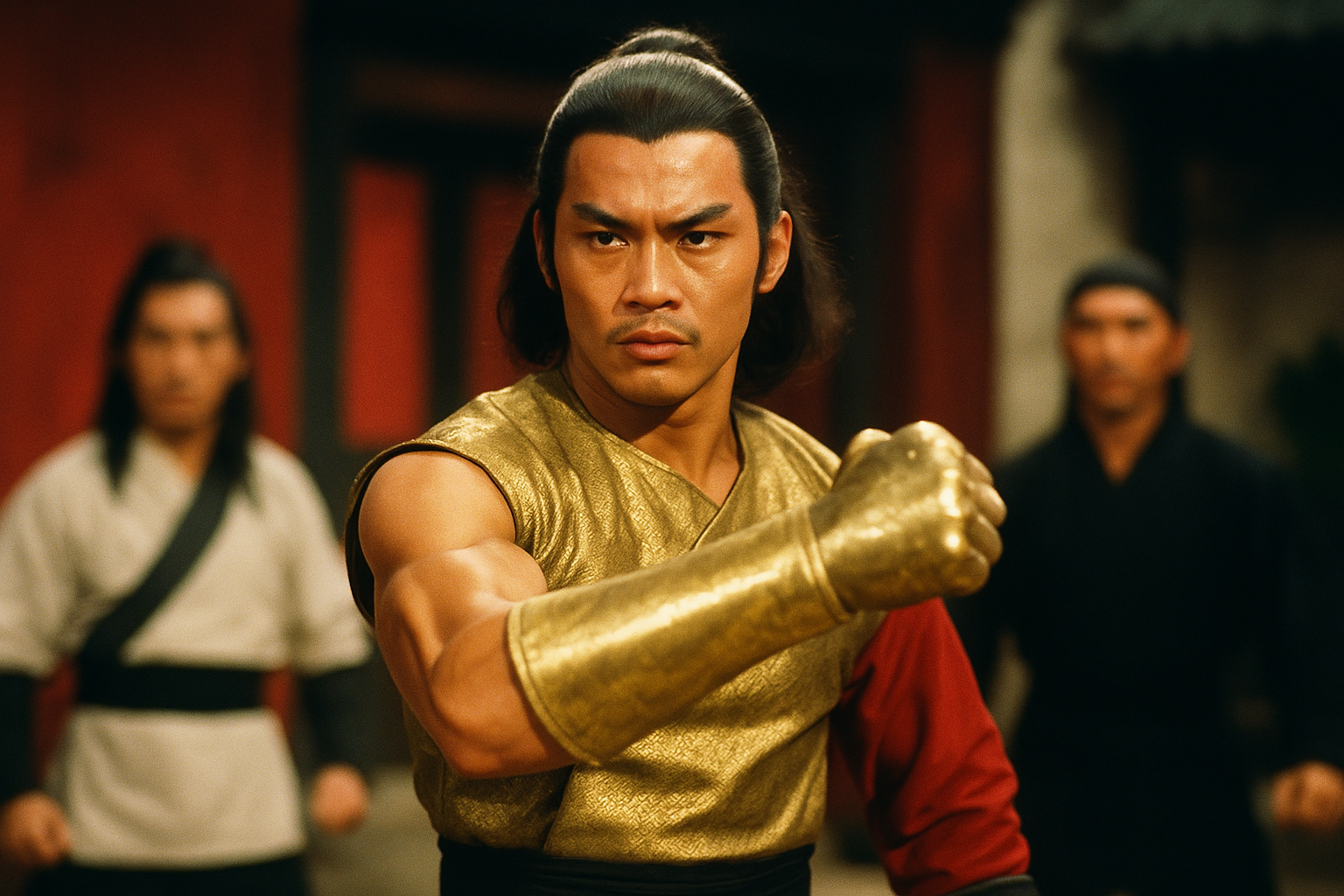
What separates The Kid with the Golden Arm from a lot of what was being made in 1979 is the choreography. Every fight sequence is constructed, not assembled. Each exchange has a logic to it, a sense that the people involved understand both their own bodies and the body of the person across from them. Lo Meng’s Golden Arm character hits with real weight and then pivots with an agility that should not be possible for someone built the way he is. That combination is not an accident. It comes directly from the Peking opera lineage that runs through the Venom Mob, a training tradition that demanded physical precision long before anyone pointed a camera at them.
The Craft Behind the Camera
The stunt work does not carry this film alone. The production design builds a world that feels lived-in and specific, and the cinematography uses color and shadow in ways that actually serve the story rather than just dressing it up. There is a visual language at work here that rewards attention. If you watch it once for the fights and then go back and look at how individual scenes are lit and framed, you start to understand why the people who love this film love it the way they do. The craft goes all the way down.
Why Underrated Is the Right Word
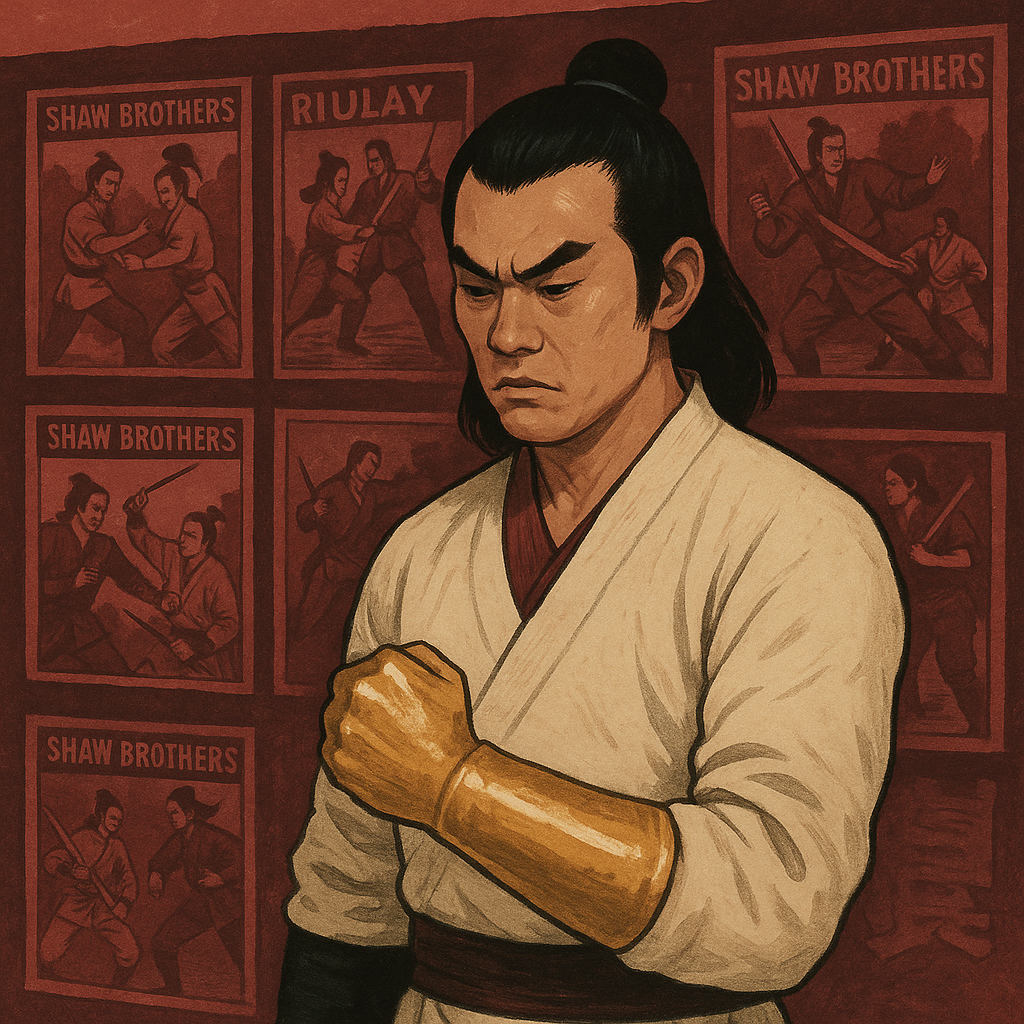
Part of the problem is distribution. Without a proper restoration, the film circulates in prints that do not do it justice, and most casual viewers are never going to seek out a rough copy of something they have barely heard of. The Shaw Brothers catalog is enormous, and without someone actively championing a title, it slides. That is what has happened here.
The film’s narrative complexity is also worth naming honestly. It asks more of you than a straightforward revenge story does. Alliances shift. Motivations take time to surface. For someone coming in fresh, that can feel like a barrier. But it is also exactly what makes the film worth returning to. The second viewing pays out differently than the first, and the third differently again. That is not a flaw in the storytelling. That is the storytelling working.
Finding It and Watching It Right

Your best options right now are specialty streaming services and physical media collectors who actually care about what they are selling. Interest in classic Shaw Brothers films has been building steadily, and platforms are starting to respond by bringing these titles alongside more mainstream releases. For a full breakdown of where to watch Shaw Brothers films in 2026, dedicated fan forums and collector communities are still your most reliable guides. These are people who have been doing this work for years, and they know where the good prints live.
What This Film Points Toward
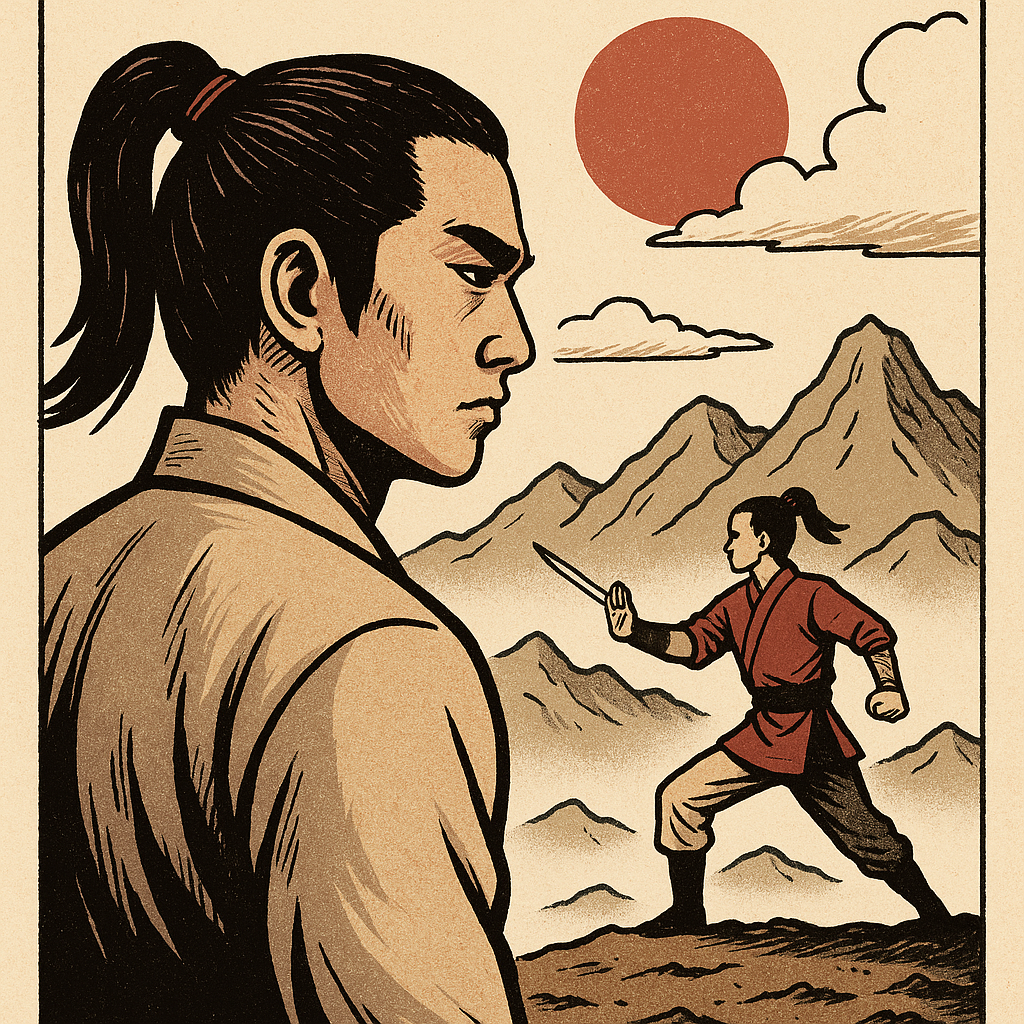
Films like The Kid with the Golden Arm matter beyond their own running time. They show what is possible when action choreography, narrative ambition, and genuine physical craft are working together instead of pulling against each other. Any filmmaker serious about the form should be studying this lineage. The Venom Mob were not just performing. They were building a template, and most of the people who borrowed from it never gave them the credit they were owed.
If you want to go deeper on what the Venom Mob actually contributed and how their individual careers shaped the genre, the Venom Mob hidden hero case studies are a good place to start. The craft and dedication behind these performances deserve that kind of close attention.
The Kid with the Golden Arm is not a footnote in the Shaw Brothers story. It is one of the clearest examples of what that studio could produce when everyone involved was operating at the top of their form. It has earned its recognition. We just have to make sure more people actually find it.
The Ensemble as Its Own Argument
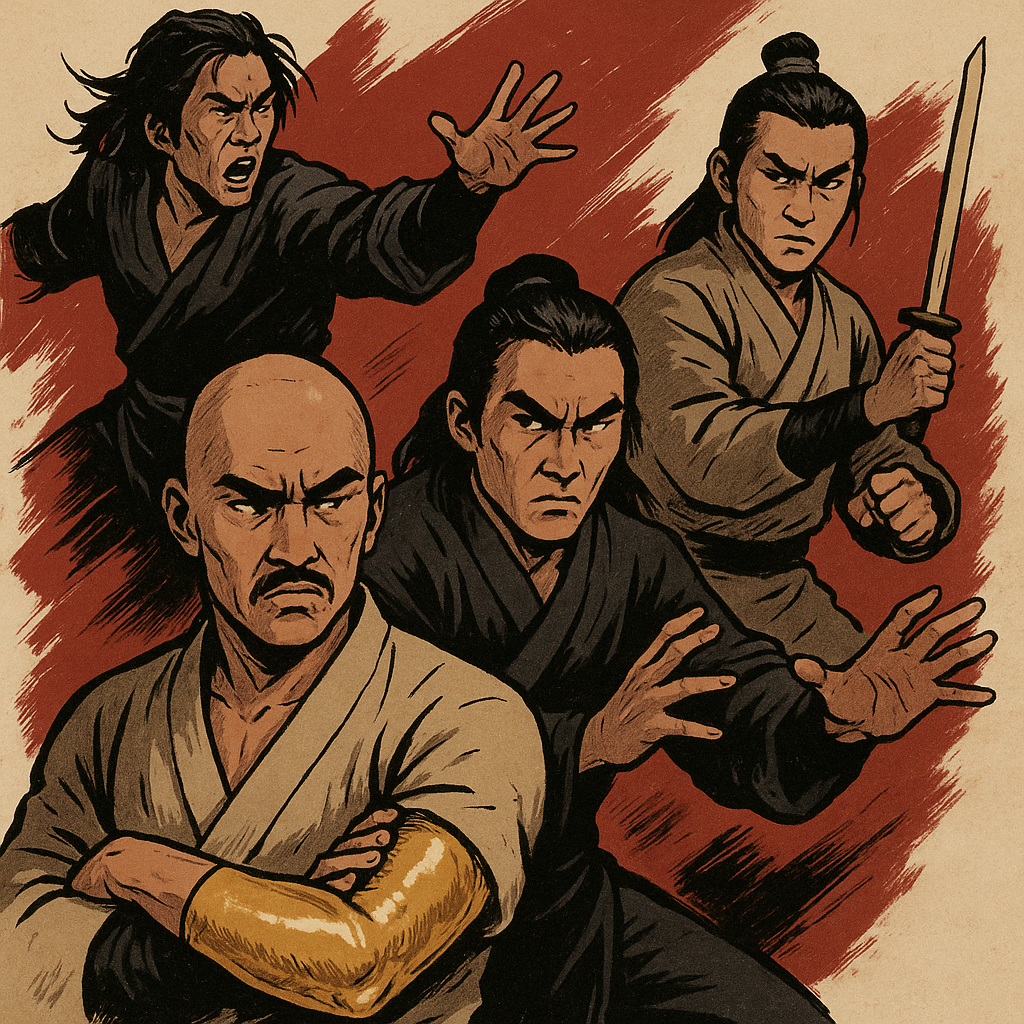
One of the things that gets lost when people talk about this film in shorthand is how well the ensemble actually functions. Every member of the Venom Mob brings a distinct fighting form and a distinct personality, and the film uses both. Loyalties shift in ways that feel earned rather than convenient. Character motivations build across the runtime instead of arriving fully formed. The result is a film that works as action and as drama, which is rarer than it should be, and which is exactly why it keeps pulling people back in.

Leave a Reply