Music Licensing 101: What Artists Need to Know in 2026
Most artists create. Few protect what they create. In 2026, that gap is where money gets left on the table. Music licensing is not a back-office formality — it is the system that turns your catalog into compounding cash flow. Understand it, and you control your revenue. Ignore it, and someone else will.
Understanding the Basics of Music Licensing
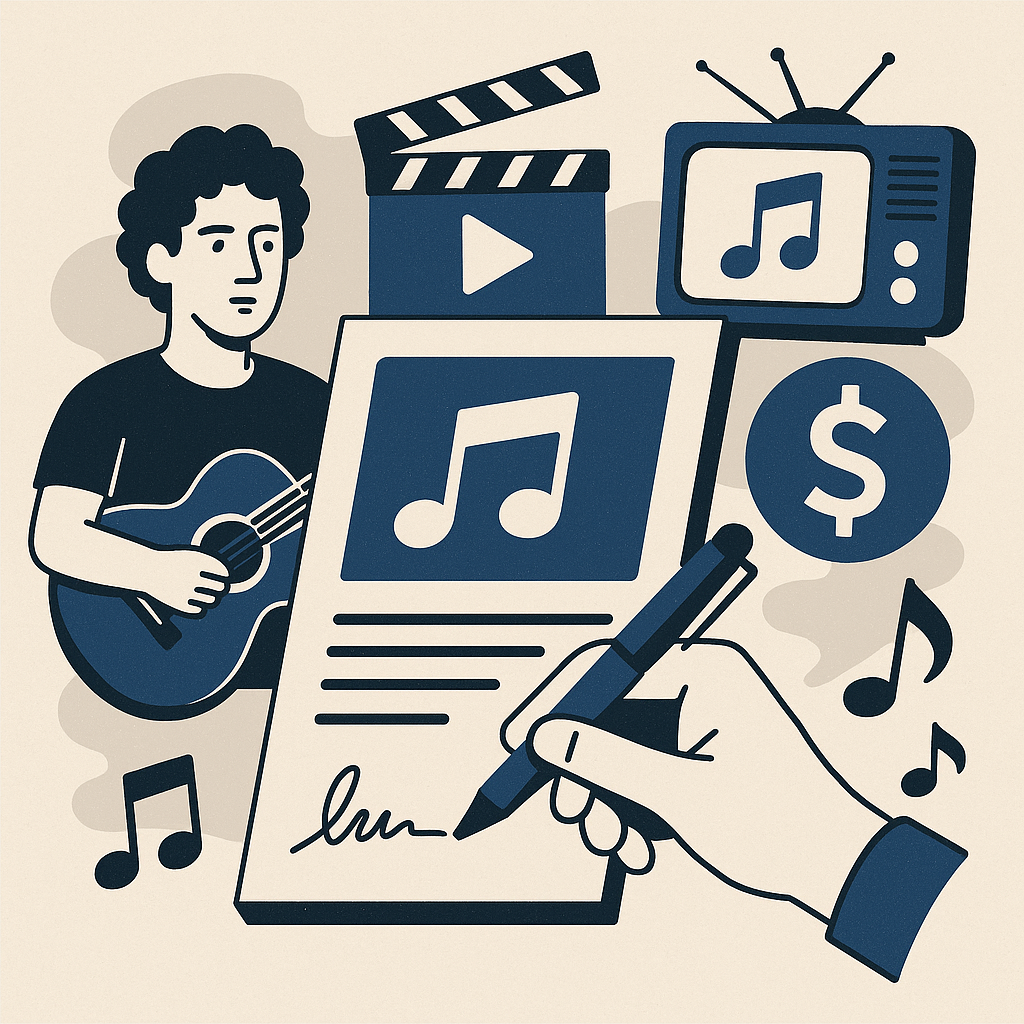
A license is permission. You grant it. You set the terms. In exchange, you get paid. Music licensing breaks into three core categories: synchronization licenses for visual media, mechanical licenses for reproduction and distribution, and performance licenses for public use. Each one is a separate revenue channel. Treat them that way.
Synchronization Licenses
Sync licenses place your music inside films, ads, and video games. The payouts vary widely — a national TV spot can dwarf a year of streaming royalties. To land sync deals, you need relationships with music supervisors. Build them deliberately. Platforms like ArcanoLabs offer AI-assisted content placement tools that can accelerate that process without the cold-call .
Mechanical Licenses
Every time your song is reproduced — pressed to a CD, downloaded, or streamed — a mechanical license is in play. Streaming now dominates consumption, which means digital mechanical royalties are where the volume lives. Services like Songtrust exist specifically to track and collect these royalties across global markets. Use them.
Performance Licenses
Your music plays in a bar, on the radio, or at a live venue. That triggers a performance license. Organizations like ASCAP and BMI collect those royalties on your behalf. As digital performances multiply, gaps in registration cost artists real money. Register everything. Stay current.
Industry Challenges and Opportunities in 2026
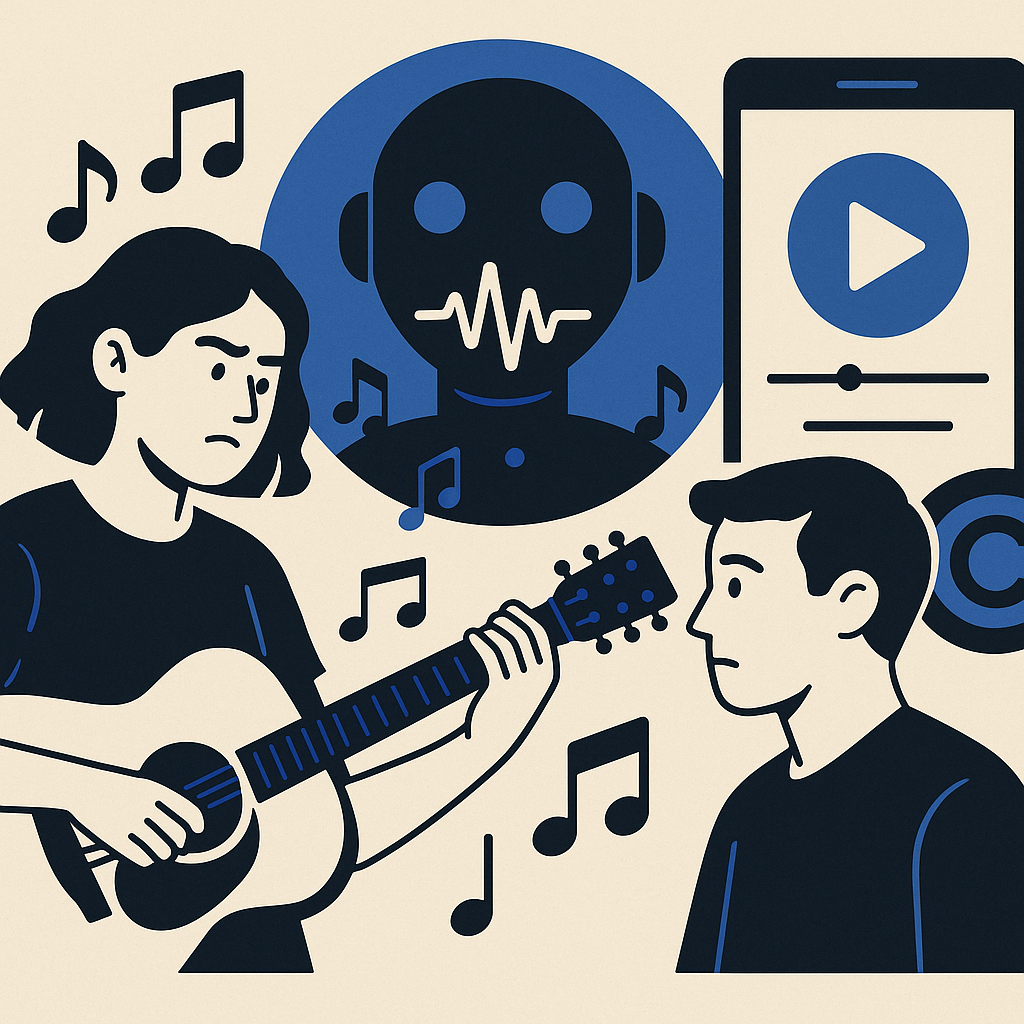
Three forces are reshaping the licensing landscape right now: AI-generated music, shifting streaming economics, and incoming copyright law changes. Each one is a variable you need to account for. The silent operator watches these shifts and positions early.
AI-Generated Music
AI can now produce music at scale. That is both a threat and a tool. The threat is commoditization — more supply, more noise. The tool is speed. Artists who use AI to accelerate composition while protecting their original catalog will have the edge. ArcanoLabs builds AI tools designed to complement your creative output, not replace it. Know the difference before you sign anything that touches AI-generated content.
Streaming Models
Streaming platforms dominate consumption. They also structure payouts in ways that consistently favor major labels. Independent artists get a smaller slice of a massive pie. The counter-move is direct-to-fan. Platforms like Bandcamp let you retain a far larger share of revenue. Build that channel in parallel. Do not rely on a single platform’s algorithm to determine your income.
Copyright Law Changes
Digital rights legislation is moving in 2026. The specifics are still forming, but the direction is clear: more scrutiny, more complexity. Artists who stay close to music industry advocacy groups will get early signals. That lead time matters when contracts are on the table.
Tools and Resources for Effective Music Licensing
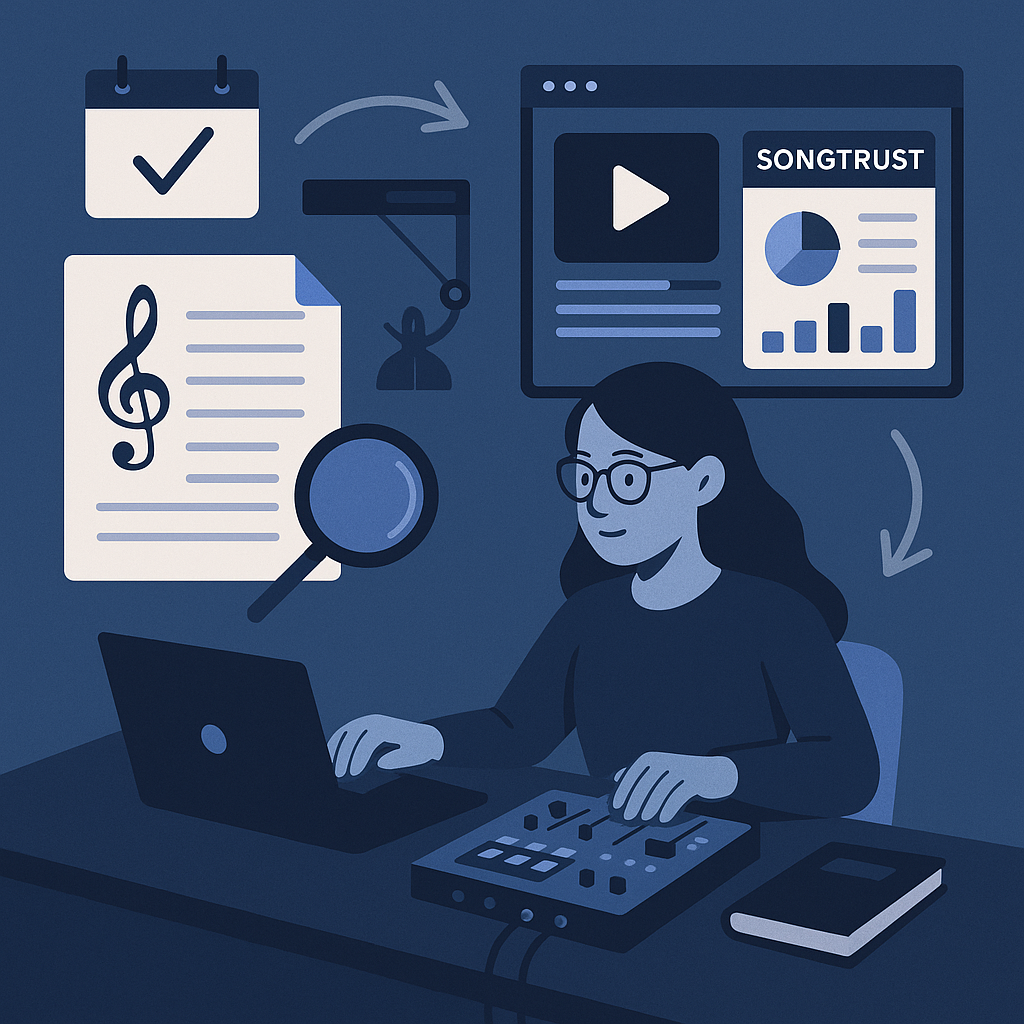
The right tools remove friction. They track what you cannot track manually, collect what would otherwise slip through, and connect you to opportunities you would never find cold. Here is what belongs in your stack.
Licensing Platforms
- Songtrust: Handles global publishing administration. Collects mechanical and performance royalties across territories so you do not leave money sitting unclaimed in foreign markets.
- CD Baby: Distribution and licensing services built for independent artists. Manages rights without requiring you to sign them away.
Networking Tools
- LinkedIn: Direct access to music supervisors and licensing agencies. Use it with intention, not noise.
- SyncTank: Connects artists with media producers actively seeking music. A targeted channel for sync placement.
Educational Resources
- Berklee Online: Structured courses on music business and licensing. The fundamentals do not change — learn them once, apply them forever.
- Music Licensing Directory: A working reference for licensing opportunities and industry trend tracking.
Step-by-Step Guide to Implementing Music Licensing Strategies
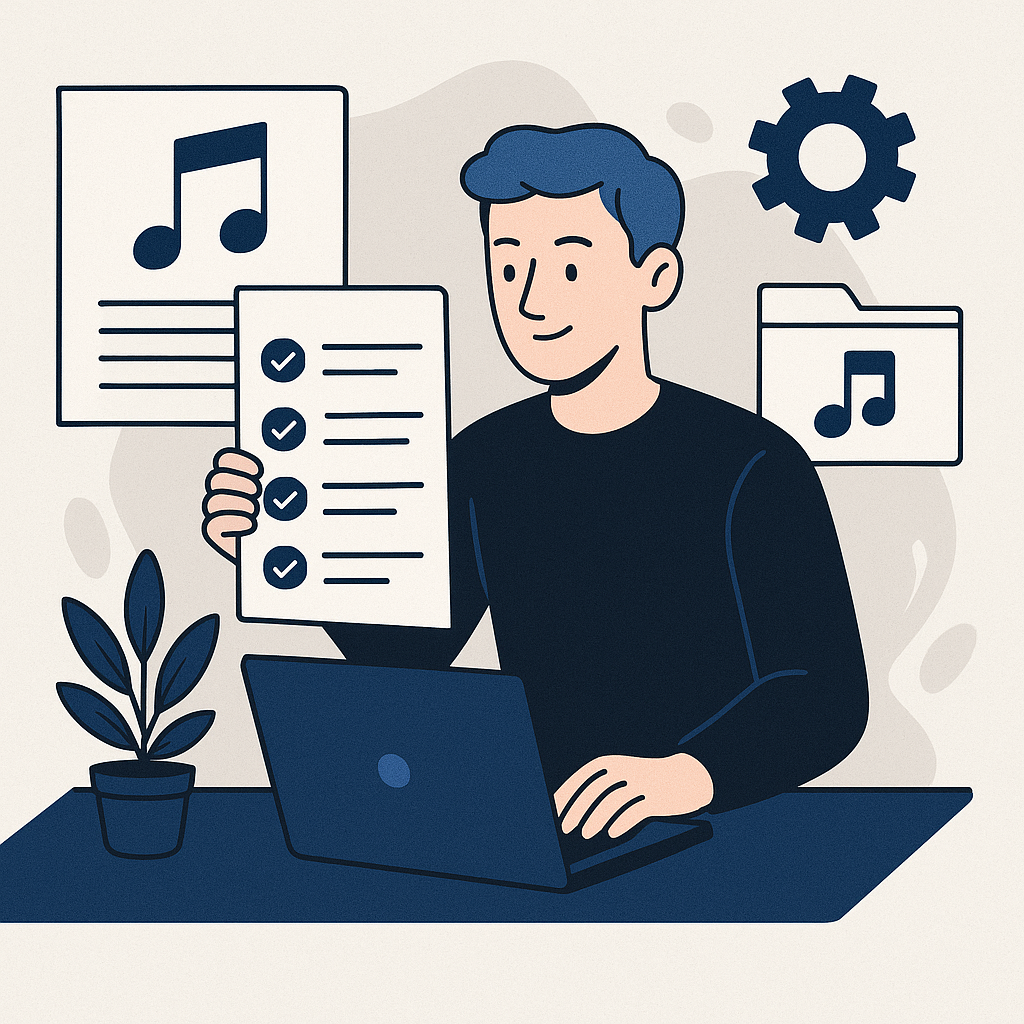
Strategy without execution is noise. Here is the sequence that actually moves the needle:
- Catalog Your Music: Organize every composition and recording. Register all works with ASCAP or BMI before you pitch anything to anyone.
- Research Potential Opportunities: Use SyncTank and the Music Licensing Directory to identify active placement opportunities. Know where demand exists before you supply it.
- Build Relationships: Connect with industry professionals on LinkedIn. Attend music industry conferences. The deals that matter rarely come from cold outreach alone.
- Negotiate Contracts: Bring in an experienced music attorney before you sign. Fair terms are negotiated, not assumed.
- Monitor and Collect Royalties: Run Songtrust in the background. Track what is owed. Collect what you have earned. Compounding only works if the money actually arrives.
Conclusion: Taking Control of Your Music Licensing in 2026
The music industry will keep shifting. That is not a warning — it is the operating condition. Artists who build in silence, register their catalogs, and treat licensing as a system rather than an afterthought will earn in peace while others scramble. The playbook is here. Now execute it. For more on using digital platforms to grow your music career, visit TruZillah.
Start with your catalog. Register it. Then find one licensing opportunity this week and pursue it. Your future revenue is built on the actions you take now, not the ones you plan to take later.
Exploring New Revenue Streams Through Music Licensing
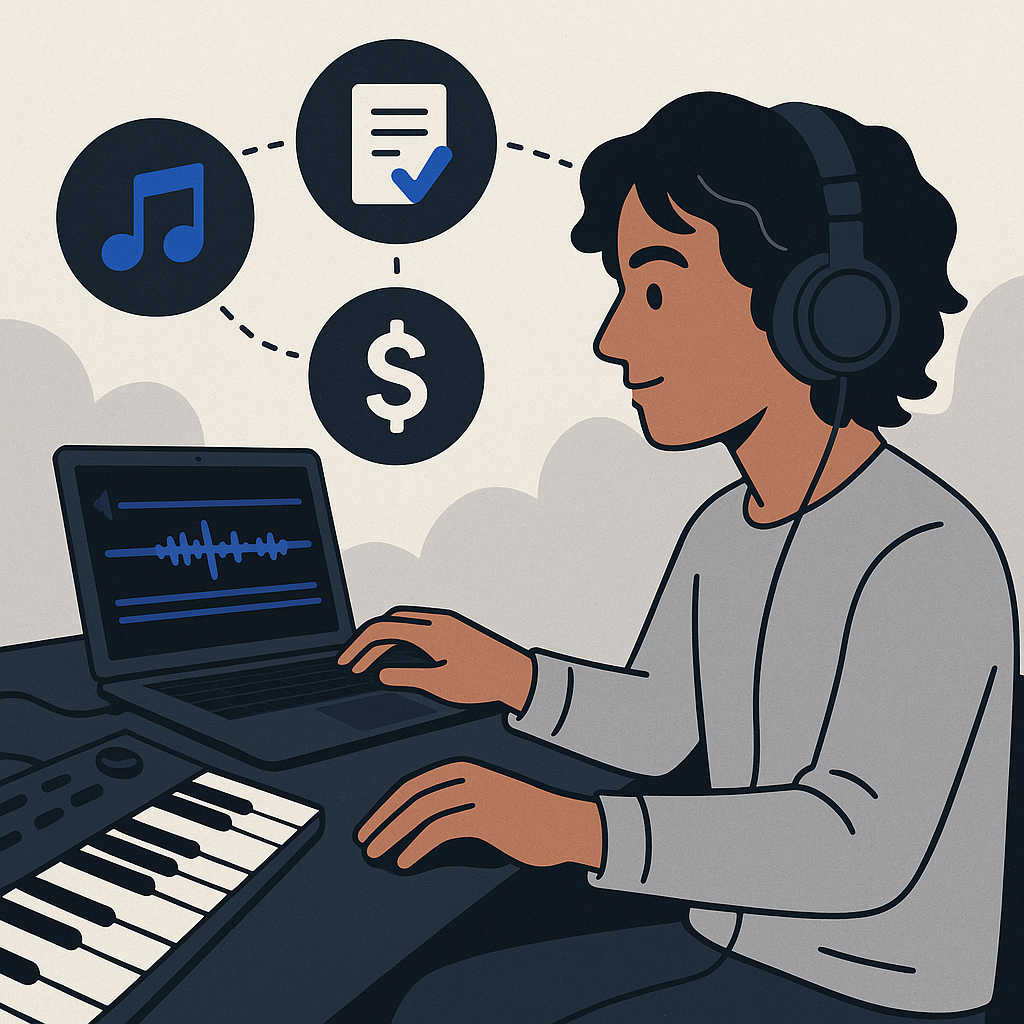
Traditional licensing is the foundation. But the artists building durable income in 2026 are stacking channels on top of it. Three areas deserve your attention now.
Micro-Sync Licensing Opportunities
Micro-sync covers music placed in short-form content — social media videos, podcasts, user-generated clips. TikTok and Instagram are the dominant platforms here. The individual payouts are smaller, but the volume is enormous and the audience reach compounds fast. Consider producing shorter tracks or purpose-built snippets specifically for these formats. Content creators need music constantly. Position your catalog to be found.
Licensing for Virtual Reality (VR) and Augmented Reality (AR) Experiences
VR and AR demand is accelerating. Virtual concerts, interactive games, and AR applications all need original music. This is an early-mover market — the artists who build relationships with VR developers and immersive content studios now will own preferred vendor status when the budgets scale. Do not wait for this channel to mature before entering it.
Brand Partnerships and Custom Compositions
Brands pay well for music that fits their identity. Custom compositions for marketing campaigns give you both income and visibility — your sound gets attached to a recognizable name. Know your sonic identity before you pitch. Brands are not buying generic. They are buying specificity.
Checklist for Expanding Licensing Opportunities
- Identify Your Unique Selling Point: Know exactly what makes your music distinct and which media formats it fits best.
- Stay Informed on Industry Trends: Track new platforms and emerging technologies that are actively licensing music.
- Develop a Diverse Portfolio: Build tracks across formats — short-form, immersive, long-form — so your catalog serves multiple markets.
- Engage with Content Creators: Talk to filmmakers, VR developers, and social media creators. Understand what they need before you pitch what you have.
- Utilize Licensing Agencies: Partner with agencies that specialize in niche market placement. They already have the relationships you are trying to build.
Metrics for Evaluating Licensing Success
You cannot optimize what you do not measure. Track these numbers consistently:
- Number of Licensing Deals Secured: Volume and diversity of active contracts. Both matter.
- Revenue Growth: Income generated from licensing over time. Month-over-month trends tell you whether the system is working.
- Audience Reach Expansion: Fanbase growth and engagement driven by licensed placements. Licensing is also a discovery channel.
- Brand Collaborations: Number and quality of brand partnerships formed through licensing. Quality outweighs quantity here.
Expand your licensing channels with the same discipline you apply to your craft. Each new stream is a system. Build it once, let it run, and stack the next one on top. That is how organic traffic to your catalog grows, how your EPMV on music-related content improves, and how a niche site portfolio built around your music becomes a real asset. Build in silence. Earn in peace.

Leave a Reply