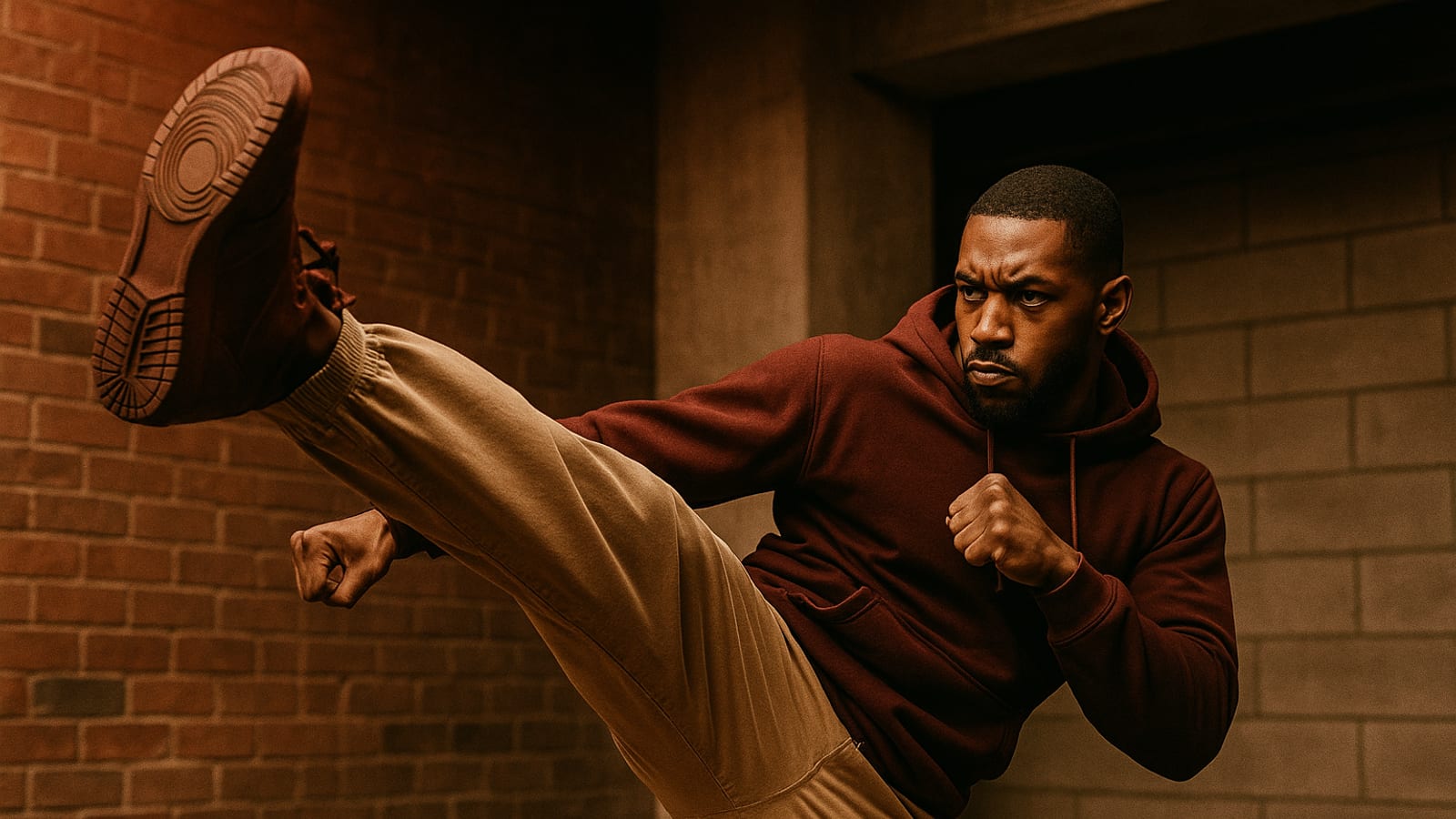
Choreography That Hit Hard: The Evolution of Martial Arts Scenes in Hip-Hop Videos
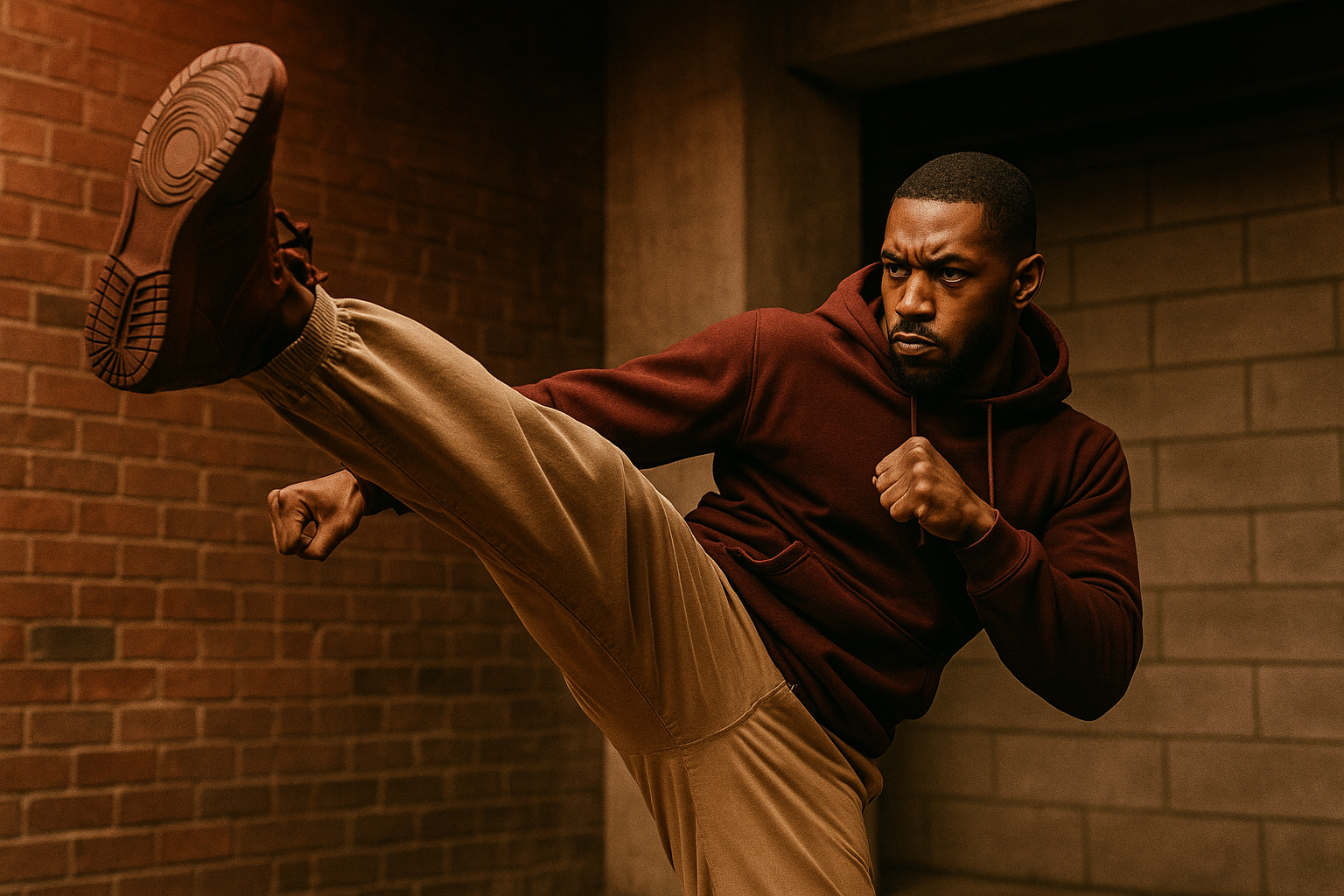
Picture a dimly lit alley. A hip-hop track bounces off the walls. And right in the middle of it, someone moves with the kind of precision you only get from years of drilling a form until it lives in your body. This is not an accident. The martial arts choreography you see in the best hip-hop videos comes out of a real lineage—two art forms that were both built by people who had something to prove, and who proved it through movement.
When Hip-Hop Met Martial Arts
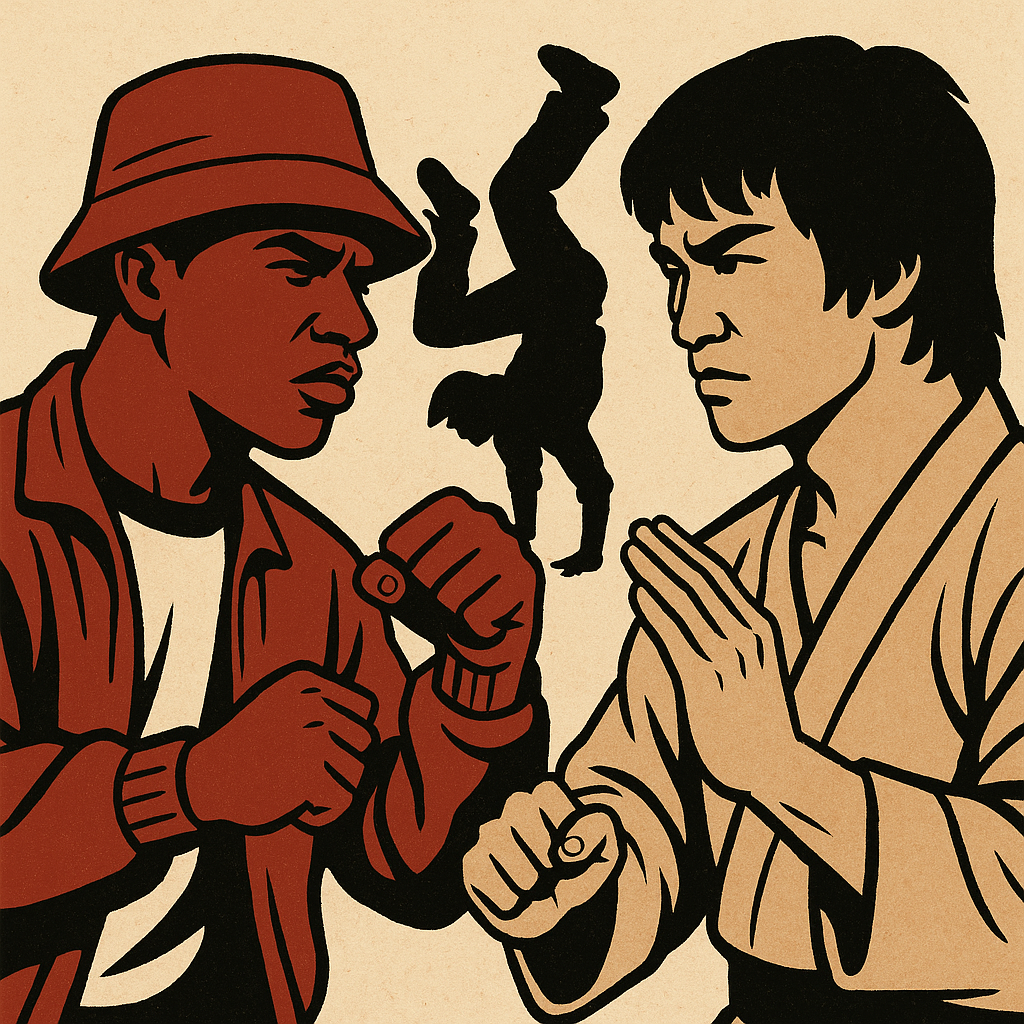
Take me back to the late 1980s. Hip-hop was still finding its shape, and martial arts films were running on every grindhouse screen and late-night cable slot that would have them. The meeting of these two worlds was not a marketing decision. It was organic. Hip-hop artists grew up on the same dubbed Shaw Brothers prints the rest of us did, and they brought that lineage directly into their work—the discipline, the storytelling through the body, the idea that movement carries meaning.
Look at the Wu-Tang Clan’s “Protect Ya Neck.” The choreography there is not decoration. It is a direct conversation with the Shaw Brothers films that shaped the group’s entire identity. Every move is sharp, deliberate, weighted. It hits the same way the lyrics do, because both come from the same source.
The Anatomy of a Fight Scene
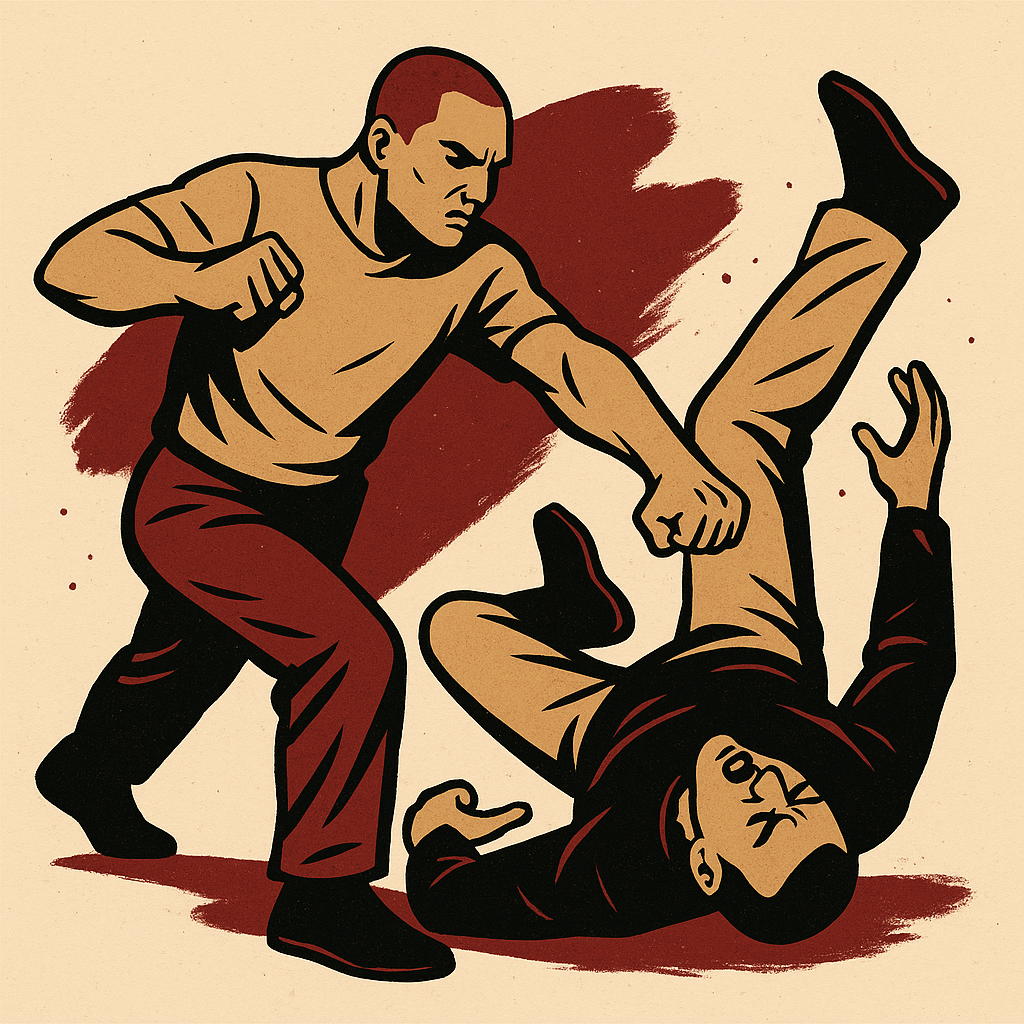
To understand why these scenes land, you have to look closely at the choreography itself. This is not standard dance work. Martial arts choreography in hip-hop videos is built around stunt work and form—the same foundations that make a fight sequence in a classic kung fu film feel real even when you know it isn’t. Every movement is planned to carry the scene’s narrative forward, not just fill the frame.
Missy Elliott’s “Get Ur Freak On” is worth studying here. The choreography pays genuine respect to martial arts through its precision and controlled energy. Watch how the fight sequences are timed to land on the beat. That is not coincidence. That is craft, and it takes the same kind of rehearsal discipline that serious stunt work always demands.
Tools of the Trade
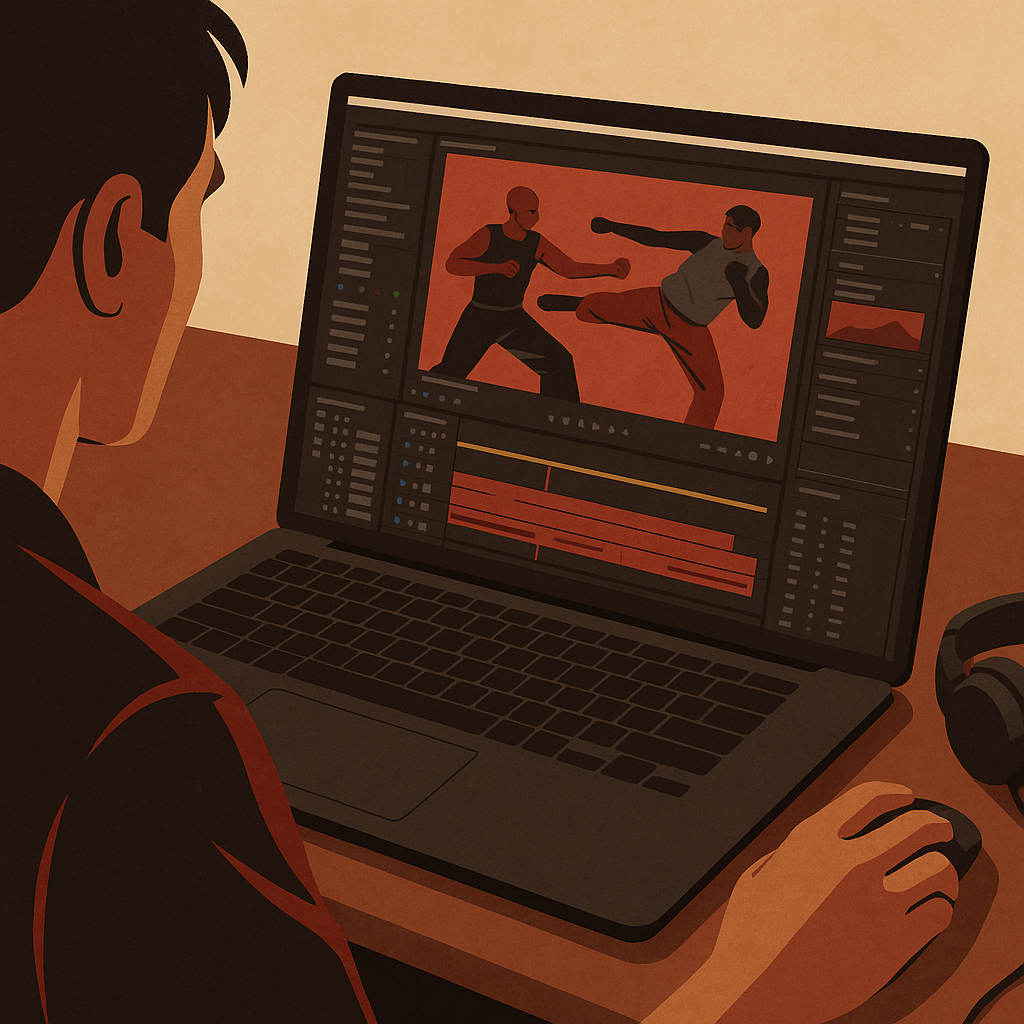
Getting the choreography right on screen requires the right production tools. Directors and choreographers working in this space rely heavily on advanced editing software like Adobe Premiere Pro, which runs around $20.99 a month and gives editors the control they need to sync fight sequences precisely to a music track. When the choreography and the audio are even slightly off, the whole thing falls apart—so that precision matters.
High-frame-rate cameras are equally essential. They capture every detail of a movement, which means choreographers can review footage and refine sequences before they commit to a final cut. These cameras are a real investment, often running upward of $5,000, but they are what separates a fight scene that reads clearly from one that just looks busy.
Step-by-Step: Crafting a Martial Arts Hip-Hop Video
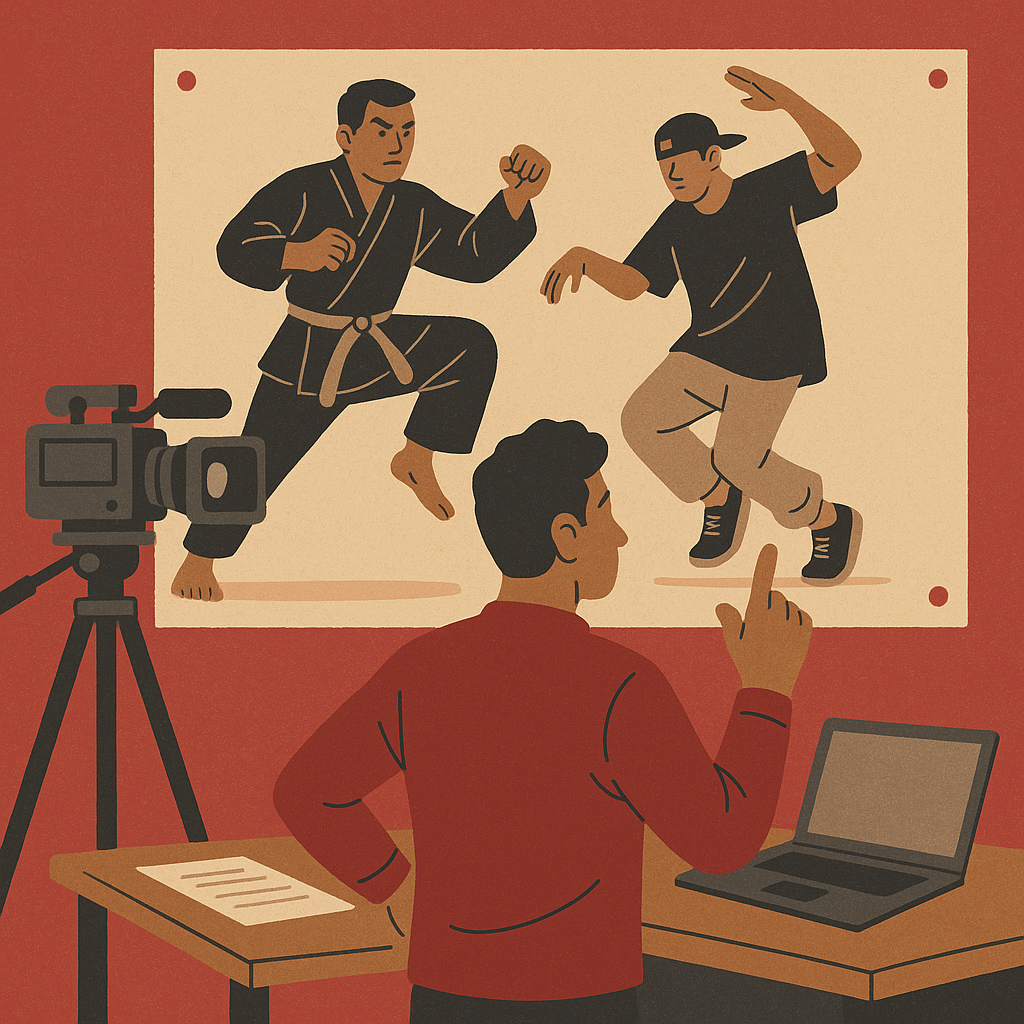
Building a martial arts scene in a hip-hop video is a layered process. Here is a straightforward guide to how it comes together:
- Conceptualize the Scene: Start with a clear narrative. The choreography needs to tell a story, not just demonstrate technique.
- Assemble Your Team: Bring in choreographers who genuinely know both hip-hop and martial arts. Surface-level knowledge shows on camera.
- Choose the Right Music: The track has to match the weight and rhythm of the choreography. This is not a decision to make last.
- Rehearse Extensively: The stunt work has to be second nature before anyone steps in front of a camera. There are no shortcuts here.
- Film with Precision: High-frame-rate cameras give you the detail you need to review and refine every sequence.
- Edit for Impact: Use software like Adobe Premiere Pro to lock the choreography to the music so every hit lands exactly where it should.
Looking Forward: The Next Evolution

As production technology keeps moving, so does what is possible in this space. AI and machine learning tools are starting to give choreographers new ways to experiment with form and sequence before a single performer sets foot on set. That could open up genuinely interesting territory—or it could produce a lot of hollow spectacle. The difference will come down to whether the people using those tools actually understand the craft underneath them.
If you want to dig further into what is happening at the intersection of martial arts and digital media, ArcanoLabs has resources built for creators who are serious about this work. Whether you are a filmmaker, a choreographer, or someone who just wants to understand why certain fight scenes hit harder than others, the conversation between these two art forms is nowhere near finished.
What is clear is that the choreography in hip-hop videos will keep evolving, and the best of it will keep drawing from the same deep well—the discipline, the lineage, and the genuine respect for what it takes to make a body move like that.
Integrating Cultural Elements into Choreography
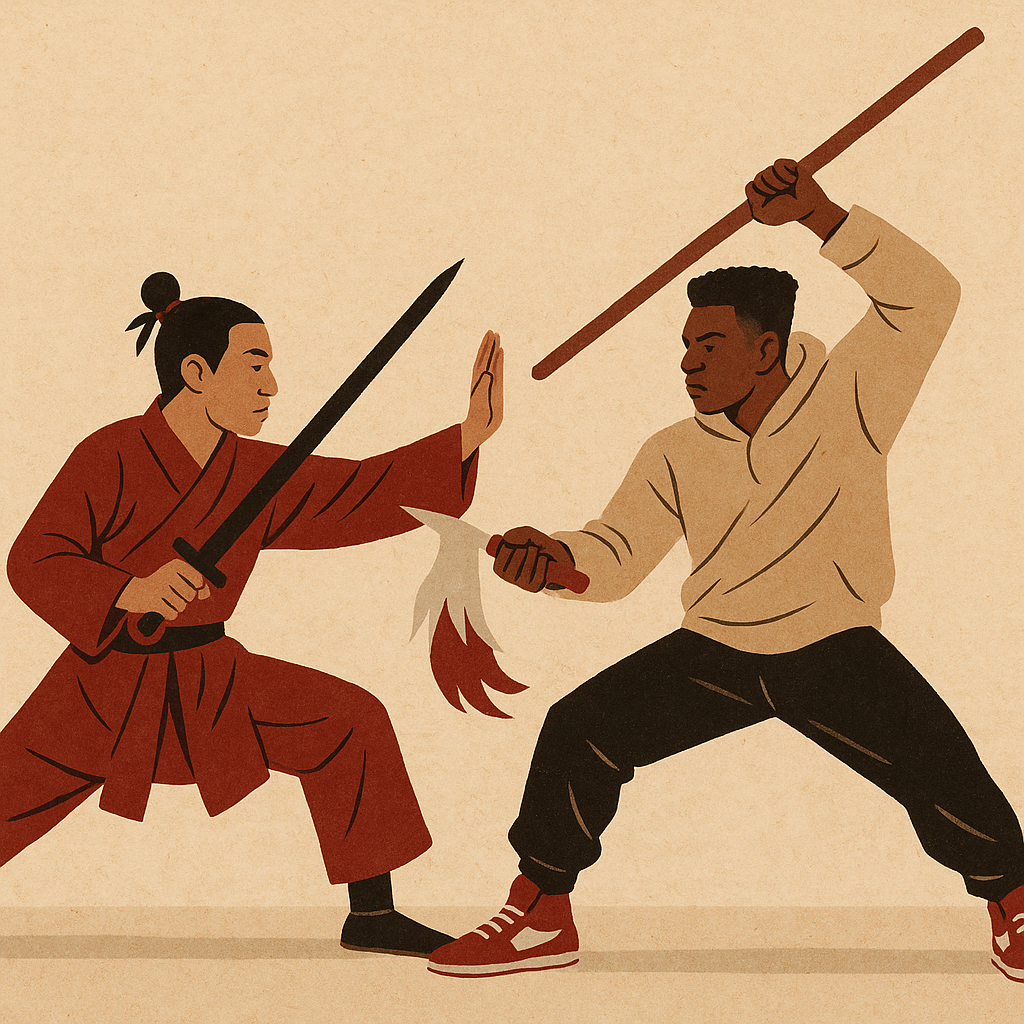
The strongest martial arts scenes in hip-hop videos do more than borrow moves. They bring in the cultural weight behind those moves—the attire, the weapons, the symbolic gestures that carry meaning for people who know the tradition. Tai Chi sequences, for instance, introduce a quality of stillness and control that sits in real tension with a hard hip-hop beat, and that tension is interesting. It earns attention.
Traditional uniforms, nunchaku, swords—these are not just visual props. When they are used with understanding, they add layers of context to the choreography that audiences feel even when they cannot name exactly why. That is what separates work that respects its source material from work that just raids it for aesthetics. The former builds connection. The latter tends to feel hollow pretty quickly.
Case Study: The Impact of Diversity in Choreography
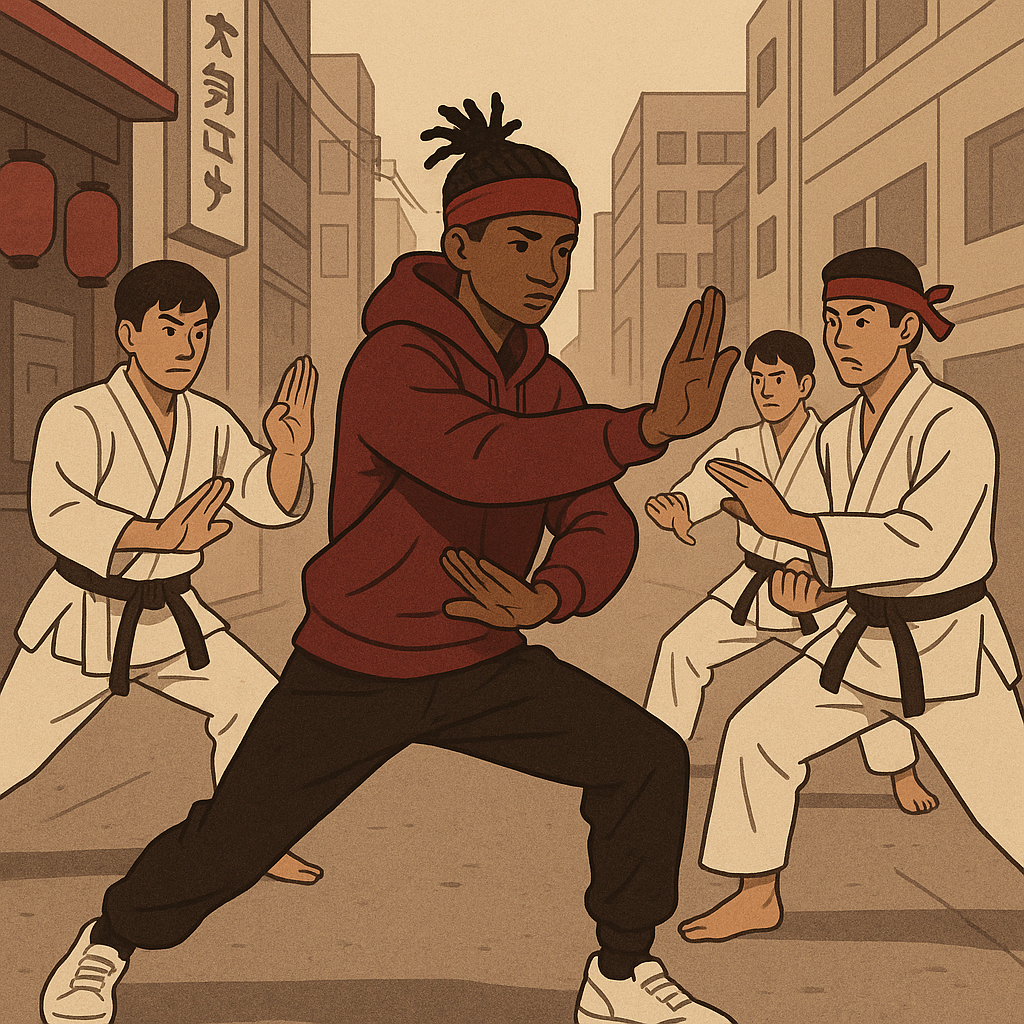
Jaden Smith’s “GHOST” is worth looking at closely here. The choreography draws heavily on Japanese martial arts, and the video was filmed in Tokyo with local dancers and martial artists in the room. That collaboration is not a detail—it is the whole point. The authenticity you feel watching it comes directly from the decision to involve people who carry that tradition in their bodies, not just their reference folders.
When choreographers and performers from different backgrounds are genuinely part of the creative process, the stunt work reads differently. It carries the weight of real knowledge. That is what makes the difference between a video that earns its imagery and one that just borrows it, and audiences—even audiences who could not explain why—tend to know which one they are watching.
Checklist for Creating Impactful Martial Arts Hip-Hop Videos
- Research Cultural Context: Know the origins and significance of the martial arts styles you are working with before you start blocking scenes.
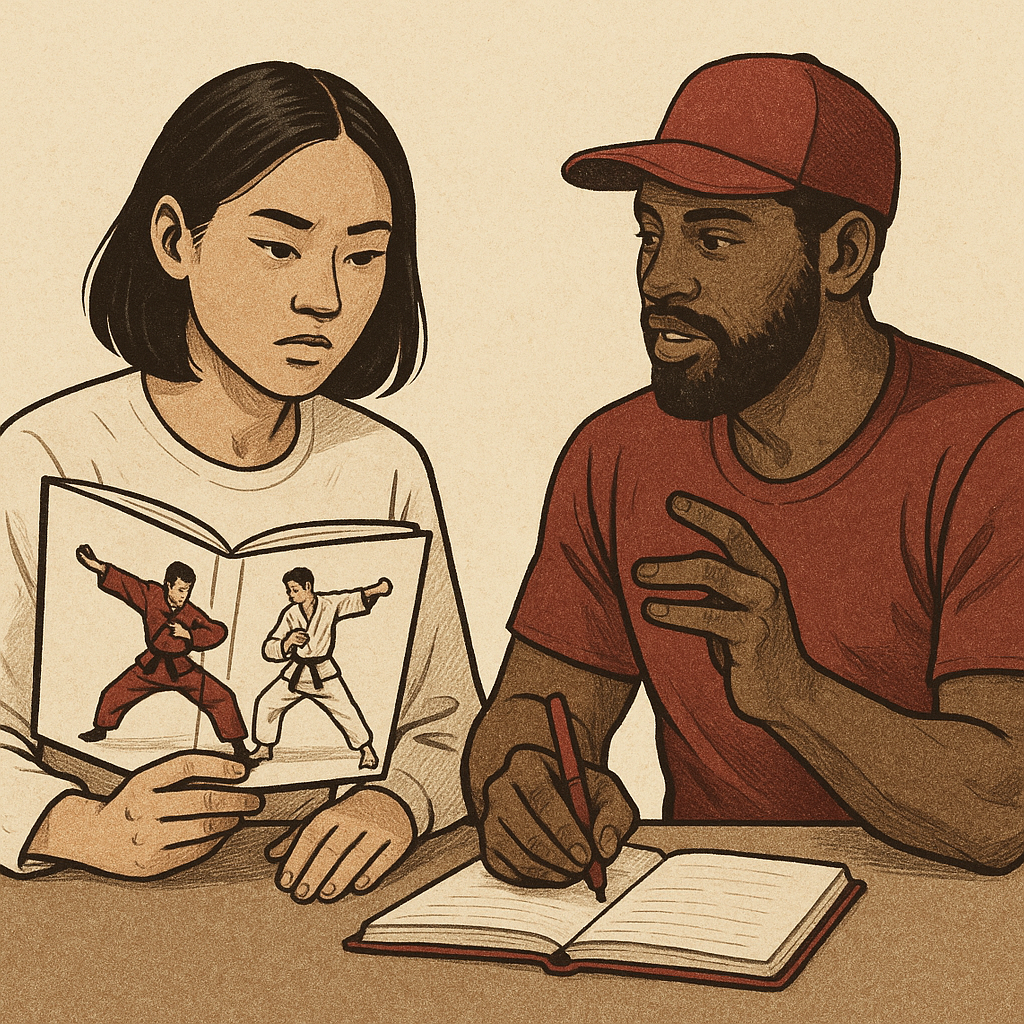
- Collaborate with Experts: Bring in martial artists and choreographers who have real training in the forms you are drawing from.
- Balance Tradition and Innovation: Push the work forward, but do not discard the traditional forms that give the choreography its foundation.
- Focus on Storytelling: Every movement should serve the narrative and connect to the music. If it does not, cut it.
- Invest in Quality Production: The right cameras and editing tools are not optional if you want the choreography to read clearly on screen.
- Engage with the Community: Get honest feedback from people inside both the martial arts and hip-hop worlds. They will tell you things a general audience will not.
FAQs on Choreographing Martial Arts in Hip-Hop Videos
What martial arts styles are most commonly used in hip-hop videos?
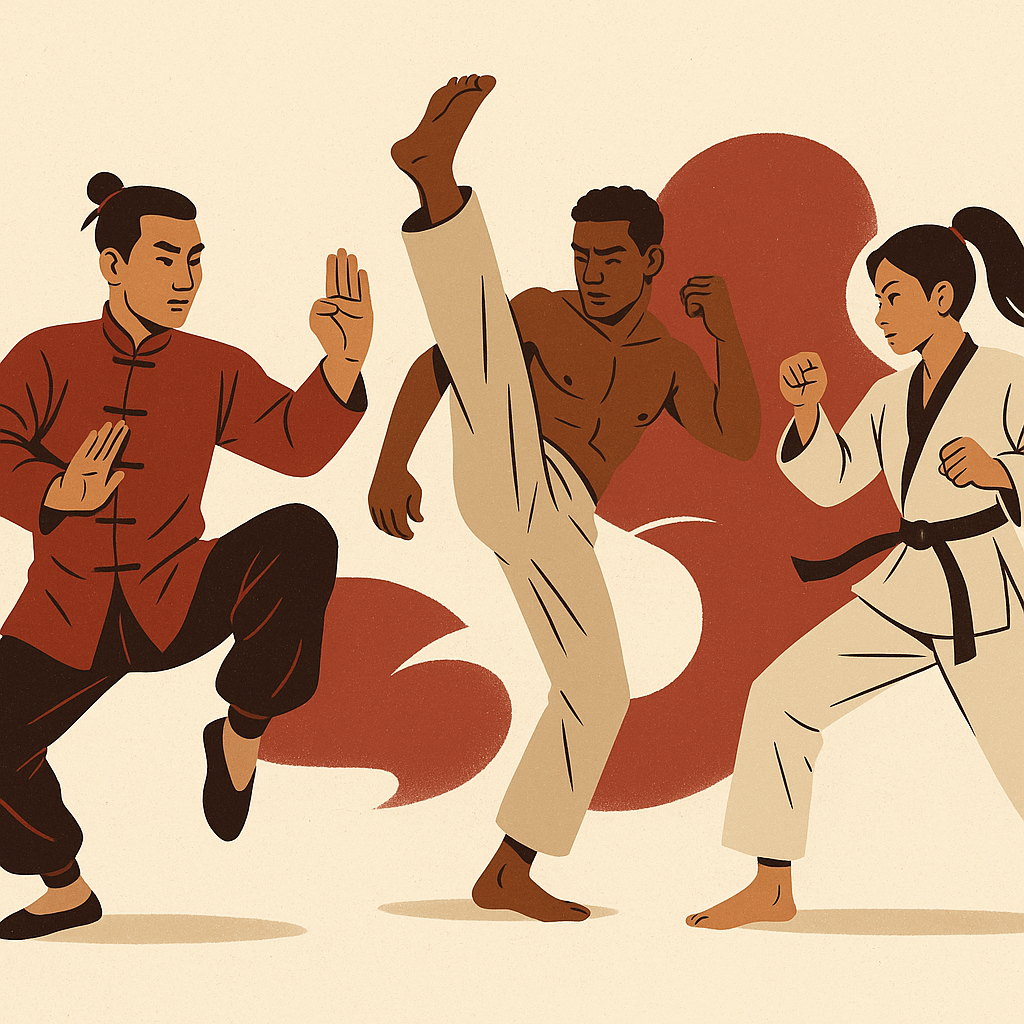
Kung Fu, Capoeira, and Taekwondo show up most often, and it is not hard to see why—each one has a visual language that reads clearly on camera and carries real cultural weight. The best choreographers do not just pick a style for how it looks. They pick it because it fits the story the video is trying to tell.
How can technology aid in choreographing martial arts scenes?
Motion capture is increasingly useful for refining movement and making sure the choreography aligns with the music before filming begins. Virtual reality tools are starting to give choreographers a way to visualize complex sequences in space before anyone is on set. These are genuinely useful additions to the process, as long as the underlying craft is already there.
How do you ensure safety during the filming of martial arts scenes?
Thorough rehearsal, professional stunt coordinators, and appropriate protective gear are the baseline. The people overseeing filming need to understand both the artistic demands and the physical realities of what is being asked of performers. Stunt work carries real risk, and the people doing it deserve to have that taken seriously.
Key Performance Indicators (KPIs) for Evaluating Success

View counts alone will not tell you whether the choreography actually worked. Here are the measures worth paying attention to:
- Engagement Metrics: Comments, shares, and saves tell you whether the choreography connected with people on a level they wanted to return to or pass on.
- Virality Factor: How far the video travels across platforms is a reasonable signal of whether it hit something real in the culture.
- Critical Reception: What people who know the craft—martial artists, choreographers, serious fans—say about the work matters. They are the ones who can tell you whether the form was honored or just borrowed.
- Collaborative Opportunities: When a video opens doors to new partnerships with people who take this work seriously, that is a sign it landed with the right weight.
Tracking these honestly gives creators a clearer picture of whether their choreography contributed something real to this ongoing conversation between hip-hop and martial arts—a conversation that, when it is working, produces some of the most compelling movement you will see anywhere.

Leave a Reply