Where Hip-Hop Meets Technology: What Smart Artists Already Know
Hip-hop has never waited for permission. Not from gatekeepers, not from labels, and not from legacy systems built to extract value from artists. Technology is the latest frontier the genre has claimed on its own terms. From production to distribution to ownership, the operators who understand these tools are building in silence while everyone else argues about authenticity.
The Digital Revolution in Hip-Hop
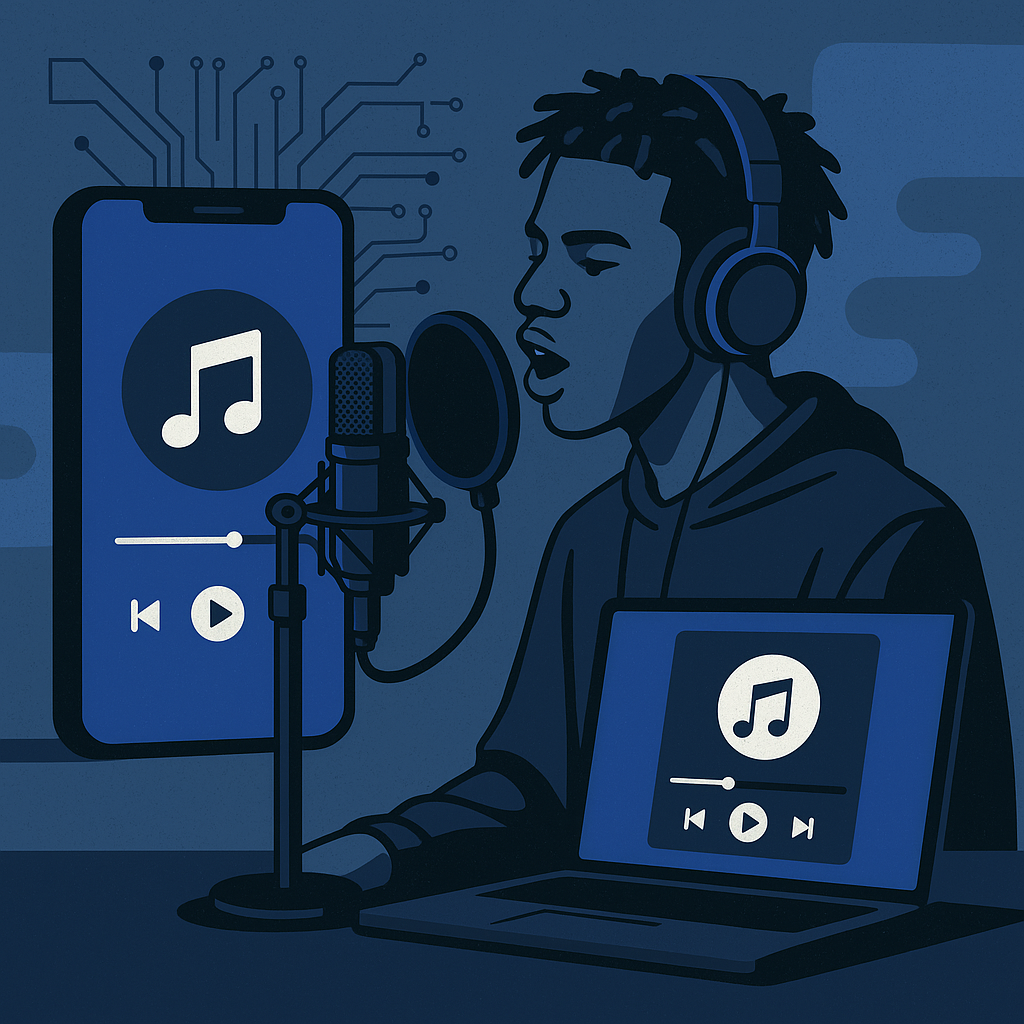
Streaming changed the math. Spotify and Apple Music removed the label as a mandatory middleman, giving independent artists direct access to a global audience. That shift is not a minor convenience. It is a structural change in who controls distribution and who captures the upside.
Chance the Rapper proved the model early. He released music exclusively through streaming platforms, built a massive following without a traditional record deal, and kept both his creative control and his money. That is not luck. That is a silent operator reading the landscape and moving before the crowd caught on.
Streaming Services and Revenue Models
Per-stream payouts are small. The opportunity is not. Scale changes everything. When millions of listeners find your catalog, those fractions of a cent compound into real cash flow. More importantly, streaming platforms hand you data that used to cost a label’s entire analytics department.
- Spotify: Gives artists audience tools to analyze listener demographics and plan tours around actual demand.
- Apple Music: Integrates with Shazam to show you exactly how and where fans are discovering your tracks.
Understanding each platform’s revenue model is not optional if you want to earn in peace. Payout rates vary. Strategy determines whether those streams stay a trickle or become a system. Fan engagement and targeted promotion are what separate artists who dabble from those who build.
AI and Music Production
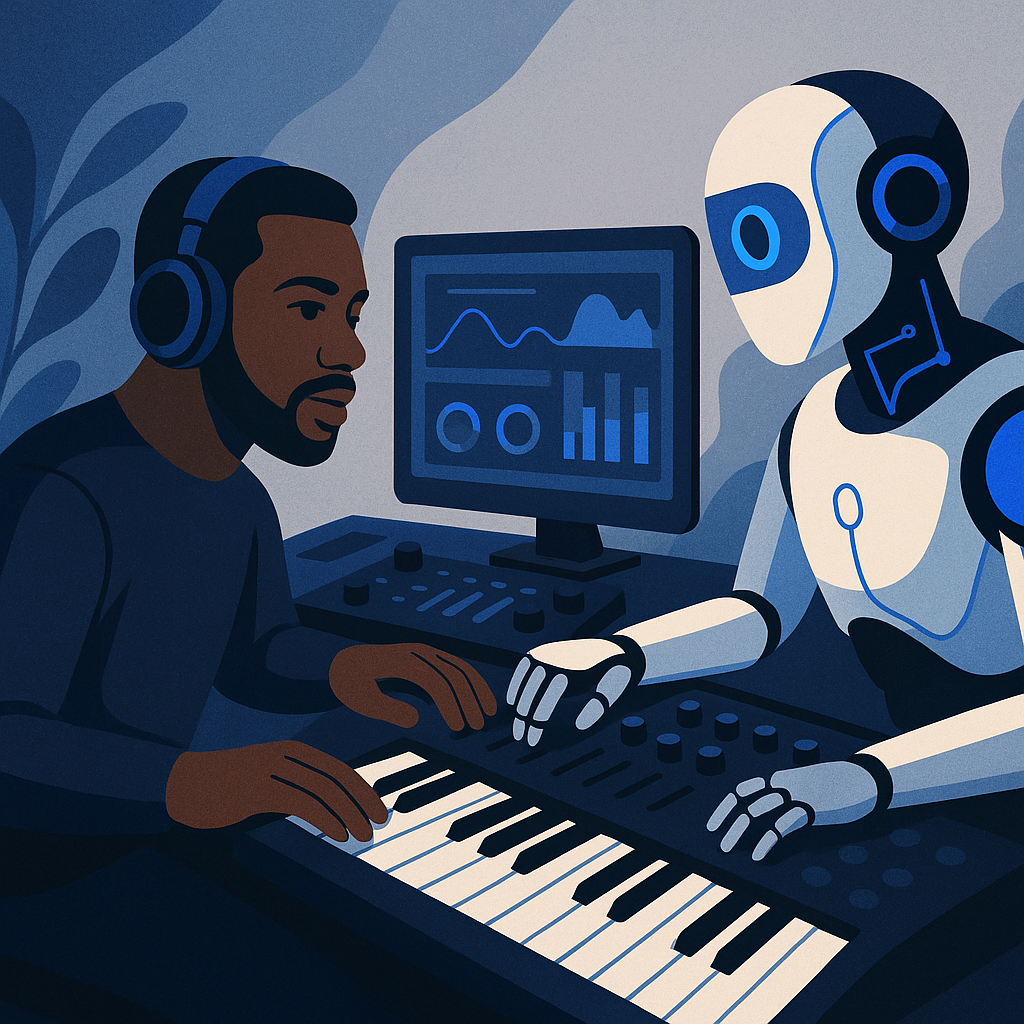
Artificial intelligence is not replacing artists. It is removing the bottlenecks that used to require a professional studio budget. AI-driven platforms like ArcanoLabs give artists sophisticated tools for beat creation, arrangement, and mastering — without the overhead.
For emerging artists, that access is decisive. When the production barrier drops, the only thing left between you and a finished track is the quality of your ideas.
AI Tools for Hip-Hop Artists
- ArcanoLabs: AI-powered production tools that streamline the creative process from concept to release.
- AIVA: Composes music using AI with customizable parameters for artists who want to experiment with structure.
- LANDR: Delivers AI-driven mastering so your tracks are polished and release-ready without a studio engineer.
This is not about convenience. It is about creative range. When you automate the technical ceiling, you spend your energy pushing into new sounds and styles. That is where hip-hop has always lived — at the edge of what the tools allow.
Social Media and Audience Engagement
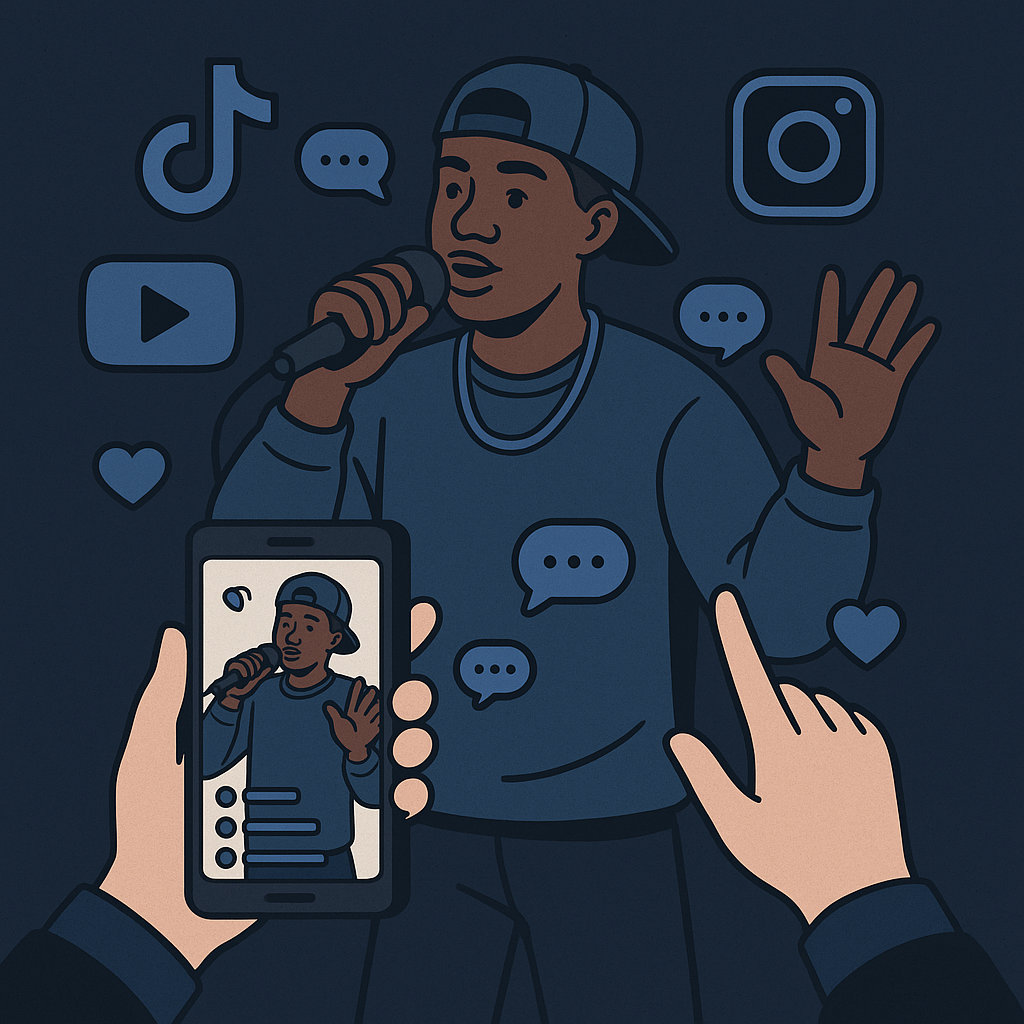
Instagram, TikTok, YouTube. These are not promotional afterthoughts. They are direct channels to your audience, and the artists who treat them seriously are the ones building durable careers.
Lil Nas X did not stumble into a hit. He studied TikTok’s algorithm, engaged with the platform’s culture, and turned a viral moment into a career with staying power. That is a repeatable system, not a lucky break.
Strategies for Effective Social Media Use
- Consistency: Regular posting keeps your audience engaged and signals to algorithms that you are worth distributing.
- Authenticity: Behind-the-scenes content builds a personal connection that promotional posts never will.
- Collaboration: Partnering with other artists or creators expands your reach into audiences that already trust the source.
Social media is community infrastructure. Artists who show up consistently, engage honestly, and create content that resonates are the ones who build loyal followings that sustain a career through every market shift.
Blockchain and Music Ownership
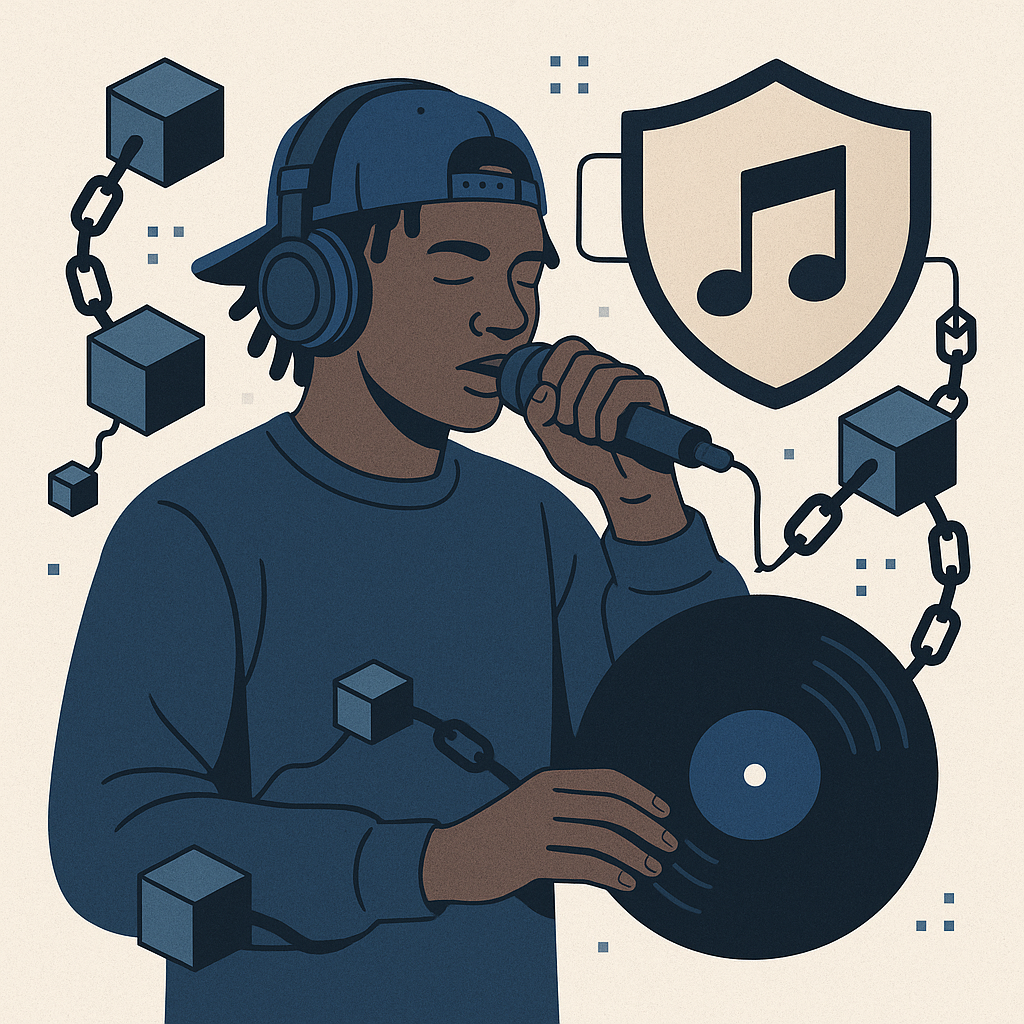
The music industry has a long history of separating artists from the value their work generates. Blockchain is the most credible technical answer to that problem yet. It creates a transparent, tamper-resistant record of ownership and rights — and it cuts out intermediaries who add cost without adding value.
Platforms like Audius are building decentralized streaming infrastructure that puts artists in control. Through tokenization, you can sell shares of your music directly to fans and investors, capturing upside that used to flow elsewhere.
Benefits of Blockchain in Music
- Transparency: An immutable ledger of music ownership and rights that no third party can quietly revise.
- Direct Revenue: Payments flow from fans to artists with fewer hands in between.
- Security: Unauthorized use becomes harder to execute and easier to prove, keeping control where it belongs.
Decentralized music platforms are early-stage. But the direction is clear. Artists who position themselves now will have a structural advantage when this infrastructure matures and the rest of the industry catches up.
Conclusion: The Future of Hip-Hop
The artists winning right now are not waiting for the industry to hand them a path. They are using streaming data, AI production tools, social platforms, and blockchain ownership structures to build on their own terms. Technology did not change hip-hop’s DNA. It gave the genre’s most resourceful operators better tools to do what they were already doing.
Next Steps: Start with what is in front of you. Test an AI production tool. Study your streaming analytics. Build your social presence with intention. Explore what blockchain ownership could mean for your catalog. Each of these is a system you can test, refine, and compound over time. That is how you build in silence and earn in peace.
For more insights on using technology to build a music career on your own terms, visit TruZillah.
Virtual and Augmented Reality in Hip-Hop Experiences
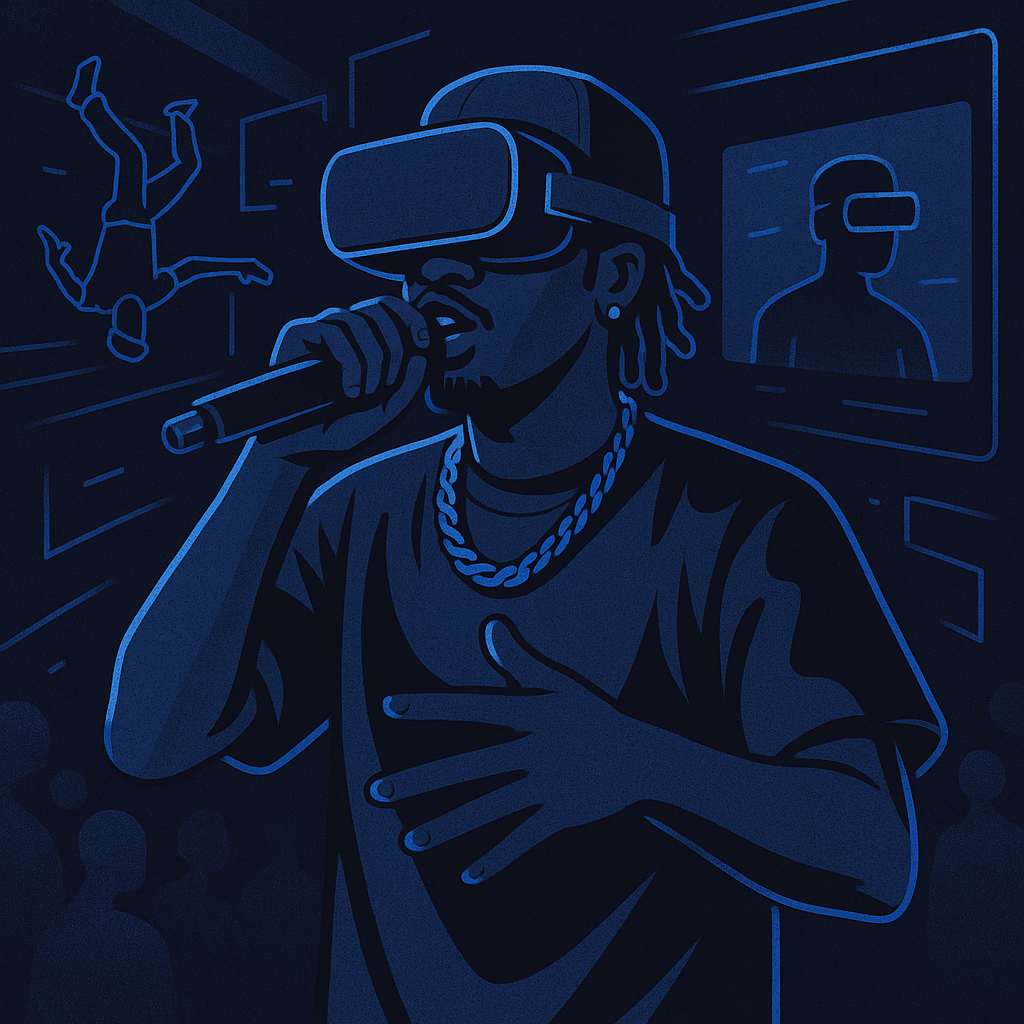
VR and AR are rewriting what a hip-hop performance can be. When the venue is digital, the audience is unlimited. Artists who understand that are already building experiences that no physical stage can replicate.
Innovative Uses of VR/AR in Hip-Hop
- Virtual Concerts: Travis Scott’s Fortnite performance reached millions of fans in a single event, delivering an interactive experience that no arena could contain.
- Augmented Music Videos: AR integration lets fans interact with video content through their phones, turning passive viewing into a layered storytelling experience.
- Immersive Album Experiences: VR environments built around album releases give fans a new entry point into the music and its themes — and a reason to stay engaged longer.
These formats generate new revenue through virtual ticket sales and exclusive digital content. As VR and AR hardware becomes more accessible, the artists who have already tested these formats will be positioned to scale. The creative ceiling here is genuinely open.
Leveraging Data Analytics for Strategic Growth
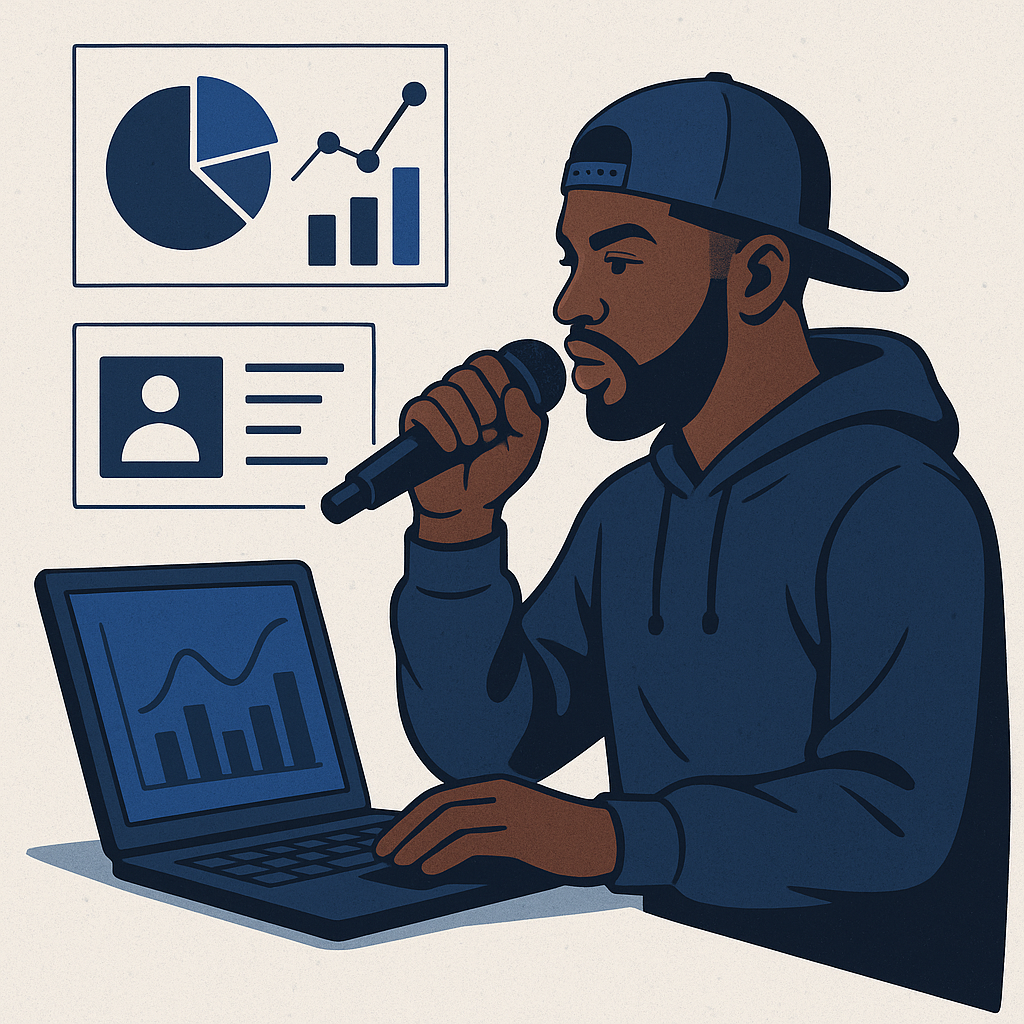
Opinions about what your audience wants are worthless. Data is not. Artists who treat analytics as a core part of their workflow make better decisions — about what to release, where to tour, and how to allocate their time and budget.
Key Metrics for Hip-Hop Artists
- Audience Demographics: Age, location, and interest data shapes smarter marketing and tour routing based on where demand actually exists.
- Engagement Rates: Likes, shares, and comments tell you what content is landing and what is being ignored. Act on the signal.
- Streaming Analytics: Knowing which tracks are most played and in which markets guides both future production decisions and promotional targeting.
A data-driven approach does not make you less of an artist. It makes you a more effective one. When you understand your audience at this level, every creative and business decision compounds more efficiently.
Case Study: Independent Artist Success Through Technology
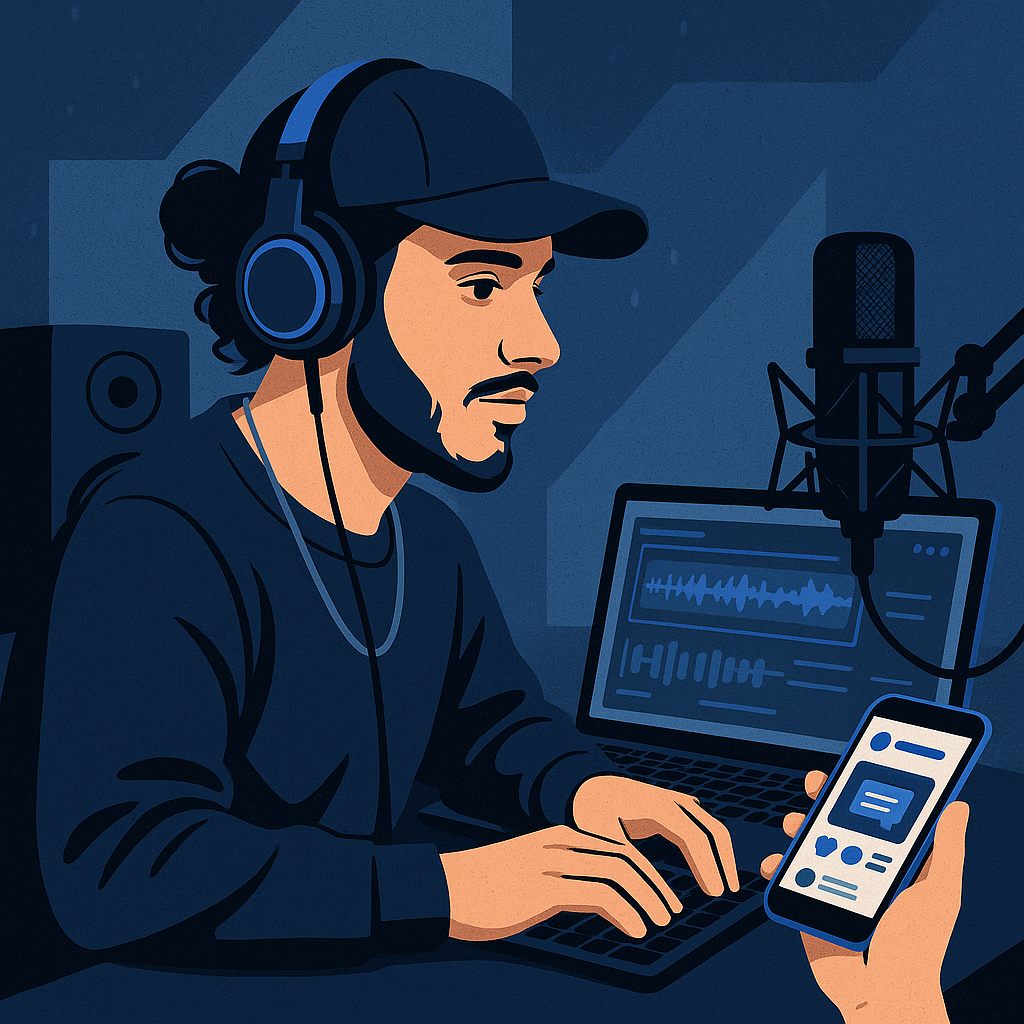
Russ is the blueprint. No major label. No co-sign. He released a song every week on SoundCloud, engaged directly with fans on social media, and built a following through sheer consistency and volume. The result was sold-out tours and commercial success that most signed artists never see.
His approach was not complicated. It was disciplined. Streaming platforms for distribution. Social media for direct fan relationships. Data to inform what was working. He tested relentlessly and let compounding do the loud talking.
That is the model. Build in silence, publish consistently, stay close to your audience, and use every digital tool available to you. The path is there. The question is whether you will commit to walking it.

Leave a Reply