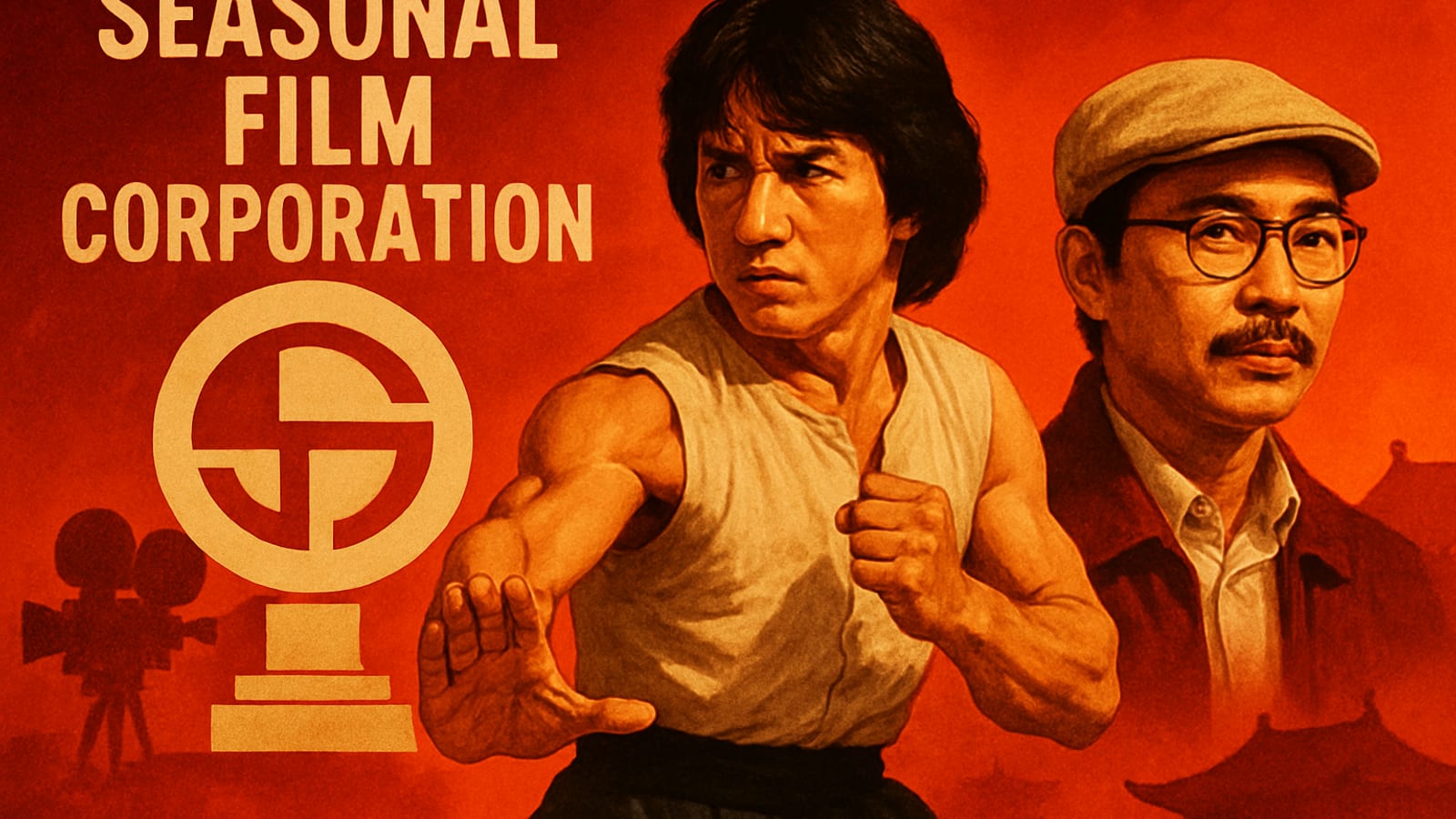
Most kung fu histories jump straight from Shaw Brothers to Golden Harvest and treat everything in between as a footnote. That is a mistake. Before Jackie Chan was the acrobatic force behind Police Story and before Yuen Woo-ping became the choreography architect that the Wachowskis flew to America, both of them were grinding through low-budget productions at Seasonal Film Corporation — a studio so underrated that even dedicated fans sometimes struggle to name it. This was the proving ground. The place where raw talent got shaped into something that would change the genre. Understanding the Seasonal Film Corporation history is crucial to appreciating the evolution of martial arts cinema.
A Studio That Filled the Space the Big Players Left Open
Seasonal Film Corporation worked through the thick of 1970s Hong Kong cinema, a moment when the industry was loud, competitive, and genuinely exciting. Shaw Brothers had their factory system and their stable of contract players. Golden Harvest had Bruce Lee. Seasonal had something different — a willingness to take chances on emerging talent and let them figure things out without the pressure of a massive commercial machine watching every decision.
The productions were modest by any measure. But modest budgets have a way of forcing creativity, and Seasonal’s films showed it. The choreography was inventive precisely because nobody could afford to be lazy. The storytelling was character-driven because spectacle cost money they did not have. That combination — limited resources, genuine craft, performers who had something to prove — produced work that holds up in ways that some of the grander productions of the era do not.
Jackie Chan at Seasonal: The Years Before Anyone Knew His Name
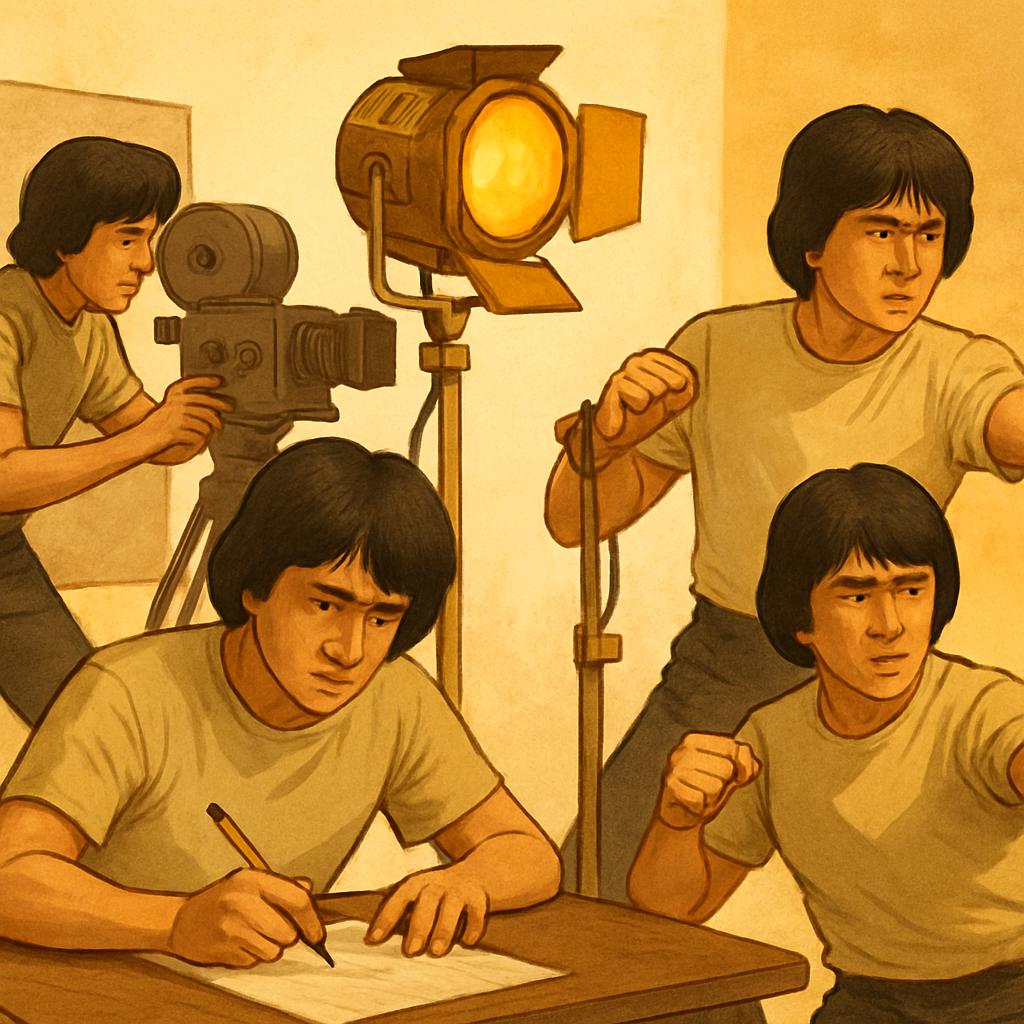
Jackie Chan’s time at Seasonal was not glamorous. He was a young performer with Peking opera training, a background that gave him extraordinary physical discipline but had not yet translated into a screen identity anyone could sell. Seasonal gave him room to find it. The stunt work he took on there was demanding and the roles were varied enough that he had to keep adapting, keep reaching for something that felt like his own.
Snake in the Eagle’s Shadow is where you start to see it click. The physical comedy is not decoration on top of the fight — it is built into the form itself, woven into how he moves between strikes. Working within tight budgets pushed Chan to innovate with what was actually in front of him, and that instinct never left him. Then came Drunken Master, and the fusion of humor and martial arts that had been developing quietly at Seasonal suddenly had a shape the whole world could recognize.
Yuen Woo-ping: Where the Choreography Lineage Took Its Own Shape
Yuen Woo-ping came to Seasonal carrying his family’s martial arts lineage and a director’s eye that was still finding its range. At Seasonal he worked as both choreographer and director, which meant he could control how a fight was designed and how it was captured — a combination that turned out to matter enormously. His early work on Snake in the Eagle’s Shadow and Drunken Master was not just technically accomplished. It established a philosophy about how a fight should feel.
The constraints of Seasonal’s production environment pushed Yuen toward solutions that became signatures. The choreography he developed there had a quality that was hard to name but easy to feel — fluid without being soft, impactful without being brutal for its own sake. He was setting a standard that choreographers would spend the next two decades trying to match. The grindhouse circuit picked these films up and ran them into the ground, which is how a lot of Western audiences first encountered his work, usually without knowing his name.
When Chan and Yuen Were in the Same Room: The Seasonal Collaborations
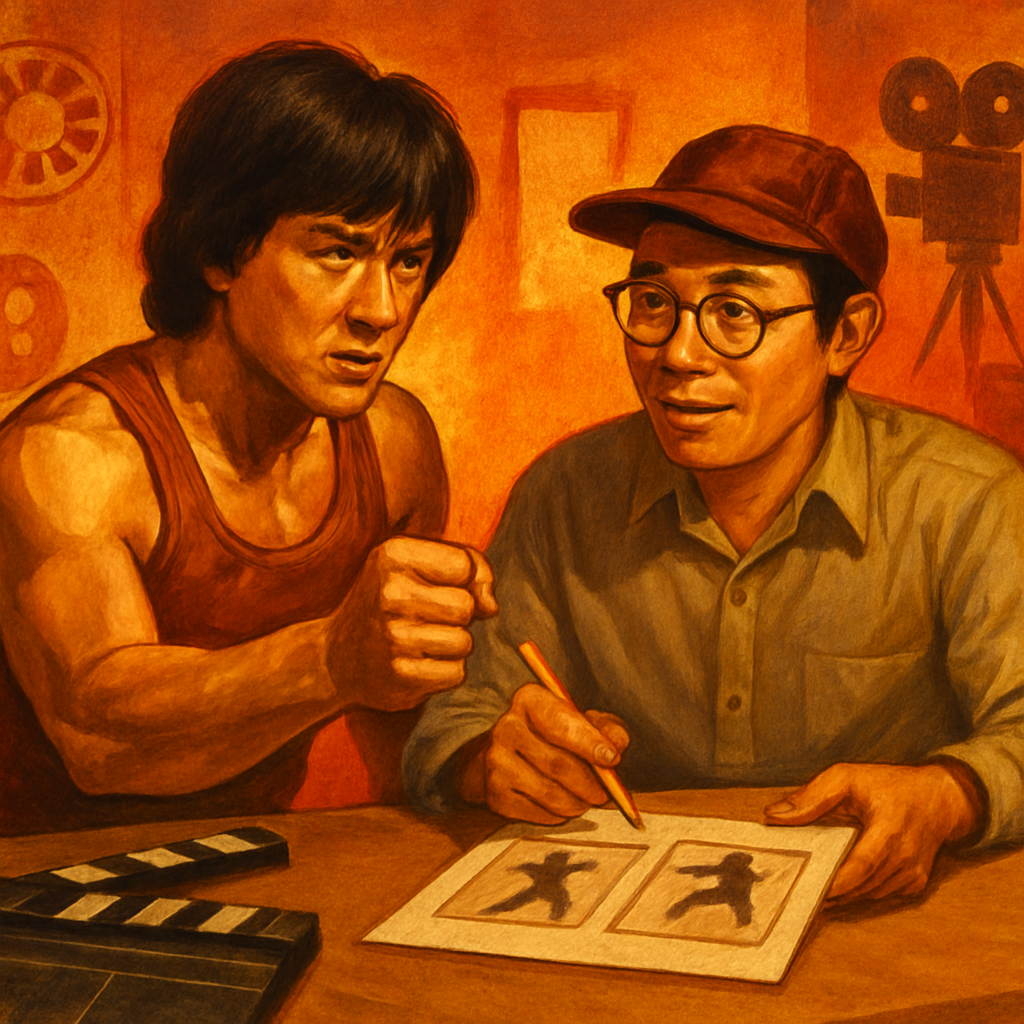
The collaboration between Jackie Chan and Yuen Woo-ping at Seasonal Film Corporation is one of those pairings that film history tends to undervalue because the films themselves look modest on the surface. Watch them again. Snake in the Eagle’s Shadow and Drunken Master are not modest films. They are precise, funny, physically extraordinary, and built on a creative partnership that understood exactly what each person brought to the room.
Chan’s comedic action style and Yuen’s choreography were not just compatible — they were generative together. Each pushed the other toward something neither would have reached alone. That mutual respect and shared instinct for where the genre could go laid the groundwork for everything that followed. Their reunion work in later years made bigger headlines, but the foundation was poured at Seasonal, in productions that most distributors eventually forgot existed.
What to Actually Watch and Where to Find It
Start with Snake in the Eagle’s Shadow and Drunken Master. Those are the essential Seasonal titles, the ones that show the Chan and Yuen collaboration at its most alive. Both are available on streaming platforms and through physical media imports, though availability shifts by region and you may need to look. Alternate titles and dubbed versions circulate widely — the dubbed audio is sometimes charmingly out of sync in ways that feel right for the era, but if you can find a restoration with the original Cantonese track, take it.
For collectors hunting the broader catalog, the search itself is part of it. Some titles are straightforward to find; others take patience. For additional context on the lineage surrounding these films, Yuen Siu-Tien: The Drunken Master Before Jackie Chan Made It Famous is worth your time — it fills in a figure who is central to this whole story and rarely gets the attention he deserves.
How a Studio This Important Disappeared from the Record
Seasonal faded because the industry’s weight was always somewhere else. Shaw Brothers had distribution infrastructure that could move a film across Southeast Asia and into European grindhouse circuits without breaking a sweat. Golden Harvest had the global Bruce Lee phenomenon reshaping what the genre even meant. A small studio working efficiently on modest productions was never going to compete for shelf space in that environment, and when the VHS era arrived, Seasonal’s catalog was largely absent from the titles that made it to Western video stores.
Collectors and historians have been doing the slow work of recovering and cataloging what Seasonal actually made, and what they keep finding is a studio that was more central to the careers of Jackie Chan and Yuen Woo-ping than the standard histories acknowledge. That kind of restoration — not just of film prints but of the record itself — matters. These performers were not disposable. The craft they developed at Seasonal was real, and it deserves to be seen clearly.
If you have seen a Seasonal Film Corporation title with Chan or Yuen, share it in the comments — help us complete the catalog that the distributors forgot.
How Seasonal Ran: The Business Logic Behind the Craft
Seasonal Film Corporation’s artistic reputation tends to overshadow the practical intelligence behind how it operated, but the two things are connected. Where Shaw Brothers relied on star power and scale, Seasonal built around strategic cost management and a genuine investment in emerging talent. The return on that investment, in the cases of Chan and Yuen, turned out to be extraordinary — though nobody could have guaranteed it at the time.
The studio kept its team small and stayed agile. That meant it could respond to shifts in what audiences wanted faster than a larger operation could. When comedic kung fu started finding its audience, Seasonal was already positioned to move in that direction. The collaborative environment — directors, choreographers, and performers working in close proximity without layers of bureaucracy between them — produced the kind of creative cross-pollination that larger studios spend fortunes trying to manufacture.
What Modern Studios Could Still Learn From This
The Seasonal model holds lessons that have not expired:
- Budget discipline sharpens craft: Constraints force decisions, and good decisions under pressure tend to produce work with a specificity that comfort rarely generates.
- Invest in emerging talent early: Give performers and choreographers room to experiment before the stakes are high enough to make experimentation dangerous.
- Stay small enough to move: An organization that can read the room and adjust quickly will consistently outmaneuver one that cannot, regardless of resources.
- Let the collaborators collaborate: The Chan and Yuen partnership happened because the environment at Seasonal made it possible. That kind of creative ecosystem does not appear by accident.
What Seasonal Sent Out Into the World
Seasonal Film Corporation’s influence did not stop at the Hong Kong border. The films traveled — through grindhouse circuits, through import VHS, through the hands of filmmakers who watched them and took notes. The choreography and comedic action form that Chan and Yuen developed at Seasonal became reference points for a generation of directors and stunt coordinators who may never have known where exactly the work originated.
That is how lineage moves. Not always through official channels or credited influences, but through the way a fight sequence lands, the way a performer uses their body, the way humor and danger can occupy the same moment without canceling each other out. Seasonal put that into the world. The conversation it started between different cinematic traditions is still going, and the studio that started it deserves to be named correctly when we talk about where it all came from. For those interested in exploring this rich history further, Old School Shaolin and Wu offers a comprehensive guide to the Seasonal Film Corporation history and its lasting impact on martial arts cinema.

Leave a Reply