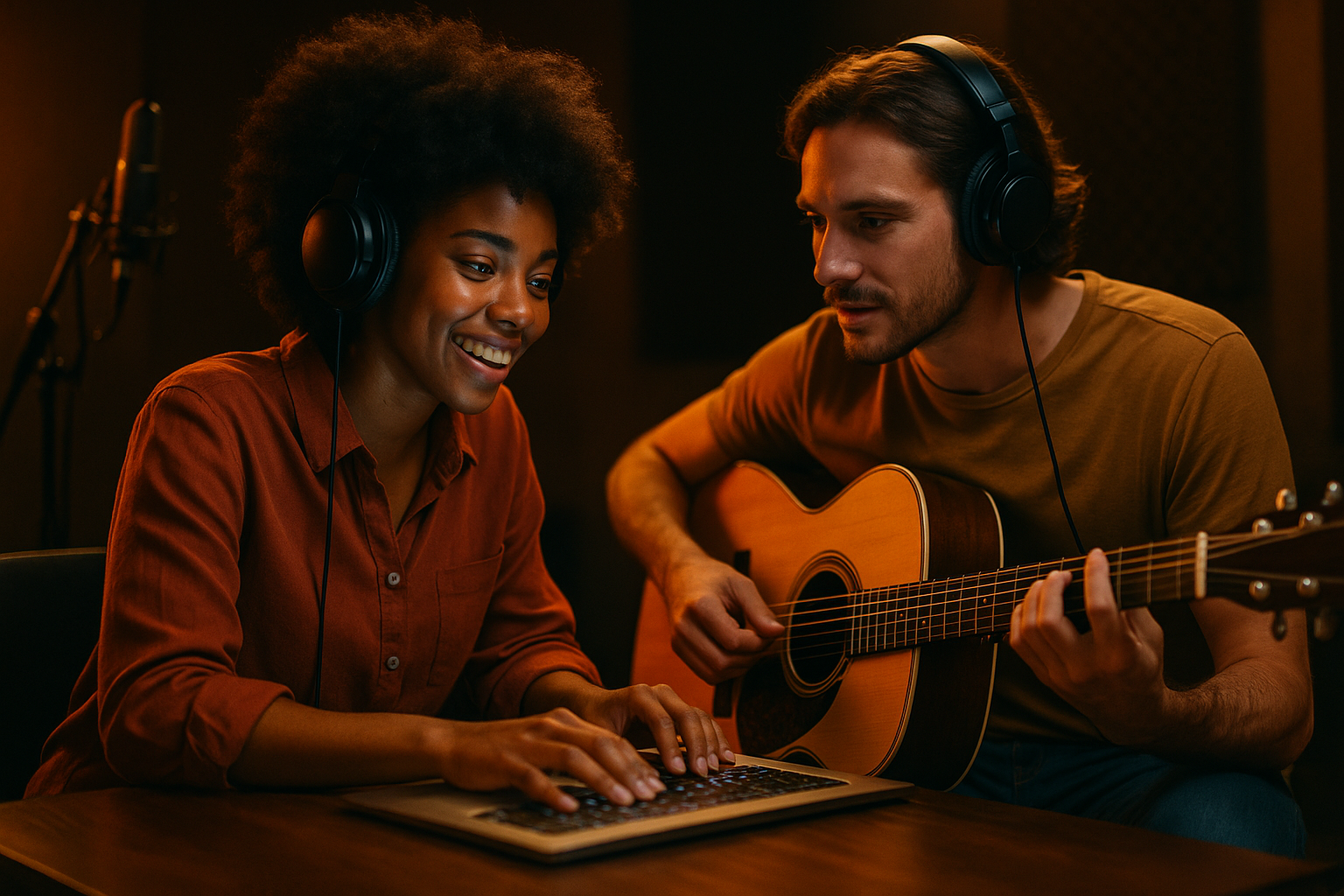
Most artists treat collaboration like a coin flip. They link up with someone who sounds right, vibe in the studio for a few hours, and hope something sticks. Sometimes it does. Most times it doesn’t — and when it falls apart, it costs more than a wasted session. It costs time, money, creative energy, and sometimes a relationship. The artists who consistently build winning partnerships aren’t luckier than you. They’re more deliberate. They treat music collaboration like a craft — with structure, clear expectations, and a system that protects both sides before a single bar gets recorded.
This guide breaks down exactly how to do that. No vague advice. No “just vibe with it.” Real frameworks used by working artists to build partnerships that produce, release, and generate results.
🔹 Why Most Music Collaborations Fail Before the Session Ends
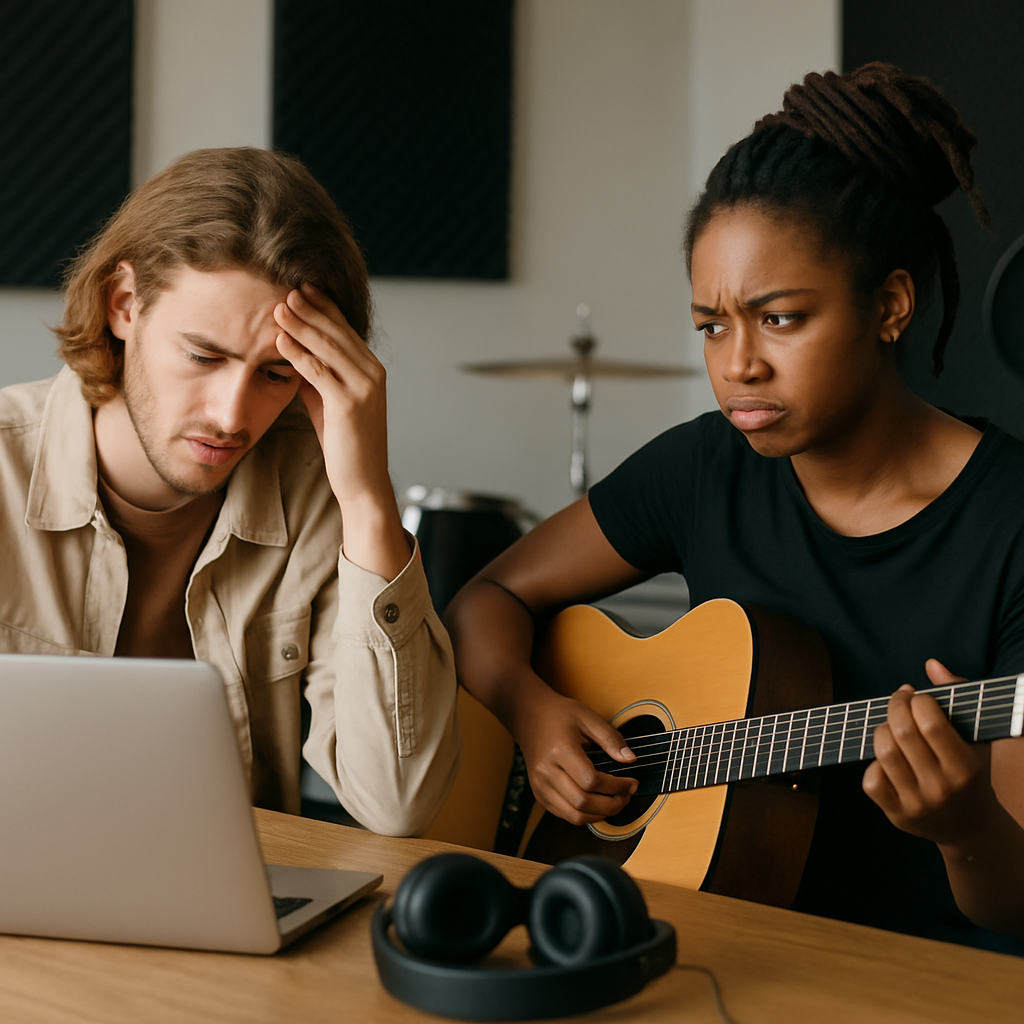
Here’s the uncomfortable truth: most collab breakdowns aren’t creative — they’re logistical. Two artists sit down without defining who owns what, who handles distribution, who gets what split on streaming, and who controls the master. Then a song gains traction, money enters the picture, and the friendship evaporates.
The problem isn’t bad intentions. It’s the absence of a pre-collaboration agreement. Before you book a session with anyone — producer, vocalist, featured artist — you need three things locked in writing:
- Ownership split — who owns what percentage of the master recording and the underlying composition, separately
- Release authority — who has final say on when and where the track drops
- Revenue routing — how streaming, sync, and licensing income gets distributed and through which distributor
Tools like Songtrust, DistroKid’s collaboration feature, and Splits.io handle the mechanical side of this. DistroKid’s “Teams” feature lets you set percentage splits at upload so money routes automatically — no chasing anyone for their cut after the fact. That one system change eliminates a massive source of post-release conflict.
🔹 How to Identify the Right Collaboration Partner (Not Just the Most Available One)

Availability is not alignment. The right collab partner shares your release cadence, your work ethic, and — critically — your audience growth stage. A major-label artist collaborating with someone who hasn’t released anything in two years isn’t a partnership. It’s a feature. Know the difference.
When evaluating a potential collaborator, look at three signals:
- Release consistency — Are they actively putting out music, or perpetually “working on the project”? An artist with a consistent release cadence compounds your reach. An inactive artist dilutes it.
- Audience overlap without full overlap — The best collabs introduce you to a new pocket of listeners already primed for your sound. Check their Spotify for Artists data if they’ll share it, or study their comment sections and playlist placements to gauge audience character.
- Creative process compatibility — Some artists build from scratch in the room. Others arrive with fully arranged demos. Neither is wrong, but mismatched processes kill sessions. Run a 20-minute creative call before committing to a full studio day.
This is where community building pays off in ways most artists underestimate. Artists embedded in active creative communities — local scenes, online Discord servers, genre-specific collectives — have a constant pipeline of vetted potential collaborators. You’ve already seen how they work. You’ve already heard how they talk about music. The trust is pre-built.
🔹 The Pre-Session Framework That Protects Your Creative Energy
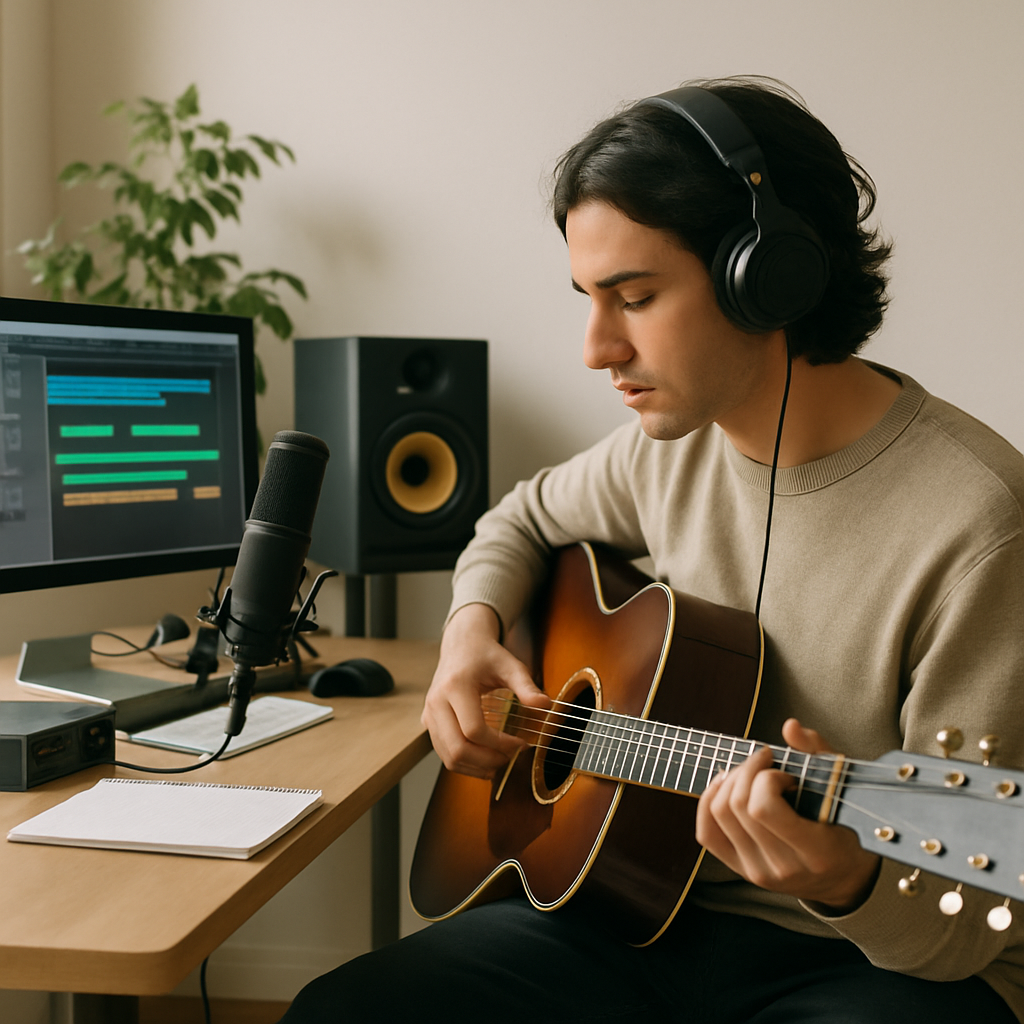
Walking into a session without a framework is like entering a business meeting without an agenda. You might still produce something, but you’ll waste half the time figuring out what you’re even trying to build.
Use this pre-session checklist before every collaboration:
- ✅ Reference tracks shared in advance — Both parties send 3–5 reference songs representing the sonic direction. This surfaces misalignment before you’re in the room.
- ✅ Role clarity — Who’s producing? Who’s writing toplines? Who’s handling the hook? Defined roles prevent the passive-aggressive “I thought you were doing that” conversation at hour four.
- ✅ Session time cap — Agree on a hard stop time. Open-ended sessions breed diminishing returns. The best creative work usually happens in the first three hours.
- ✅ Demo ownership clause — If the session doesn’t produce a finished record, who owns the stems and the demo? Agree on this upfront, in writing, even if it’s just a text thread screenshot.
- ✅ Next step commitment — Before you leave, both parties agree on the next concrete action: mixing deadline, revision notes, release date target. No vague “we’ll figure it out.”
🔹 Remote Collaboration in 2024: The Tools That Actually Work
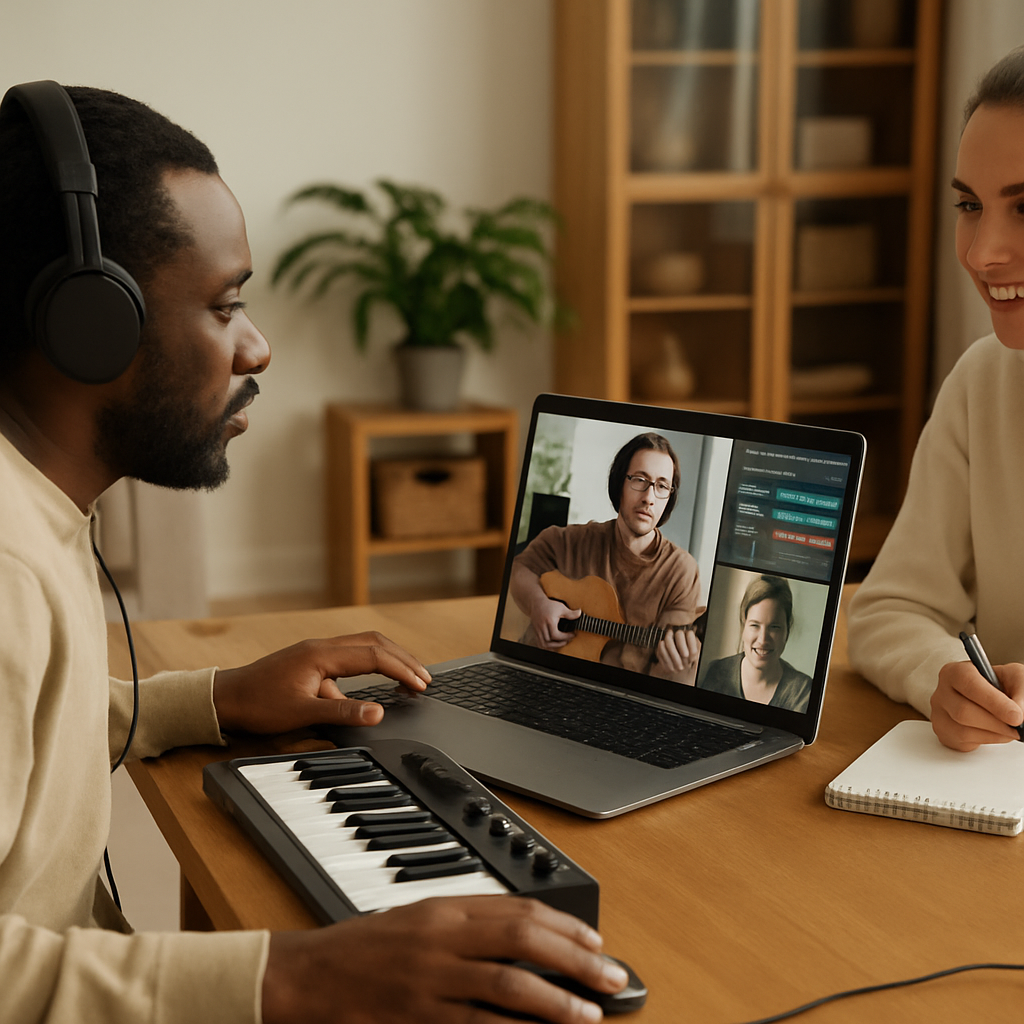
The geography barrier in music collaboration is essentially gone. Artists treating remote sessions like a limitation are leaving serious creative and commercial opportunity on the table.
Here’s the current toolkit working artists use for remote collaboration, with honest assessments:
- Splice — Best for stem sharing and sample co-creation. The version history feature shows exactly what changed between sessions. Paid plans start around $7.99/month.
- BandLab — Free, browser-based DAW with real-time collaboration. Not as powerful as Pro Tools or Logic, but for sketching ideas with a collaborator in a different time zone, it’s genuinely useful and costs nothing.
- Audiomovers LISTENTO — Streams your DAW output in near-real-time to a collaborator anywhere in the world. Producers use this for live feedback sessions without constantly bouncing and uploading files. Around $9.99/month.
- Dropbox or Google Drive with a folder naming convention — Underrated. A clean folder structure (Project Name > Stems > Versions > Finals) prevents the “which version is the right one” disaster that has killed more collabs than creative differences ever have.
The 2024 reality is that some of the most commercially successful records are built entirely asynchronously — a producer in Atlanta uploads a beat, a vocalist in London records a topline, a mix engineer in Los Angeles finalizes it, and none of them were ever in the same room. The system works when the communication protocol is tight.
🔹 Community Building as a Collaboration Multiplier
One-off collabs are transactions. Ongoing creative communities are ecosystems. The artists who build real leverage in their careers aren’t just doing features — they’re building networks of collaborators who consistently create, release, and promote together.
Look at how independent collectives in hip-hop and R&B operate. A group of five to ten artists sharing audiences, co-writing, and cross-promoting each other’s releases creates a compounding effect that a single artist building alone can’t replicate. Every release from one member becomes a touchpoint for the entire network’s audience.
Building this kind of community doesn’t require a label or a manager. It requires intentionality:
- Start a private group chat or Discord with five artists you respect and actively release music with
- Set a shared release calendar so you’re not all dropping on the same day and cannibalizing each other’s momentum
- Commit to genuine cross-promotion — not just a repost, but a story with context, a playlist add, a co-sign in your own words
- Run joint listening sessions before releases to get honest feedback from people who understand your creative goals
Artists building in the cinematic and atmospheric hip-hop and R&B space — like what TruZillah is developing — understand that a consistent release cadence combined with a tight creative network creates the kind of organic momentum that no single marketing budget can replicate.
🔹 Protecting Your Work: The Legal Layer You Can’t Skip
This section exists because too many artists skip it until it’s too late. You don’t need a music attorney for every collab — but you do need documentation.
At minimum, every collaboration should produce a split sheet — a simple document listing every contributor, their role, and their ownership percentage for both the master and the composition. Free templates are available through organizations like the Recording Academy and ASCAP. Fill one out at the end of every session, before you leave the room or close the call.
For more significant projects — EPs, albums, sync licensing opportunities — a proper collaboration agreement drafted by a music attorney is worth the investment. Many entertainment lawyers offer flat-fee contract drafting for independent artists at rates far more accessible than most artists assume. The cost of a proper agreement is a fraction of what a dispute costs, financially and relationally.
Register your works with your performing rights organization — ASCAP, BMI, or SESAC in the U.S. — immediately after release. Royalties that go unclaimed don’t disappear. They sit in a pool and eventually get distributed to other registered members. Your money is going somewhere. Make sure it goes to you.
🔹 When a Collaboration Isn’t Working: How to Exit Without Burning the Bridge
Not every collab is going to produce a record worth releasing. Knowing how to exit a creative partnership cleanly is as important as knowing how to start one.
If a project isn’t coming together, address it directly and early. The longer you let a dead collab drag, the more resentment builds on both sides. A direct, respectful conversation — “I don’t think this direction is serving either of us, let’s shelve it and revisit” — preserves the relationship and the possibility of future work together.
Agree in advance on what happens to unfinished work. If you’ve contributed stems, lyrics, or production to a project that doesn’t get released, do you retain the right to use those elements elsewhere? Define this upfront in your pre-session agreement. It’s a small conversation that prevents a large conflict.
🔹 Your Next Move
Successful music collaboration is a skill set, not a personality trait. The artists consistently building winning partnerships operate with systems — for vetting partners, structuring agreements, running sessions, and protecting their work. They are not winging it and hoping chemistry does the heavy lifting.
Start with the simplest version of the framework: before your next session, send reference tracks, define roles, and fill out a split sheet before you leave. That one practice change will immediately separate your collaborative process from the majority of artists still operating on vibes and handshakes.
Build the community around your work. Stay consistent with your releases. Protect what you create. The silent operators who treat their creative partnerships with the same intentionality they bring to their music are the ones who build careers that compound — not just catalogs that stall.
🚨 Ready to go deeper on building systems that support your music career? Explore how creators are building owned-traffic platforms and automated content systems at ArcanoLabs — the infrastructure layer for artists who want their work running while they focus on what they build next.

Leave a Reply