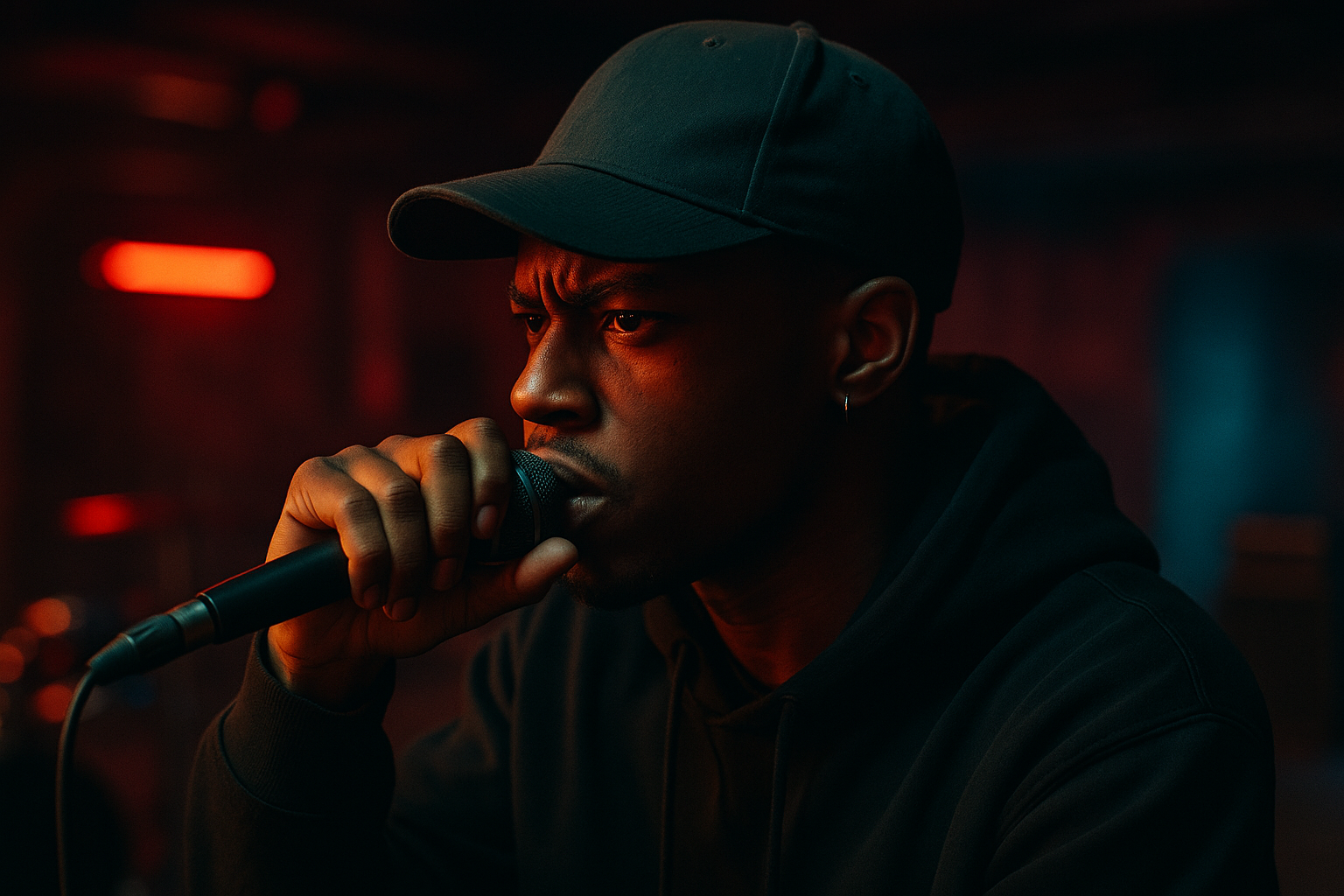
Here is the truth nobody posts about. The hip-hop scene has never been more accessible — and never been more punishing at the same time. You can record a track on a $200 setup, upload it tonight, and wake up to zero streams tomorrow. That is the reality most artists will not say out loud. The barriers to entry collapsed. The barriers to breaking through got taller. Understanding the real music industry challenges you are facing is not about complaining — it is about knowing the terrain before you move.
This is not a motivational post. This is the map. Every obstacle below is real, the workarounds are specific, and the artists who figured it out did so by treating their music career like a silent operator runs a business — not like a lottery ticket.
🔹 The Streaming Economy Is Rigged Against Independent Artists

Here is the receipt nobody frames on their wall: major streaming platforms pay a fraction of a cent per stream. At those rates, an independent artist needs hundreds of thousands of streams per month just to cover basic studio costs — let alone rent. The artists winning on streaming are not winning from per-stream payouts. They are winning from playlist placement, algorithmic push, and catalog volume.
The platform algorithm rewards consistency over quality in the short term. An artist dropping one single every six weeks feeds the algorithm better than an artist who labors over an album for two years and drops it once. That is not a creative opinion — that is how the recommendation engine is built. Spotify’s editorial team receives thousands of pitches weekly. Without distributor relationships or a verified track record of engagement metrics, independent hip-hop artists are competing for the same algorithmic real estate as major-label acts with full marketing teams behind every release.
What actually moves the needle:
- ✅ Pitch tracks to Spotify for Artists editorial consideration at least seven days before release — this is free and most artists skip it
- ✅ Build a release cadence: singles every four to six weeks keeps your artist profile active in listener feeds
- ✅ Target playlist curators on SubmitHub or Groover — paid submission platforms with real curator access, not bots
- ✅ Use DistroKid or TuneCore for distribution, but understand neither fights for your placement — that is your job
🔹 Ownership Is the Conversation Nobody’s Having at the Studio Session
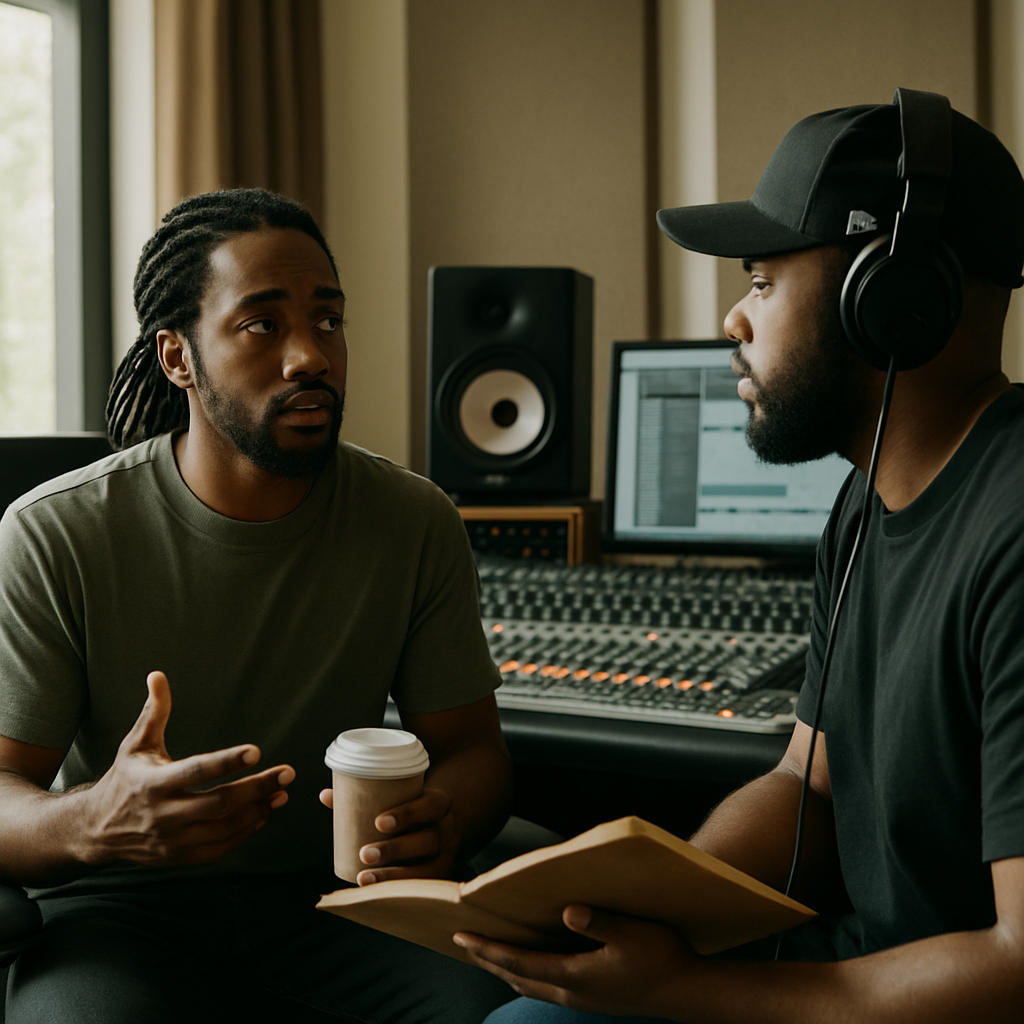
One of the most persistent industry challenges in hip-hop specifically is the master rights conversation that does not happen until it is too late. Producers sell beats with non-exclusive licenses for as little as $30. Artists record over them, build a fanbase, and then discover they cannot license that record for a sync deal, cannot sell it as an NFT, and cannot stop another artist from recording over the same beat. That $30 lease just became a ceiling on your career.
The artists who have built long-term leverage — think of how the conversation around masters shifted publicly after high-profile disputes between artists and labels — understand that owning your masters is not a luxury goal. It is a business requirement. Exclusive beat purchases typically run from a few hundred to several thousand dollars depending on the producer’s market. That is real money for an independent artist. But a non-exclusive lease on a track that blows up costs you far more in the long run.
Practical ownership moves for independent artists:
- ✅ Always register your works with ASCAP, BMI, or SESAC — performance royalties are money sitting uncollected if you do not
- ✅ Register sound recordings with SoundExchange to collect digital performance royalties from internet radio and satellite
- ✅ If you are producing your own beats, you own both the master and the publishing — protect that with a simple LLC
- ✅ Use a music attorney for any deal over $500 in value — LegalZoom is not a music attorney
🚨 The Attention Economy Is Eating Artists Alive
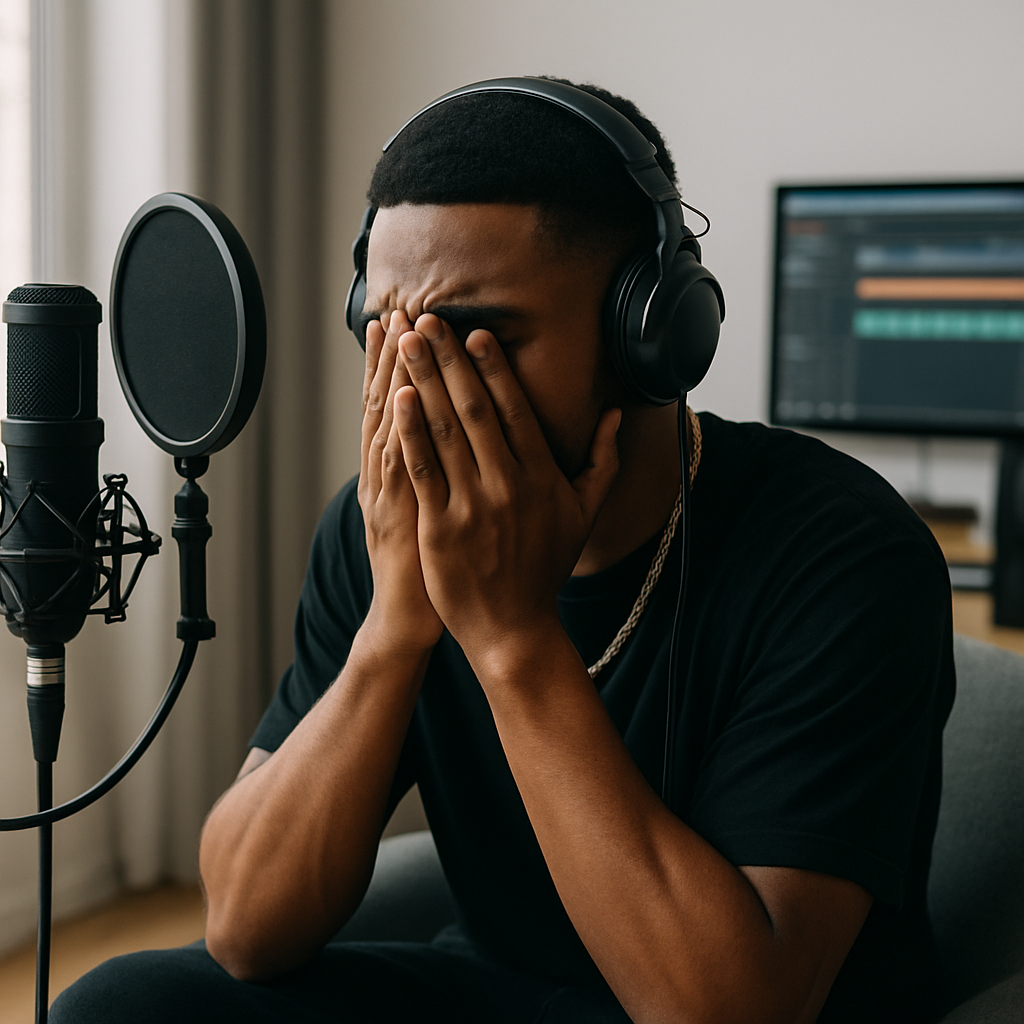
Here is the part that stings. In 2024, you are not just competing with other hip-hop artists for a listener’s attention. You are competing with short-form video, gaming content, podcasts, and every other algorithm-optimized piece of content fighting for the same thirty seconds of someone’s day. The music industry challenges have expanded beyond the industry itself — they are now platform challenges, content challenges, and attention challenges all stacked on top of each other.
Artists who treat social media as an afterthought are invisible. Artists who only do social media without a content system burn out in six months. The ones who figure it out build a repeatable content engine around their music — not instead of it. A single track becomes a behind-the-scenes clip, a lyric breakdown, a freestyle snippet, a producer reaction, and a fan response video. That is five pieces of content from one session. That is how you stay in the feed without losing your mind.
TruZillah’s approach to cinematic, atmospheric hip-hop is a real-world example of this — building a visual and sonic identity that gives content a consistent aesthetic across platforms, so every post reinforces the brand instead of fragmenting it. When your sound has a look, your content has a direction. That is how you build in silence and earn in peace.
🔹 The Label Deal Is Not the Finish Line — It’s a Fork in the Road
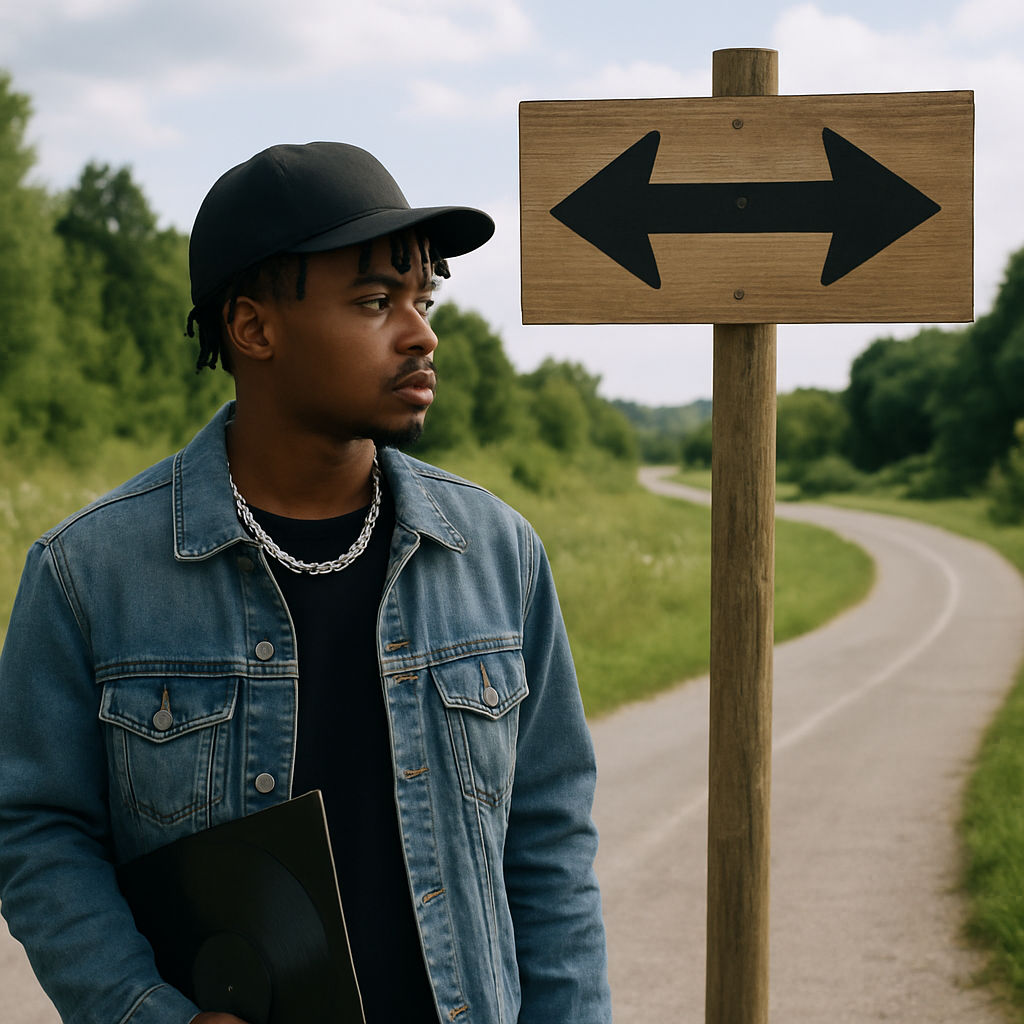
Independent artists romanticize the label deal. Labels romanticize signing artists who have already done the work. That is the irony of the current music business: the leverage you need to get a good deal is the same leverage that makes you question whether you need the deal at all.
A 360 deal — where the label takes a percentage of touring, merchandise, and endorsements in addition to recordings — is still standard at many mid-tier labels. That means the label participates in every revenue stream you build, including the ones you built before they showed up. Understanding deal structures before you are sitting across the table from an A&R is not optional. It is the difference between a career and a contract.
What to know before any label conversation:
- ✅ Know your streaming numbers, email list size, and social engagement rate — these are your negotiating receipts
- ✅ Understand the difference between a distribution deal, a licensing deal, and a full signing — they are not the same
- ✅ A label advance is a loan against future royalties, not a salary — spend it like a business, not a bonus
- ✅ Retain creative control clauses in writing — verbal agreements in music are worthless
🔹 Building a Fanbase Without Renting Attention You Don’t Own
Social media followers are borrowed. The platform owns that relationship. When the algorithm changes — and it always changes — your reach drops and you have no recourse. This is one of the most overlooked industry challenges for hip-hop artists in 2024: the difference between rented attention and owned organic traffic.
An email list of a few thousand genuine fans is worth more than tens of thousands of social followers who never see your posts. A text message list converts at rates no social platform can match. Artists who understand this build their fanbase infrastructure the same way silent operators build businesses — with owned channels at the center and social media as a top-of-funnel tool, not the foundation.
Building owned audience infrastructure:
- ✅ Use a free tool like Mailchimp or ConvertKit to start collecting emails from day one — offer an exclusive track as the incentive
- ✅ Community.com or similar SMS platforms let you text fans directly — open rates on SMS are dramatically higher than email
- ✅ Your website is your home base — not your Instagram bio. A simple site with a mailing list capture and music player is enough to start
- ✅ Link in bio tools like Linktree are fine, but a real domain you own is better — it is your digital real estate
If you are thinking about how to build that digital infrastructure without a developer on payroll, platforms like ArcanoLabs are worth exploring — built around helping operators systematize their content and online presence without needing a full team behind them.
🔹 Mental Health and Sustainability in a Scene That Glorifies Running Yourself Into the Ground
Hip-hop culture has a complicated relationship with vulnerability. The same scene that produced some of the most emotionally raw music in history also normalizes exhaustion as proof of dedication. The music industry challenges are not only external — they are internal, and the artists who last are the ones who treat sustainability as a strategy, not a weakness.
Burnout is not a badge. An artist running on empty produces worse work and makes worse business decisions. Building a release schedule you can actually maintain — even if it is slower than you want — compounds over time. Three solid projects over five years outlasts ten rushed projects in two years, every time. The silent operator plays the long game by design.
The Move Forward: Treat Your Art Like a System
The artists navigating these music industry challenges successfully in 2024 share one trait: they stopped waiting for the industry to discover them and started building the infrastructure that makes discovery inevitable. Consistent releases. Owned audience channels. Clean rights management. Content systems that work even when they are not in the studio.
The hip-hop scene rewards authenticity — but it also rewards operators. You can be both. The artists who understand the business as well as they understand the craft are the ones still standing five years from now.
If you are building your artist brand and want to understand how content systems and digital infrastructure can support your music career long-term, the resources at ArcanoLabs Content and ArcanoLabs Blogs break down the operator side of building an online presence with real receipts attached.
The scene is crowded. The infrastructure is not. Build the system. Release the music. Own the outcome.

Leave a Reply