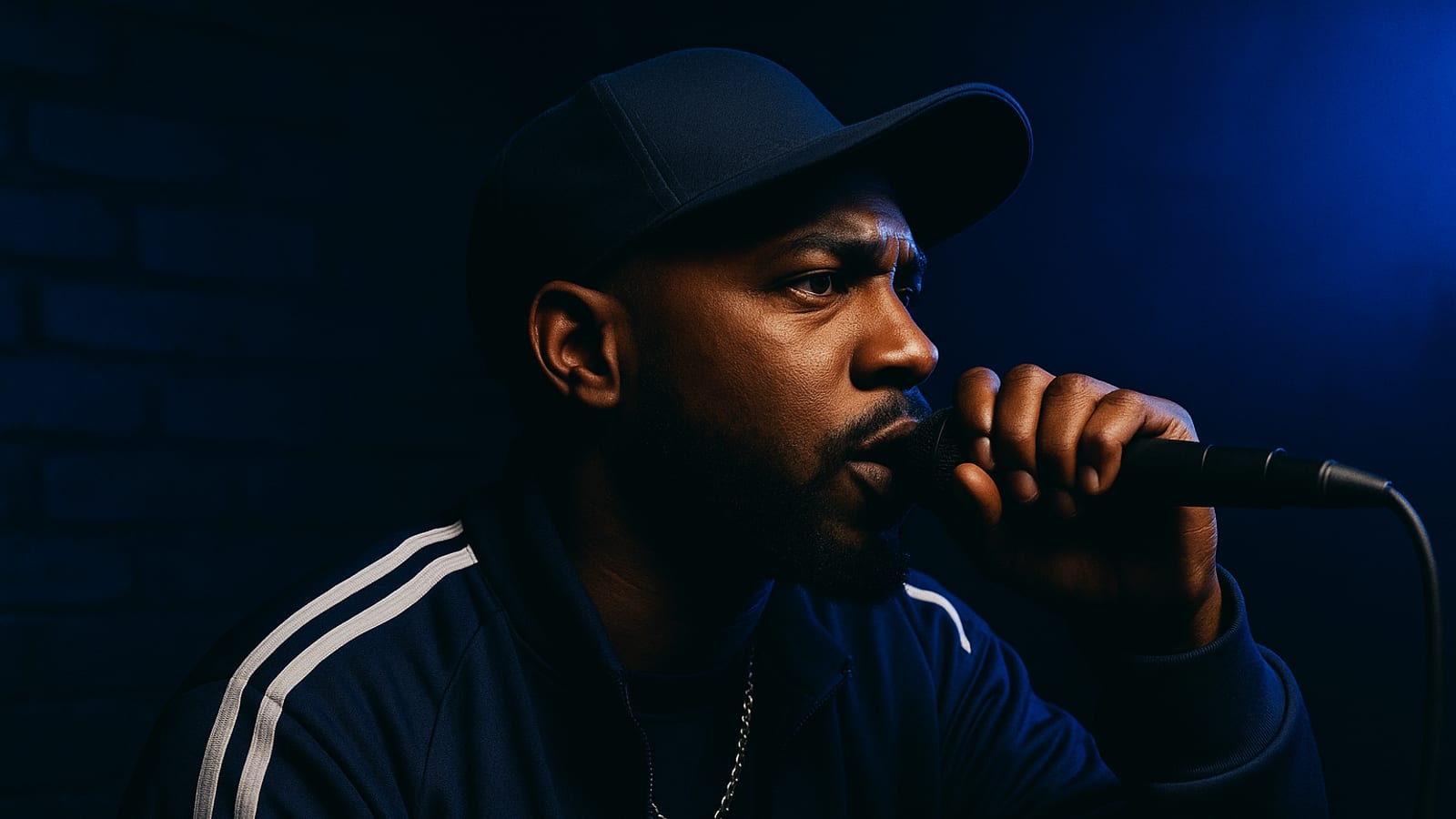
Hip-hop started as a cultural movement in the Bronx in the 1970s. It was raw, local, and built on the realities of urban life. Today it shapes music, fashion, and cinema on every continent. This article traces the hip-hop evolution from its unfiltered origins to its current cinematic force, with a clear look at industry trends and what is coming in 2024.
The Roots of Hip-Hop: A Cultural Revolution
In the late 1970s, hip-hop gave marginalized communities a voice they were not supposed to have. DJ Kool Herc, Grandmaster Flash, and Afrika Bambaataa built the genre by fusing rhythmic beats with unfiltered storytelling. This was not just music. It was a full cultural system — graffiti, breakdancing, fashion, and sound all moving together.
These early architects worked with almost nothing. Two turntables. A microphone. Minimal resources, maximum impact. Their discipline laid the foundation for everything that followed.
Hip-Hop’s Rise to Mainstream: Breaking Barriers
The 1980s and 1990s changed the equation. Run-D.M.C., Public Enemy, and N.W.A. pushed hard against societal limits and forced the mainstream to pay attention. The genre fractured productively — gangsta rap, conscious rap, and party rap each carved out distinct territory.
Albums like Raising Hell and Straight Outta Compton became cultural landmarks. They proved hip-hop was not a trend. It was a permanent shift. Fashion and language moved with it. Adidas became a statement. The culture was compounding in real time.
The Cinematic Expansion: Hip-Hop Meets Film
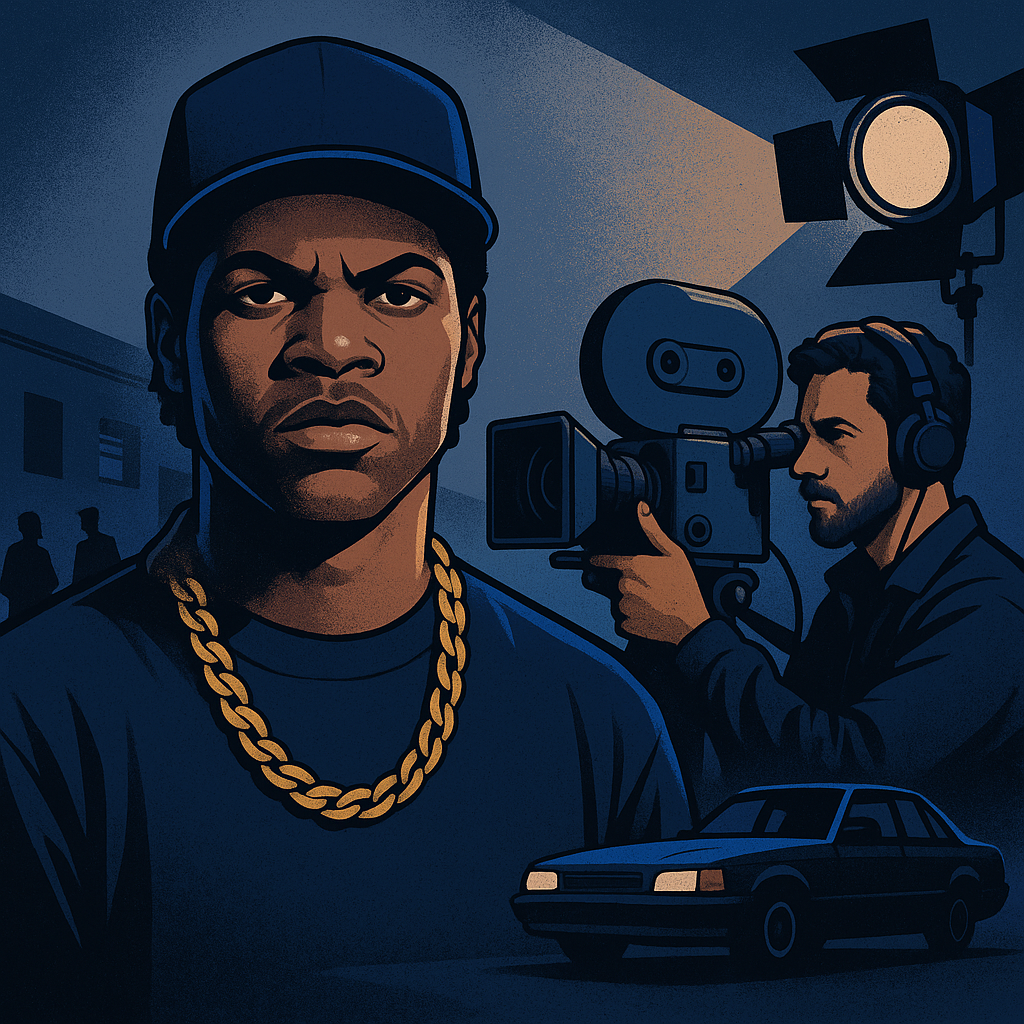
Once hip-hop owned the music space, it moved into film. Boyz n the Hood and Juice brought the culture’s gritty realism to the screen. These were not just entertainment products. They were social documents that audiences worldwide recognized as true.
The 2000s deepened the integration. Eminem and 50 Cent starred in films that mirrored their own stories. Directors like Spike Lee and John Singleton used hip-hop to sharpen their narratives. Today, hip-hop soundtracks are a standard tool in cinematic storytelling — not a novelty, a default.
Technological Advances: Boosting Hip-Hop’s Reach
The digital era rewired how hip-hop is built and distributed. YouTube and Spotify removed the major-label gatekeepers. Independent artists could reach global audiences on their own terms. The genre diversified further because the barriers to entry collapsed.
Production quality followed. Tools like ArcanoLabs’ AI content automation give artists new ways to produce and publish, while social platforms create direct lines between artists and fans. Technology did not dilute hip-hop. It amplified it.
Looking Forward: Industry Trends in 2024
Several forces will shape hip-hop in 2024. AI and automation will keep pushing production possibilities forward, opening creative doors that did not exist five years ago. Cross-genre collaboration will accelerate as hip-hop continues absorbing and reshaping other musical traditions.
Social commentary will intensify. Hip-hop has always been a platform for truth-telling, and the current global climate demands more of it. Expect artists to address inequality, climate, and mental health with the same directness that defined the genre from the start.
Actionable Steps: Engaging with Hip-Hop’s Evolution
If you want to engage seriously with where hip-hop is going, start here:
- Explore Diverse Artists: Go beyond the charts. Study both mainstream and underground voices to understand the full range of the genre.
- Attend Live Events: Concerts, festivals, local performances — experience the culture directly, not through a screen.
- Utilize Technology: Use Spotify and YouTube to track emerging artists and follow where organic traffic in the culture is actually moving.
- Engage with Communities: Join forums and social groups. The sharpest analysis of hip-hop happens in the conversations, not the press releases.
Conclusion: Embracing Hip-Hop’s Cinematic Journey
Hip-hop’s path from underground movement to cinematic powerhouse is a study in resilience and precision. It did not ask for permission. It built in silence, tested relentlessly, and let the results speak. That trajectory is still moving forward.
For those drawn to cinematic and atmospheric hip-hop, TruZillah offers a distinct perspective — raw streetwise narratives layered over cinematic soundscapes. The next chapter is already being written. You can be part of it.
Global Influence: Hip-Hop’s Impact Beyond Borders
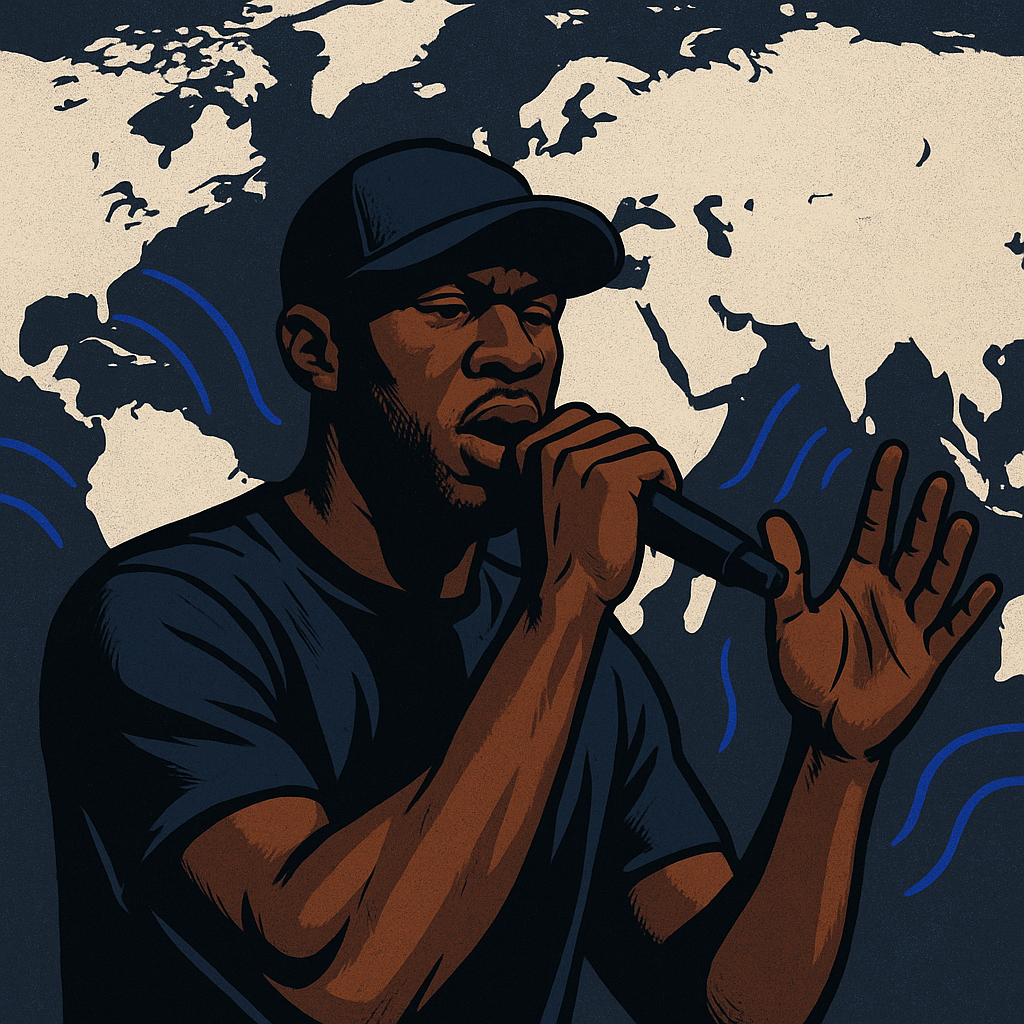
Hip-hop’s reach extends far past its American origins. In the UK, grime emerged — rapid-fire lyrics, gritty production, and artists like Stormzy and Skepta earning international recognition on their own terms. In France, hip-hop became a direct channel for marginalized communities, with IAM and MC Solaar using the form to address social realities head-on.
In Asia, hip-hop absorbed local culture and produced something new. The Korean scene, driven by artists like BTS and Jay Park, fused traditional hip-hop structure with K-pop and went global. In Africa, the genre became a vehicle for activism — artists addressing governance and social justice with precision and urgency.
These adaptations are not imitation. They are proof that hip-hop’s core architecture — honest storytelling over rhythm — translates across every language and cultural barrier on the planet.
Hip-Hop in Advertising: A New Frontier
As hip-hop’s cultural authority grew, brands moved toward it. Collaborations between artists and major companies became standard. Travis Scott’s partnerships with Nike and McDonald’s generated exclusive products and cultural moments that neither side could have manufactured alone. The artist’s audience became the brand’s audience. The exchange was direct and measurable.
Brands now use hip-hop in commercials to signal modernity and cultural awareness. The genre’s energy and its lyrics’ directness connect with younger audiences in ways that traditional advertising cannot replicate. Hip-hop does not just sell products. It transfers credibility.
Checklist: How to Leverage Hip-Hop in Your Marketing Strategy
- Identify Appropriate Artists: Align with artists whose values and audience match your brand. Authenticity is the only currency that holds.
- Incorporate Hip-Hop Elements: Use the music and cultural references in your content to connect with younger demographics on their terms.
- Collaborate Creatively: Co-create products or experiences with artists. The fan base follows genuine creative investment, not transactional placements.
- Stay Relevant: Track where the culture is moving and adjust your strategy before the moment passes.
Case Study: The Success of Hip-Hop Documentaries
Hip-hop documentaries have become serious storytelling instruments. Films like Rapture and Hip-Hop Evolution deliver historical depth through direct interviews with key figures and a clear-eyed look at the genre’s impact across decades. They do not romanticize. They document.
These films work because they serve two audiences simultaneously — longtime fans and people encountering the culture for the first time. They surface underrepresented voices and tell stories the mainstream record largely ignored. Their success confirms what the genre has always known: the real stories, told straight, are the ones that last.
FAQs: Understanding Hip-Hop’s Cultural Influence
- How has hip-hop influenced global music trends? Hip-hop seeded dozens of sub-genres worldwide and reshaped everything from pop to electronic music, giving artists across every tradition a new structural vocabulary to work from.
- What role does hip-hop play in social activism? Hip-hop has consistently served as a platform for social commentary — addressing racial inequality, poverty, and political injustice with a directness that few other art forms match.
- Why is hip-hop important in brand marketing? Its cultural reach and credibility make it one of the most effective tools for connecting with younger audiences and building brand identity through partnerships that feel earned rather than manufactured.
Key Performance Indicators (KPIs) for Measuring Hip-Hop’s Impact
For brands and artists measuring the results of hip-hop-related initiatives, these KPIs give you the clearest picture:
- Audience Engagement: Track social media interactions, streaming numbers, and event attendance. These tell you whether people are actually paying attention.
- Brand Visibility: Measure increases in brand mentions, media coverage, and search trends following hip-hop collaborations. Organic traffic growth here is a reliable signal.
- Sales Performance: Analyze revenue data directly tied to hip-hop partnerships. The numbers either justify the investment or they do not.
- Fan Base Growth: Monitor changes in social followers and subscriber counts. Sustained growth after a campaign confirms you built something real, not just a moment.

Leave a Reply