Crafting a Signature Sound: Tips for Emerging Hip-Hop Artists
Hip-hop does not slow down for anyone. If you want to stand out, you need more than sharp beats and clever bars. You need an identity — one that listeners recognize before you even drop a hook. The artists who build lasting careers do it deliberately. They carve out their niche, test relentlessly, and let the work speak. Here is how you start doing the same.
Understand Your Influences
Every artist is shaped by what came before them. The move is not to copy — it is to dissect, absorb, and rebuild on your own terms. Start by listing the artists who have genuinely shaped how you hear music. Study their sound, their production choices, their cadence. Then ask yourself two questions:
- What specific elements hit hardest for you?
- How do you fold those elements into something only you could make?
Kendrick Lamar’s storytelling and J. Cole’s introspective delivery are worth studying. Not to imitate — but to understand the craft behind them. Your personal experiences are the variable nobody else has. That is where your sound actually lives.
Use the Right Tools
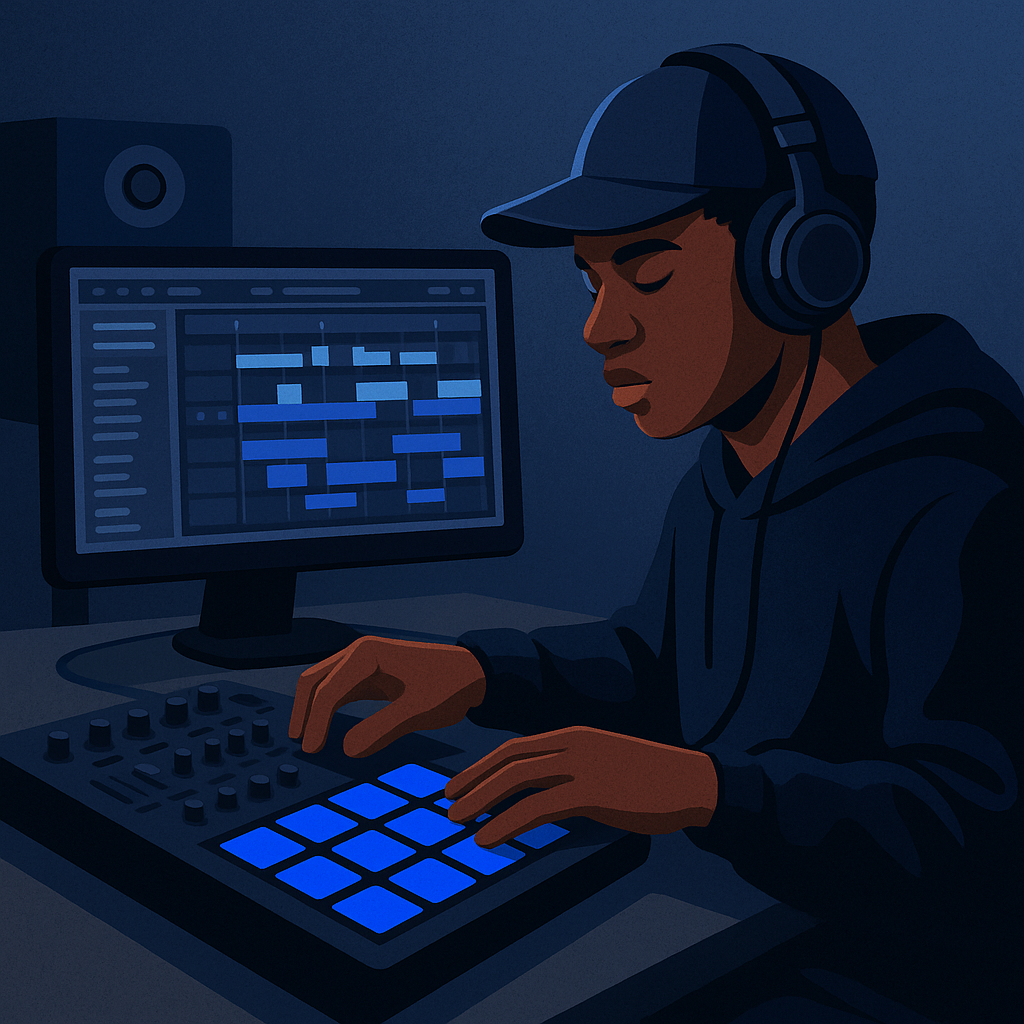
Production software is not a shortcut. It is infrastructure. Choose tools that match where you are right now, then grow into them.
- FL Studio: Straightforward interface, strong for beat-making. Starts around $99.
- Ableton Live: Built for both studio work and live performance. The standard version runs approximately $449.
- GarageBand: Free for Mac users. A legitimate starting point — do not overlook it.
The goal is not the most expensive setup. The goal is a workflow that lets you experiment fast and stay authentic to what you are building.
Experiment with Different Genres
Staying inside one lane is a ceiling. The artists with the most distinctive sounds pull from unexpected places. Jazz, R&B, electronic — these are not detours from hip-hop. They are inputs that make your output harder to replicate.
Travis Scott built an entire sonic identity by refusing to stay in one box. You do not have to go that far. But sitting down with a jazz pianist or an electronic producer even once can introduce textures to your tracks that no preset pack will ever give you.
Build a Cohesive Brand
Your music is the core. Everything around it either reinforces or undermines it. Listeners are paying attention to more than the audio — they are reading your visuals, your social presence, your aesthetic. Make sure it all points to the same identity.
- Visuals: Invest in cover art and video content that reflects your sound. Cheap visuals signal cheap music, even when the track is not.
- Social Media: Instagram and TikTok are where your audience decides whether to care. Show your process. Be consistent.
- Personal Style: What you wear and how you carry yourself on stage should feel like an extension of the music — not a costume.
Cohesion builds trust. Trust builds fans. Fans build careers.
Seek Feedback and Iterate
Your first version of anything is a draft. Share your music with peers, mentors, and real listeners. SoundCloud and Bandcamp let you test tracks before committing to a full release. Pay attention to what lands and what does not.
Kanye West has reworked albums after release. That is not indecision — that is a commitment to getting it right. Iteration is not weakness. It is how the work gets sharper.
Actionable Steps for Your Journey
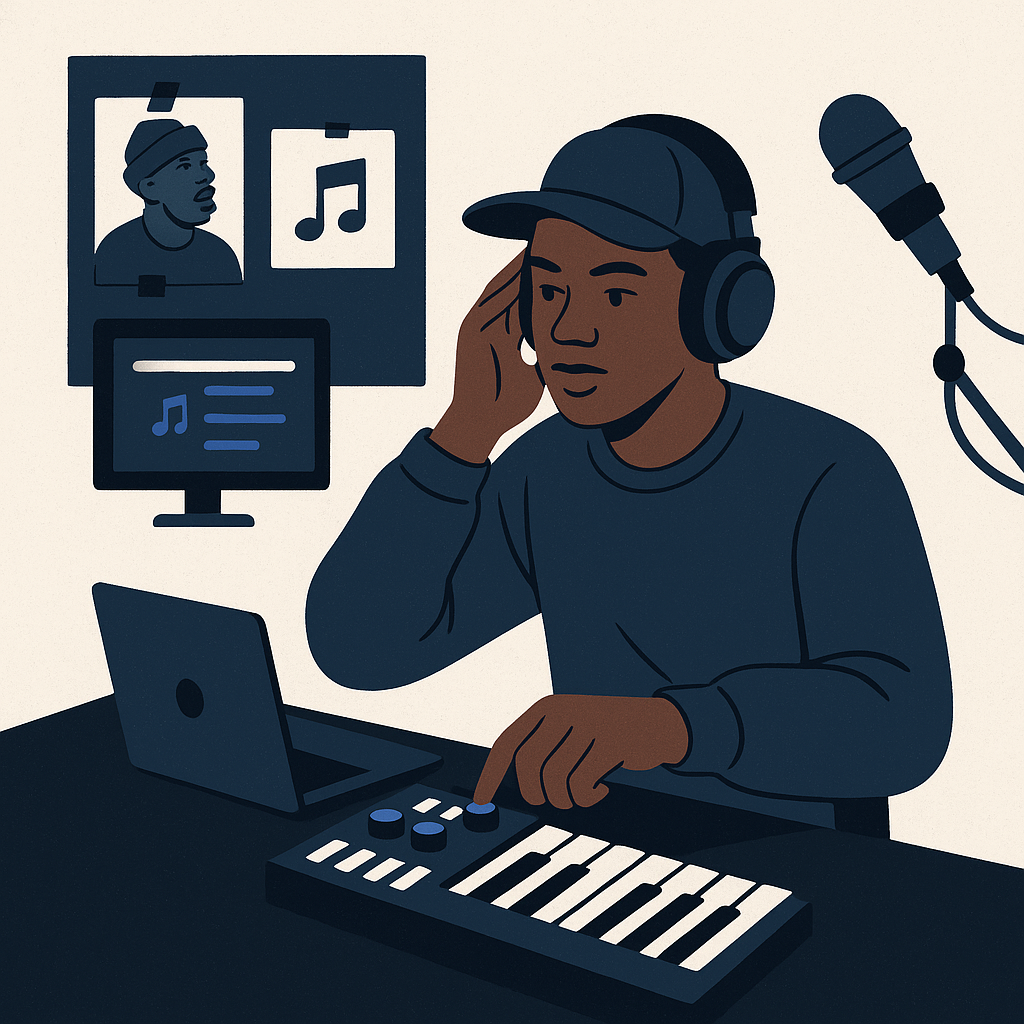
Stop waiting for the right moment. Here is the blueprint:
- Step 1: Map your influences. Build a mood board or playlist that captures what draws you to them — then identify what is missing that only you can add.
- Step 2: Block time for creative experimentation. Treat it like a standing appointment, not something you get to when the mood hits.
- Step 3: Build your brand strategy. Align visuals, social content, and personal style so everything points in the same direction.
- Step 4: Distribute on Spotify and Apple Music. Use their analytics to understand who is listening and where they are finding you.
- Step 5: Gather real feedback and adjust. Use platforms like TruZillah for inspiration and to connect with other artists who are building seriously.
Conclusion: Own Your Sound
A signature sound does not appear. You build it — through deliberate study, honest experimentation, and the willingness to iterate until it is undeniably yours. The artists who last are not the loudest. They are the ones who know exactly what they stand for and build in silence until the work makes the noise for them.
Start today. Go back to your influences with fresh eyes. Open a new session. Make something that could only come from you.
Developing Lyrical Depth and Authentic Storytelling
Production gets listeners in the door. Lyrics are what make them stay. Authentic storytelling is one of the few things in music that cannot be faked — and audiences know the difference immediately. Here is how to sharpen yours:
- Personal Experiences: Your life is your most defensible creative asset. Draw from it directly. Specificity is what separates a real story from a generic verse.
- Story Arcs: Give your songs structure — a beginning, a middle, an end. Take the listener somewhere. Tracks that go nowhere get skipped.
- Metaphors and Imagery: Abstract ideas land harder when they are grounded in concrete images. Paint a picture. Make the listener see it.
- Collaborative Writing: Working with other writers exposes you to angles you would never find alone. Use it strategically.
Nas and Lauryn Hill built entire careers on the strength of their storytelling. Study how they construct a narrative inside a four-minute track. That craft is learnable.
Networking and Collaborations
Who you know shapes what you can make. A strong network opens doors that talent alone cannot. Build it with intention.
- Attend Industry Events: Music conferences and local showcases put you in the same room as producers, A&Rs, and artists who are moving. Show up prepared.
- Online Communities: Reddit and Discord have active hip-hop and production communities. Engage genuinely — not just to promote.
- Cross-Genre Collaborations: Working outside your genre forces creative problem-solving. The results are often the most original work you will make.
- Remixes and Features: Offering to remix a track or jump on a feature expands your reach and demonstrates range. Both matter.
The relationships you build now compound over time. Treat every connection like a long-term investment, not a transaction.
Utilizing Data Analytics for Growth
Instinct matters. But data tells you what instinct misses. The artists who grow fastest are the ones who pay attention to both.
- Streaming Analytics: Spotify for Artists shows you which tracks are connecting, where your listeners are, and how they found you. Use that information to make smarter release decisions.
- Social Media Metrics: Engagement numbers on Instagram and TikTok reveal what content your audience actually responds to — not what you assume they want.
- Survey Your Audience: Direct polls and questions give you qualitative insight that no dashboard can provide. Ask. Listen. Adjust.
- Adjust Based on Insights: Let the data inform your release timing, your marketing approach, and your live performance strategy.
Drake and Billie Eilish both use audience data to shape their rollouts and touring decisions. That is not selling out — that is operating with precision.
Legal Considerations and Protecting Your Work
You are building something real. Protect it like it is. The legal side of music is not optional — it is the foundation that keeps your creative work yours.
- Copyright Your Music: Register your compositions with the appropriate copyright office. This is the baseline. Do not skip it.
- Contracts and Agreements: Every collaboration needs a written agreement. Outline rights, responsibilities, and compensation before a single bar is recorded.
- Licensing and Royalties: Understand how your music gets licensed for film, commercials, and other media. Know what you are owed and how to collect it.
- Trademark Your Brand: Your artist name and logo are assets. Trademark them before someone else does.
A music attorney is not a luxury — it is infrastructure. The time you invest in getting the legal side right now is the time you save fighting over ownership later.

Leave a Reply