
How to Balance Creativity and Business in Music Production
Most producers treat creativity and business like opposing forces. They protect one at the expense of the other. That is the wrong frame entirely. The artists who build lasting careers treat both as systems — and they run those systems in parallel, without apology. This article gives you a practical blueprint for doing exactly that in 2024 and beyond.

The Creative Process: Fueling Your Artistic Vision
Creativity is not a mood. It is a practice. Waiting for inspiration is how careers stall. Structure is what keeps output moving when motivation is absent. Here is how to build a creative workflow that actually holds:
- Set Creative Goals: Know what you are building toward. Mastering a new genre, completing a project, landing a collaboration — specific targets give your sessions direction instead of drift.
- Schedule Regular Sessions: Block time for creative work and treat it as fixed. Consistency compounds. Sporadic bursts do not.
- Use the Right Tools: Platforms like ArcanoLabs AI Content can surface new angles and concepts when your own well runs dry, giving you a sharper starting point instead of a blank screen.
A structured creative process does not constrain your art. It protects it — and it creates the conditions where business strategy can actually plug in without friction.
Business Acumen: Turning Passion into Profit

Artistic integrity and commercial awareness are not in conflict. Ignoring the business side does not make you more authentic — it makes you dependent on someone else’s decisions. Here is how to build the business layer without compromising your sound:
- Understand Your Market: Study your audience. Spotify and Apple Music both surface listener analytics that tell you what is resonating and where your reach is growing. Use that data.
- Diversify Revenue: Licensing tracks for film, games, and commercials can generate significant income. Platforms like Bandcamp let you sell directly to fans and keep more of what you earn.
- Build a Recognizable Brand: Consistency across your visual and sonic identity builds recognition over time. Audiences follow artists they can identify instantly.
These are not compromises. They are the mechanics that get your music in front of the right people while building cash flow you can reinvest.
Tools and Resources for Balancing Creativity and Business

The right tools remove friction. Wrong tools create it. Here is what belongs in your stack:
- DAWs (Digital Audio Workstations): Ableton Live and Logic Pro X are the industry standard for production. Both give you the depth to build professional-grade work without a studio budget.
- Marketing Platforms: Hootsuite and similar scheduling tools keep your promotional cadence consistent without requiring you to be online constantly. Set it, let it run.
- Financial Management Apps: QuickBooks or Wave handle expense tracking and income reporting. You cannot make smart business decisions without clean numbers in front of you.
Each tool in this list does one thing: it buys back your time and attention so you can stay focused on making music and building the operation around it.
Step-by-Step Guide to Implementing a Balanced Approach

No system works if you never install it. Here is the sequence that actually moves you forward:
- Assess Your Current Position: Look honestly at where your creative output and business operations stand right now. Name the gaps. That is your starting point.
- Set Clear Objectives: Define specific, measurable targets for both sides — creative projects and revenue goals. Vague intentions produce vague results.
- Build a Balanced Schedule: Allocate protected time for creative work and separate time for business management. Both need dedicated space or both suffer.
- Review and Adjust Regularly: Check your numbers and your output on a set cadence. What is working, keep. What is not, cut or change. Build in silence, adjust based on data.
Follow this sequence consistently and you will have a repeatable model — one that compounds over time instead of resetting every few months.
Conclusion: Taking Action for Success in Music Production
Balancing creativity and business in music production is not a juggling act. It is integration. When both sides are treated as systems that reinforce each other, your artistic vision stays intact and your income grows alongside it. Clear goals, the right tools, and a structured approach are what make that possible.
Platforms like ArcanoLabs exist to support both sides of that equation. The producers who build careers worth having do not choose between art and commerce. They build in silence, test relentlessly, and let the compounding do the loud talking.
Case Studies: Successful Artists Who Mastered the Balance

Theory is useful. Proof is better. Here are two artists who built the balance in practice and what their approach actually looked like:
Case Study 1: Billie Eilish’s Unique Brand Identity
Billie Eilish and her brother Finneas built something most artists never manage: a sound and image so distinct that the audience comes to them. Their production is rooted in authenticity — genre-defying tracks made in a bedroom studio with full creative control intact. On the business side, they have been deliberate about release timing and platform engagement, using digital channels to amplify reach without diluting the brand. Creative control and strategic distribution, running in parallel. That is the model.
Case Study 2: Chance the Rapper’s Independent Success
Chance the Rapper proved that a major label deal is not the only path to scale. He gave his music away for free and built revenue through touring, merchandise, and brand partnerships instead. His business model was built on direct fan relationships and diversified income streams — not a single gatekeeper controlling the cash flow. The creative output stayed uncompromised. The business operation stayed independent. Both grew together.
Key Performance Indicators (KPIs) to Measure Success
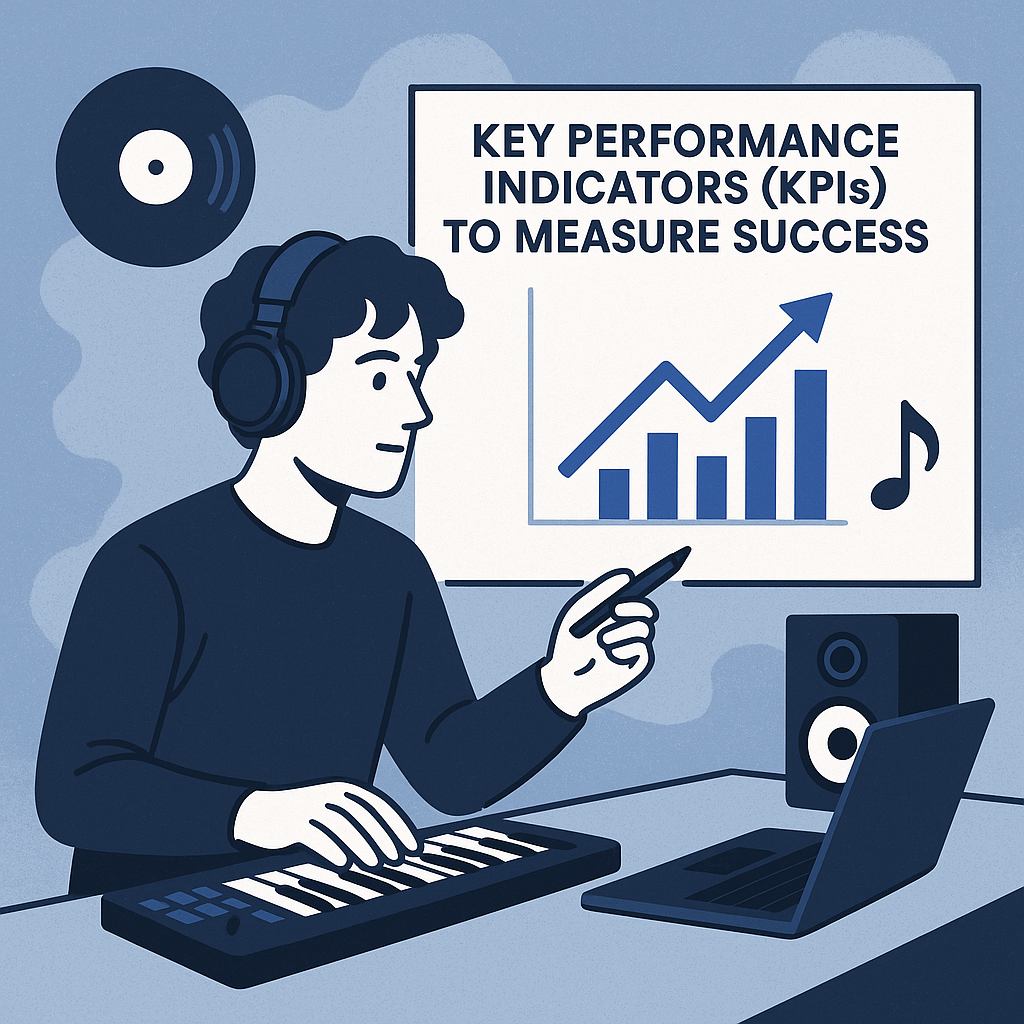
You cannot manage what you do not measure. Track these metrics to know whether your approach is actually working:
- Streaming Numbers: Monitor stream counts across Spotify and Apple Music. This tells you whether your music is reaching new listeners or stalling inside your existing audience.
- Social Media Engagement: Likes, shares, comments, and follower growth reveal how well your content is connecting. Engagement rate matters more than raw follower count.
- Revenue Streams: Break down income by source — digital sales, streaming, live performances, merchandise. A diversified income portfolio is more durable than a single revenue line.
- Fanbase Growth: Track mailing list subscribers and fan club members. These are your highest-intent audience members and the most reliable signal of long-term loyalty.
- Brand Collaborations: Count and evaluate the quality of partnerships and sponsorships you secure. Strong collaborations reflect brand credibility and open new revenue channels.
FAQs: Navigating the Balance Between Creativity and Business

These are the questions producers ask most often when they start taking both sides of the equation seriously:
How can I maintain creative integrity while pursuing commercial success?
Stay anchored to your artistic vision and use audience feedback as data, not direction. Make music that reflects your values. Then study what resonates and use that information to sharpen your output — not to replace it with something safer.
What should I prioritize: creative projects or business tasks?
It depends on where you are in your cycle. Launching an album shifts weight toward business execution temporarily. In quieter periods, creative exploration takes the lead. The goal is a schedule that protects both, not a permanent hierarchy between them.
How do I know if my business strategy is working?
Check your KPIs on a regular cadence. Growth in streaming numbers, audience engagement, and revenue across multiple sources indicates the strategy is working. If the numbers are flat or declining, adjust the approach. The data tells you what opinions cannot.
Study the artists who have done this well, track the right numbers, and keep refining. That is how you navigate the complexity without losing your footing on either side.
Collaborative Strategies for Enhancing Creativity and Business

Working with the right people accelerates both sides of the operation. Here is where collaboration pays off most:
- Co-Writing Sessions: Bringing in other songwriters introduces perspectives you would not reach alone. Fresh input often unlocks new directions and expands your potential audience at the same time.
- Joint Ventures: Partnering with other artists or brands on aligned projects increases exposure and distributes the resource cost. Both parties bring their audience. Both parties benefit.
- Mentorship Programs: A mentor with real industry experience compresses your learning curve significantly. The right guidance helps you avoid the mistakes that cost time and money to recover from.
Strategic collaboration is not about outsourcing your vision. It is about building a network that makes both your creative output and your business operation stronger than either could be alone.

Leave a Reply