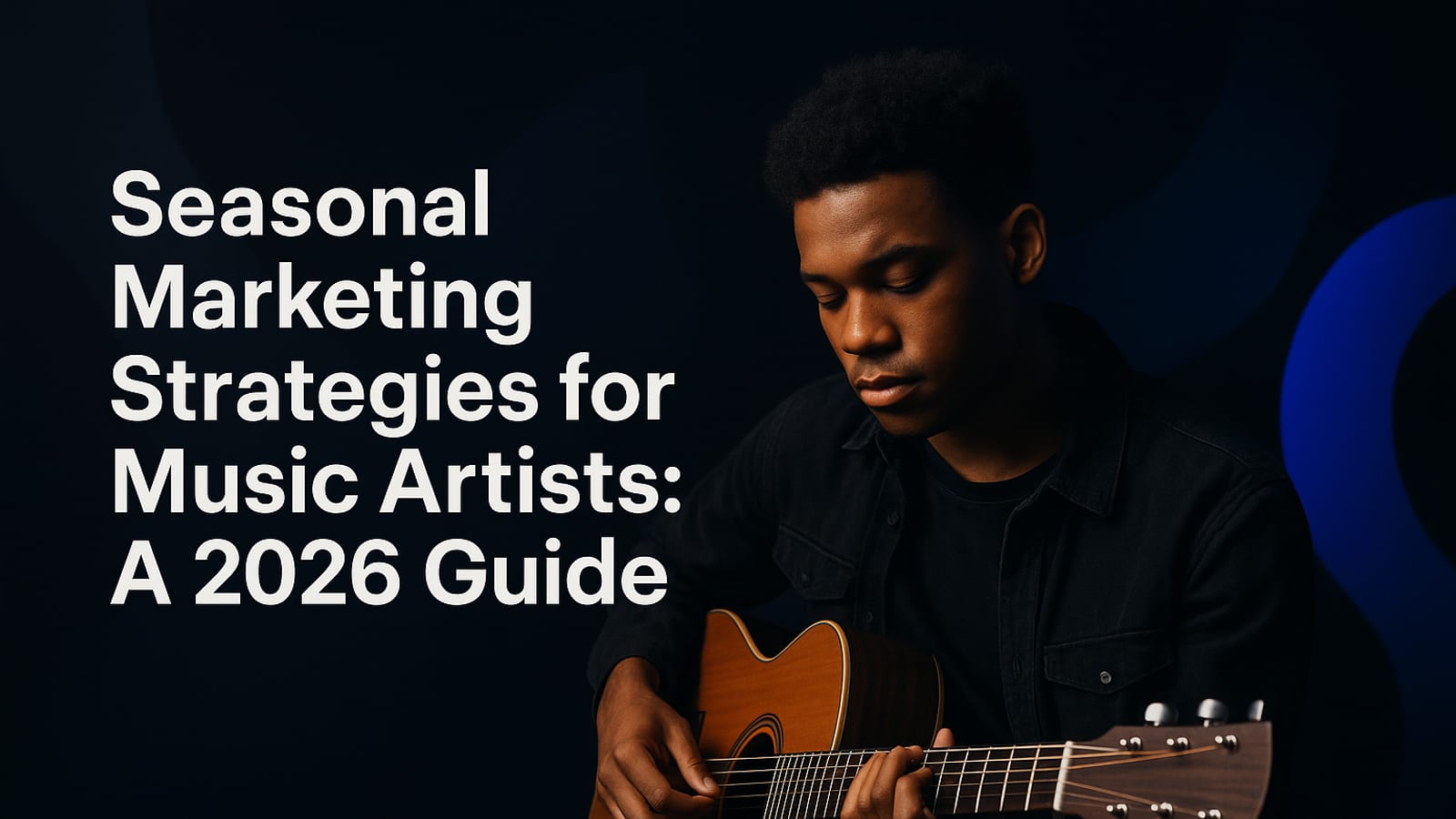
Seasonal Marketing Strategies for Music Artists: A 2026 Guide
Talent gets you in the room. Strategy keeps you in the game. The artists who build lasting careers in 2026 are not the loudest ones — they are the ones who map their releases to the calendar, read audience behavior like data, and execute with precision. Seasonal marketing is that system. This guide breaks it down, season by season, so you can stop guessing and start building in silence.
Understanding the Seasonal Marketing Landscape

Seasonal marketing is not about chasing holidays. It is about understanding when your audience is most receptive — and showing up with the right content at exactly that moment. In 2026, streaming data and shifting social dynamics make that timing more readable than ever.
Streaming platforms have made listener behavior transparent. Summer drives dance and high-energy tracks. Winter pulls audiences toward acoustic and introspective sounds. These are not opinions — they are patterns in the data. The silent operator reads those patterns and plans accordingly, aligning releases and promotions with the moments audiences are already leaning in.
Spring: Awakening and Renewal
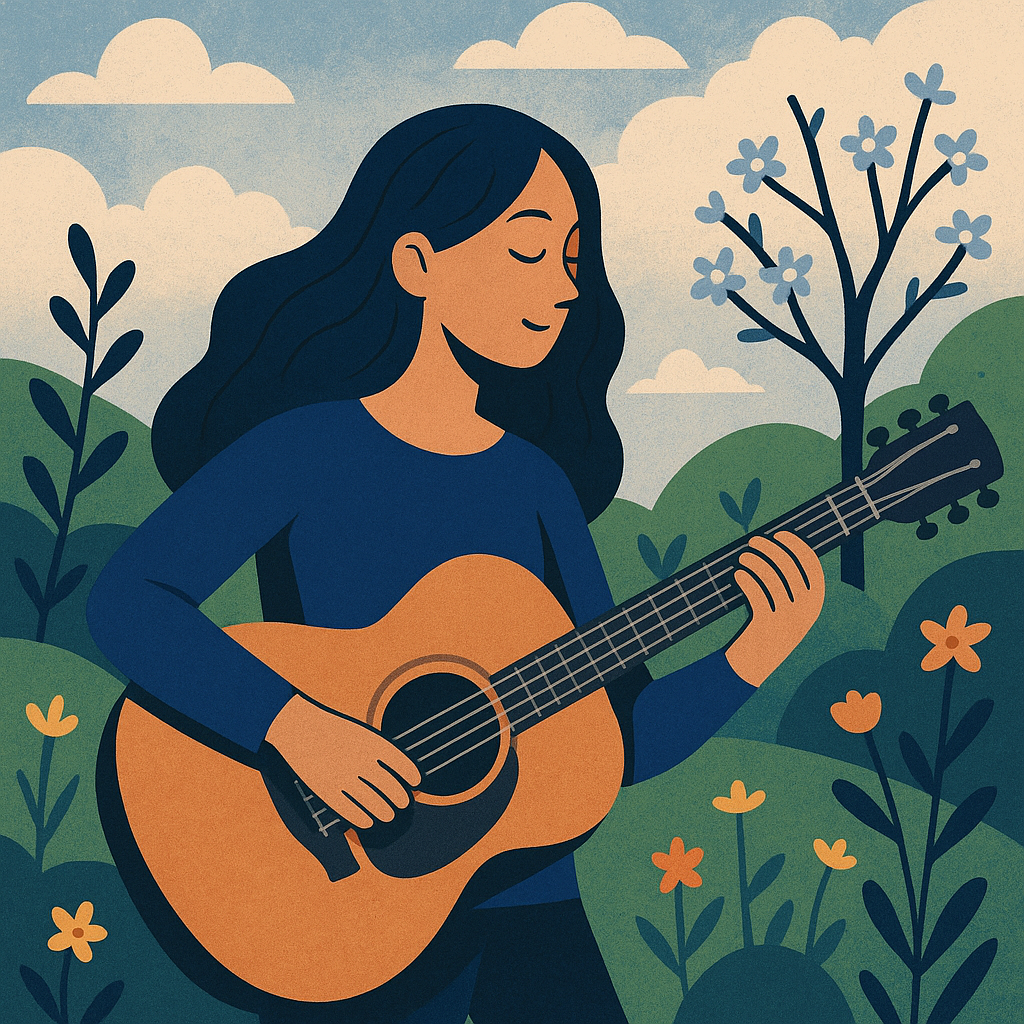
Spring is the best time to launch. Audiences are primed for something new. Use that energy deliberately.
- Release Fresh Content: Drop new singles or albums as the weather shifts. The cultural mood of new beginnings works in your favor — your release lands in a receptive environment.
- Engage Directly with Fans: Run live streams or interactive Q&A sessions. Platforms like Twitch and Instagram Live put you in front of your audience without a middleman.
- Collaborate Strategically: Partner with other artists for cross-promotions. Done right, you tap into an established fan base that already trusts the artist you are working with.
What you build in spring sets the trajectory for the rest of the year. Momentum compounds. Start strong and let it carry forward.
Summer: Festivals and High Energy

Summer is the highest-visibility window of the year. Audiences are out, spending, and actively discovering new artists. Position yourself where they are looking.
- Festival Appearances: Secure spots at summer festivals early. Events like Coachella and Bonnaroo put you in front of thousands of potential fans in a single afternoon. Research booking timelines and plan a year ahead.
- Summer Playlists: Build and promote season-themed playlists on Spotify. Playlist placement drives organic traffic to your catalog and introduces your sound to listeners who would never have searched for you directly.
- Seasonal Merchandise: Launch limited-edition summer merchandise. Scarcity creates demand. T-shirts and hats tied to a specific moment give fans something to own — and something to wear that markets for you.
Align your output with the energy of the season. Audiences are already excited. Your job is to meet them there.
Fall: Reflection and Introspection
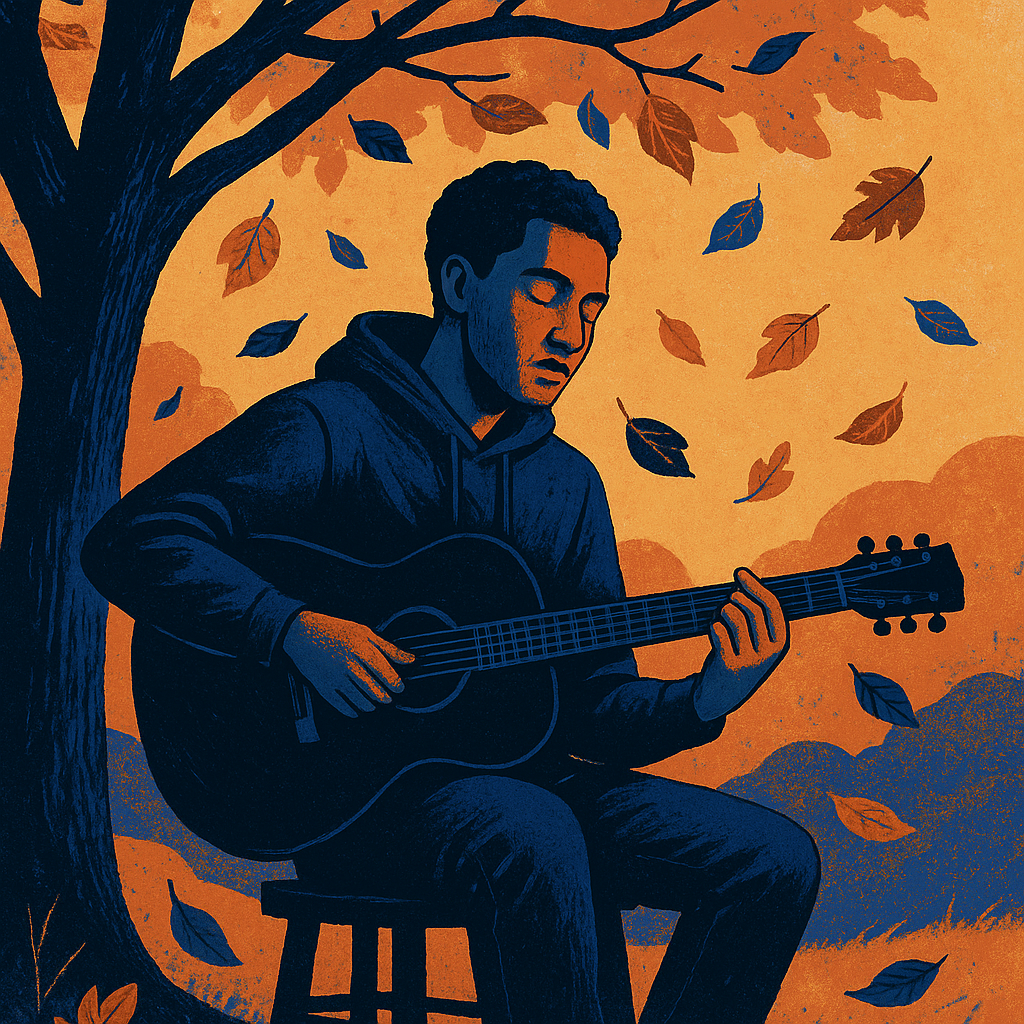
The mood shifts in fall. Listeners slow down and go deeper. This is your window to build real connection — not just reach.
- Intimate Shows: Host smaller, more personal concerts or acoustic sessions. Venues like Sofar Sounds create the kind of close-range experience that turns casual listeners into loyal fans.
- Storytelling: Share the stories behind your music on platforms like Patreon. Fans who understand the process behind the art develop a loyalty that streaming numbers alone cannot build.
- Reflective Content: Release acoustic versions or thoughtful remixes of catalog tracks. It refreshes your library and gives the algorithm new material to surface — while matching exactly what fall listeners are seeking.
Depth over volume. The connections you build in fall pay dividends when winter campaigns launch.
Winter: Celebration and Nostalgia
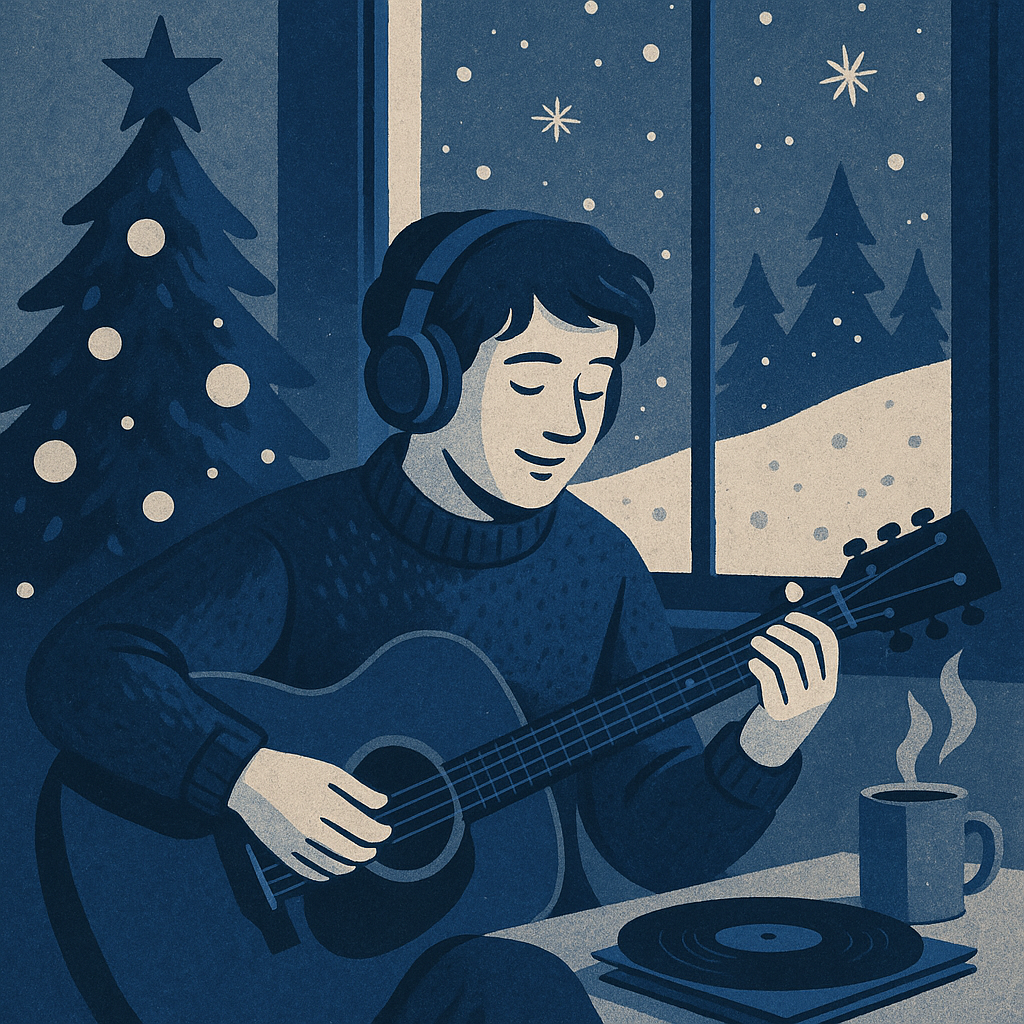
Winter is emotional territory. Audiences are nostalgic, generous, and paying attention. That combination is rare — use it.
- Holiday Releases: A well-timed holiday single or EP can land on major seasonal playlists and drive streaming numbers well beyond your existing audience. Get your music onto Apple Music holiday playlists before the season peaks.
- Year-End Recaps: Document your milestones in a year-in-review video or post. It rewards loyal fans and gives new ones a reason to catch up on what they missed.
- Exclusive Offers: Reward your most engaged fans with exclusive content or direct-purchase deals. Platforms like Bandcamp let you sell directly, keeping more revenue in your pocket while deepening the fan relationship.
End the year with intention. Winter is not just a close — it is the setup for everything you launch in Q1.
Tools and Resources for Effective Seasonal Marketing
The right tools eliminate friction. Less time on logistics means more time on output that actually moves the needle.
- Social Media Management: Hootsuite and Buffer let you schedule posts in advance and track engagement across platforms from a single dashboard. Plan your seasonal content in batches and let the system run.
- Email Marketing: Mailchimp and Constant Contact give you direct access to your audience — no algorithm required. Build seasonal campaigns that land in inboxes, not feeds.
- Content Creation: Use Canva for promotional graphics and Adobe Premiere for video. Consistent visual identity across seasons builds brand recognition that compounds over time.
Stack the right tools and your seasonal system runs with less effort each cycle. That is the point.
Next Steps: Putting It All Together
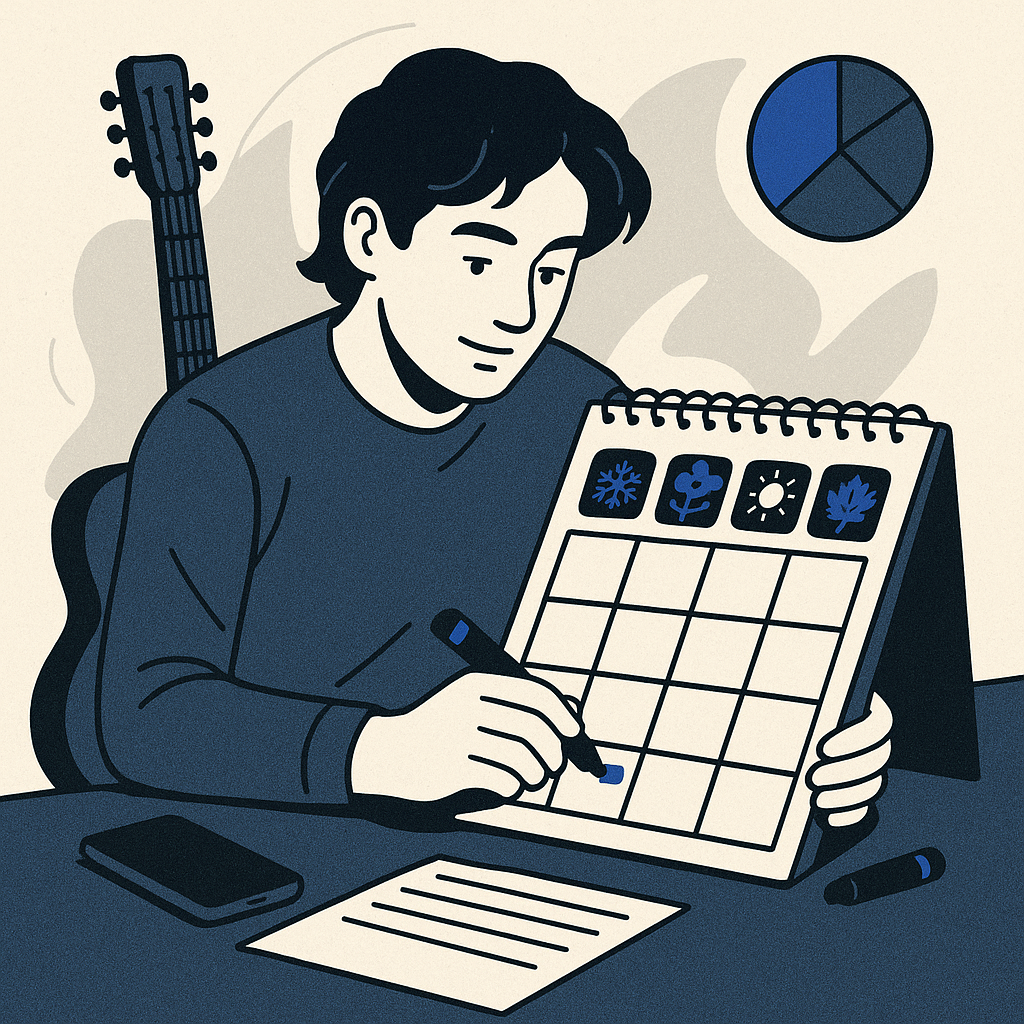
You have the framework. Now execute. Map your year on a calendar. Assign releases, promotions, and audience touchpoints to each season. Use the tools above to keep the system running without burning yourself out on logistics.
The artists who win do not reinvent their approach every quarter. They build a repeatable system, test what works, and tighten it each cycle. Adaptability matters — stay close to your data and adjust when the numbers tell you to. But the foundation stays consistent. Build in silence, earn in peace, and let the compounding results do the talking.
For more strategies on building a sustainable music career, visit TruZillah and explore what a long-game approach actually looks like in practice.
Leveraging Data Analytics for Seasonal Success

Opinion is cheap. Data is the edge. The artists who consistently outperform their peers are not guessing — they are reading their numbers and acting on what they find.
- Audience Insights: Spotify for Artists and YouTube Analytics give you listener demographics, locations, and listening patterns. That data tells you exactly who is paying attention and when. Use it to shape your seasonal content decisions.
- Track Performance: Monitor how your releases perform across different seasons. Chartmetric tracks chart positions, playlist placements, and social mentions in one place. Know what is working before you double down on it.
- Predictive Analytics: Past performance is your best forecasting tool. Study what moved the needle in previous seasons and use that to time your next release or shift your promotional approach before the window opens.
Data does not replace creativity. It directs it. The silent operator uses both — and reaches the right audience at exactly the right moment.
Case Study: Successful Seasonal Campaigns
Theory is useful. Proof is better. Here is what a full-year seasonal strategy looks like when an artist actually executes it.
Artist Spotlight: Indie Pop Band “Echoing Waves”
In 2025, Echoing Waves ran a disciplined seasonal campaign that grew their fan base across all four quarters. In spring, they launched a “New Beginnings” tour timed to the season’s energy. A series of spring-themed singles — shot in blooming natural landscapes — gave audiences exactly the fresh, uplifting content they were already seeking.
Summer was about visibility. The band secured festival slots, used social media to share behind-the-scenes footage in real time, and dropped a limited-edition merchandise line that sold out within weeks. Every move was tied to a specific audience moment.
Fall shifted the tone. Echoing Waves moved into intimate acoustic sessions and used Patreon to share the personal stories behind their catalog. That transparency deepened existing fan loyalty and pulled in new followers who valued the access.
Winter closed the year with a holiday EP — reimagined classics plus one original track. It landed on several high-profile seasonal playlists and drove a measurable spike in streaming numbers heading into the new year.
Each season had a clear objective. Each move built on the last. That is what a repeatable system looks like in practice.
Checklist for Implementing Seasonal Marketing Strategies
- Analyze audience data to identify seasonal listening patterns and peak engagement windows.
- Map content releases and promotional activities to seasonal themes before the quarter begins.
- Engage fans through season-specific social media campaigns and live events.
- Pursue collaborations with other artists or brands for cross-promotional reach.
- Review performance data after each season and tighten your approach for the next cycle.
Work through this checklist every quarter. The artists who treat seasonal marketing as a system — not a one-off effort — are the ones who build audience and revenue that compounds year over year.

Leave a Reply