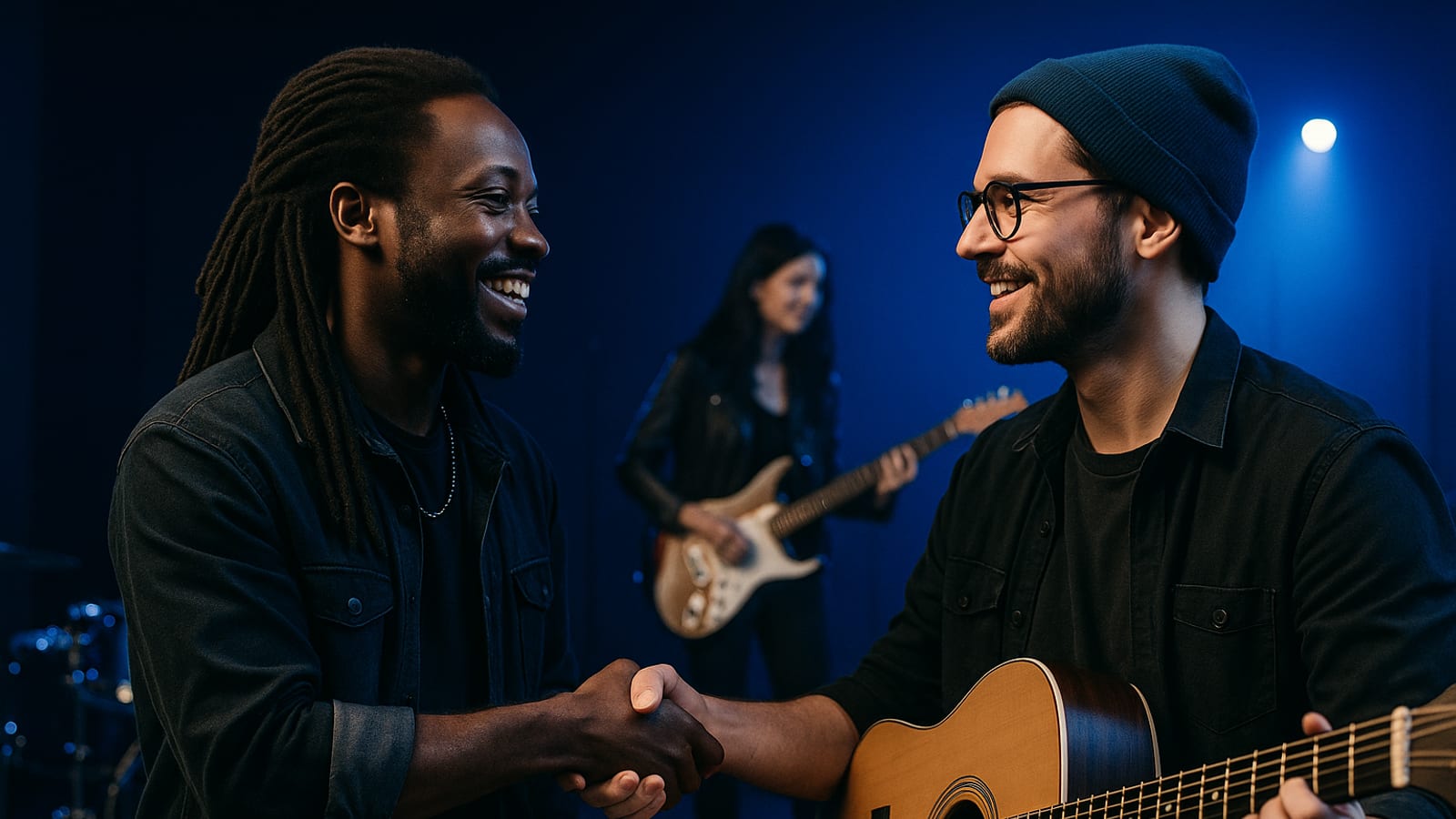
Networking in the Music Industry: Building Connections That Actually Move the Needle
Talent gets you in the room. Connections keep you there. In music, the artists who build lasting careers are not always the most gifted—they are the most deliberate about who they know and how they show up. This guide gives you a concrete blueprint for building industry relationships that compound over time.
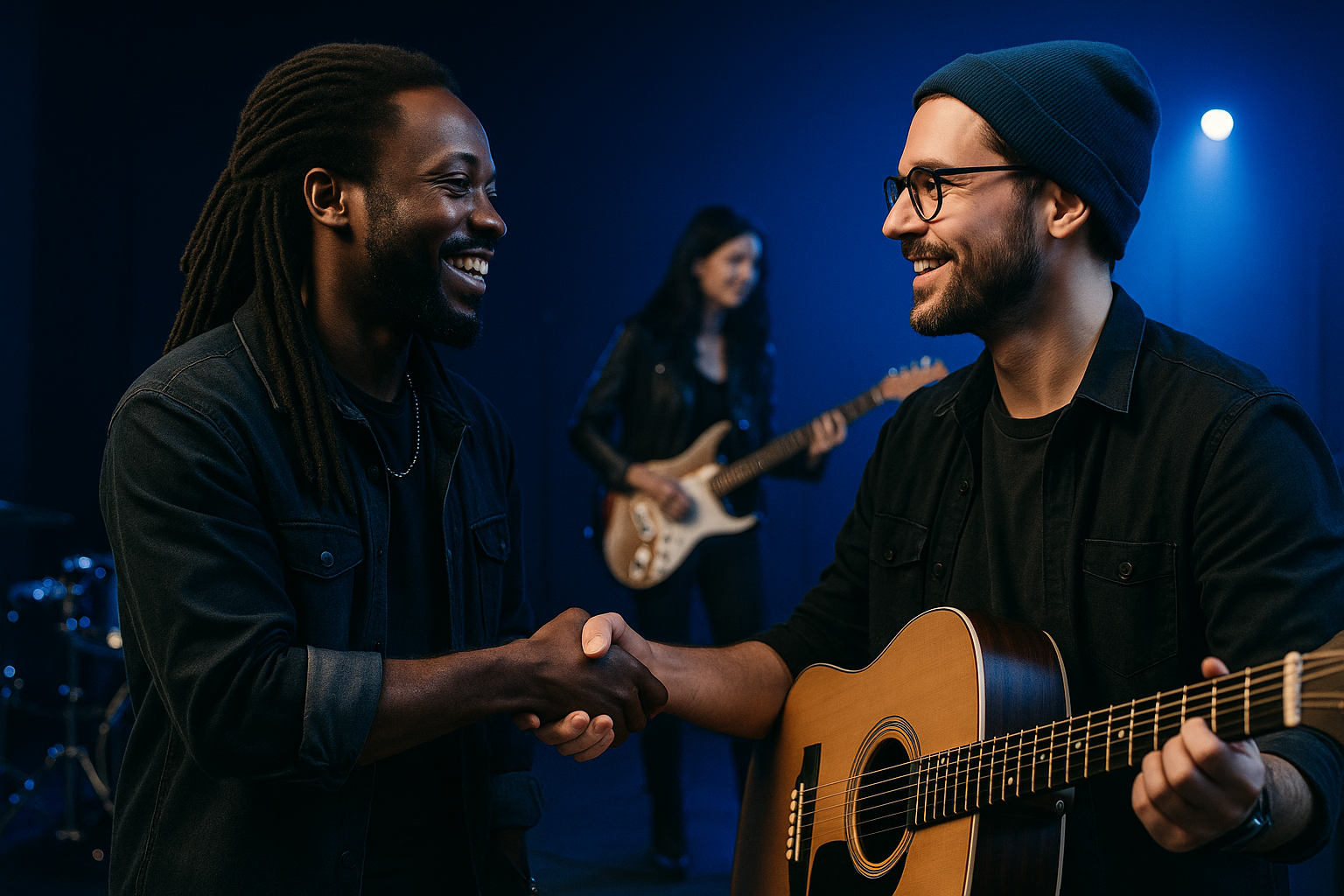
Why Music Networking Is a Career Multiplier

Your network is not a vanity metric. It is infrastructure. For artists, producers, and industry professionals, a well-built network delivers three things that talent alone cannot:
- Collaboration Opportunities: The right co-writer or producer does not just improve your output—they introduce you to their entire audience.
- Access to Resources: Studio time, marketing insight, industry introductions. These flow through relationships, not job boards.
- Visibility and Exposure: Being embedded in a community puts your name in conversations you will never hear—but that still move your career forward.
Stop thinking of networking as collecting contacts. Think of it as planting relationships that pay dividends years from now.
Strategies for Effective Music Networking

1. Attend Industry Events and Conferences
Industry events are not social outings. They are intelligence-gathering operations with a side of relationship-building. Walk in with a plan.
- Research and Plan: Study the speaker list and attendee roster before you arrive. Know exactly who you want to meet and why.
- Engage in Conversations: Be direct and genuinely curious about others’ work. People remember those who listen well, not those who talk loudest.
- Follow Up: Send a specific, personal message within 48 hours. Reference something real from your conversation. That follow-up is where most people drop the ball—and where you win.
2. Use Social Media With Intention
Social platforms are not highlight reels. Used correctly, they are relationship engines. Here is how to make them work:
- Optimize Your Profile: Your profile is your first impression. Make it clear, professional, and linked to your actual work.
- Engage With Content: Leave substantive comments. Share real insights. Industry insiders notice who adds value to the conversation.
- Join Relevant Groups: Facebook and LinkedIn groups built around music professionals are underused. Show up consistently and contribute—do not just broadcast.
Building a Community: The Long Game
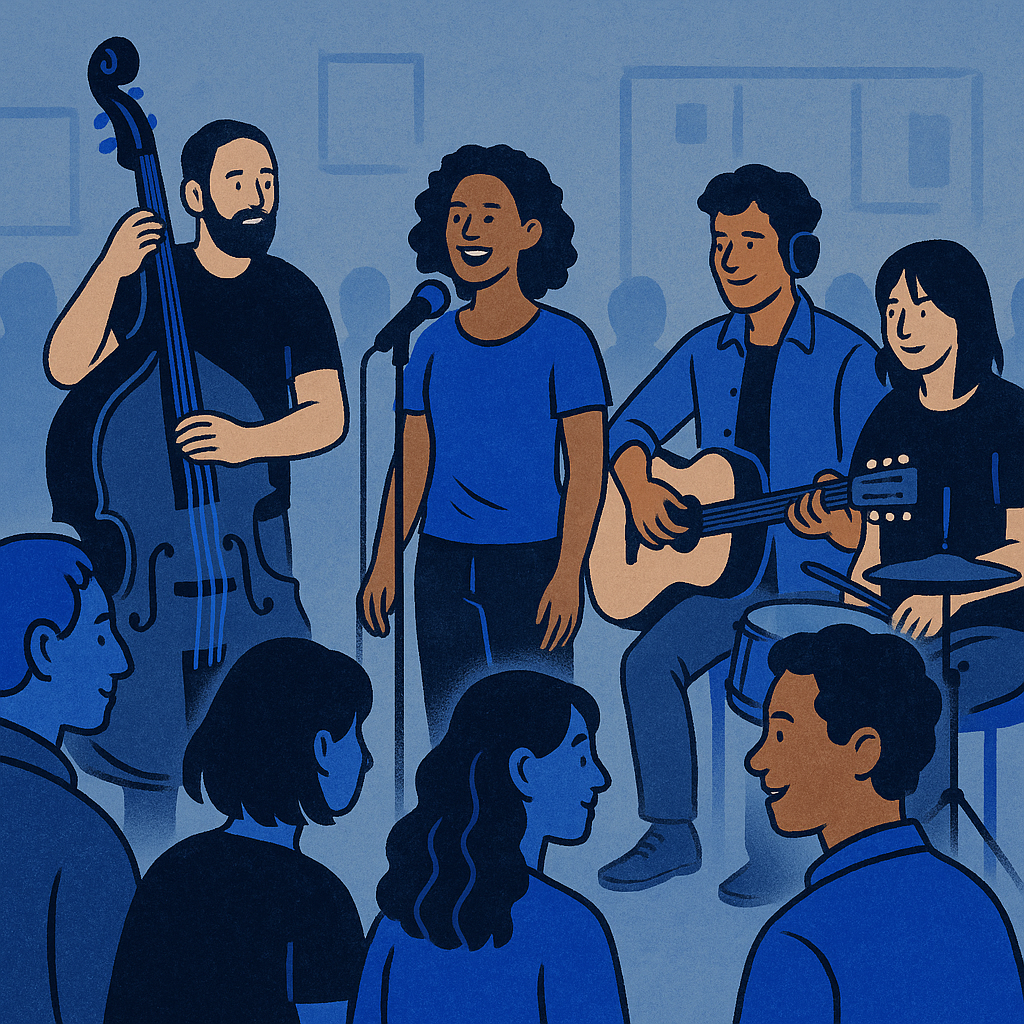
A community is not an audience. It is a group of people who are invested in each other’s success. That distinction matters. Here is how to build one that holds.
1. Host and Attend Local Meetups
Local connections are underrated. The producer two neighborhoods over could be your most important relationship this year.
- Organize Themed Events: A focused meetup—songwriting, production, music licensing—attracts serious people. Serious people build serious networks.
- Participate Actively: Show up to give, not just to get. Share what you know. Be open about what you are still figuring out.
2. Collaborate on Projects
Collaboration is proof of trust. It deepens relationships faster than any conversation can.
- Seek Out Partnerships: Find artists and producers whose strengths complement yours. Propose something specific, not vague.
- Utilize Online Platforms: SoundBetter and Fiverr connect you with collaborators across time zones. Remote work is not a limitation—it is a reach multiplier.
Tools and Platforms Worth Your Time

Not every platform deserves your attention. These three earn it:
- LinkedIn: The professional layer most musicians ignore. That is exactly why it works. Connect with A&R reps, managers, and sync supervisors who are not on Instagram.
- Instagram: Your public portfolio. Use it to document your process, not just your highlights. Industry insiders follow artists who show their work.
- SoundCloud: Still the go-to for sharing music with other creators. Free accounts get you in the door. Premium unlocks the analytics you need to make informed decisions.
Overcoming Networking Challenges

Every operator hits the same walls. Here is how to move through them.
1. Breaking the Ice
Walking up to a stranger is uncomfortable. Do it anyway. The discomfort is temporary. The connection is not.
- Start With a Genuine Compliment: Specific beats generic every time. “I loved the way you structured that panel” opens a real conversation. “Great talk” does not.
- Ask Open-Ended Questions: Give people room to talk. The best networkers are the best listeners.
2. Maintaining Connections
Most relationships die from neglect, not conflict. Stay present.
- Regular Check-ins: A brief, personal message every few months keeps the relationship alive without feeling transactional.
- Offer Value First: Share an opportunity, an article, a referral. Give before you ask. That is the only sequence that works long-term.
Conclusion: Build Quietly, Connect Deliberately
Nobody is going to hand you a network. You build it one deliberate connection at a time—at events, online, in local rooms, through collaborative work. The goal is not volume. It is depth. Genuine relationships that create mutual value over years, not weeks.
Start with one strategy from this guide. Execute it this week. Then stack the next one on top. That is how a silent operator builds something that lasts.
For more insights and resources, check out TruZillah for the latest in music and entertainment.
Developing a Personal Brand That Makes Networking Easier
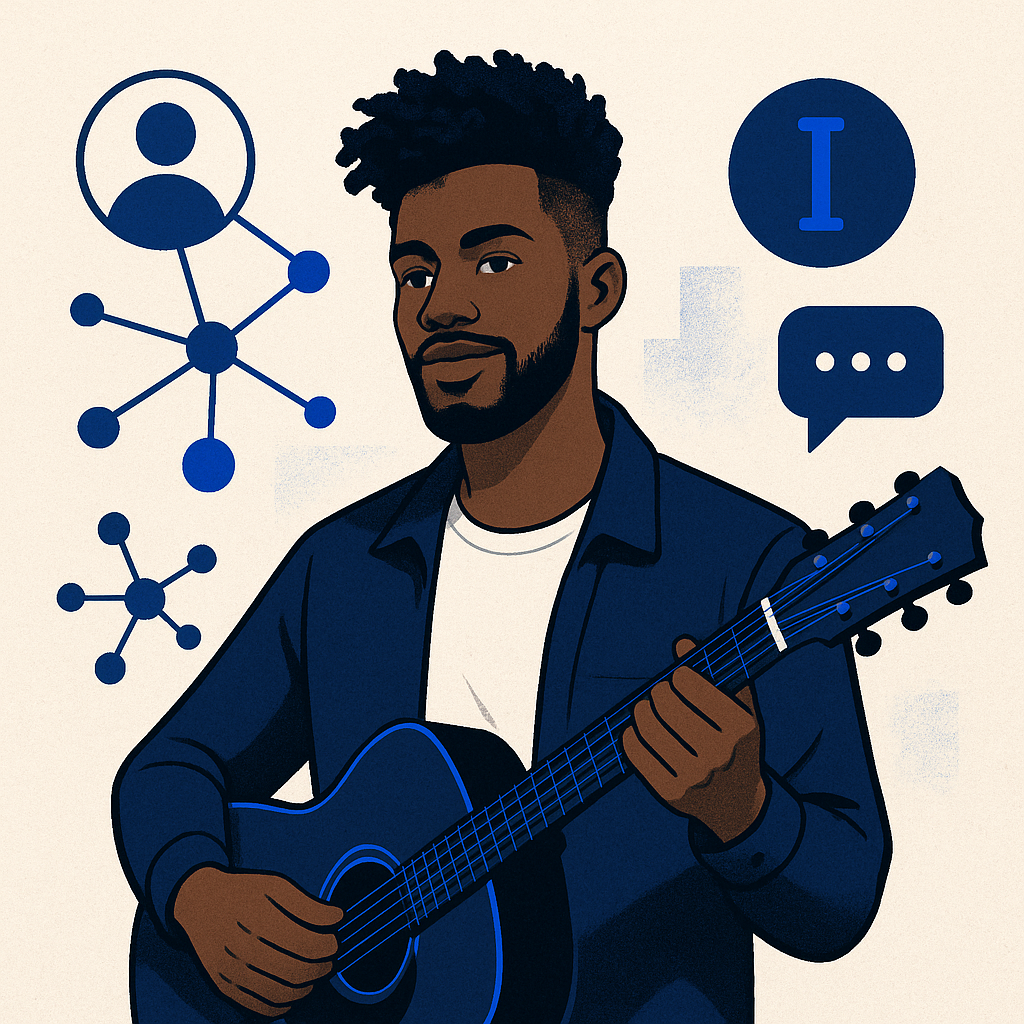
A clear personal brand does not just attract fans. It attracts the right collaborators, the right rooms, and the right conversations. In music, your brand is your signal. Make it unambiguous.
Define Your Unique Identity
- Identify Your Strengths: Know your musical style, your skills, and what you stand for. If you cannot articulate what sets you apart, no one else will do it for you.
- Create a Consistent Image: Album art, stage presence, social media aesthetic—every touchpoint should tell the same story. Inconsistency creates confusion. Confusion kills momentum.
Communicate Your Story
- Craft a Compelling Narrative: Your journey—including the hard parts—is what makes you memorable to potential collaborators and industry contacts.
- Engage Through Content: Behind-the-scenes content, process videos, and honest social posts build trust faster than polished promotional material ever will.
Matching Your Platform to Your Goal
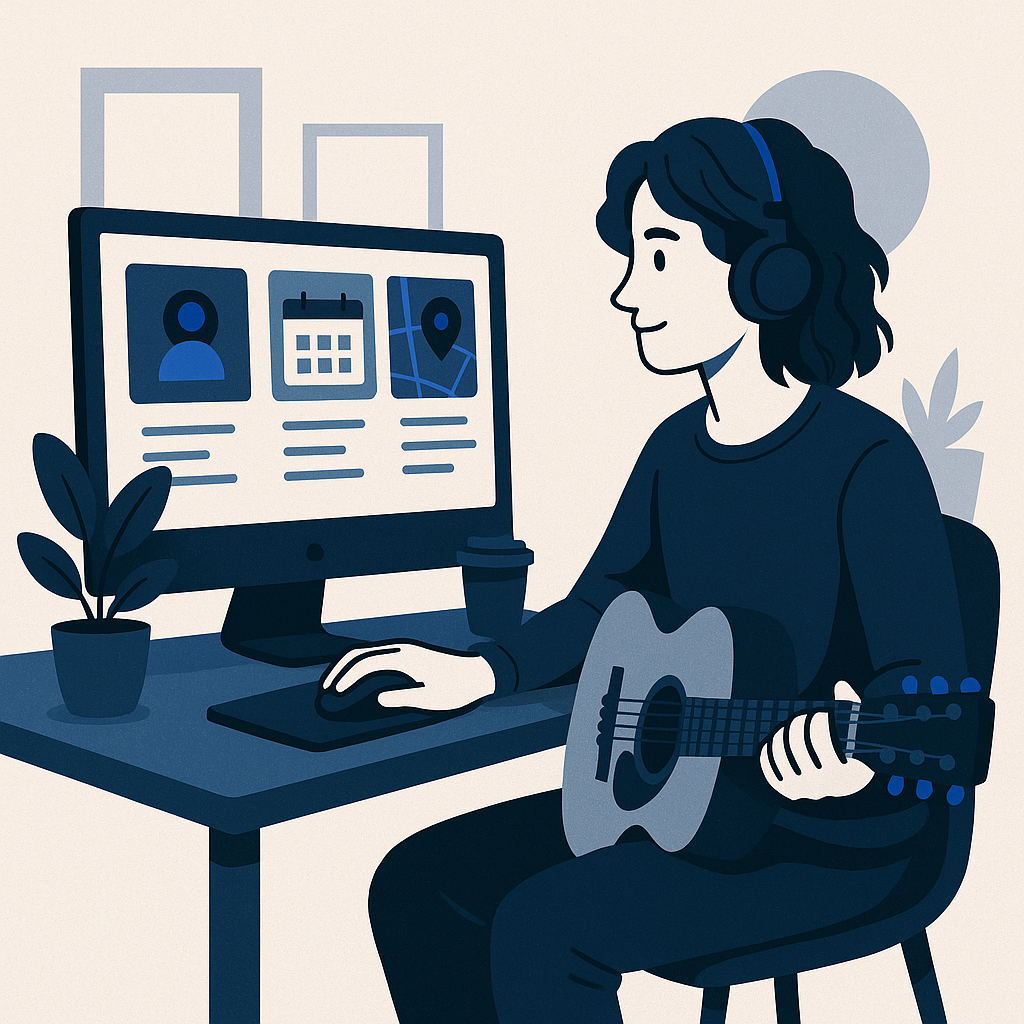
Different platforms serve different objectives. Spreading yourself thin across all of them is a losing strategy. Pick the right tool for the specific outcome you are chasing.
Finding Performance Opportunities
- GigSalad and Bandsintown: Direct lines to event organizers and booking agents. Use them to get in front of decision-makers who control stage time.
- Open Mic Nights: Still one of the most underrated rooms in the industry. Venue owners and booking agents attend. Show up consistently and perform like it matters.
Connecting With Industry Insiders
- Clubhouse: Music-specific rooms give you real-time access to producers, executives, and influencers. Listen more than you talk, especially early on.
- LinkedIn Groups: Music industry professional groups are active and underused by artists. That gap is your opportunity.
Metrics That Tell You If Your Networking Is Working

Feelings are not data. Track these numbers to know whether your networking is actually producing results:
- Growth in Meaningful Contacts: Not follower count—actual relationships with people who can open doors. Monitor this quarterly.
- Collaboration Frequency: How many joint projects did you complete this year versus last? That number should trend upward.
- Engagement Levels: Measure the response rate on content you share with your network. Low engagement signals that you are broadcasting, not connecting.
Case Study: An Artist’s Networking Journey
Indie artist Alex Moore is a useful example. He started with local gigs and a small online presence. By consistently attending music festivals and engaging with other artists across platforms, he built his network with intention. He used Instagram not just to post music, but to initiate real conversations with producers in other countries. Over two years, his network grew by 150%. The result: multiple international collaborations and a touring schedule that crossed continents. The strategy was not complicated. It was consistent.
Non-Traditional Networking Avenues Worth Exploring
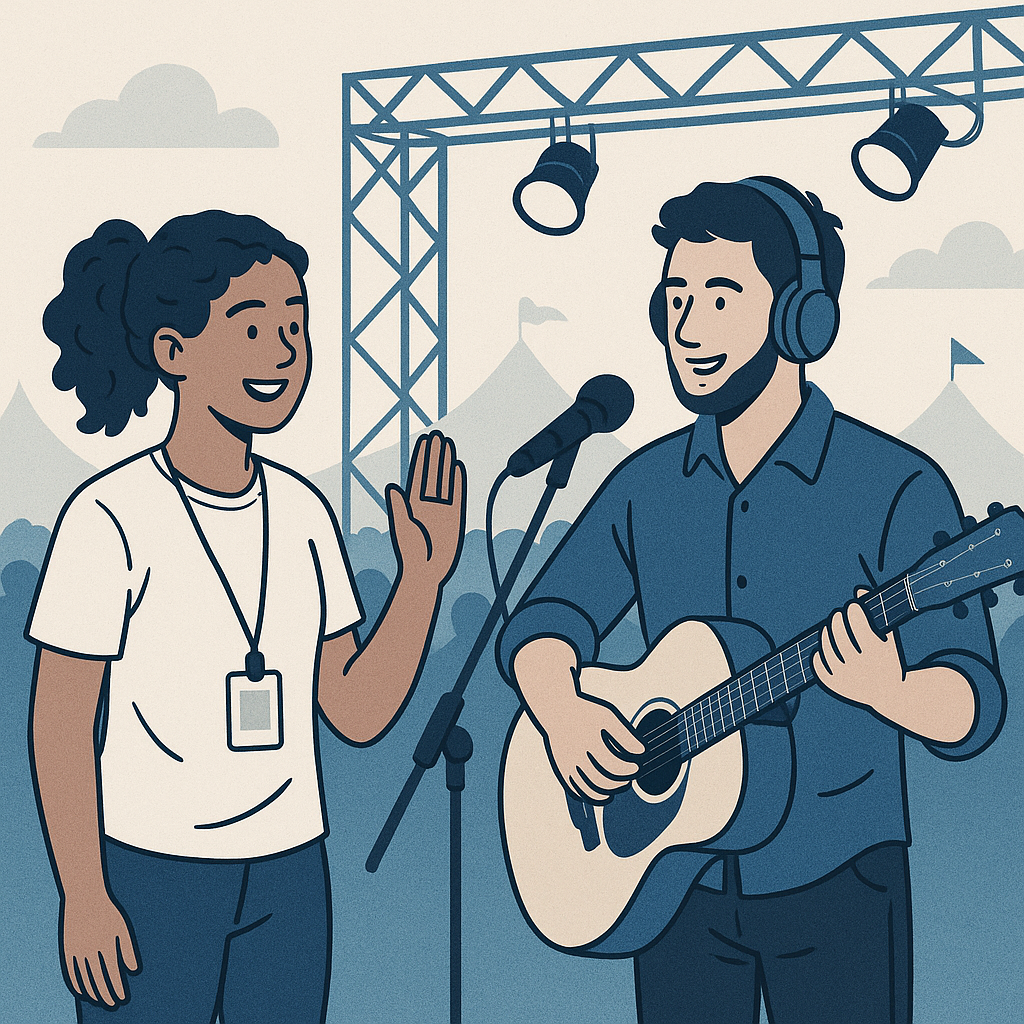
The obvious rooms are crowded. The less obvious ones are where real access lives.
- Volunteer at Music Festivals: Backstage access and direct proximity to industry professionals—without a ticket price. The relationships you build working an event are more durable than the ones you make attending it.
- Engage in Online Music Forums: Reddit’s r/WeAreTheMusicMakers is an active community of working artists and producers. Contribute real insight and you will be remembered. Lurk and you will be invisible.
Using Mentorship to Accelerate Your Network
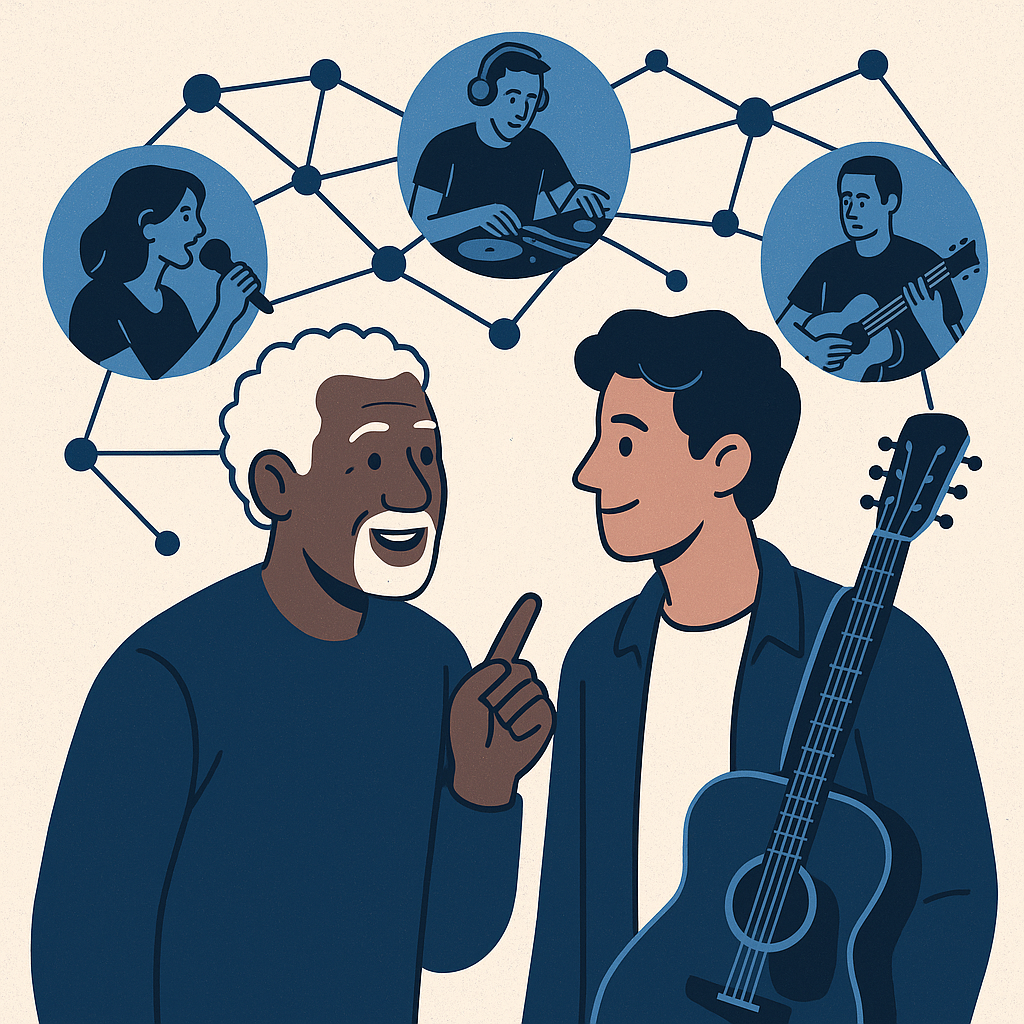
A mentor is not a shortcut. It is a force multiplier. The right one gives you access to a network it would take you years to build on your own—and the judgment to use it correctly.
Identifying the Right Mentor
- Research Potential Mentors: Look for professionals whose career trajectory matches where you want to go—and who have a documented history of developing other artists.
- Use Professional Networks: LinkedIn is the most direct path to identifying and reaching out to potential mentors in your specific corner of the industry.
Building a Productive Mentor-Mentee Relationship
- Set Clear Objectives: Know what you want from the relationship before you ask for it. Industry insights, introductions, skill development—be specific. Vague requests get vague results.
- Maintain Regular Communication: Consistent, scheduled check-ins keep the relationship active and show your mentor that you are serious about the work.
A mentor’s network becomes a door you can knock on. But only if you show up prepared, stay consistent, and deliver on what you say you will do. Build in silence. Earn in peace. Let the results speak.

Leave a Reply