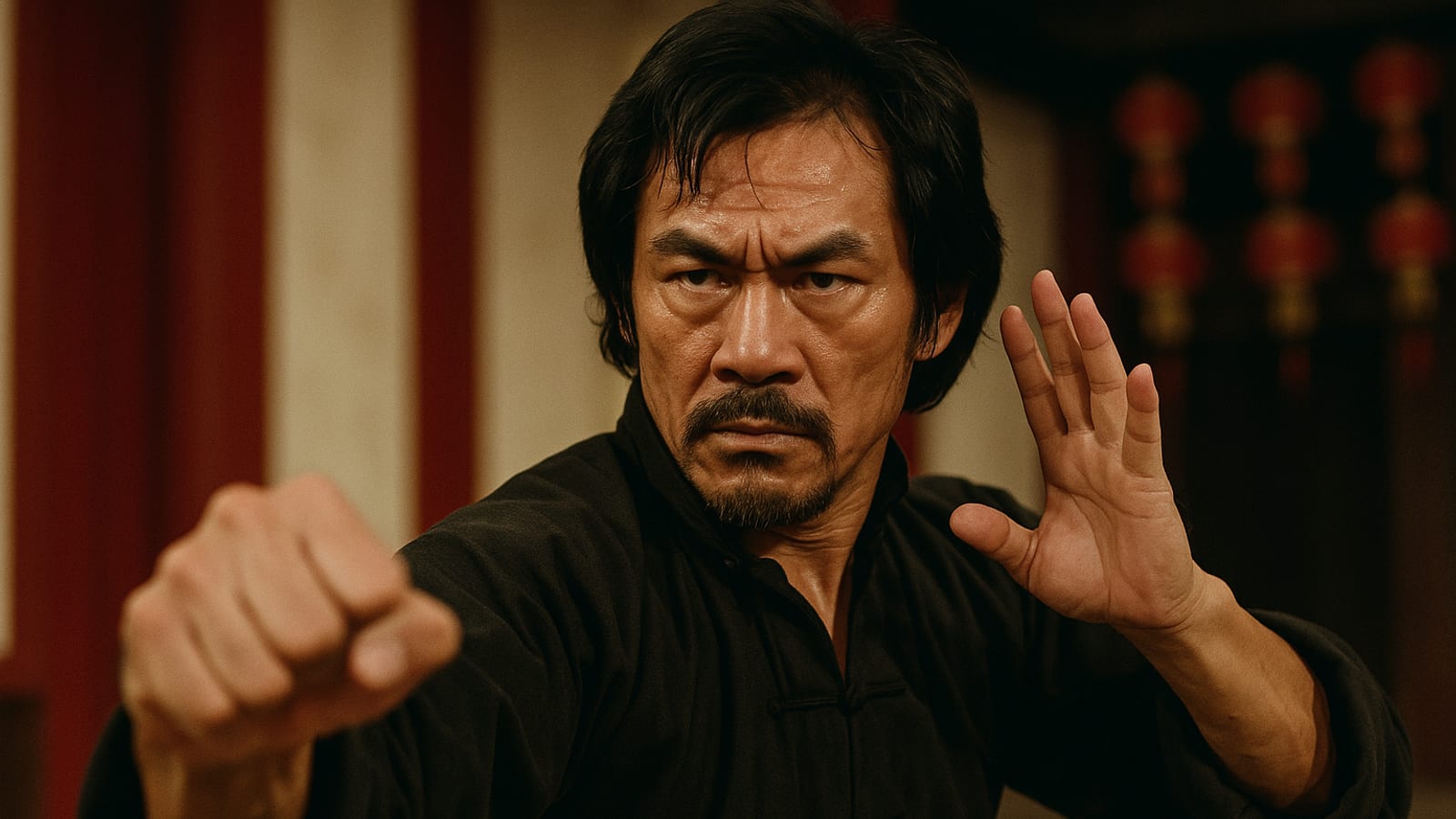
Chan Wai-man never got the retrospective documentaries, the Criterion releases, or the reverent interviews that followed other Shaw Brothers fighters into their elder years. I have watched a lot of people discover this genre and work their way through the obvious names, and I keep waiting for the moment they land on Chan. Sometimes they do. More often they don’t, and that is a real loss, because his contributions to martial arts cinema are indelible in ways that are still not getting the attention they deserve.
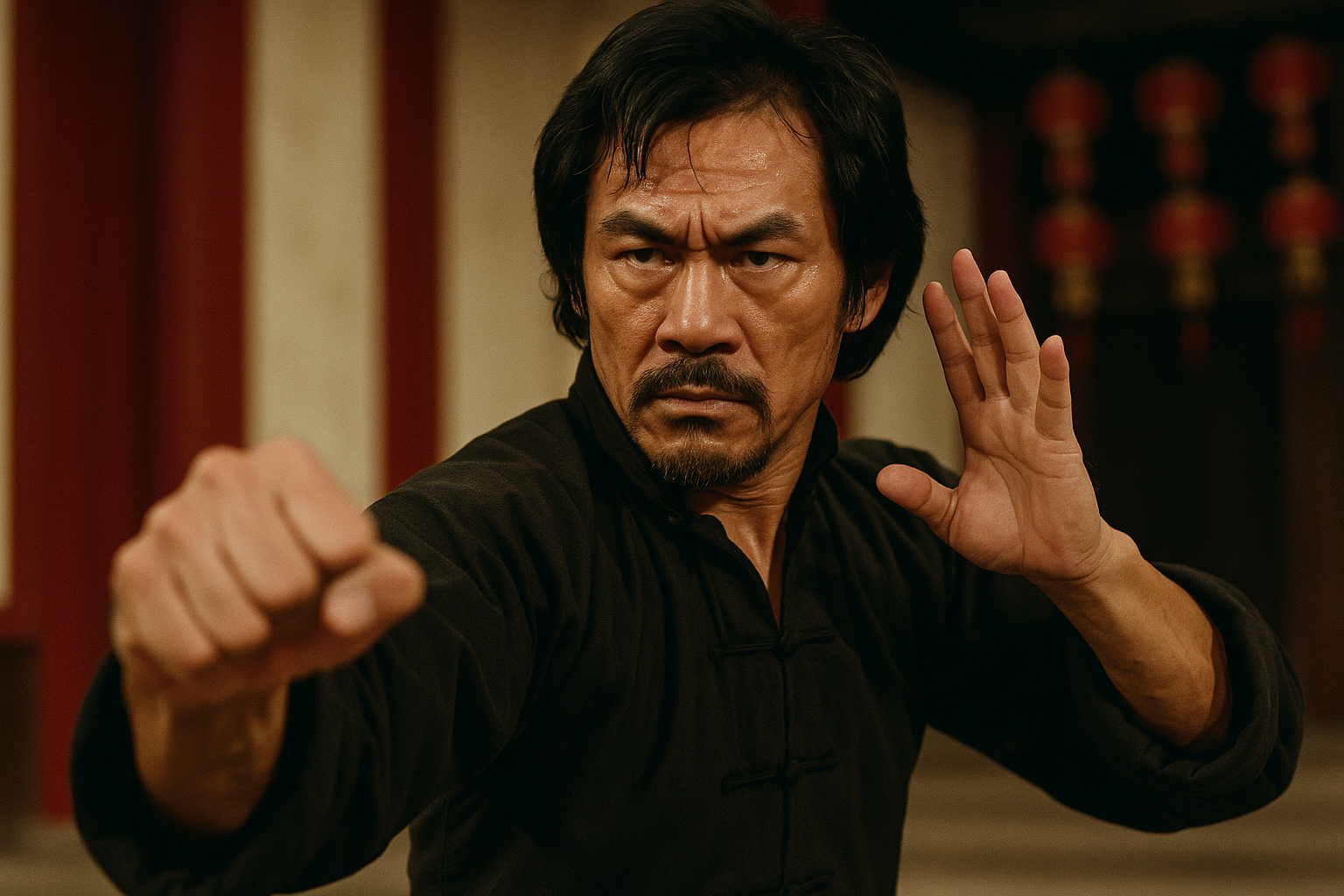
Who Chan Wai-man Was (And Why You’ve Never Heard of Him)
Chan Wai-man’s filmography reads like a map of the grittiest Shaw Brothers productions the 1970s had to offer. His roles placed him consistently in the shadows of more celebrated stars, which is exactly where the studio wanted him. You have probably seen him already without knowing his name — the formidable antagonist whose presence fills the frame, whose entrance makes the hero’s situation feel genuinely dangerous, whose name somehow never made it onto the poster.
What separated Chan from the crowd was that his fighting style carried real weight. He came up through actual street fighting, and that lineage shows in every sequence he appears in. There is a rawness to his movement that most performers in this era could not fake, because it was not something you could learn in a few weeks of rehearsal. His characters felt believable and, frankly, frightening. Despite a prolific output across some of the studio’s most important productions, his name remains underrated even among people who love this genre deeply.
The Villain Problem in Martial Arts Cinema
Here is something the retrospectives rarely say plainly: in Shaw Brothers films, the villain is doing at least half the work. The narrative structure of this era gave antagonists like Chan Wai-man a genuine agency that drove every story toward its climactic fight. Heroes are celebrated, sure, but it is the villain who sets the stakes, controls the pace, and makes the audience believe the hero might actually lose. That demands enormous craft — not just physical ability, but a deep understanding of choreography and timing that equals anything the lead performers were doing.
Chan excelled in exactly this space. He gave the heroes someone credible to fight, which is not a small thing. The fight sequences in these films were meticulously structured, and a villain who cannot hold his end of that structure collapses the whole illusion. Antagonists in this era required the same technical mastery as the leads, and that fact has been consistently overlooked in how film history has written about Shaw Brothers.
His Best Fights: The Ones Nobody Remembers
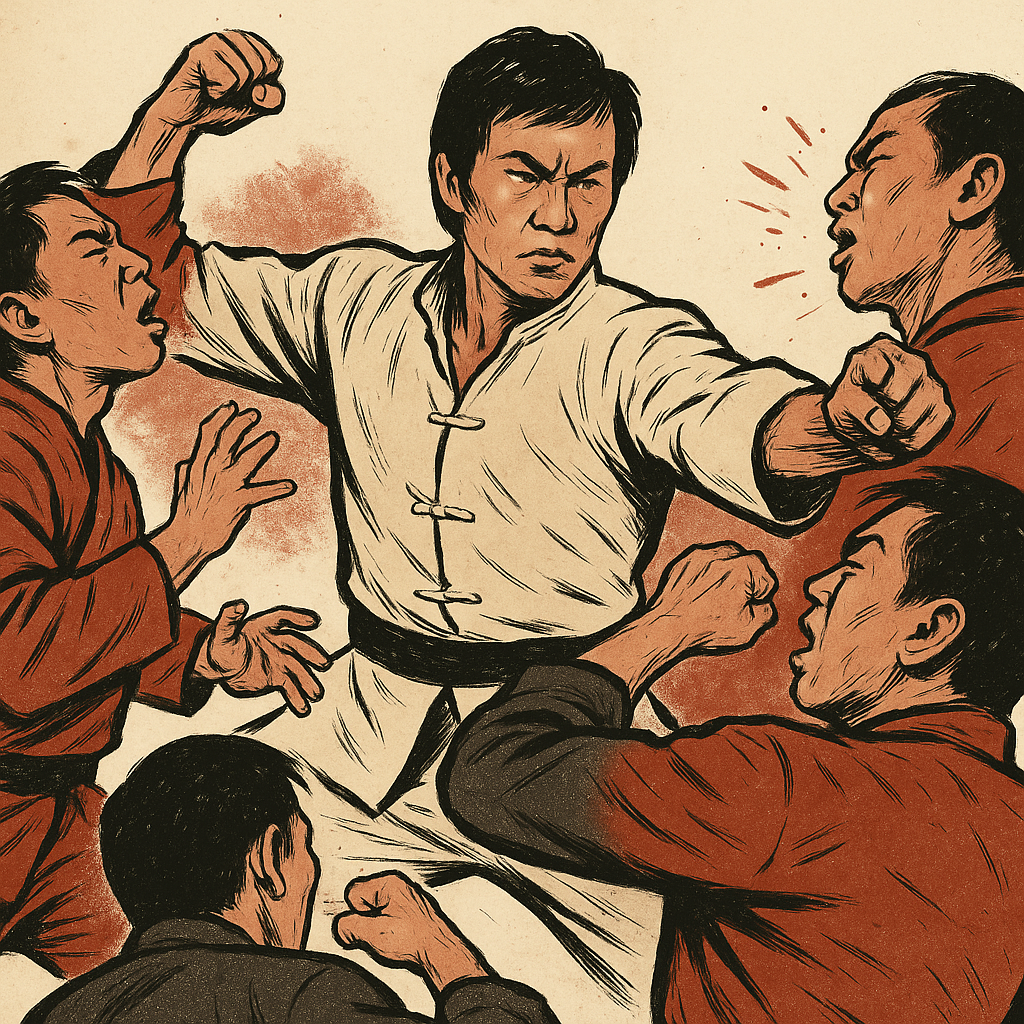
Go back and watch Chan Wai-man’s fight sequences with fresh eyes and you will find a masterclass in what this kind of choreography can do when the performer actually understands the form. There is one sequence in particular — him against multiple opponents — where the grace of the movement sits right alongside the brutality of it, and neither quality cancels the other out. That balance is hard to achieve. His stunt work integrated real fighting technique with cinematic timing in a way that set a standard others were quietly borrowing from.
These sequences are less celebrated than comparable work from his contemporaries, but that is a problem with the conversation, not with the films. Go back and watch with your attention on Chan specifically, and what you find is a performer operating at the top of his craft in scene after scene. His work stands alongside the most respected fight choreography of the Shaw Brothers era. It just never got called that out loud.
Why Shaw Brothers History Forgot Him
The Shaw Brothers star system was built around a particular kind of hero, and it promoted that hero aggressively. Chan Wai-man, whose gifts were best expressed through villainous roles, did not fit the mold the studio was selling internationally. Distributors pushing these films into grindhouse theaters across North America and Europe wanted recognizable hero figures on the marketing materials. The villain, however essential to the film itself, was not part of that pitch.
Film retrospectives and histories inherited those same priorities. The narrative that got written celebrated the marketed heroes and left figures like Chan in the background. His contributions were foundational to the studio’s success in ways that are genuinely hard to overstate, but institutional bias has a long memory, and the correction has been slow in coming.
What We Lost in the Forgetting
Leaving Chan Wai-man out of the mainstream conversation about Shaw Brothers creates a real gap in how we understand what the studio was actually doing and how good it was at doing it. His influence on later choreographers is not a matter of debate among people who have studied this lineage carefully. It is simply a fact that has not been amplified the way it should be.
When we overlook Chan, we lose a more complete picture of martial arts cinema in its golden era. His work shaped the films of his time and laid groundwork for innovations that came after. Recognizing his legacy is not about correcting the record for its own sake. It is about understanding the full scope of craft and creativity that made Shaw Brothers what it was. These performers were not disposable. They were the engine. Chan Wai-man was part of that engine, and it is past time the conversation caught up to that reality.
The Craft of Villainy: Chan Wai-man’s Unique Approach
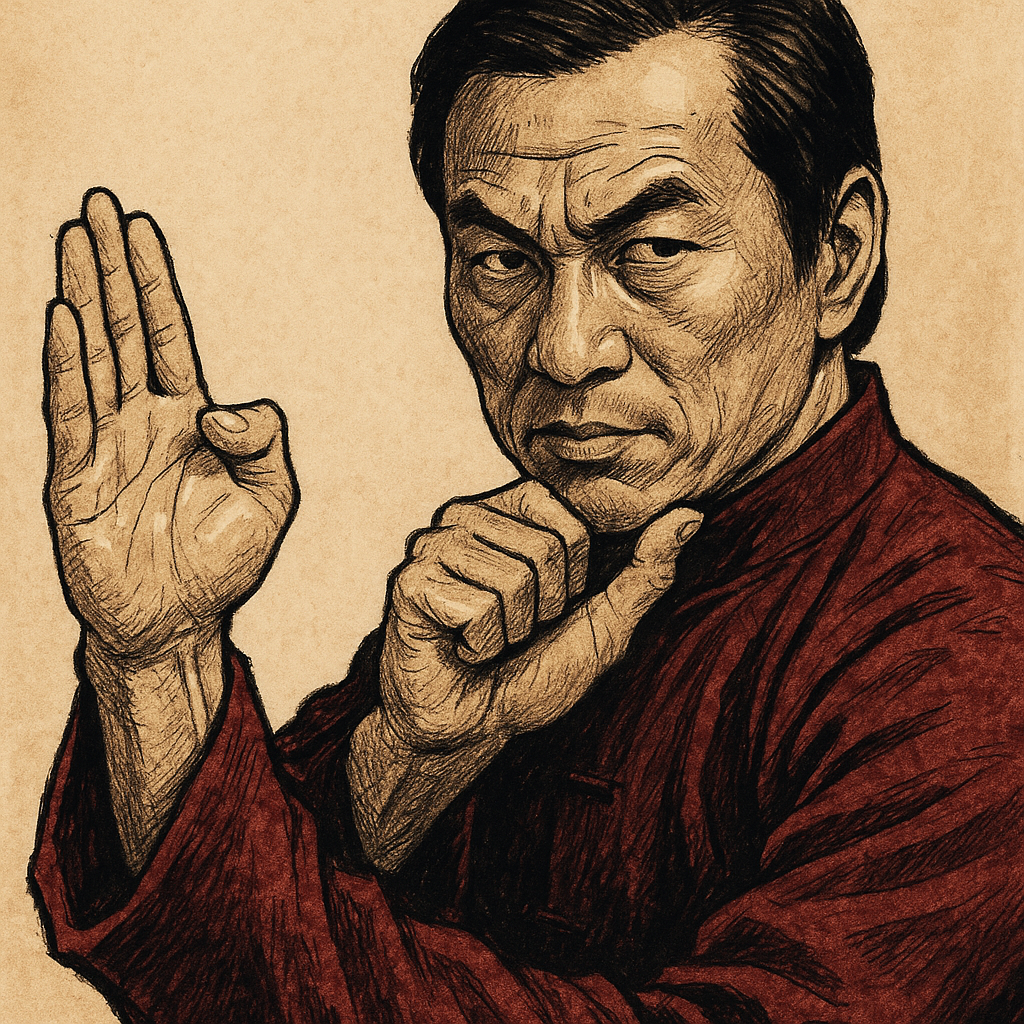
Chan Wai-man’s approach to portraying villains was never just about physical dominance. It was a genuine craft that combined psychological intelligence with martial mastery. Unlike many of his peers, Chan gave his characters a complexity that pushed past the standard villain archetype. His roles carried the suggestion of a history, a motivation, a reason — something he conveyed through performance rather than exposition, adding real weight to the antagonist’s presence on screen.
His ability to hold that psychological depth while also executing demanding stunt work made his villains into something more than obstacles for the hero to clear. There was menace in what he did, but also a kind of vulnerability underneath it, and that combination is what made his characters stick. The story did not always foreground them, but Chan made sure you felt them anyway.
Key Elements of Chan Wai-man’s Villain Characters
- Emotional Depth: Chan consistently suggested backstories that made his characters more than mere opponents, giving each role a weight that outlasted the fight.
- Charismatic Presence: His ability to command the screen in silent moments added gravity to every villainous role he took on.
- Physical Authenticity: Drawing on his real fighting lineage, Chan’s movements felt instinctive rather than performed, which is exactly what the best stunt work looks like.
- Strategic Intellect: His characters displayed a cunning that elevated their threat beyond brute force, making the hero’s eventual victory feel genuinely earned.
Lessons from Chan Wai-man for Modern Cinema
Modern filmmakers and performers can learn something real from how Chan Wai-man worked. His career is a sustained argument for developing antagonists who offer more than a physical challenge — characters whose presence raises the dramatic stakes of the whole film, not just the fight. That depth produces more engaging narratives and more memorable cinema.
Bringing psychological complexity and authentic physical craft together is what separates a villain who lands from one who is just in the way. Chan’s legacy offers a clear model for how to build antagonists who are formidable and fully realized at the same time. That is not a lesson that has an expiration date.
Checklist for Crafting Memorable Villains
- Develop a Backstory: Give the villain a history that informs their choices and makes their actions feel inevitable rather than convenient.
- Balance Power and Vulnerability: A character who is only powerful is only half-built. The vulnerability is what makes the audience pay attention.
- Focus on Motivation: Define what drives the villain clearly enough that their objectives are understandable, even when they are not sympathetic.
- Emphasize Authenticity: In the fight and in the performance, realistic physical and emotional expression is what makes the craft visible.
Chan Wai-man’s Influence on Future Generations
Chan Wai-man did not get the recognition he deserved while he was working. That is a straightforward fact and a genuine failure of how the industry valued the people who built it. But his influence did not wait for the recognition. It moved forward anyway, showing up in the work of martial artists and performers who studied these films and understood what he was doing even when nobody was saying his name out loud.
The shift in martial arts cinema toward more intricate storytelling and character development did not happen in a vacuum. It grew out of the groundwork laid by performers like Chan, who demonstrated that the genre could carry real depth without sacrificing the craft of the fight. As that conversation continues, Chan Wai-man’s work remains a touchstone — not just for what Shaw Brothers was, but for what this kind of cinema can still become.
FAQs: Understanding Chan Wai-man’s Legacy
- Why is Chan Wai-man considered underrated?
Despite significant contributions across some of Shaw Brothers’ most important productions, Chan played roles that were not prioritized in international marketing, and film history largely inherited those same blind spots. - What makes his villain roles unique?
Chan brought psychological depth and physical authenticity to his characters in equal measure, making them more compelling and more dangerous than the typical genre antagonist. - How has Chan Wai-man influenced modern cinema?
His approach to character complexity and realistic fighting craft has shaped how contemporary performers and choreographers think about building antagonists with genuine weight. - What can modern filmmakers learn from him?
That a well-built villain is not a supporting role — it is half the film. Depth and authenticity in the antagonist elevate everything around them.

Leave a Reply