
The Future of Music Collaborations: Embracing Hybrid Styles
In the ever-evolving landscape of music, the concept of collaboration is being redefined. As artists from diverse genres come together, a new era of hybrid styles is emerging, reshaping the industry and offering fresh opportunities for both creators and consumers. This article explores the future of music collaborations, focusing on how embracing hybrid styles can open new avenues for innovation and success.
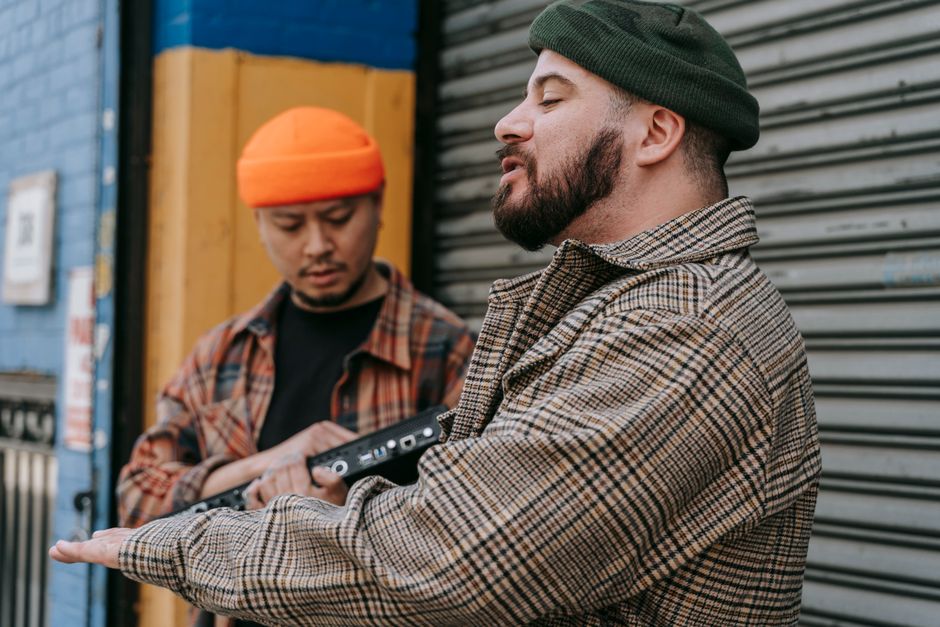
Understanding Hybrid Music Collaborations
Hybrid music collaborations are characterized by the blending of different musical styles, genres, or cultures to create something entirely new. This approach is not just a trend but a strategic movement that leverages the strengths of various musical influences to produce content that appeals to a broader audience. The rise of digital platforms and AI-driven tools has made it easier than ever for artists to experiment and collaborate remotely, broadening their creative horizons.

Consider the collaboration between reggaeton and pop artists, which has resulted in chart-topping hits that dominate global playlists. These collaborations not only bring together diverse fan bases but also generate substantial revenue streams. According to industry trends, the demand for such hybrid tracks is expected to grow significantly in 2024 and beyond.
Tools and Strategies for Successful Collaborations
For artists looking to dive into hybrid collaborations, leveraging the right tools is crucial. Here are some strategies and tools to consider:
- Digital Audio Workstations (DAWs): Platforms like Ableton Live and FL Studio offer extensive features for mixing different genres. Prices vary, but many offer free trials.
- Collaboration Platforms: Services like Splice allow artists to share projects and samples, facilitating seamless collaboration.
- AI Tools: AI-driven music composition tools such as Amper Music can assist in creating unique hybrid sounds by analyzing trends and suggesting innovative combinations.
Implementing these tools effectively requires a step-by-step approach:
- Identify the Genres: Determine which musical styles you want to blend. Research successful examples to understand what works.
- Select Your Tools: Choose DAWs and collaboration platforms that suit your needs and budget.
- Experiment and Iterate: Use AI tools to test different sound combinations. Share drafts with collaborators for feedback.
- Finalize and Distribute: Once satisfied with the hybrid track, leverage digital distribution platforms like Spotify and Apple Music to reach a wide audience.
Case Studies: Successful Hybrid Collaborations
One notable example of successful hybrid collaboration is the partnership between electronic music producer Kygo and pop icon Selena Gomez on the track “It Ain’t Me.” This collaboration merged electronic dance music with pop, resonating with audiences worldwide and achieving millions of streams.
Another case study is the fusion of traditional African rhythms with modern hip-hop by artists like Burna Boy. This blend not only showcases cultural richness but also appeals to a global audience, demonstrating the power of hybrid styles in crossing cultural boundaries.

The Role of Technology in Future Collaborations
Technology continues to play a pivotal role in the evolution of music collaborations. With the advent of virtual reality (VR) and augmented reality (AR), artists can now perform together in virtual spaces, offering fans immersive experiences that were previously unimaginable.

Moreover, platforms like ArcanoLabs offer AI-powered solutions that assist creators in generating, optimizing, and publishing content efficiently. By integrating these tools, artists can focus more on creativity and less on logistical hurdles, ensuring that their hybrid collaborations are both innovative and impactful.
Actionable Next Steps
To embrace the future of music collaborations and capitalize on hybrid styles, artists should:
- Stay Informed: Keep up with industry trends and emerging technologies that can enhance collaboration.
- Network Actively: Connect with artists from different genres to explore potential collaborations.
- Experiment Boldly: Use AI tools and platforms to test new ideas and push creative boundaries.
- Leverage Digital Platforms: Utilize streaming services and social media to distribute hybrid tracks and reach diverse audiences.
As the music industry continues to evolve, embracing hybrid styles will not only enhance creative output but also expand market reach. By leveraging technology and strategic collaborations, artists can thrive in this dynamic landscape and deliver unique musical experiences that resonate globally.
For more insights on building effective digital systems and leveraging AI in creative industries, visit the ArcanoLabs blog.
Step-by-Step Implementation Guide for Hybrid Music Collaborations
Embarking on a hybrid music collaboration requires careful planning and execution. Here’s a detailed guide to help artists navigate this creative process:
1. Define Your Vision
- Set Clear Objectives: Determine what you aim to achieve with the collaboration. Is it to reach a new audience, explore a different genre, or create something entirely unique?
- Identify Influences: Compile a list of genres, artists, or cultures that inspire you. This will serve as the foundation for your hybrid style.
2. Assemble Your Team
- Choose Collaborators Wisely: Select artists whose strengths complement your own. Look for partners who share your vision and possess skills that enhance the collaboration.
- Establish Roles: Clearly define the roles and responsibilities of each team member to streamline the creative process and avoid miscommunication.
3. Leverage Technology
- Select Appropriate Tools: Utilize DAWs, collaboration platforms, and AI tools that suit the needs of your project. Ensure all collaborators are comfortable using these technologies.
- Utilize Cloud Storage: Platforms like Google Drive or Dropbox can facilitate easy sharing and storage of large audio files, maintaining project organization.
4. Develop and Refine Your Sound
- Experiment with Sound: Encourage creativity by experimenting with different sounds and rhythms. Don’t be afraid to push boundaries and try unconventional combinations.
- Iterate and Feedback: Regularly share progress with collaborators, seeking feedback and making adjustments to enhance the final product.
5. Prepare for Release
- Finalize the Track: Ensure the final version is polished and meets the highest quality standards before release.
- Create Marketing Materials: Develop promotional content, including cover art, teaser videos, and social media posts to generate buzz around the release.
6. Distribute and Promote
- Utilize Streaming Platforms: Release the track on major platforms such as Spotify, Apple Music, and YouTube to maximize its reach.
- Engage with Fans: Use social media and live streaming to connect with your audience, offering insights into the collaboration process and gathering feedback.
Key Performance Indicators (KPIs) for Measuring Success
To evaluate the success of hybrid music collaborations, consider the following KPIs:
- Streaming Numbers: Track the number of streams across different platforms to gauge audience engagement.
- Social Media Engagement: Monitor likes, shares, comments, and mentions to assess the impact of your promotional efforts.
- Audience Growth: Analyze changes in your follower count and demographic reach post-release.
- Revenue Generation: Evaluate the financial performance through sales, streaming royalties, and licensing deals.
- Critical Acclaim: Pay attention to reviews and feedback from both fans and industry professionals.
FAQs About Hybrid Music Collaborations
- What are hybrid music collaborations?
- They involve blending different musical styles, genres, or cultures to create unique tracks, often leveraging digital tools and platforms for seamless creation and distribution.
- How can I find collaborators for a hybrid project?
- Engage with online music communities, attend industry events, and leverage social media platforms to connect with artists who share similar interests and visions.
- What challenges might I face during hybrid collaborations?
- Common challenges include creative differences, technical difficulties, and time zone coordination for remote collaborations. Clear communication and planning can mitigate these issues.
Conclusion
Hybrid music collaborations represent the future of the music industry, offering artists an exciting avenue to innovate and reach new audiences. By following a structured approach and utilizing the right tools and strategies, musicians can create groundbreaking tracks that resonate across cultural and genre boundaries. As the industry continues to evolve, embracing these hybrid styles will be key to artistic growth and success, ensuring that music remains a dynamic and transformative force in society.

Leave a Reply