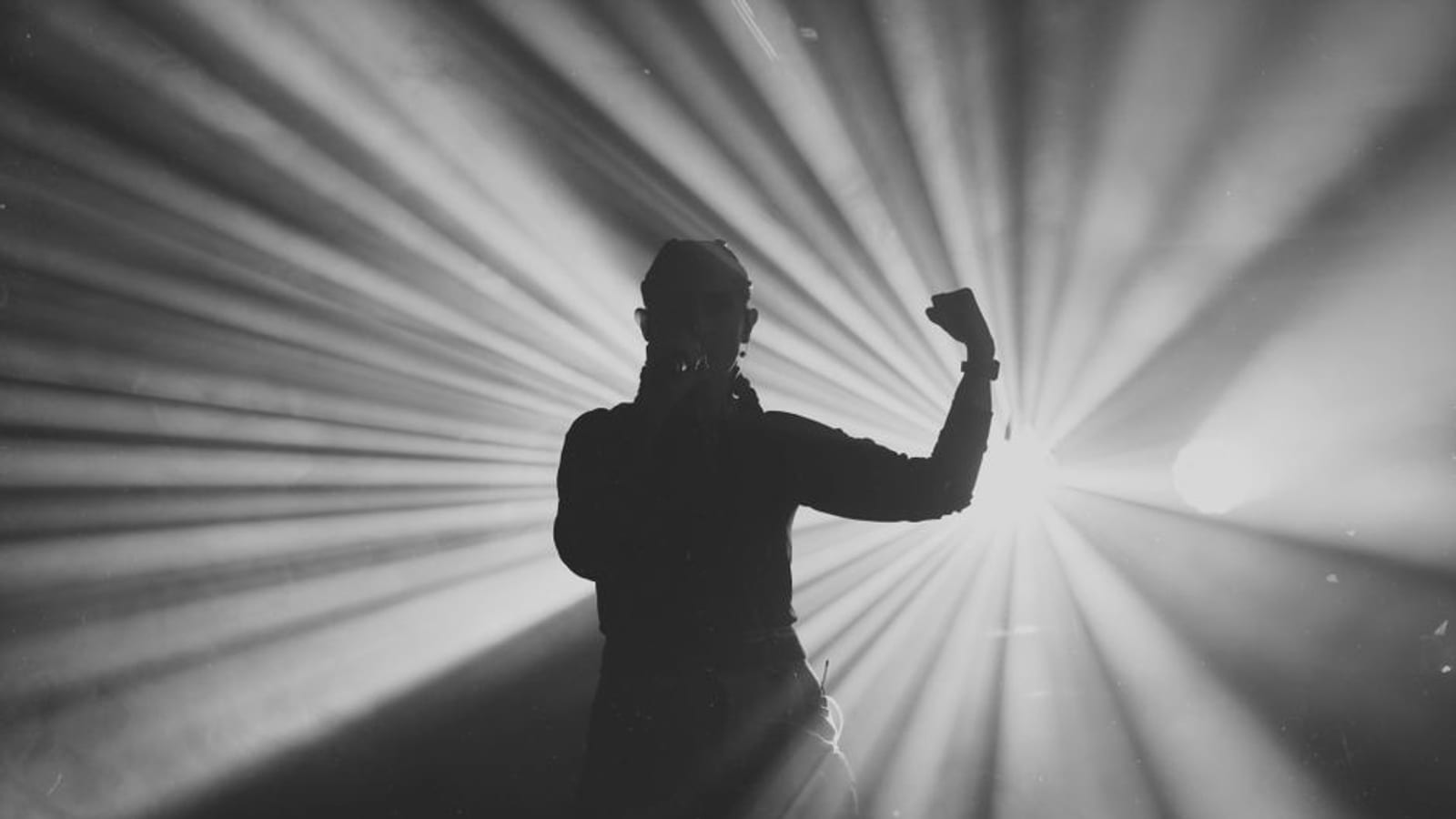
The Impact of High-Energy Performances: Elevating Artist Identity
High-energy performances are not spectacle for spectacle’s sake. They are a deliberate tool — one that shapes how audiences remember you, talk about you, and come back for you. In an industry where attention is the scarce resource, knowing how to command a room is not optional. This guide breaks down exactly how to build that command, with real examples and a repeatable system you can execute.
The Power of High-Energy Performances
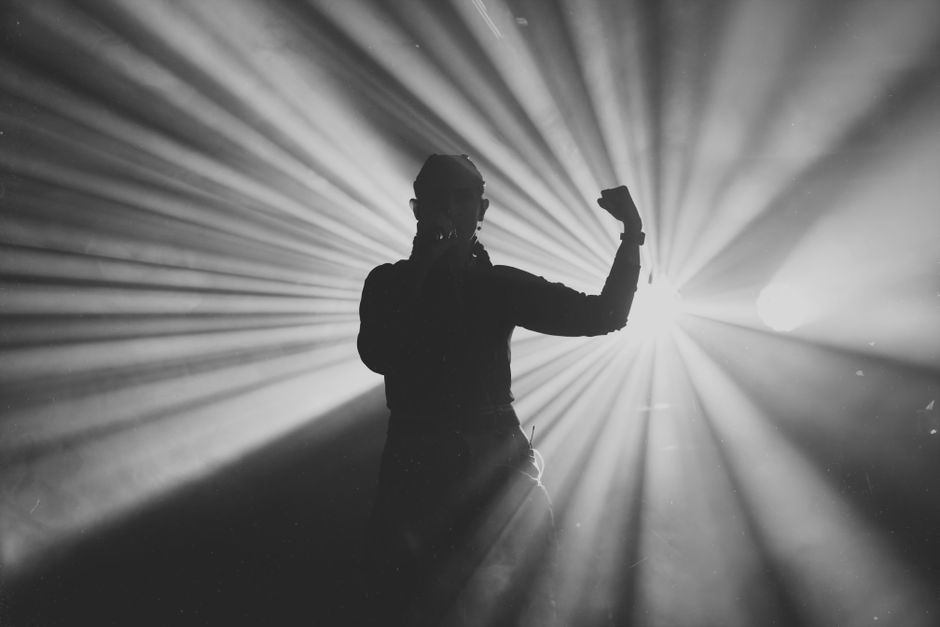
A high-energy performance is dynamic, relentless, and impossible to ignore. It does not just entertain — it imprints. Artists like Beyoncé and Bruno Mars did not build their reputations on talent alone. They built them on shows that people could not stop talking about the next morning.
When you deliver at that level, three things happen:
- Increased Engagement: Audiences who are kept on their toes become your most effective promoters. That energy converts directly into social media buzz and word-of-mouth reach.
- Brand Differentiation: The industry is saturated. A high-energy show cuts through the noise and plants a flag. It tells the room exactly who you are before you say a word.
- Fan Loyalty: People forget setlists. They never forget how a show made them feel. That emotional residue is what turns a casual listener into a dedicated fan.
Strategies for Delivering High-Energy Performances
Energy on stage is not accidental. It is engineered. Here is how you build it deliberately:
1. Rehearsal and Preparation
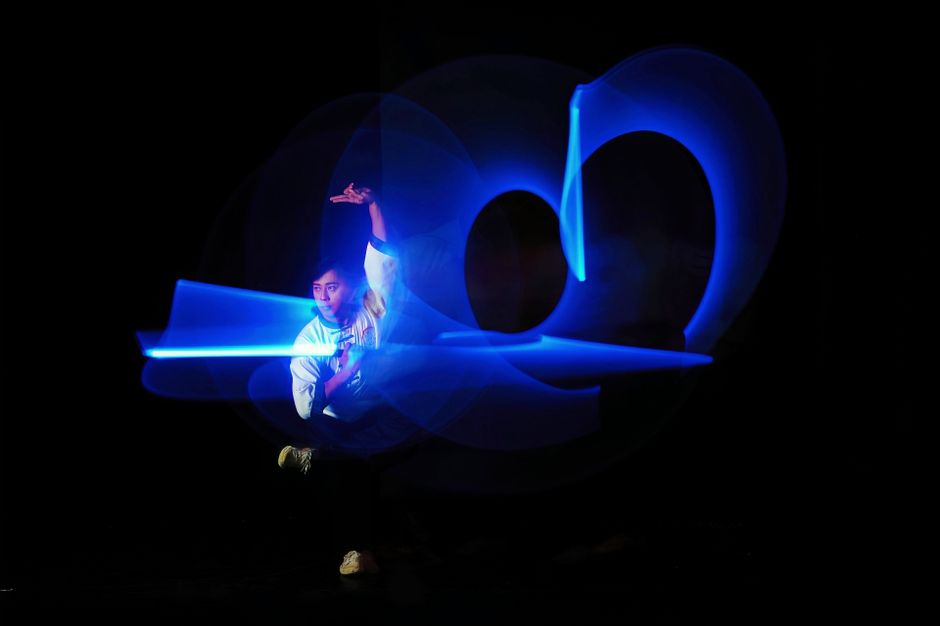
Nothing kills energy faster than hesitation. Rigorous rehearsal eliminates hesitation. Every beat of choreography, every transition, every moment of stage presence needs to be locked in before you step in front of an audience. Tools like ArcanoLabs’ content automation can handle the logistical weight of scheduling and promotion, so your focus stays on the performance itself.
2. Audience Interaction
The crowd is not a passive observer. Pull them in. Call-and-response, personalized shoutouts, interactive segments — these are not gimmicks. They are the difference between a show people watched and a show people were part of. That distinction matters enormously for what they tell others afterward.
3. Visual and Audio Elements
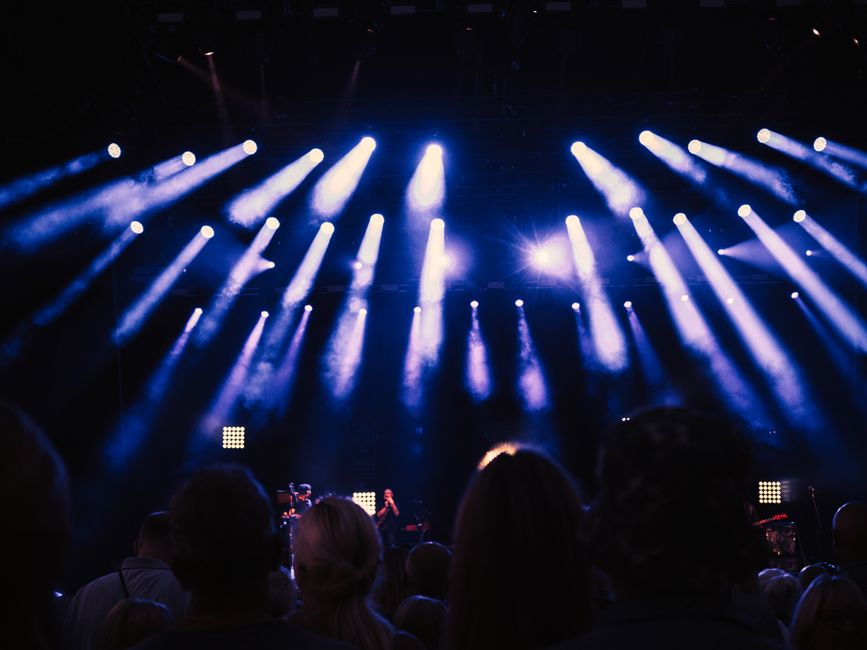
Dynamic lighting, precision sound, and well-placed production effects do not just look impressive — they amplify the emotional impact of every moment. Invest in these elements. The artists who treat production as an afterthought are the ones audiences forget.
Case Study: The Evolution of Live Performances
Look at where live performance technology stood in 2024. Virtual reality and augmented reality moved from novelty to viable production tools. Artists who adopted early stopped being limited by geography. Their shows reached audiences that could never buy a ticket.
Implementing VR and AR
VR gives fans a 360-degree seat at your show regardless of where they are. AR layers digital elements directly onto your physical stage, creating moments that exist nowhere else. Both technologies turn a performance into an experience that scales beyond the venue.
Tools and Resources
Two platforms worth knowing:
- Unity: Purpose-built for interactive 3D content. The standard for VR and AR development.
- Unreal Engine: Cinematic-grade rendering for immersive live experiences.
Actionable Next Steps
Stop theorizing. Here is your starting point:
- Analyze Your Current Performances: Watch recordings with honest eyes. Where does energy drop? What does audience feedback actually tell you?
- Invest in Technology: Identify which production tools — VR, AR, lighting systems — close the gap between where your show is and where it needs to be.
- Collaborate with Experts: Choreographers, audio-visual technicians, and marketing professionals each see angles you cannot see alone. Use them.
- Leverage Social Media: Clip the moments that hit hardest. Post them on Instagram and TikTok. Build anticipation before the next show while the last one is still fresh.
High-energy performances are how artists stop being interchangeable. Plan them with precision, execute them with conviction, and evaluate them without ego. The artists who do this consistently are the ones still building audiences while everyone else is chasing algorithms. As production technology continues to evolve, the gap between those who adapt and those who do not will only widen.
For more on building a sustainable artist career, explore ArcanoLabs’ blogs for practical frameworks and industry intelligence.
Step-by-Step Implementation Guide
Creativity without structure collapses under pressure. Here is a framework that keeps both intact:
1. Define Your Vision and Goals
Start with clarity. What does this performance need to accomplish? Deeper fan engagement, brand differentiation, breaking into a new market — pick your target and build backward from it. Vague goals produce vague results.
2. Develop a Comprehensive Performance Plan
Once your goals are fixed, build the architecture around them:
- Setlist Curation: Sequence songs to build energy progressively. Every track should serve the arc, not just fill time.
- Choreography: Movement should amplify the music, not compete with it. Design with intention.
- Technical Setup: Lighting, sound, and effects are not decoration. They are structural. Plan them as such.
3. Assemble Your Team
You cannot build a high-caliber show alone. Bring in the right people:
- Choreographers: To engineer movement that keeps the audience locked in.
- Sound Engineers: Because poor audio destroys everything else you built.
- Visual Artists: To design stage elements that make every moment land harder.
4. Conduct Rigorous Rehearsals
Record every rehearsal. Watch it back. The camera sees what your instincts miss. Incorporate team feedback without defensiveness and make the adjustments before opening night, not during it.
5. Execute and Evaluate
Perform with full commitment. Then debrief without sentiment. What worked, what did not, and what gets refined before the next show. This loop is how good performances become great ones.
Checklist for High-Energy Performances
Run this before every show:
- Have you defined clear, measurable goals for this performance?
- Is your setlist sequenced to sustain and build audience engagement?
- Has choreography been rehearsed until it is second nature?
- Is your technical setup — sound, lighting, effects — fully tested and confirmed?
- Does your team know their roles and responsibilities cold?
- Have you run multiple full rehearsals and acted on the feedback?
- Is a post-performance evaluation process already scheduled?
FAQs
What are the key elements of a high-energy performance?
Intentional choreography, commanding stage presence, genuine audience interaction, and production technology that sharpens every emotional beat. Remove any one of these and the whole thing loses its edge.
How can I maintain energy levels throughout a performance?
Structure your setlist so momentum builds rather than plateaus. Use interactive audience segments as natural resets. And invest in your physical conditioning — high-energy shows are physically demanding, and fatigue shows.
Key Performance Indicators (KPIs) and Metrics
If you are not measuring, you are guessing. Track these after every show:
- Audience Engagement: Social media interactions, live feedback, and participation rates during the performance itself.
- Ticket Sales: The clearest signal of demand. Watch the trend, not just the number.
- Media Coverage: Press mentions and editorial pickup tell you how far the signal traveled.
- Fan Growth: Social media followers and mailing list additions in the days following a show reveal the real aftershock.
Case Study: Transformative Performances
Artist XYZ entered 2023 with a stalling career and a fanbase that had stopped growing. The pivot was deliberate: VR experiences integrated into live shows, interactive dance segments that made the crowd a participant rather than a spectator. The result was not incremental. Sold-out shows followed. Digital streams climbed. Social media presence expanded into demographics the artist had never reached. One strategic shift in how the performance was built changed the entire trajectory.
That is what happens when you stop performing and start engineering experiences.
Enhancing Audience Connection Through Personal Storytelling
Data and production will take you far. Authenticity takes you further. The artists who build the deepest audience loyalty are the ones willing to share the real story — the journey, the setbacks, the moments that shaped the music. Weave those stories between songs or into your visual presentation.
This is not vulnerability for its own sake. It is strategic differentiation. In a room full of technically polished performers, the one who makes the audience feel something personal wins. That emotional connection reinforces your identity in a way no lighting rig can replicate — and it sets you apart in a competitive industry that rarely rewards the generic.

Leave a Reply