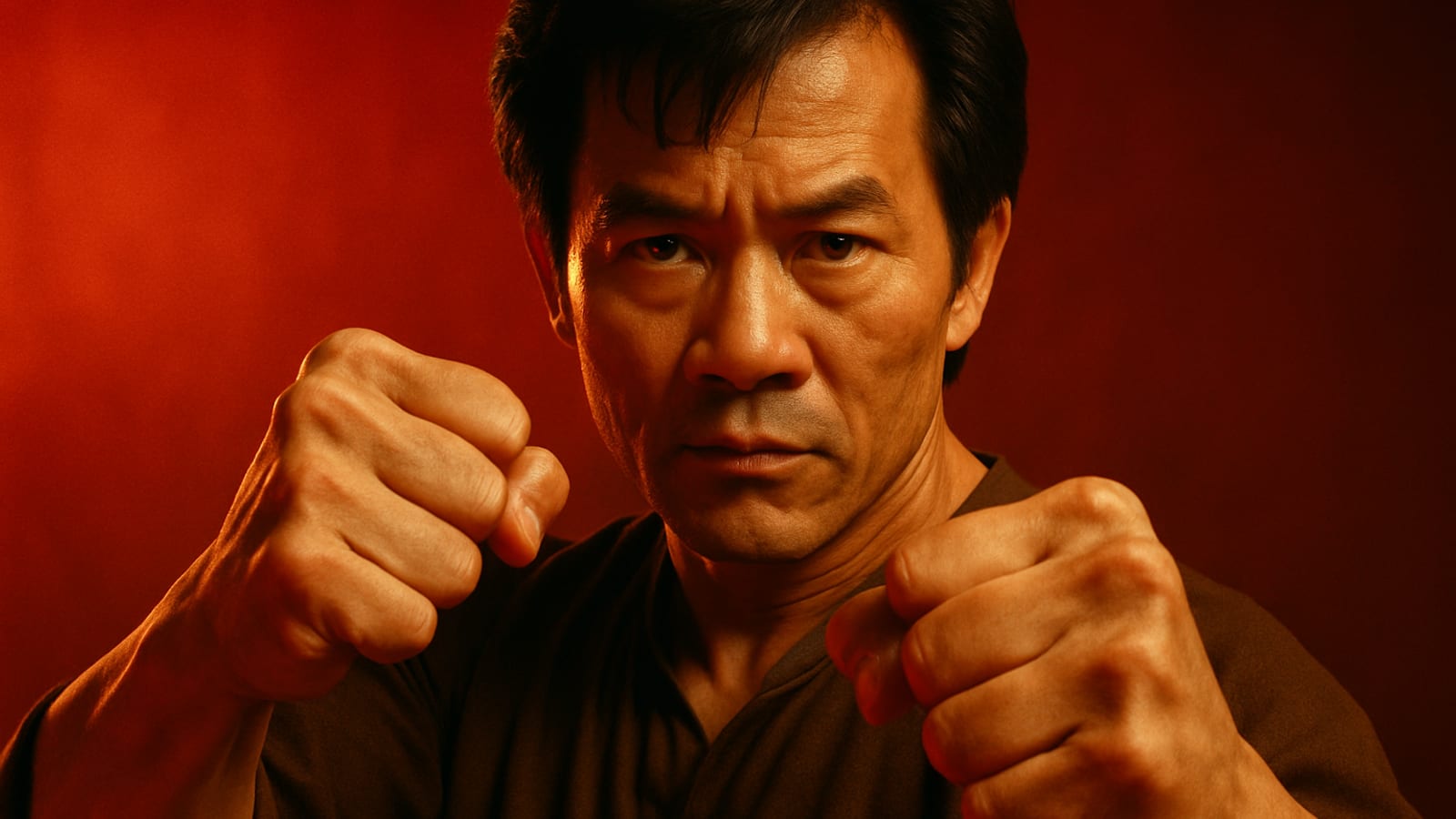
Carter Wong threw punches that moved like water, and the VHS rental stores never stocked enough of his films for anyone to notice the pattern. If you came up watching kung fu cinema the way I did — hunting the back rows of video shelves, reading the plot summaries on the box like they were scripture — you might have walked right past his name. That would be a loss worth correcting. His technical mastery and screen presence shaped this genre in ways that still haven’t been fully accounted for, even by people who love it.
Who Carter Wong Was (And Why You Missed Him)
Carter Wong worked across several decades, building a body of work that holds up under real scrutiny. He was active during the golden era of kung fu cinema, appearing in Shaw Brothers productions and a range of independent films that circulated through grindhouse theaters and regional distributors. The problem was never the work. It was timing, politics, and the brutal arithmetic of who got marketed to whom.
His approach to choreography was distinctive from the start. Wong’s movements were fluid and precise, weaving traditional kung fu forms into the rhythm of cinematic storytelling without losing what made those forms meaningful. That balance between authenticity and showmanship is genuinely hard to pull off, and he pulled it off consistently. Most people just never got the chance to see it enough times to recognize the lineage running through his fights.
The Fists That Moved Differently
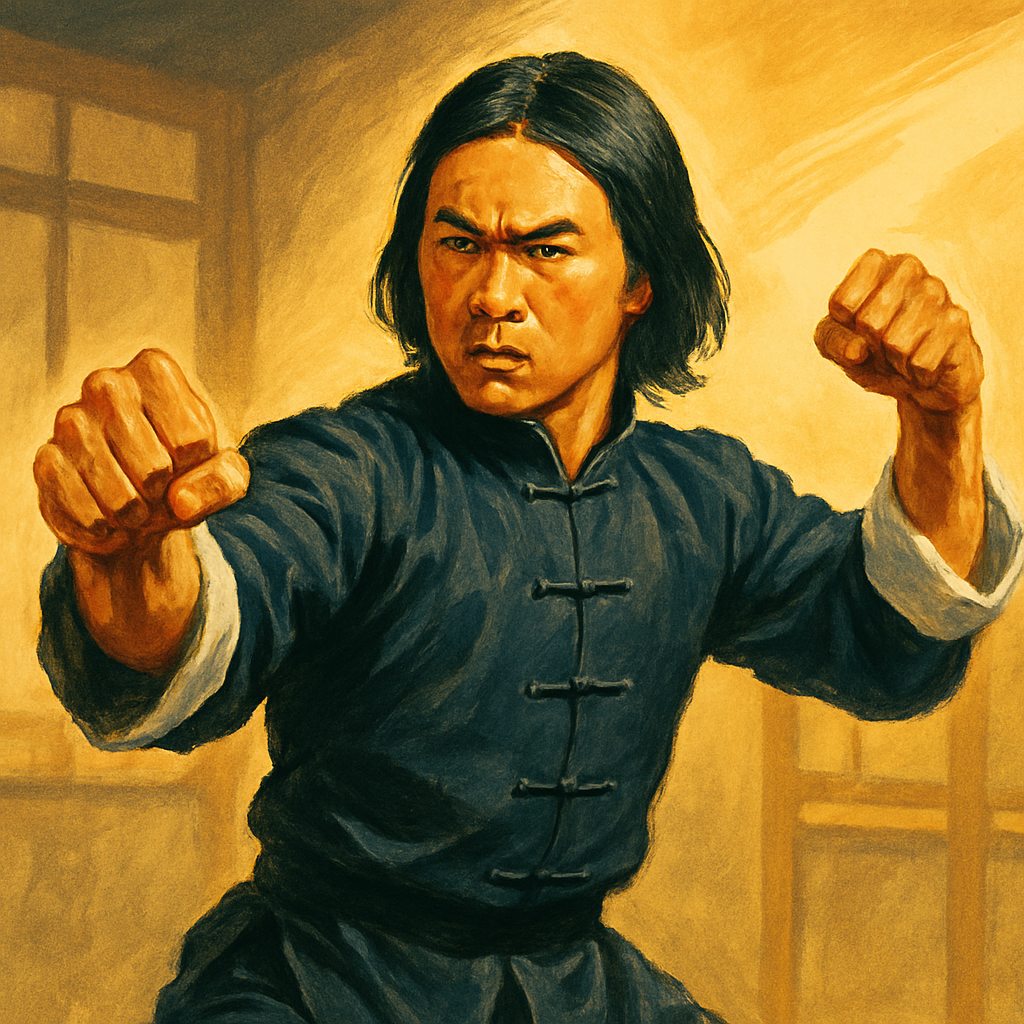
Wong’s fighting style carried both grace and real power, and the combination was rarer than it sounds. His signature sequences involved seamless transitions between forms — not as a display of range, but as a demonstration of how deeply he understood what each form was actually for. Watch his work in Big Trouble in Little China and Shaolin vs Wu Tang and you start to see what I mean. The choreography isn’t decorative. It has logic.
His fight opposite the protagonist in Shaolin vs Wu Tang is a good place to start. That sequence shows him bridging traditional kung fu with the demands of screen fighting without flattening either one. Every punch and kick lands with purpose. This is a performer who understood the craft at a structural level, not just a physical one, and the stunt work reflects that understanding throughout.
Why the Bigger Names Eclipsed Him
Distribution in the 1970s and 80s was the whole game, and it was not a fair one. Shaw Brothers studio politics regularly buried performers who deserved better, and the preference for dubbed releases over subtitled ones meant that a lot of Wong’s work arrived in Western markets stripped of context and nuance. When the audio doesn’t match the mouth and the title has been changed for the third time, it’s hard to build a following.
Saturday afternoon television did the rest. Some martial artists became legends through sheer repetition — their films cycling through local programming until whole generations had them memorized. Wong’s work didn’t get that rotation. The distribution gap is real, and it’s the main reason someone with his skill and screen presence remains underrated in conversations that should absolutely include him.
Where to Find His Work Now
The good news is that several of his essential films are findable, on both streaming platforms and physical media. Shaolin vs Wu Tang and Big Trouble in Little China are the obvious entry points, and both are worth your time for reasons that go well beyond curiosity. If you can find a restoration on physical media, take it. The difference in image quality changes what you can actually see in the choreography, and with Wong, what you can see matters.
For anyone who wants to track the specific techniques discussed here, these films are not just entertainment — they’re primary sources. Watch them with that in mind and you’ll catch things that a casual viewing skips right over.
What He Taught the Genre (Without Getting Credit)
Carter Wong’s influence runs deeper than his screen time suggests. Later performers and choreographers built on his martial arts vocabulary, carrying his fluid approach into modern action cinema and well beyond it. His way of constructing a fight — the emphasis on form, on timing, on letting the body’s mechanics do the storytelling — became a blueprint that circulated without his name attached to it.
Recovering his work isn’t just an act of respect for a performer who was treated as disposable by an industry that regularly treated people that way. It’s about understanding where certain ideas in fight choreography actually came from. The foundations he laid are still holding weight. Someone should say so.
For more on Carter Wong’s place in the genre, check out Carter Wong: The Fists Nobody Talked About from Old School Shaolin and Wu.
Find his essential films and sit with the sequences that changed how kung fu looked on screen. You’ll come away with a sharper eye for the craft and a clearer sense of how this genre actually evolved — and who did the work that made that evolution possible.
Unseen Techniques and Their Legacy
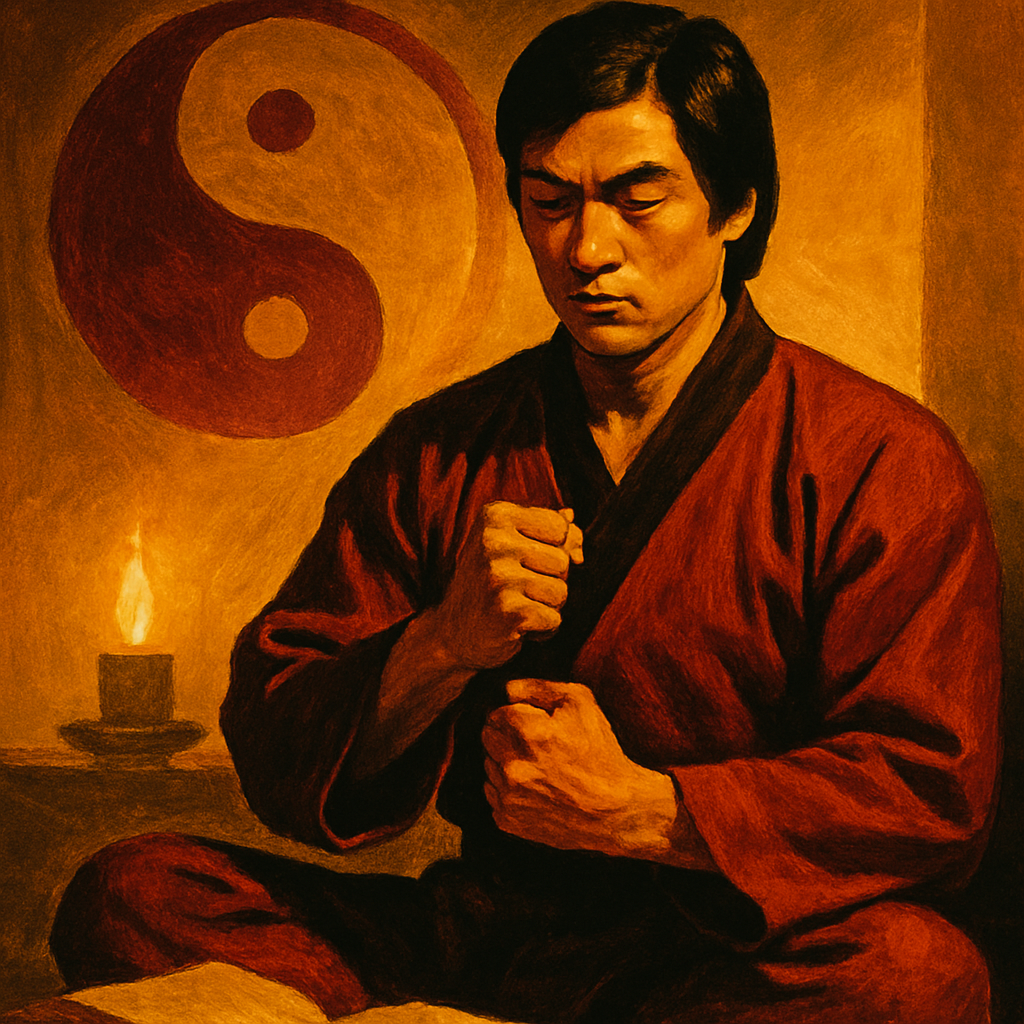
Wong’s fighting techniques were never just about physical execution. They were grounded in a philosophy of balance, control, and timing that you either have internalized or you don’t, and the camera knows the difference. His dedication to understanding the body’s mechanics and energy flow shows up in every sequence — not as a lecture, but as a quality of movement that reads as genuine even when you can’t name what you’re seeing.
One of his lesser-known but highly effective tools was his use of chi sao, the “sticky hands” method rooted in sensitivity and reflex rather than brute force. It let him read and counter an opponent’s movement in real time, which translated on screen as something unpredictable and alive. That approach has since been absorbed into the broader vocabulary of fight choreography, showing up in contemporary action films in forms that don’t always acknowledge where they came from.
Influence on Modern Choreography
Wong’s lasting influence on choreography is most visible in how fight scenes are now expected to carry narrative weight, not just spectacle. His emphasis on fluidity and coherence pushed the form toward sequences that reveal character rather than just demonstrate skill. That shift didn’t happen by accident, and he was one of the people who made it happen.
His ability to convey who a person is through the way they move has reached well beyond kung fu cinema. You can trace that influence into superhero films, where choreography has to balance scale with character, and where the fluid transitions and integration of traditional forms into modern contexts remain the standard. That standard has Wong’s fingerprints on it, whether the credits say so or not.
Collector’s Checklist: Must-Have Carter Wong Films
If you’re serious about kung fu cinema, assembling a solid Carter Wong collection is worth the effort. Here are the essential films that show the range of what he brought to the genre:
- Shaolin vs Wu Tang: A classic that shows Wong blending traditional kung fu with genuine cinematic craft.
- Big Trouble in Little China: A cult favorite where his presence adds real depth to a film that earns its reputation.
- Born Invincible: Known for its intense fight sequences and Wong’s portrayal of an enigmatic martial artist with serious screen authority.
- 18 Bronzemen: A film that showcases his versatility and command of multiple kung fu styles.
- Kung Fu Zombie: An offbeat entry that demonstrates how well he could adapt his craft to different genre contexts without losing what made him watchable.
What to Watch For in His Fight Sequences
When you sit down with these films, here are the things worth tracking in Wong’s choreography:
- Fluidity of movement: Notice how seamlessly he executes transitions between techniques. The form never breaks.
- Character integration: Watch how the choreography tells you something about who he’s playing, not just what he can do physically.
- Audience engagement: Pay attention to how the fight sequences pull you in emotionally, not just visually. That’s craft, not accident.
- Innovation in technique: Look for the moments where traditional forms get adapted for the screen in ways that feel fresh rather than forced.
Frequently Asked Questions
Why didn’t Carter Wong achieve the same fame as Bruce Lee or Jackie Chan?
Wong had the skill. What he didn’t have was the distribution machinery or the marketing push that turned other performers into household names. His career ran through a period when those decisions were made by a small number of studios and distributors, and the choices they made had nothing to do with talent. Limited exposure on Western television and inconsistent dubbing compounded the problem. The result is a performer whose influence traveled further than his name did.
How can I learn more about Carter Wong’s martial arts techniques?
Start with the films, and watch the fight sequences more than once. Read interviews and critical analyses of his work when you can find them — they fill in the philosophy and discipline behind what you’re seeing on screen. Martial arts forums and communities built around classic kung fu cinema are genuinely useful here. People in those spaces have been paying close attention for a long time, and they’re usually happy to share what they know.

Leave a Reply