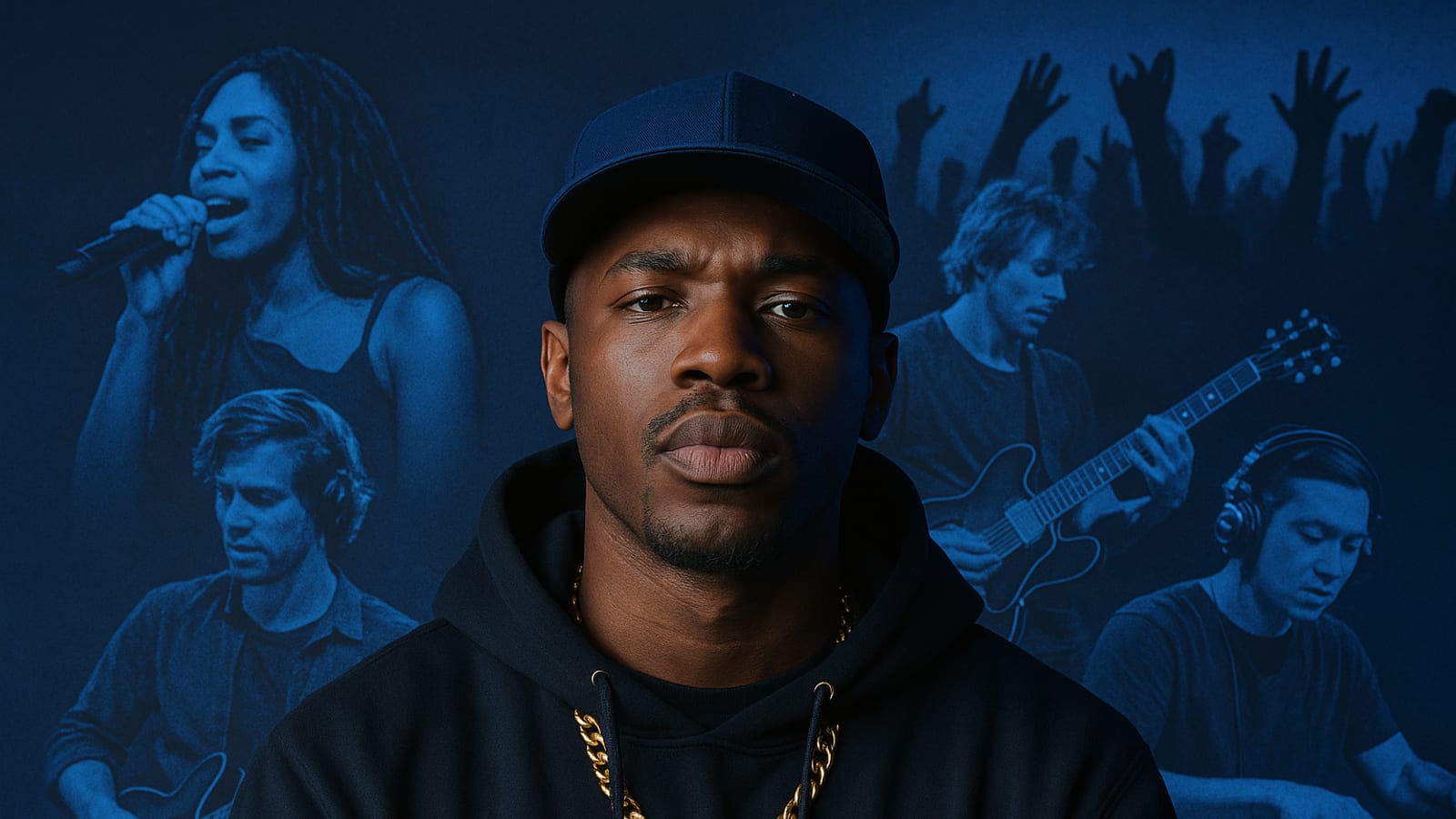
Hip-hop is not a genre. It is a system that rewired how the world makes and consumes music. It started in the Bronx with almost nothing — no major label, no marketing budget, no permission. Fifty years later, it commands charts on every continent. The question worth asking is not whether hip-hop matters. The question is how it keeps compounding its reach while other movements fade.
The Rise of Hip-Hop: A Cultural Phenomenon
Hip-hop emerged in the 1970s as a direct signal from communities that mainstream media ignored. The raw energy was intentional. The streetwise narratives were precise. Artists were not performing for industry approval — they were documenting reality and daring anyone to listen. By the 1990s, that signal had crossed every border it was never supposed to cross. American audiences were locked in. International scenes were already taking notes.
Global Fusion: How Hip-Hop Blends with Local Sounds
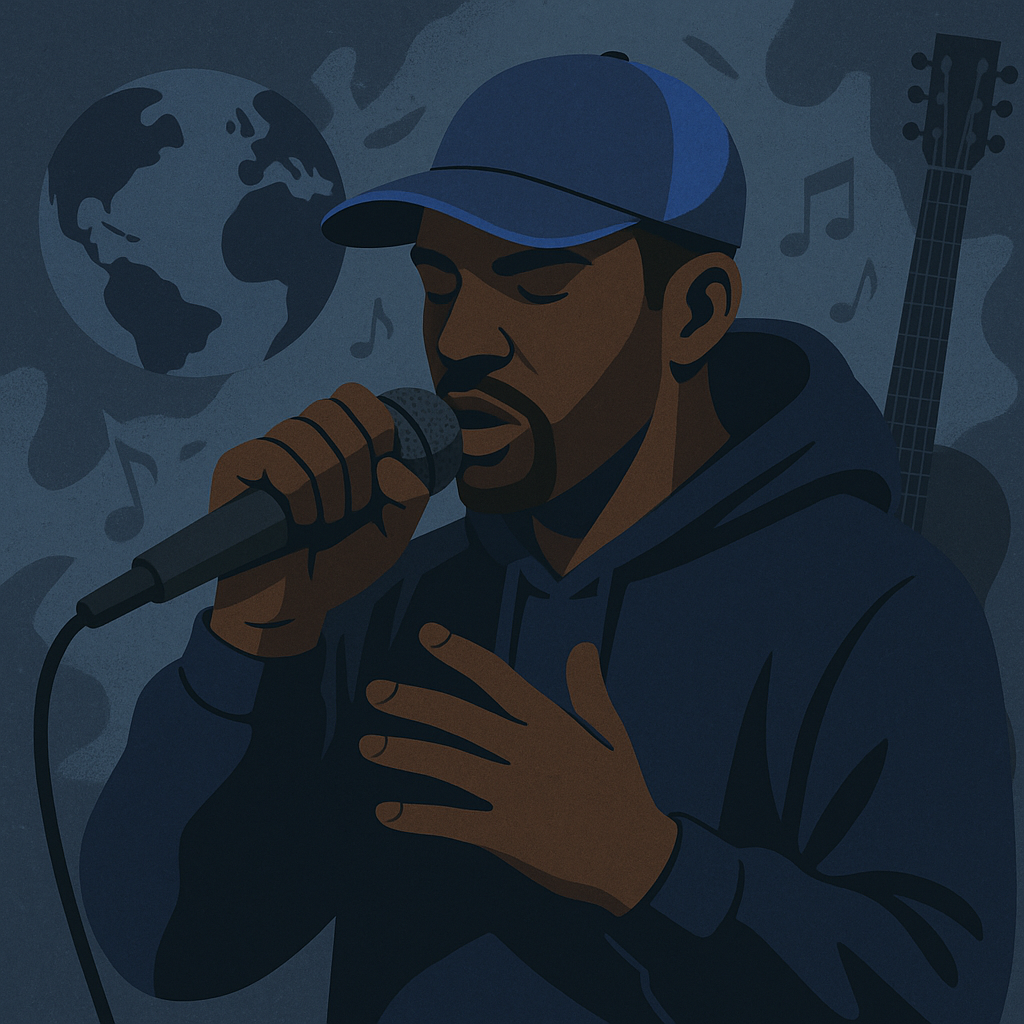
Hip-hop’s most underrated trait is its structural flexibility. It absorbs local identity instead of erasing it. In France, artists like IAM and MC Solaar built something distinctly French — the cadence, the cultural references, the language — all layered over a hip-hop foundation. In Japan, producers wove traditional instrumentation into sample-based beats and created sounds that had no direct precedent. The framework traveled. The content stayed local. That combination is why it stuck.
Case Study: Korean Hip-Hop’s Global Impact
South Korea is the clearest proof of hip-hop’s compounding reach. Artists like Jay Park and Zico did not imitate American hip-hop. They built in silence, studied the structure, and then embedded Korean musical identity into it. The result was K-hip-hop — a subgenre with a dedicated global fanbase that grew organically through digital platforms before most labels recognized what was happening. It is a textbook example of cultural exchange driven by craft, not by corporate strategy.
The Role of Technology in Hip-Hop’s Expansion
Technology removed the gatekeepers. YouTube and SoundCloud gave artists direct access to audiences without requiring a traditional record deal. That shift democratized production and distribution simultaneously. An artist recording in Lagos or Lagos or São Paulo could reach listeners in Seoul and Stockholm on the same day. Hip-hop, built on resourcefulness from the start, was positioned better than any other genre to take advantage of that opening.
Tools and Platforms for Aspiring Hip-Hop Artists
- SoundCloud: A free platform for sharing music and building an audience from zero.
- Bandcamp: Lets artists sell directly to fans and keep a larger share of every dollar earned.
- Arcanolabs.ai: Use AI to sharpen your music production and marketing systems. Explore their content creation tools.
Hip-Hop’s Influence on Fashion and Lifestyle
The cultural footprint extends well past music. Adidas and Nike did not discover hip-hop — hip-hop claimed them. Collaborations with artists created product lines that reflected the genre’s edge and authenticity. Those partnerships moved units, but more importantly, they confirmed what the data already showed: hip-hop does not follow culture. It sets the tempo for it.
Breaking Down Barriers: Hip-Hop’s Social Impact
Hip-hop has always carried more weight than a beat and a hook. It is a platform for direct social commentary. Kendrick Lamar and J. Cole do not gesture at racial inequality and social justice — they dissect it with precision, track by track. That specificity is what sparks real conversation. It is what moves audiences from passive listeners to active participants in the dialogue.
Actionable Steps for Aspiring Artists
- Anchor to Your Roots: Your cultural background is not a limitation. It is your differentiator. Build from it.
- Use the Available Tools: Platforms like Arcanolabs.ai exist to give independent artists an edge in production and reach.
- Stay Authentic: Authenticity is not a brand strategy in hip-hop. It is the baseline requirement. Protect your voice and your message.
Conclusion: Hip-Hop’s Everlasting Influence
Hip-hop keeps compounding because it was built on principles that do not expire — authenticity, adaptability, and a refusal to wait for permission. Whether through genre fusion, technological distribution, or social impact, the culture continues to set the standard. If you are an aspiring artist, the blueprint is already visible. Study what works. Build with intention. Use every tool available. Hip-hop did not get here by accident, and neither will you.
For more insights into the music industry and how to use technology for your creative work, visit TruZillah.
The Evolution of Hip-Hop Lyrics and Themes
Hip-hop lyrics have never stood still. Early records documented struggle, perseverance, and systemic failure with unflinching honesty. As the genre matured and its artists gained broader platforms, the lyrical range expanded — wealth, fame, identity, personal relationships. The content grew more complex because the artists’ lives did. That evolution mirrors the genre’s larger trajectory: always moving, always absorbing new material.
From Storytelling to Personal Narratives
Slick Rick built entire cinematic worlds inside three-minute tracks. That storytelling tradition was foundational. Over time, artists shifted toward more personal narratives — their own journeys, their own contradictions. That move inward made the music more specific, and paradoxically, more universal. Listeners did not just hear a story. They recognized something true about their own experience.
Political and Social Commentary
Public Enemy and N.W.A. did not ask for a seat at the table. They built their own and used it to address police brutality, racial discrimination, and systemic failure directly. That tradition has not weakened. Today’s artists carry the same responsibility forward, challenging norms and pushing audiences to think beyond the surface of what they are hearing.
Hip-Hop Collaborations Across Genres
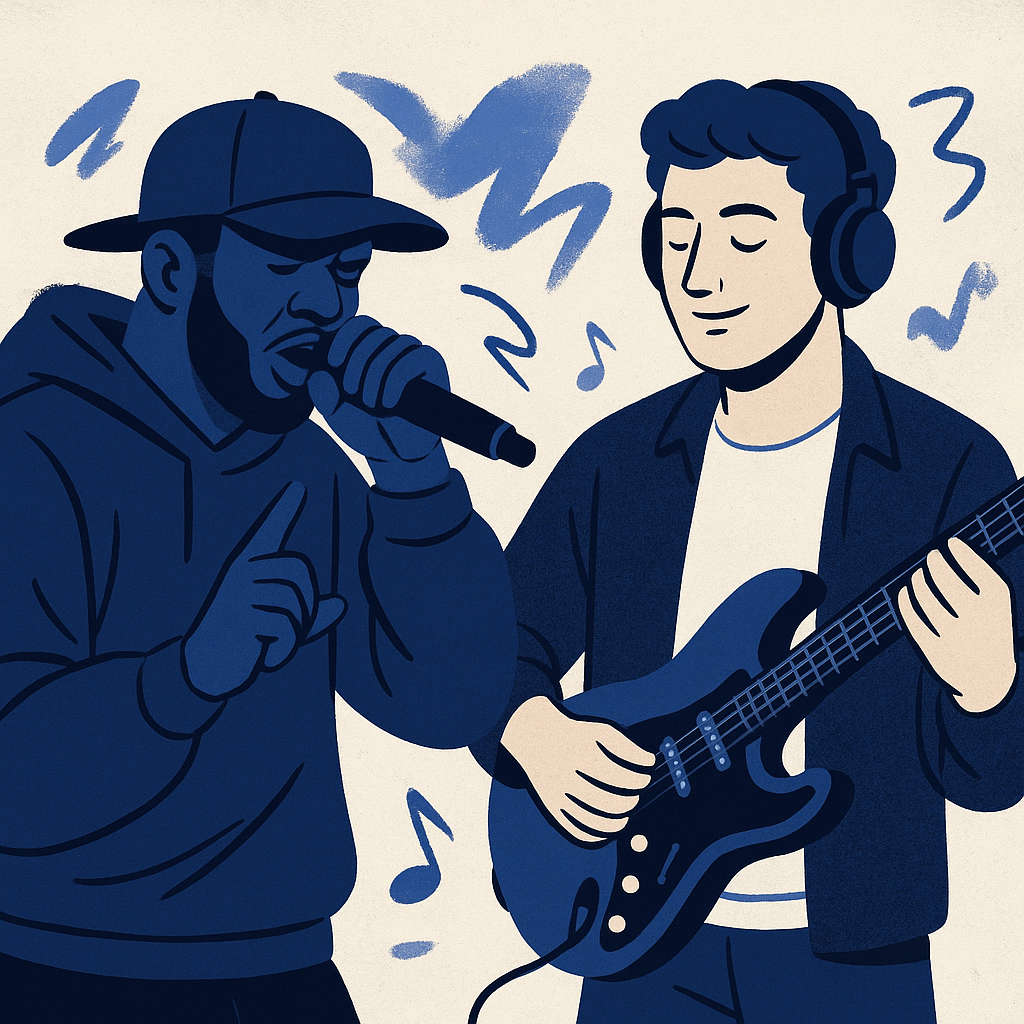
Hip-hop does not compete with other genres. It absorbs them. Cross-genre collaboration is not a marketing tactic — it is a core operating principle. The results consistently produce some of the most innovative records of any given era.
Cross-Genre Collaborations
Run-DMC and Aerosmith did not just make a hit record with “Walk This Way.” They demonstrated that genre walls were arbitrary. Rock audiences discovered hip-hop. Hip-hop audiences discovered rock. Both sides expanded. That model — find the overlap, build something neither genre could produce alone — has driven cross-genre collaboration ever since, from pop to R&B to electronic music.
Impact on Electronic Dance Music (EDM)
Trap music is the clearest example of hip-hop rewriting another genre’s DNA. Hard-hitting hip-hop percussion fused with the high-energy architecture of electronic music and produced a sound that captured global audiences fast. Artists like Flosstradamus and RL Grime were early operators in that space, proving that hip-hop’s structural flexibility has no ceiling.
Metrics for Measuring Hip-Hop’s Global Influence
Influence without data is just opinion. These are the numbers that tell the real story of hip-hop’s global reach.
- Streaming Numbers: Spotify and Apple Music data shows which hip-hop tracks and artists are generating organic traffic across different regions — and the numbers are not close.
- Social Media Engagement: Follower counts, shares, and interaction rates on Instagram, Twitter, and TikTok quantify an artist’s actual reach versus perceived popularity.
- Concert Attendance: International tour figures reveal where hip-hop commands paying audiences — and the map keeps expanding.
- Chart Performance: Billboard Hot 100 representation tracks commercial momentum and shows how consistently hip-hop holds top positions across markets.
FAQs: Understanding Hip-Hop’s Global Impact
Why has hip-hop become a global phenomenon?
Because it is adaptable and honest. Hip-hop absorbs diverse influences without losing its core identity, and it addresses themes — inequality, ambition, identity — that resonate across cultures. That combination travels well.
How do local cultures influence hip-hop?
Local cultures inject hip-hop with sounds, languages, and narratives that are specific to a region. That specificity creates subgenres with their own distinct audiences. The framework is universal. The content is local. That tension is what makes the output interesting.
What role does social media play in hip-hop’s expansion?
Social media is the distribution engine. It allows artists to push music directly to international audiences without intermediaries, and it gives fans a direct line to the artists they follow. The result is a global community that builds itself in real time.
What challenges do aspiring hip-hop artists face in gaining global recognition?
Market saturation is real. Cultural barriers exist. Maintaining originality while building broad appeal requires discipline and a clear point of view. The artists who break through do it by building a strong digital presence, testing relentlessly, and staying consistent long after others have stopped.

Leave a Reply