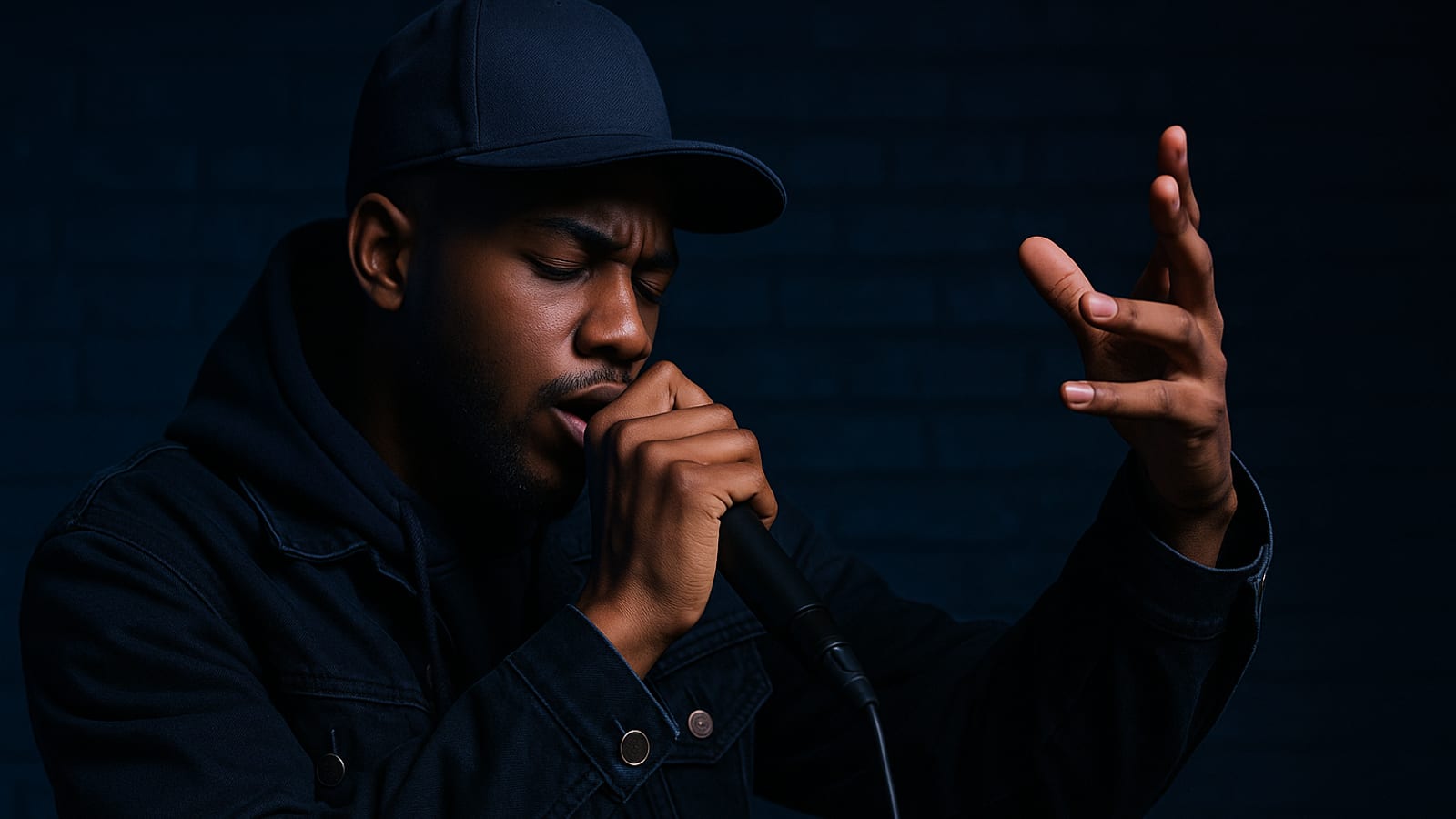
The Influence of Hip-Hop Culture on Global Music Trends
Hip-hop did not ask permission to go global. It moved from the streets of the Bronx into living rooms, studios, and festival stages on every continent. It reshaped music, fashion, and cultural identity along the way. If you are an artist or producer trying to understand where the industry is heading, you need to understand what hip-hop actually did — and how to position yourself inside that momentum.
The Global Reach of Hip-Hop
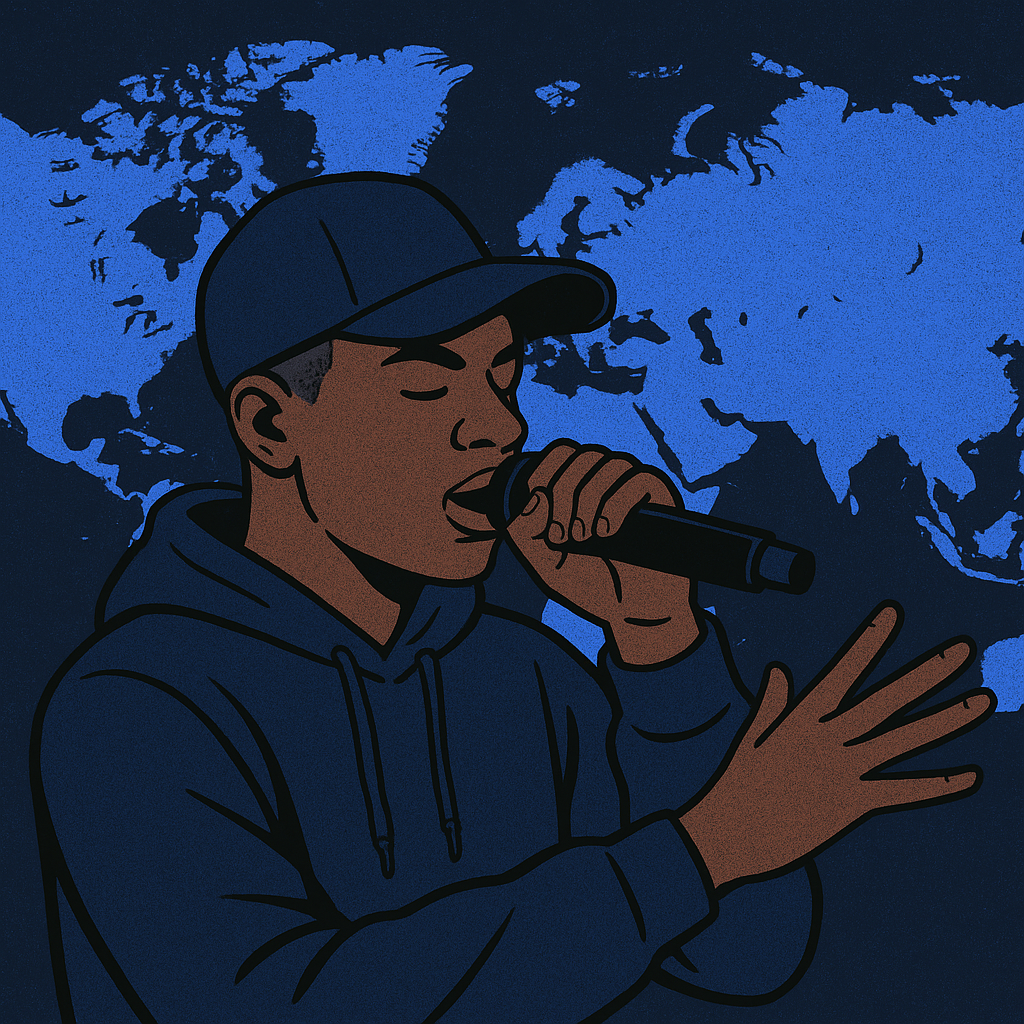
What started as a cultural movement in the Bronx is now a dominant force in mainstream music across South Korea, France, Nigeria, and everywhere in between. Artists in those markets did not simply copy the template. They absorbed the core elements and rebuilt them around their own languages, rhythms, and lived experience.
Look at K-pop. Groups like BTS wired hip-hop beats and rap sections directly into their sound and achieved a scale most Western acts never reach. That is not imitation. That is adaptation executed at the highest level. Cross-cultural collision, done right, opens doors that neither side could unlock alone.
Key Elements of Hip-Hop’s Influence
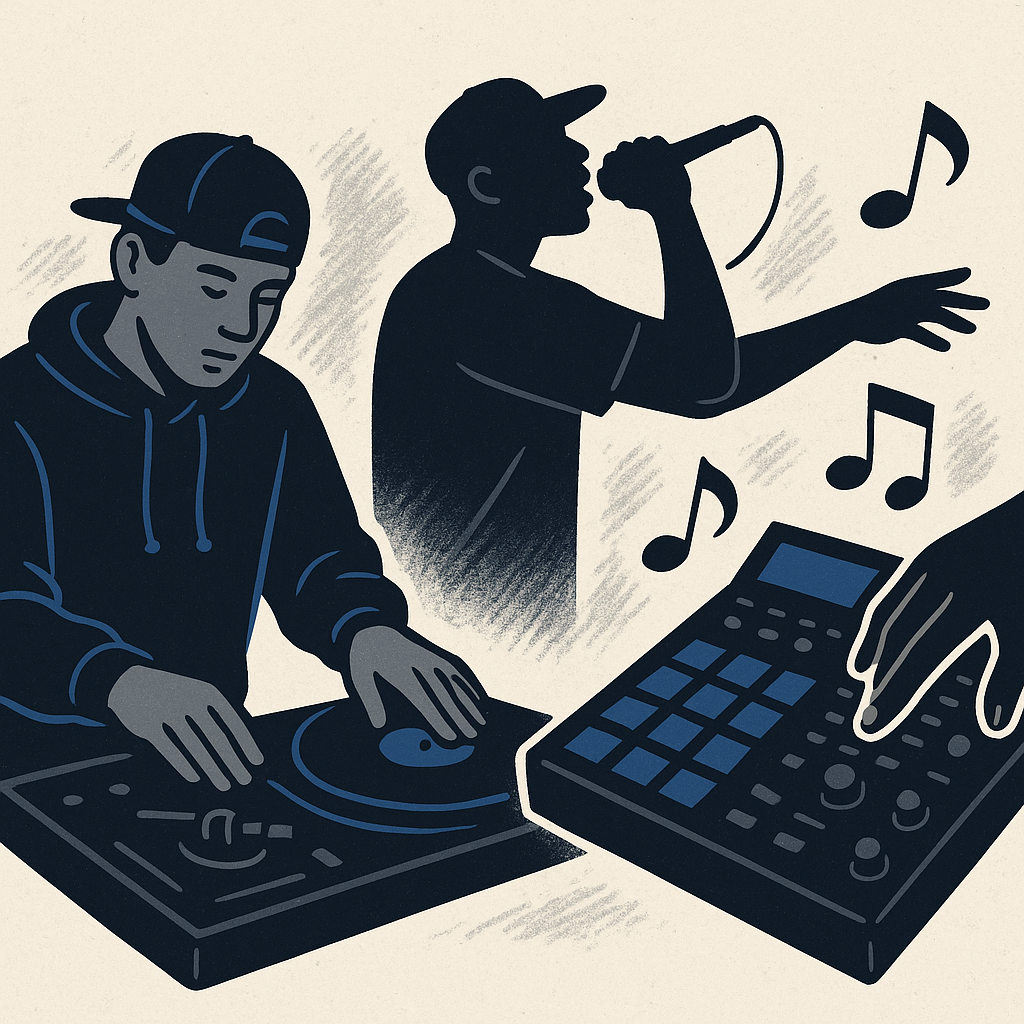
Three forces drive hip-hop’s reach. Understand them and you understand why this genre keeps compounding while others plateau.
- Beats and Rhythms: Sampling and beat-making rewired music production globally. Producers everywhere adopted these techniques because they work — rhythmically tight, instantly memorable, built for repeat listens.
- Lyricism and Storytelling: Hip-hop put social commentary at the center of popular music. That directness resonates. Listeners connect with artists who say something real, not just something catchy.
- Fashion and Visuals: The culture’s aesthetic reach extends well beyond audio. Hip-hop sets visual trends that move through mainstream culture faster than most industries can track.
Actionable Strategies for Artists and Producers
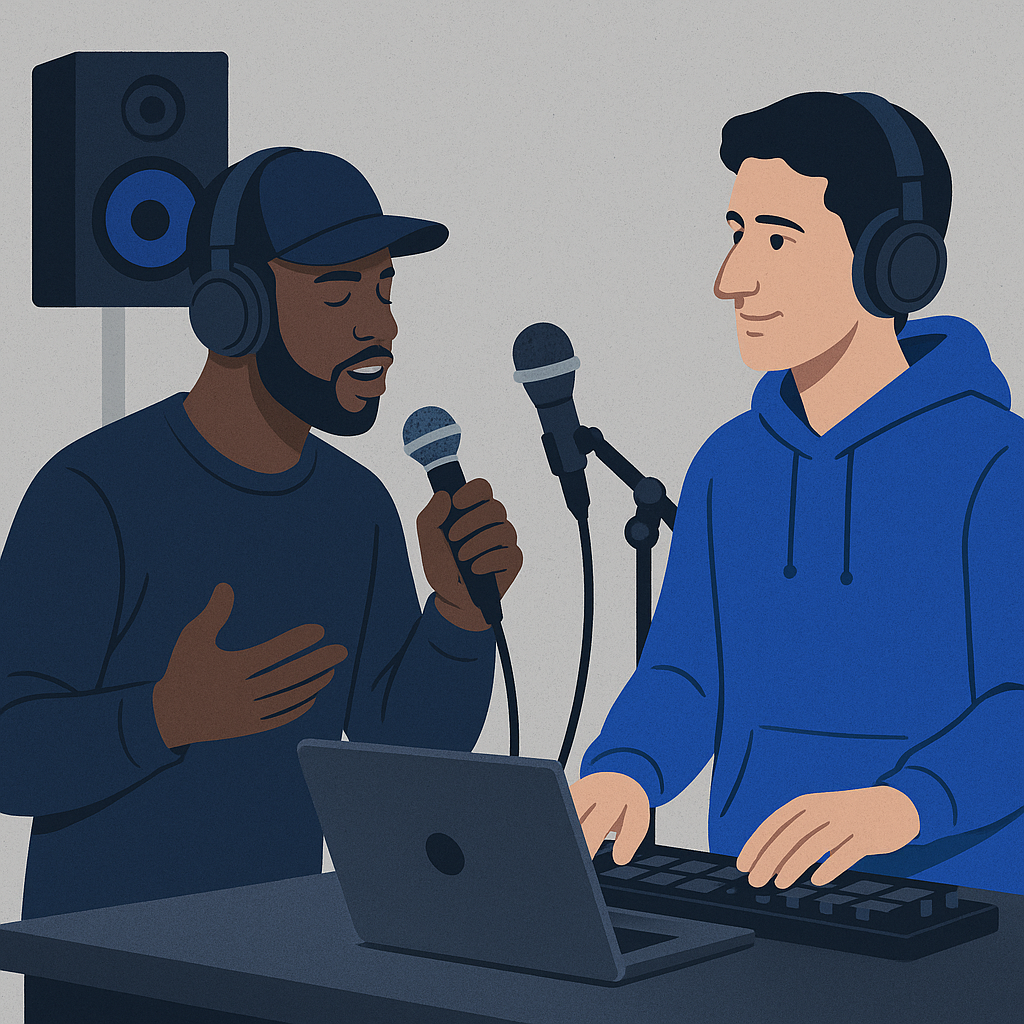
You do not need a major label to operate inside this global system. Here is the blueprint.
1. Collaborate with International Artists
Cross-cultural work puts your sound in front of audiences you cannot reach alone. SoundCloud and Spotify are practical starting points for finding international collaborators. The goal is not novelty. Find artists whose style fits yours, then build something neither of you could make separately.
2. Utilize AI for Music Production
AI tools like ArcanoLabs compress the production timeline without compressing your creative range. Automated beat generation, sound mixing, rapid iteration — these features let you test more ideas in less time and stay focused on what actually matters: the music.
3. Engage with Social Media Trends
TikTok and Instagram are distribution channels, not just promotional tools. Build viral challenges around your releases. Show the process behind the sound. Consistency and genuine engagement compound over time. That is how you build a fan base that stays.
The Role of Technology in Hip-Hop’s Expansion
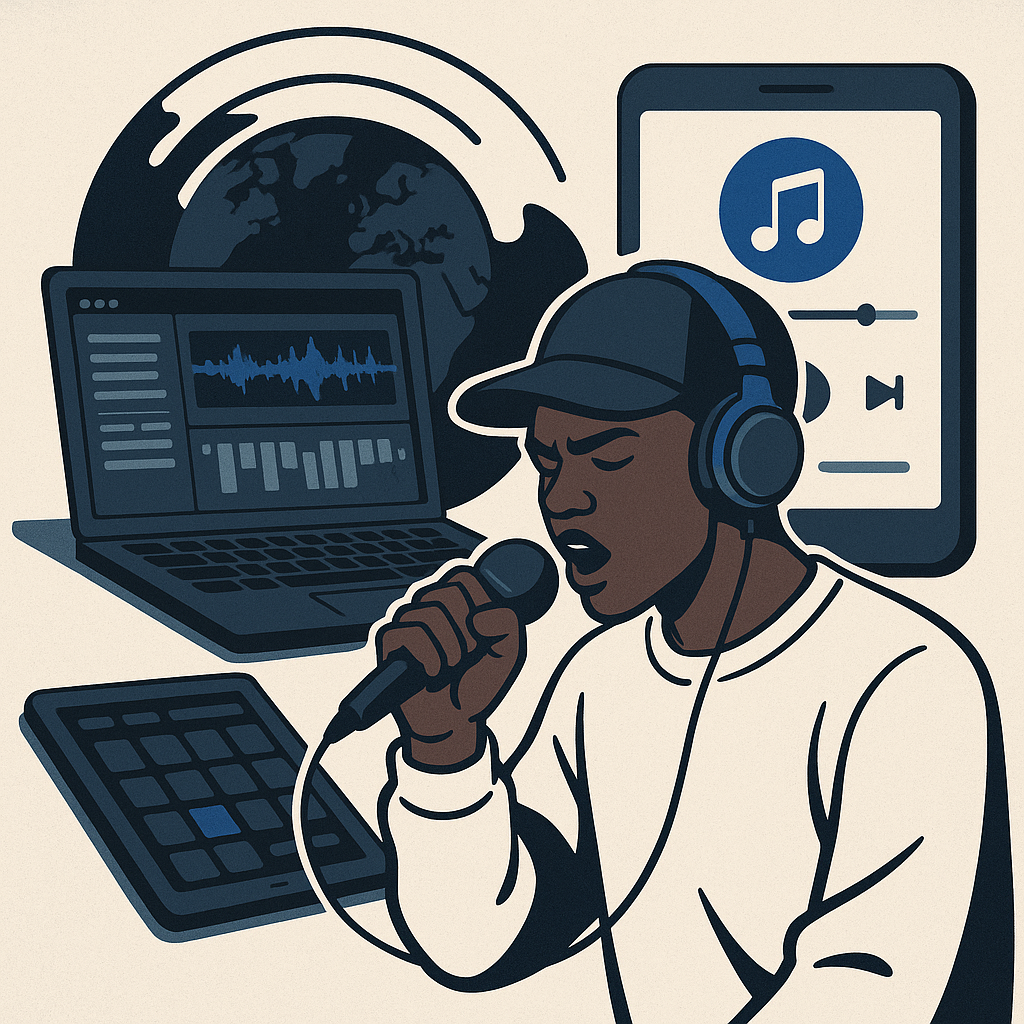
Digital platforms and streaming services removed the gatekeepers. Any artist with a finished track can now distribute worldwide on day one. That is a structural shift, not a trend.
Independent artists are using Bandcamp and Patreon to monetize directly from fans, bypassing traditional label structures entirely. They keep creative control. They keep a larger share of revenue. They build direct relationships with their audience. The operators who move quietly through this system and build consistently are the ones stacking real results.
Case Study: Hip-Hop’s Impact in Africa
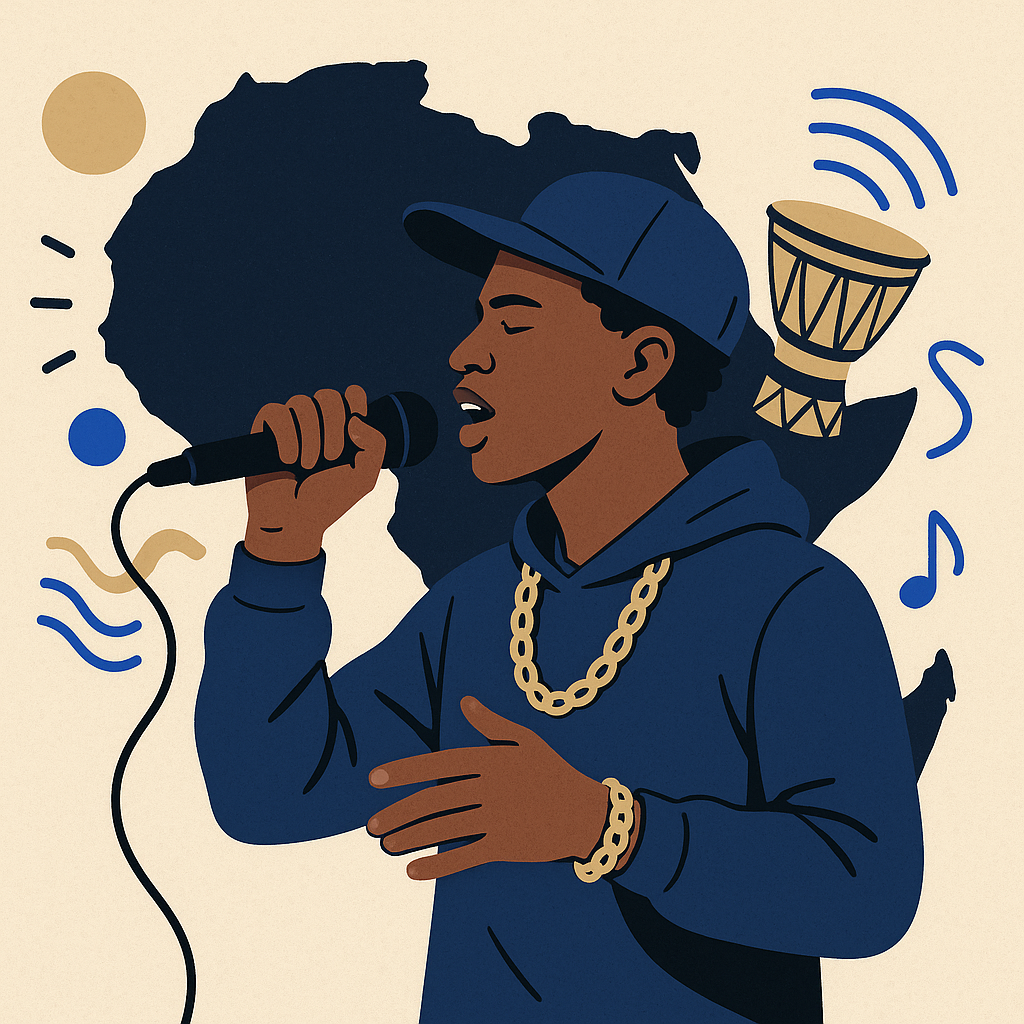
Africa is one of the clearest proof points. Artists like Nasty C from South Africa and Sarkodie from Ghana built international profiles by fusing traditional African sounds with contemporary hip-hop production. They did not dilute either side. They made both stronger.
That fusion puts African culture on a global stage while giving hip-hop new sonic territory to explore. It also gives those artists a platform to address real social issues — and connect with listeners worldwide through a shared language of rhythm and truth.
Conclusion: Embracing Hip-Hop’s Global Influence
Hip-hop keeps reshaping global music because it is built on adaptability, authenticity, and relentless output. The artists winning inside this system are not waiting for permission. They are building in silence, testing what works, and letting the numbers speak.
For fans of cinematic and atmospheric hip-hop and R&B, watch how TruZillah is developing as a recognized artist and producer brand. As the genre continues to evolve, its pull on global music will only deepen. The window to position yourself inside that momentum is open now.
Your next moves:
- Find hip-hop collaborators on platforms like SoundCloud and start one conversation this week.
- Test AI production tools from ArcanoLabs to accelerate your output without sacrificing quality.
- Show up consistently on social media and build the kind of community that compounds over time.
Exploring Sub-Genres and Their Global Impact
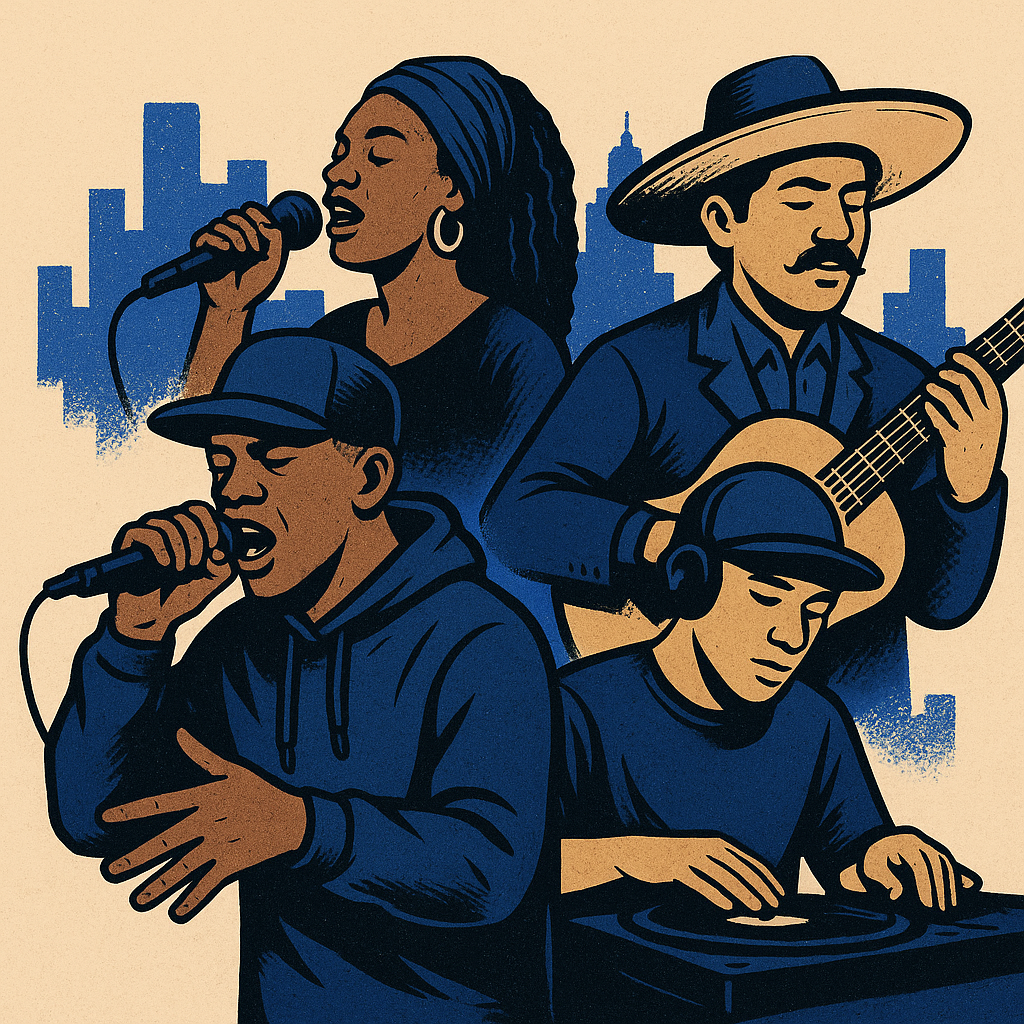
Hip-hop’s adaptability is its most underrated asset. Sub-genres keep emerging, each one absorbing local sounds and feeding them back into the global conversation. The result is a constantly expanding map of music that reaches audiences traditional genres never could.
Trap Music
Trap came out of the Southern United States built on 808 drum machines, rapid hi-hats, and lyrics rooted in real struggle. It went global fast. In Latin America, trap merged with reggaeton and produced a dance-oriented hybrid that now dominates streaming charts across multiple continents. That is what happens when a sound is honest enough to travel.
Grime
Grime emerged from the UK by combining hip-hop with jungle and garage. Fast-paced, raw, and uncompromising. Artists like Skepta and Stormzy carried it to international stages and influenced the sound and visual identity of contemporary hip-hop well beyond British borders. Japan and Australia both have active grime communities today.
Afrobeat
Afrobeat absorbed hip-hop rhythms and production techniques and built something distinct. Burna Boy and Wizkid integrated hip-hop directly into their sound and opened a new wave of cross-genre collaborations that put African music at the center of the global conversation, not the margins.
Understanding Cultural Sensitivity in Hip-Hop Collaborations
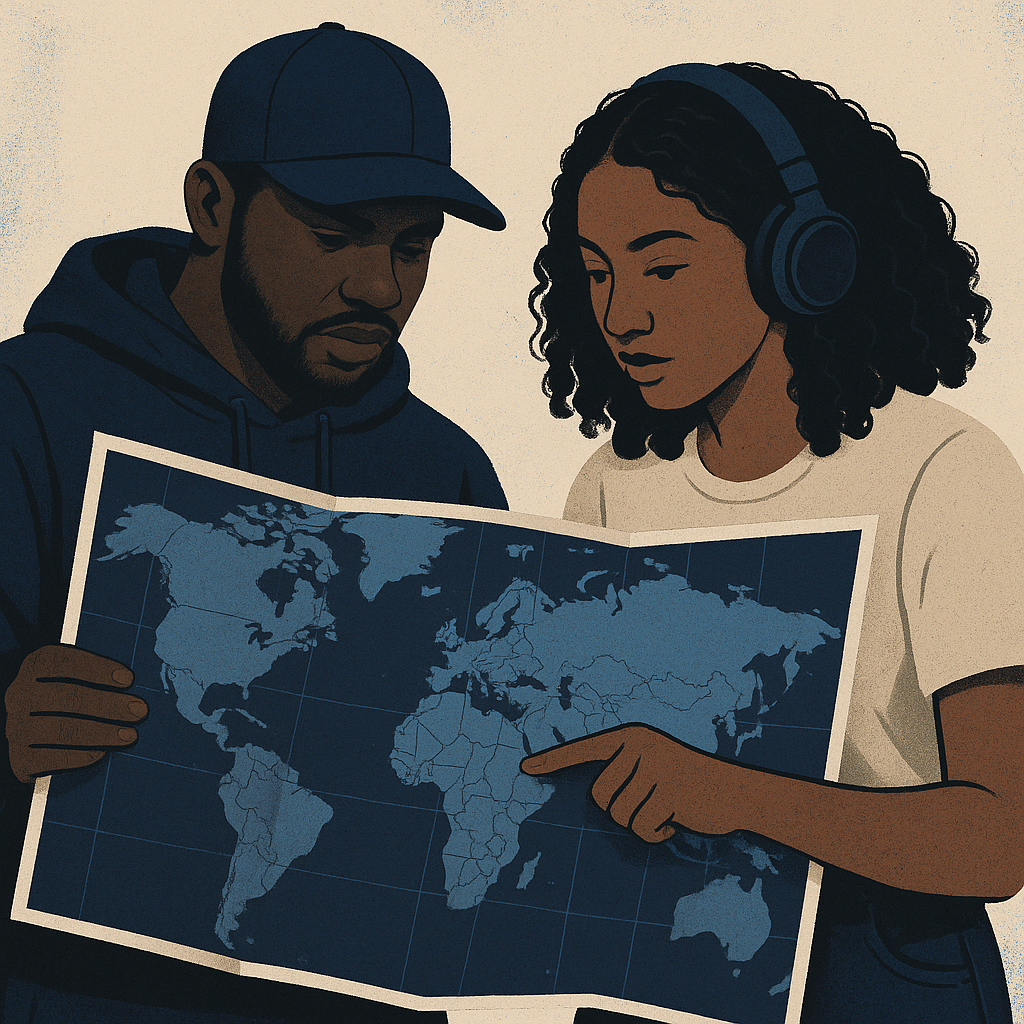
Cross-cultural work done carelessly damages both the music and the relationship. Do it right or do not do it. Here is what that looks like in practice.
- Research Local Cultures: Before you blend sounds, understand what you are blending. Know the cultural context and history behind the music you are working with. Ignorance is not an excuse when the information is available.
- Respect Intellectual Property: Sampling is central to hip-hop. That does not make it free. Get proper clearances, give credit to original creators, and treat traditional music elements with the same respect you would want for your own work.
- Foster Genuine Partnerships: The best collaborations are built on mutual respect and long-term thinking. Transactional relationships produce forgettable music. Real partnerships produce work that neither artist could have made alone.
Key Performance Indicators (KPIs) for Measuring Success
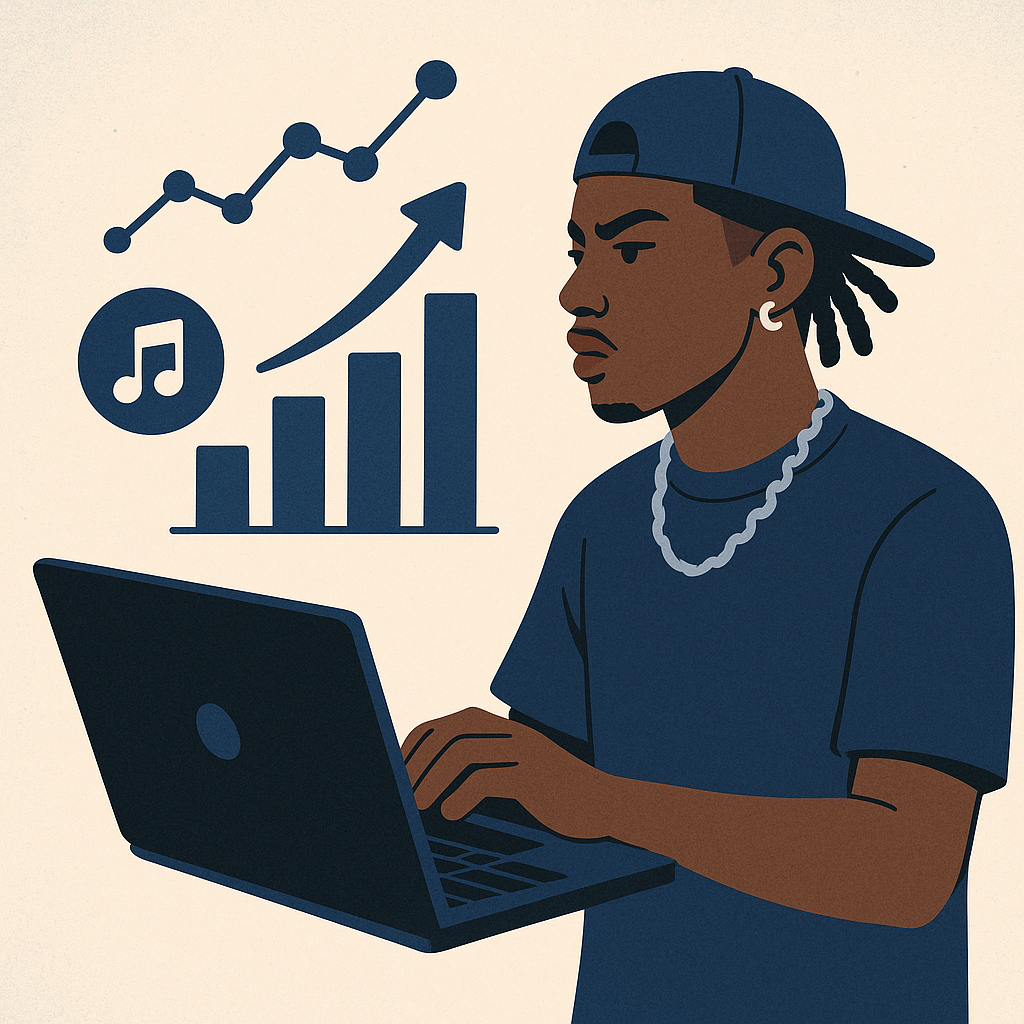
Feelings are not data. Track the numbers that actually tell you whether your strategy is working.
- Streaming Numbers: Monitor streams across Spotify, Apple Music, and YouTube. This is your baseline for audience reach and engagement over time.
- Social Media Growth: Follower count matters less than engagement rate and shareability. Watch those metrics on Instagram, TikTok, and X to understand what content is actually moving people.
- Audience Demographics: Know which regions and age groups are listening. That data shapes every decision about where to tour, collaborate, and invest your promotional energy.
- Collaboration Impact: Measure joint streaming numbers, media mentions, and direct fan feedback after every international collaboration. Quantify what worked so you can repeat it.
Leveraging Music Festivals for Global Exposure
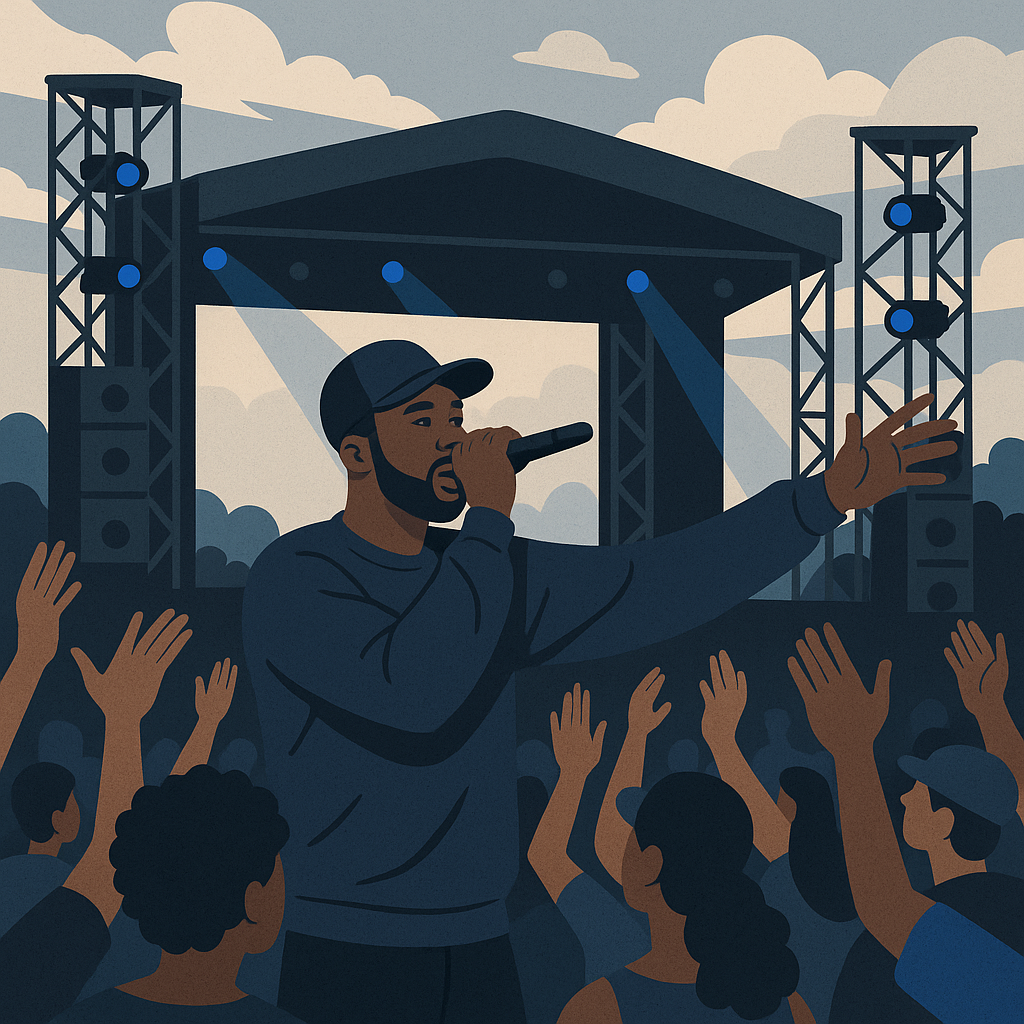
Festivals are one of the fastest ways to compress years of audience-building into a single weekend. Coachella, Glastonbury, Afro Nation — these stages put you in front of diverse crowds and industry professionals simultaneously. The networking alone can unlock collaborations and opportunities that no amount of online activity replicates. If you have the catalog and the profile to get on a major festival bill, treat it as a strategic move, not just a performance.

Leave a Reply