“`html
Soundscapes of the Shaolin: How Foley Art Breathes Life into Classic Kung Fu
Soundscapes of the Shaolin: How Foley Art Breathes Life into Classic Kung Fu
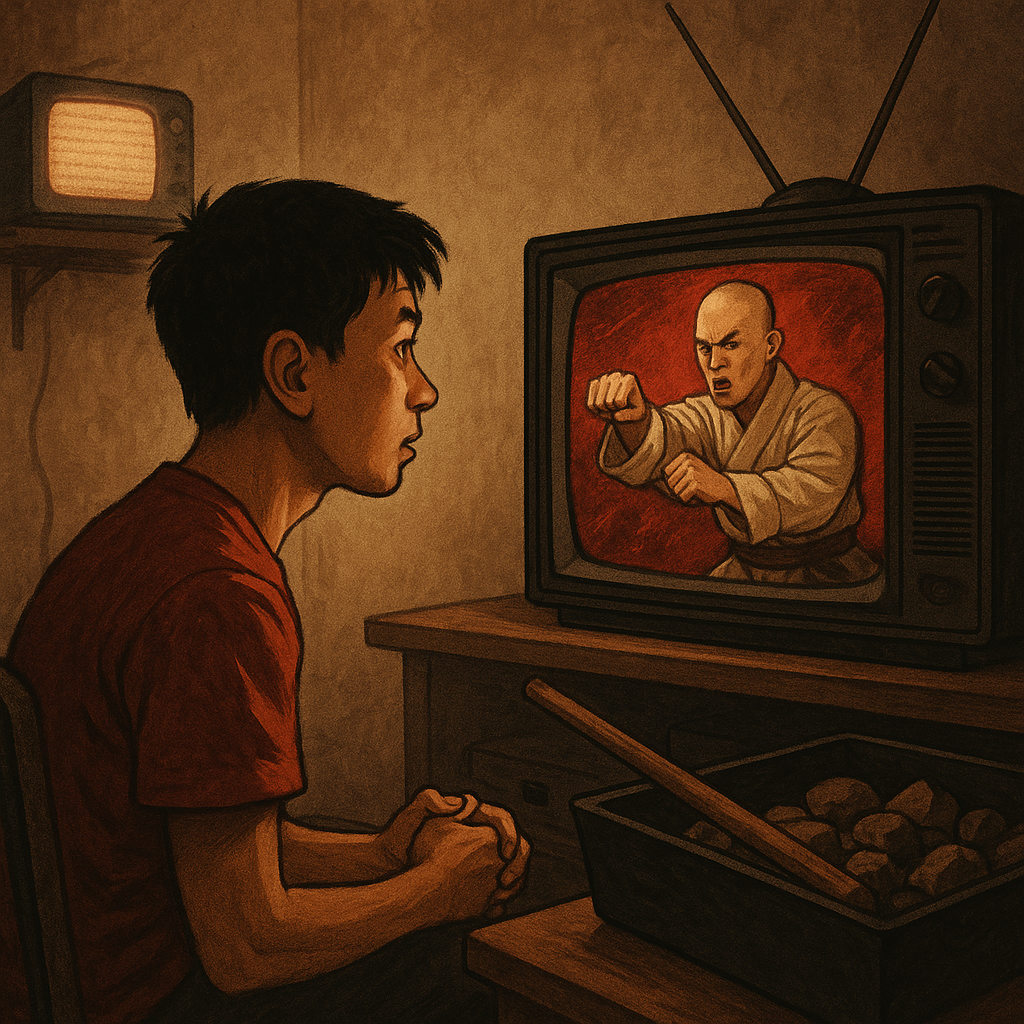
Picture this: a dimly lit room, an old TV buzzing in the corner, and a young martial arts enthusiast glued to the screen, captivated by the rhythmic dance of fists and feet in a Shaw Brothers classic. But what truly makes these scenes come alive? It’s not just the choreography or the performers’ prowess. It’s the sound design, the foley art that transforms each strike into a symphony of combat.
The Hidden Craft of Sound Design

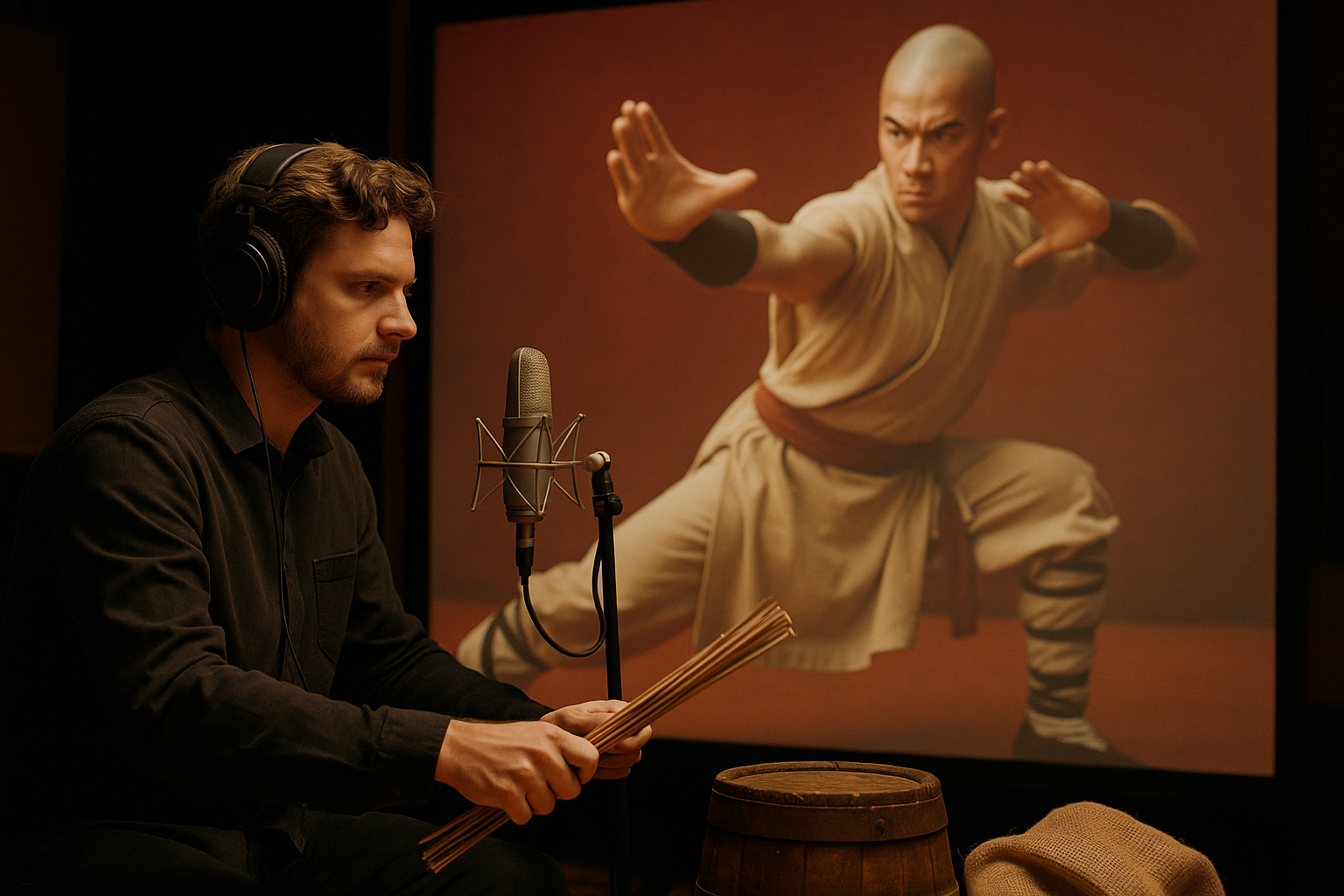
Sound design in kung fu films is an art form often overlooked by audiences but pivotal to the immersive experience. The clashing of swords, the swishing of robes, and the echoing footsteps are not captured on set. Instead, they are meticulously crafted by foley artists, who use everyday objects to recreate the sounds that define a film’s atmosphere.
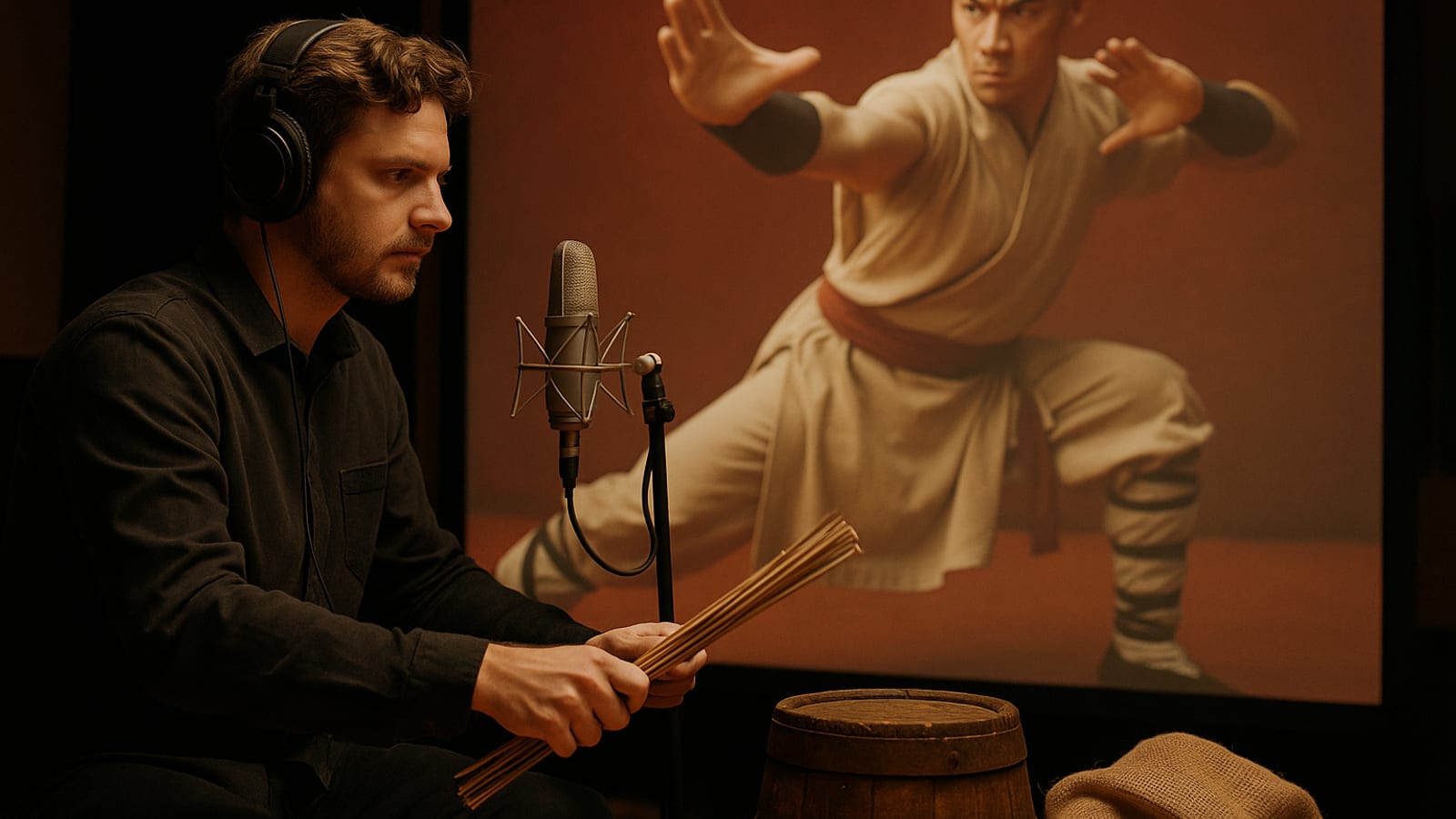
Imagine the iconic whoosh of a flying kick. It’s not the actual sound of a foot slicing through the air but the clever use of a bamboo stick being swished past a microphone. This creative process allows filmmakers to enhance the action, providing a visceral experience that draws the audience deeper into the narrative.
The Role of Foley in Kung Fu Classics
In classic kung fu films, sound design plays a crucial role in establishing the film’s tone and authenticity. Foley artists bring the director’s vision to life, ensuring that every punch, kick, and fall resonates with the audience. This practice is rooted in the tradition of martial arts films, where the sound is as much a part of the choreography as the physical movements.
For instance, the Shaw Brothers studio, renowned for its martial arts cinema, employed skilled foley artists who understood the nuances of sound required to complement the visual spectacle. Their work ensured that each film became a sensory experience, allowing viewers to feel the impact of each move.
Tools and Techniques of Foley Art
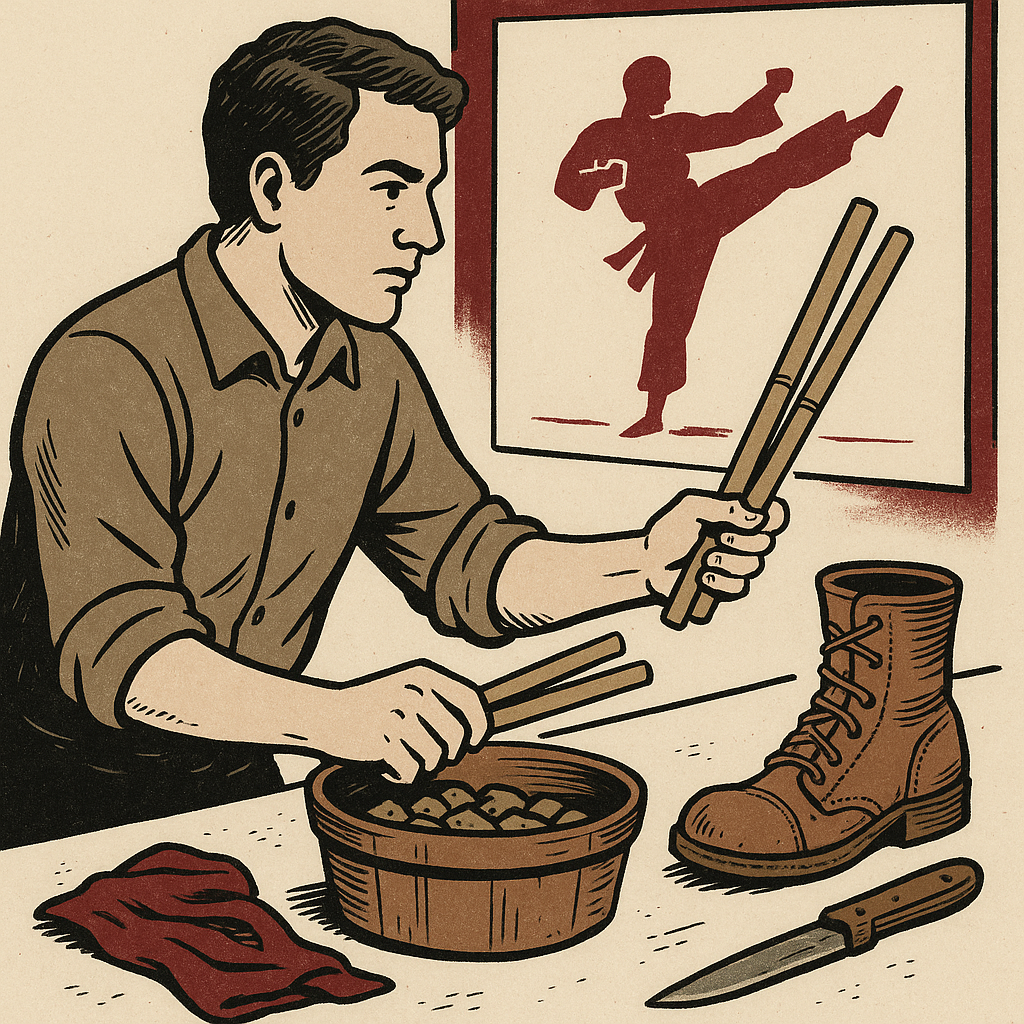
Creating soundscapes for kung fu films involves a variety of tools and techniques. Foley artists use an array of objects to mimic the sounds needed for a scene. Here are some common methods:
- Bamboo Sticks: Used to recreate the swift movements of weapons or limbs cutting through the air.
- Leather Gloves: Perfect for simulating the sound of punches and slaps.
- Wooden Blocks: Often tapped together to mimic the sound of feet landing on the ground.
- Watermelons: Smashed to replicate the sound of a powerful blow landing on a body.
These tools, combined with the artist’s creativity, allow for a dynamic and engaging sound experience. The aim is to enhance the narrative and evoke an emotional response from the audience.
Step-by-Step Guide to Creating Foley Soundscapes
For those interested in exploring foley art, here’s a simple guide to get started:
- Analyze the Scene: Watch the film clip and take note of the actions that require sound enhancement.
- Select Your Tools: Choose objects that can replicate the sounds needed. Experiment with different materials to find the best match.
- Record in a Controlled Environment: Set up a quiet space where you can clearly capture the sounds without interference.
- Synchronize with the Visuals: Ensure that each sound is perfectly timed with the corresponding action on screen.
- Edit and Enhance: Use audio editing software to adjust the volume and quality of the sounds, making them blend seamlessly with the film.
By following these steps, you can create soundscapes that bring your own projects to life, much like the classics that inspired generations.
Looking Forward: The Future of Sound Design
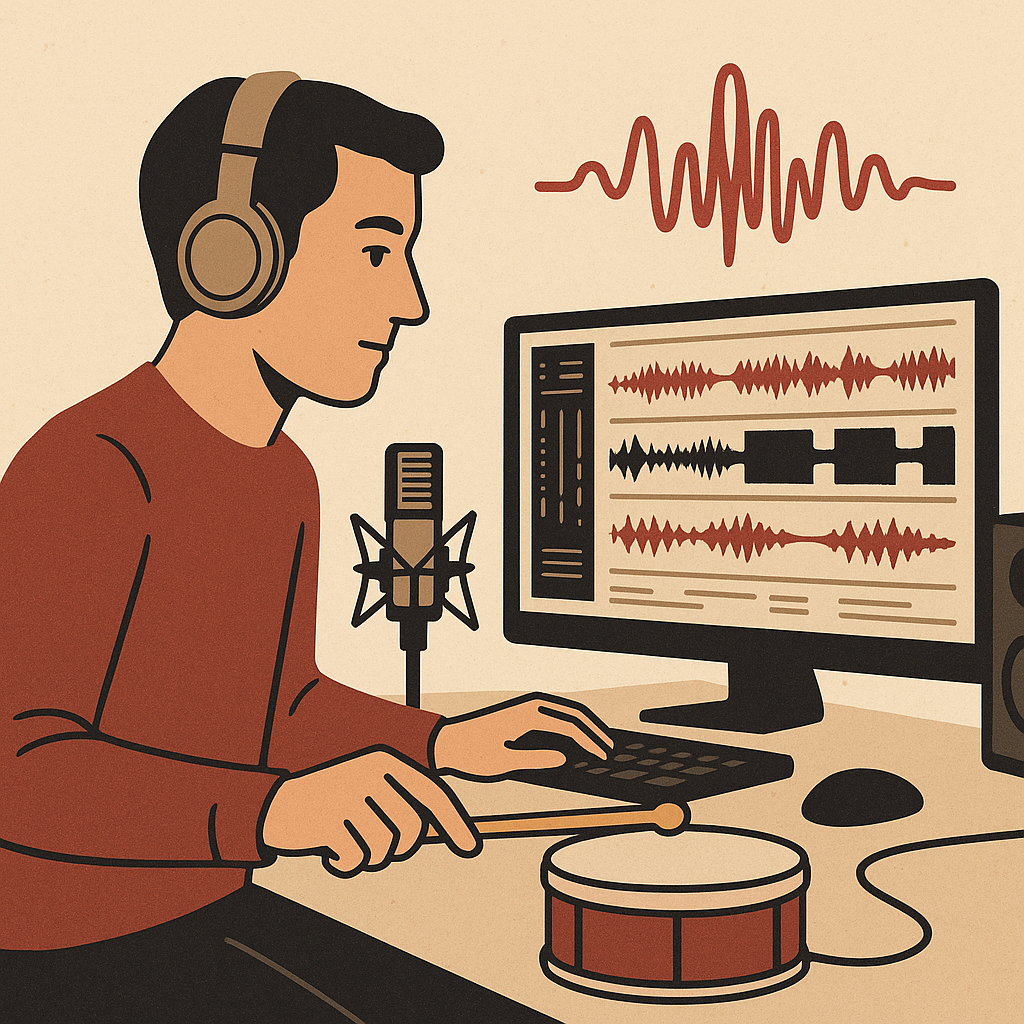
As technology advances, the possibilities for sound design continue to expand. Modern foley artists have access to digital tools that allow for more intricate and layered soundscapes. However, the essence of foley art remains unchanged: the ability to transport audiences into the world of the film through sound.
For those interested in learning more about sound design and its impact on film, resources like ArcanoLabs offer insights into the craft, showcasing how sound can transform storytelling.
Conclusion: The Legacy of Foley in Martial Arts Cinema
As we revisit classic kung fu films, it’s essential to appreciate the foley artists who contributed to the genre’s enduring appeal. Their work not only enhances the on-screen action but also preserves the cultural and cinematic heritage of martial arts cinema.
So, next time you watch a Shaw Brothers classic or any kung fu film, take a moment to listen to the soundscapes that breathe life into every scene. These are the unsung heroes of the genre, ensuring that each film remains a timeless piece of art.
For more deep dives into the world of martial arts cinema, stay tuned to Old School Shaolin and Wu, where we continue to explore the craft and legacy of these legendary films.
Integrating Foley Art into Business Presentations and Marketing
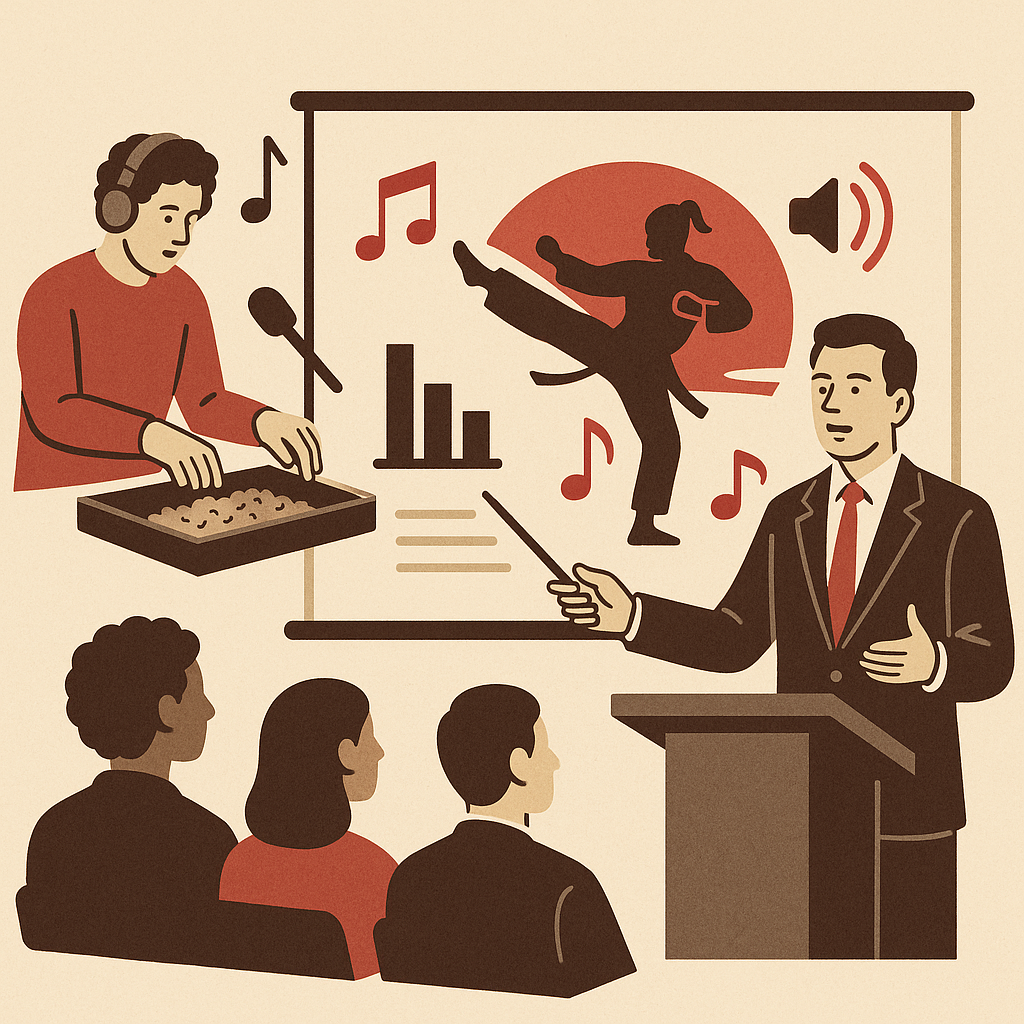
While foley art is traditionally associated with film and television, its techniques can offer unique advantages in a business context, particularly in presentations and marketing. By incorporating soundscapes, professionals can create more engaging and memorable experiences for their audiences.
Enhancing Presentations with Sound
Business presentations often rely heavily on visuals, but integrating sound can add a compelling layer of engagement. Consider using foley techniques to highlight key points or transitions:
- Attention-Grabbing Intros: Begin with a soundscape that sets the mood—such as the rustle of leaves or a distant cityscape—to draw in your audience.
- Sound Effects for Emphasis: Use subtle sounds, like a gentle chime or a swift whoosh, to emphasize critical data points or conclusions.
- Storytelling Enhancement: When narrating case studies or anecdotes, incorporate relevant sounds to create a more immersive narrative experience.
Creative Marketing Campaigns
Soundscapes can also be a powerful tool in marketing, providing a sensory dimension that can distinguish a brand from its competitors. Here are some strategies:
- Brand Sound Identity: Develop a unique sound profile that complements your brand’s visual identity, enhancing brand recognition and recall.
- Interactive Sound Experiences: Use sound in digital marketing campaigns to create interactive experiences, such as audio tours or sound-based quizzes.
- Event Ambience: For product launches or promotional events, curate a soundscape that aligns with the theme, enhancing the overall atmosphere and leaving a lasting impression.
Evaluating the Impact of Foley Art in Business Settings

To measure the effectiveness of incorporating foley art into business applications, consider the following key performance indicators (KPIs):
- Audience Engagement: Track audience retention rates during presentations and see if sound-enhanced segments correlate with higher engagement.
- Brand Recall: Conduct surveys to assess whether audiences are more likely to remember your brand after exposure to sound-enhanced marketing materials.
- Conversion Rates: Analyze whether campaigns with integrated soundscapes lead to higher conversion rates compared to those without.
By evaluating these metrics, businesses can refine their use of foley techniques, ensuring that soundscapes not only enhance the sensory experience but also contribute to tangible business outcomes.
Case Study: A Successful Integration
Consider the case of a tech company launching a new product. By incorporating a soundscape that mimicked the product’s operational environment—complete with the hum of machinery and digital beeps—they created an immersive launch event that resonated with attendees. Post-event surveys indicated a 20% increase in brand recall and a 15% boost in product inquiries, demonstrating the power of sound in shaping consumer perceptions.
As businesses continue to explore innovative ways to connect with their audiences, the integration of foley art offers a creative avenue to enhance storytelling, engagement, and ultimately, business success.
Challenges and Considerations in Foley Art for Business
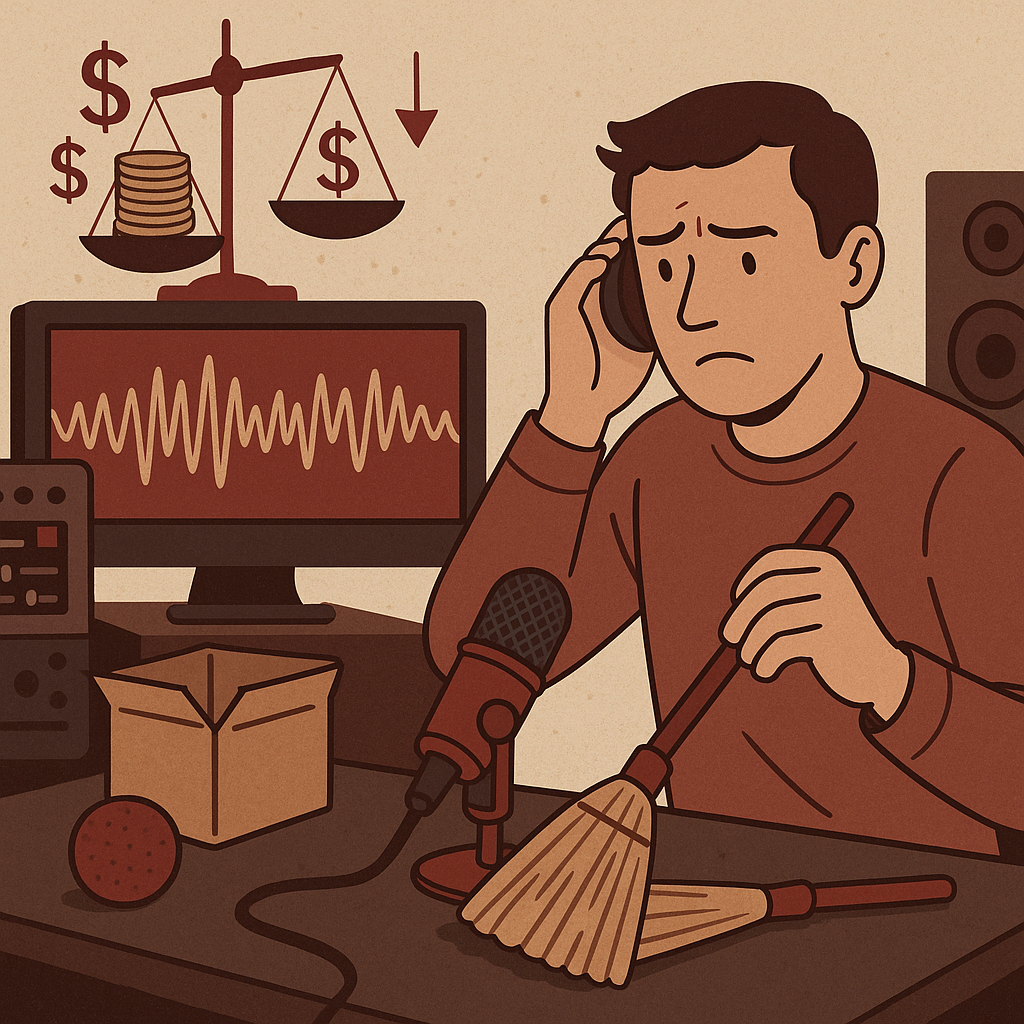
While the integration of foley art into business settings offers numerous advantages, there are challenges to consider:
- Resource Allocation: Implementing soundscapes requires investment in both time and equipment. Businesses must ensure they have the resources to produce high-quality audio content.
- Audience Appropriateness: Not all audiences may respond positively to soundscapes. It’s crucial to tailor sound design to suit the preferences and expectations of the target demographic.
- Technical Expertise: Crafting effective soundscapes demands a certain level of technical skill, necessitating either in-house expertise or external consultation.
By addressing these considerations, businesses can effectively harness the power of foley art, optimizing its impact while minimizing potential drawbacks.
“`

Leave a Reply