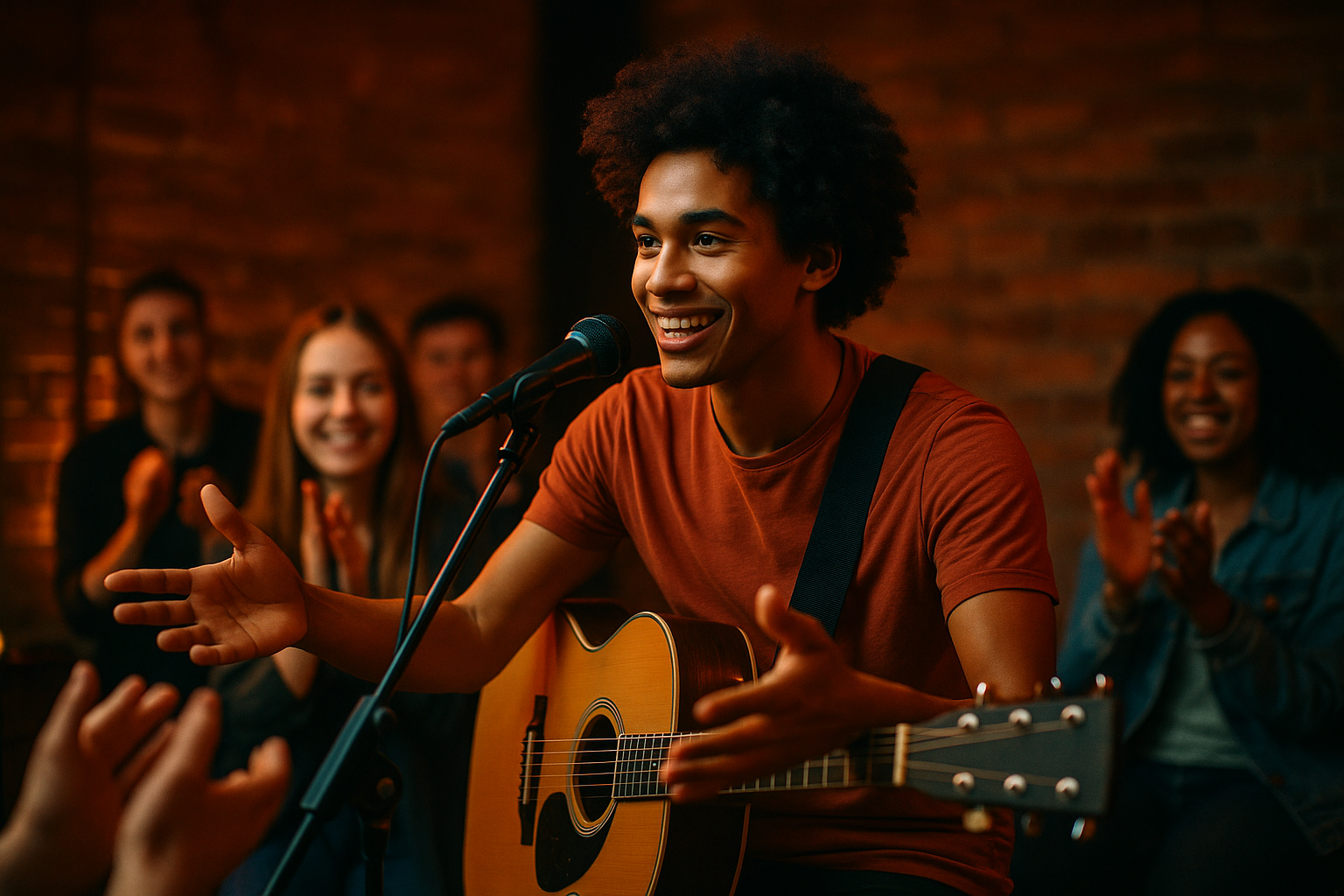
Most artists chase streams. The ones who last chase people. There is a difference — and it is the difference between a career and a moment. A stream is a transaction. A community is a relationship. One pays you once. The other shows up to every show, pre-saves every drop, and tells their people about you before you even ask. If you are serious about building something that outlasts any algorithm update or platform policy change, stop chasing numbers and start building a music community that is genuinely yours.
This is not a feel-good post about engaging with your fans. This is a street-level breakdown of how artists actually build loyal communities — specific moves, real platforms, and a system that compounds over time. Let’s get into it.
🔹 Why a Music Community Beats a Fanbase Every Time
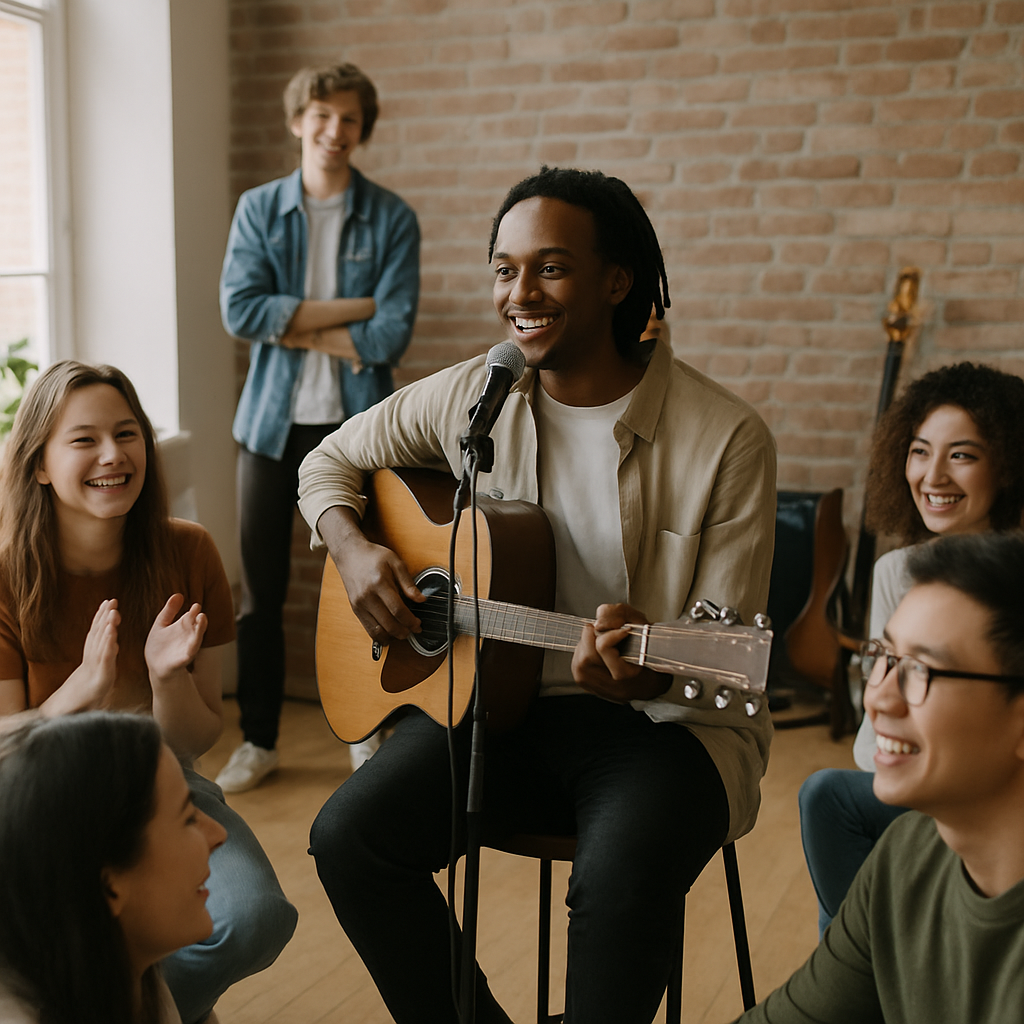
A fanbase is passive. They listen when the algorithm serves them your track. A music community is active — they seek you out, they recruit new members, and they create culture around your sound. The distinction matters because platforms like Spotify, TikTok, and Instagram are rented land. You do not own your followers there. The platform does. One algorithm shift and your reach drops overnight.
Artists who survived platform pivots — and there have been many — did it because they had direct lines to their people. Email lists. Discord servers. Text clubs. Owned channels that no platform can throttle. That is the real asset. Not your follower count. Not your monthly listeners. The question is: how do you build that, especially starting from a small base?
✅ Step 1 — Define the Culture Before You Build the Crowd

Before you post a single call-to-action, you need to know what your community is about. Not just your music genre — the culture, the aesthetic, the shared identity. The most loyal music communities are built around a feeling, a worldview, or a lifestyle that the artist represents.
Think about what your music actually stands for. If your sound is cinematic and atmospheric — late nights, heavy emotions, unfiltered stories — then your community is built around people who live in that headspace. They do not just like your music. They are your music. That is the entry point for community building that actually holds.
Write down three things:
- What does your music make people feel?
- What kind of person resonates with that feeling?
- What do those people care about beyond music?
Your answers become the foundation of every piece of content, every community space, and every conversation you have with your audience. Without this clarity, you are publishing into the void and hoping something sticks.
✅ Step 2 — Pick One Platform and Go Deep
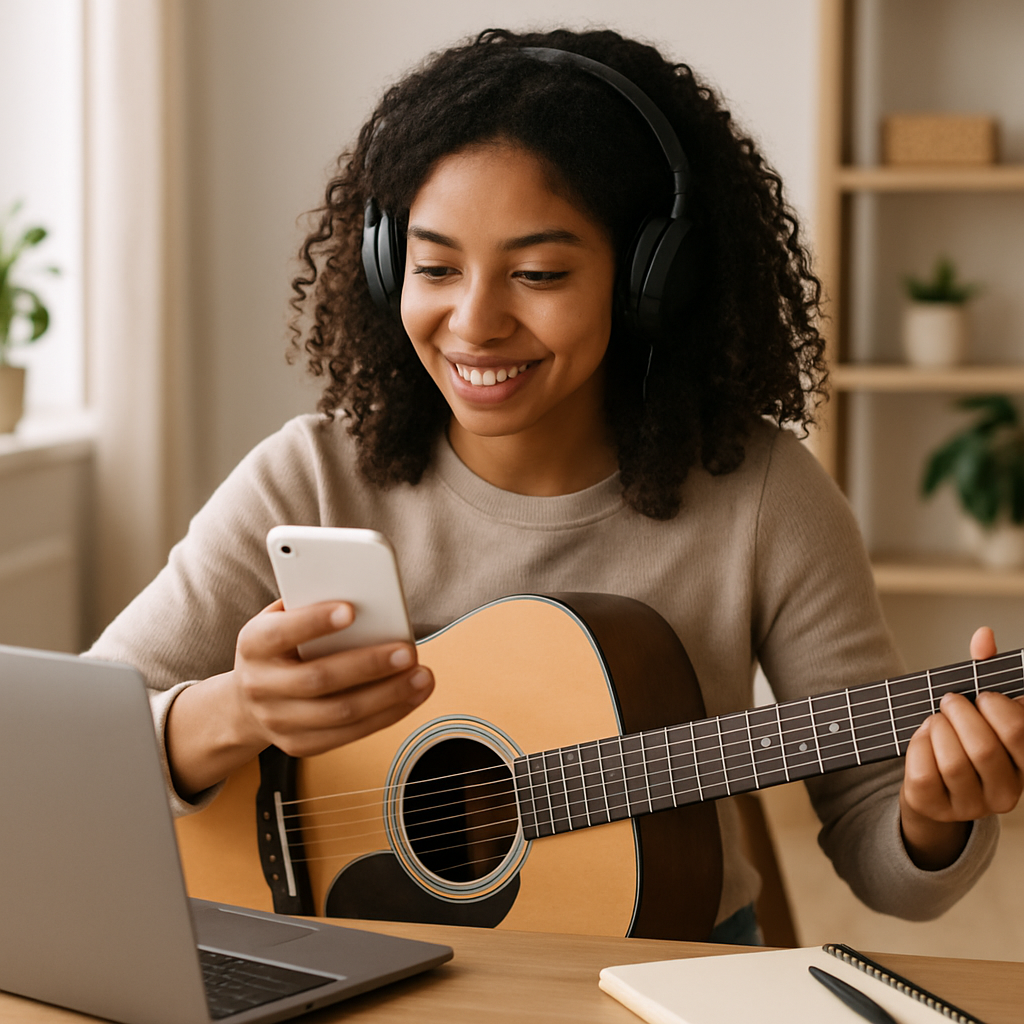
The biggest mistake artists make with community building is spreading themselves thin across every platform at once. They are on Instagram, TikTok, Twitter/X, YouTube, Discord, and Patreon — mediocre everywhere. Pick one platform where your specific audience actually lives and go deep before you expand.
Here is a practical breakdown by platform type:
- Discord — Best for artists with a dedicated core audience who want real-time conversation. Free to set up. Works especially well for producers, beat-makers, and artists with a niche sound. You can create channels for unreleased music, behind-the-scenes content, and direct Q&A.
- Substack — Best for artists who can write. A newsletter that doubles as a publication. Free tier available. Paid subscriptions start at whatever you set. Artists use it to share the story behind songs, creative process breakdowns, and exclusive content.
- Patreon — Best for artists with existing fans ready to pay for access. Tiers typically run from a few dollars a month up to premium levels. Works when you have something exclusive to offer — stems, early listens, private sessions.
- Geneva — A newer platform built specifically for communities. Combines chat, audio rooms, and event features. Lower competition than Discord right now, which means easier organic growth.
Choose based on where your energy is sustainable. If you hate writing, Substack dies in three weeks. If you love real-time conversation, Discord thrives. Sustainability beats strategy every time.
🔹 Step 3 — Give Before You Ask, Every Single Time
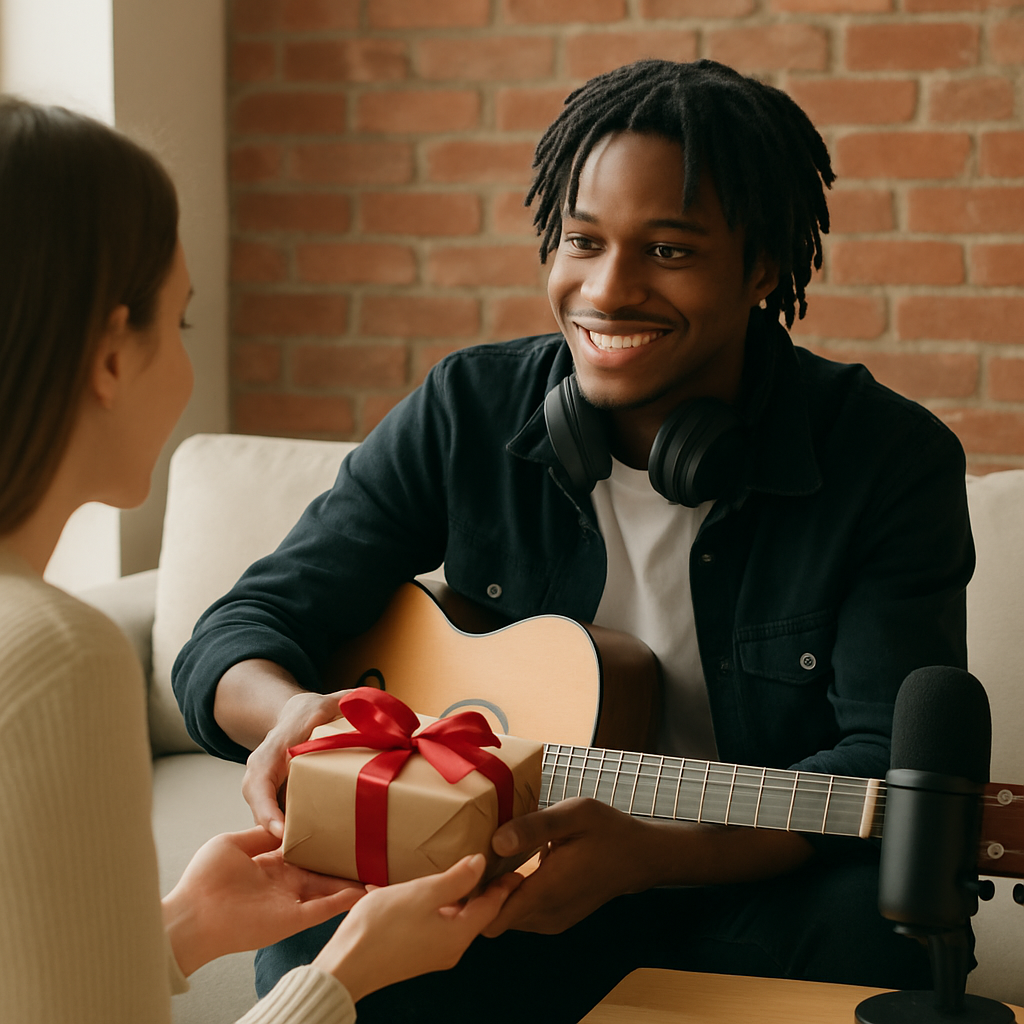
Community is built on reciprocity. The artists who build the most loyal followings give disproportionately before they ever make an ask. Free content, free access, free value — consistently, before you launch anything, before you ask for a pre-save, before you pitch merch.
What does giving look like in practice?
- Sharing the raw, unpolished version of a track before it is mixed — let your community feel like insiders
- Posting the story behind a lyric, not just the lyric itself
- Going live with no agenda — just talking, answering questions, being present
- Featuring community members in your content — a playlist of songs they sent you, a shoutout in a post
- Dropping free downloads, wallpapers, or stems for producers in your community
The math is simple: the more you give, the more your community feels invested. Invested people show up when it counts — on release day, at shows, when you need the algorithm push.
✅ Step 4 — Build Your Email List Like Your Career Depends on It (It Does)
Email is the only channel you fully own. No algorithm. No shadowban. No platform deciding your content is not worth showing. A thousand people on your email list who actually opened your last message is worth more than ten thousand social followers who never see your posts.
Start collecting emails immediately. Use a free tool like Mailchimp or the free tier of ConvertKit (now rebranded as Kit) to get started. Create a simple lead magnet — a free download, an exclusive track, early access to something — and put it behind an email signup. Link that signup from every platform you are active on.
Send emails on a consistent schedule. Monthly at minimum. Weekly if you can sustain it. Keep them short, personal, and valuable. Treat your email list like your most loyal fans, because they are. They opted in. They want to hear from you. Do not waste that.
🚨 Critical move: Every time you release music, your email list hears about it first — before social media, before press. Make them feel like the inner circle, because they are.
🔹 Step 5 — Create Rituals That Give Your Community Identity
The most powerful music communities have rituals — recurring events, inside language, shared experiences that make members feel like they belong to something specific. This is what separates a loose group of listeners from a real music community.
Rituals do not have to be complicated. Some examples that actually work:
- Weekly listening sessions — A scheduled time each week where you drop something new in your Discord or go live on Instagram and listen to music together. Consistency builds habit.
- Behind-the-track posts — Every release comes with a companion post or video that goes deeper on the story. Your community knows to expect it. They look for it.
- Community challenges — Ask your audience to remix a hook, create artwork for an unreleased track, or share what a specific song means to them. Feature the best submissions.
- Anniversary drops — Mark the anniversary of a project with exclusive content only for people who have been around since day one. Reward loyalty with access.
Rituals create belonging. Belonging creates retention. Retention is how a music community compounds over time instead of churning every time a new artist drops.
✅ Step 6 — Collaborate to Cross-Pollinate Communities
One of the fastest ways to grow a music community is to tap into communities that already exist. Strategic collaboration with other artists, producers, or creators in adjacent spaces exposes you to audiences already primed to connect with your sound.
This is not about chasing clout. It is about genuine alignment. Find artists whose audience overlaps with yours in terms of taste and values, not just genre. A joint live session, a collaborative track, a shared playlist — these create cross-pollination that benefits both communities. When TruZillah drops cinematic, atmospheric projects that blend hip-hop and R&B into something heavier and more layered, the natural collaborators are producers and artists who operate in that same emotional frequency, regardless of whether they share the exact same genre label.
Look beyond music too. Podcasters, visual artists, filmmakers, and writers often serve audiences with the same cultural sensibilities as your music. A feature on a podcast, a soundtrack for a short film, or a collaboration with a visual artist can introduce your sound to hundreds of new potential community members already aligned with your aesthetic.
🔹 The Long Game: Systems That Run Without You
Here is what most artists do not want to hear: building a community takes time, but it does not have to take all of your time. The artists who sustain community growth long-term do it through systems — content calendars, automated email sequences, scheduled posts, and community moderators who keep the space active when the artist is in the studio.
Tools like n8n automation can connect your platforms so that a new release triggers an email, a social post, and a Discord announcement simultaneously. AI-assisted content tools let you batch-create community content in a single session rather than scrambling daily. The goal is to build a machine that keeps your community warm even when you are deep in creative work. Build in silence. Let the system run.
If you want to go deeper on how operators are building owned-traffic systems that compound without constant manual effort, the team at ArcanoLabs covers content and automation strategies worth studying — especially if you are thinking about how to systematize your community touchpoints without losing the personal feel.
✅ Final Word: Own Your People or Borrow Them
Every artist faces the same choice. Keep renting attention from platforms that do not care about your career, or start building a music community that belongs to you. The work is the same either way — you are still creating, still showing up, still putting in the hours. The difference is where that work compounds.
Streams disappear. Playlists rotate. Algorithms shift. But a community that genuinely connects with your music, your story, and your culture? That is a foundation that holds through every industry change and platform pivot.
Start with one platform. Build one ritual. Send one email. Give before you ask. Do that consistently for six months and you will have something most artists spend their entire careers chasing — people who actually care.
That is the move. Now go build it.

Leave a Reply