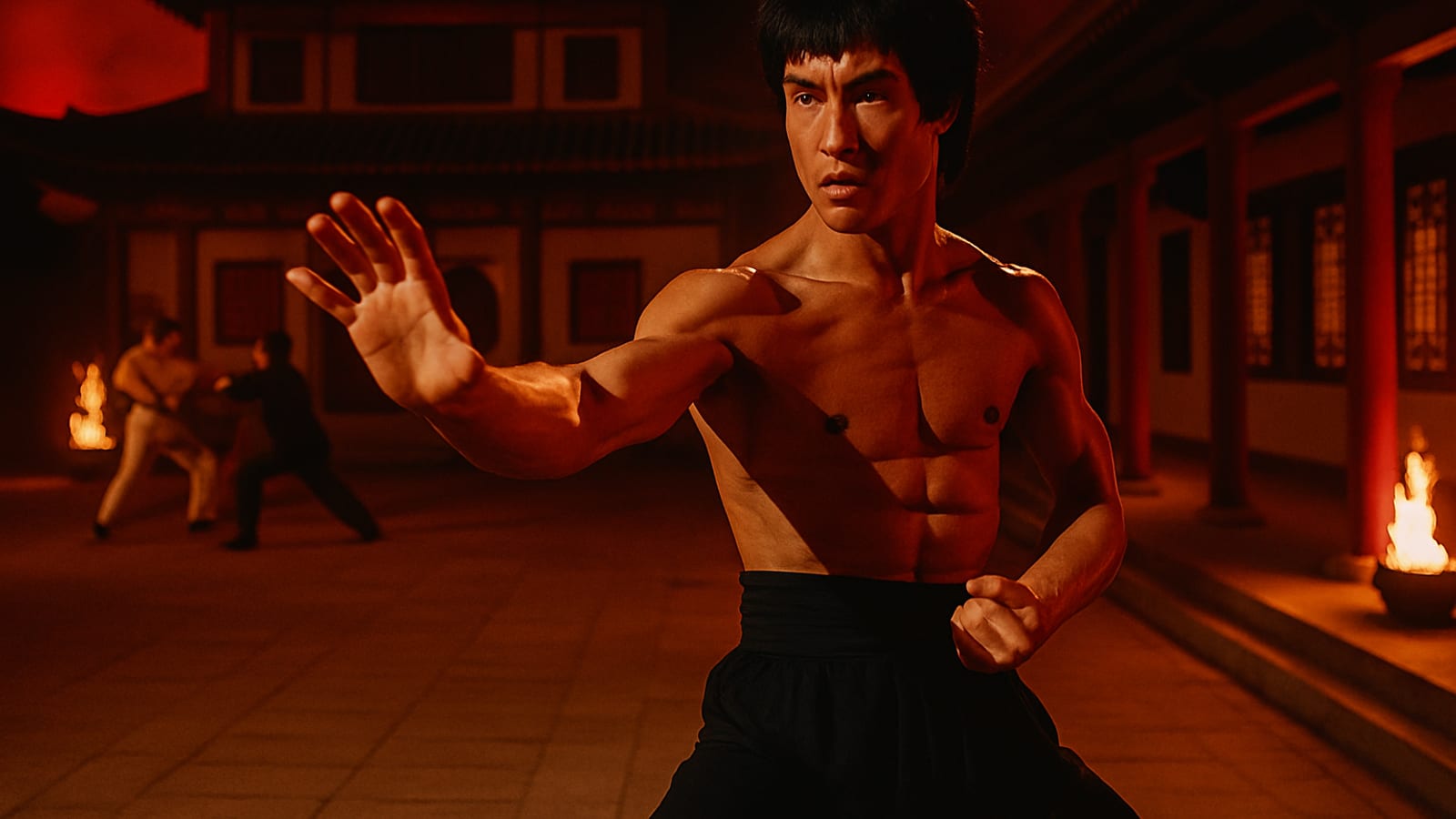
The Rise of Golden Harvest: Breaking the Shaw Brothers’ Grip on Hong Kong Cinema
The Shaw Brothers Stranglehold: Why It Looked Unbreakable
In 1970, Shaw Brothers owned Hong Kong cinema so completely that their studio lot in Clearwater Bay felt less like a business and more like a fiefdom—until Raymond Chow walked out with a handful of contracts and changed the entire industry in 36 months. Shaw Brothers was the name in martial arts films, a studio whose grip on production, distribution, and exhibition left no daylight for competitors. They built that grip deliberately. They owned the theaters. They controlled what played in them. The money flowed in one direction and it flowed to them.
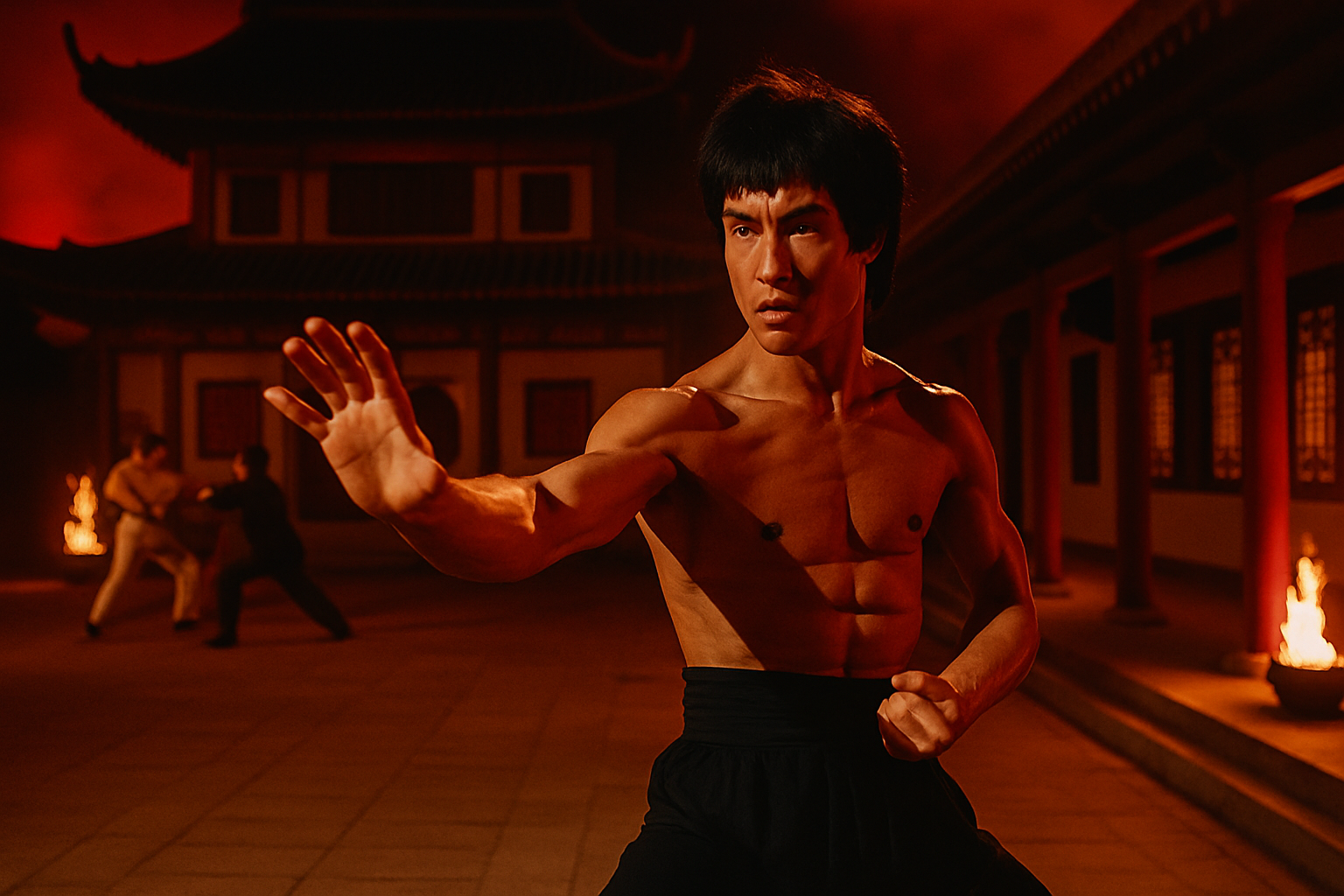
The contract system was the other half of that grip. Actors, directors, choreographers—everyone signed long-term deals that kept them inside the Shaw framework whether they liked it or not. You got financial stability. You lost the freedom to take your craft somewhere it might grow. For a long time that trade-off held, because Shaw Brothers was the only game worth playing. The machine ran smoothly, the stars became household names, and the whole arrangement looked like it would simply go on forever.
The Moment It Cracked: Raymond Chow and the Defection
Raymond Chow had been one of the people keeping that machine running. He was a trusted executive inside Shaw Brothers, close enough to the operation to understand exactly where its weight was concentrated and exactly where it was exposed. What he felt, eventually, was the frustration of working inside a structure that treated control as more important than possibility. When he left, he did not leave quietly. He took industry knowledge, key relationships, and a clear idea of what he wanted to build instead.
The studio he founded, Golden Harvest, was designed from the start to hit Shaw where it was stiffest. Chow understood that the contract system and the massive studio overhead were not just assets—they were anchors. His answer was flexibility, star power, and an eye toward audiences beyond Hong Kong. Talent that felt trapped inside Shaw’s lineage of long-term agreements suddenly had somewhere else to go, and the ripple moved fast.
The Three-Year Run: How Golden Harvest Moved Faster

Golden Harvest’s production model was lean by design. Without a vast studio infrastructure eating through the budget, they could move quickly, take risks, and put money where it actually showed on screen. Instead of relying on the Shaw Brothers assembly line, they built around stars and brought in international co-financing to spread the cost and widen the reach.
Films like The Big Boss and Fist of Fury showed what that model could do when the right performer was at the center of it. Bruce Lee’s stunt work and screen presence crossed borders in a way Shaw’s more insular productions rarely had. These were not films that needed translation to land. The fight choreography spoke for itself, and audiences in Hong Kong, Southeast Asia, and eventually the grindhouse circuit in the United States all heard it the same way.
Why Shaw’s Playbook Couldn’t Adapt
The very things that made Shaw Brothers dominant became the reasons they couldn’t pivot. Maintaining a full studio lot and honoring long-term contracts across hundreds of performers and crew members meant the cost structure was fixed in ways Golden Harvest’s was not. When the market started rewarding agility and star-driven productions over studio prestige, Shaw found itself holding infrastructure it couldn’t quickly shed.
The performers under contract moved at the pace the studio allowed, not the pace the industry was demanding. And as audiences shifted their attention toward the kind of films Golden Harvest was making, Shaw’s model stopped looking like stability and started looking like a ceiling. The machine that had seemed permanent turned out to be a liability dressed up as a legacy.
The Performers Who Switched Sides: What Changed for Them
This was never just a business story. For the actors and fighters living inside it, the shift was personal and immediate. Performers who moved to Golden Harvest found themselves in bigger roles, with better pay and enough creative breathing room to actually develop their craft. The stunt work got more ambitious. The choreography had space to be inventive rather than just functional.
For those who stayed inside Shaw’s system, the cost was real. They were still working, still skilled, still carrying lineages of training that deserved better than the roles they were being handed. But the industry was reorganizing around them, and the performers who had taken the risk of moving found themselves at the front of something new rather than the back of something familiar. It is worth remembering that these were not abstract business decisions—they were choices made by people who had spent years, sometimes childhoods, building a physical craft, and who deserved to see that craft used well.
What This Meant for Kung Fu Cinema After 1973
The disruption Golden Harvest introduced did not settle back down. It permanently restructured how Hong Kong action cinema worked. The end of the studio contract model opened space for independent producers and brought in international talent and money that Shaw’s closed system had kept out. The films that came out of this period look and feel different from what came before, and that difference is not accidental—it is the direct result of what changed when one studio’s stranglehold finally broke.
If you are new to this era, understanding the business context makes the films themselves more legible. The energy you feel watching a Golden Harvest production from the early 1970s is partly the energy of people who had just been handed creative freedom they had not expected to get. That shows up in the choreography, in the performances, in the willingness to try things. The innovations introduced in those three years are still moving through martial arts cinema today.
For those eager to explore the films that reshaped kung fu cinema, Old School Shaolin and Wu recommends checking out Where to Watch Classic Kung Fu Movies Right Now: The July 2026 Streaming and Physical Media Guide for a comprehensive list of where to find these classics. Additionally, for those interested in uncut Shaw Brothers classics, visit Where to Legally Stream and Buy Uncut Shaw Brothers Classics Right Now.
Golden Harvest’s Strategic Edge: A Different Kind of Studio

Golden Harvest’s success was not simply about escaping Shaw Brothers—it was about building something with a different set of priorities from the ground up. Co-productions with international partners were central to that. Sharing financing with foreign studios spread the risk and opened markets that a Hong Kong-only distribution strategy could never reach. The result was a fusion of Eastern martial arts craft and storytelling that could play in Southeast Asia, in Europe, and in the grindhouse theaters of the American Midwest without losing what made it distinctive.
They also understood that a great film nobody sees is not a great film in any practical sense. Golden Harvest invested seriously in marketing and distribution, pursued international premieres, and built relationships with foreign distributors who could actually get the films in front of new audiences. Shaw Brothers had built inward. Golden Harvest built outward, and the difference in reach showed up at the box office within the first few years.
A Different Approach to the Craft: Technical and Creative Advances
On the filmmaking side, Golden Harvest gave its directors and choreographers room to experiment in ways the Shaw system rarely permitted. The fight choreography became more dynamic, the camera work more willing to follow the action rather than simply record it. Character development got more attention, which made the films more accessible to audiences who were coming to martial arts cinema for the first time rather than as devoted followers of the form.
The studio was also early in adopting widescreen formats and investing in sound quality—details that matter more than they might seem, especially for films that were traveling to markets where the restoration of a clean print could be the difference between a film landing and a film being dismissed. These were not vanity choices. They were craft decisions that reflected a genuine belief that the work deserved to be seen at its best.
How You Measure a Revolution: Markers of the New Era
- Box Office Revenue: Tracking domestic and international box office performance gave Golden Harvest a clear read on whether their global strategy was actually reaching new audiences or just producing optimistic projections.
- Market Penetration: The number of new territories entered and the distribution partnerships formed internationally measured how far the model was actually traveling.
- Talent Acquisition and Retention: Whether skilled performers and choreographers were choosing Golden Harvest over Shaw—and staying—was the most direct signal that the flexible contract model was working as intended.
- Innovation in Filmmaking Techniques: Adoption of new technologies and approaches to choreography and storytelling tracked whether Golden Harvest was maintaining the creative edge that had made the disruption possible in the first place.
Bruce Lee: What His Partnership With Golden Harvest Actually Meant
You cannot tell this story without spending real time on Bruce Lee, because his partnership with Golden Harvest was not incidental to the studio’s rise—it was the clearest proof that the new model worked. Films like The Big Boss and Enter the Dragon were not just box office successes. They redefined what martial arts cinema could be and who it could reach, and they did it in a way that the Shaw Brothers system, with its tighter controls and more cautious international ambitions, was not positioned to replicate.
What often gets underrated in the Lee story is how involved he was in the craft beyond his performance. He contributed to choreography and script development at a level that Shaw’s contract structure would have made difficult to negotiate. Golden Harvest’s willingness to give him that creative stake was not just good for Lee—it produced better films. His global appeal gave the studio its international credibility, and the creative freedom the studio offered him gave his work a specificity and intention that still holds up under close viewing today.
Questions Worth Asking: Understanding the Golden Harvest Revolution
- How did Golden Harvest’s approach to talent differ from Shaw Brothers?
Golden Harvest offered flexible contracts and genuine creative latitude, which drew performers and choreographers who had felt constrained inside Shaw’s long-term agreement structure and wanted room to develop their craft on their own terms. - What role did international collaboration play in Golden Harvest’s strategy?
Co-productions with foreign studios were essential—they spread financial risk, expanded the potential audience, and gave Golden Harvest’s films a reach that a Hong Kong-only distribution model simply could not match. - Why was Bruce Lee so important to Golden Harvest’s success?
His global star power brought international audiences to the studio’s films at a scale nobody else could have delivered, and his deep involvement in the creative process—choreography, script, character—produced work that held up as craft, not just spectacle.

Leave a Reply