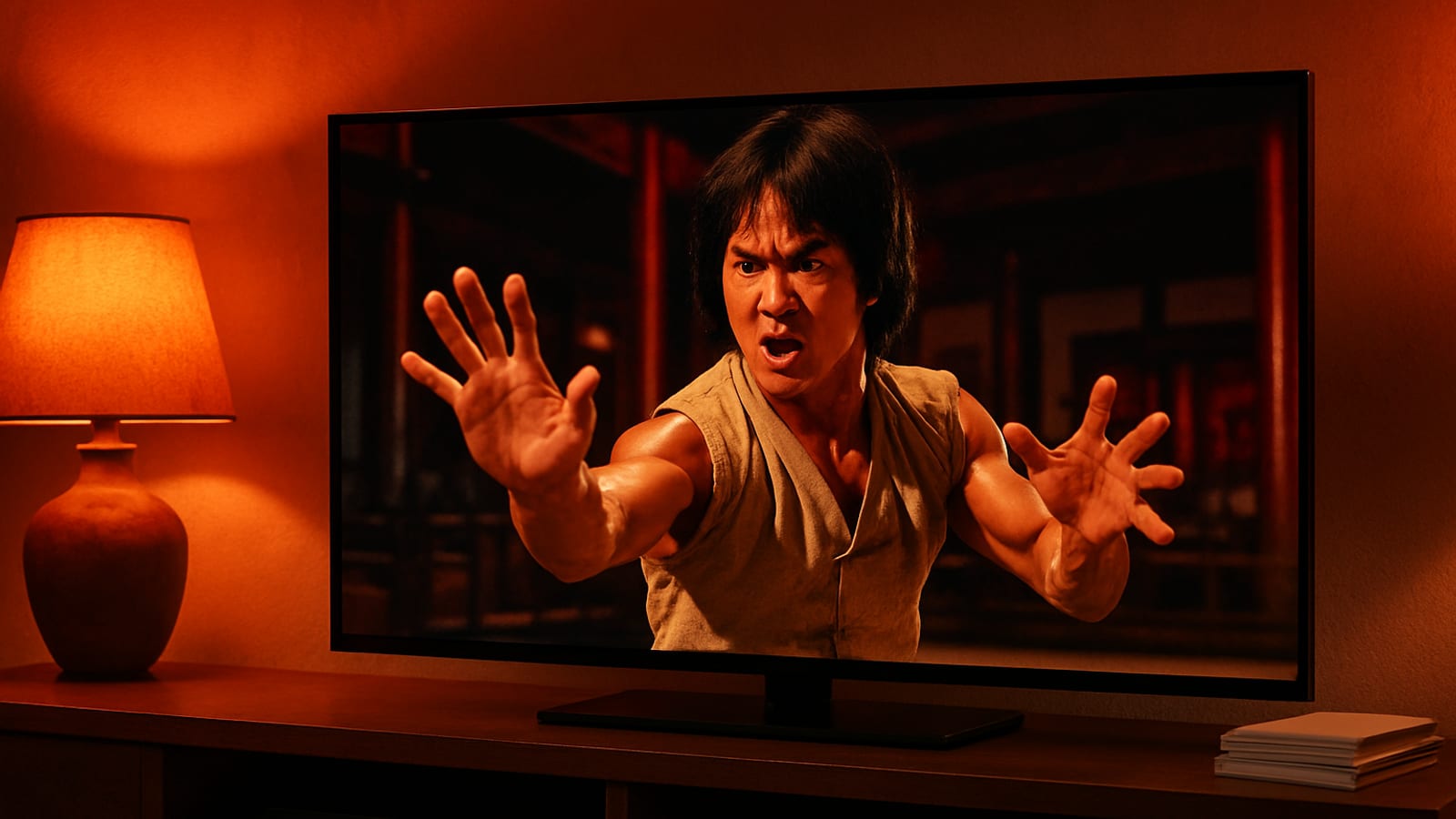
The Ultimate Guide to Watching Classic Kung Fu Movies
The Version You Watch Tonight Is Not Always the Film Worth Watching
I learned this the hard way. Spent years thinking a certain Shaw Brothers title was just fine, nothing special, until I finally saw a restored print and understood what everyone had been talking about. The pan-and-scan VHS transfer I grew up with had been cutting off a third of the frame — which meant I was missing half the choreography. That is not a small thing. In a genre where the fight is the argument the film is making, a bad transfer is not an inconvenience. It is a different movie. Knowing the difference between a muddy streaming rip and a proper 2K restoration could mean the difference between understanding why a scene matters and wondering why anyone bothered. This guide is about that difference, and about finding the best available version of the films that deserve your full attention. If you’re wondering where to watch kung fu movies, this guide will help you navigate the options.
What Is Actually Streaming Right Now and Whether It Is Worth Your Time (July 2026)
As of July 2026, the streaming landscape is genuinely better than it has ever been for this genre, but you still have to know where to look. Netflix and Amazon Prime rotate titles in and out without much care for transfer quality, and what they carry is often a compressed, cropped version of something that deserved better. The place I keep coming back to is the Criterion Channel, which has been carrying restored Shaw Brothers titles that are a genuine pleasure to watch — the kind of experience where you finally see the depth in the frame and realize the cinematographer was doing real work. The 36th Chamber of Shaolin and Shaolin vs Wu Tang are both available there with clean transfers, and if you have not seen Gordon Liu’s stunt work and screen presence in a proper print, you owe yourself that. Director Lau Kar-leung is well represented too, and his lineage as a practitioner who brought real form into his choreography reads completely differently when the image is not fighting you. When you are evaluating any streaming option, look for language indicating restoration and check whether the version is dubbed or subtitled. For a thorough breakdown of where to legally stream and buy uncut Shaw Brothers classics, this guide is worth your time.
What Streaming Will Not Give You, and Why Physical Media Still Wins Certain Arguments
There are films that simply demand a physical copy, and collectors already know which ones. Labels like Criterion and Arrow put real resources into their releases — superior transfers, behind-the-scenes material, interviews with filmmakers who are getting older and whose knowledge needs to be recorded now. Out-of-print Shaw Brothers and Golden Harvest titles that have never made it to any streaming platform can still be found through specialty retailers and online auctions if you are patient. Region coding is worth understanding before you buy; some of the strongest releases are international editions that require a multi-region player, but the upgrade in quality is usually worth the setup. The recent restoration of Come Drink with Me is a good example of why upgrading from an old VHS or early DVD copy matters. The craft in that film — the choreography, the framing, the performances — was always there. A proper restoration just lets you finally see it.
Dubbed or Subtitled: What You Actually Lose and Gain
This debate has been running since the grindhouse days and it is not going away, which means it is worth thinking through carefully rather than just picking a side. Dubs can sometimes sharpen the energy of a fight sequence through aggressive sound design, and some English dubs — particularly those attached to Bruce Lee’s films — have become part of the cultural record in their own right. But dubs also flatten performances. The original voice is where an actor’s timing lives, and timing is everything in this genre. Jackie Chan’s comedic instincts, for instance, land differently when you are hearing the rhythm of his actual delivery rather than an approximation of it. Subtitled versions preserve that lineage of performance and often reveal things in the dialogue that dubs simply cut or rewrite. My honest recommendation is to watch subtitled first and then, if you are curious, revisit the dub as a separate artifact. They are genuinely different experiences, and knowing which one you are choosing changes how you receive the film.
Finding the Performers Nobody Else Covers: Where the Deep Cuts Live
Once you have worked through the titles everyone recommends, the real pleasure of this genre opens up. Searching by performer name rather than title is one of the most reliable ways to find underrated work on streaming platforms — it surfaces films that would never appear in a genre browse. Boutique streaming services and dedicated YouTube channels have become essential for obscure releases that mainstream platforms ignore entirely. On the physical media side, labels like 88 Films and Eureka have done serious work bringing attention to deep cuts and commissioning restorations that would not otherwise exist. These are the releases that keep the stunt work and choreography of lesser-known performers from disappearing. For a close look at one of the most underrated figures in the genre, the piece on Carter Wong and the fists nobody talked about is exactly the kind of starting point I mean.
Building the Collection: A Practical Roadmap for Physical Media Buyers
Moving from casual viewer to intentional collector does not require a big budget, but it does require some strategy. Start with titles that justify physical ownership because of their restoration quality or their unavailability anywhere else — those are the purchases that will not feel like duplicates of something you already have access to. When buying used, evaluate condition and pricing carefully; the market for vintage kung fu films is competitive and prices on certain titles have climbed. Importing regional releases is worth considering when those editions carry cuts or features that domestic versions do not. And store your physical media properly — temperature, light, and humidity all matter more than most people realize until something deteriorates. A collection built this way becomes something more than a watchlist. It is a record of who made these films and what they were capable of.
Pick one performer or fight choreographer you have heard discussed but never actually seen. Use this guide to find the best available version of their work and watch it this week. That is the whole assignment.
The Restoration Process: What It Actually Takes to Bring These Films Back
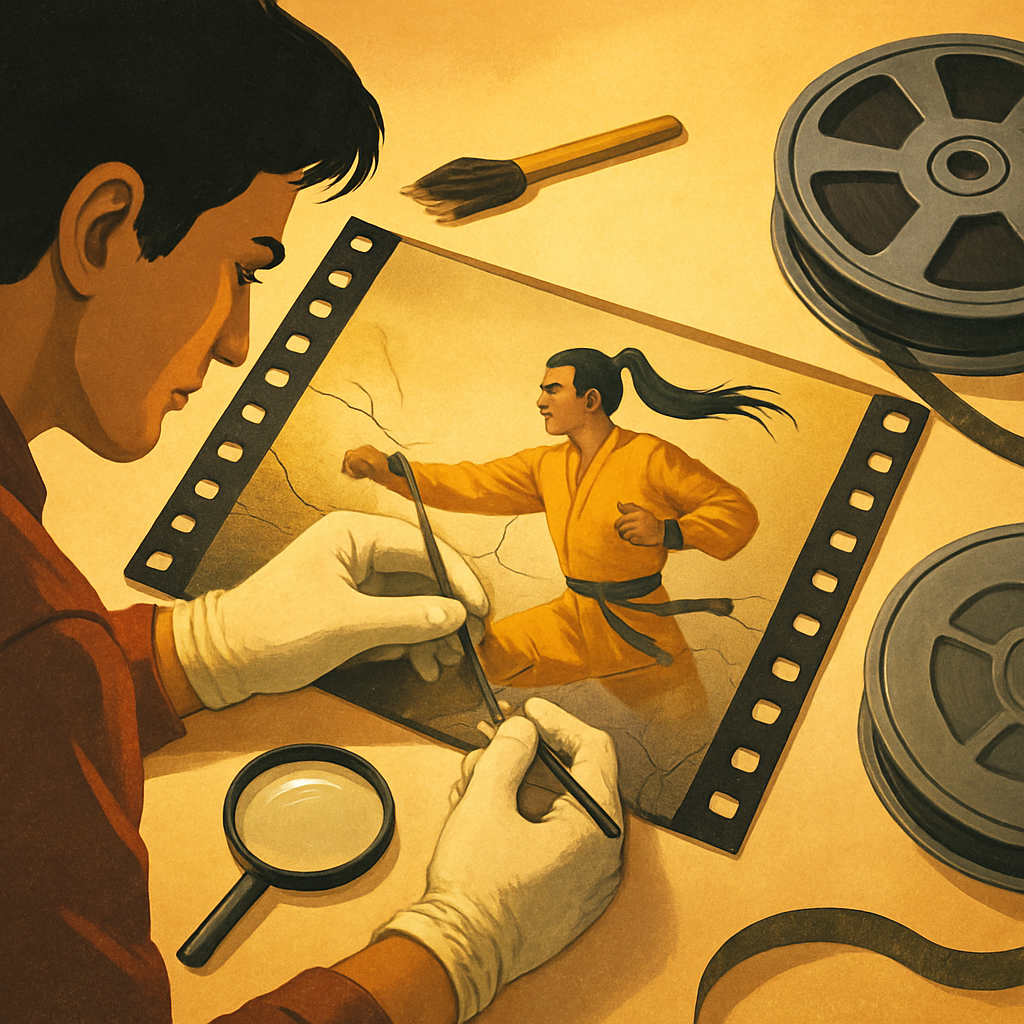
Restoration is painstaking work, and I think it is worth understanding what actually goes into it, because that understanding changes how you feel about the finished product. Specialists repair damaged film reels frame by frame, correct color imbalances that accumulated over decades of storage, and clean up audio that was sometimes recorded under difficult conditions to begin with. Dust, scratches, and chemical deterioration all have to be addressed individually. The people doing this work are not just technicians. They are making interpretive decisions about what the film originally looked like, and those decisions require real knowledge of the period and the craft.
The most significant shift in recent years has been the use of digital scanning at 2K and 4K resolutions, which pulls detail out of original film elements that lower-quality transfers simply could not capture. This is where restoration becomes revelatory. The intricate choreography in Five Deadly Venoms, the precision of the stunt work, the spatial relationships between performers in the frame — all of it becomes legible in a way it never was on VHS or early DVD. You are not watching a better-looking version of the same film. You are, in some meaningful sense, watching the film for the first time.
Audio restoration carries its own challenges, particularly for films that were released simultaneously in multiple languages with different dubbing tracks. Synchronizing those elements so that sound and image feel unified is slow, careful work. For collectors, understanding the restoration process is not just background knowledge. It is the reason a quality release is worth what it costs. For more insights into the soundscapes of these films, check out this article.
The Community Around These Films: Why It Matters Who You Watch With

The community around classic kung fu cinema is one of the things I did not expect to value as much as I do. Online forums, social media groups, and fan conventions have created spaces where people share genuine knowledge — not just opinions, but research, rare finds, and the kind of institutional memory that keeps the history of these performers from being lost. Watch parties, martial arts demonstrations, panel discussions, screenings of restored prints: these events exist because people care enough to organize them, and they are worth seeking out.
For newcomers, plugging into one of these communities early is one of the fastest ways to build a real understanding of the genre. The recommendations you get from people who have been watching these films for thirty years are different from what an algorithm surfaces. For collectors, these communities are where you learn about upcoming restorations, limited-edition releases, and physical media that is about to go out of print. The trading and discussion that happens in these spaces keeps knowledge circulating.
What I find most meaningful is that many of these communities are genuinely committed to the cultural lineage of martial arts cinema — not just as entertainment, but as a body of work that deserves the same serious attention as any other film tradition. They support restoration projects, document the careers of underrated performers, and push back against the tendency to reduce this genre to a punchline. That protective instinct is one I share completely.
Tracking Your Collection: A Few Markers Worth Paying Attention To
If you are building a serious collection, keeping track of a few key markers will help you make smarter decisions about what to buy next and what to upgrade. Here is what I actually pay attention to:
- Number of Titles: Keep a running record of what you own, including different editions of the same film. Knowing you already have a title in one format saves you from buying a duplicate when you meant to upgrade.
- Restoration Quality: Note whether each release is 2K, 4K, or an older standard-definition transfer. This tells you which titles are candidates for upgrading when a better version appears.
- Rarity and Value: Track which titles are limited editions or out-of-print releases. The market moves, and knowing what you have helps you make informed decisions about trading or selling.
- Coverage of Performers: Make sure your collection represents a genuine range of performers, directors, and fight choreographers — not just the names everyone already knows.
- Condition of Media: Check your physical media regularly. Disc rot and tape degradation are real, and catching deterioration early is the difference between a salvageable copy and a lost one.
Paying attention to these markers keeps your collection from becoming a random accumulation and turns it into something that reflects real knowledge of the genre — which is the whole point. For those wondering where to watch kung fu movies, Old School Shaolin and Wu offers a comprehensive guide to streaming and purchasing options, ensuring you experience these films as they were meant to be seen.

Leave a Reply