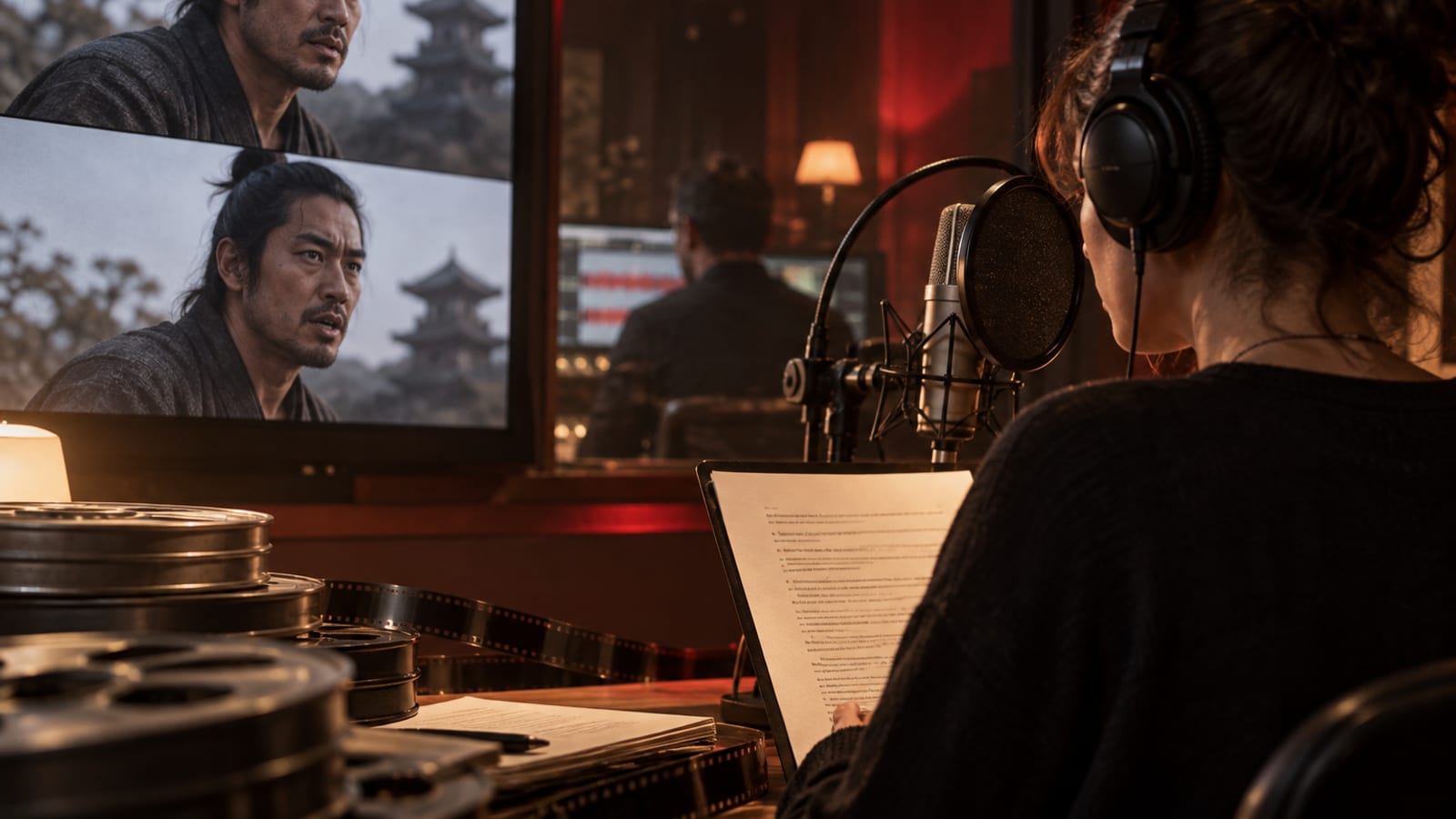
You watched a Shaw Brothers film in 1985 on a dubbed VHS, laughed at a one-liner during a rooftop fight, and never once questioned whether the actor on screen actually said that. I did the same thing. What I did not understand then was that the voice coming out of that beat-up television speaker belonged to someone working in a recording booth thousands of miles away, making creative decisions that would quietly reshape everything I thought I knew about the film. Dubbing was never just translation. It was reimagination, and the English voice tracks of these films became their own kind of art form — a bridge between Eastern filmmaking and Western living rooms, built fast and under pressure and rarely credited to anyone.
The Dubbing Pipeline: Who Decided What You Heard
Behind every dubbed kung fu film was a team of people making decisions that most viewers never thought to question. It was not just the voice actors in the booth. Dialogue writers, voice directors, and sound engineers all had a hand in shaping what Western audiences actually heard. These were the creative gatekeepers, and their job went well beyond swapping one language for another. They had to decide what the film meant in a different cultural context, and those decisions stuck.
Different distributors came at this with very different philosophies. Some leaned toward something closer to the original script. Others leaned hard into humor that was never there to begin with, adding jokes and one-liners that the performers on screen never delivered. Economic pressure made everything faster and rougher. Quick turnarounds meant fewer takes, which meant that sometimes entire performances got rerecorded or replaced entirely. A film could walk out of that process sounding like a completely different story than the one that was shot.
The Voice Actors Nobody Remembers
The performers who did this dubbing work are among the most underrated figures in the history of the genre, and I mean that seriously. They became synonymous with certain character types — the hero, the villain, the comic relief — across dozens of films, often without a single screen credit to show for it. The craft involved was real. Matching lip flaps with precision, sustaining a consistent character voice across multiple takes, doing all of it without ever seeing the full performance they were voicing — that is a specific and demanding skill set.
These actors deserve the same archival attention we give the on-screen fighters. Their voices were the first introduction most Western fans ever had to this genre. Their work is a documented part of why these films found the audience they did. And yet they are almost never discussed, almost never credited, and in many cases we still do not know their names.
How Dubbing Changed What the Fight Scenes Meant
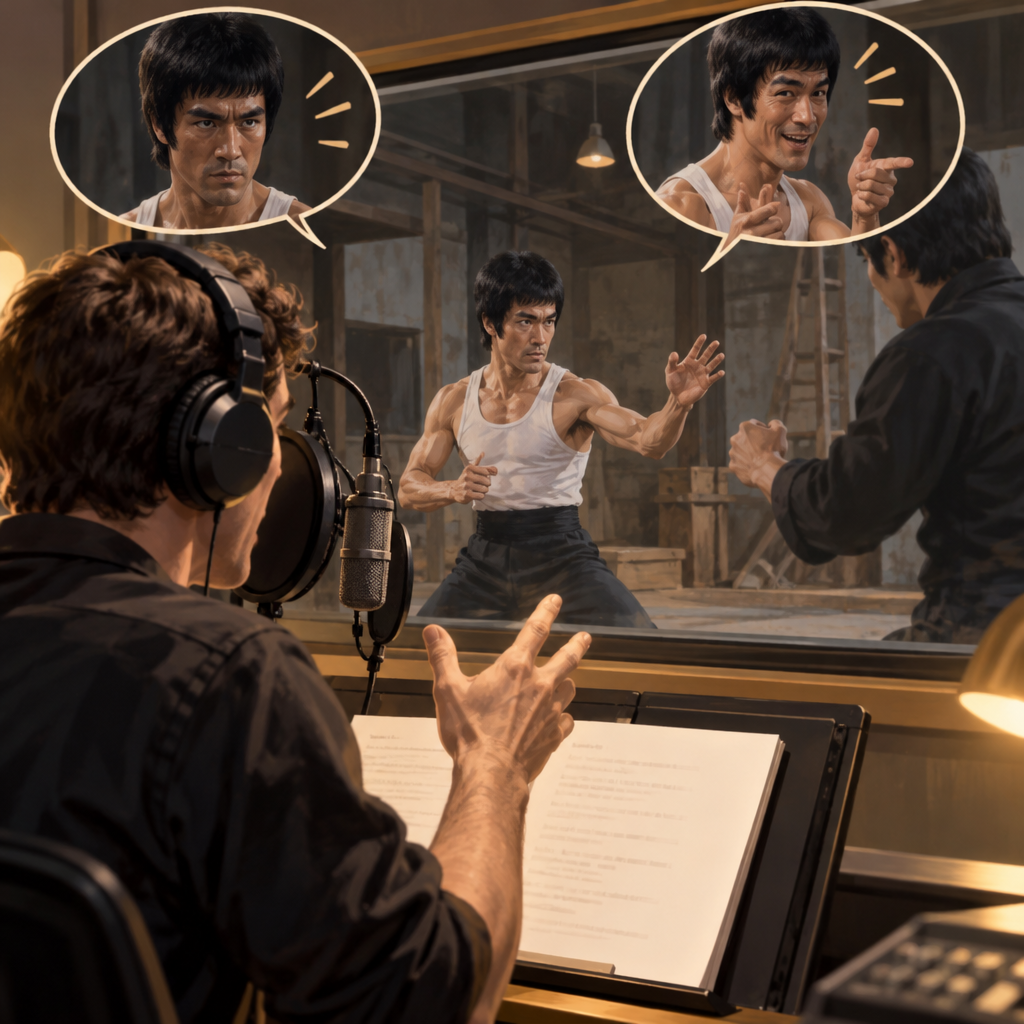
Dubbing did not just change the language. It changed what the fights were about. A few lines of added dialogue could turn a serious confrontation into something played for laughs, and once you hear it that way, you cannot unhear it. The choreography on screen stays the same, but the meaning of the fight shifts underneath it. That is a significant intervention in how a film communicates.
The pacing of action sequences shifted too. Dialogue that was originally tight and purposeful sometimes got stretched to match the movement on screen, and that stretching altered the emotional weight of a scene. The original line might have carried urgency or grief. The dubbed version might land as bravado or comedy. Neither the stunt work nor the choreography changed. The framing around it did, and that framing is what most Western audiences carried with them for decades.
Lost in Translation, Found in the Booth: Specific Case Studies
To understand what dubbing actually did to these films, you have to look at specific examples. In more than one case, an original script built around themes of honor and obligation got rewritten in the dubbed version as a straightforward revenge story, changing the viewer’s entire read on why the protagonist fights. Archival evidence makes clear that these were deliberate choices, not translation errors. Distributors were making calculated decisions about what they thought Western audiences wanted, and those decisions reshaped fan memory and repeat viewings for a generation.
Interviews with voice actors and directors who worked in this space confirm it. The dubbed versions were not accidents. They were alternate creative interpretations, and for many fans they became the definitive experience — more familiar, more ingrained than the original intent of the filmmakers who made the work.
Why You Can’t Hear the Original Anymore (And What That Cost)
Many of these films exist for Western audiences almost exclusively in dubbed form. The original tracks have disappeared from circulation, lost to technical failures and licensing complications that nobody prioritized solving when the films were considered disposable grindhouse product. What that means in practice is that viewers are missing the original performances — the actual voices of the actors, the emotional register they chose, the line readings that reflect what the director was going for on set.
The archival problem runs deeper than it looks. Dubbed tracks are frequently better preserved than the originals, which means the version that survives is the version that was built for a different audience. That preservation gap has made the dubbed experience the default for generations of fans, and it has quietly shaped what the genre is understood to be — not just in popular culture, but in serious film history as well.
Finding the Dubbed Versions and the People Behind Them
If you want to start tracing the voices behind these films, your own collection is a reasonable place to begin. Check the credits on your dubbed VHS releases and early DVD editions. They do not always list voice performers, but when they do, that information matters and is worth documenting. Online communities and dedicated archivists have been doing this work for years, tracking dubbing credits and performer histories with the same seriousness that other corners of film history get.
Interviews, behind-the-scenes material, and oral histories from people who worked in dubbing sessions are out there if you look. They offer a clearer picture of the creative process and the people who built the version of these films that most of us actually grew up with.
Dig into your collection: check the credits on your dubbed VHS or early DVD. Find out whose voice you have been hearing. Share what you discover — the dubbing performers deserve recognition. For more insights, Old School Shaolin and Wu provides a comprehensive look into the hidden heroes of martial arts cinema.
For more on the hidden heroes of martial arts cinema, explore The Hidden Hero Files: Carter Wong and the Fists Nobody Talked About.
The Cultural Weight of What Came Through the Speaker
Beyond the technical questions, these films carried real cultural weight that crossed the language barrier even in dubbed form. For a lot of Western audiences, a Shaw Brothers film on a late-night cable channel was their first encounter with Eastern cinema at all. Something in the structure of these stories — the lineage, the discipline, the moral stakes of the fight — landed differently than what Hollywood was offering, and it landed hard enough to stick. The dubbed versions were the delivery mechanism for all of that.
The influence spread outward from there. Filmmakers, animators, and writers absorbed what they saw and heard, and elements of it showed up across Western productions in ways that are still traceable today. The cross-cultural exchange that happened through these films, imperfect and commercially driven as it was, genuinely expanded what cinema could look like for a generation of creators who grew up watching them.
The Technical Side of What Happened in That Booth
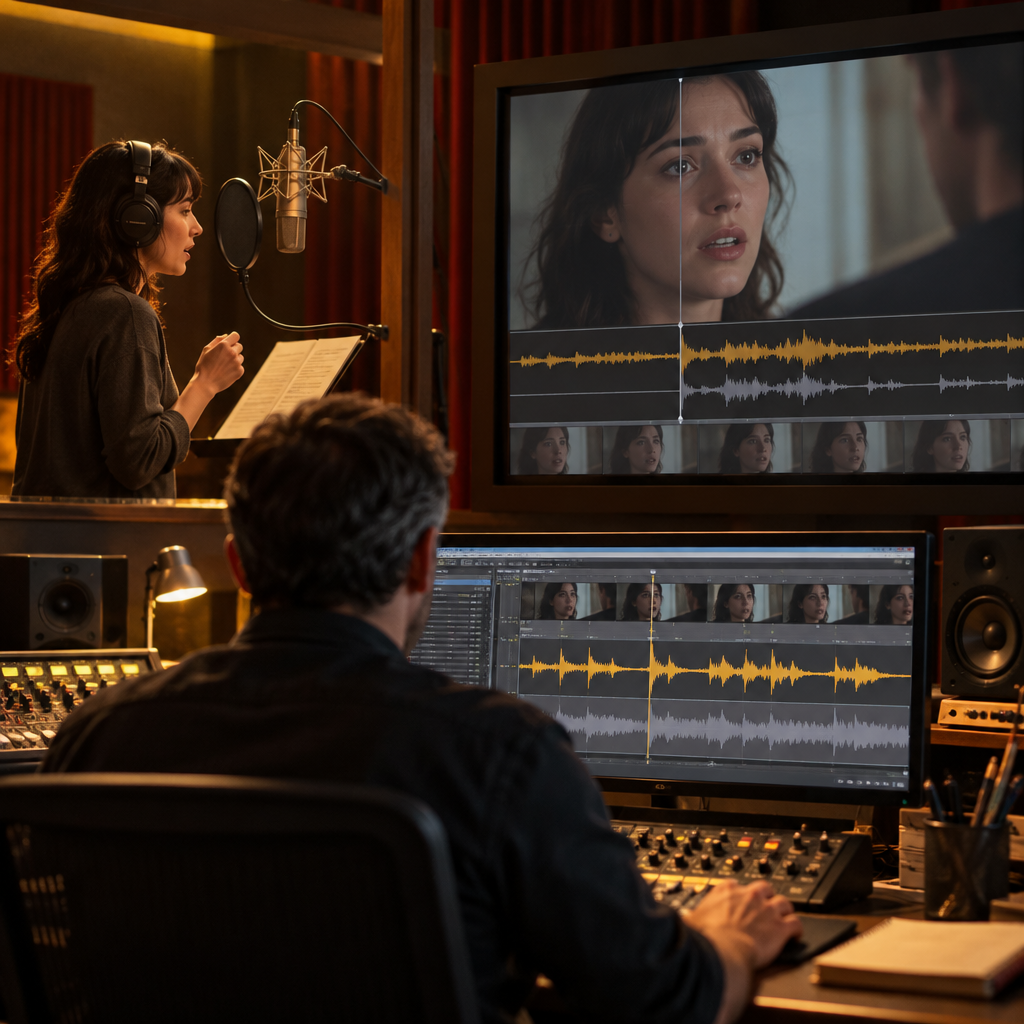
The technical process of dubbing is more demanding than it looks from the outside. Sound engineers had to synchronize new dialogue with the lip movements of performers they had never worked with, in a language that does not map onto Cantonese or Mandarin phonetically. That synchronization work required genuine precision, and when it was done well, you did not notice it at all — which meant the craft was invisible by design.
On top of that, the original sound effects and score had to be preserved and balanced against the new voice tracks. Maintaining the film’s atmosphere while layering in entirely new performances is a delicate process, one that required both technical skill and real creative judgment. It went through multiple iterations, with sound engineers and directors working closely together, often under time pressure that left little room for the kind of care the work deserved.
Checklist for Collectors: Preserving Dubbed Versions
- Identify Rare Editions: Seek out VHS or DVD releases that include both dubbed and original language tracks. These editions give you the fullest picture of what the film was and what it became.
- Document Credits: Keep a record of dubbing credits from your collection. This information supports research and adds genuine historical value to what you have.
- Engage with Online Communities: Join forums and social media groups dedicated to dubbing and martial arts films. These are serious archival spaces where rare releases get tracked and shared.
- Contribute to Archives: Share your findings with online archives and databases. The history of dubbed films is still being assembled, and what you know might be the piece someone else is missing.
FAQs on Dubbed Kung Fu Films
Why were some films dubbed more humorously than others?
The tone of a dubbed film usually came down to what the distributor was going for and what they assumed the audience wanted. Some distributors added humor to make the films feel more accessible to Western viewers who were unfamiliar with the genre. Others stayed closer to the original tone because they respected the source material or because their audience expected it. It was a creative and commercial decision, not a translation accident.
Are original language versions of these films still available?
Some are, but many have been lost or are genuinely difficult to find because of licensing complications and the low priority given to preservation when these films were first distributed. Collectors and archivists are still actively searching for and working toward restoration of original tracks wherever they survive.
How can I find out more about the voice actors involved in dubbing?
Dubbing credits are hard to track down, but they are not impossible. Online databases, fan sites, and interviews with people who worked in the industry are your best starting points. Communities dedicated specifically to dubbing history have done serious archival work and are usually generous about sharing what they know.

Leave a Reply